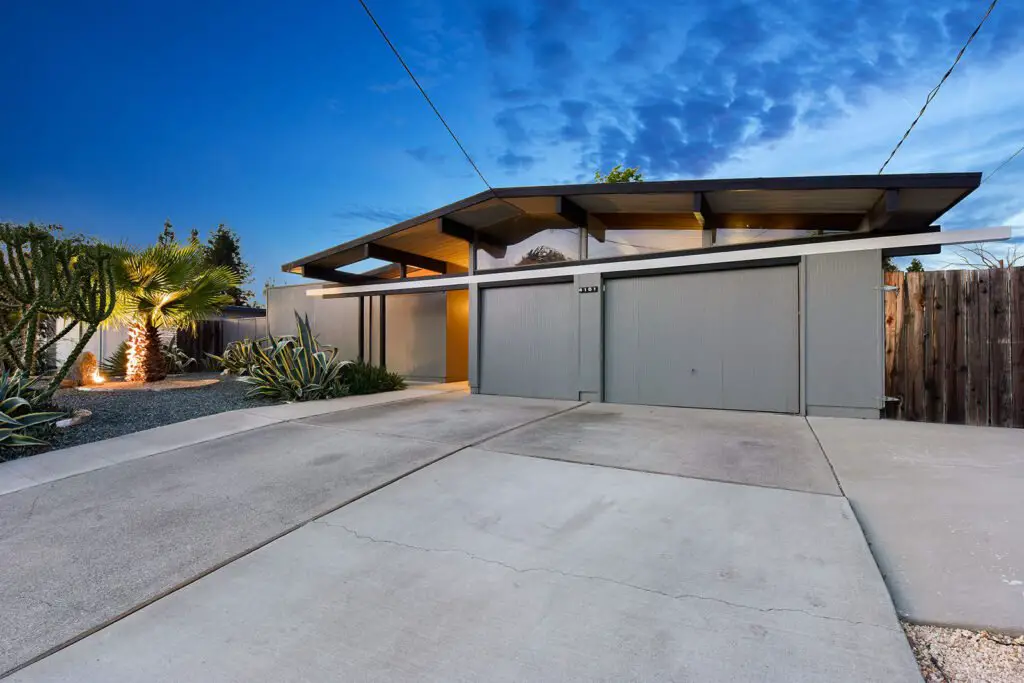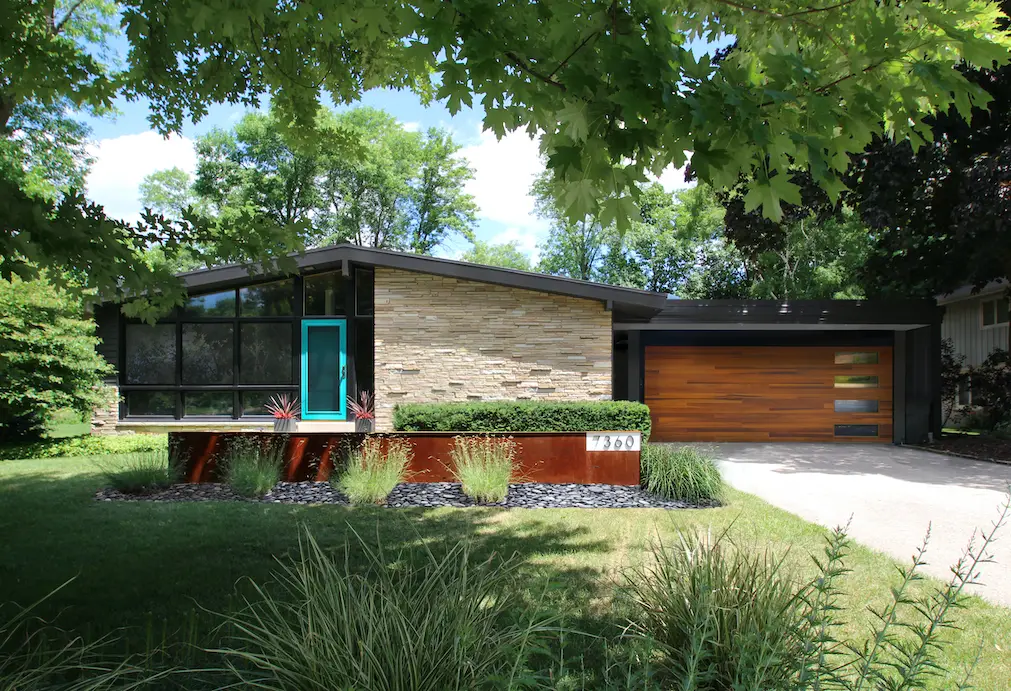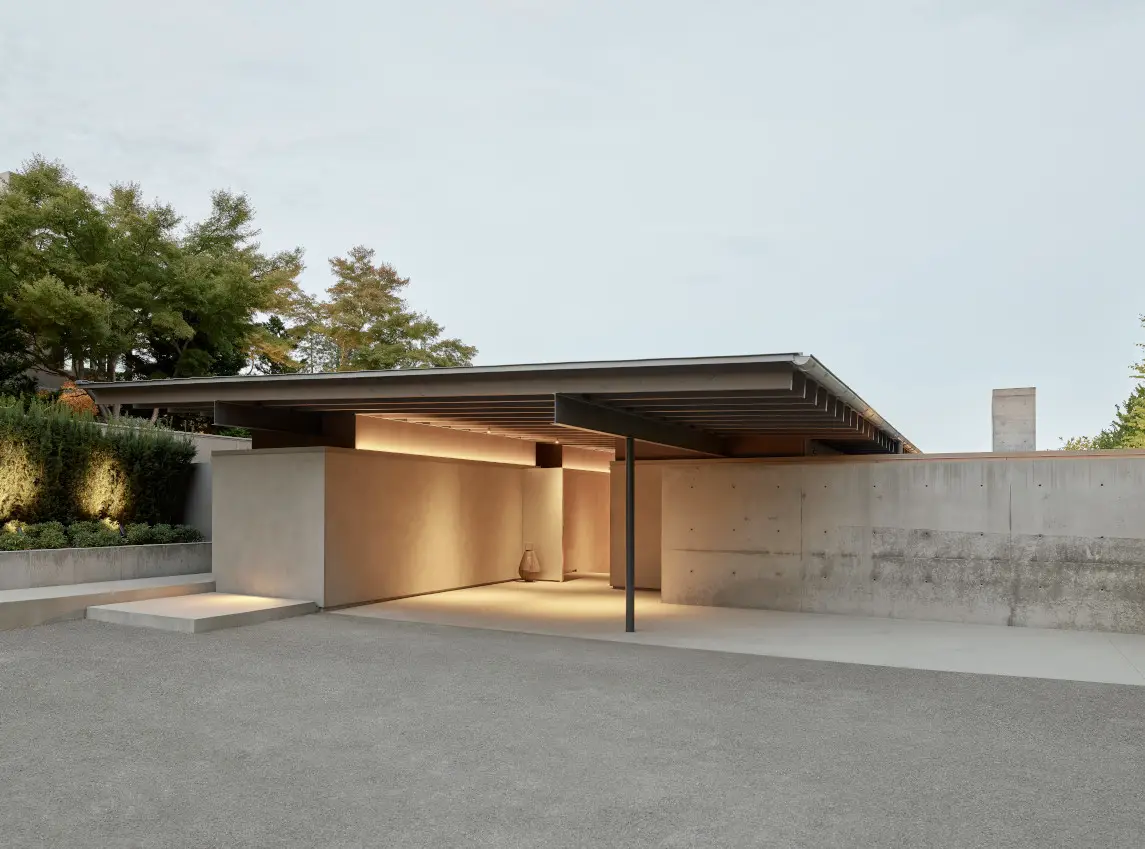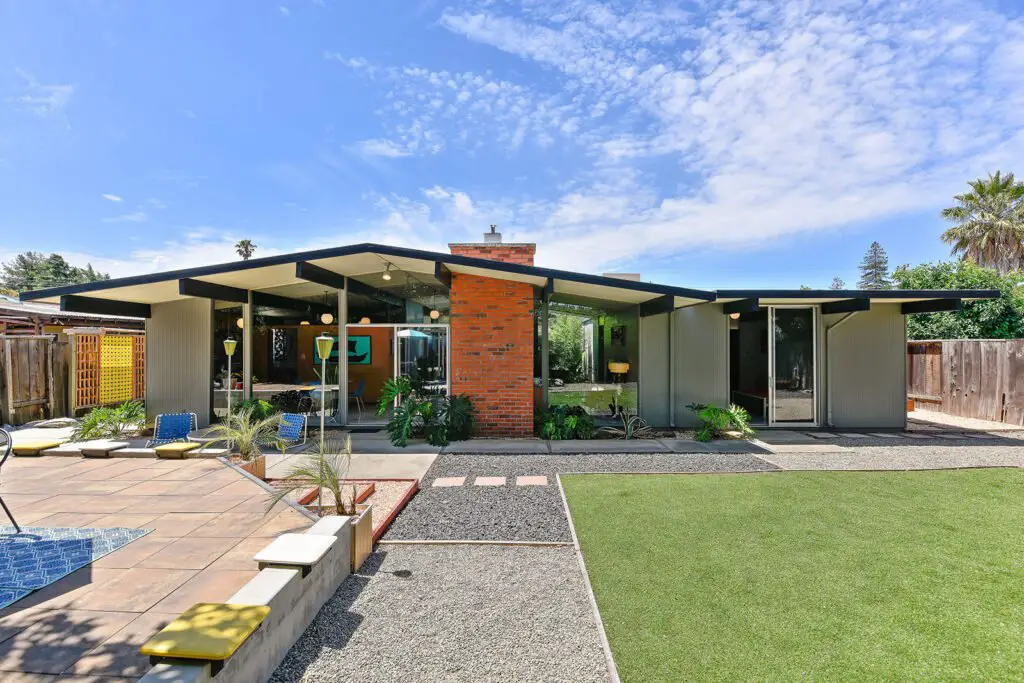
Set in Concord, California, this A. Quincy Jones-designed Eichler house reflects many of the ideas that made postwar Californian modernism so influential. Open planning, strong indoor-outdoor connections, exposed structure, and natural light all shape the experience of the house, allowing daily life to unfold around space and landscape rather than enclosed rooms. Quincy Jones, together with Frederick Emmons, helped define much of Eichler’s architectural language during the postwar years, bringing modernist design into suburban housing at a more accessible scale.
The renovation approaches the house with restraint, focusing less on transformation and more on restoring clarity to the original architecture. The owners were drawn to what they describe as “the feeling of openness,” wanting to preserve the qualities that made the house feel connected and calm from the beginning. Rather than introducing heavy contrasts between old and new, the project builds carefully on the existing structure.
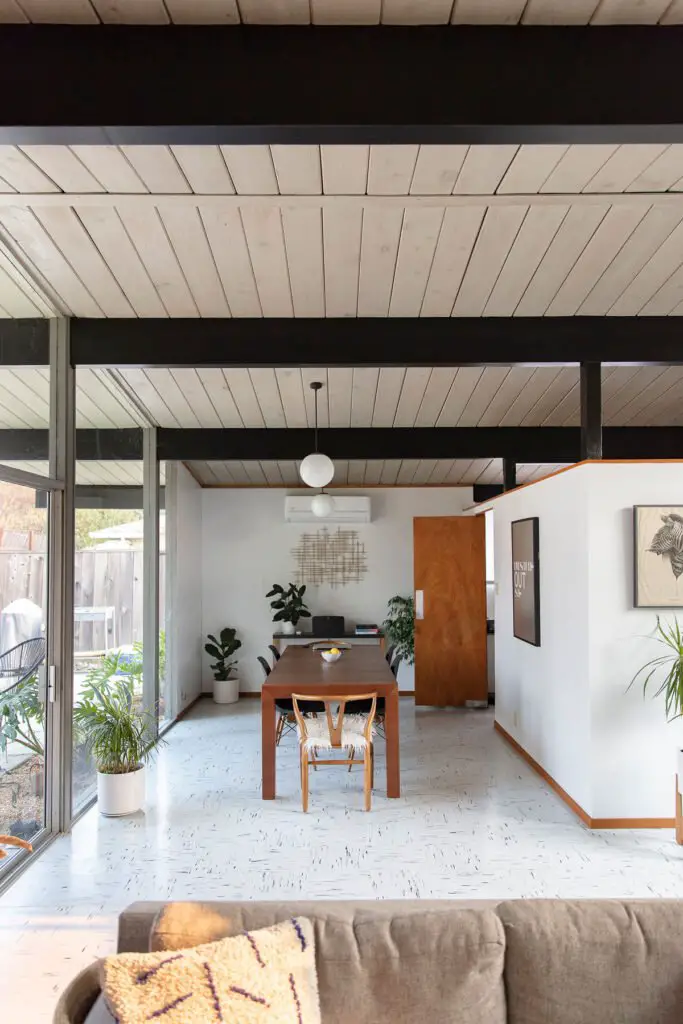
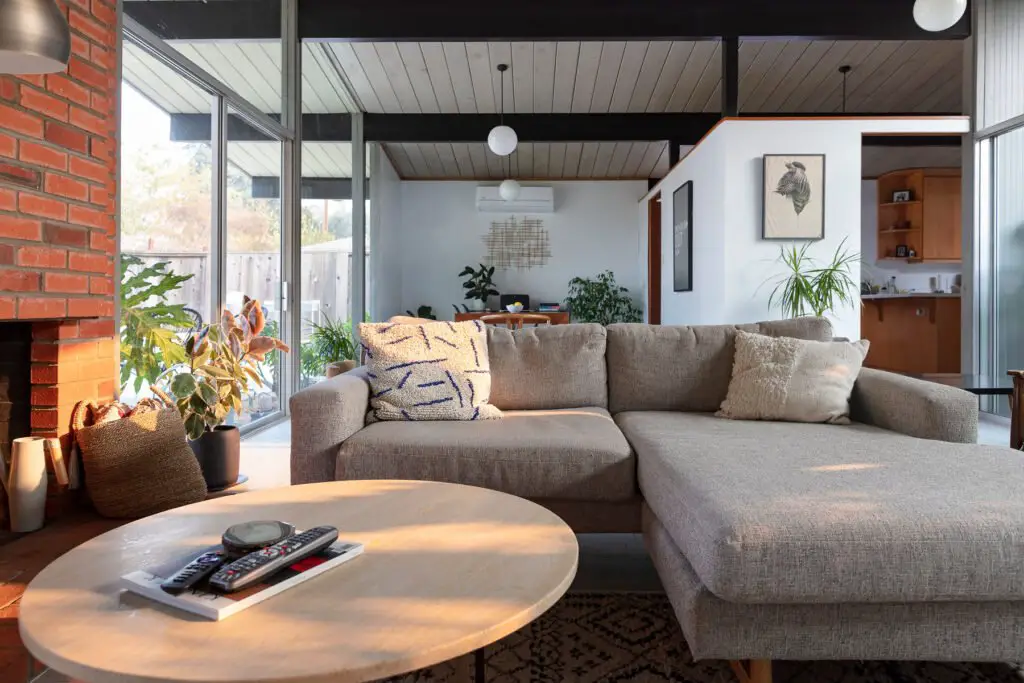
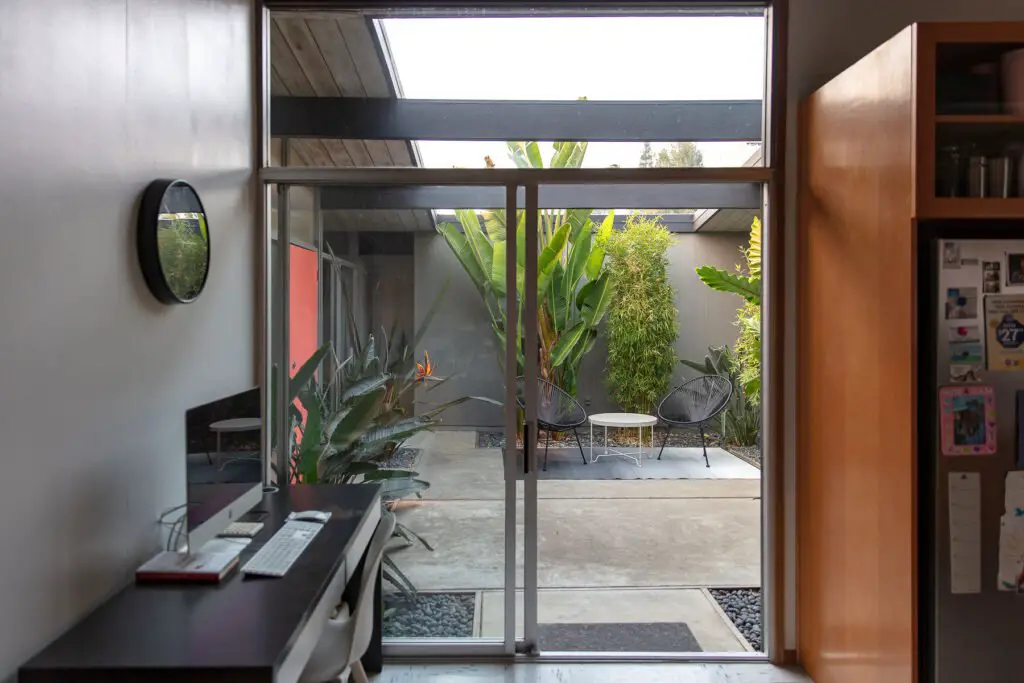
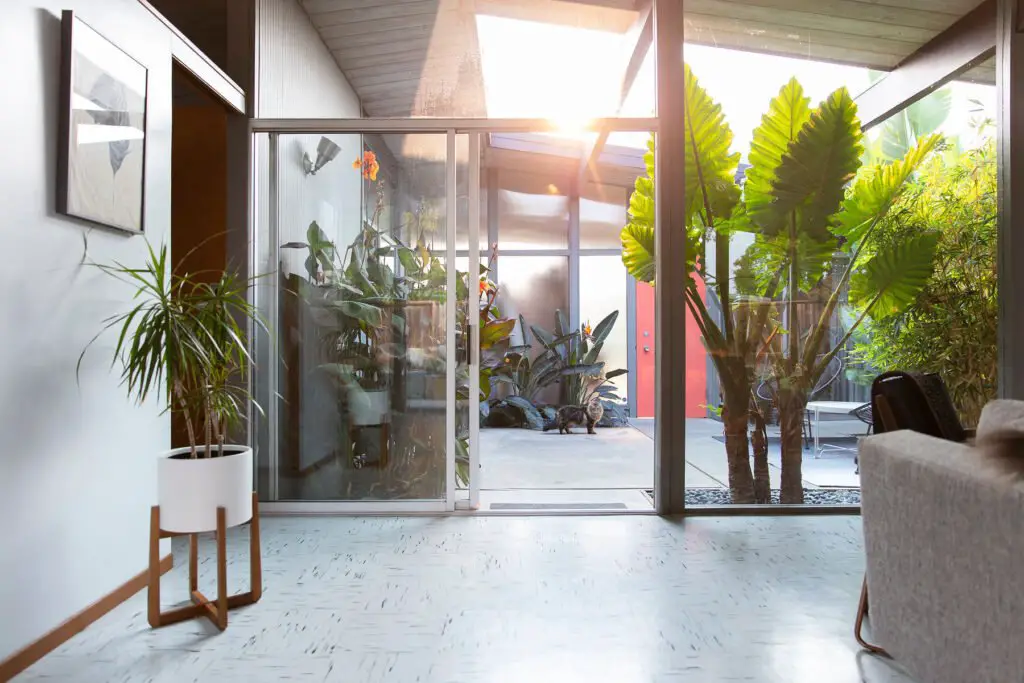
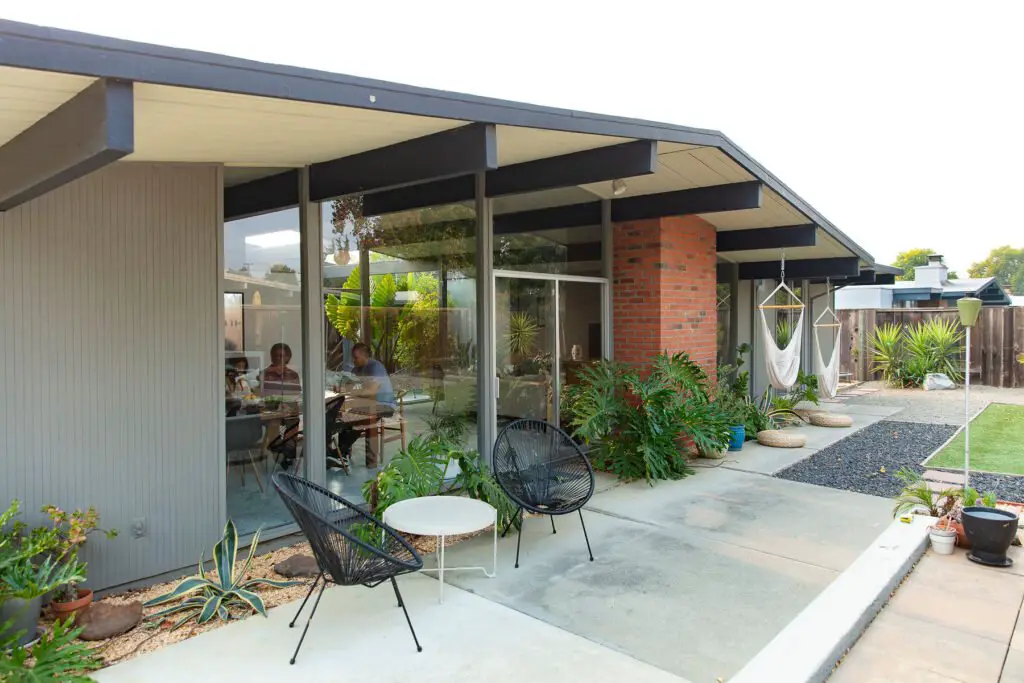
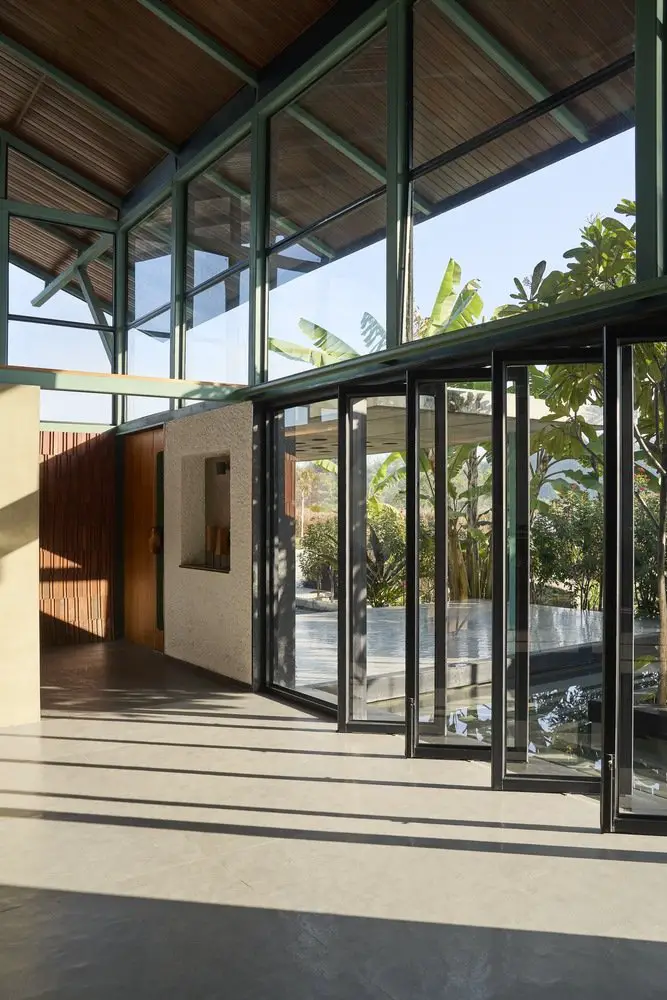
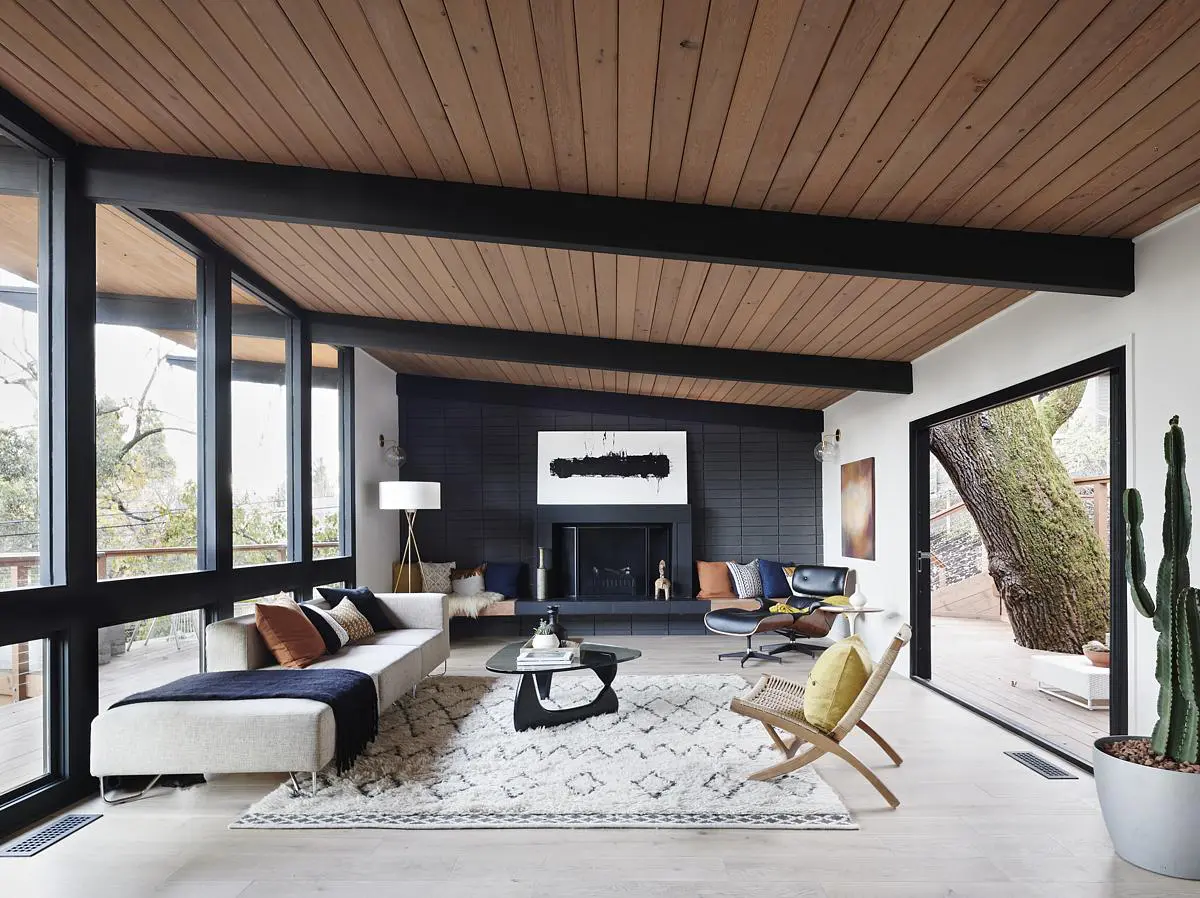
The original post-and-beam framework remains central throughout the house. Exposed beams and ceiling lines continue to define the interiors, giving rhythm and proportion to the open spaces. Existing glazing frames the surrounding landscape and allows light to move through the house throughout the day, reinforcing the indoor-outdoor lifestyle that became central to Eichler developments in California.
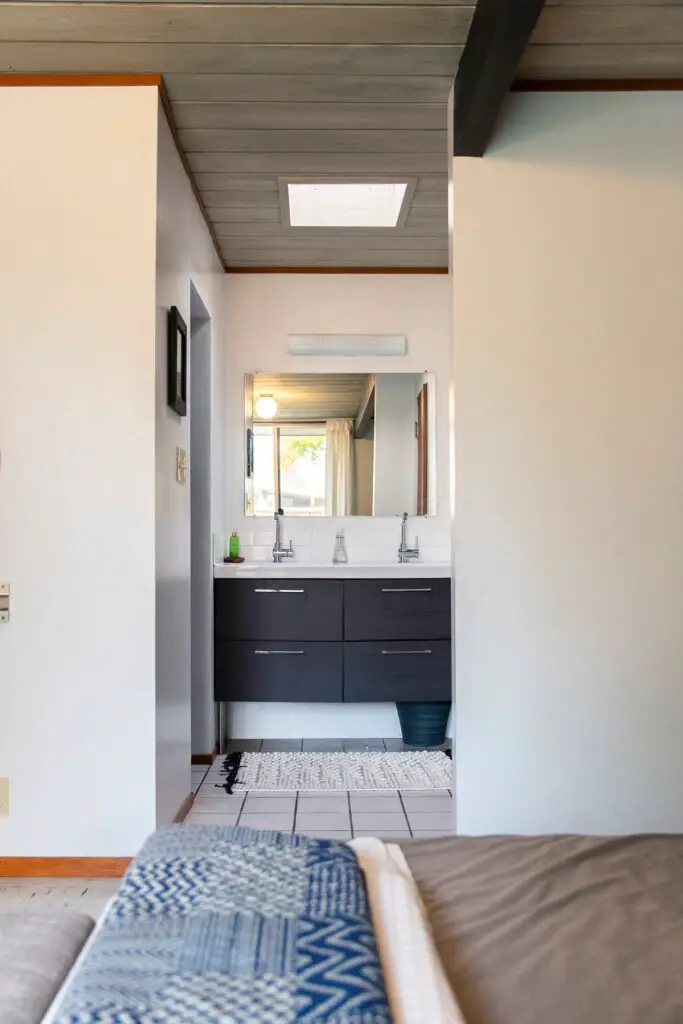
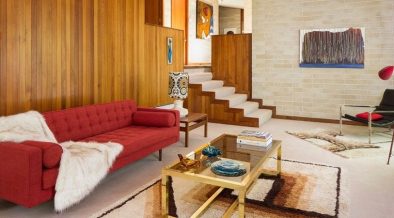
Material choices support this continuity. Timber surfaces, restrained finishes, and natural textures bring warmth back into the interiors while allowing the original architecture to remain legible. The palette avoids excess, relying instead on proportion, light, and material consistency to shape the atmosphere of the spaces.
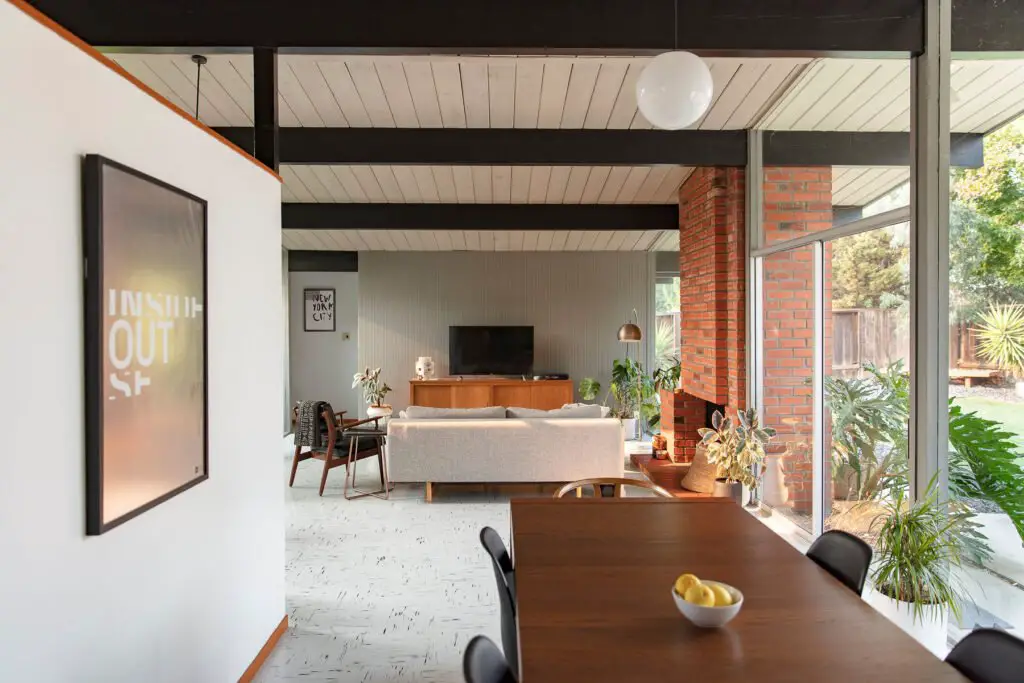
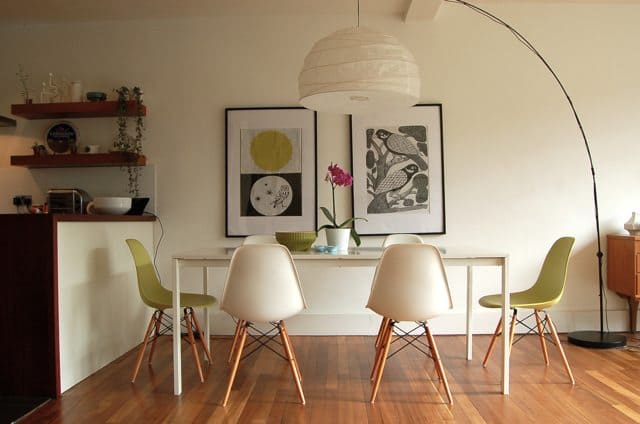
The kitchen was reworked to better support contemporary family life while remaining visually integrated with the surrounding living areas. Rather than becoming a separate feature space, it continues the openness of the original plan, allowing movement and gathering to happen naturally across the house. This sense of continuity extends into the dining and lounge spaces, where the relationship between structure, furniture, and landscape feels uninterrupted.
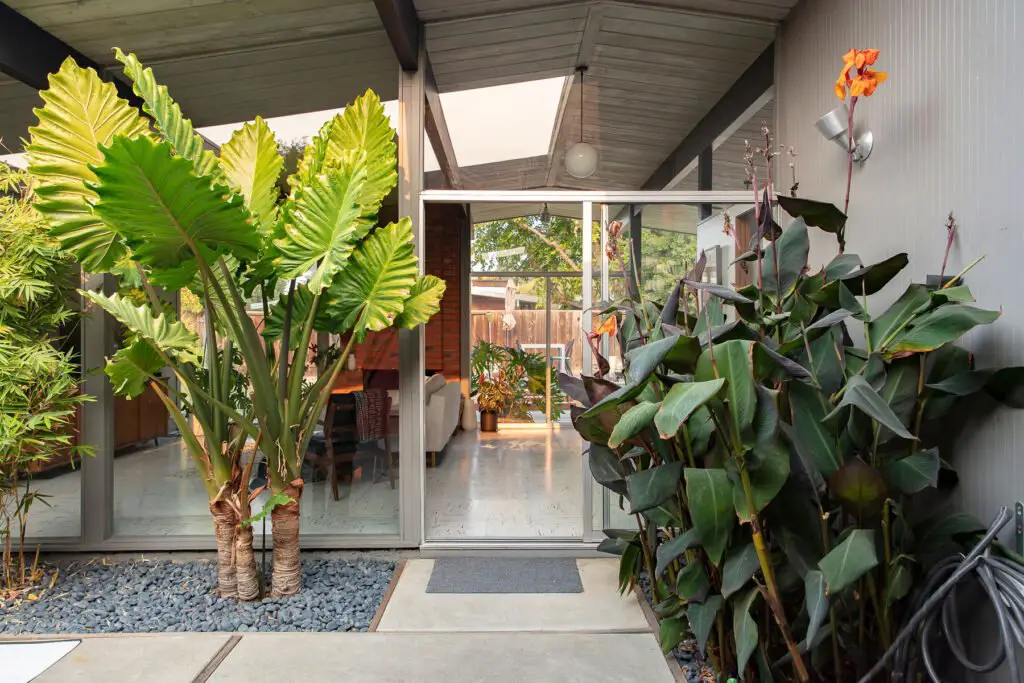
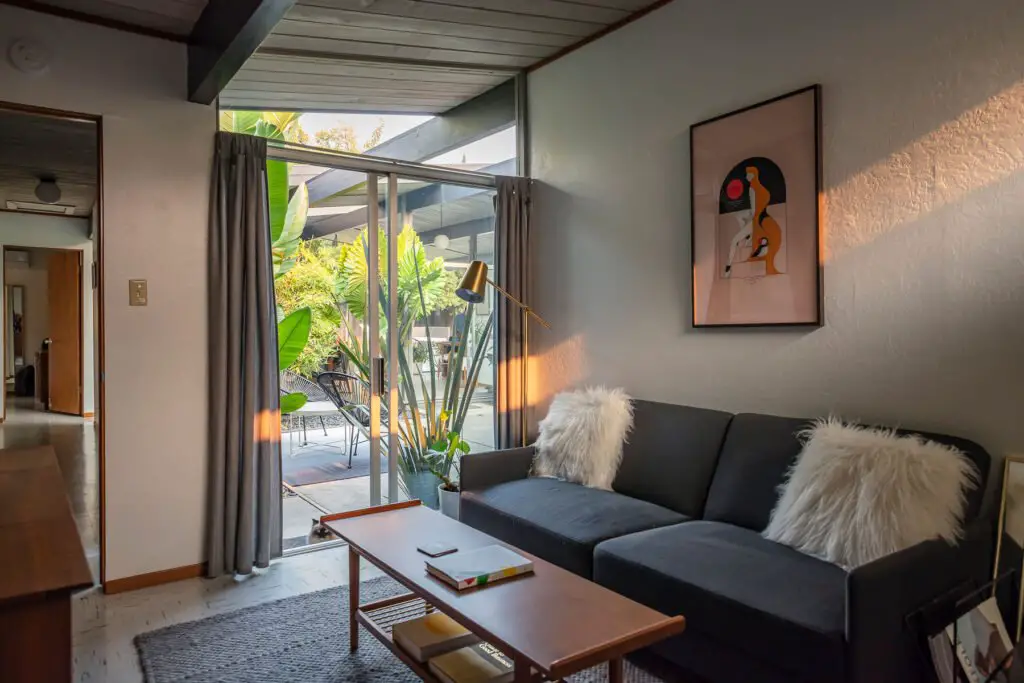
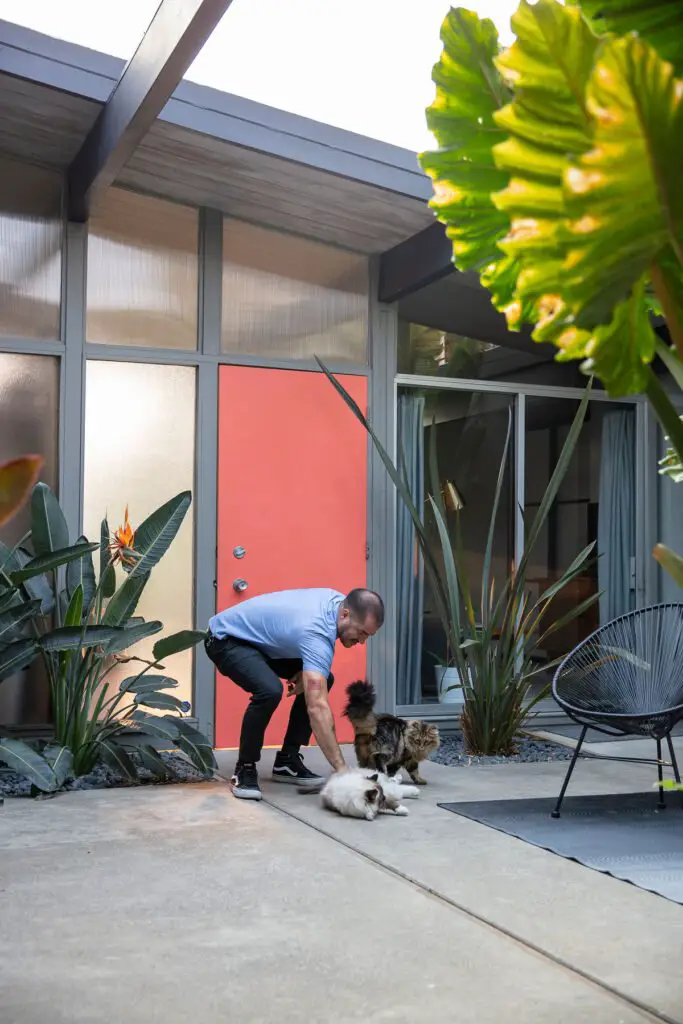
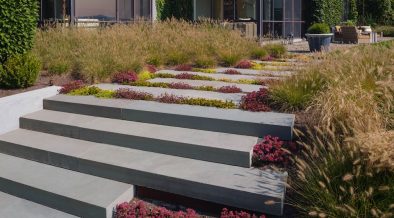
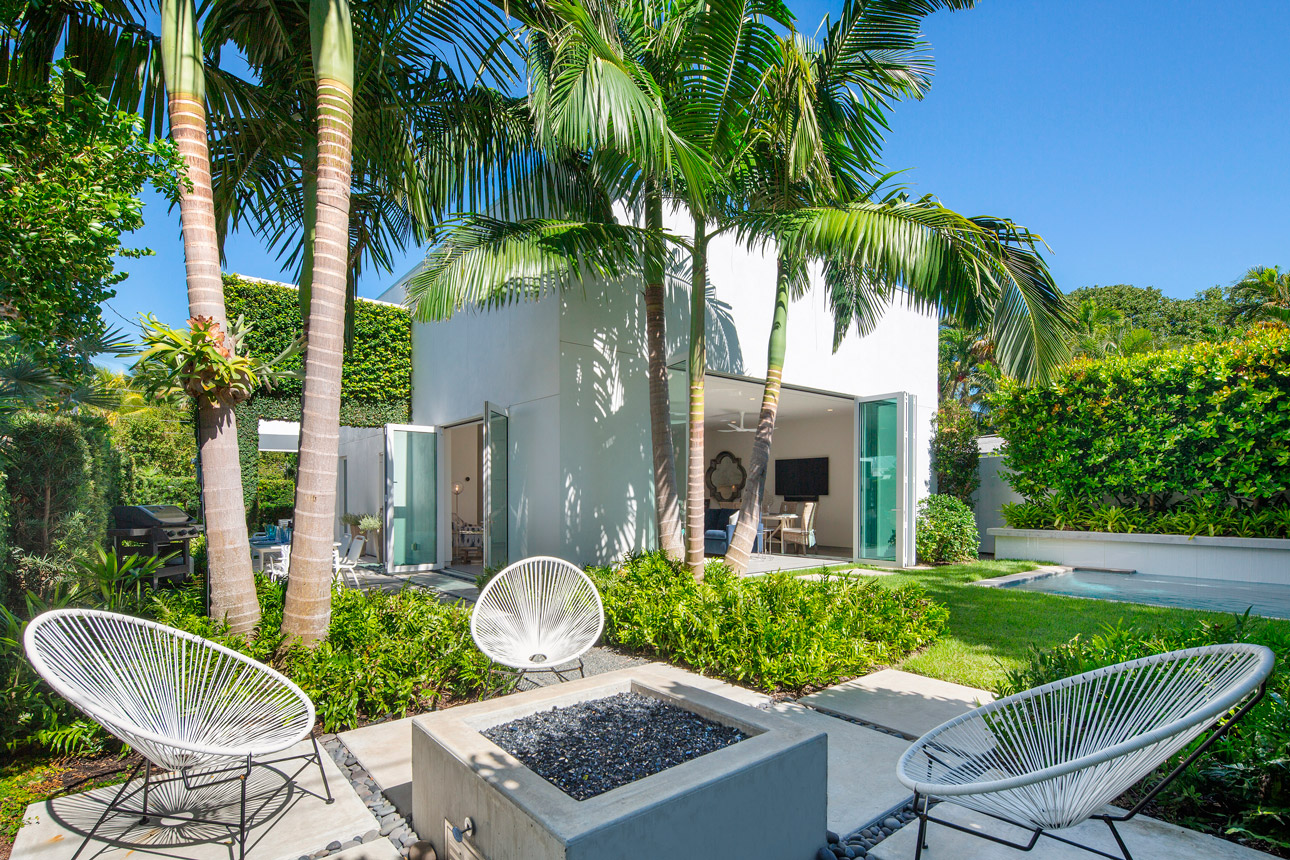
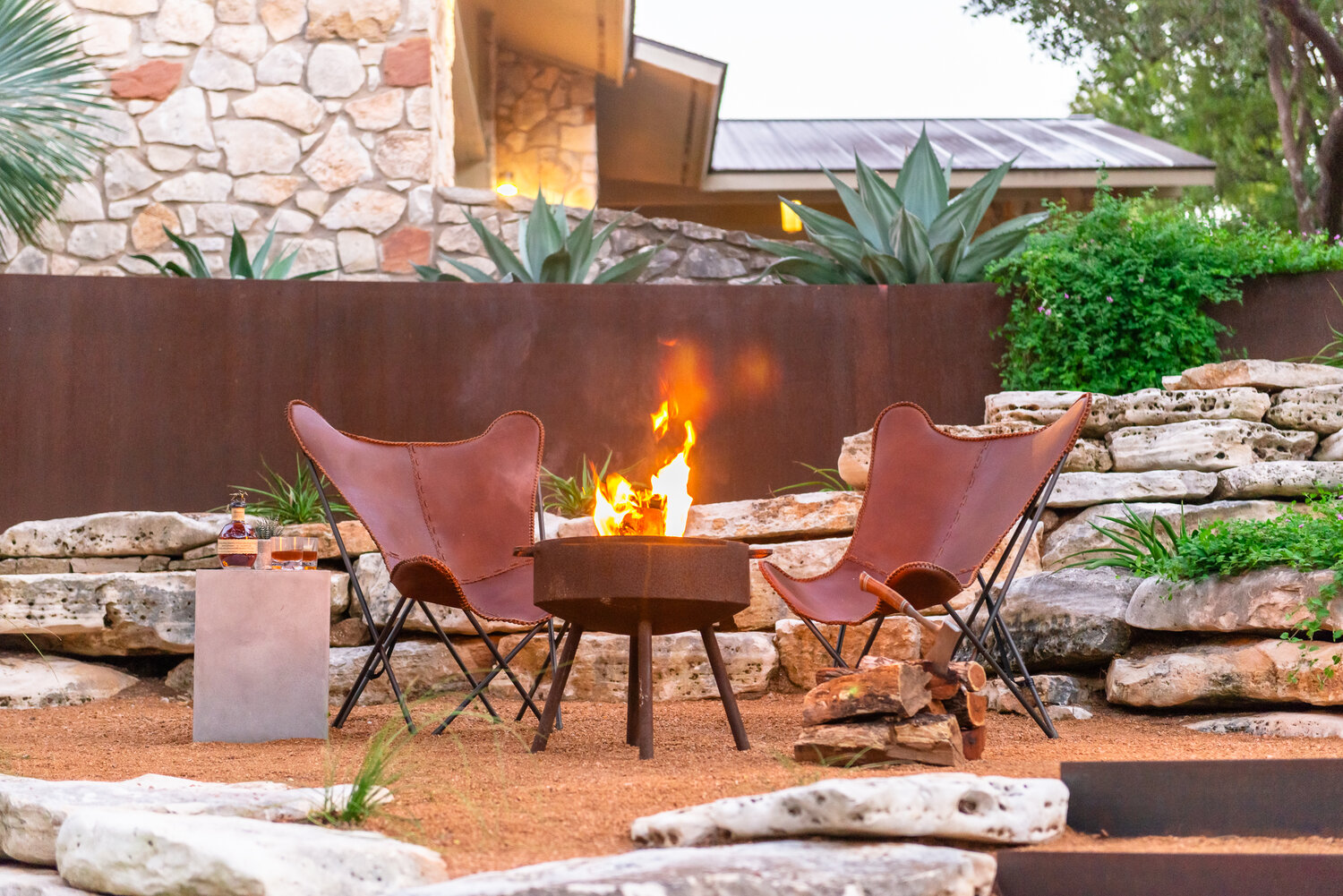
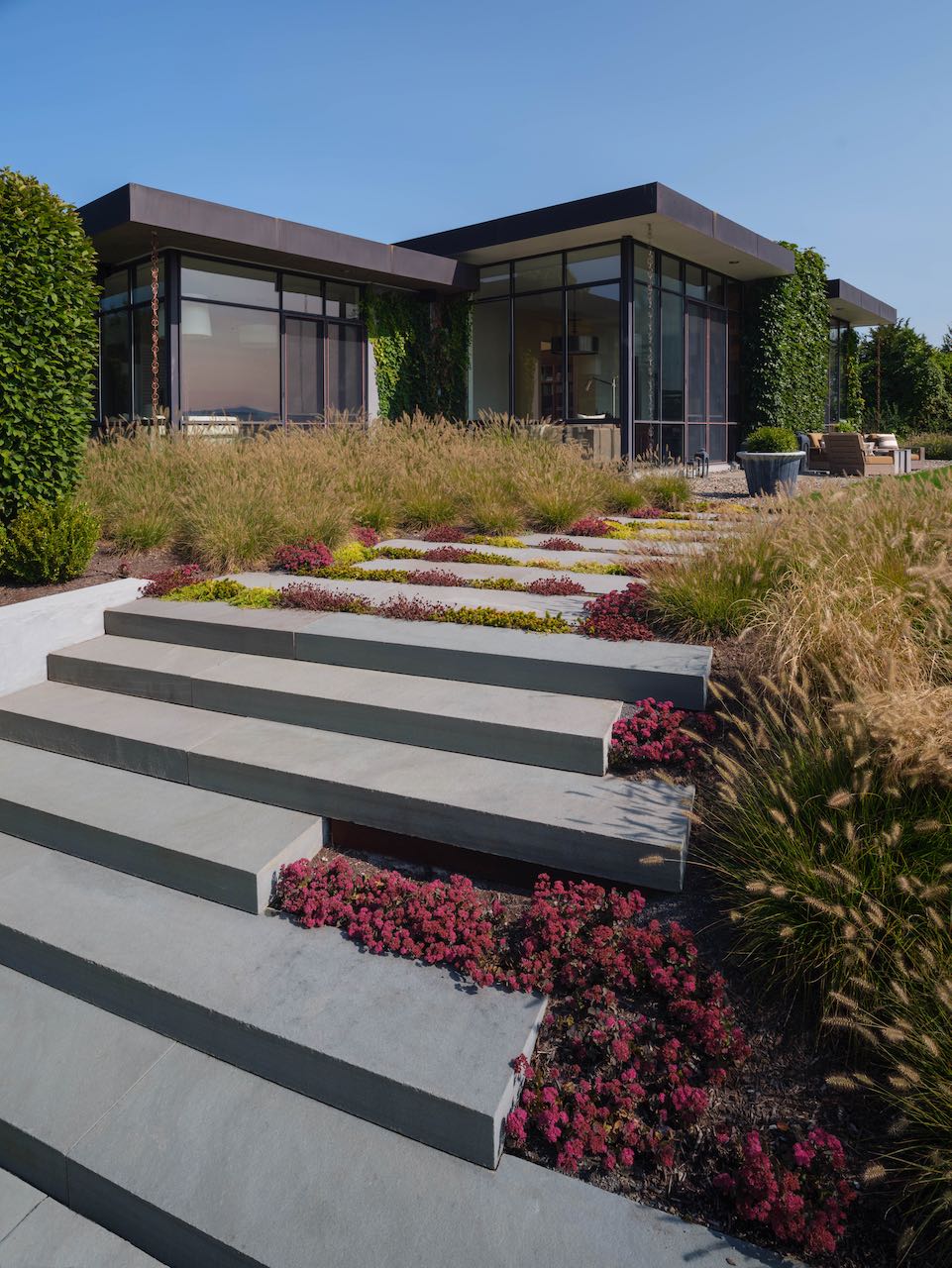
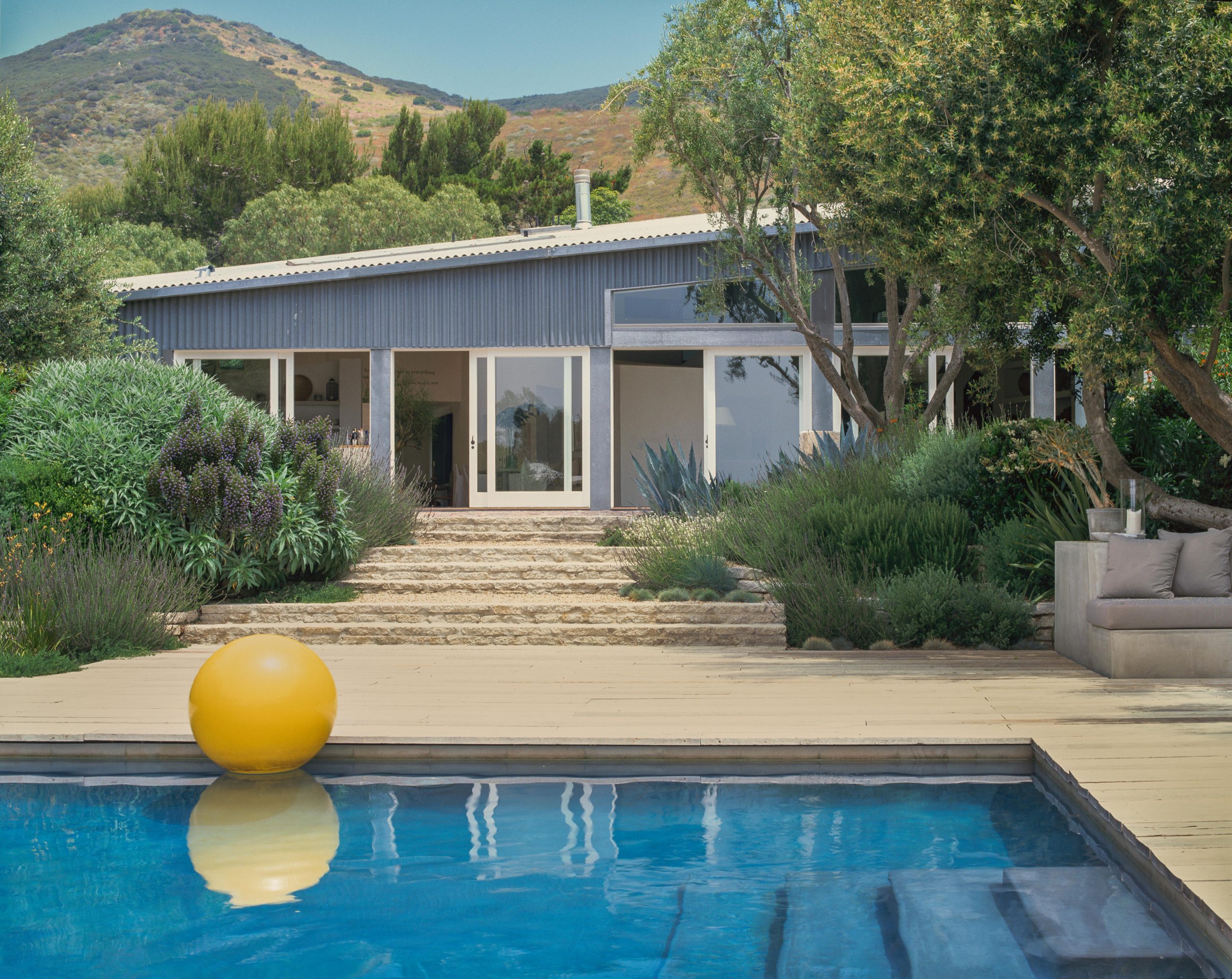
Outdoor areas also remain closely tied to the experience of the interiors. Gardens and exterior spaces are treated as extensions of the living areas rather than separate zones, softening the boundaries between architecture and landscape. Large openings toward the outside reinforce this relationship, allowing the house to remain visually connected to its surroundings at all times.
The owners describe wanting the home to feel “comfortable and lived in,” rather than like a preserved object. That attitude shapes much of the renovation. Contemporary updates are present, but they sit quietly within the original architecture rather than competing with it. The house still feels unmistakably Eichler, with Quincy Jones’ design language continuing to guide how the spaces are experienced today.
What makes the project compelling is its balance. The renovation respects the openness and optimism of mid-century California modernism while adapting the house to contemporary life through careful, measured changes rather than dramatic intervention.