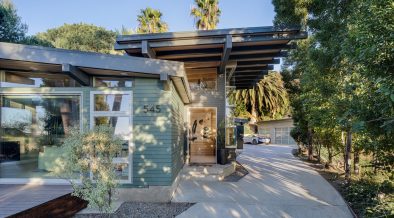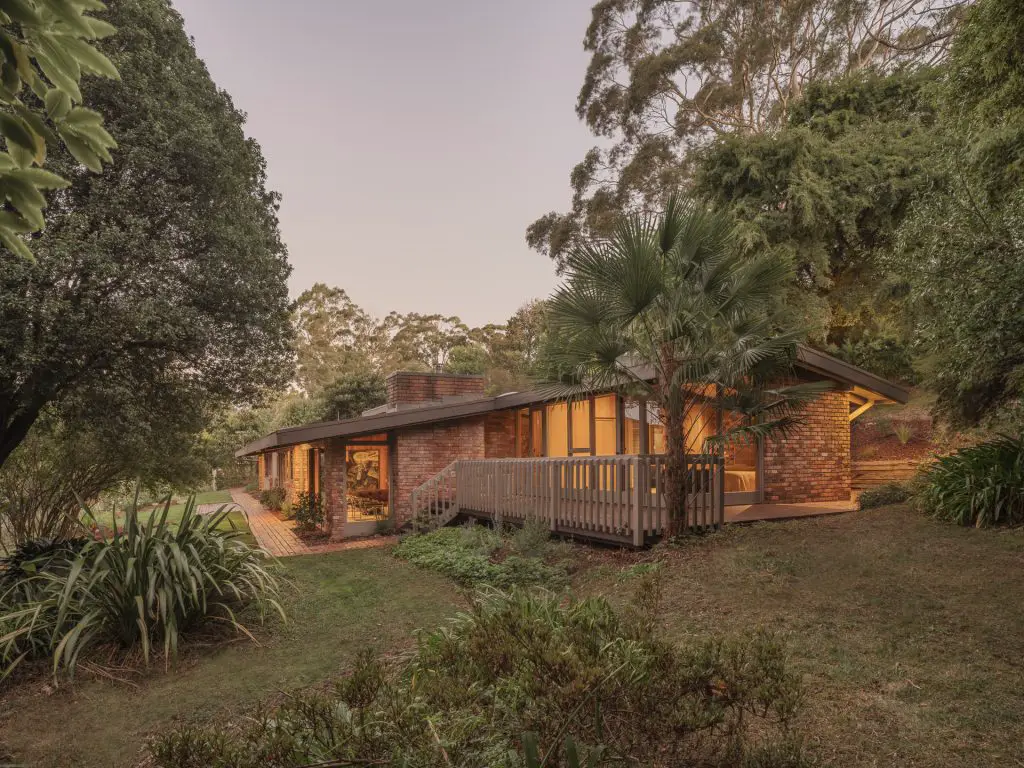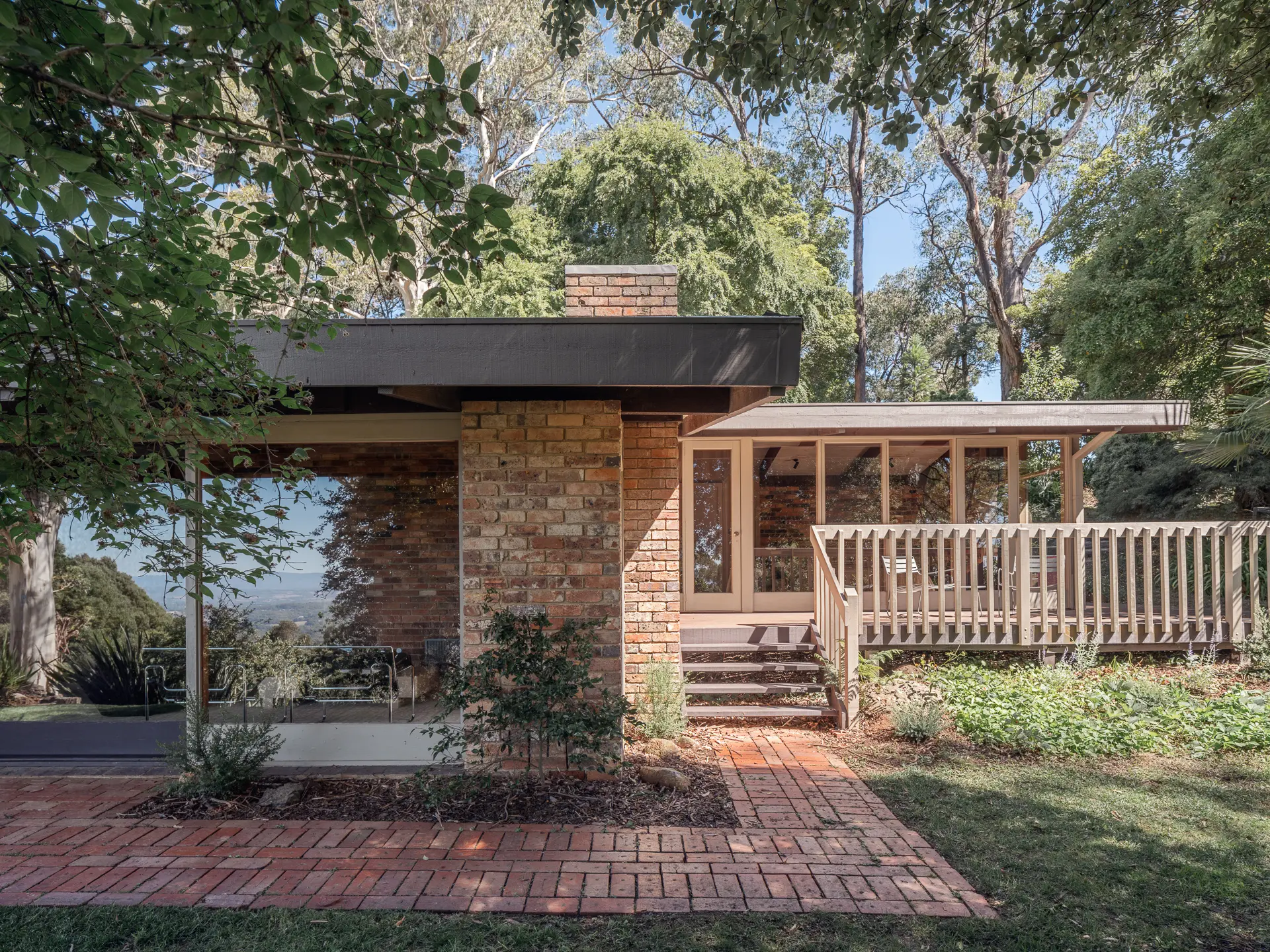

This house has recently sold. If you are thinking of selling your mid-century home, get in touch. Perched high in the hills of Kallista, a town in the Greater Melbourne area, The Manna Gum House looks out over Mount Donna Buang and the soft green folds of the Yarra Ranges. Built in the 1970s and cared for by just two owners, it is a home shaped by landscape, natural materials, and a clear mid-century vision. Its story is one of thoughtful design and careful preservation, where original ideas remain intact and recent updates feel calm and considered.
The house was designed by Alistair Knox, one of Australia’s most respected advocates for organic architecture. Knox was largely self taught and deeply influenced by the landscape around him. He believed houses should sit gently on the land, not dominate it. His values centered on simplicity, honesty in materials, and a close relationship between architecture and nature.
Knox is best known for his mud brick homes across Victoria, many of which were built using handmade bricks and recycled timbers. He often worked closely with owners, encouraging a hands on approach to building. His houses feel warm and grounded. They are practical but never plain, with thoughtful details and strong connections to their surroundings.
The Manna Gum House reflects these ideas clearly. The original owners built it in collaboration with Knox, carefully keeping the original floor plans and even handwritten books that list the materials used. That record of care speaks to the spirit of the project. From the beginning, this was a house made with intention.

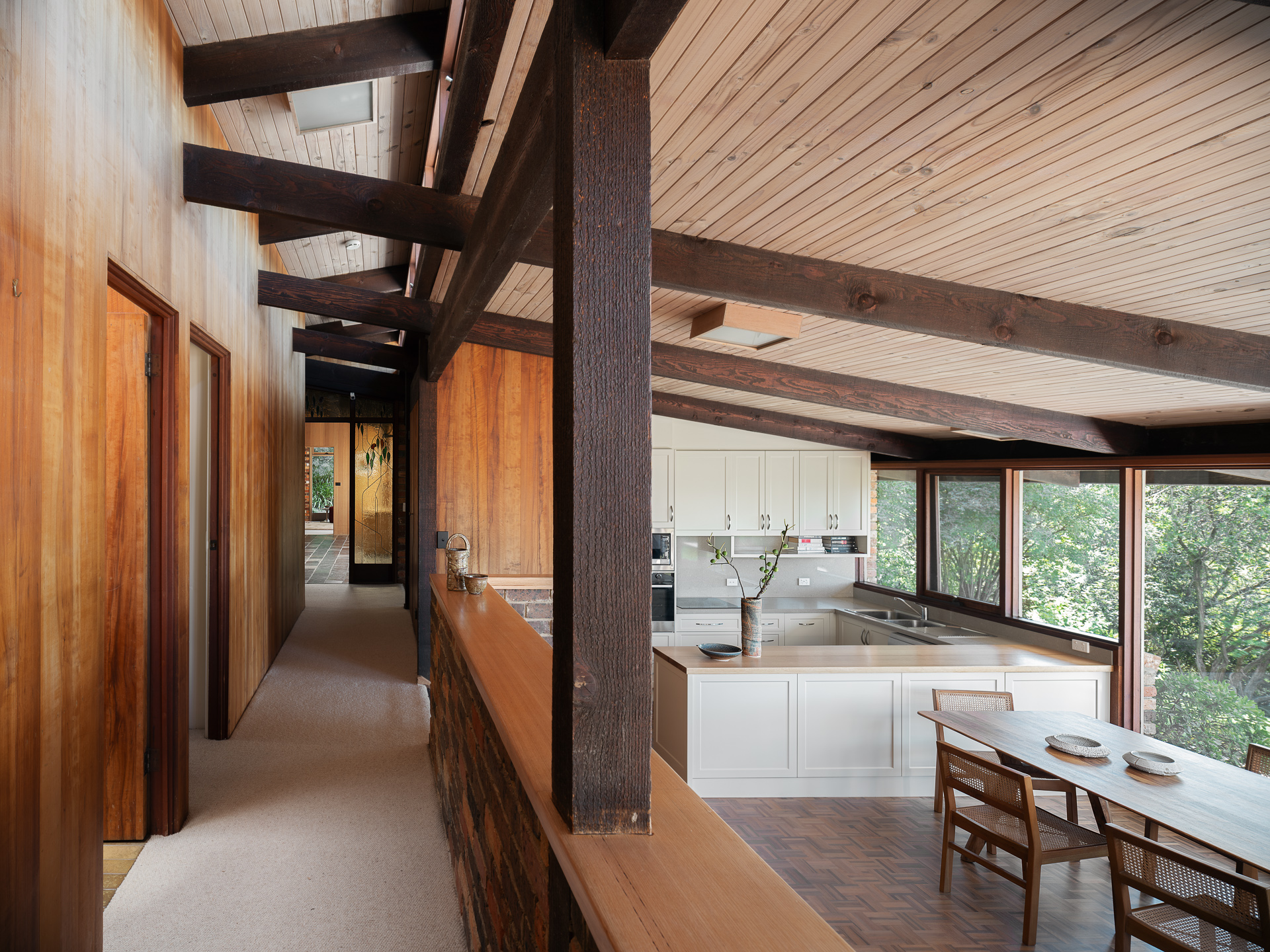
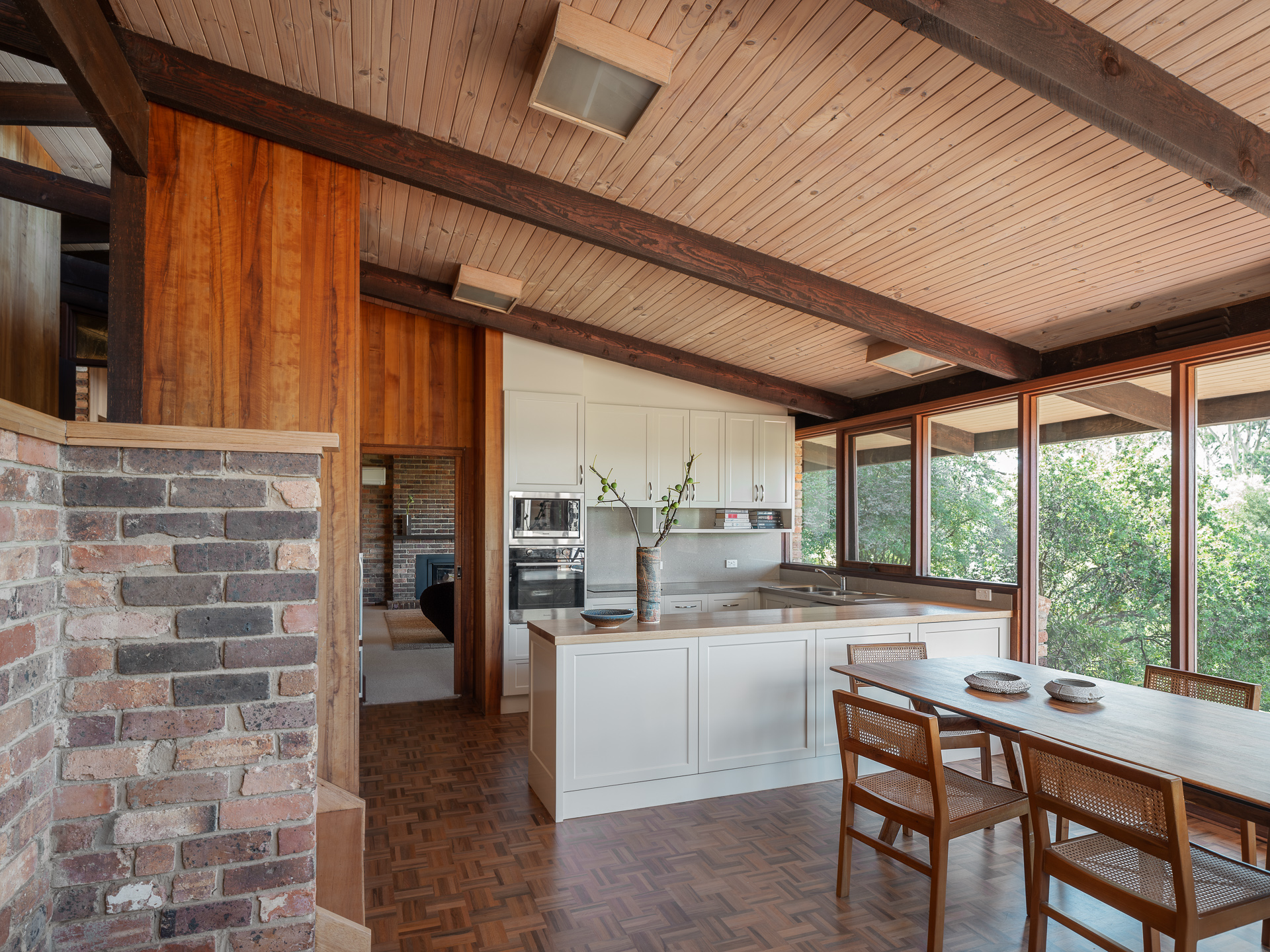
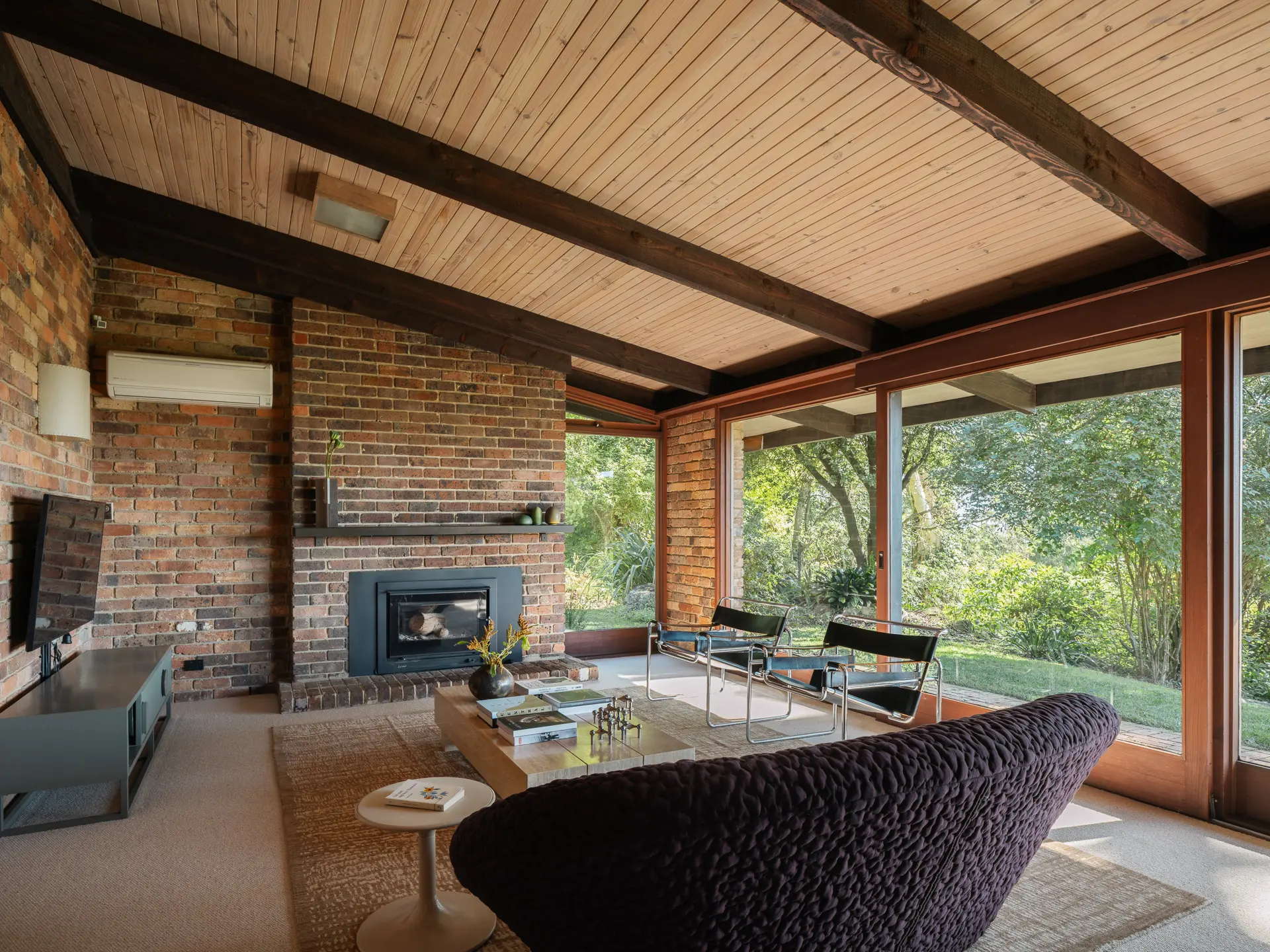
The floor plan is generous and open, typical of mid-century design. Living areas are arranged to capture an uninterrupted view of Mount Donna Buang and the rolling hills beyond. Large windows frame the landscape allowing the outdoors to become part of daily life. The layout encourages movement and connection, with spaces flowing easily into one another.
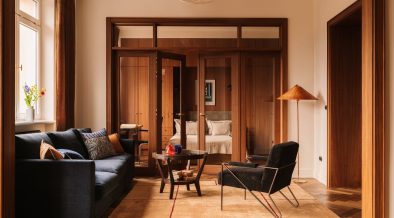
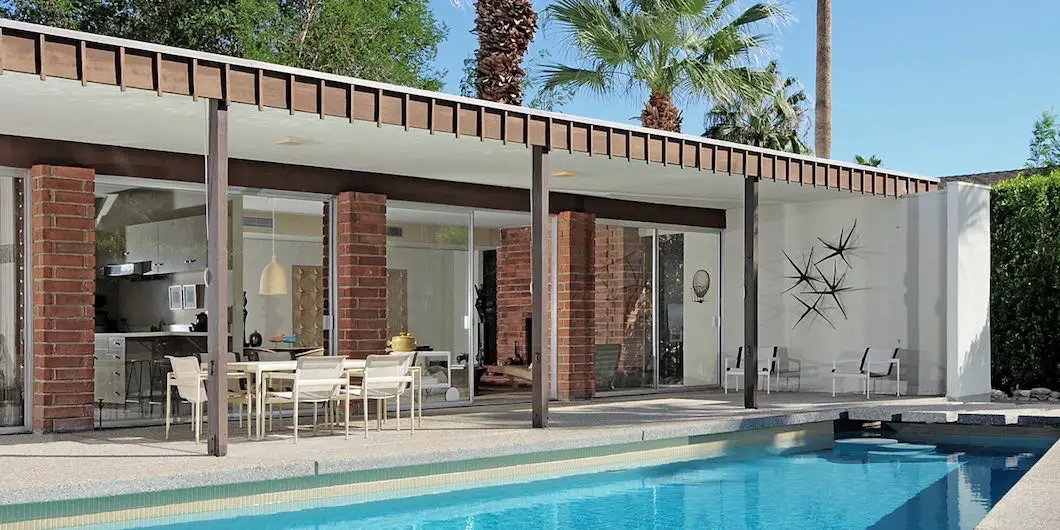
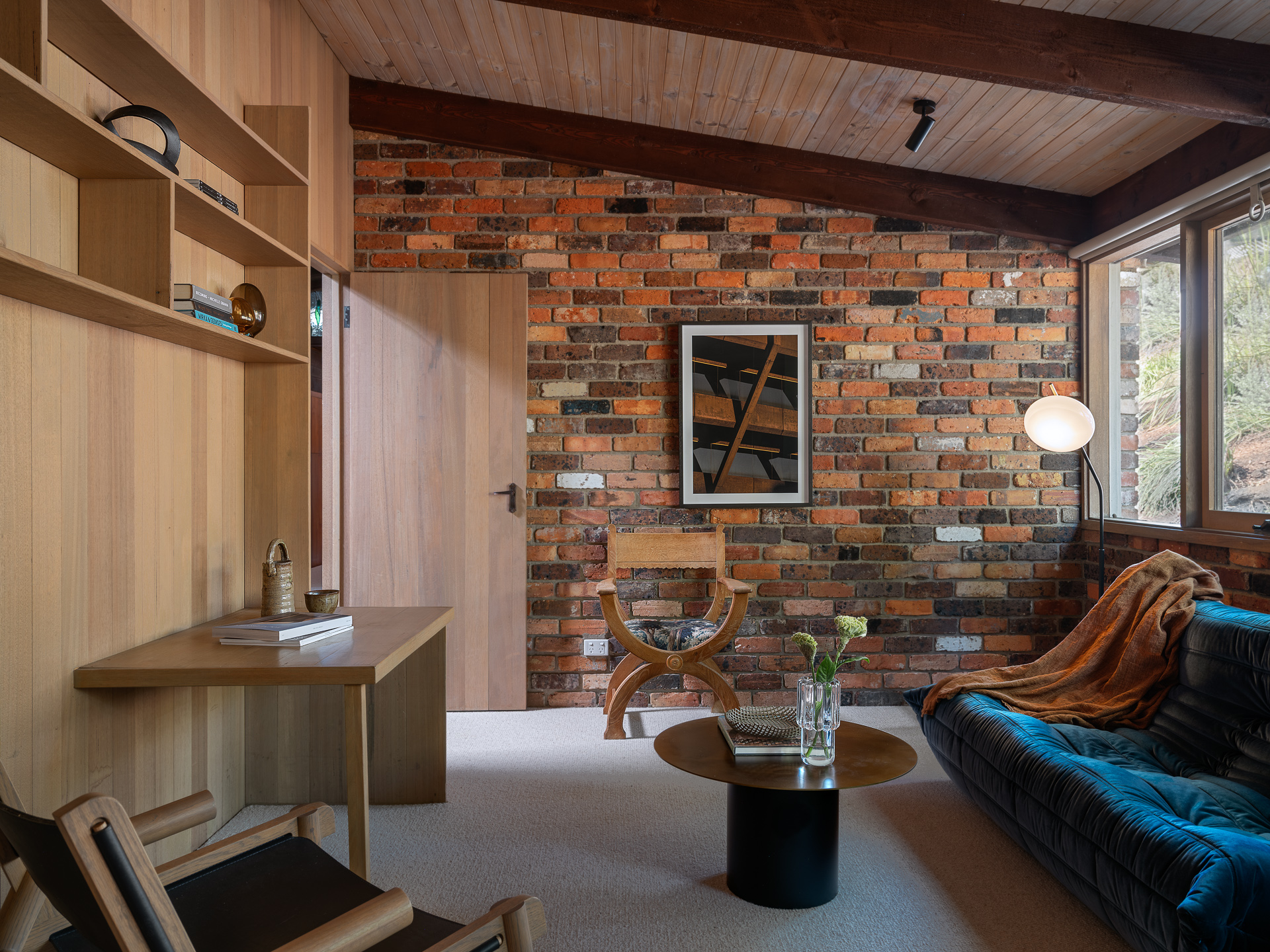
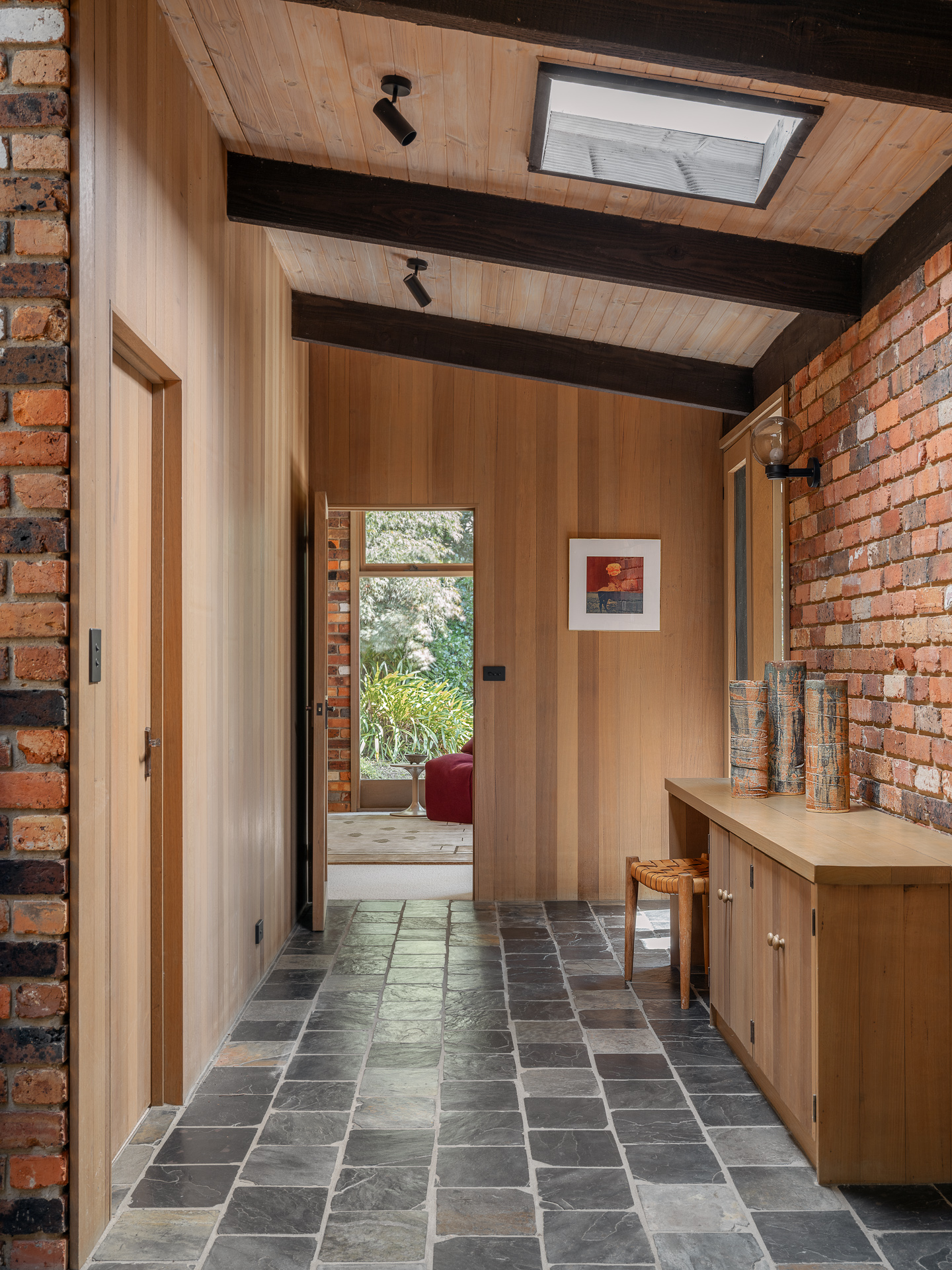
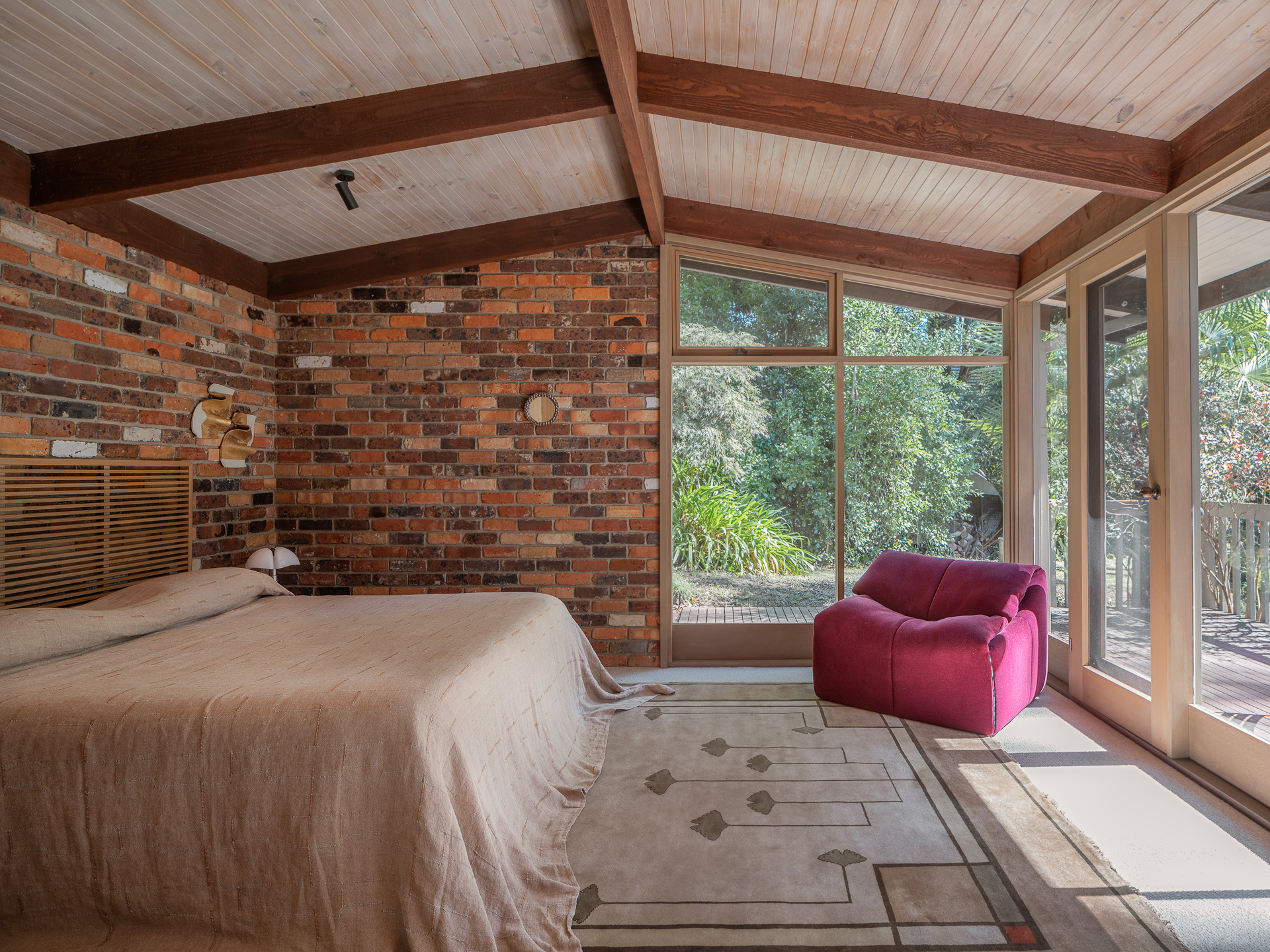
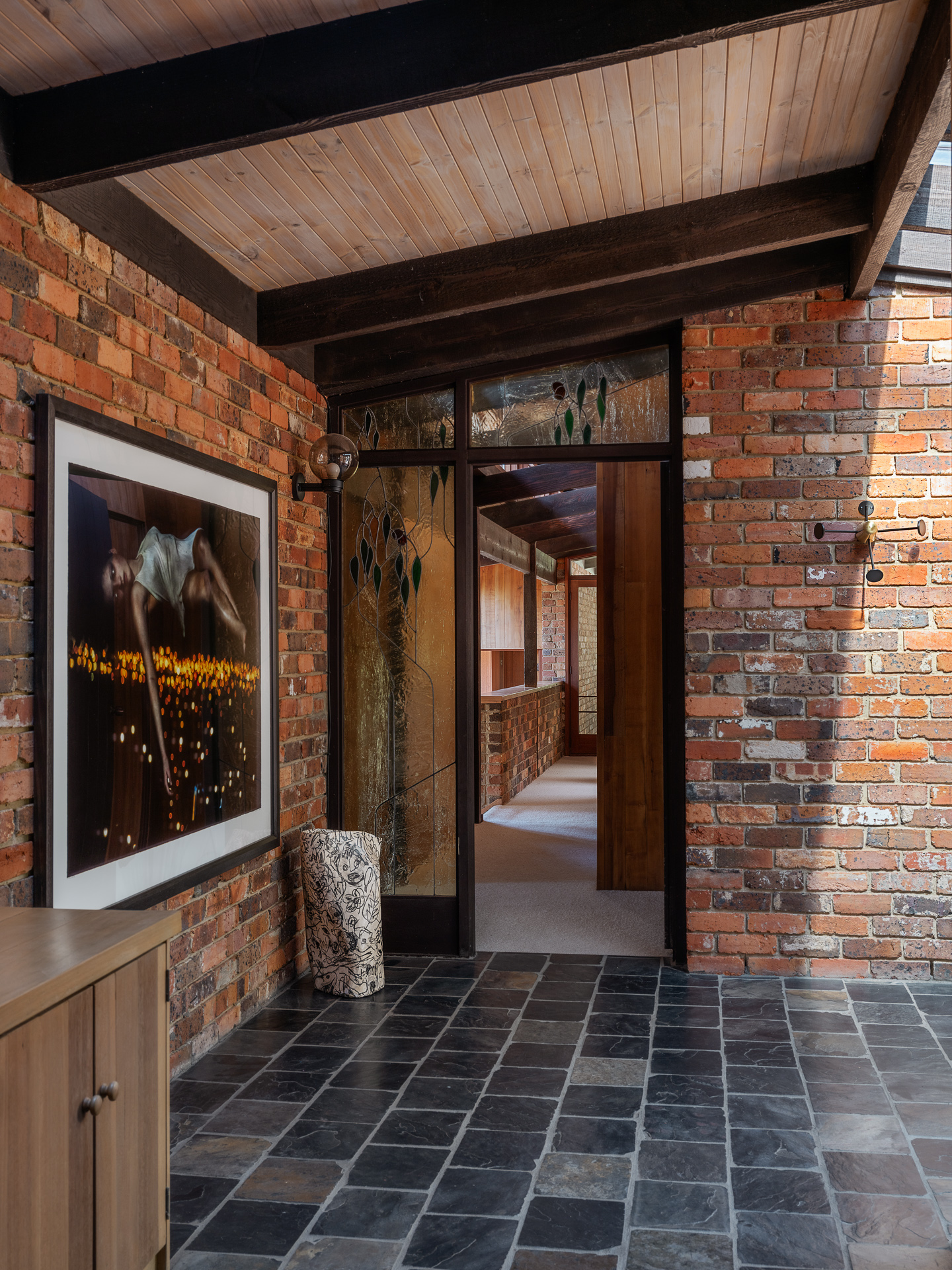
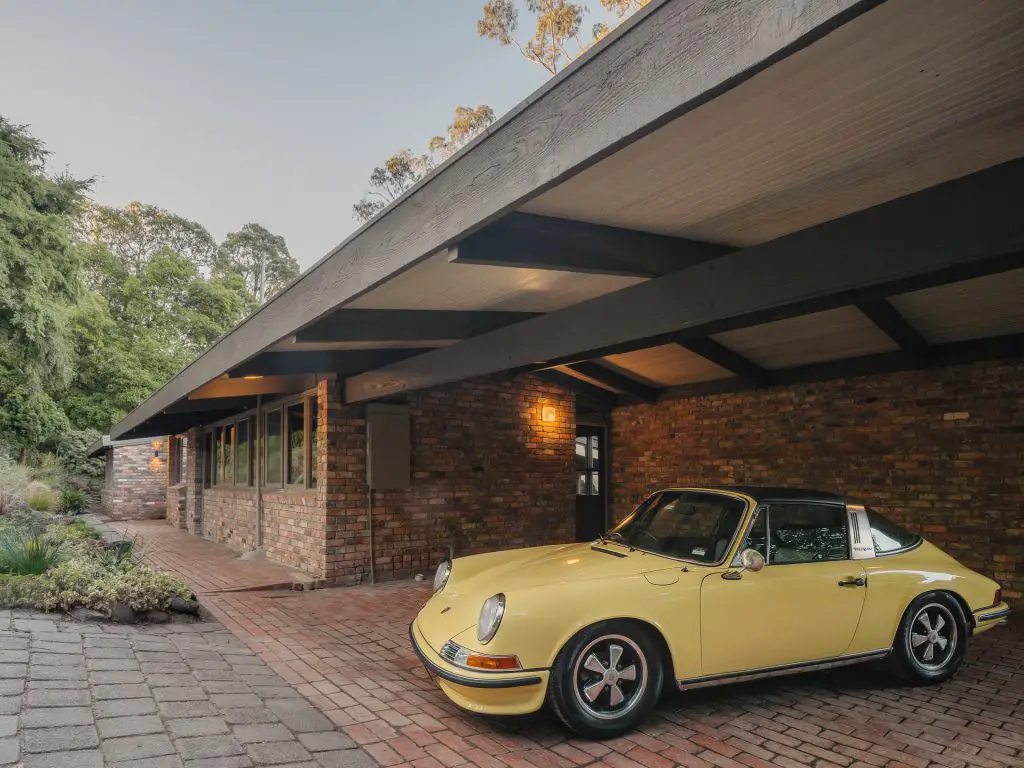
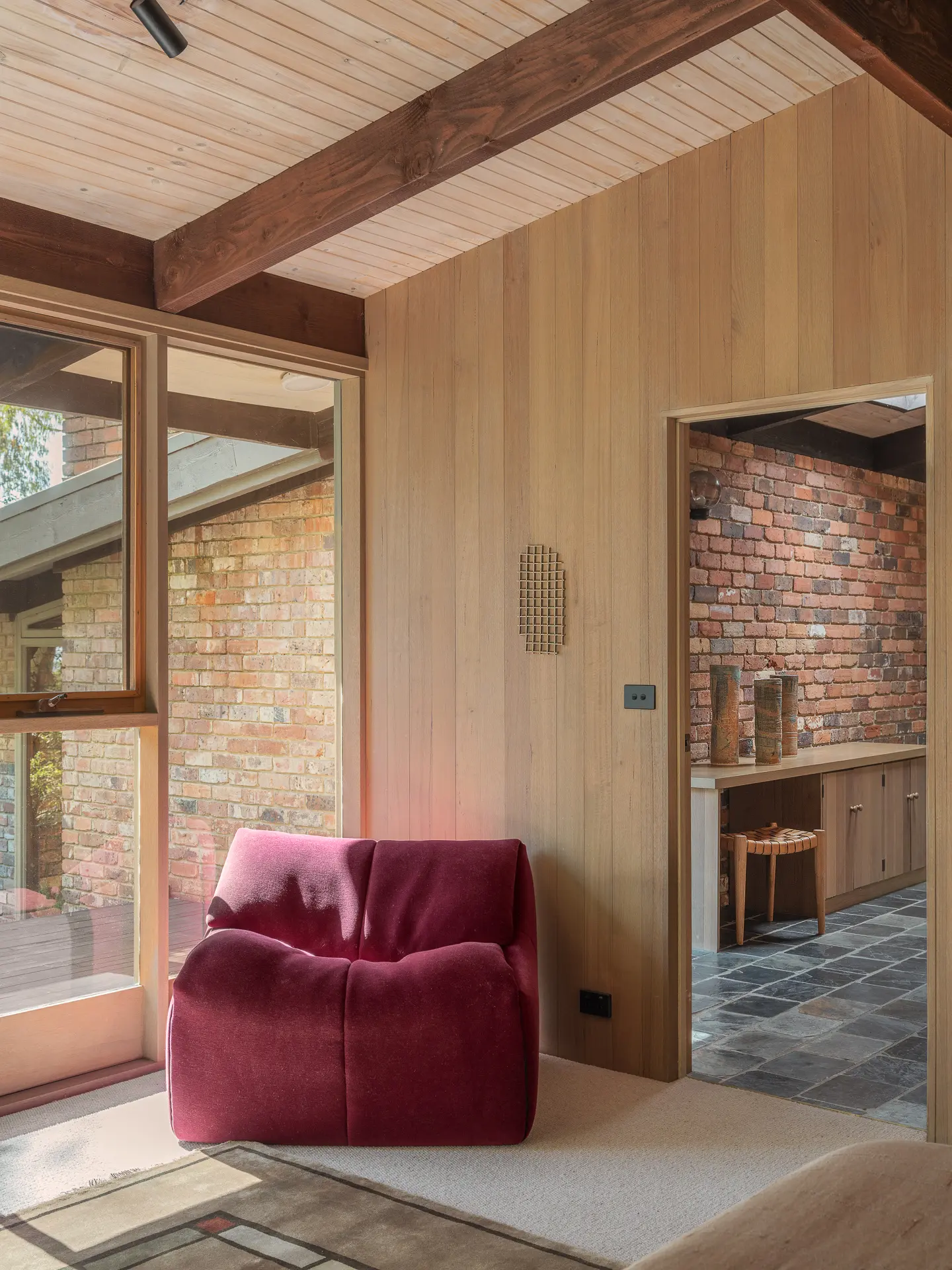
Material choices define the character of the home. Handmade red brick walls give the structure weight and texture. Oregon timber adds warmth to ceilings and joinery. Recycled materials appear throughout, reflecting Knox’s early commitment to sustainability. Nothing feels decorative for its own sake. Every surface has purpose and presence.
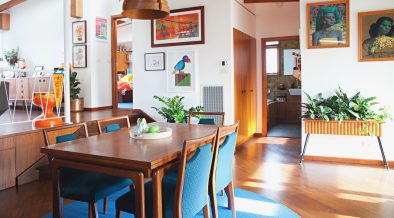
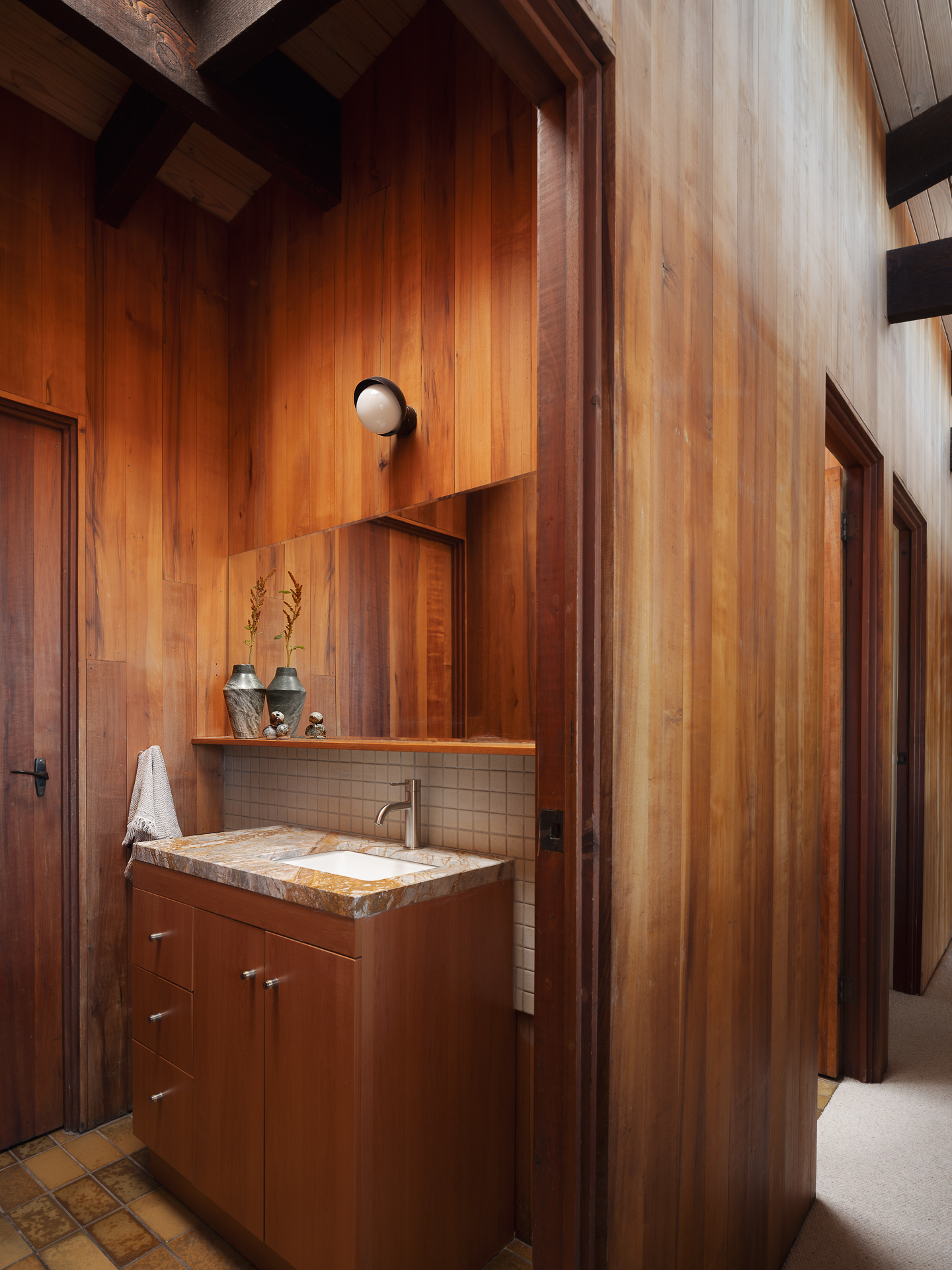
In the bathroom, original handmade Japanese tiles remain in place, adding subtle pattern and craftsmanship. In the kitchen and dining areas, finger parquetry floors create a natural rhythm underfoot. These elements speak clearly of the 1970s, yet they still feel relevant today because of their quality and restraint.
The current owners have updated the house with care. In the main living space, a new Australian made fireplace now anchors the room, strengthening its role as a gathering space. Premium wool carpets have been added for comfort. Parchment sconces introduce soft light, while natural stone vanities sit comfortably alongside the original bathroom tiles.
Outside, the garden has also been thoughtfully reworked. New varieties of trees and native plants create structure and depth, leading naturally into the surrounding bushland. The transition between cultivated garden and wild landscape feels seamless, in keeping with Knox’s original philosophy.
What stands out most about this house is its balance. The mid-century principles of openness, natural materials, and connection to site remain strong. As a result, more than fifty years on, the house still feels calm and grounded.
This house has recently sold. If you are thinking of selling your mid-century home, get in touch.