Cliff May

A Cliff May “Dream Home” Brought Back to Life

This home in Lafayette, California, was designed by celebrated architect Cliff May - renowned for developing the surburban post-war "dream home".

View All Photos

Cliff May

For one family in Lafayette, California, buying a Cliff May ranch house was not just about finding a place to live. It was about rescuing a piece of California’s architectural story. Beneath worn finishes and decades of neglect, the house still carried the quiet brilliance of May’s vision. Working with JKA Design, the owners set out to rediscover that spirit, carefully reshaping the home so it could once again deliver the indoor-outdoor living, light, and ease that made Cliff May’s dream homes so compelling.

Cliff May is widely regarded as the father of the California Ranch house. His homes, built throughout the American West in the 1940s and 1950s, reshaped suburban living. Long, low rooflines, exposed beams, and open interiors created houses that felt informal and connected to the landscape. Clerestory windows brought in soft daylight while preserving privacy, and large glass openings encouraged a fluid relationship between house and garden.

The Lafayette property still carried the essence of May’s vision when the current owners discovered it. Yet time had left its marks. Aluminum windows had replaced the originals, carpets covered the floors, and the surrounding landscape had grown wild. Beneath those layers, however, the bones of the house remained strong.

“The house was in rough shape,” the architect recalls in the interview, “but it still had the clarity of Cliff May’s design.” That clarity became the starting point for the project. Rather than rewriting the architecture, the goal was to uncover and strengthen what was already there.

Cliff May

The brief was shaped by the needs of a growing family. The owners wanted four bedrooms, a larger kitchen and family room, and outdoor spaces where children could play. They also hoped to replace the original carport with a garage and create space for an Airstream trailer. The challenge was to integrate these practical changes without losing the quiet elegance typical of mid-century homes.

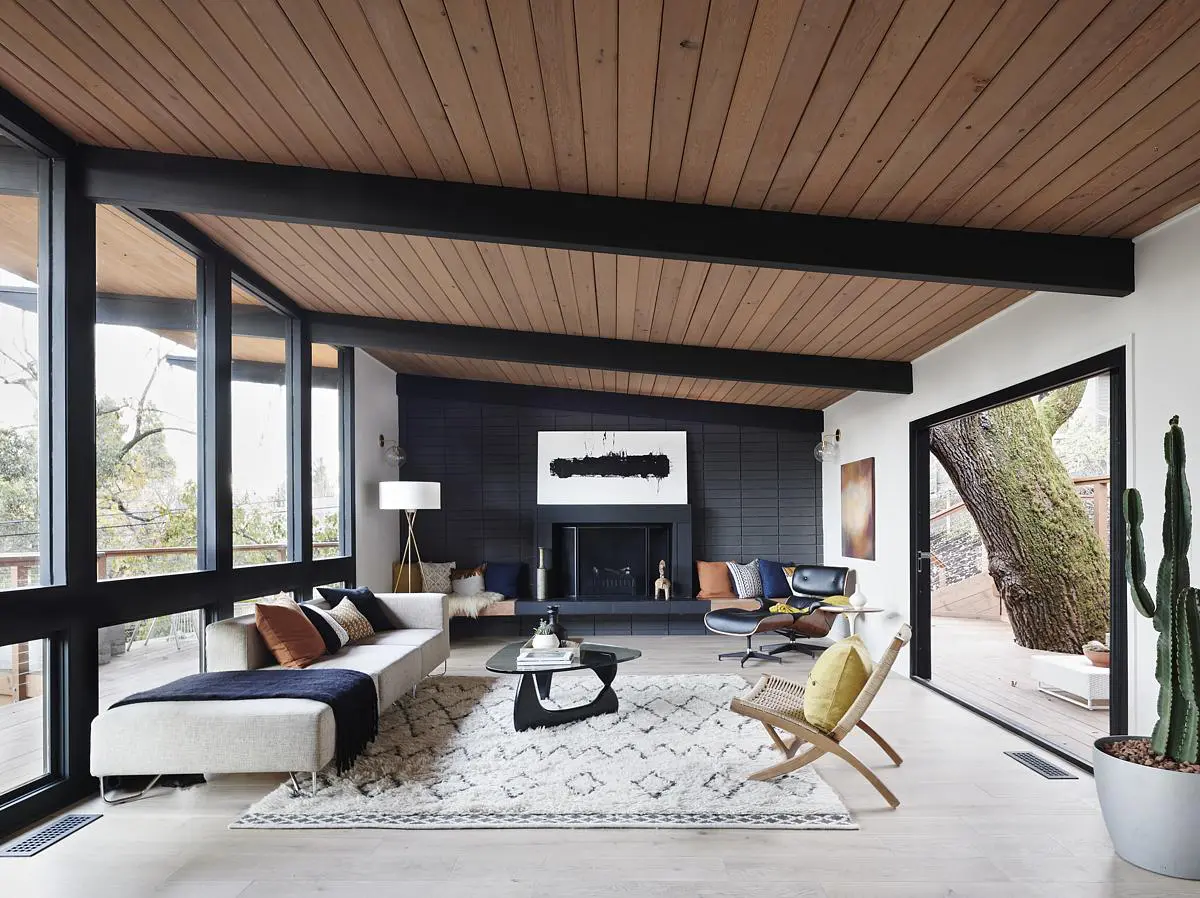
One of the most significant interventions involved the roof. The original ceiling heights felt low by contemporary standards, limiting the sense of openness that defines many ranch houses. Raising the roof by two feet transformed the interior atmosphere. Light now moves more freely through the rooms, and the exposed beams feel more expressive.

“It sounds like a dramatic move,” the architect explains, “but it actually helped the house feel closer to what Cliff May intended.”

Inside, the renovation balances restoration with thoughtful reinterpretation. Mahogany cabinetry introduces warmth while recalling the material palette of the period. Bathrooms feature Heath tiles, a distinctly Californian reference that fits naturally within the house. Lighting is integrated along the beams so the architecture remains the focus.

Furniture selections continue this approach. Authentic mid-century pieces sit alongside contemporary designs, creating interiors that feel layered and personal rather than nostalgic. Wood surfaces, soft daylight, and open sightlines guide the experience of the spaces.

The outdoor areas were also reimagined to reinforce the connection between house and landscape. A new garden and pool extend the living spaces outward, encouraging the kind of indoor-outdoor lifestyle Cliff May championed.

For the architect, working on a house like this also brings a deeper appreciation of the mid-century period. “The modern movement was about experimenting with new ways of living,” he says. “It stripped away unnecessary ornament and focused on openness, light, and the relationship to nature.”

Cliff May

Cliff May

Cliff May
Cliff May
Cliff May
Cliff May
Cliff May
Cliff May
Cliff May
Cliff May

Photos by José Manuel Alorda

Sign up to The Bulletin

Our weekly roundup of the very best selection of mid-century architecture and more.