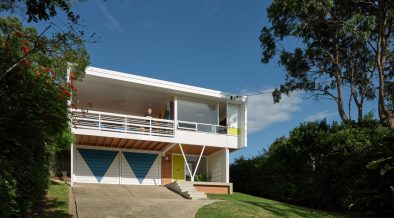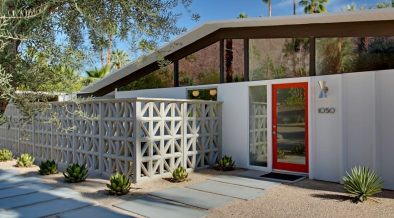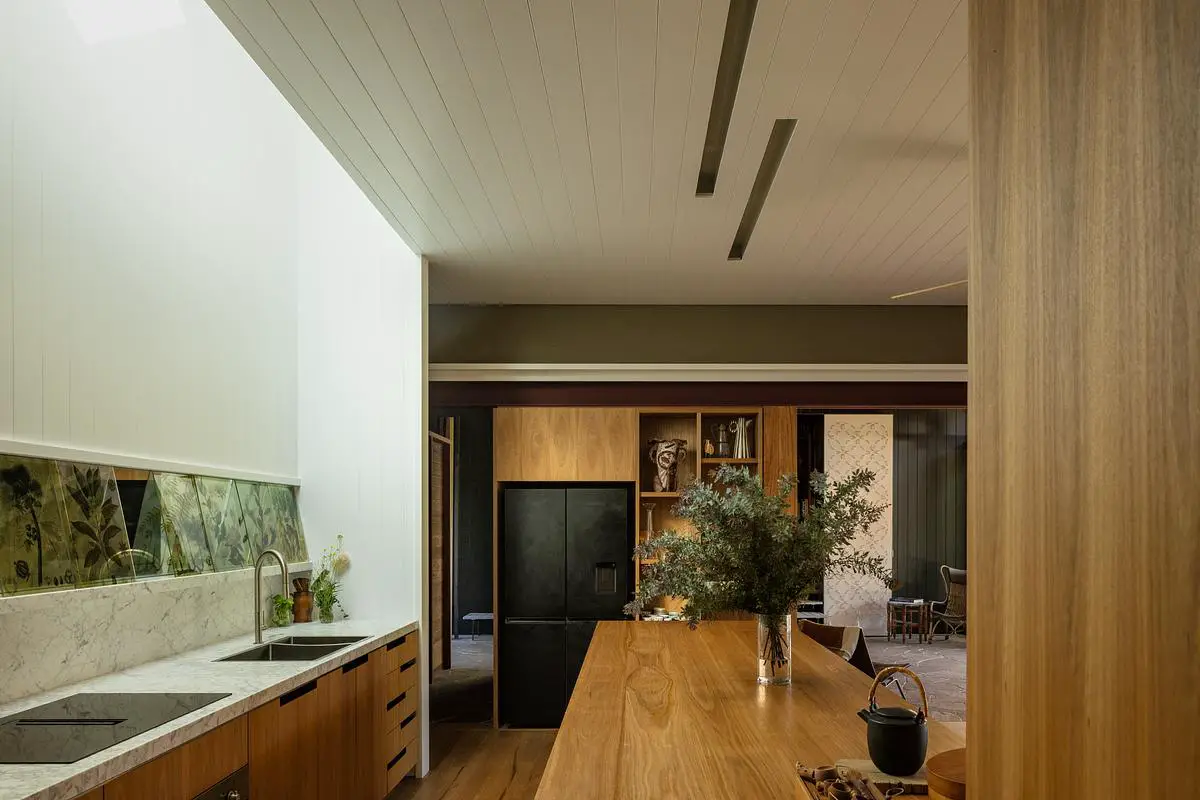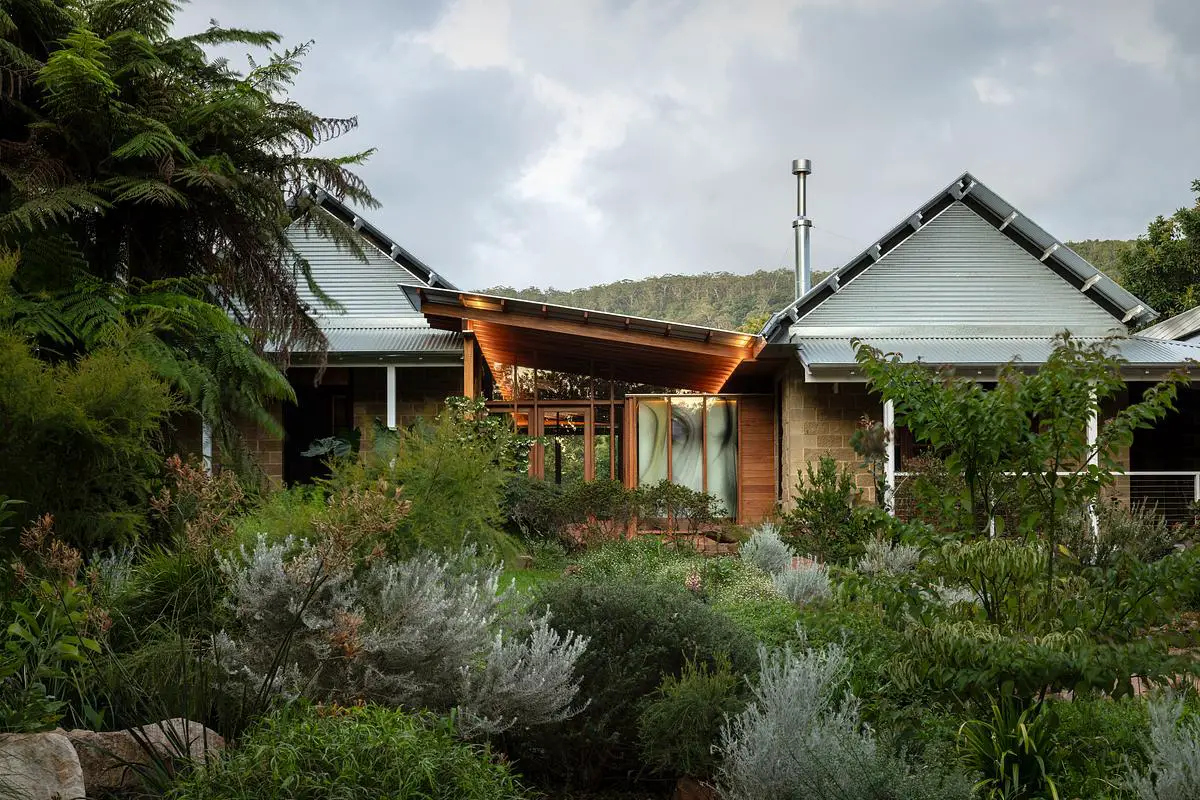
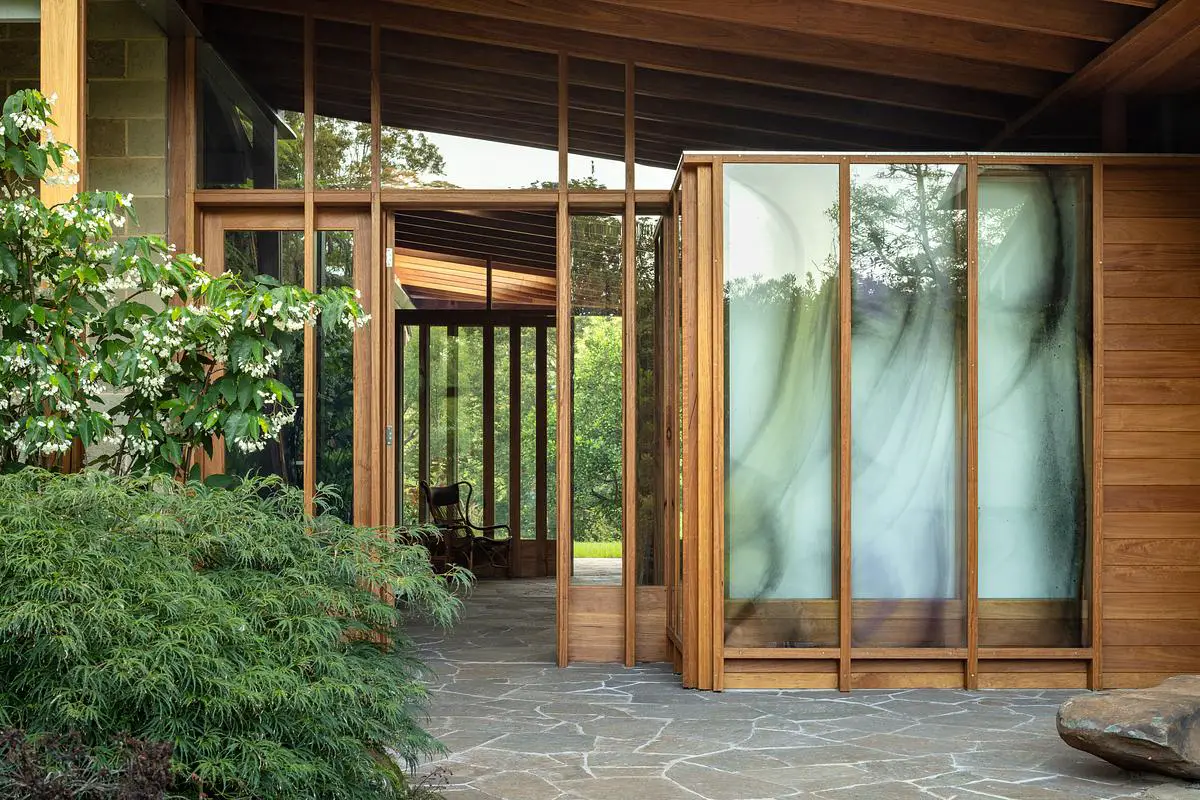

This house sits within a native garden shaped by seasons. When the new owners acquired the property, their intention was clear: to live closer to nature. The existing house offered that possibility, but its spaces did not fully engage with the landscape around it.
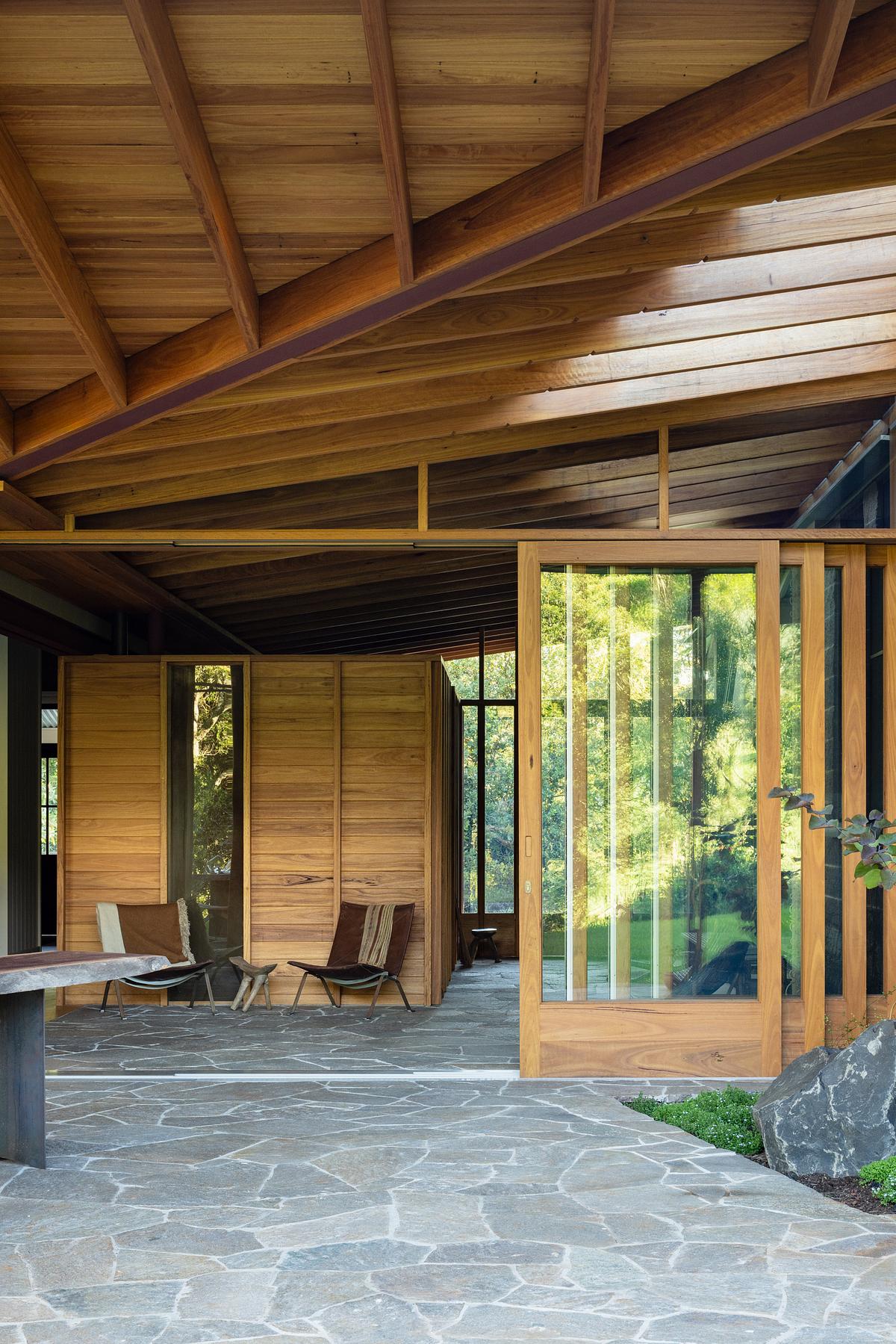
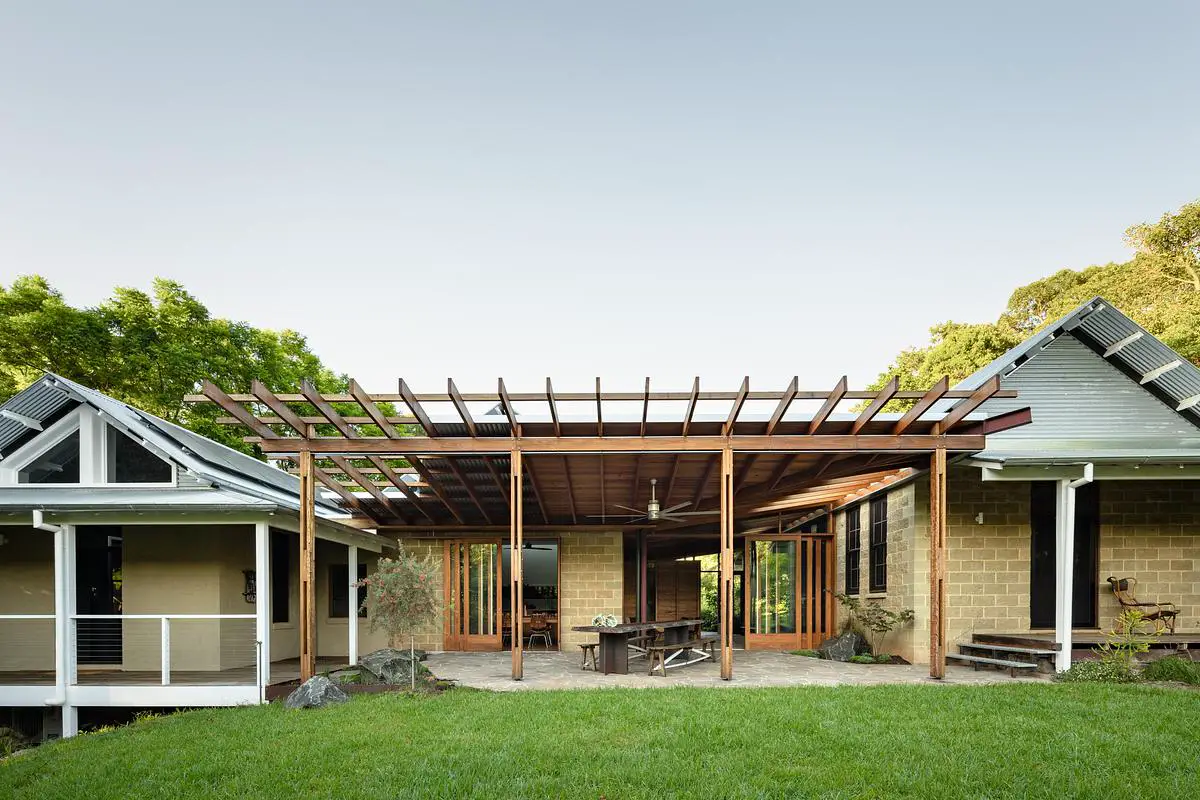
Studio ZAWA approached the project as a careful reworking. The original structure, composed of three small pavilions linked by verandahs, reflected a familiar rural typology. The architects chose to build on this logic, using it as a starting point. Their intervention reframes the verandah as the central element of the house, shifting it from a peripheral space to the core of daily life.
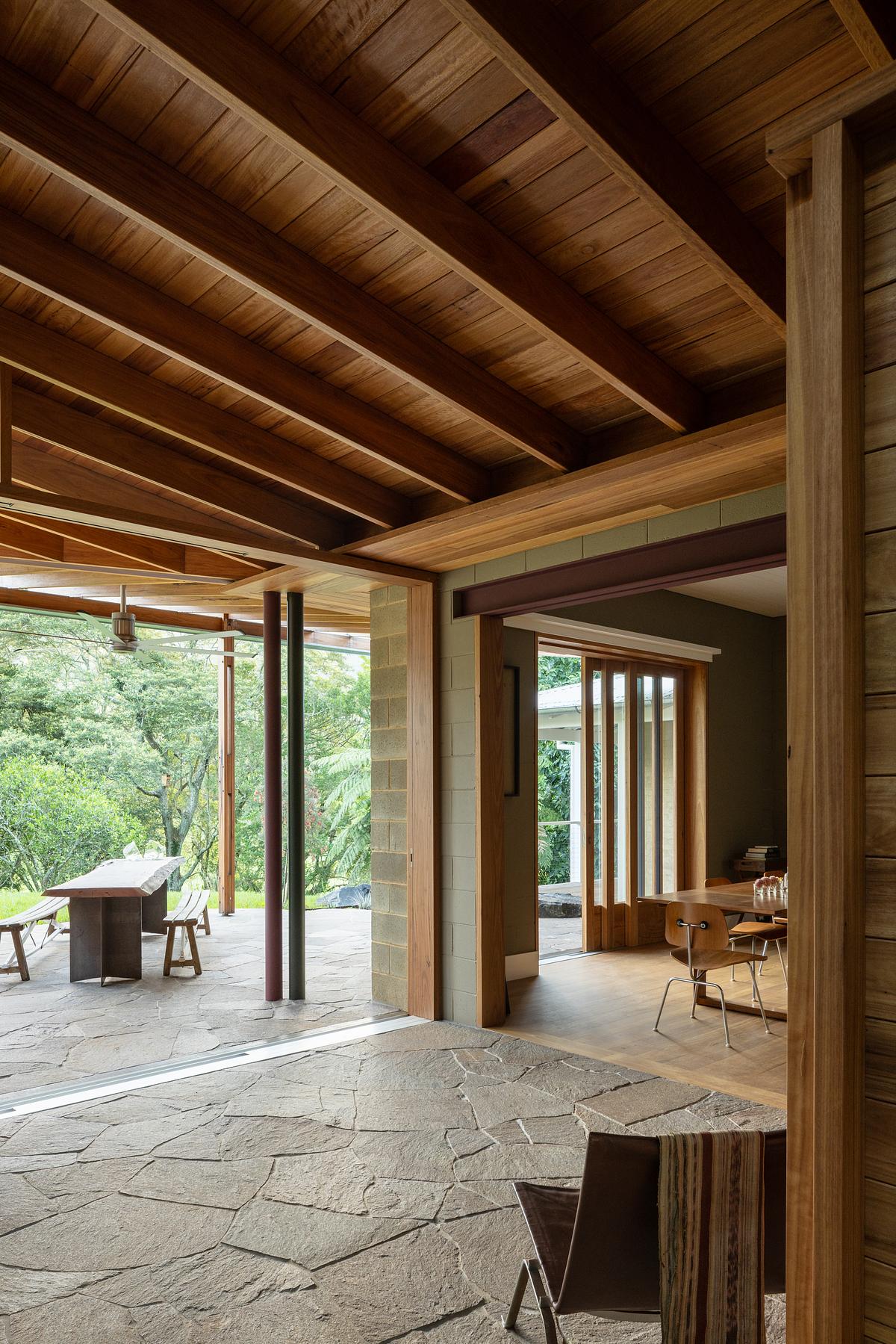
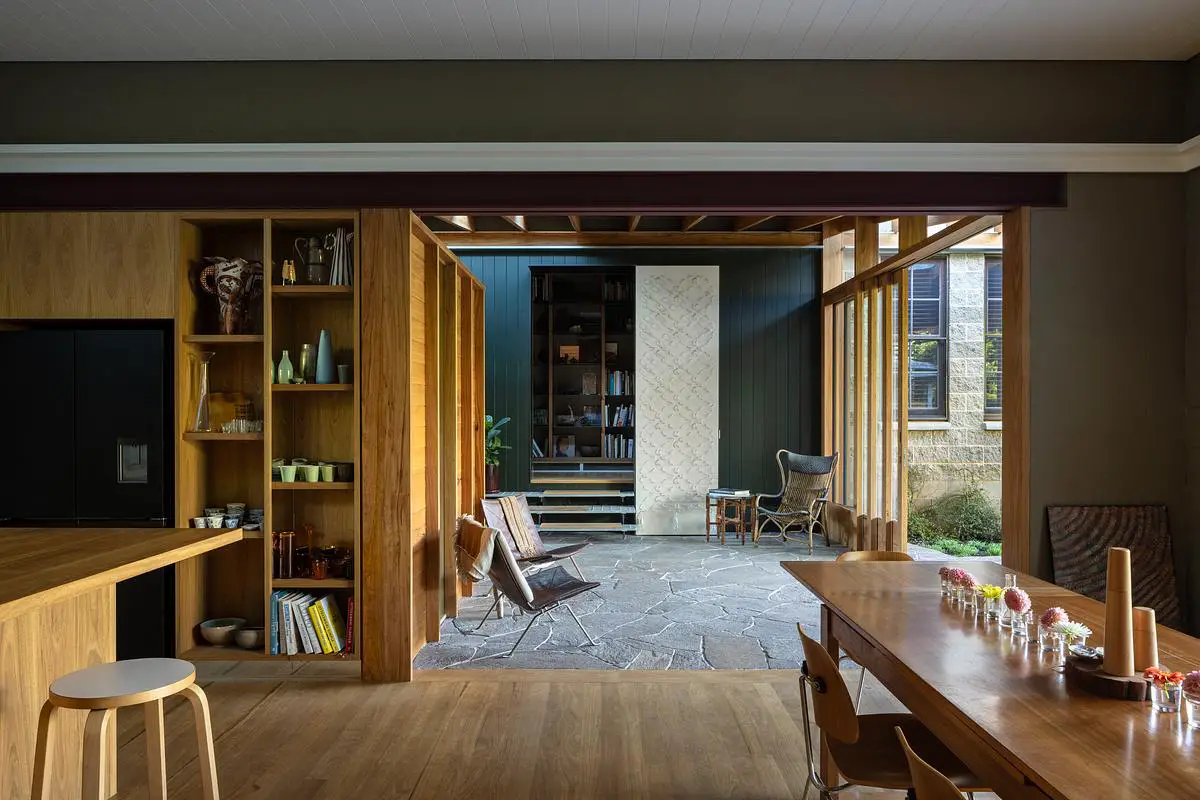
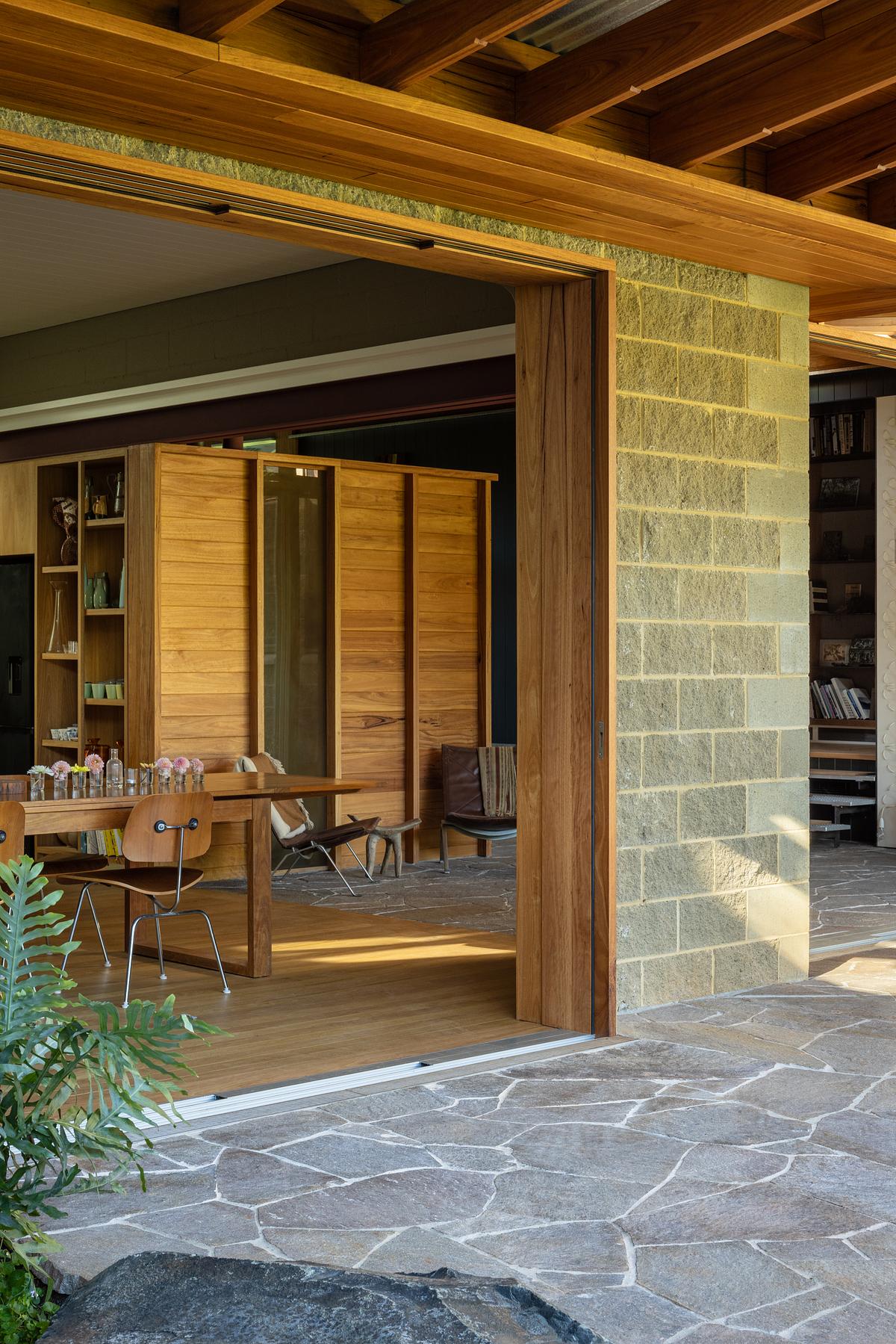
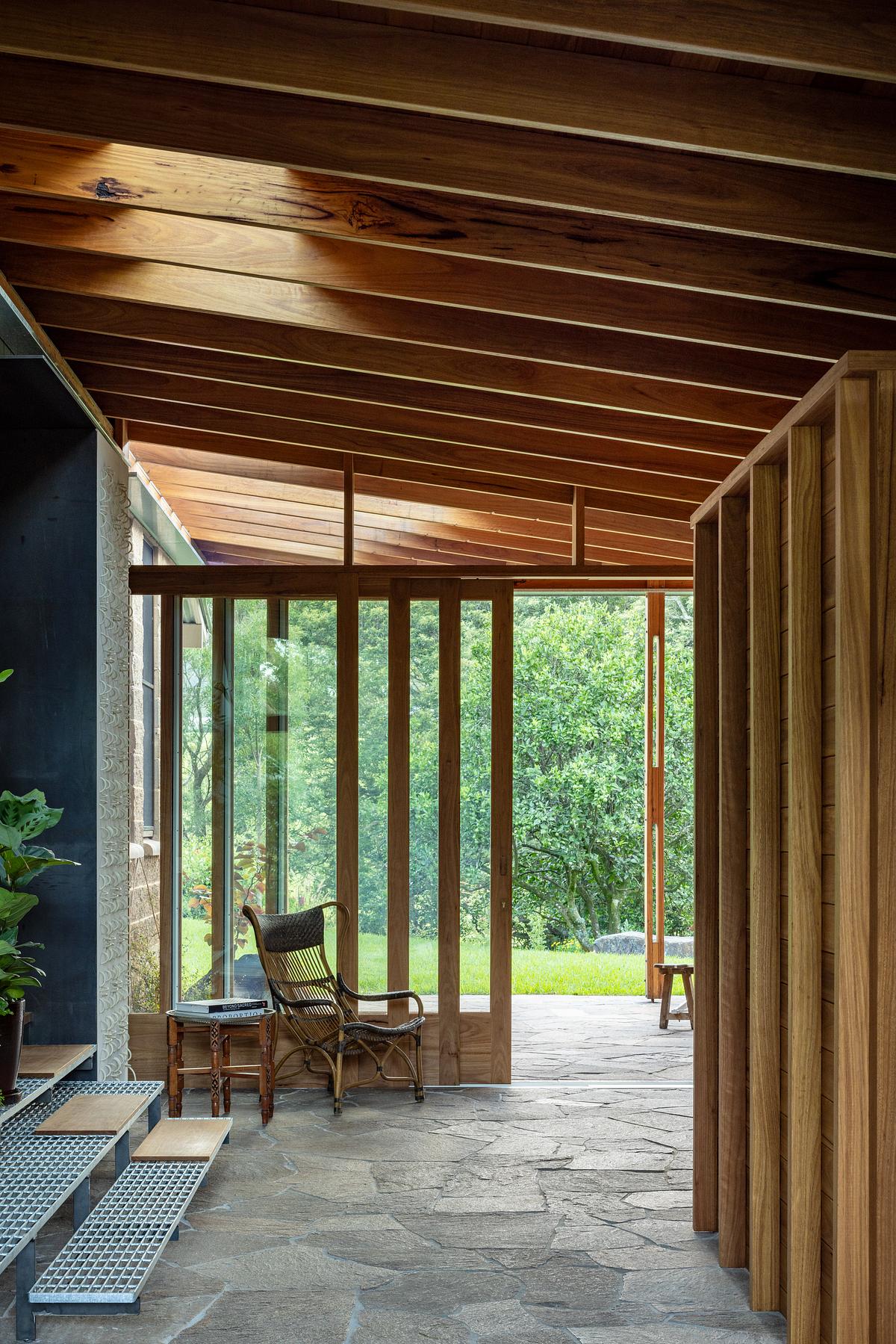
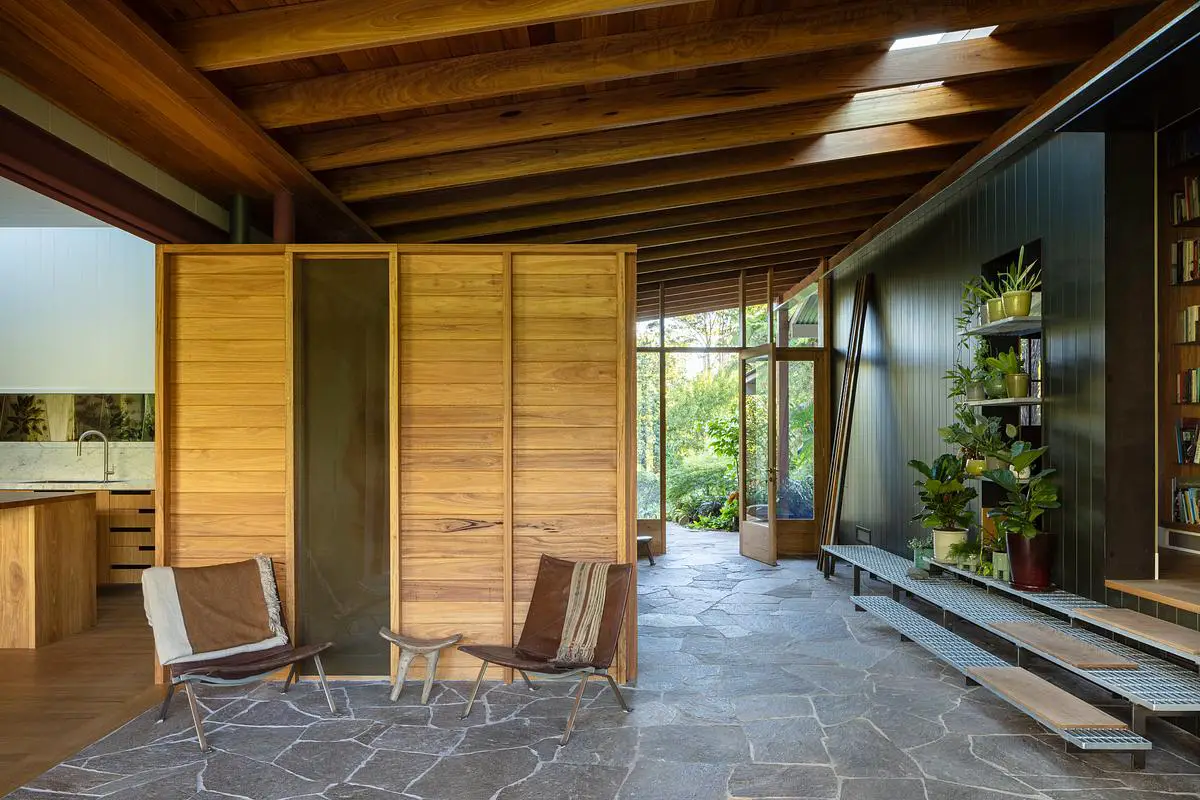
The new linking verandah connects the pavilions, forming an open-air living area that runs through the middle of the house. It operates as both circulation and gathering space, where indoor and outdoor uses overlap. Underfoot, granite paving continues from the garden into the interior, removing any clear boundary between outside and in. Now, movement across the site feels continuous, with the house opening itself to the landscape rather than standing apart from it.

The design works with the existing footprint, retaining much of the original structure. Each pavilion maintains a degree of independence, yet the new verandah brings them into a shared system. The result is a plan that balances openness with separation, allowing for both communal and private moments.
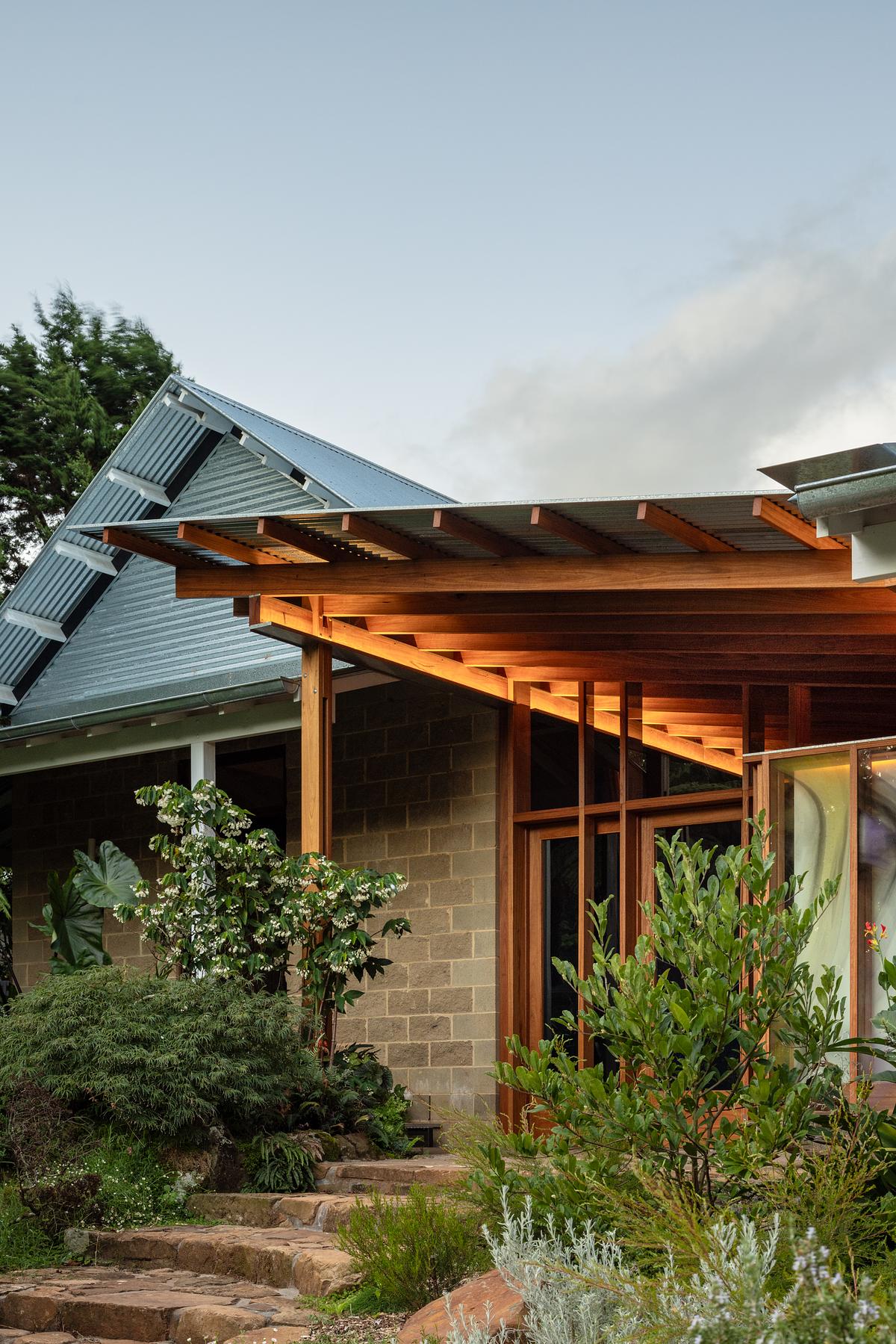
Environmental performance is embedded within these spatial moves. Deep eaves protect the house from summer sun, while allowing winter light to enter. Cross-ventilation is supported through aligned openings and the central verandah, reducing reliance on mechanical systems. Thermal mass stabilizes indoor temperatures, and the house operates as a fully electric system, supported by solar panels and rainwater harvesting.
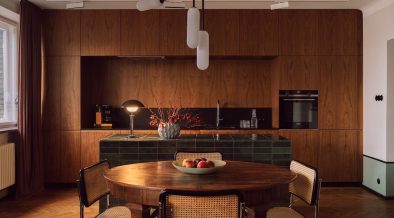
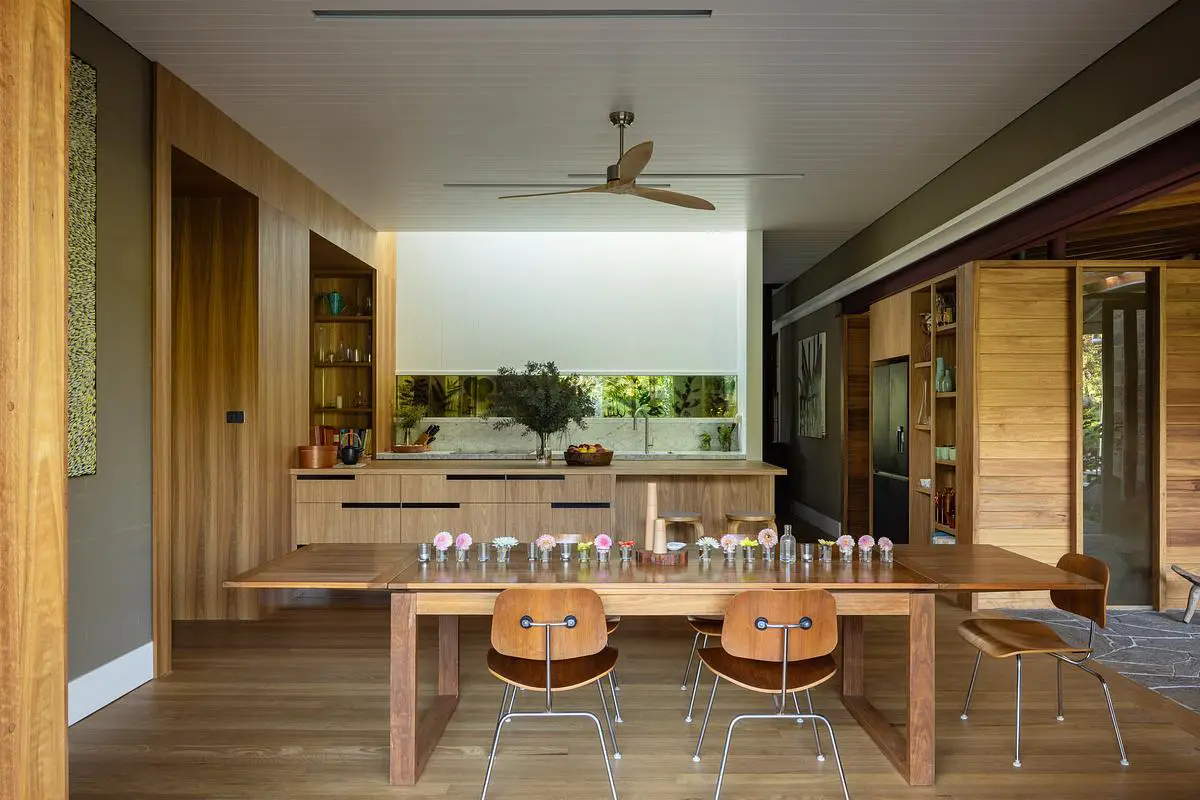
Material choices reinforce this approach. The palette is local and durable, selected for its ability to age well in the coastal climate. Timber, stone, and metal are all visible through the house. This attention to detail reflects an approach aligned with the Sydney School, where buildings respond directly to site and climate.
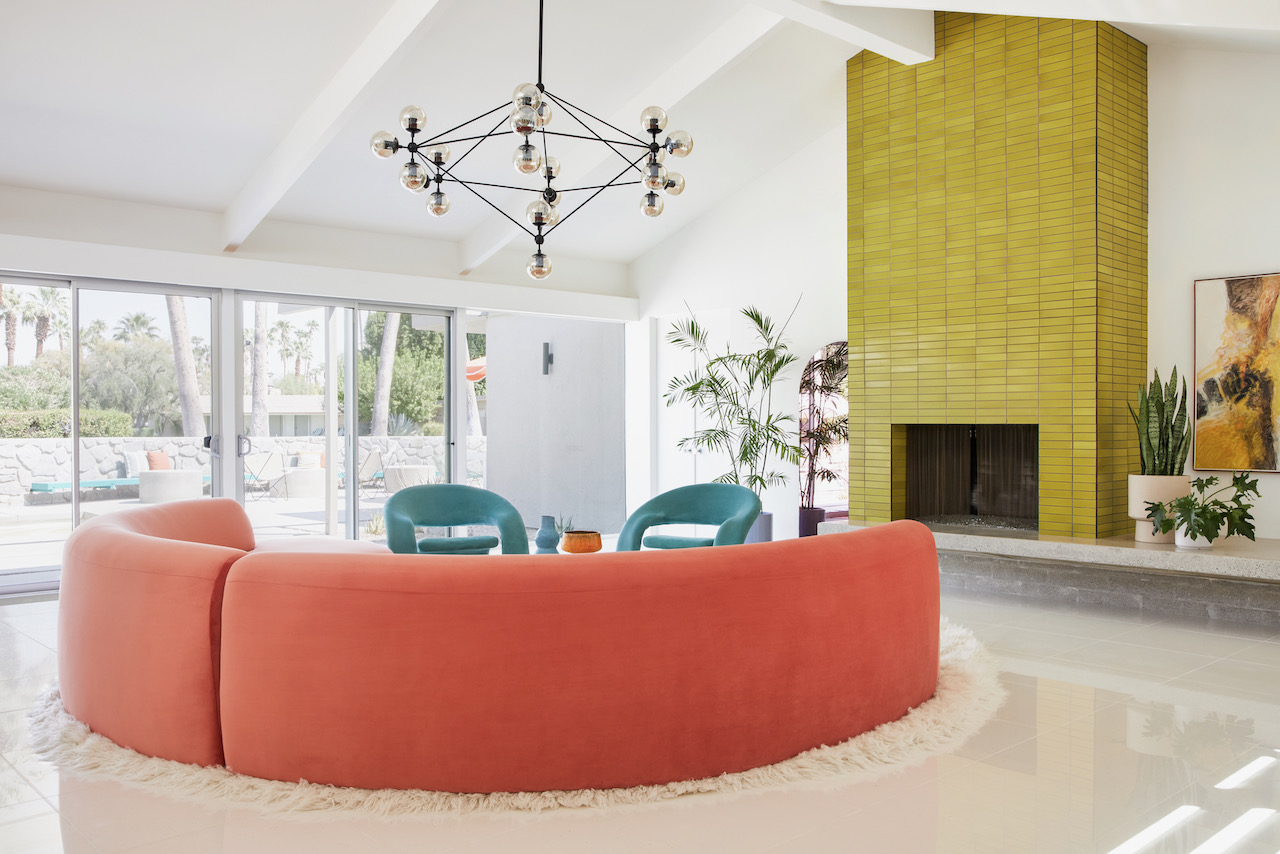
From within the house, the garden is always present, whether through long sightlines or closer moments at the edge of the verandah. Light shifts across surfaces throughout the day, marking time and season.