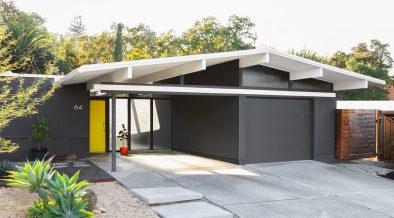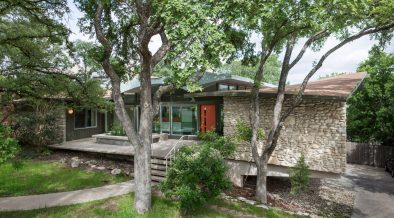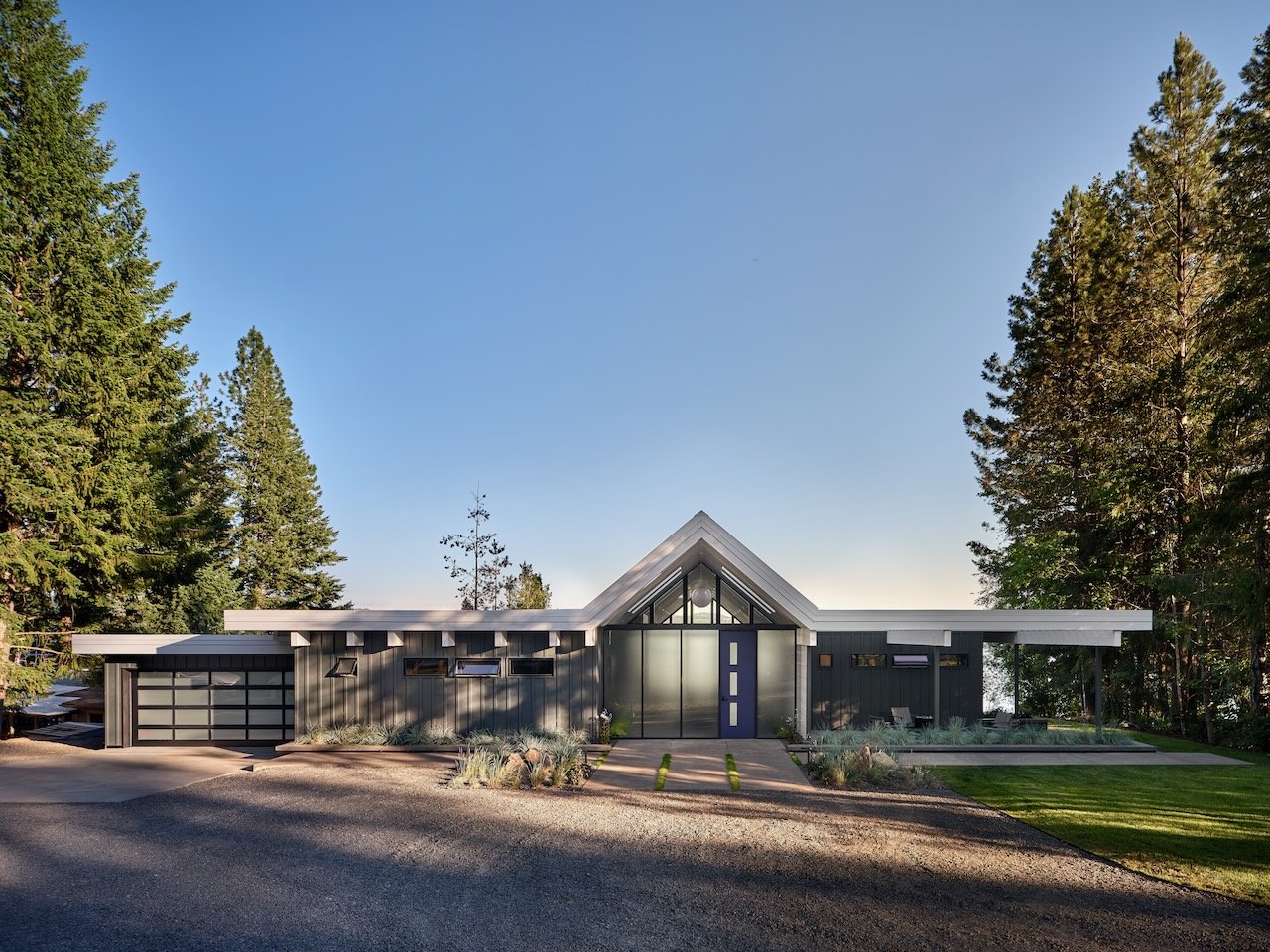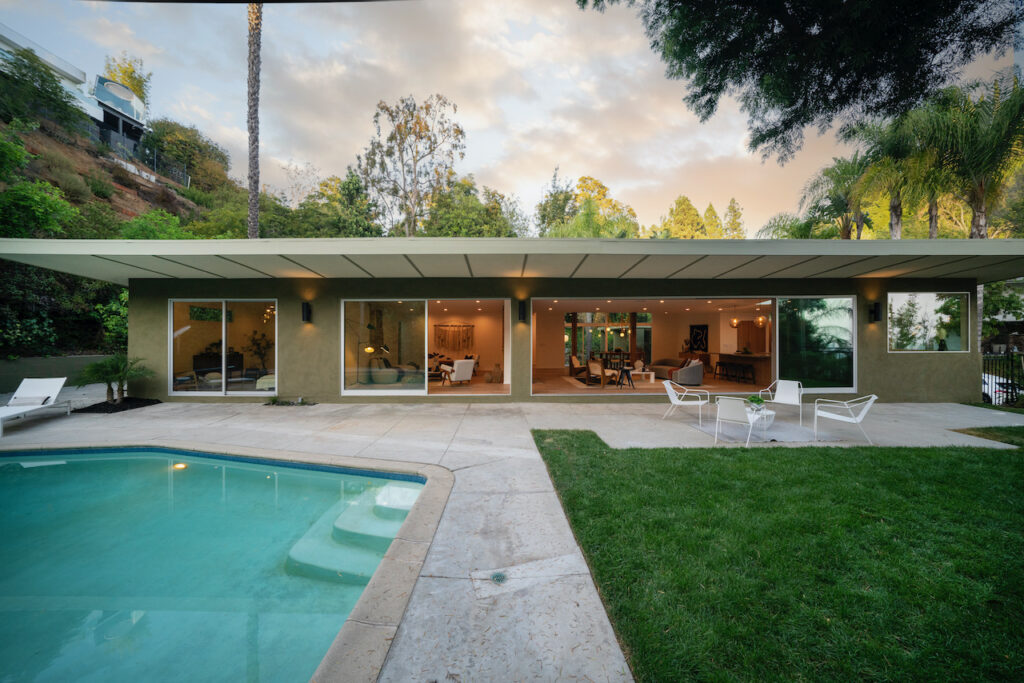
This iconic 1960s Beverly Hills home, originally designed by architect Rex Lotery, famous for building Elvis and Priscilla Presley’s L.A. home, has undergone a meticulous restoration by Hollis LaPlante and Jordyn Grohl of Hollis Jordyn Design.
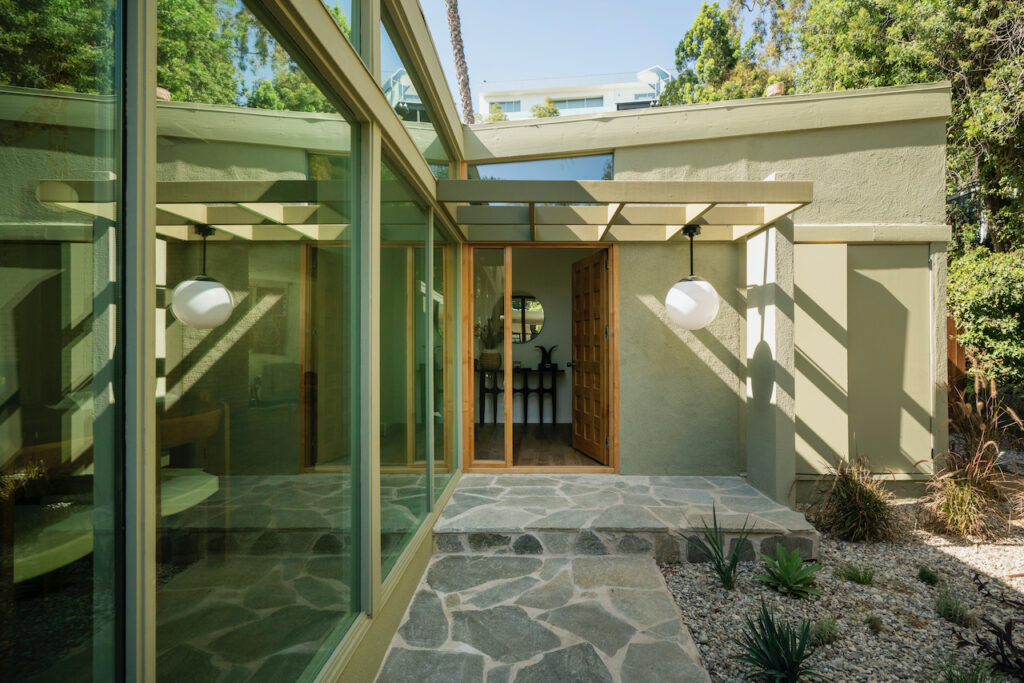
The designers aimed to modernize the layout while preserving the home’s mid-century character, set atop a hill in the lush Beverly Crest area.
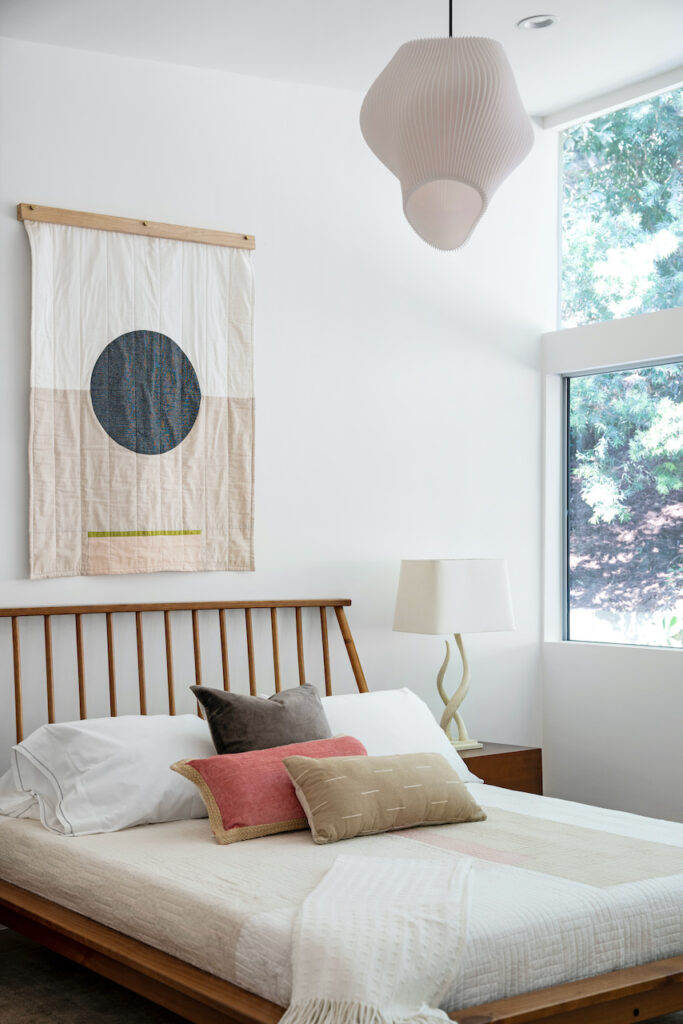
Previously, the home suffered from a lack of light, featuring popcorn ceilings, closed-off rooms, and dated interiors, including damaged floors and carpeting in the primary suite.
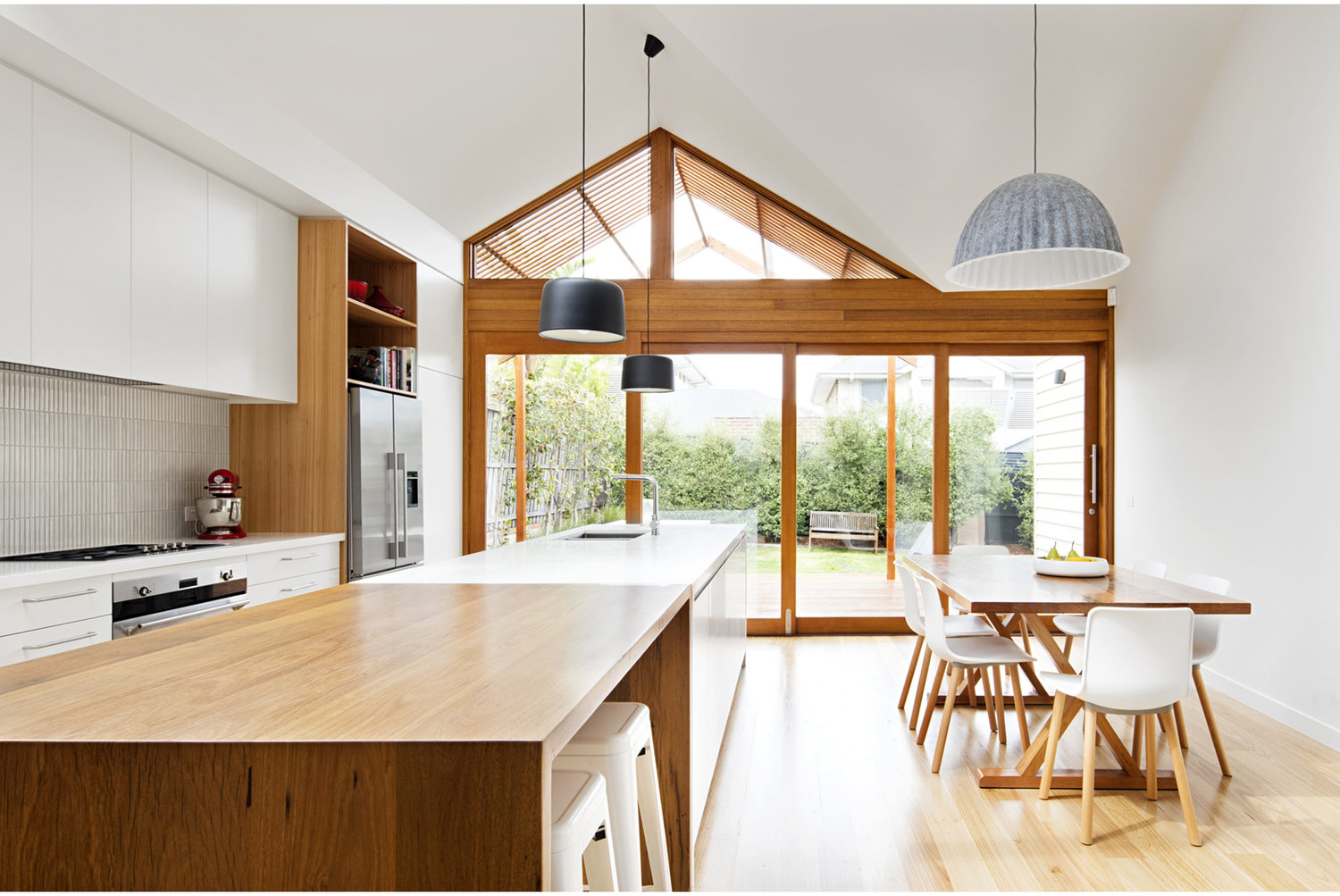
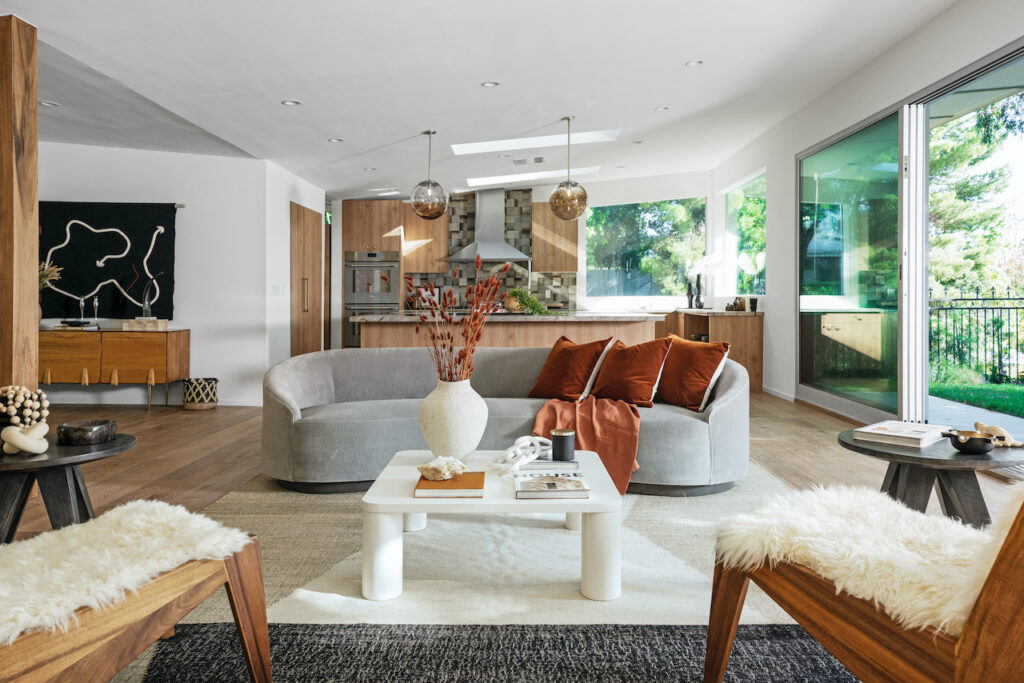
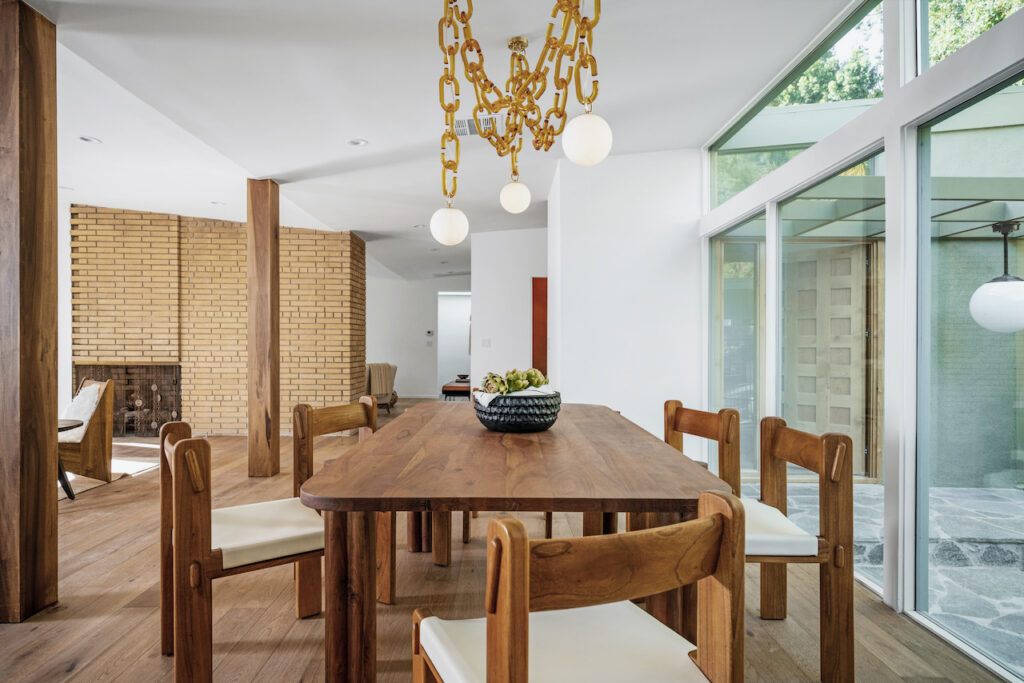
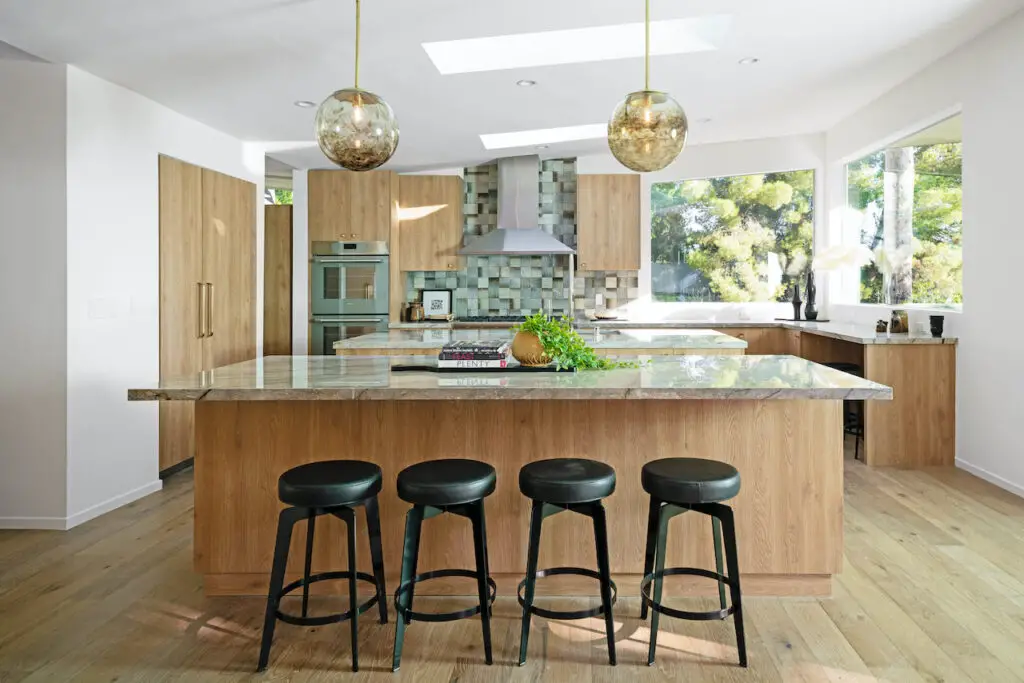
The renovation introduced custom oak cabinetry in the kitchen, engineered wood flooring, and oak interior doors adorned with a geometric design, enhancing both functionality and aesthetic appeal. The design intent was to open up the home to natural light and the surrounding greenery, creating a sense of a hilltop oasis.
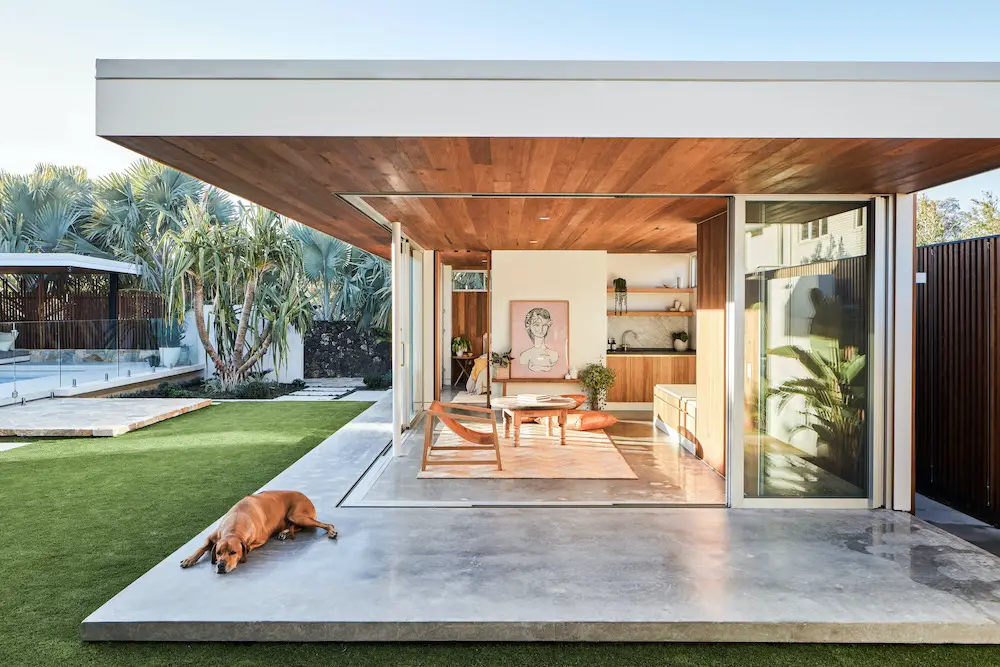
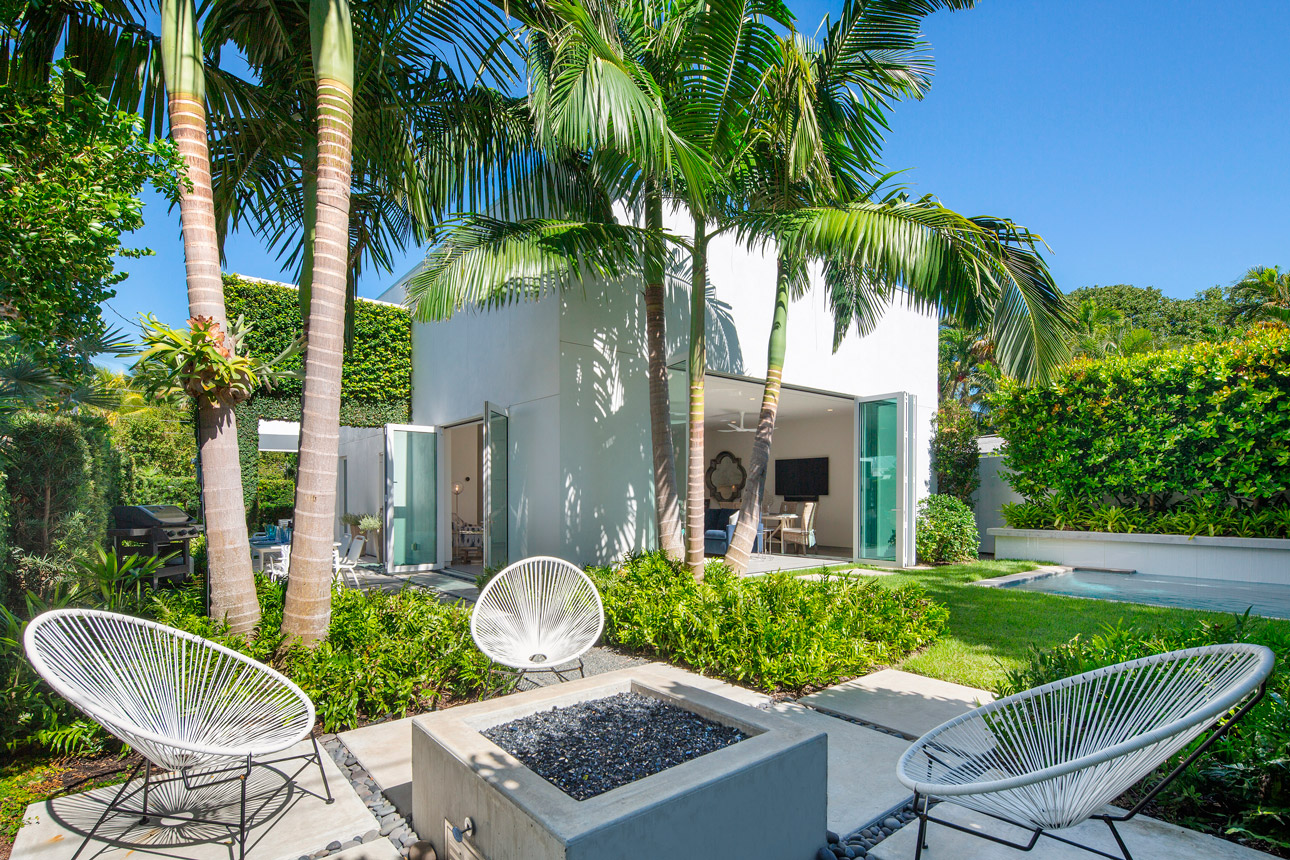
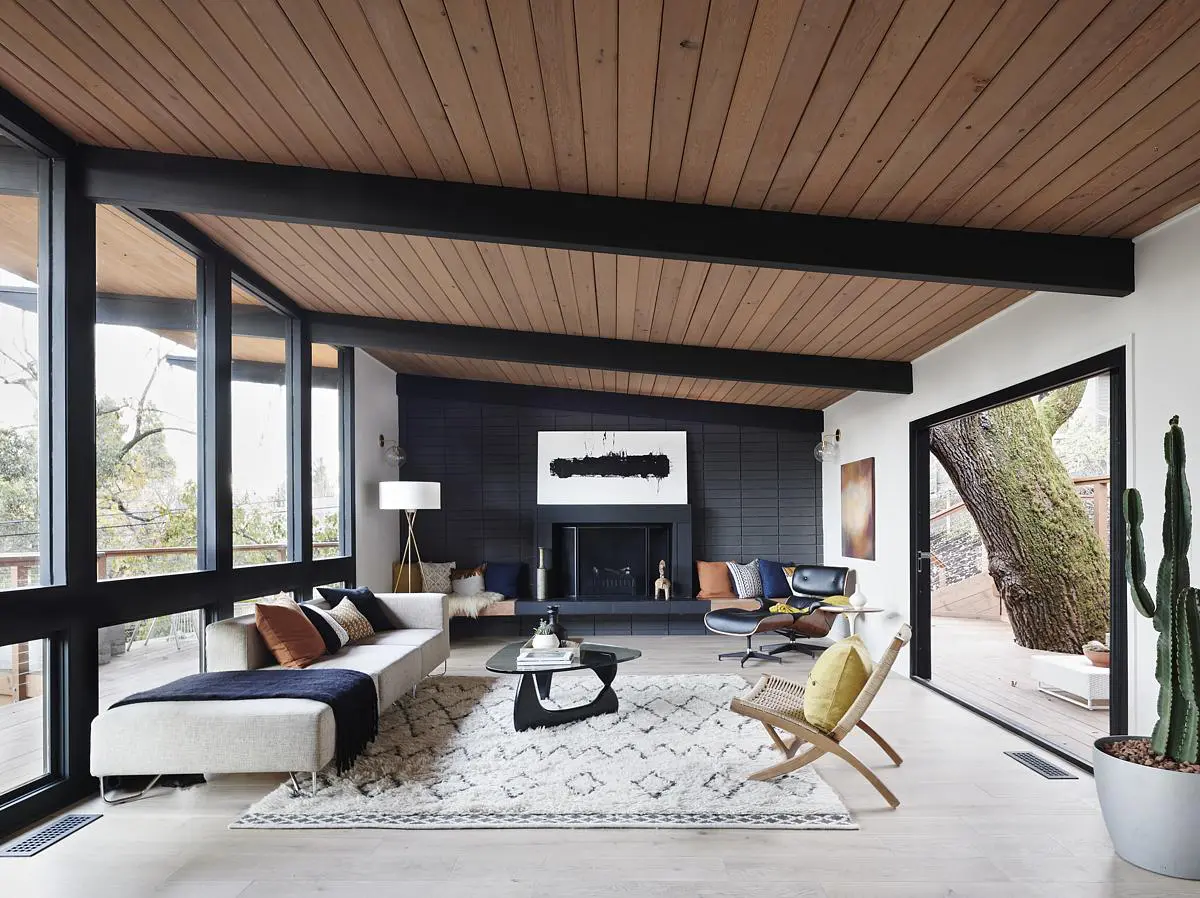
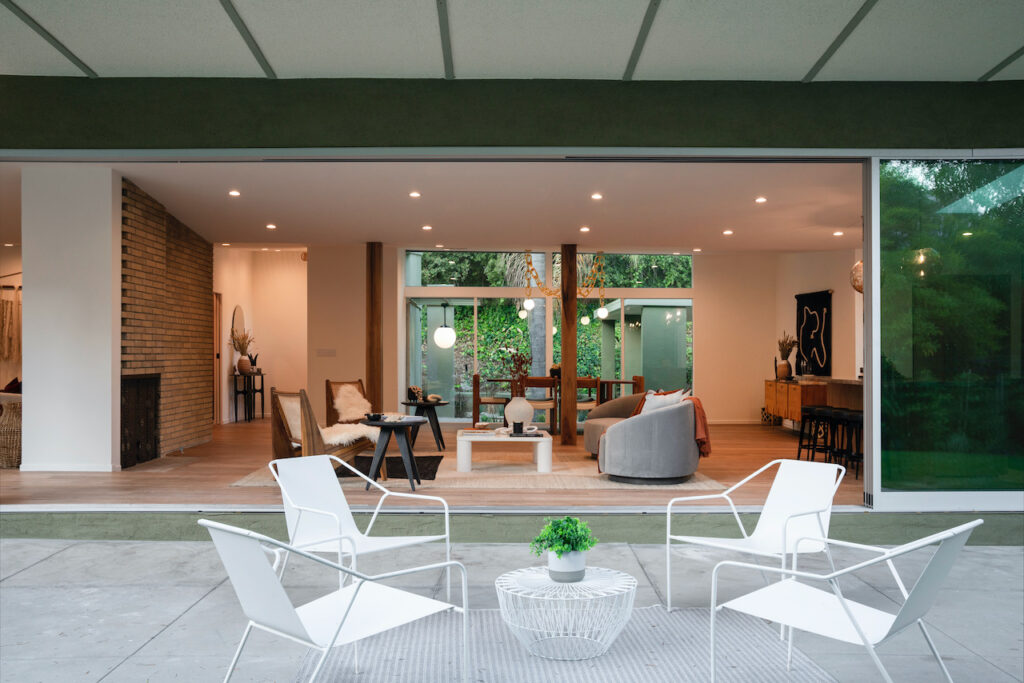
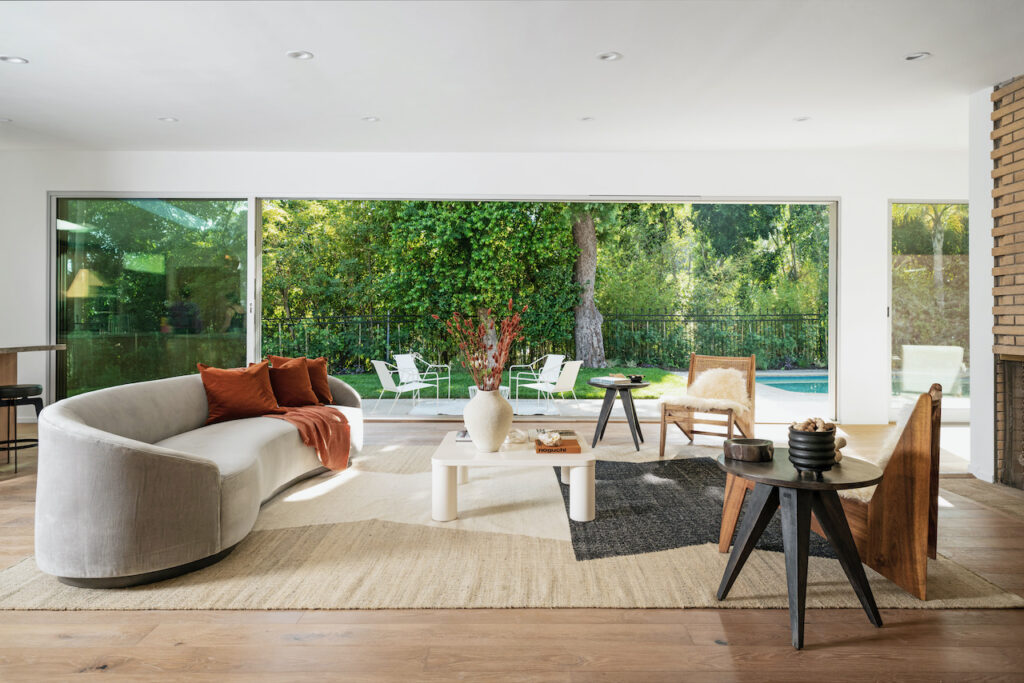
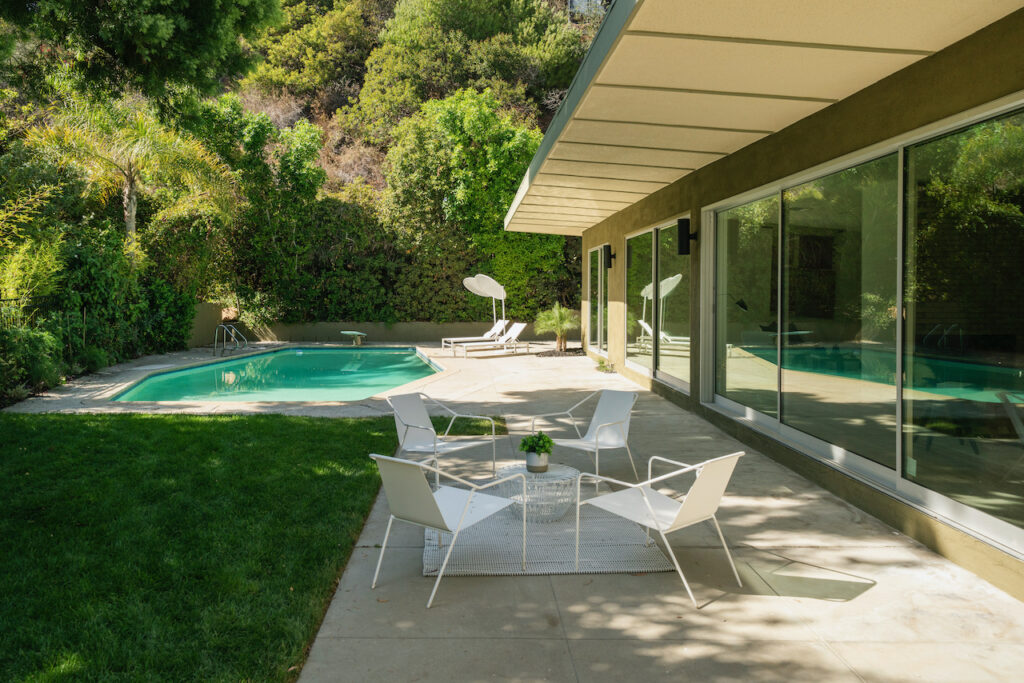
Hollis and Jordyn focused on maintaining the home’s original footprint while transforming the interior to foster a more open atmosphere. They enhanced the flow and expanded the visual space by breaking down walls and incorporating wall-to-wall sliders and expansive windows, maximizing views and strengthening the connection between indoor and outdoor environments.
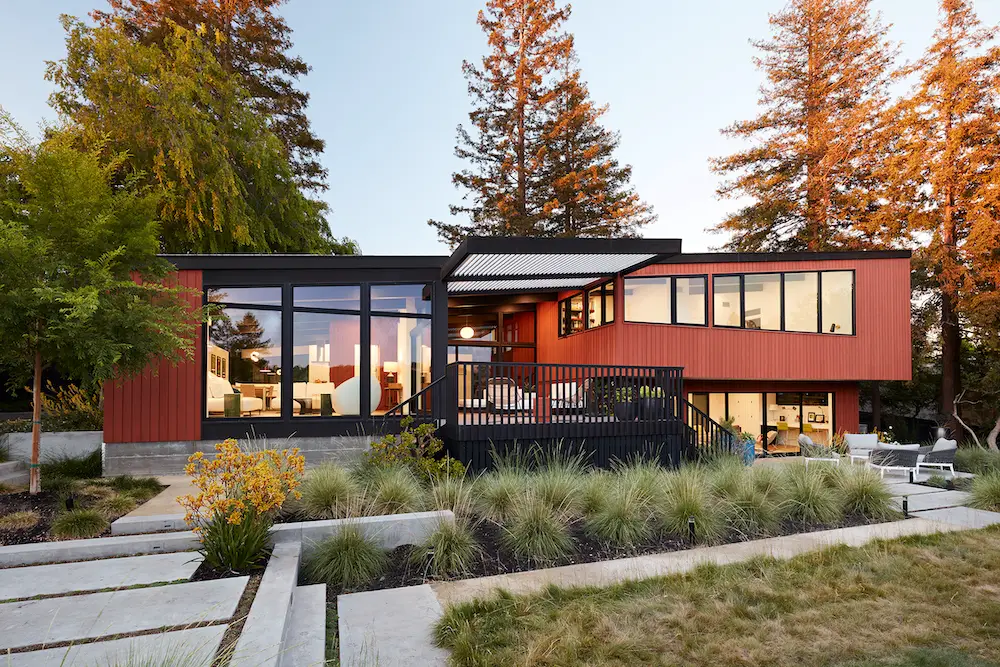
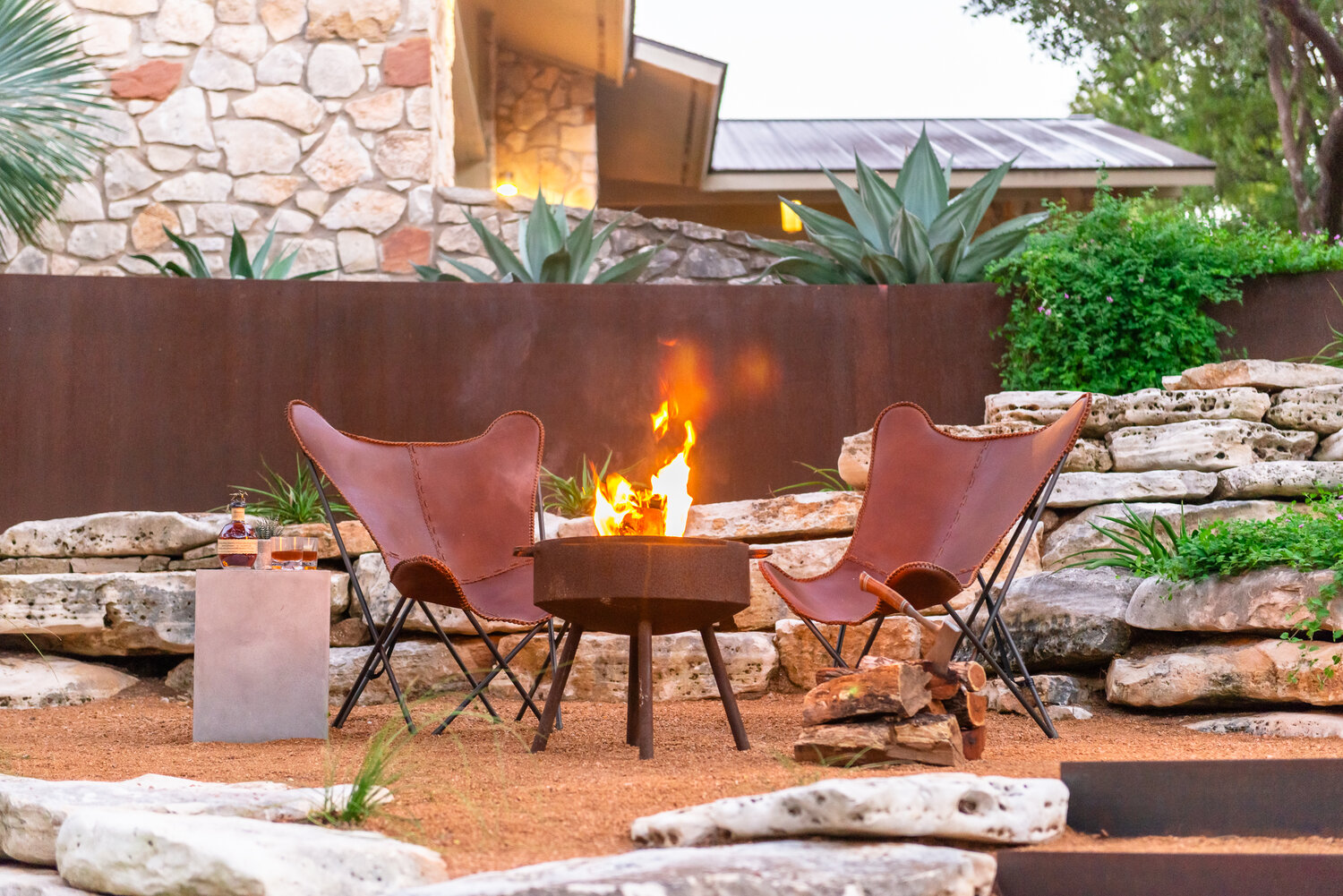
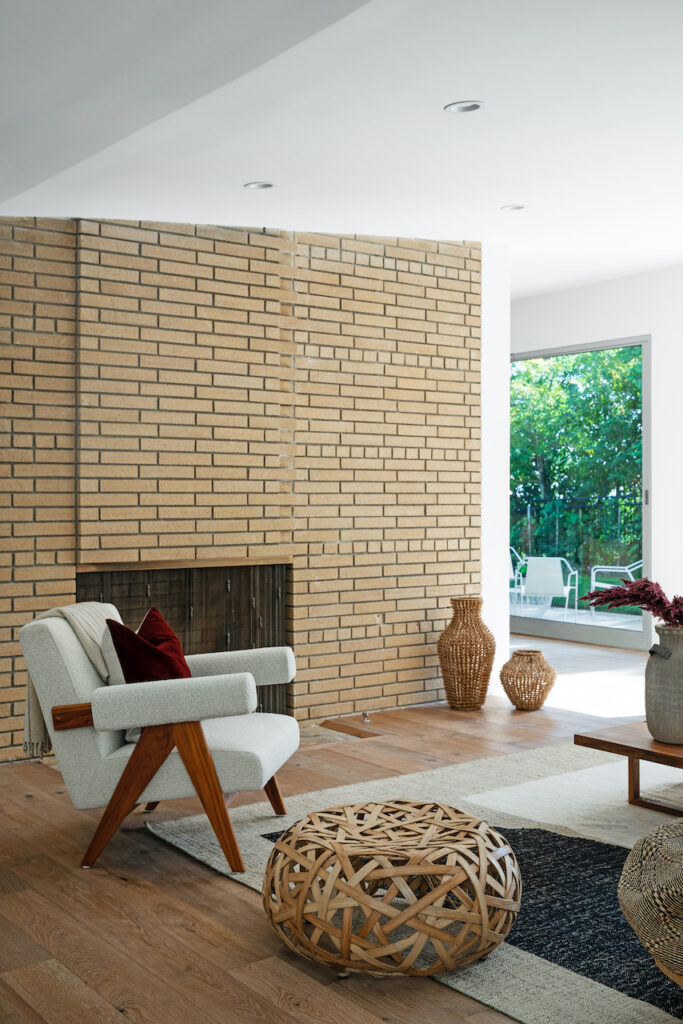
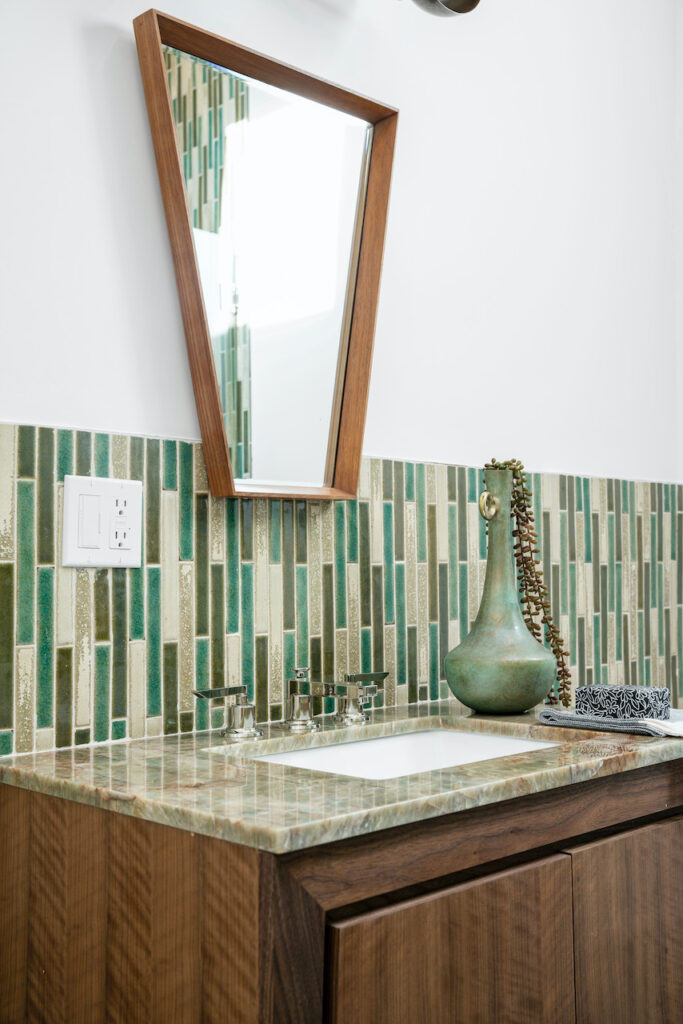
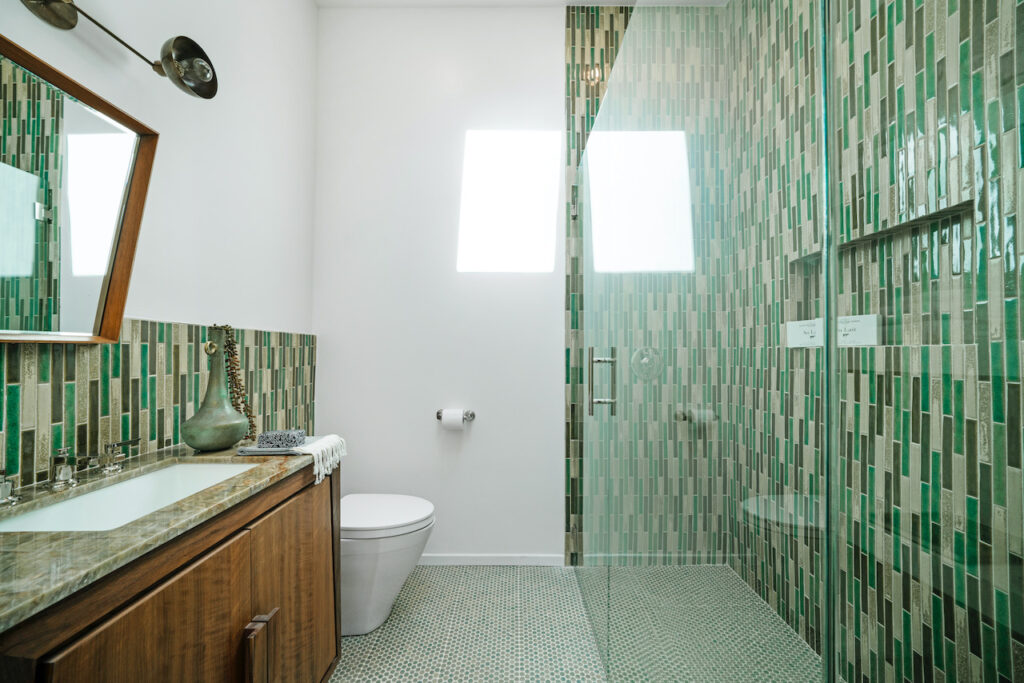
In keeping with midcentury design principles, the renovation paid homage to nature with a color palette and materials that reflect the surrounding landscape, bringing the outdoors inside.
The designers were particularly drawn to this era’s emphasis on integrating natural elements within the home, which they believe contributes to a harmonious living space.
Challenges during the renovation were minimal, with the main issue being the delay in sliding door deliveries. Despite these hurdles, the team managed to quickly resolve problems as they arose.
They rejuvenated the home’s significant architectural features, such as the butterfly ceiling, the two-sided brick fireplace, and extensive window installations, which were all integral to Rex Lotery’s environmentally conscious design approach.
The transformation addressed not only aesthetic aspects but also functional improvements. The introduction of an additional half bath ensured that each bedroom had its own facilities, discreetly placed away from communal areas.
The renovation removed obstructions like the previously blocked-off den and kitchen, which hindered movement and interaction within the home.
Among the standout features post-renovation are the natural light that pervades the living spaces, the double island kitchen, and the large sliders that facilitate a seamless indoor-outdoor living experience. These elements underscore the home’s design as an ideal venue for entertainment and relaxation.
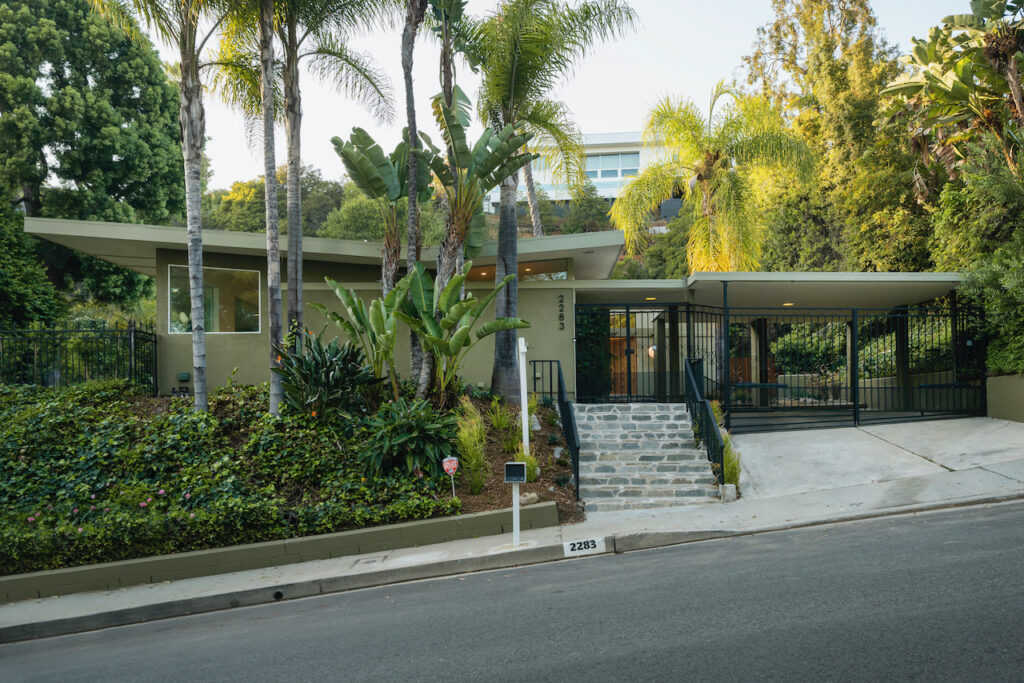
Photos by Gavin Cater