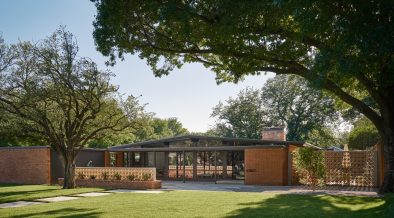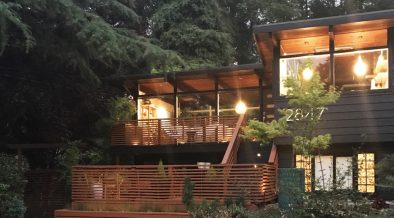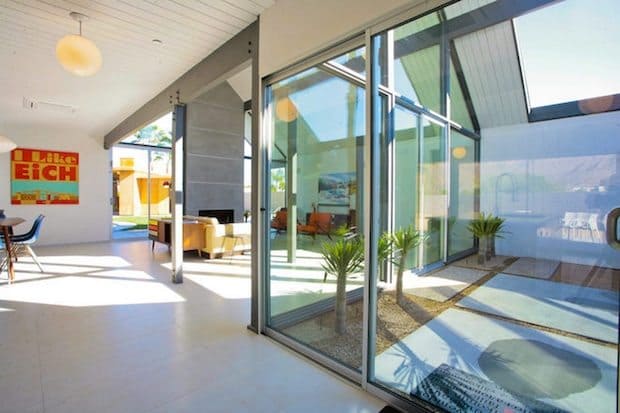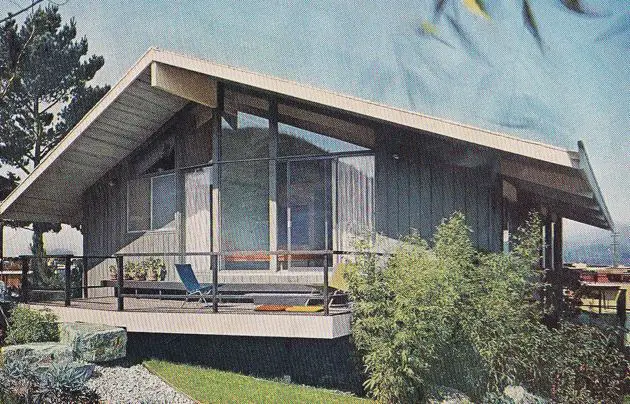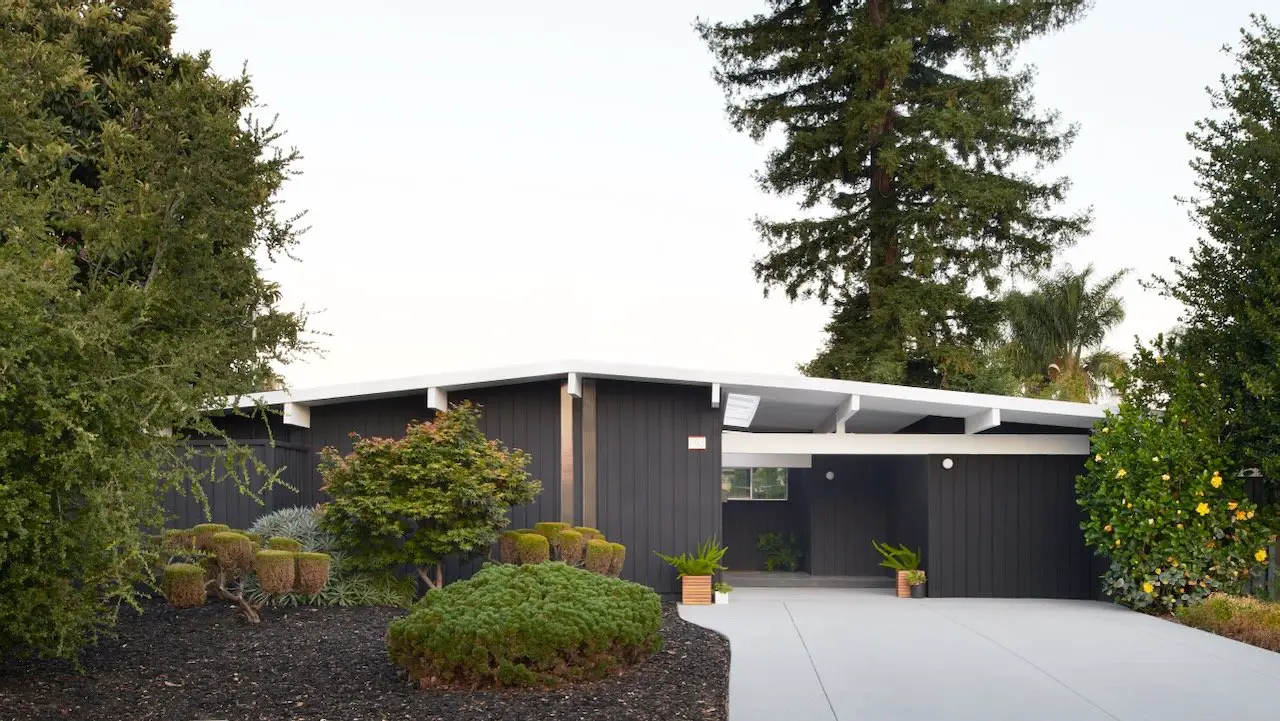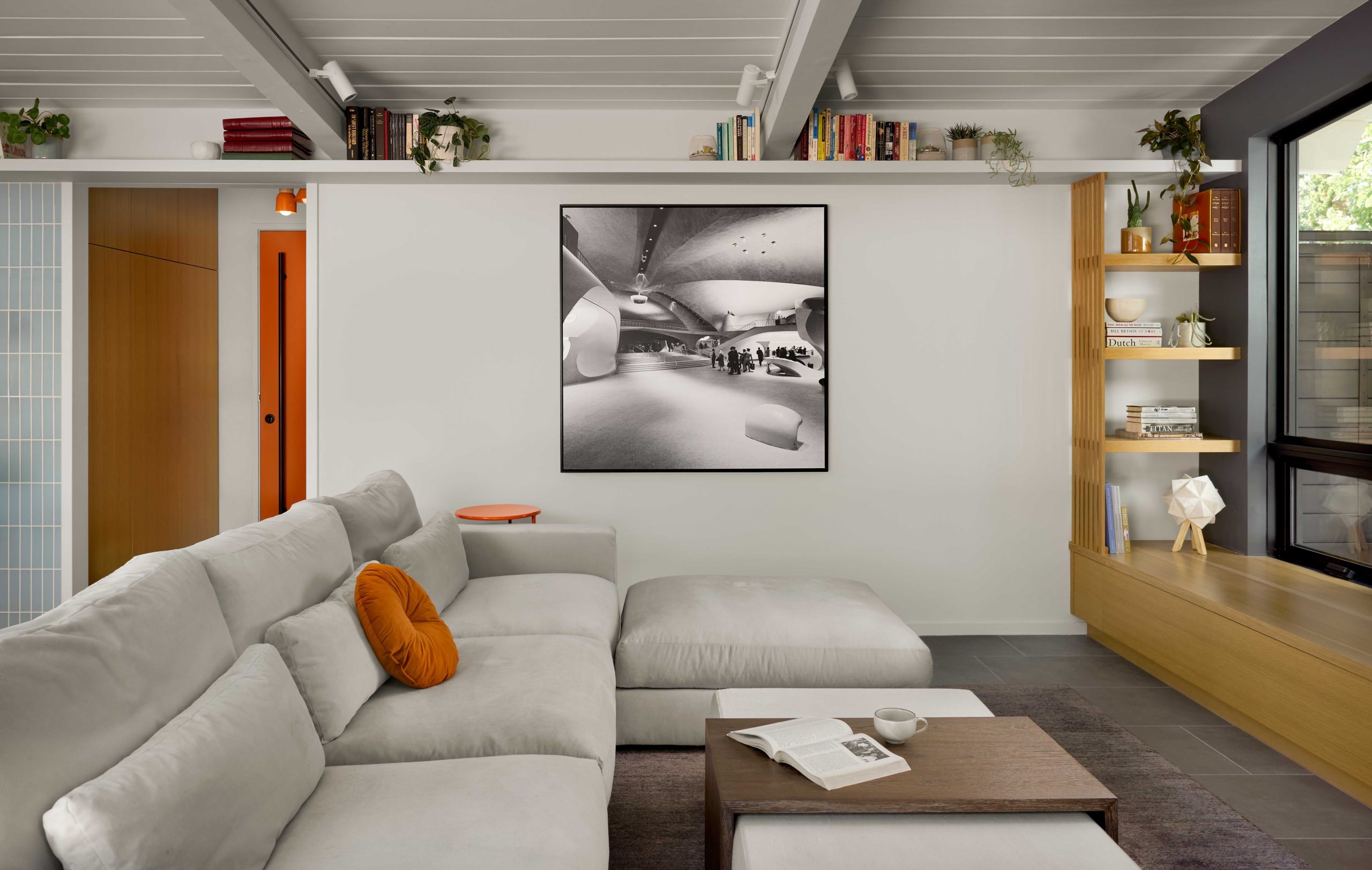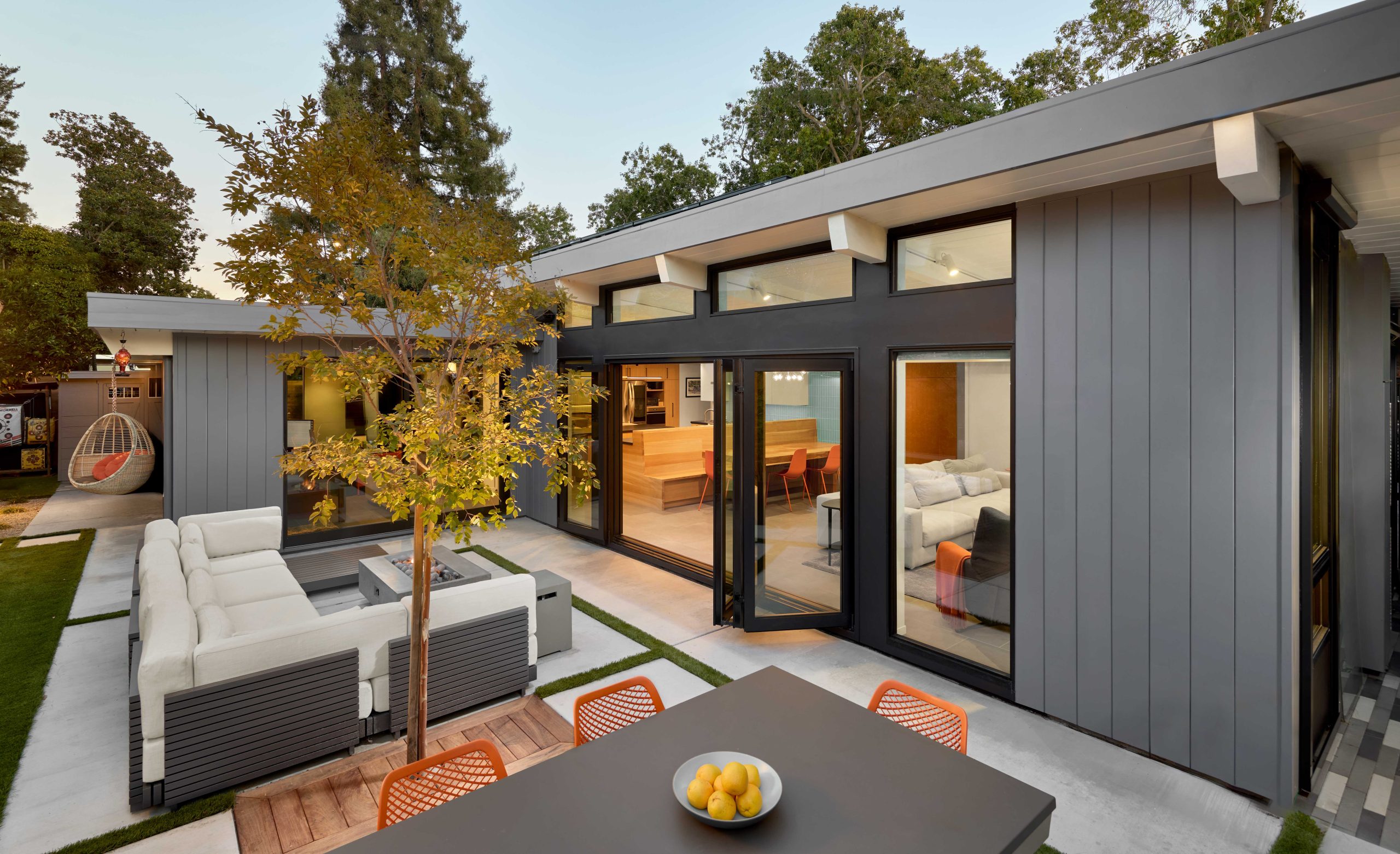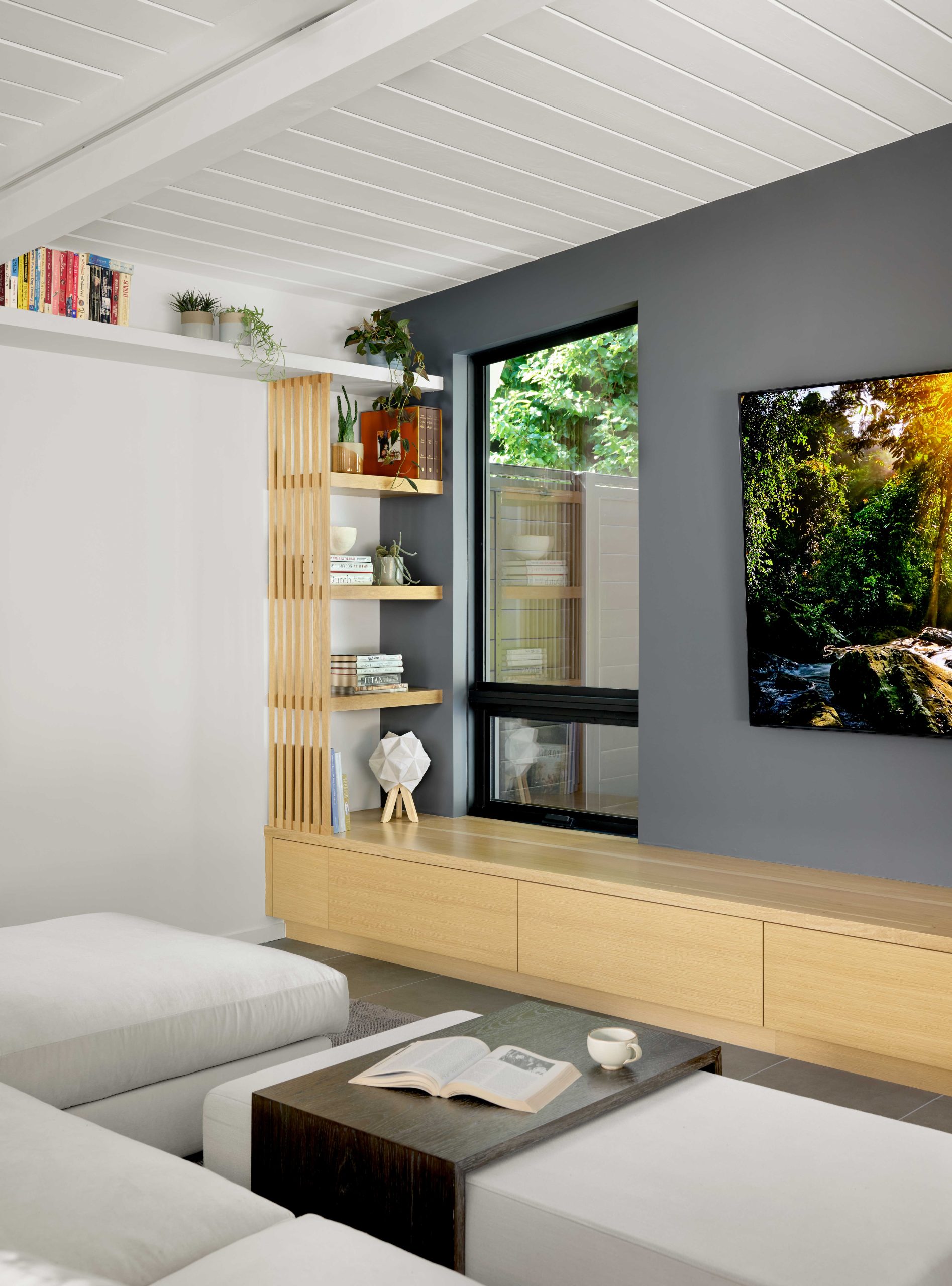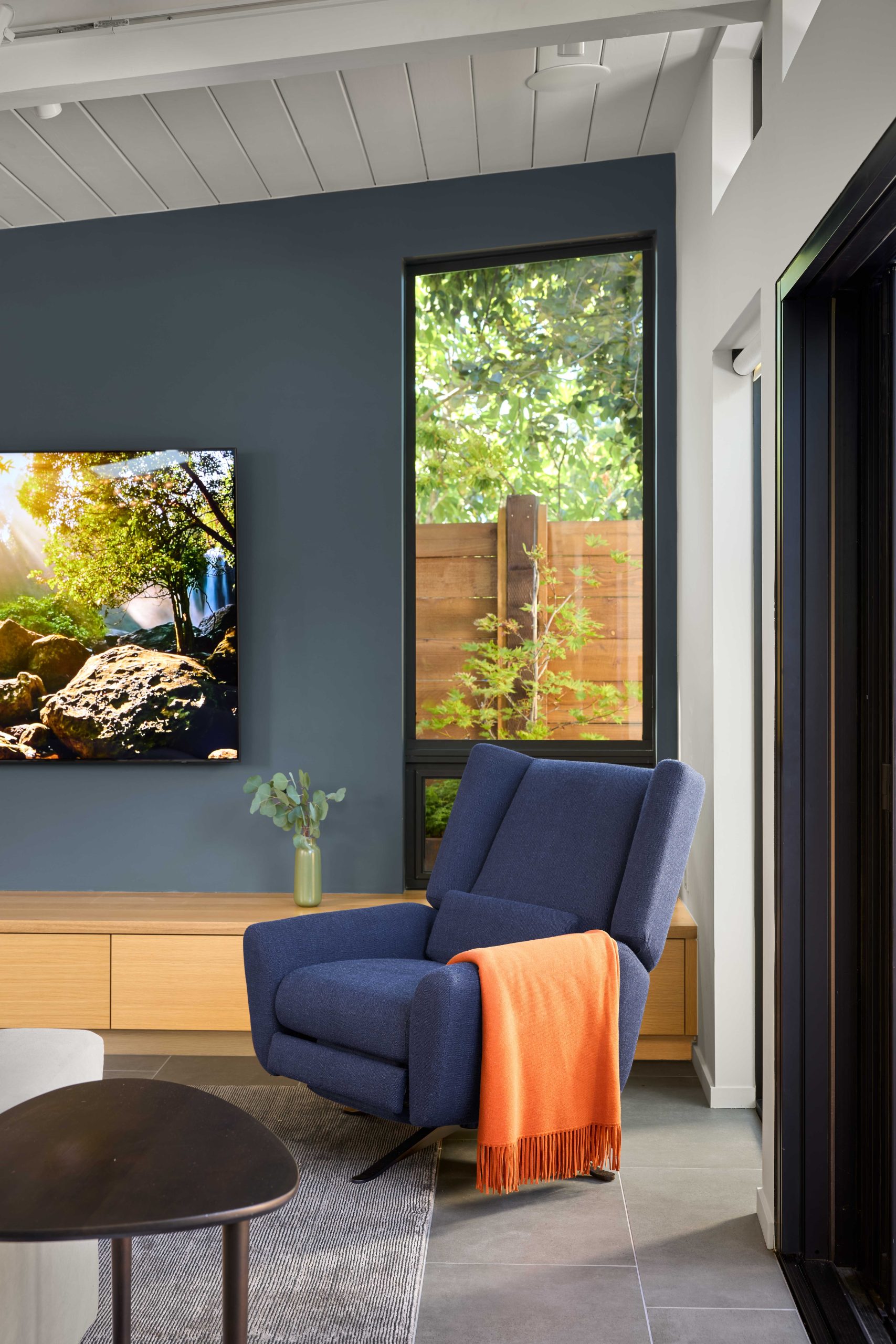
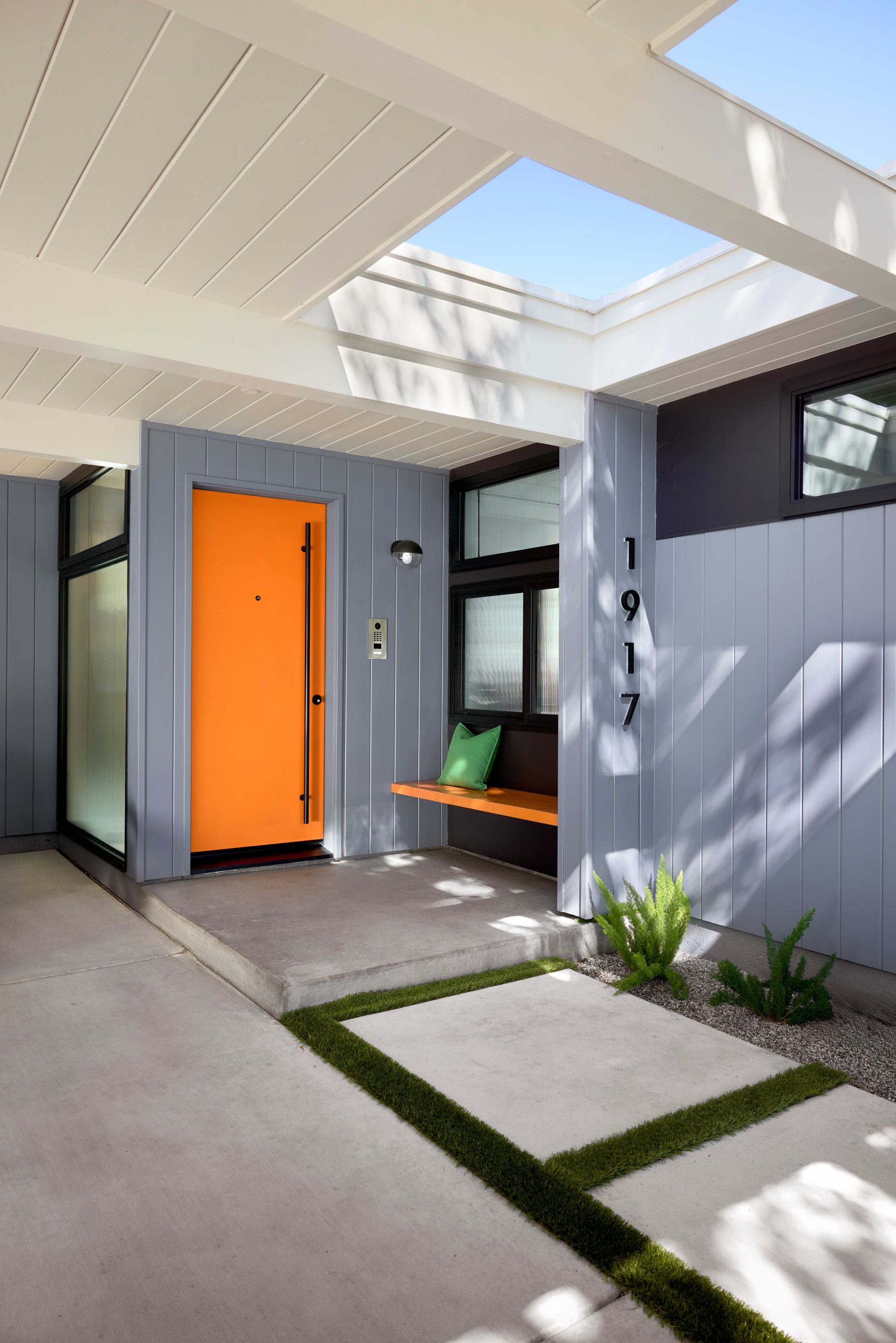
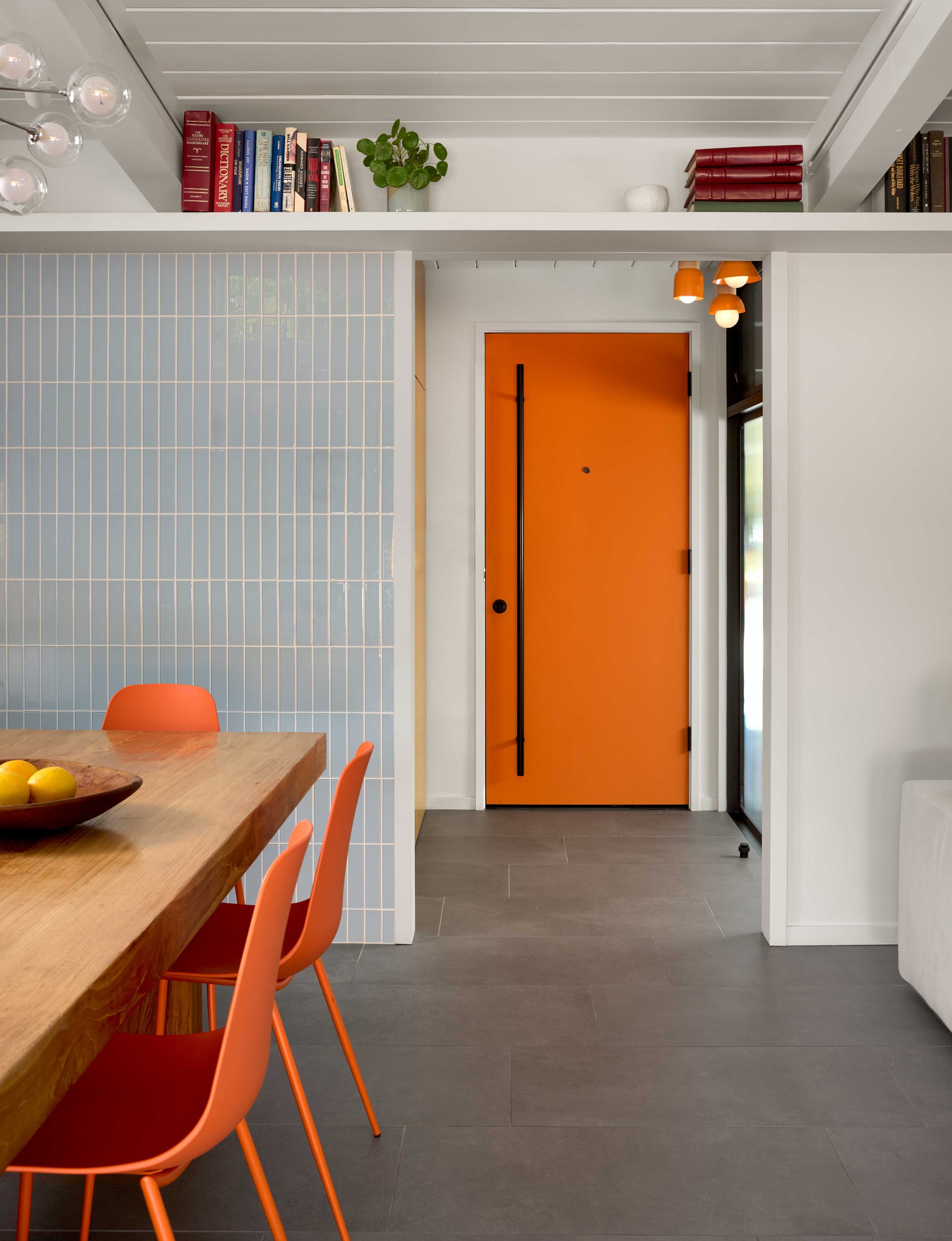

Few houses capture the spirit of California modernism like the Eichler home. Built throughout the 1950s and 1960s, these houses were designed for openness, light, and a close connection to the outdoors. Updating them for contemporary living requires care. The goal is not simply to modernize but to continue the architectural story.
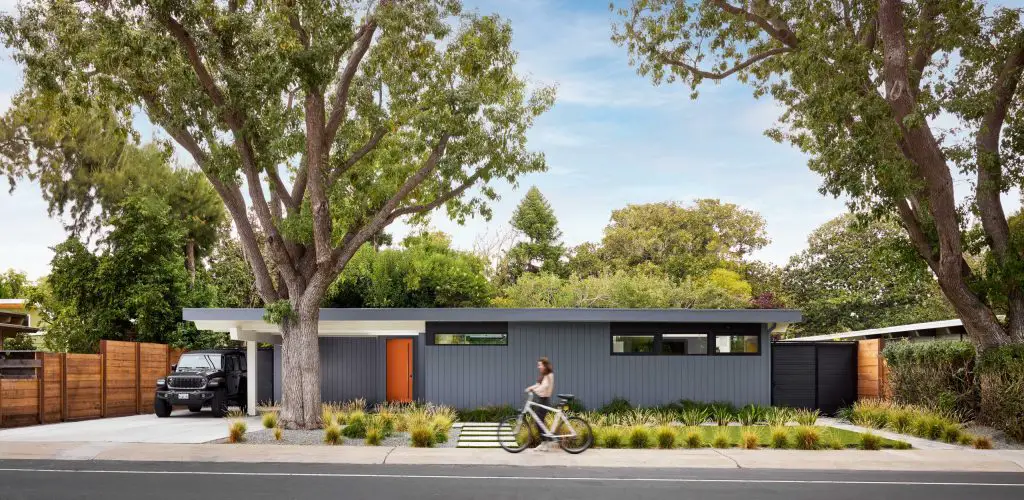
That balance sits at the heart of Eichler v3.0, a thoughtful renovation by the Palo Alto studio Ogawa Fisher Architects. The project reworks a classic 1950 Eichler home for a lively family of five while preserving the character that made the house special in the first place.
The family had lived in the home for more than a decade before beginning the renovation. What first drew them in were the generous windows and the easy connection between house and garden, hallmarks of Eichler design. Over time, however, the layout no longer suited the rhythm of everyday life. The challenge for the architects was to create more space and flexibility without losing the clarity of the original architecture.
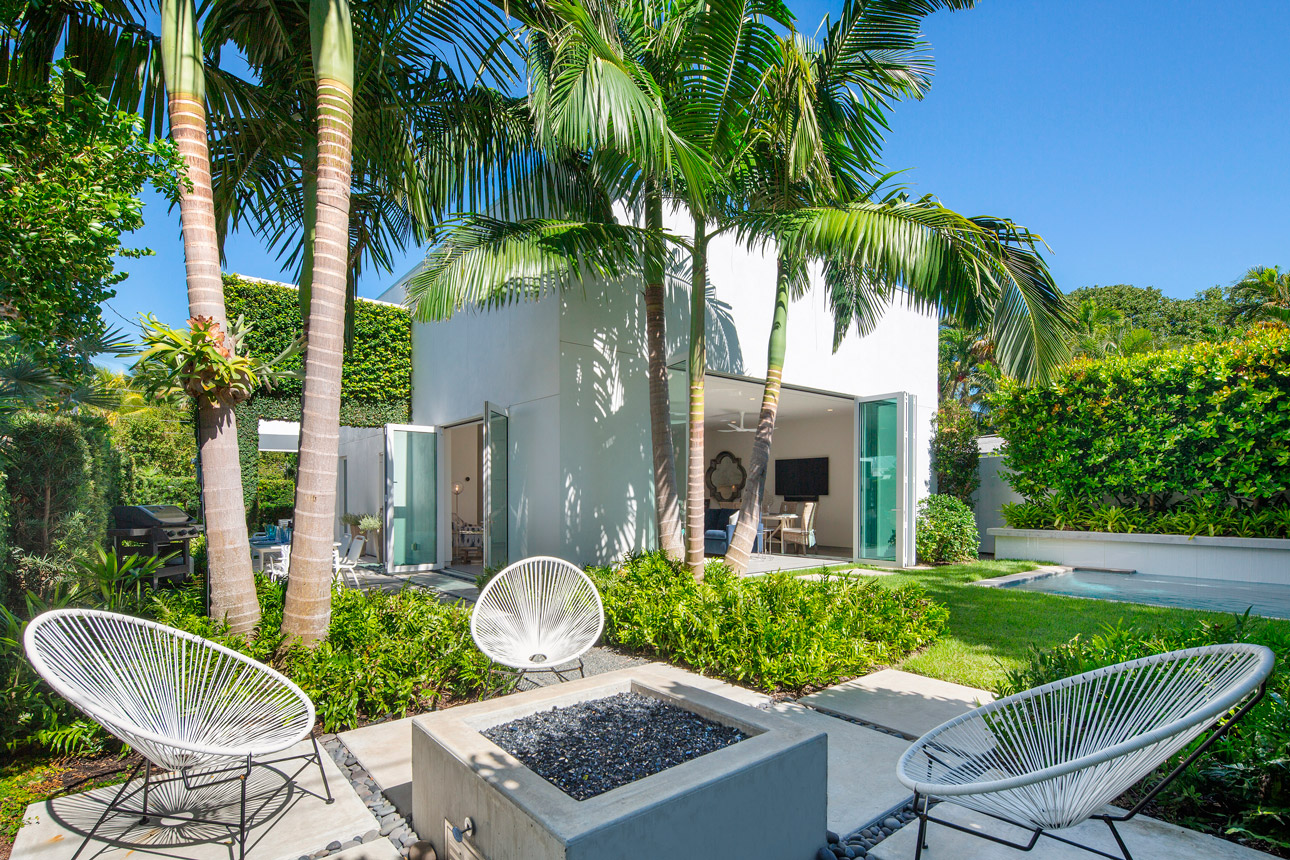
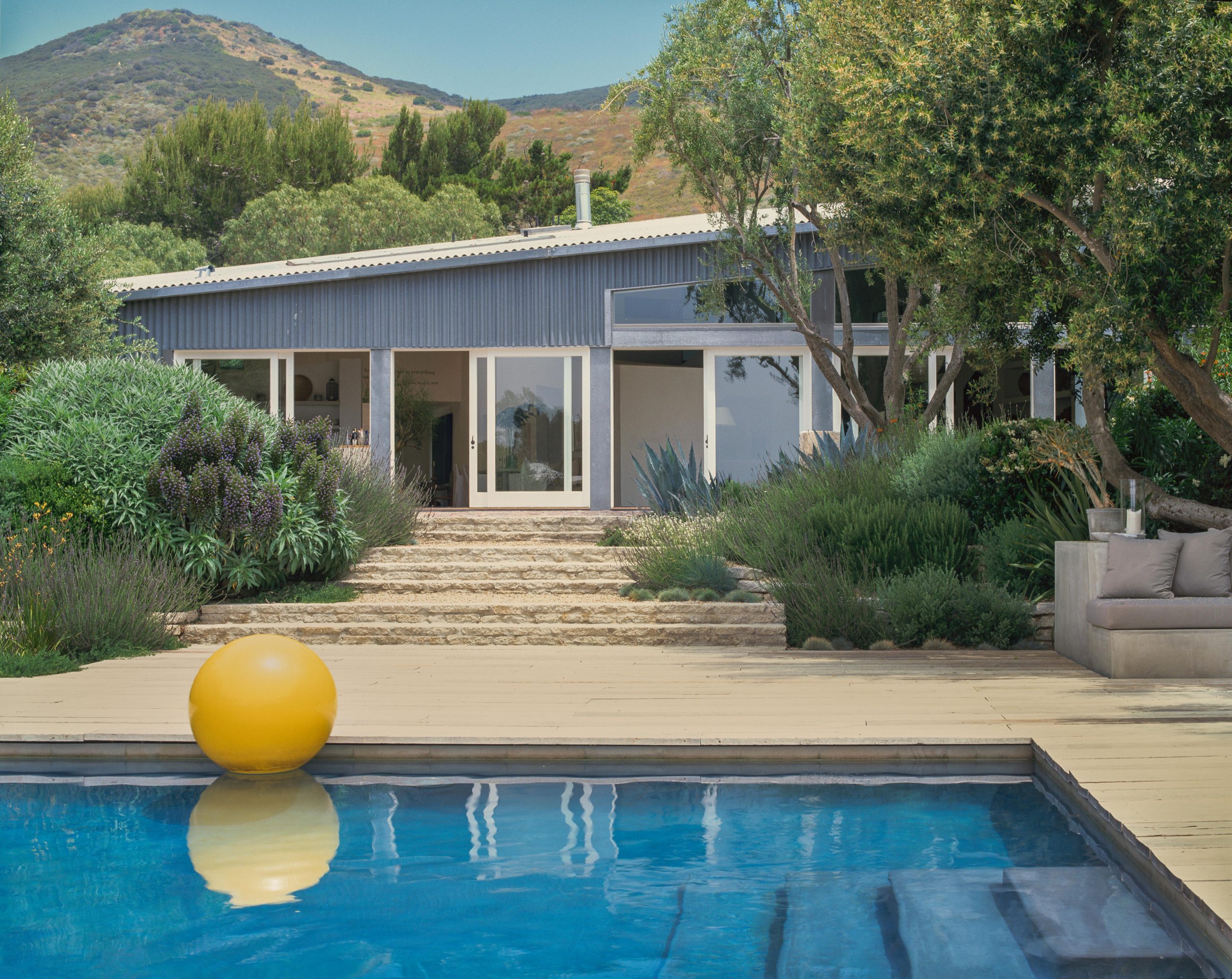
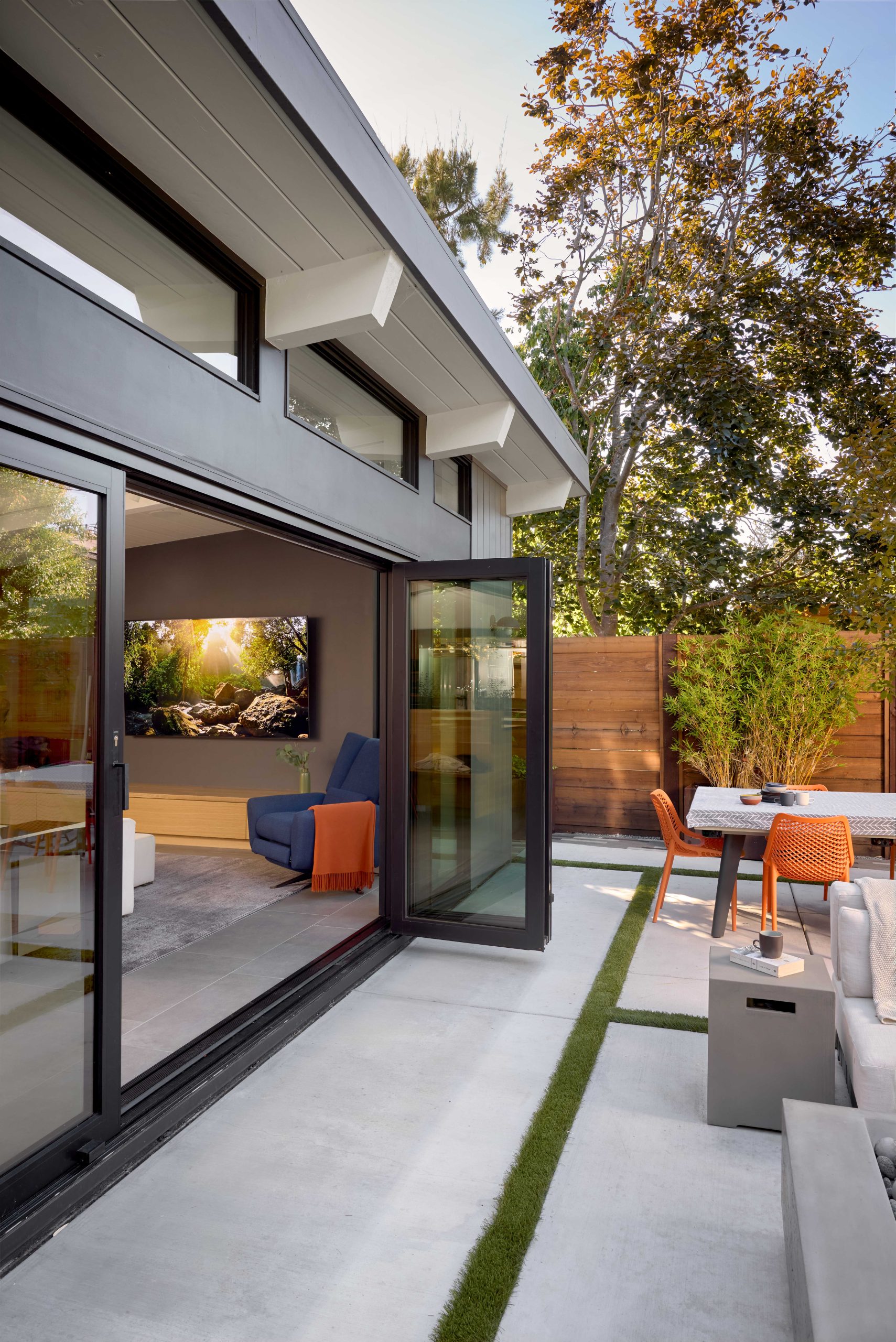
Ogawa Fisher approached the project with a careful and restrained strategy. Rather than dramatically altering the structure, the architects focused on improving the flow between the main living spaces. The kitchen, dining, and living areas were reconfigured to form a more open plan that allows natural light to travel freely through the home. Expansive glass doors reinforce the indoor‑outdoor relationship, extending the living space toward the garden.

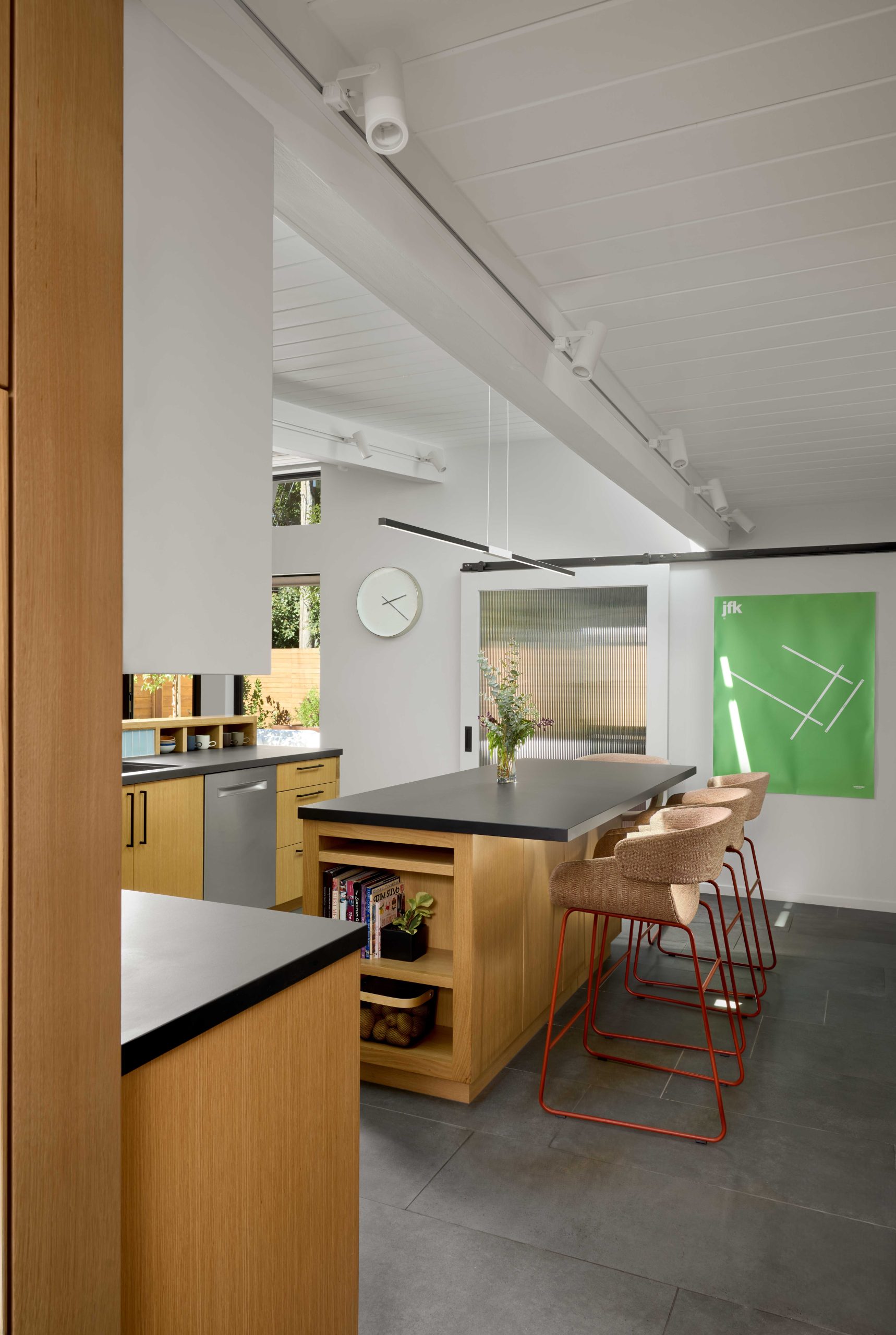
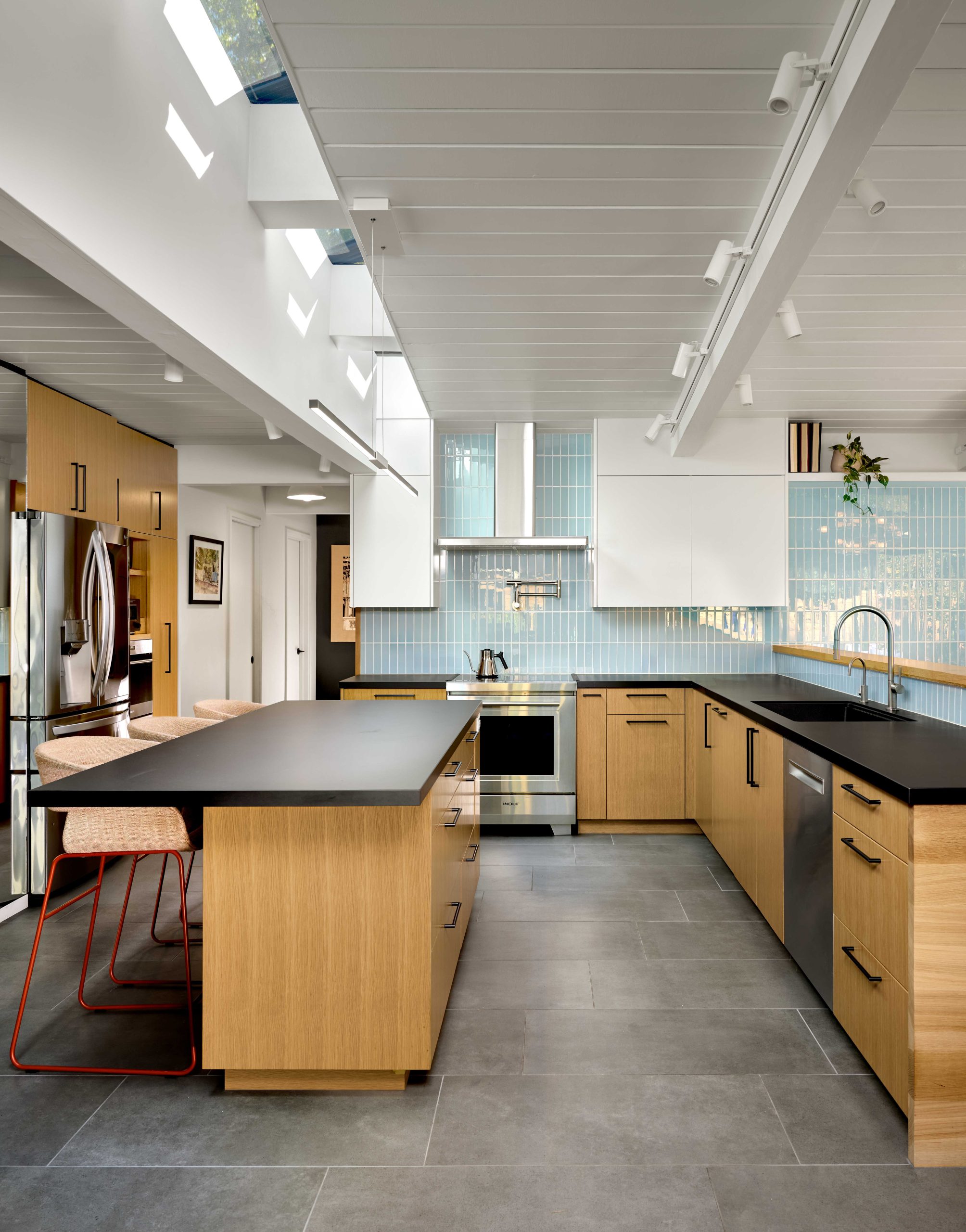
At the center of the house sits the kitchen, conceived as a social hub rather than a purely functional room. A generous island anchors the space, while a linear skylight pulls daylight deep into the interior. Oak cabinetry paired with white surfaces creates a warm palette that reflects the relaxed atmosphere of the home.
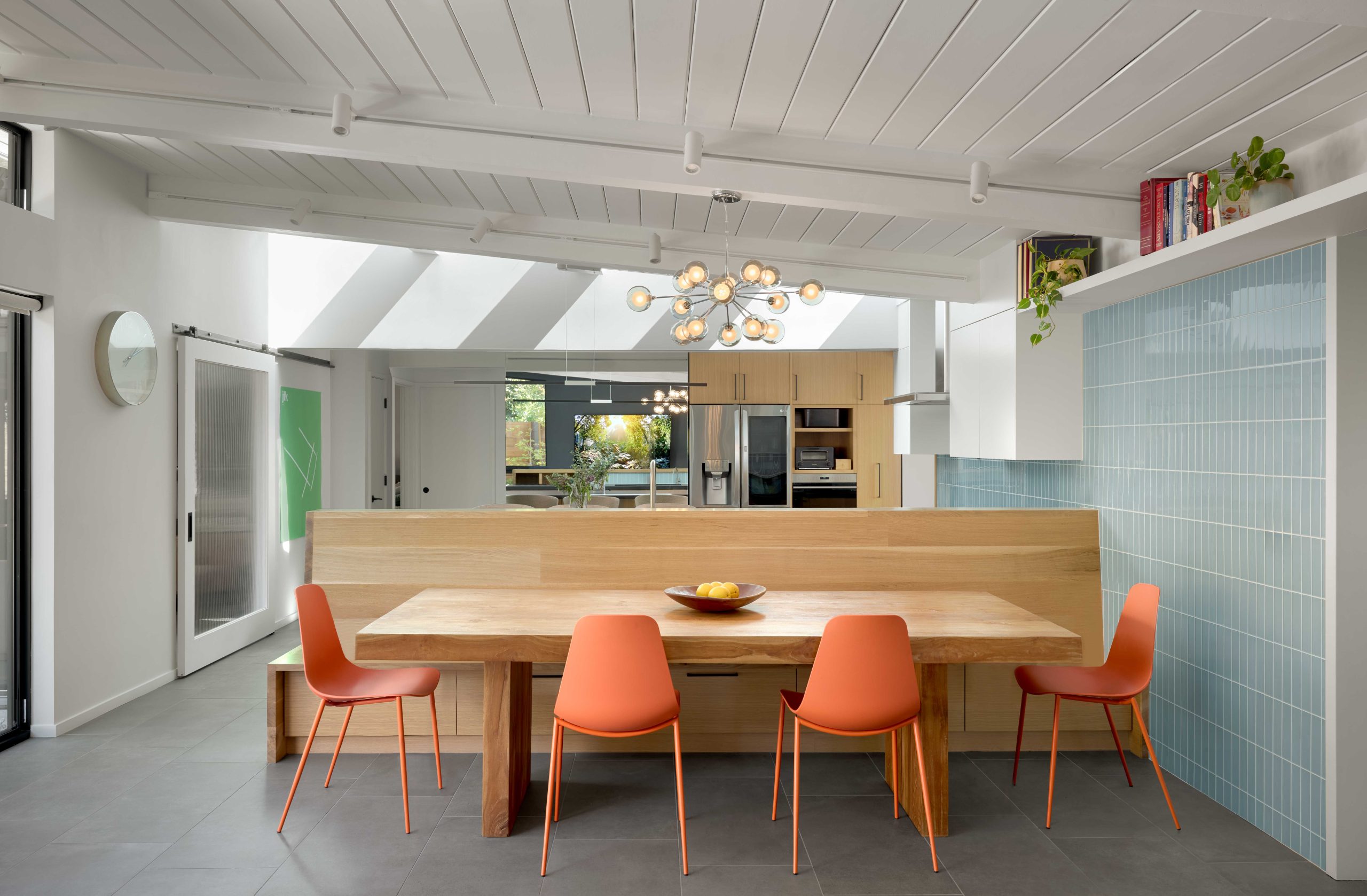
Small architectural decisions quietly improve daily life. A built‑in dining bench wraps around the kitchen peninsula, bringing the dining table closer to the activity of the kitchen while freeing space in the living room. Storage‑lined corridors and a carefully designed entry vestibule help keep the house organized, a practical gesture for a busy household.
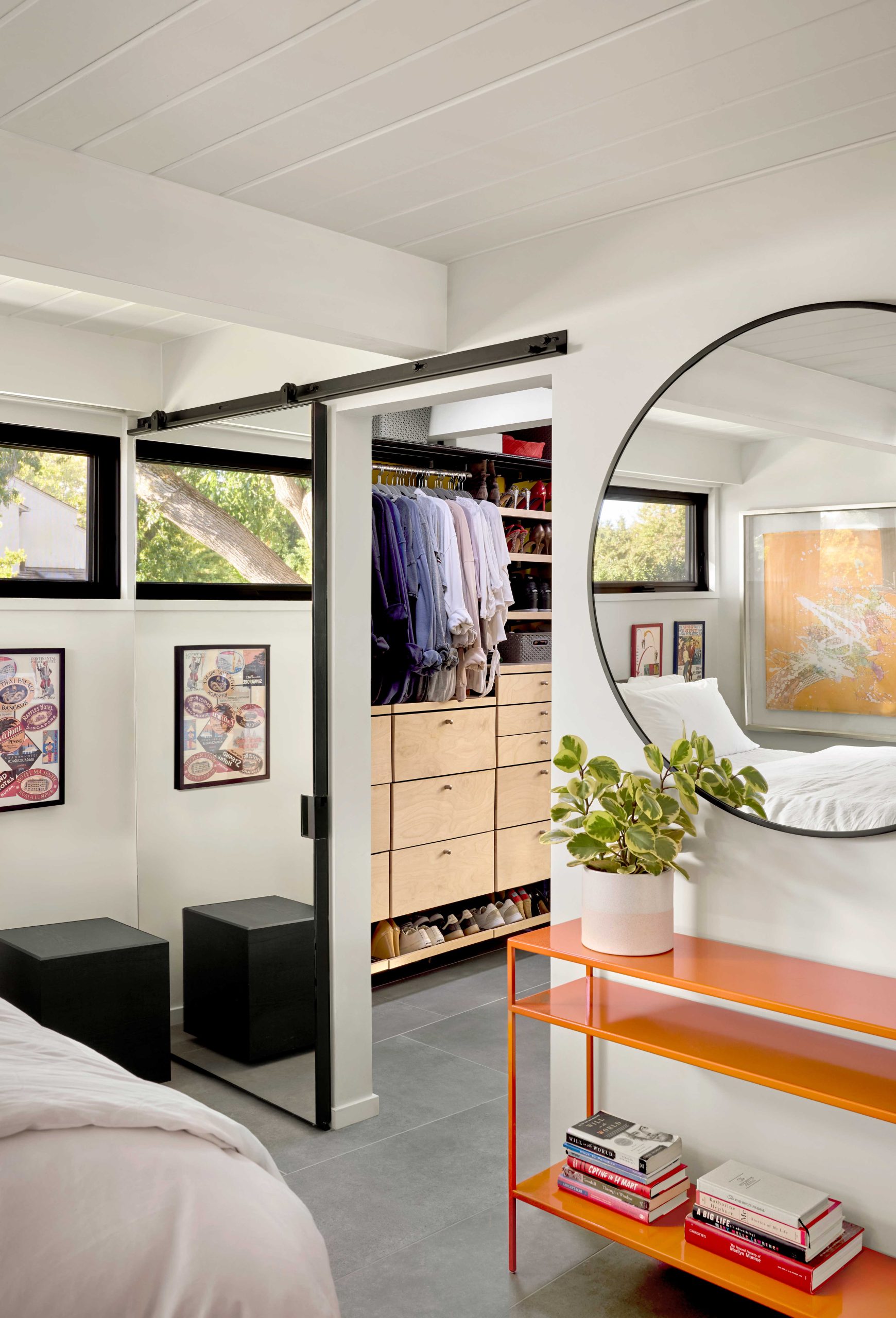
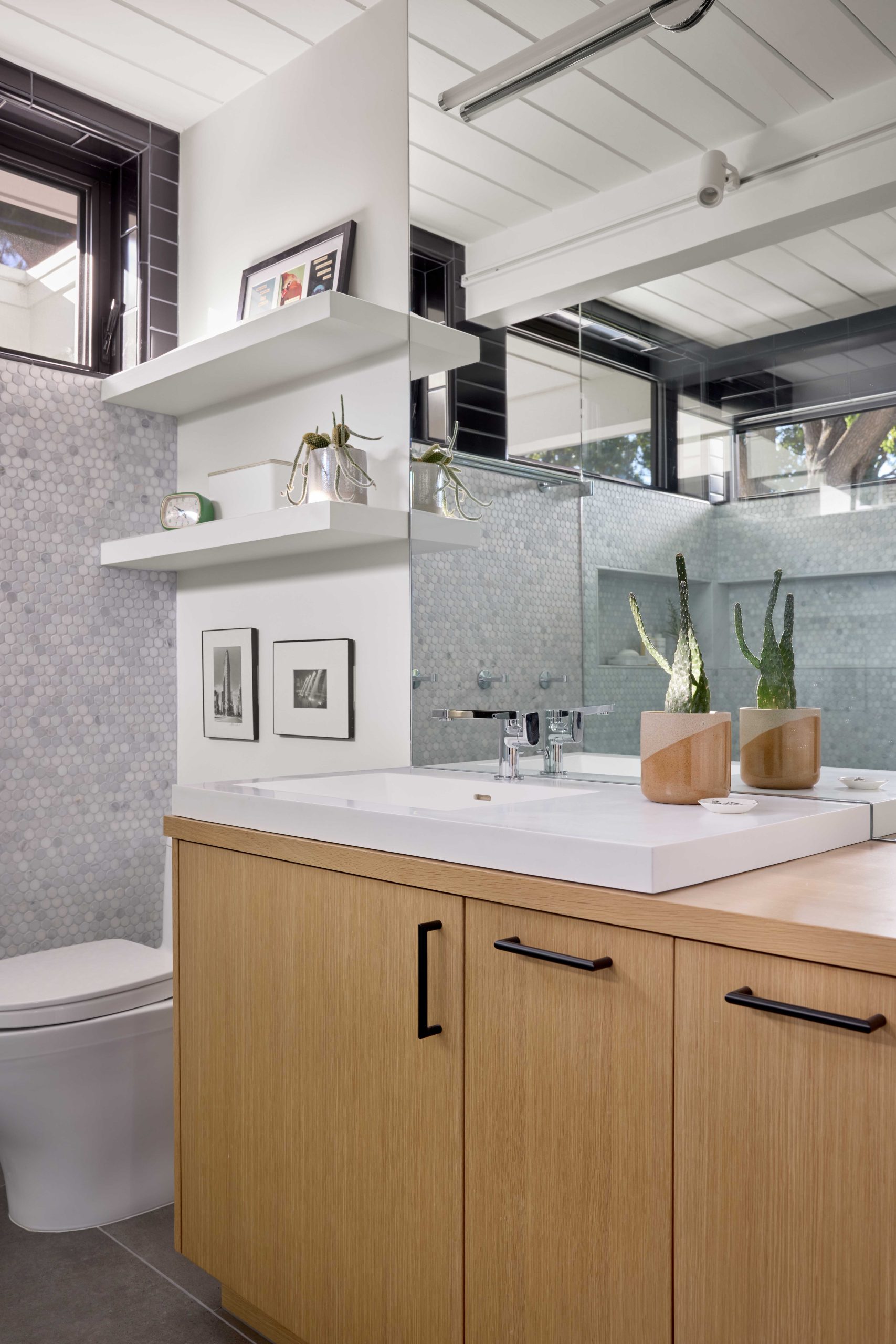
The renovation also introduced a modest addition. An extra bedroom allows each of the three daughters to have her own space, while the parents’ suite was expanded to include a walk‑in closet and dedicated bathroom. The new spaces integrate seamlessly into the house, maintaining the low horizontal profile typical of Eichler architecture.
Crucially, the architects restored key original features. The tongue‑and‑groove ceilings and exposed beams, elements that define the warmth of many Eichler interiors, were carefully revealed and repaired. These details now run continuously through the living areas, grounding the renovation in the home’s mid‑century roots.
Material choices reinforce this sense of continuity. Oak cabinetry, large gray floor tiles, and bronze window frames create a calm backdrop that allows moments of color to appear throughout the house as subtle accents.