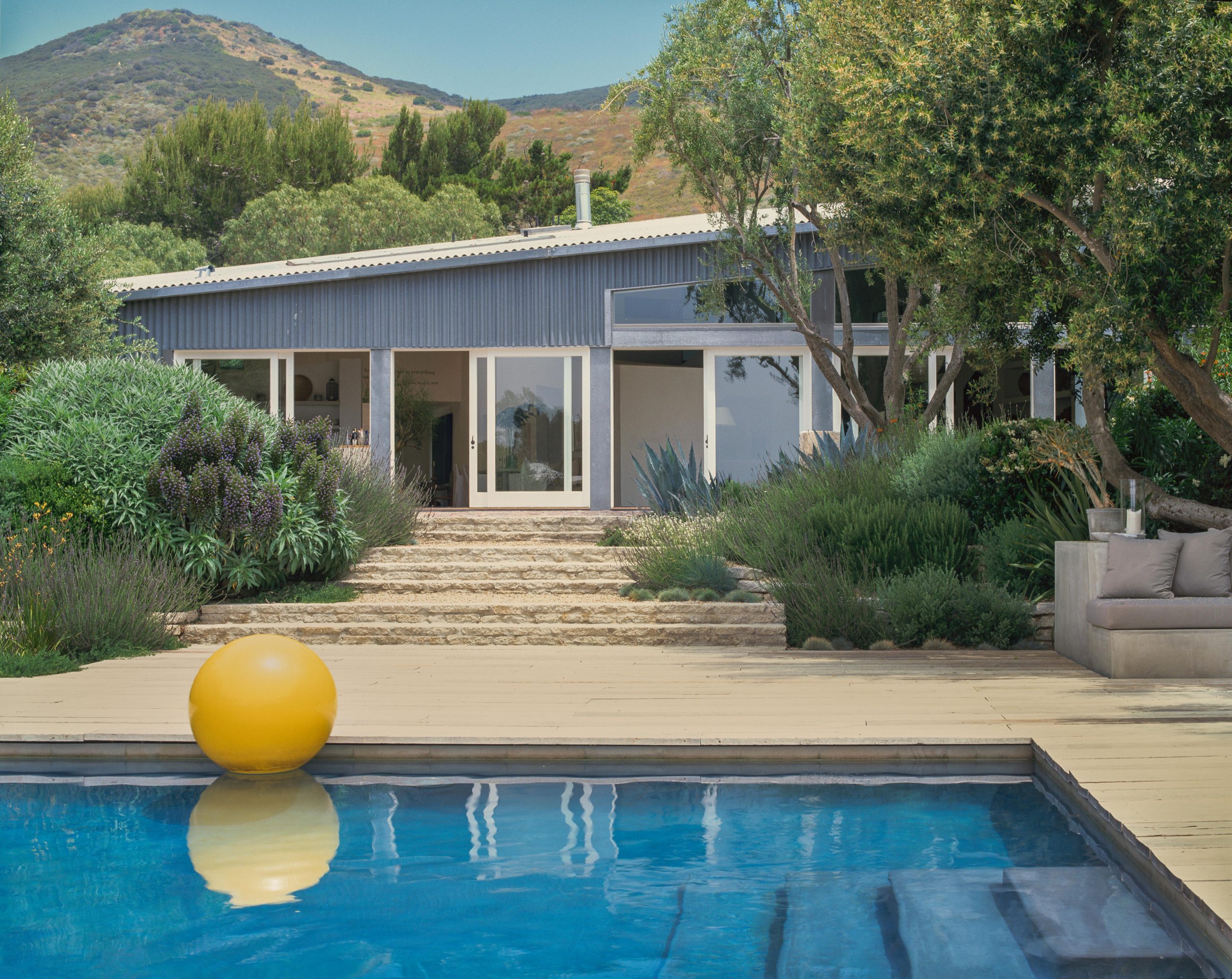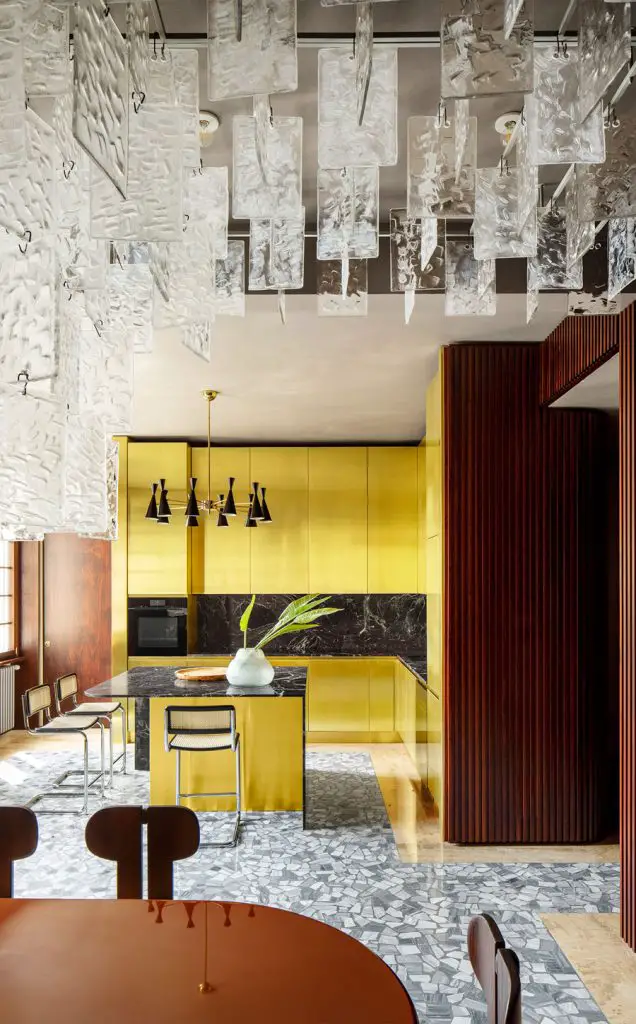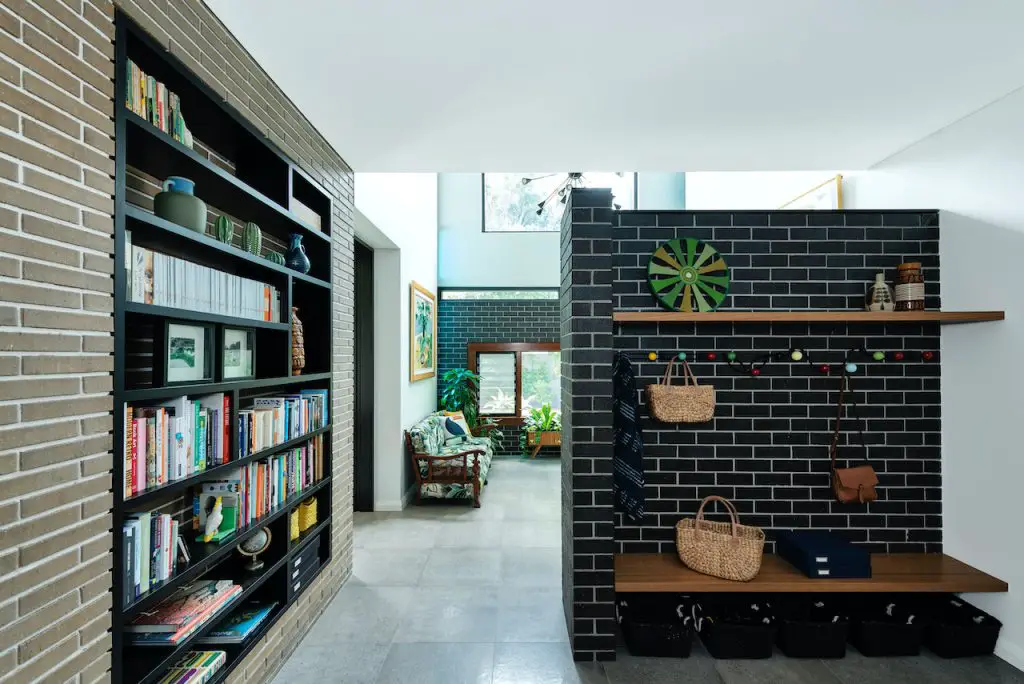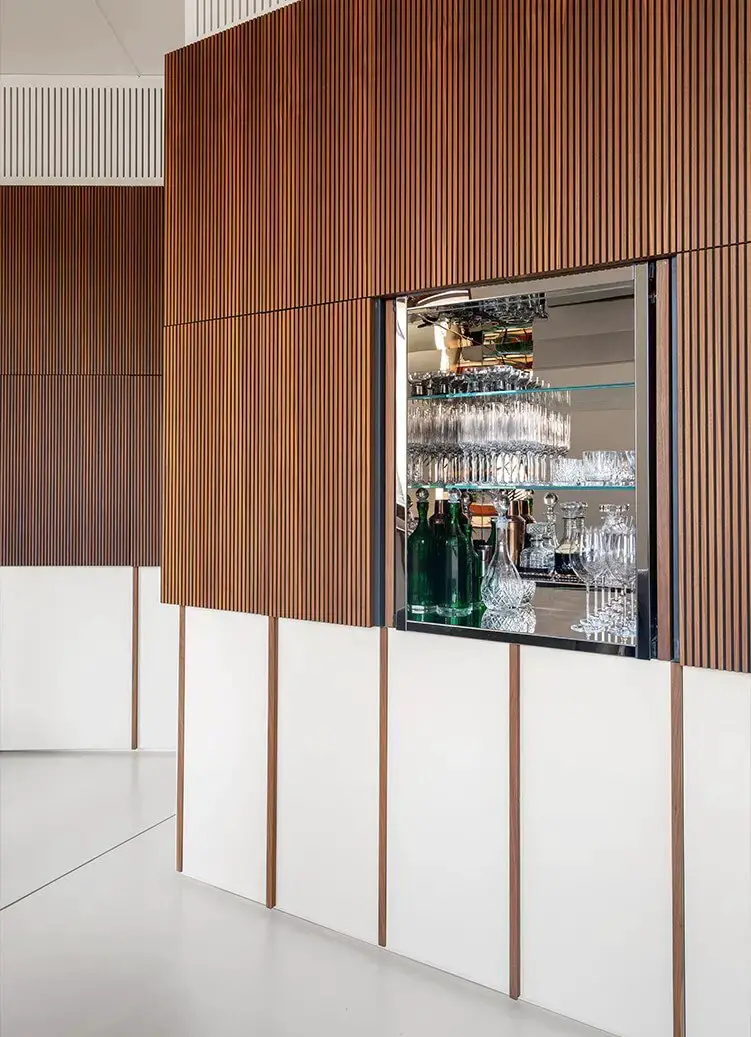

Last week, we explored how mid-century design dissolved the boundary between indoors and out. This week, we turn to another defining feature of the movement—the art of living well within smaller spaces.
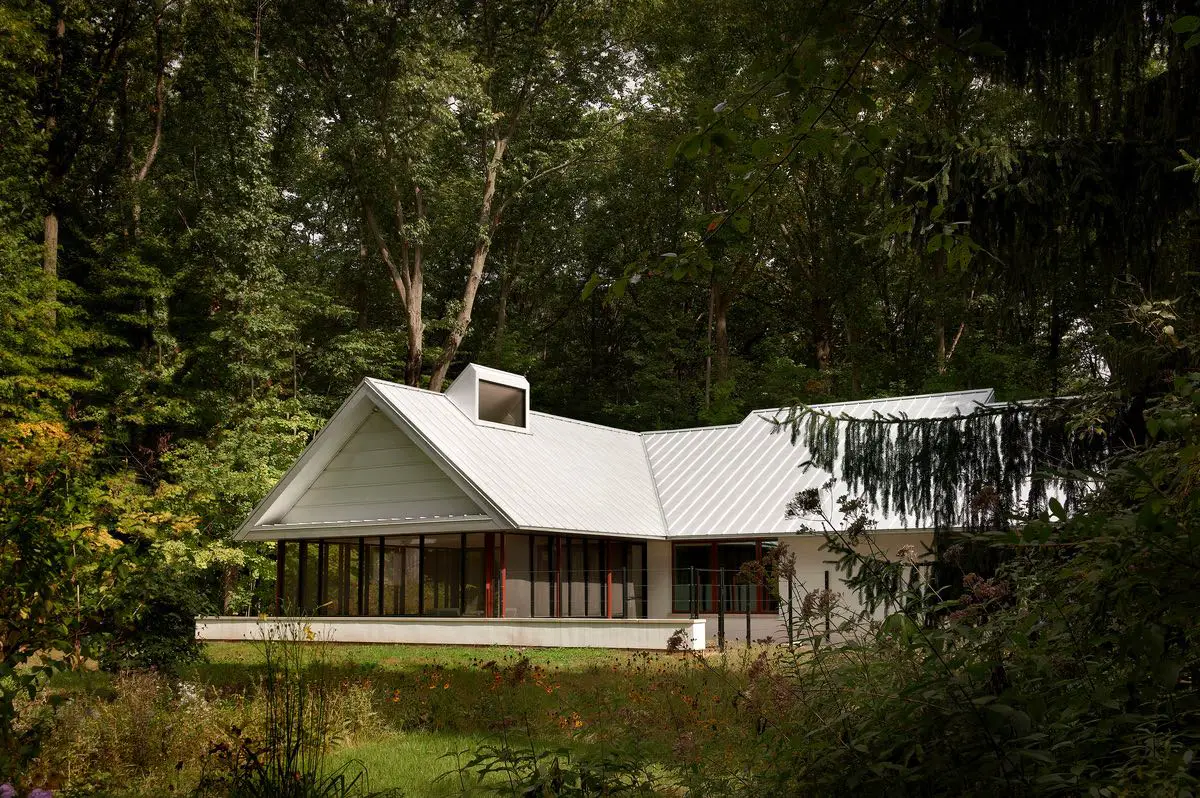
Mid-century modern homes often embraced efficiency as a virtue. Modest in size yet rich in intent, these dwellings reflected a belief that architecture could elevate daily life through clarity and restraint. Each plan was carefully composed, every line purposeful. Rather than building bigger, architects focused on how a compact space could perform beautifully when designed with precision.
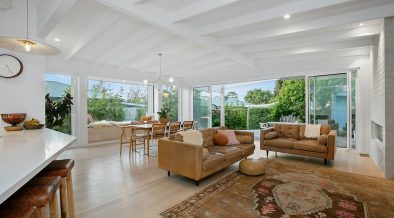
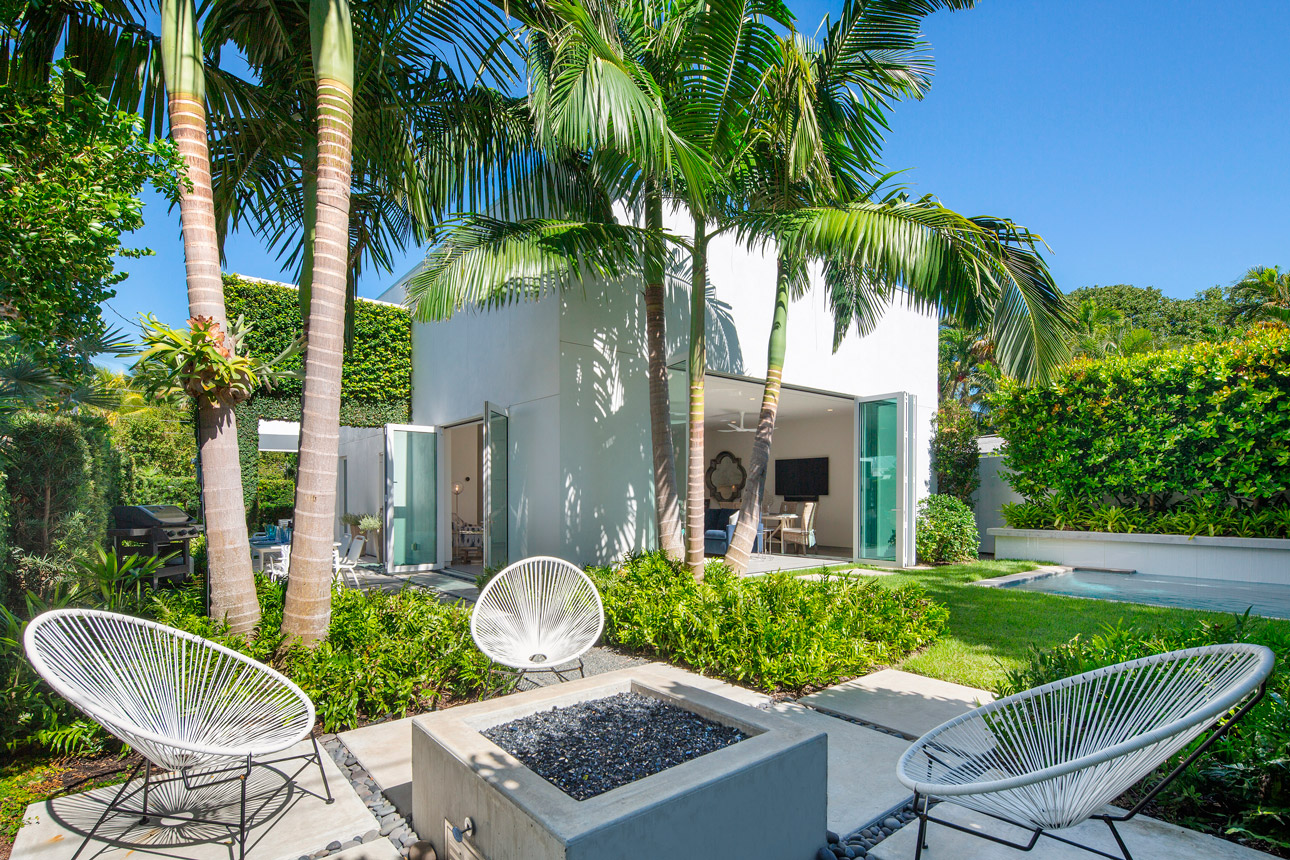
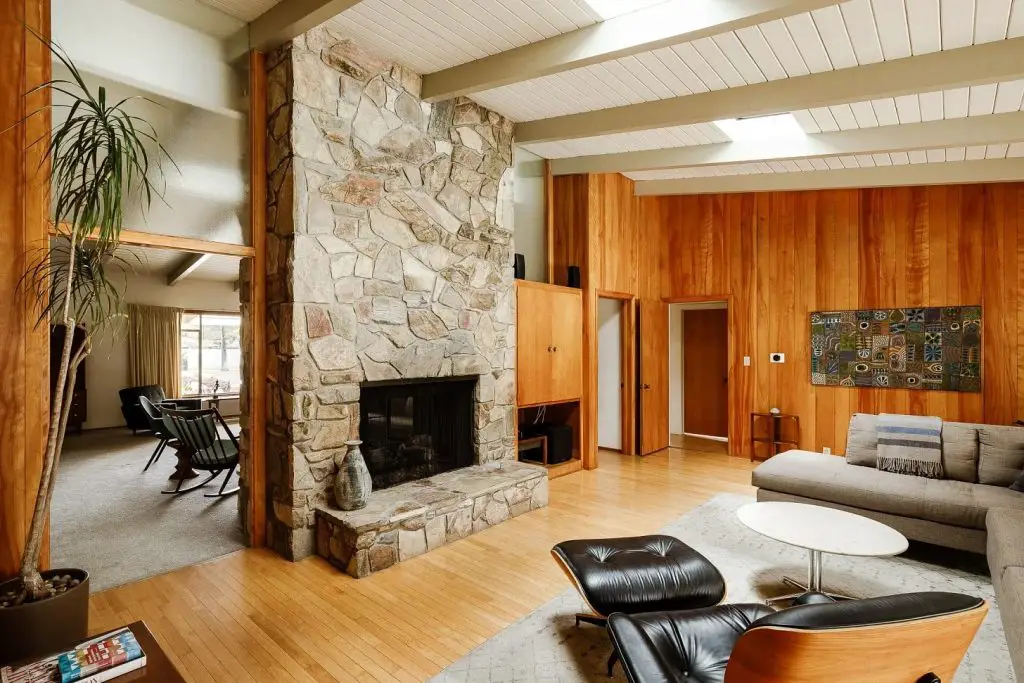
Smaller square footage encouraged a deeper understanding of proportion and function. Rooms were rarely defined by rigid boundaries; instead, they flowed naturally from one activity to the next. A dining area could shift into a workspace, a hallway could conceal storage, and the living room might extend outward into the garden. The result was a seamless rhythm between structure and movement, allowing homes to feel expansive even within modest footprints.
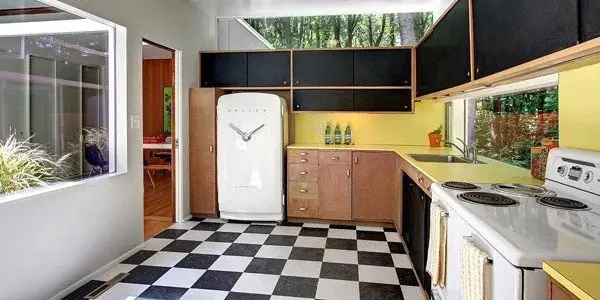
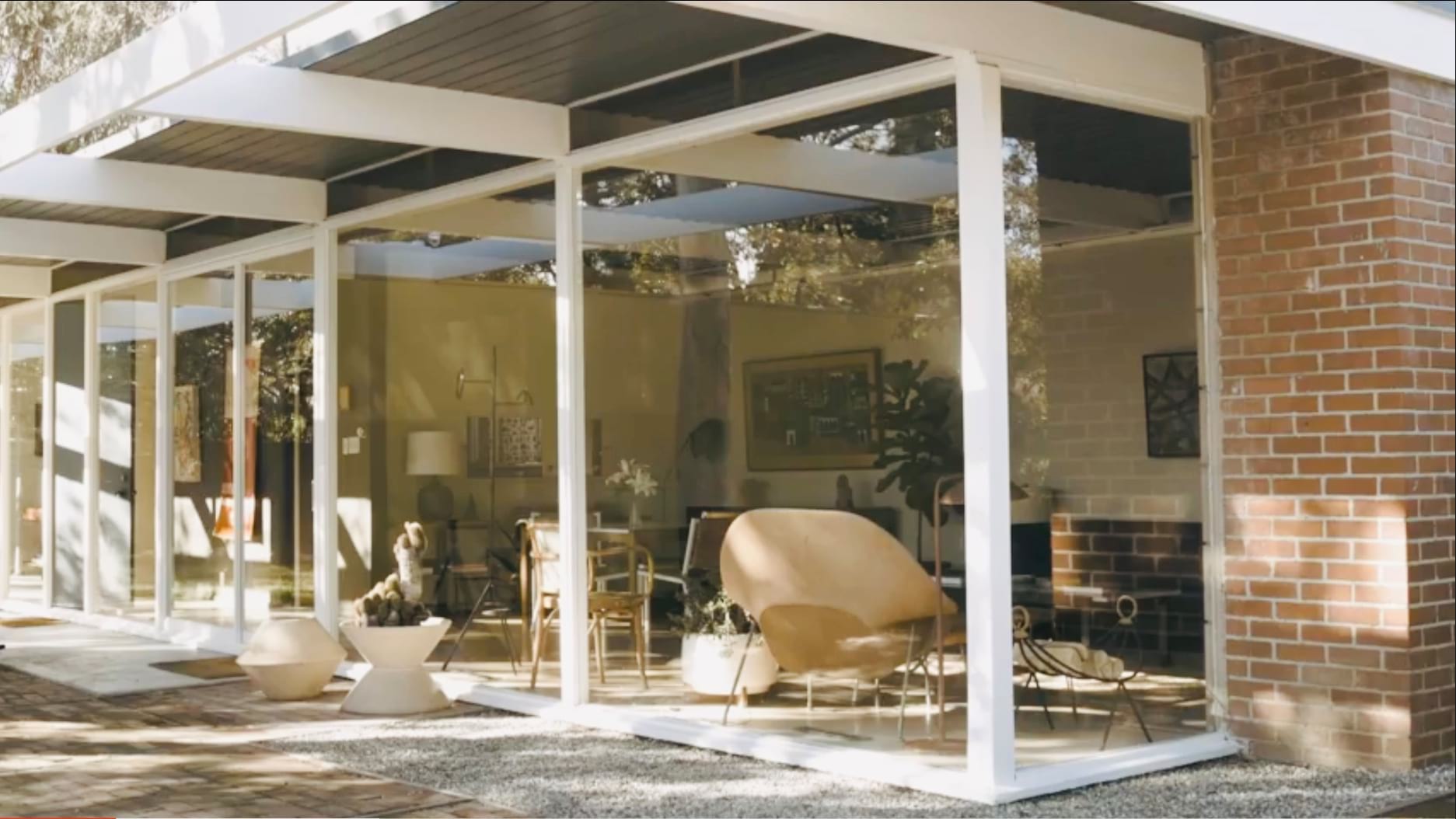
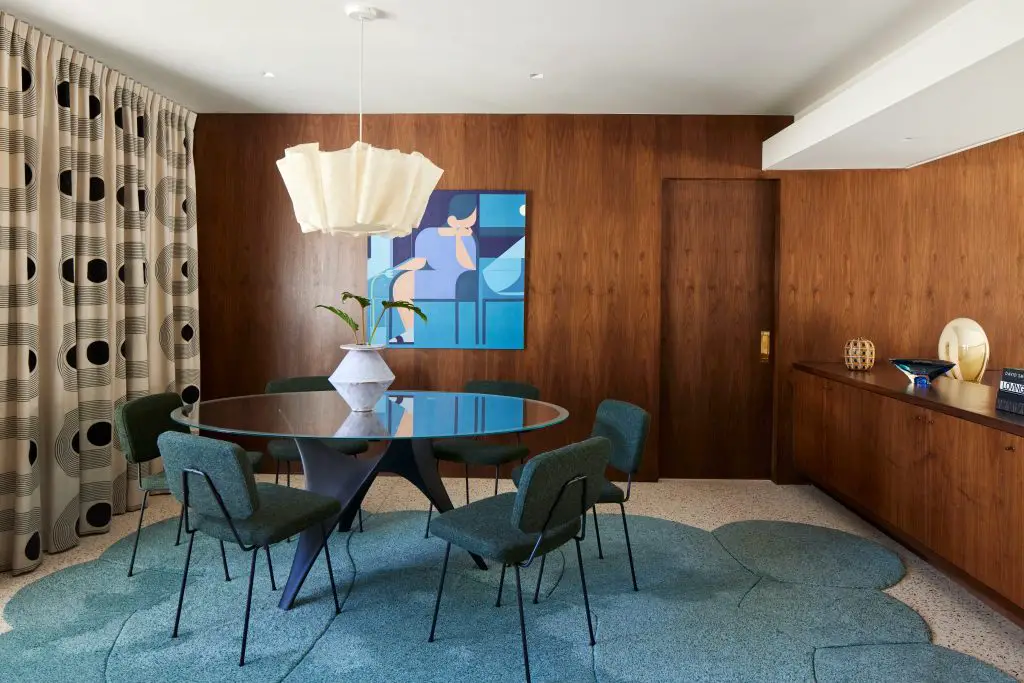
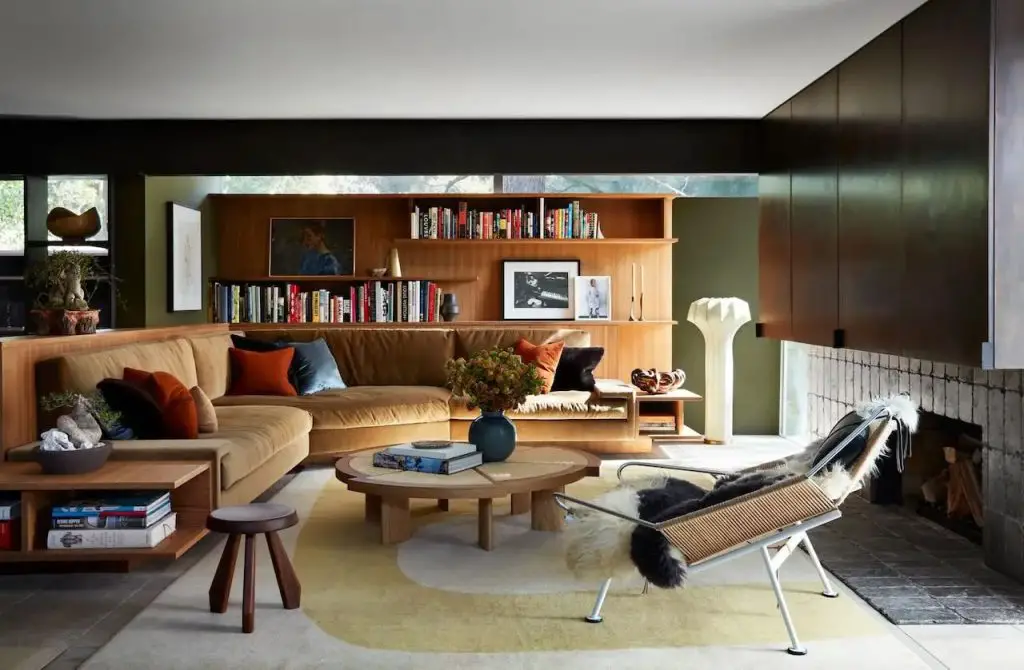
This approach demanded thoughtful planning. Sightlines remained open, ensuring a sense of visual continuity. Natural light reached deep into interiors, softening transitions and enriching materials. Built-in cabinetry and shelving reduced clutter while blending architecture with furniture. These integrated elements gave rooms coherence and calm, proving that utility could exist alongside beauty.

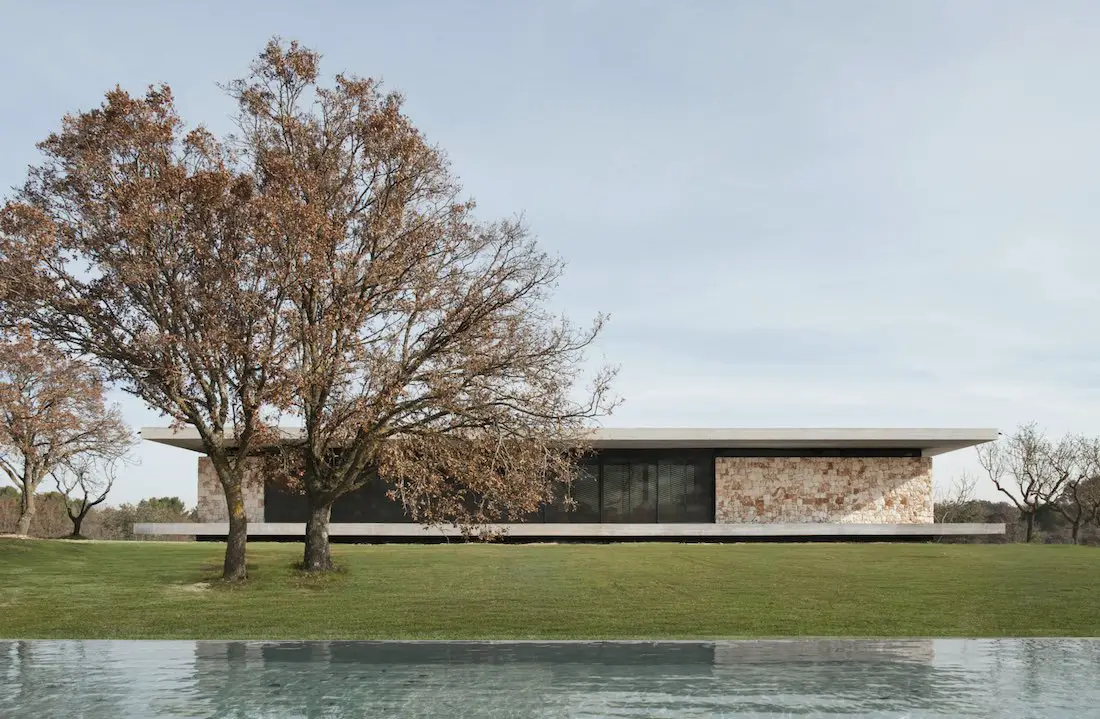
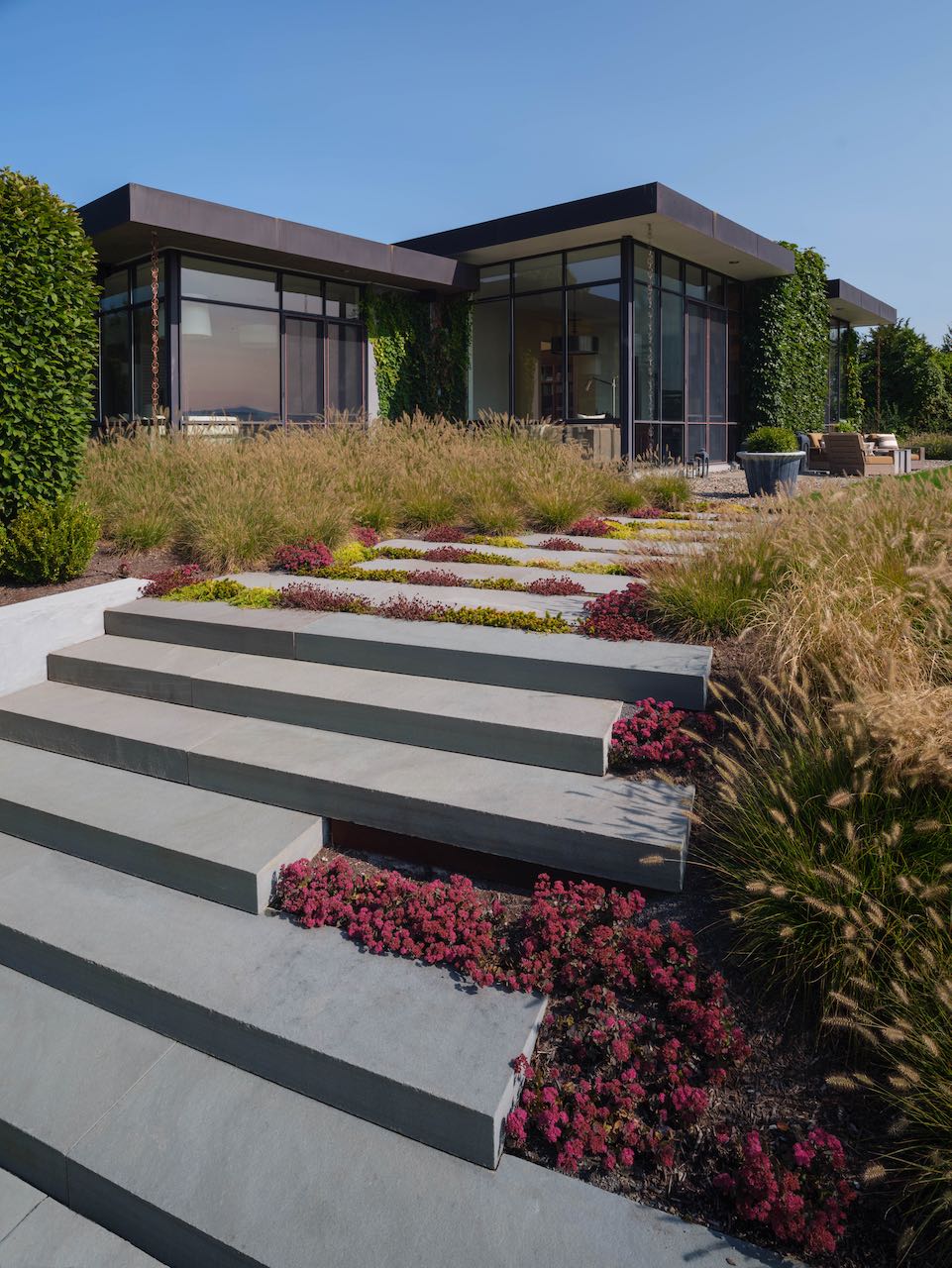
Material honesty played a central role in this balance. Timber, brick, stone, and glass were used not only for their aesthetic warmth but for their ability to define space subtly. Finishes were often continuous from one area to another, creating unity without excess detail. The simplicity of these materials encouraged comfort, a tactile reminder that true luxury lies in proportion, not accumulation.
Furniture followed the same philosophy. Designers favoured pieces that served multiple purposes—lightweight chairs that could be moved easily, modular storage that adapted over time, and tables proportioned to suit both dining and work. Nothing was superfluous; everything had its place. This mindset reflected a quiet confidence in design’s ability to shape how people lived, not just how their homes appeared.
Today, these principles remain strikingly relevant. As urban living spaces shrink and sustainability becomes essential, the lessons of mid-century architects offer enduring guidance. Efficient layouts, generous light, and flexible furnishings continue to define well-considered homes. The emphasis is not on limitation, but on harmony—how each square metre can contribute to a sense of openness and ease.
To design within constraint is to design with care. Mid-century modern homes remind us that when space is approached thoughtfully, it gains character and purpose. Compact living becomes a form of creativity, one that celebrates precision, proportion, and the quiet elegance of enough.
Key Takeaways for Compact Living
Design for flexibility: Select furniture that adapts to multiple uses and activities.
Plan for flow: Prioritise clear sightlines and continuous movement between rooms.
Use built-ins: Integrate storage into walls or furniture to maintain visual calm.
Maximise light: Extend natural light deep into interiors with open layouts and glass elements.
Choose honest materials: Repeat simple, tactile finishes for unity and warmth.