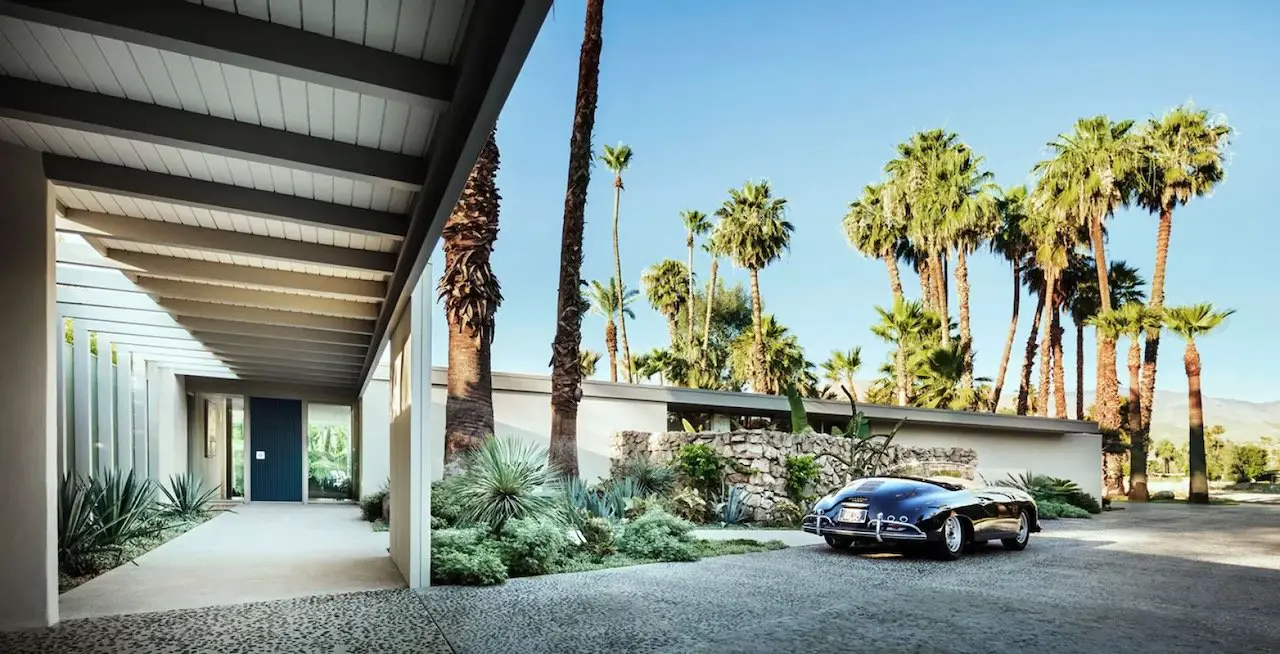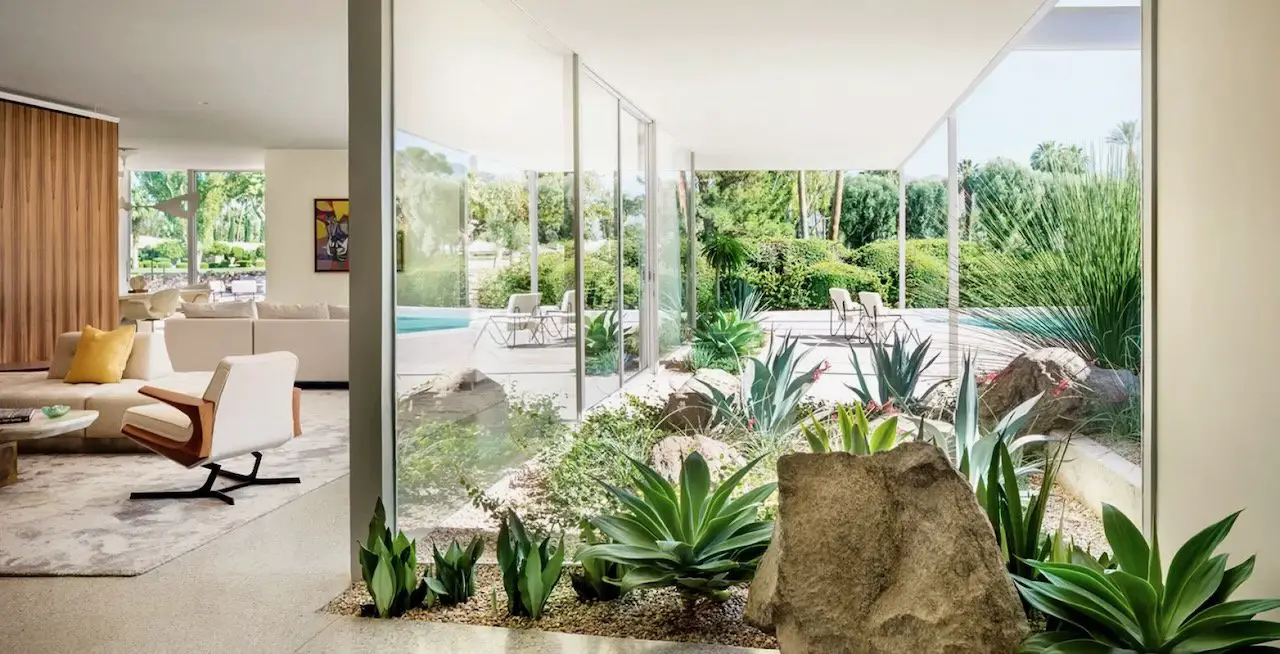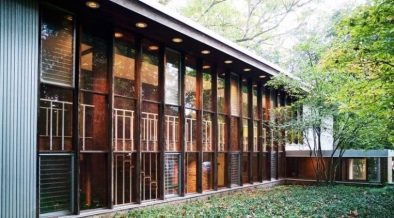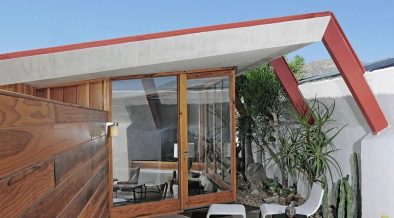

Palm Springs is a compact desert city with a big architectural signature. It sits in the Coachella Valley under a hard, clear sky, where the temperature swings shape daily life and the light feels almost architectural itself. That mix, heat, glare, long shadows, and a culture built around leisure, is exactly why mid-century modernism settled in, adapted, and became the city’s urban identity.
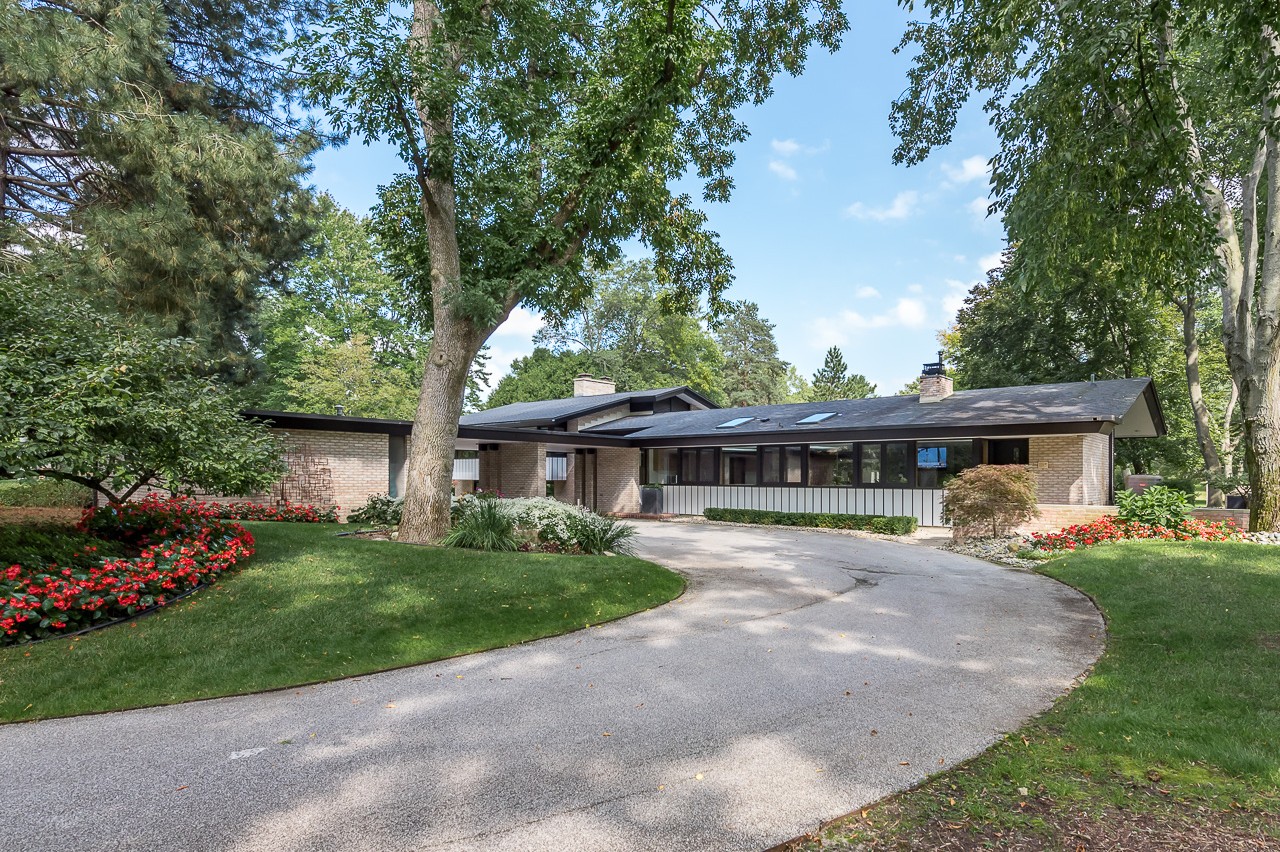
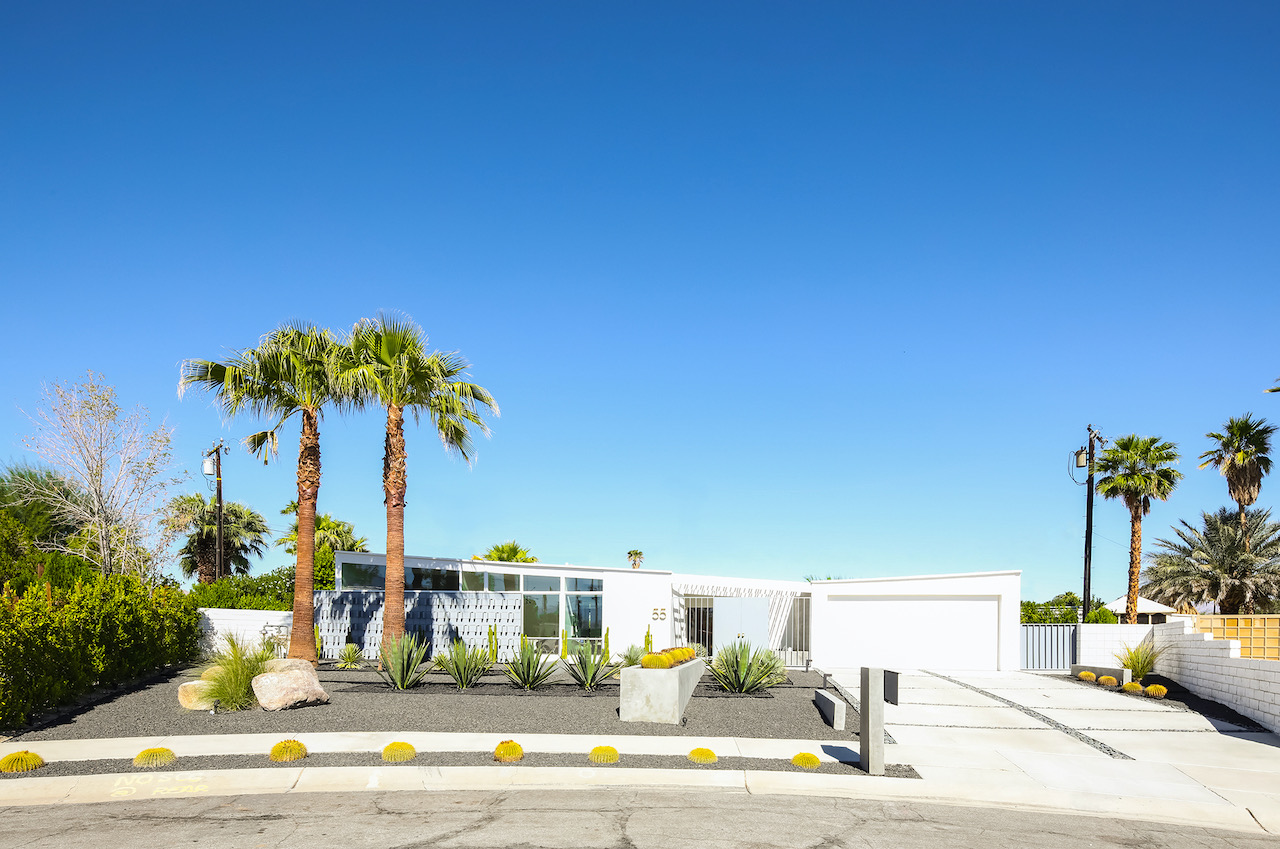
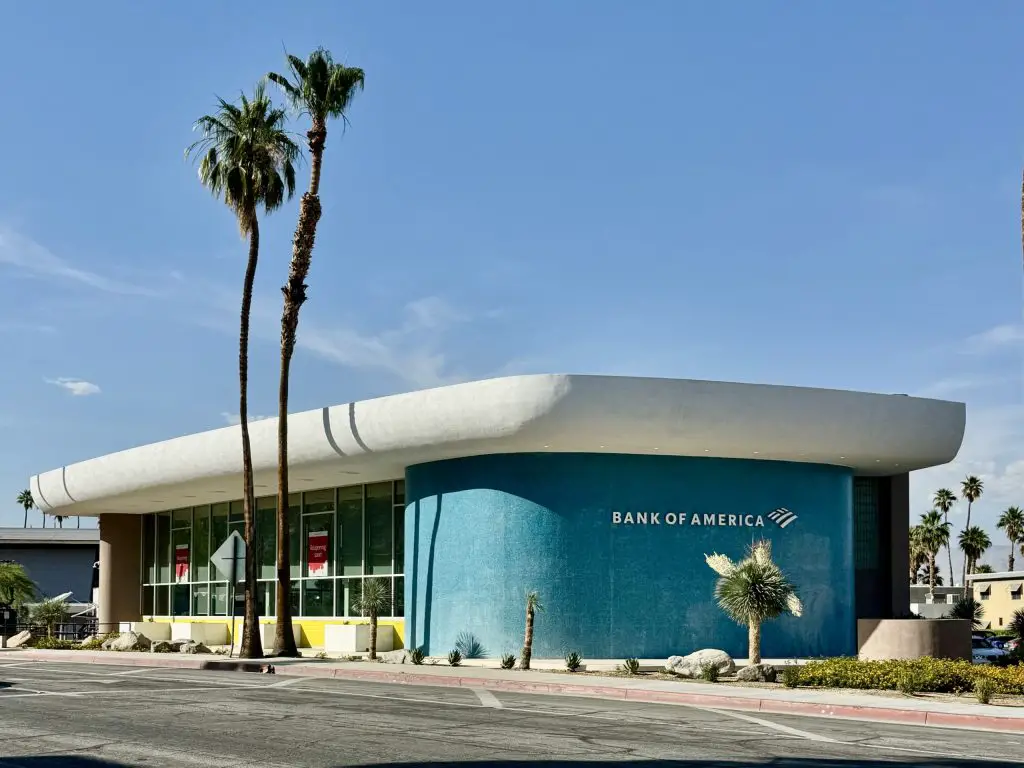
Modernism’s foundational traits were already desert-ready. Flat planes, crisp lines, and simple volumes read beautifully in strong sun because they create legible shadows.
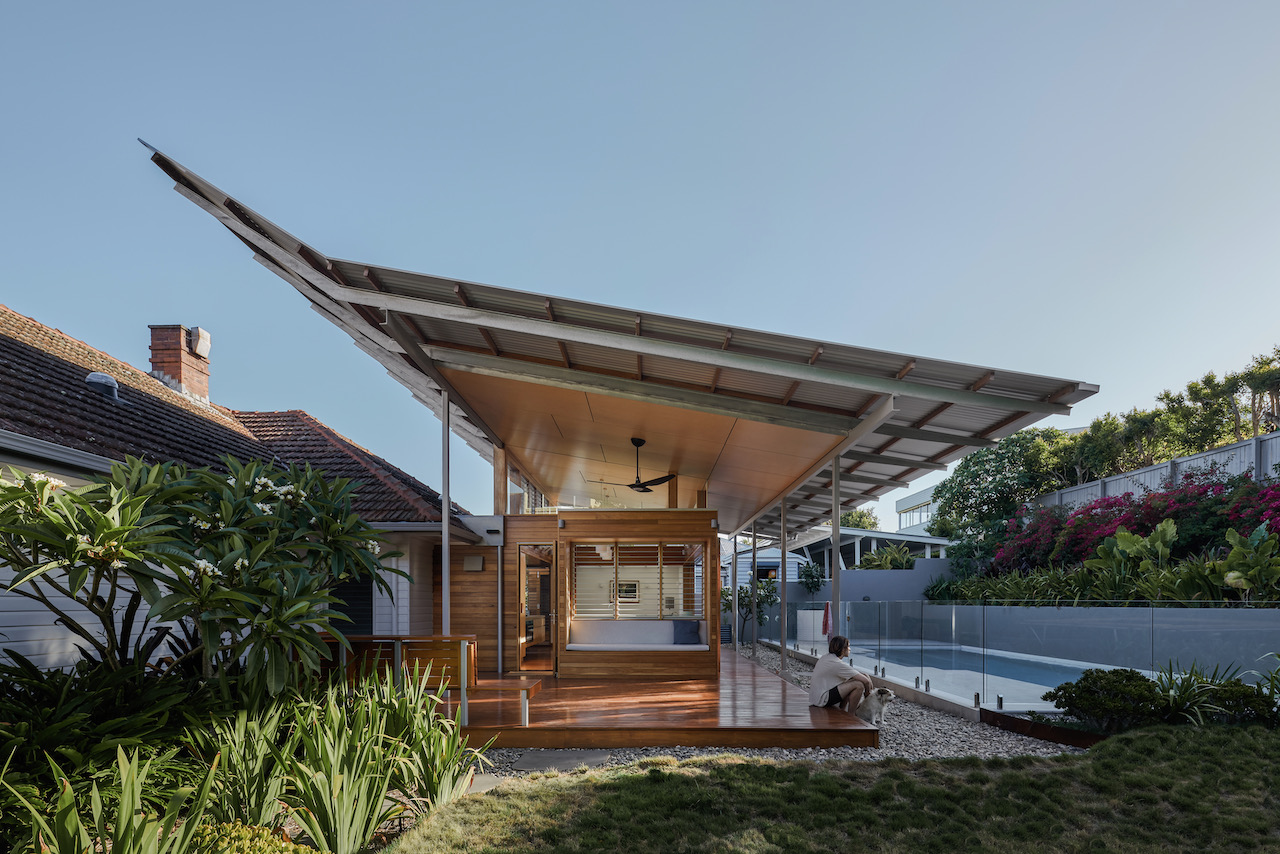
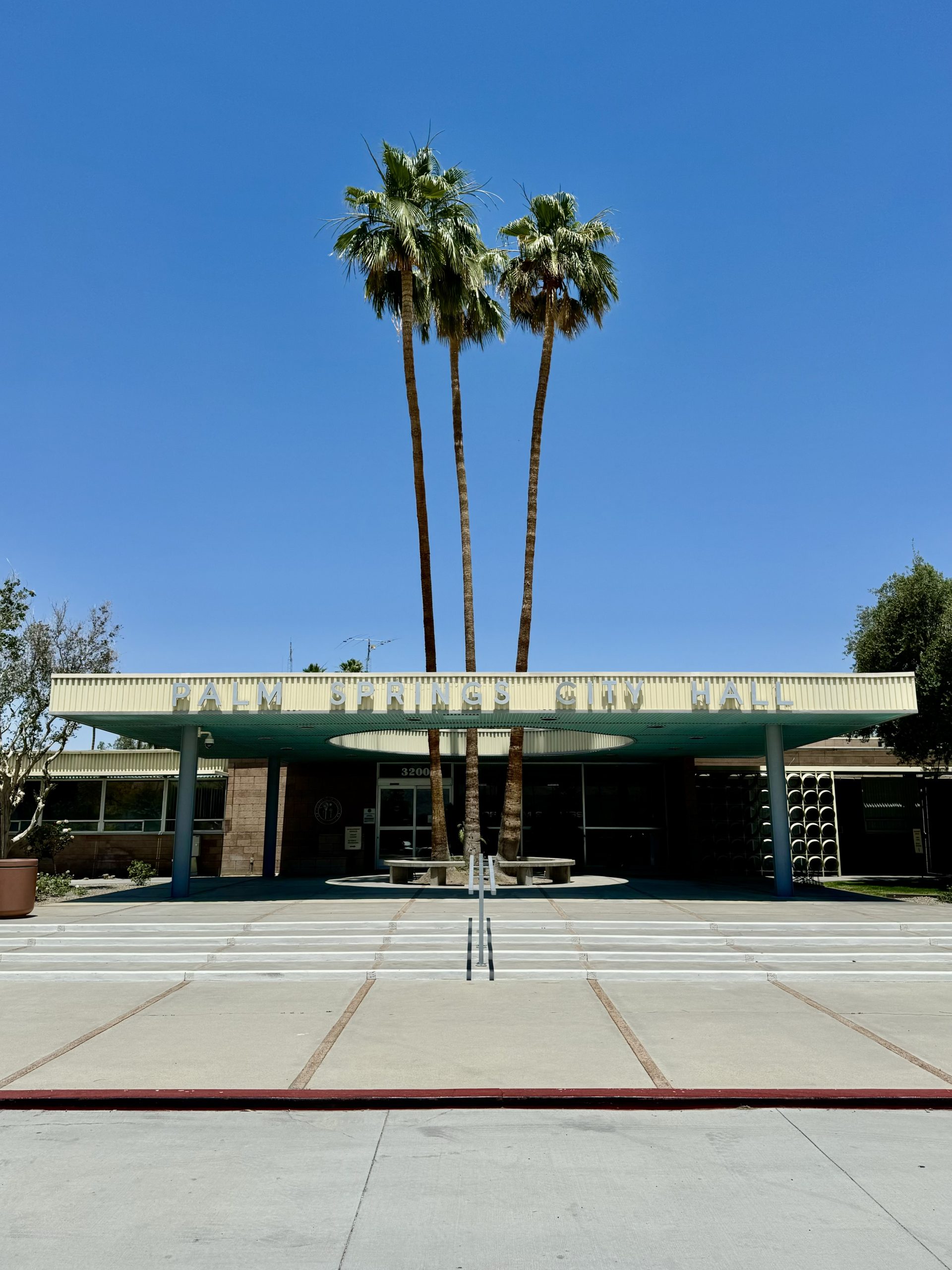
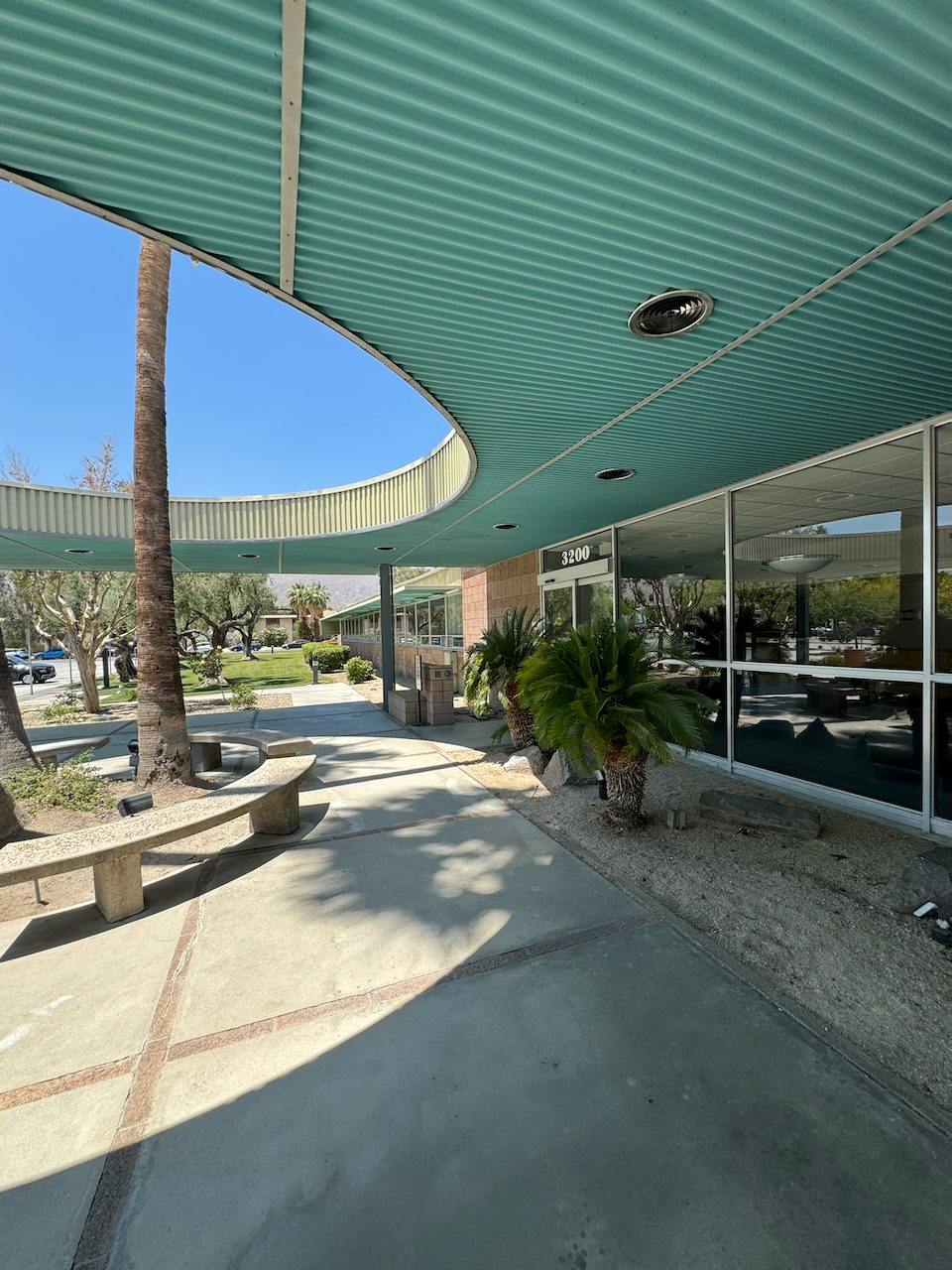
Deep eaves and overhangs, a modernist staple, become working equipment here, cutting direct solar gain while framing outdoor rooms.
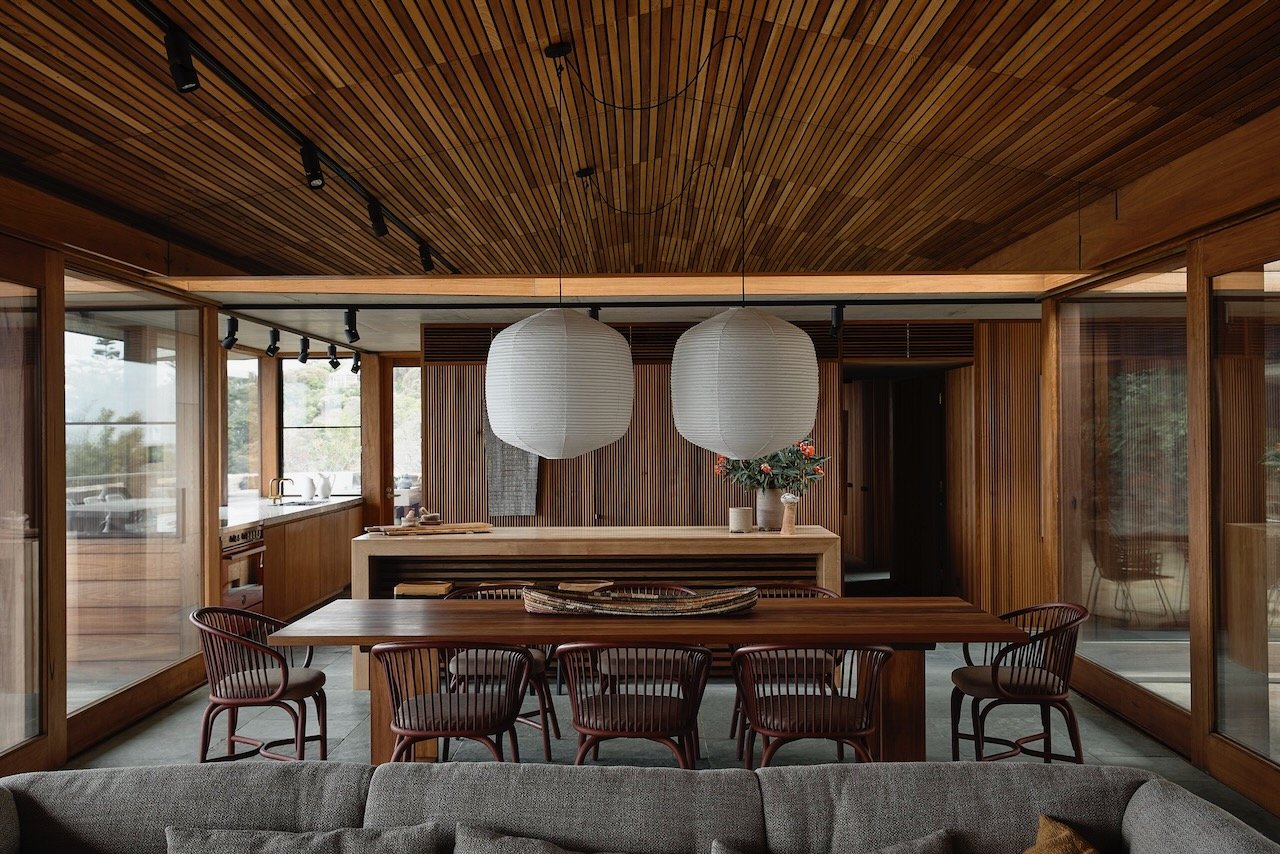
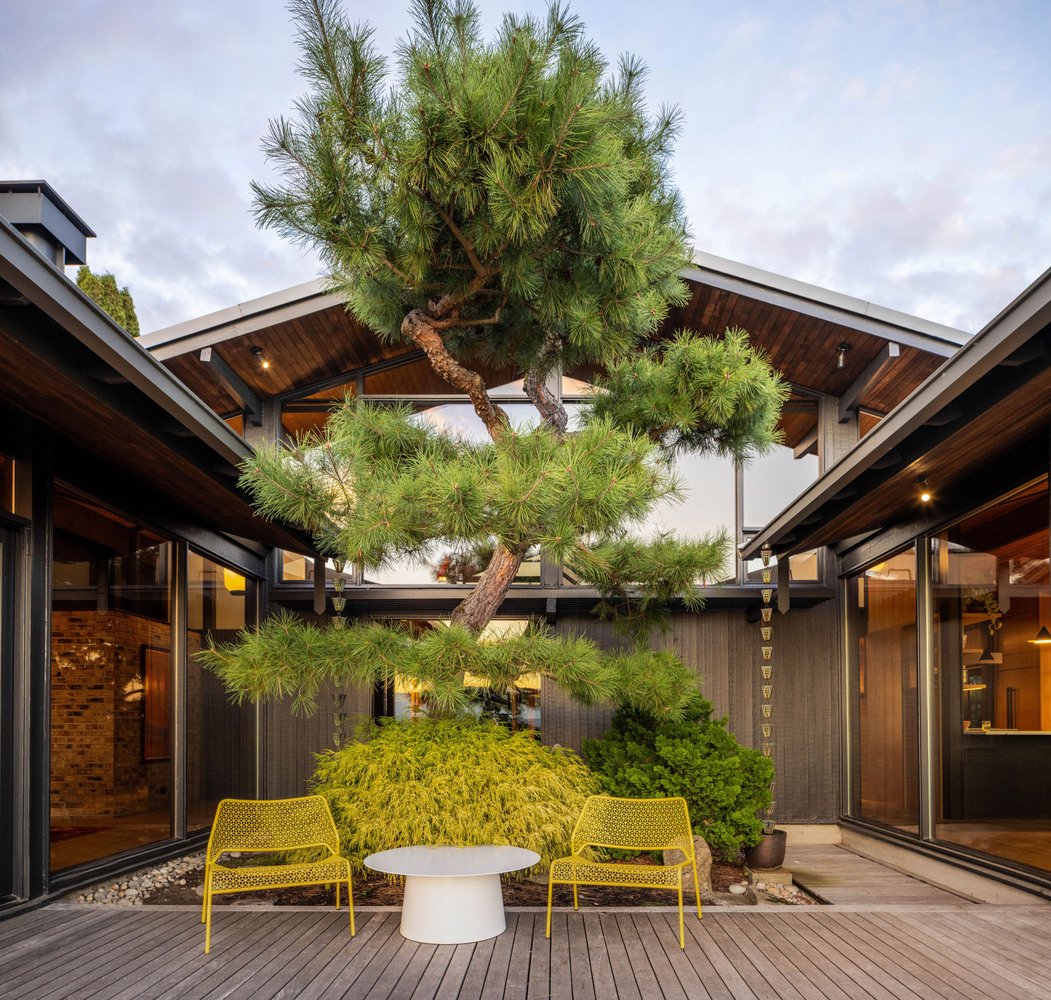
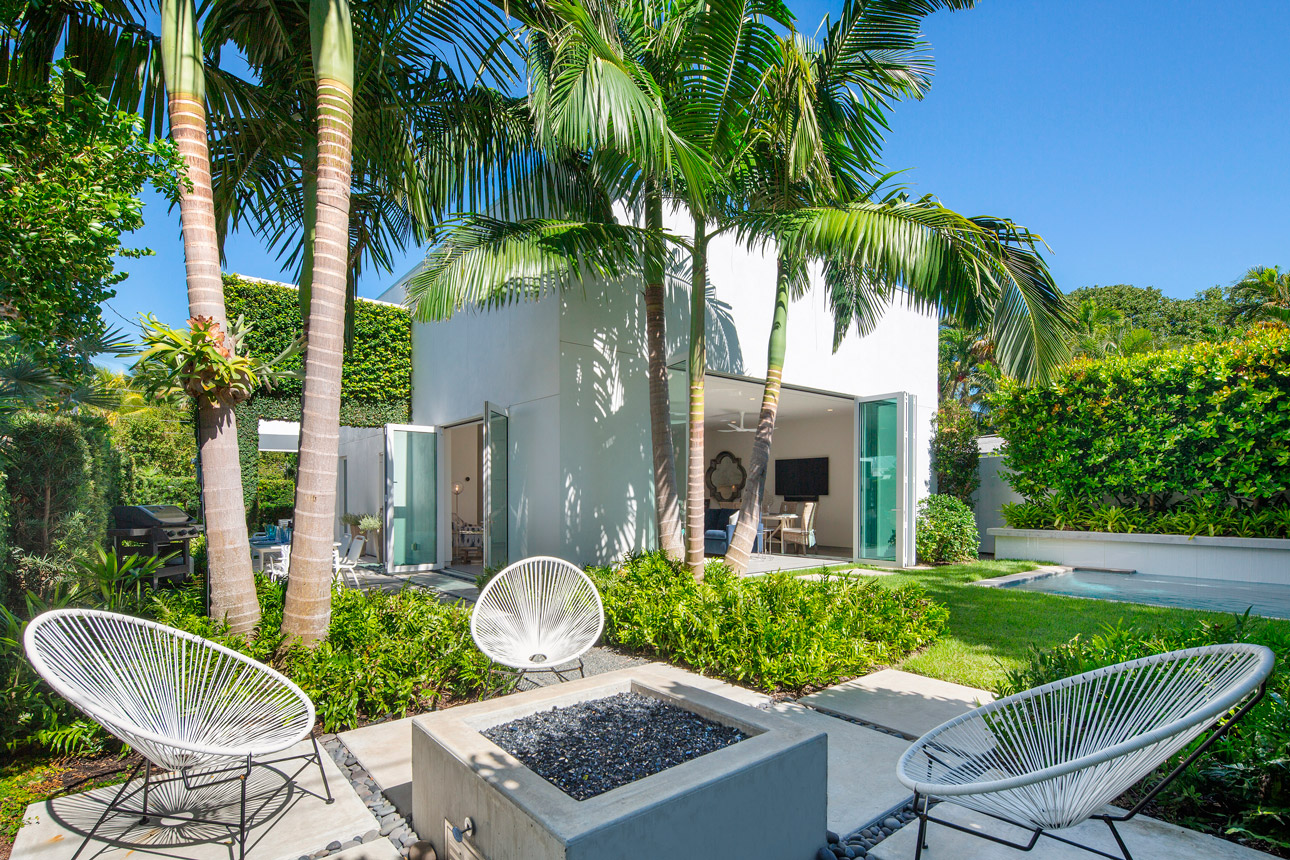
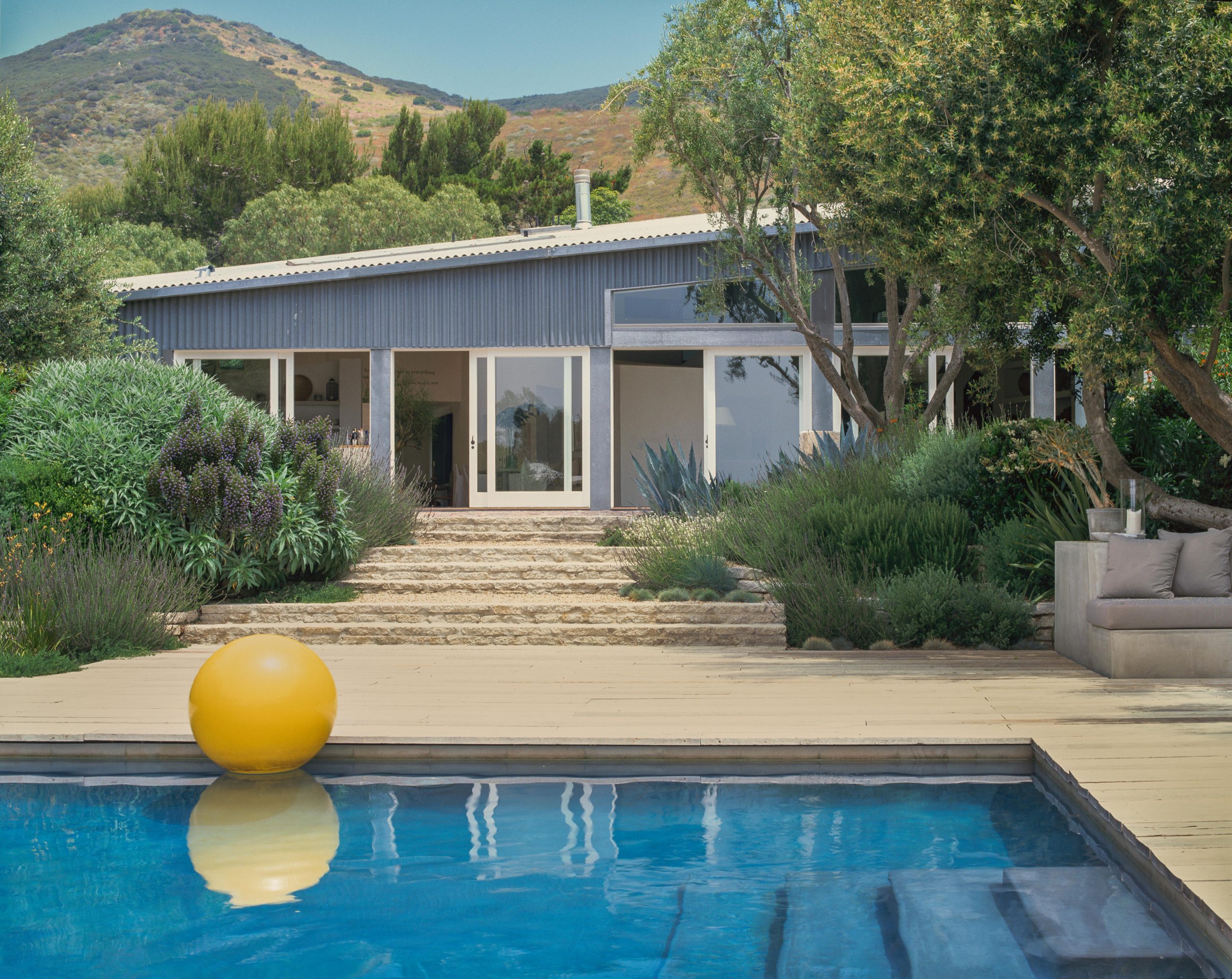
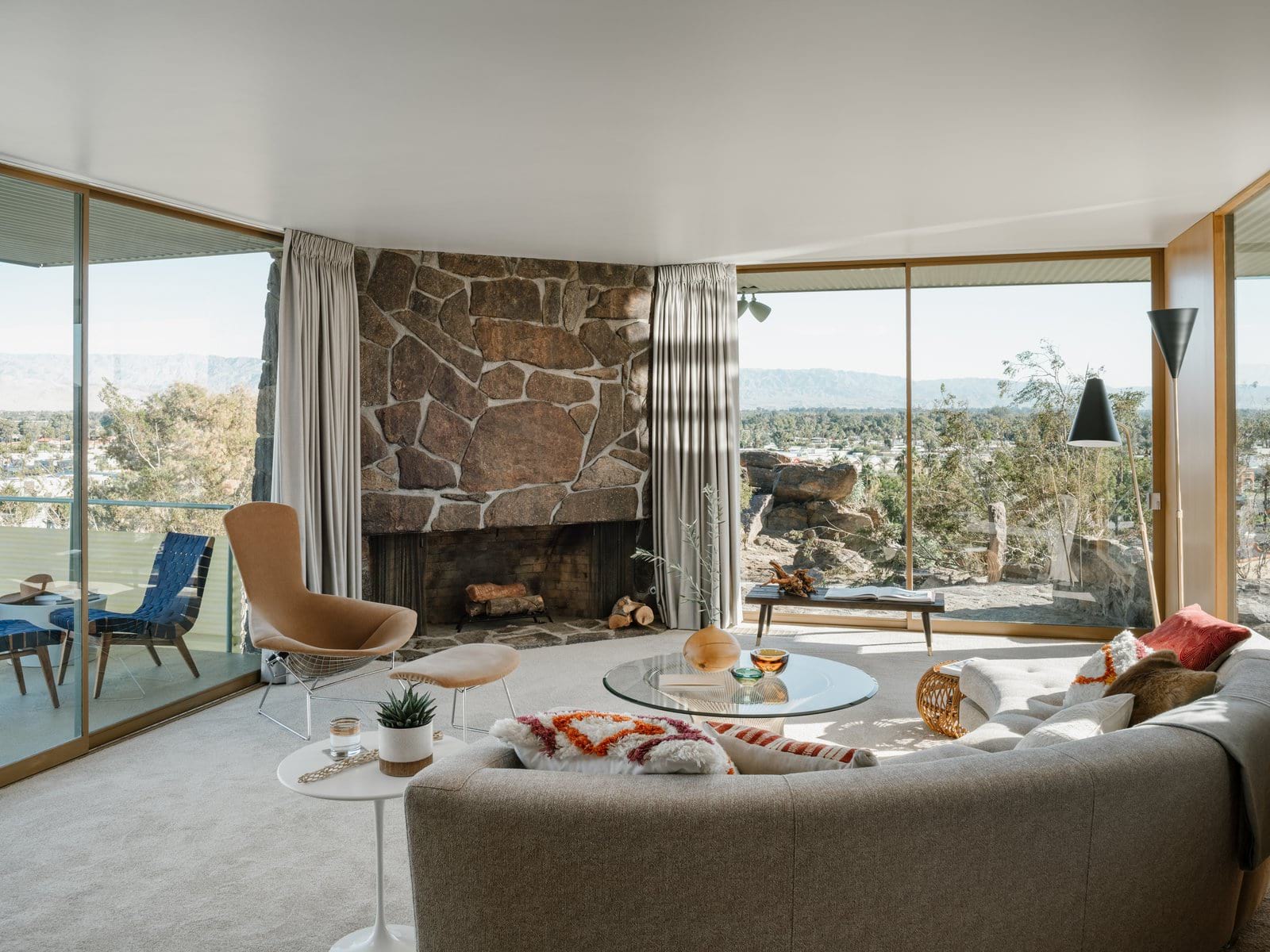
Indoor-outdoor living, often treated as a lifestyle promise elsewhere, is an honest response to Palm Springs’ climate: mornings and evenings are made for patios, breezeways, and shaded courtyards, while midday retreats indoors.
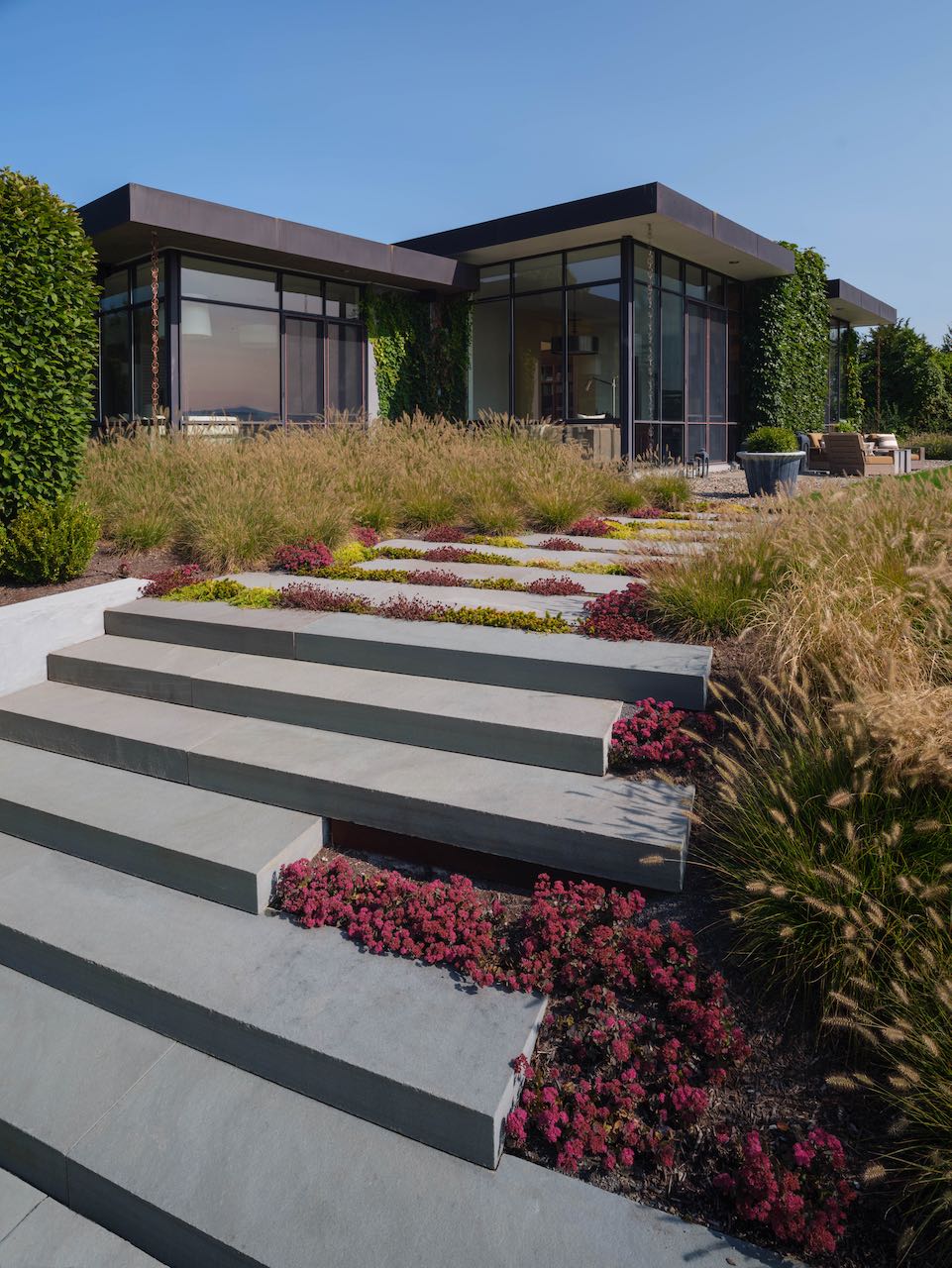
The clean geometry also pairs naturally with the desert’s own minimalism: rock, sand, mountain, and a handful of plants chosen for toughness and low water. Dwell has traced how extreme climate pushed this regional modernism into being, making design decisions feel less like style and more like survival with elegance.

Palm Springs also offered something rare in postwar America: a small city open to experimentation, fed by seasonal wealth and celebrity attention. The result is “Desert Modernism,” a local flavor where the modernist toolkit is tuned to sun angles, wind, and the social rituals of the pool and patio.
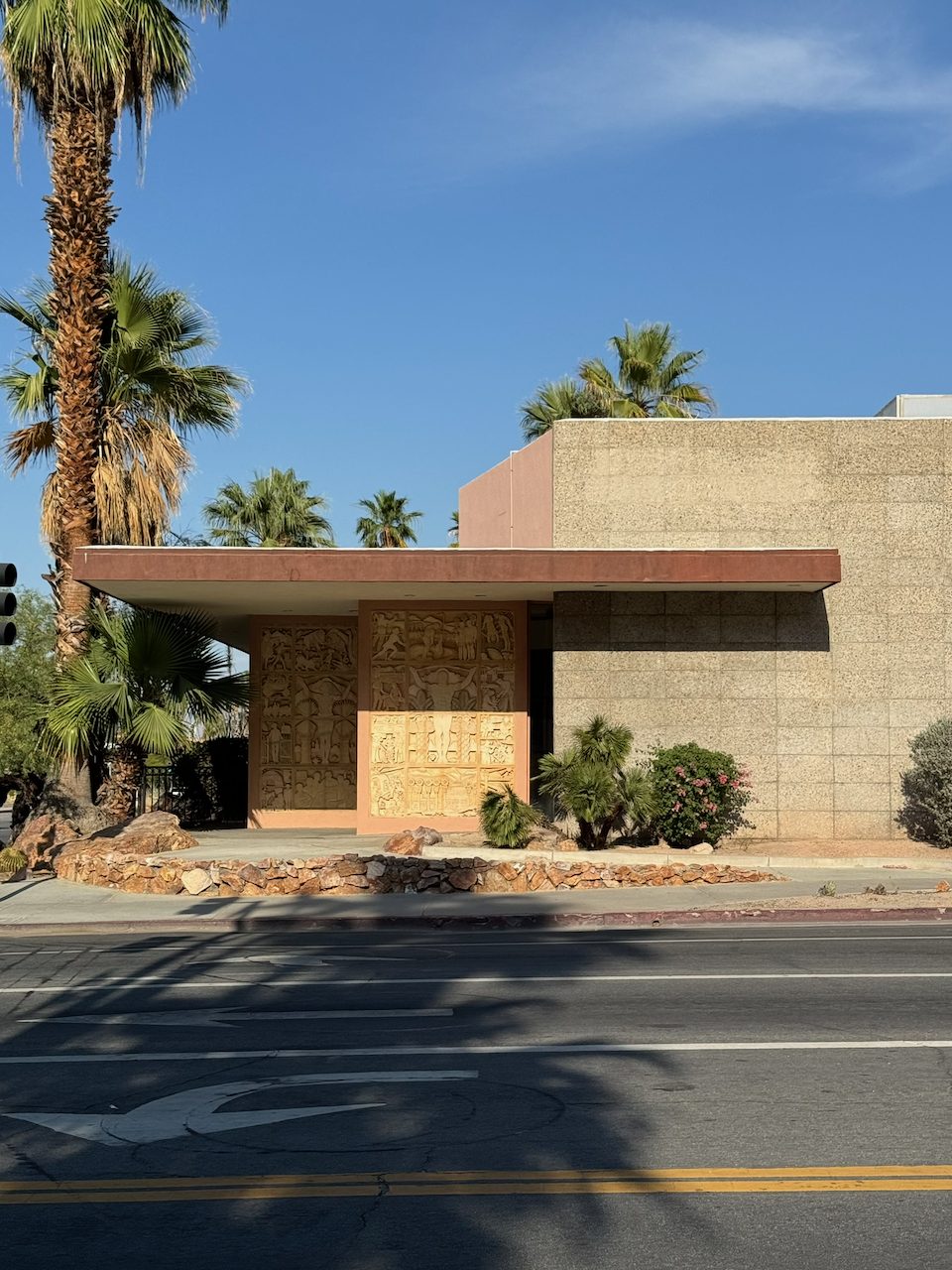
Even today, the city frames this identity through its tours and institutions, from self-guided routes to the Architecture and Design Center in the former Santa Fe Federal Savings & Loan building by E. Stewart Williams.
A handful of architects used Palm Springs as a testing ground, and their work still reads like a set of prototypes for warm-climate living. Start with Albert Frey, whose projects helped define the desert modern vocabulary: light-touch structures, careful siting, and a calm confidence about living with the landscape rather than dominating it.
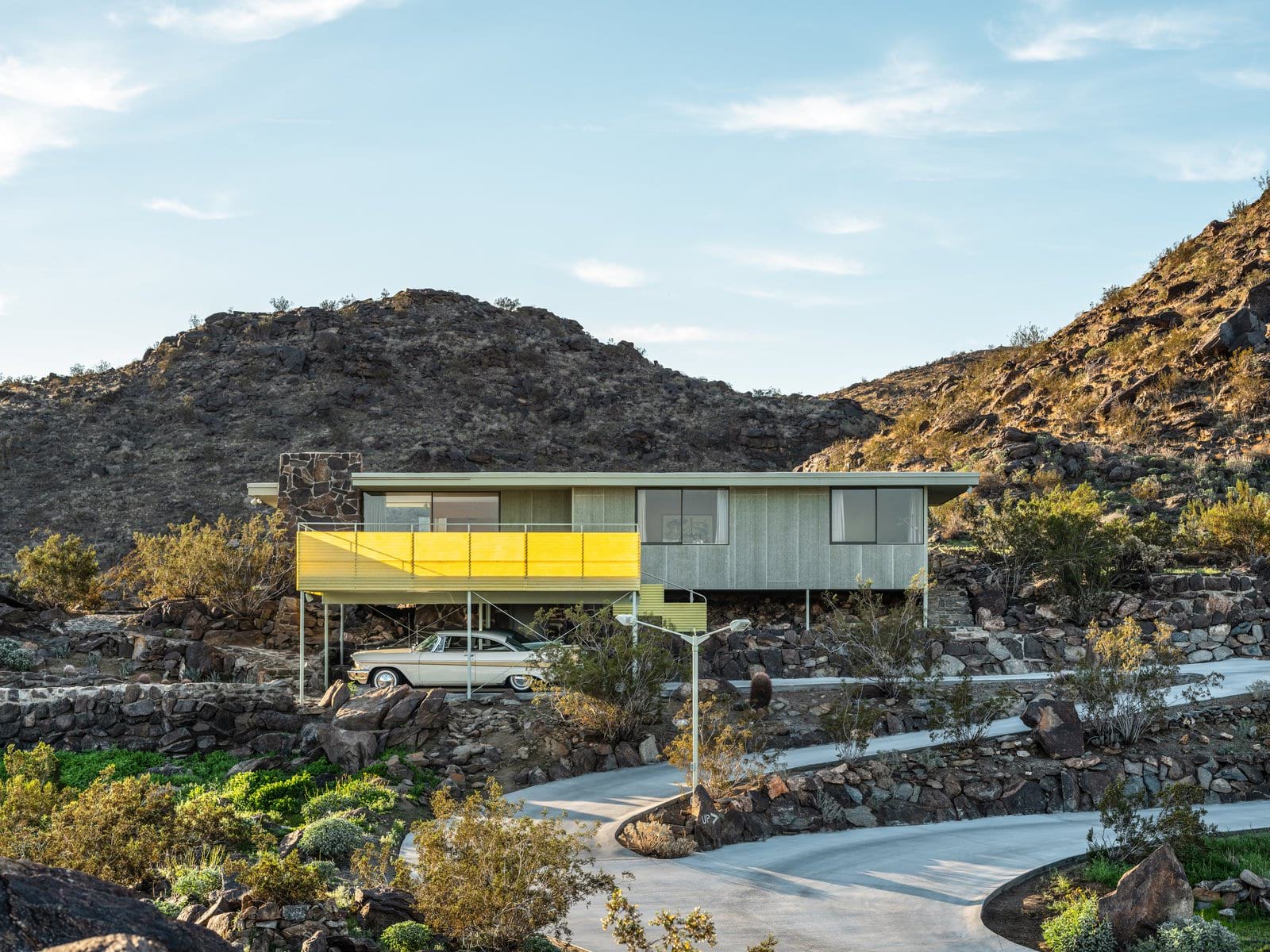
Then there is Donald Wexler, an innovator who treated the desert as a proving ground for systems. His steel houses were a bold idea for the early 1960s: prefabricated steel and glass aimed at durable, affordable desert living. Visit California notes Wexler’s belief that steel could stand up to sun, heat, and wind, and that he planned an entire subdivision of these homes.
William Krisel brought a developer-savvy modernism that could scale. He helped translate bold ideas into neighborhoods, where repeated forms and simple plans made modern living attainable while keeping that Palm Springs feeling of openness and shade.
E. Stewart Williams gave the city many of its civic and cultural markers, helping modernism move beyond private homes into a shared public face, including buildings tied to the Palm Springs Art Museum and other local institutions.
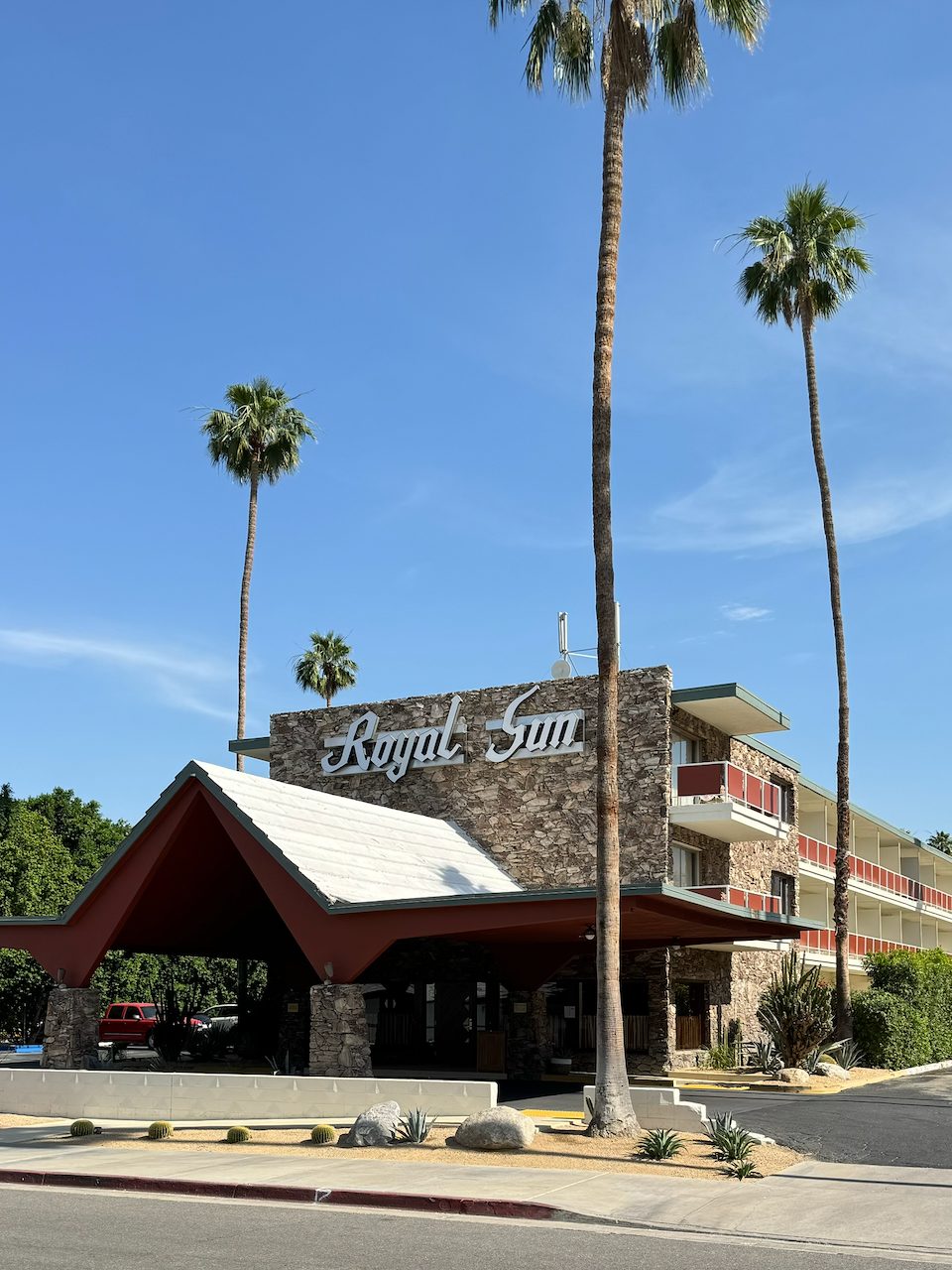
And William Cody belongs on the short list too, especially for visitors interested in how resort architecture learned to be both glamorous and pragmatic. Palm Springs tour resources consistently group Cody with Frey, Wexler, Krisel, and Williams as defining voices of Desert Modern style.
If you decide to visit, schedule your days the way the architecture expects you to. Walk neighborhoods early, when the low sun makes overhangs, fins, and breezeways feel like active devices. Keep midday for interiors and exhibitions, then return outside in the late afternoon when the city softens and the mountains start to glow.
If you want to go deeper, plan around Modernism Week programming, or use the city’s architecture tour routes as a map for a slower, more observant kind of travel.