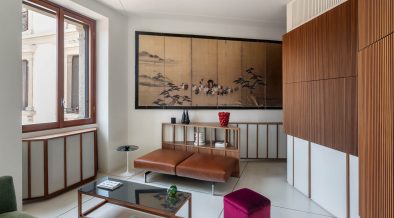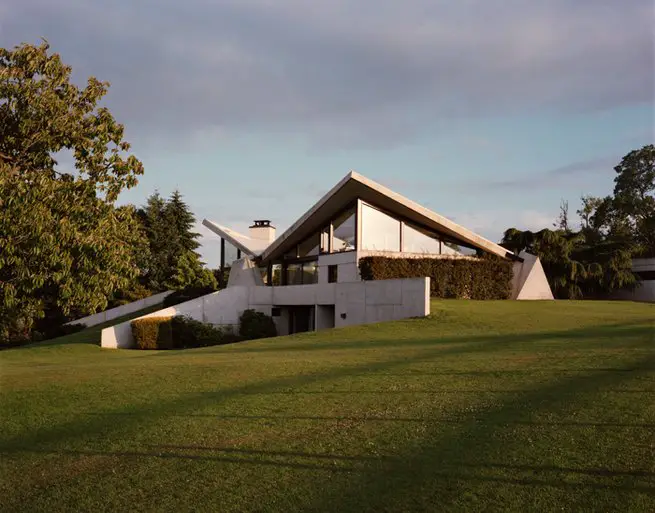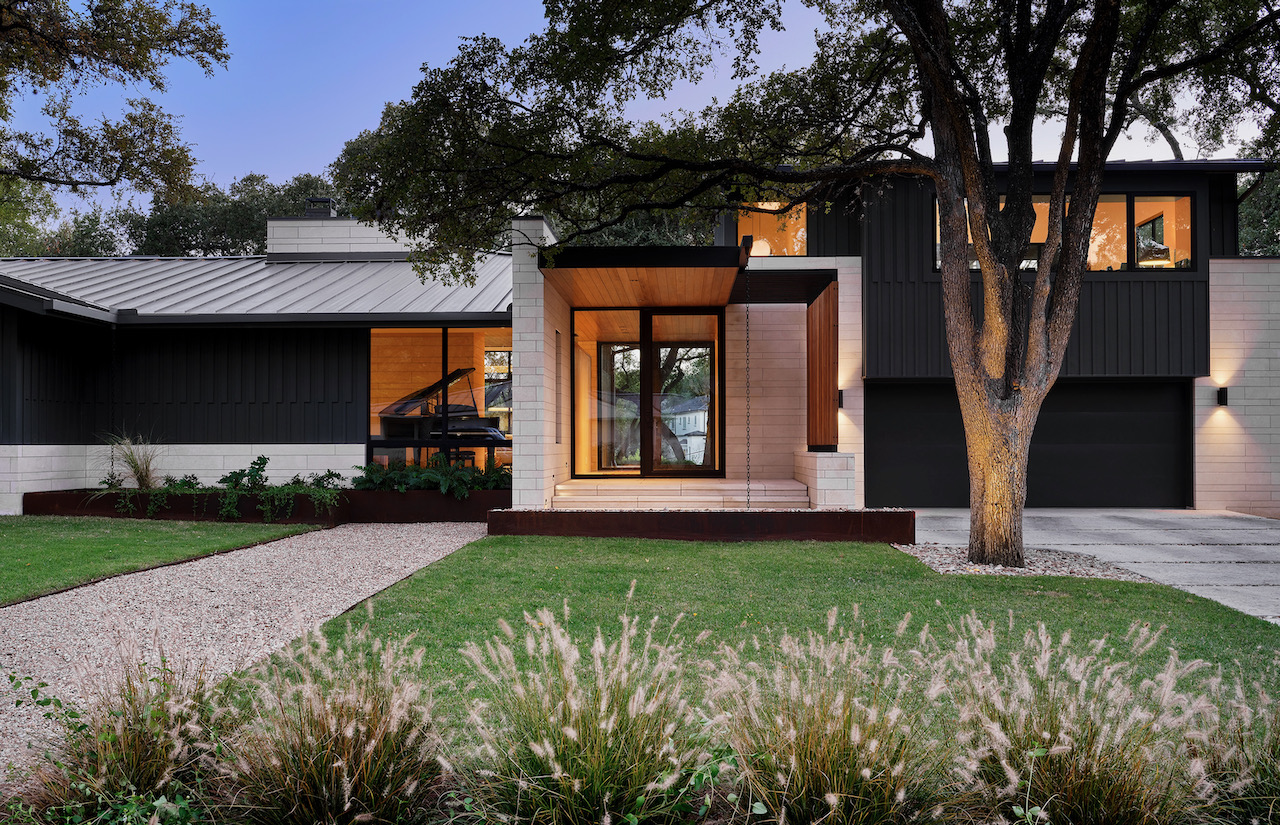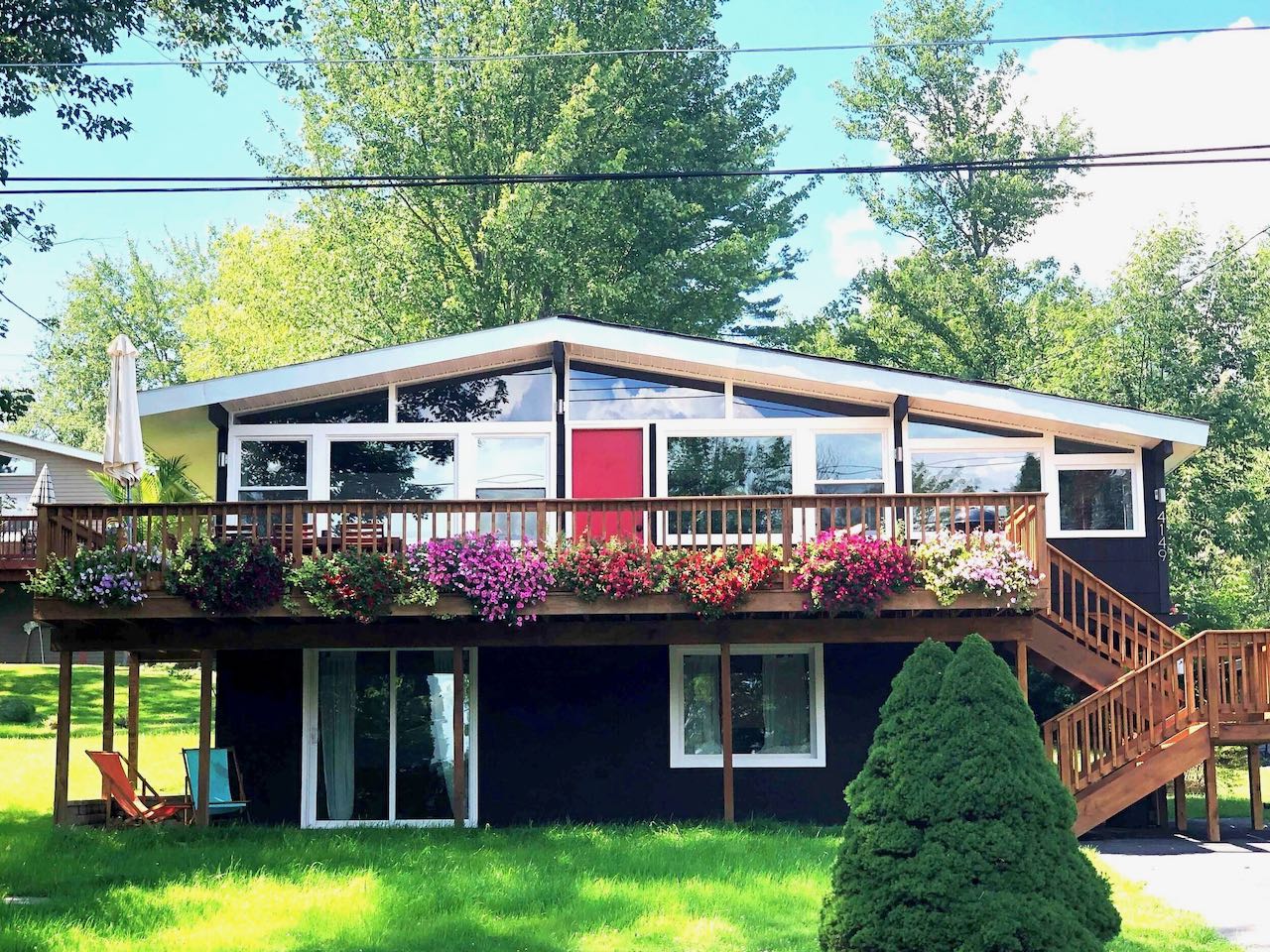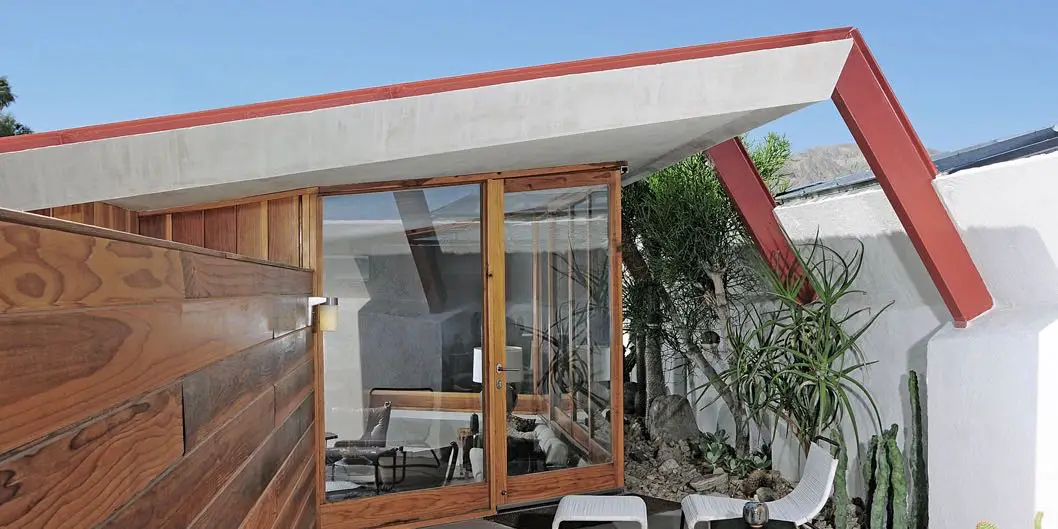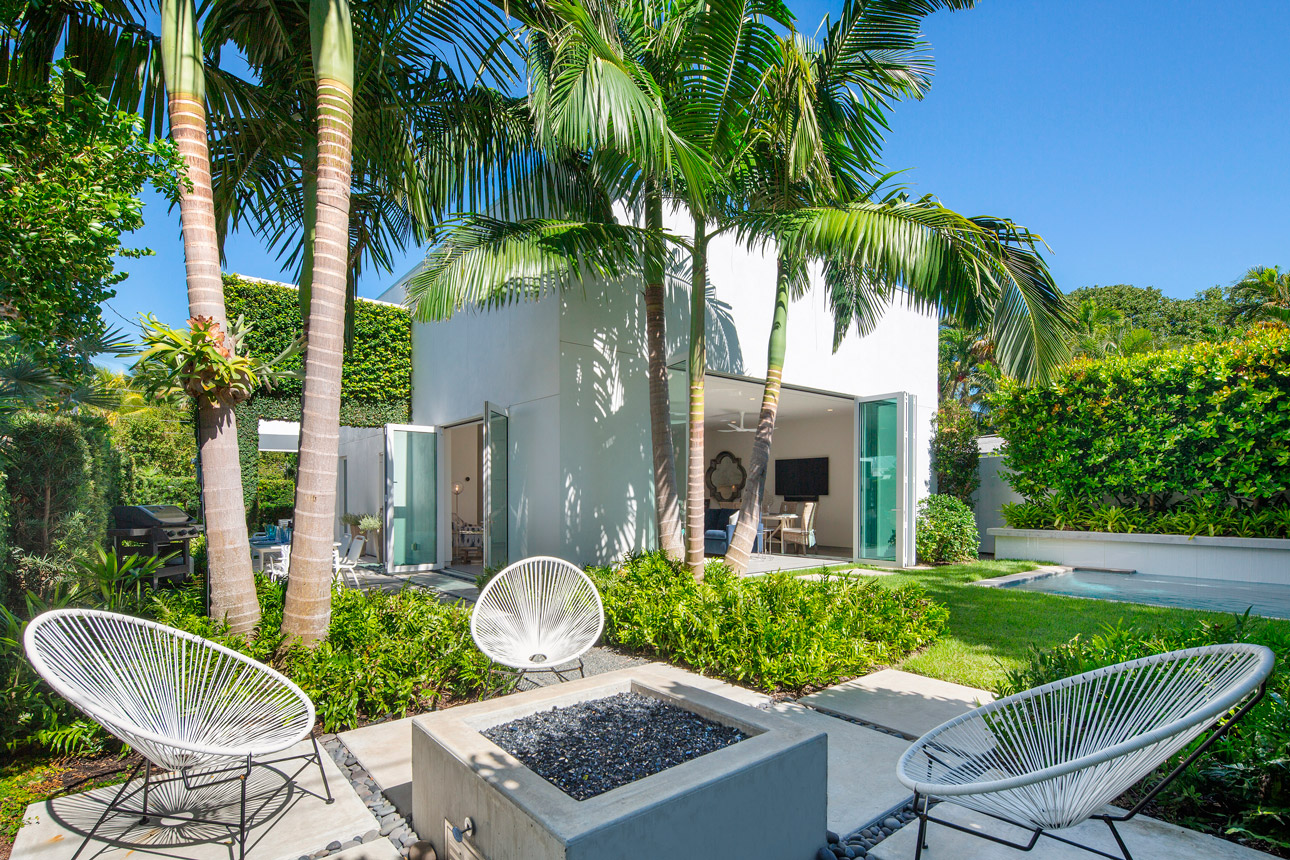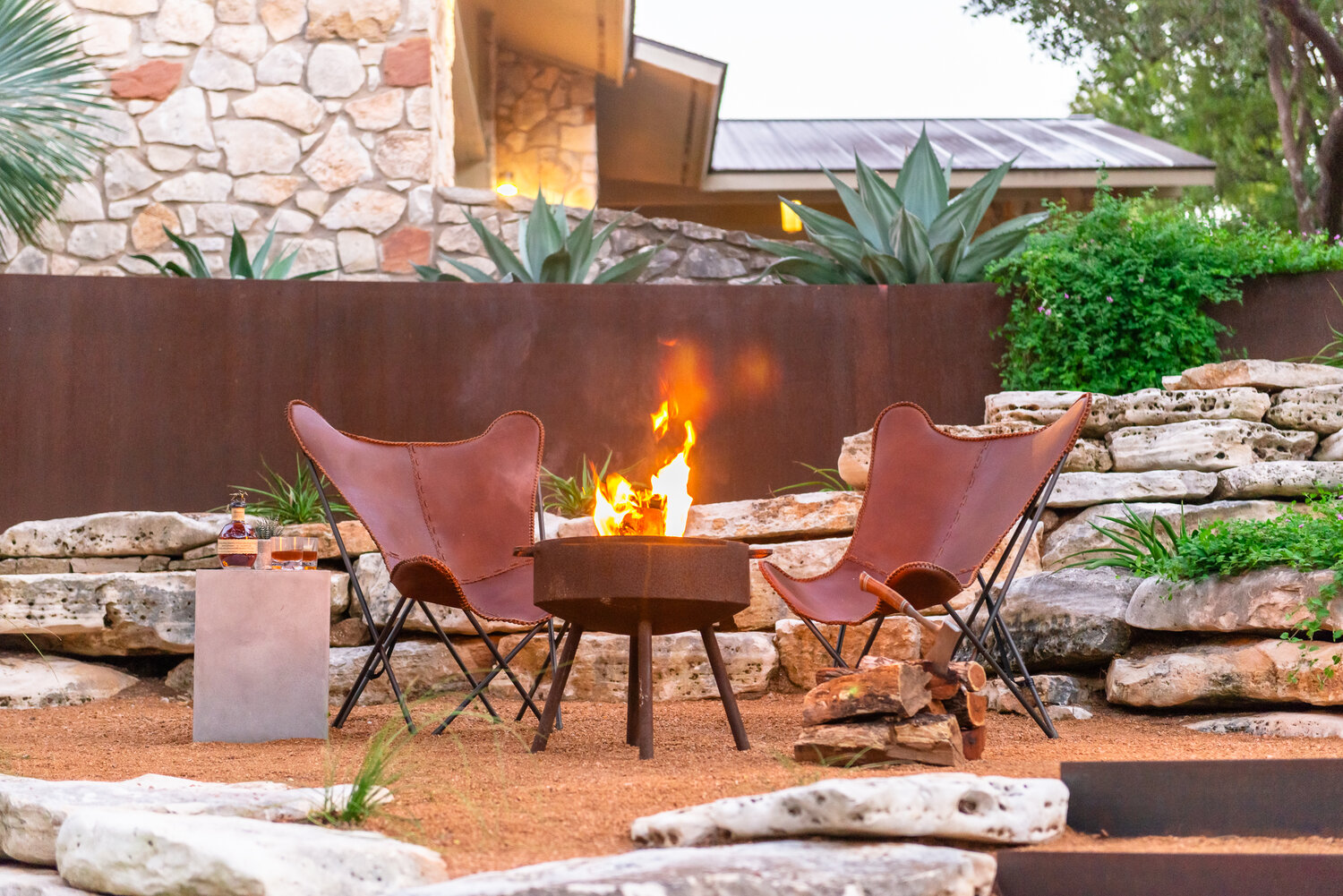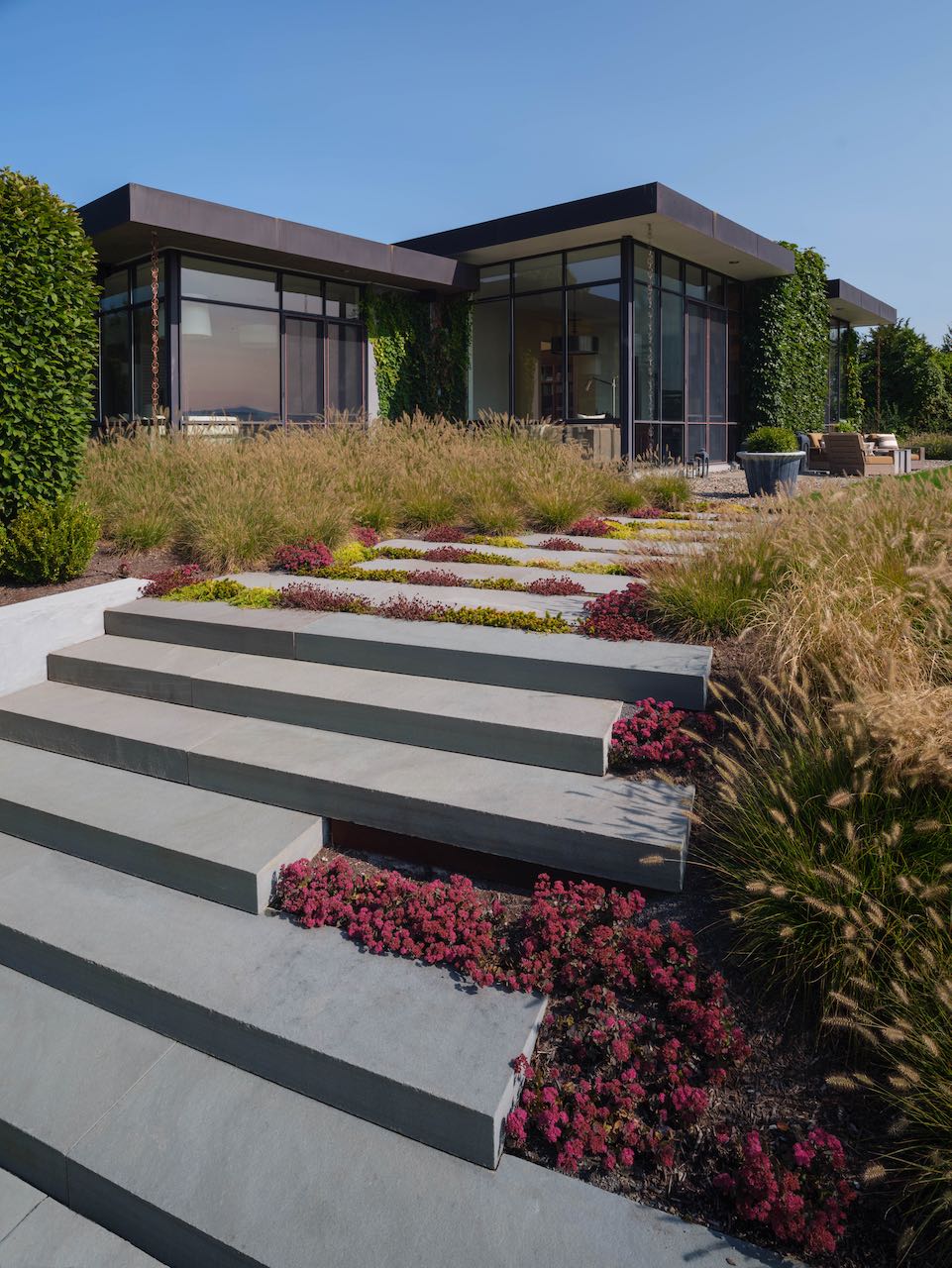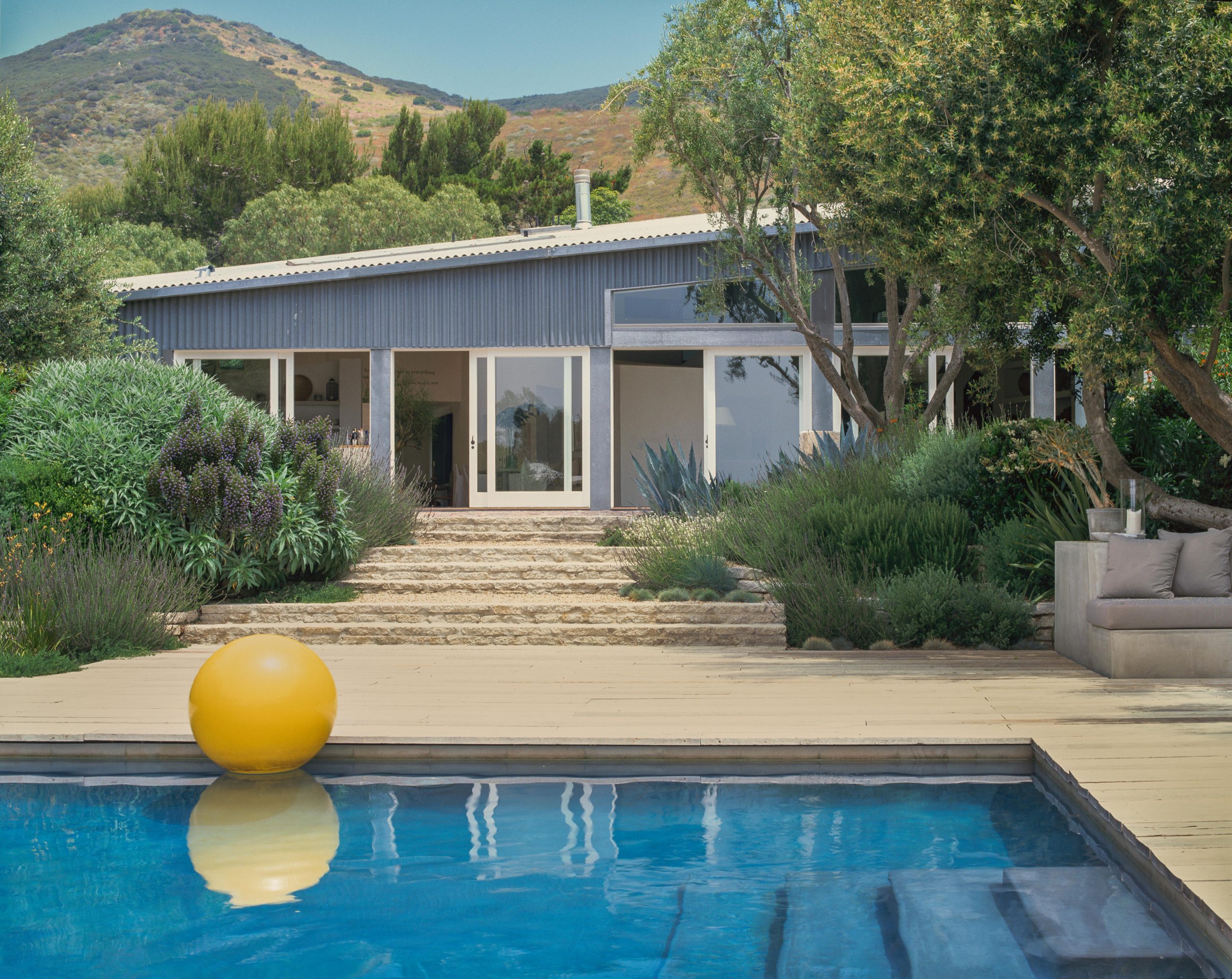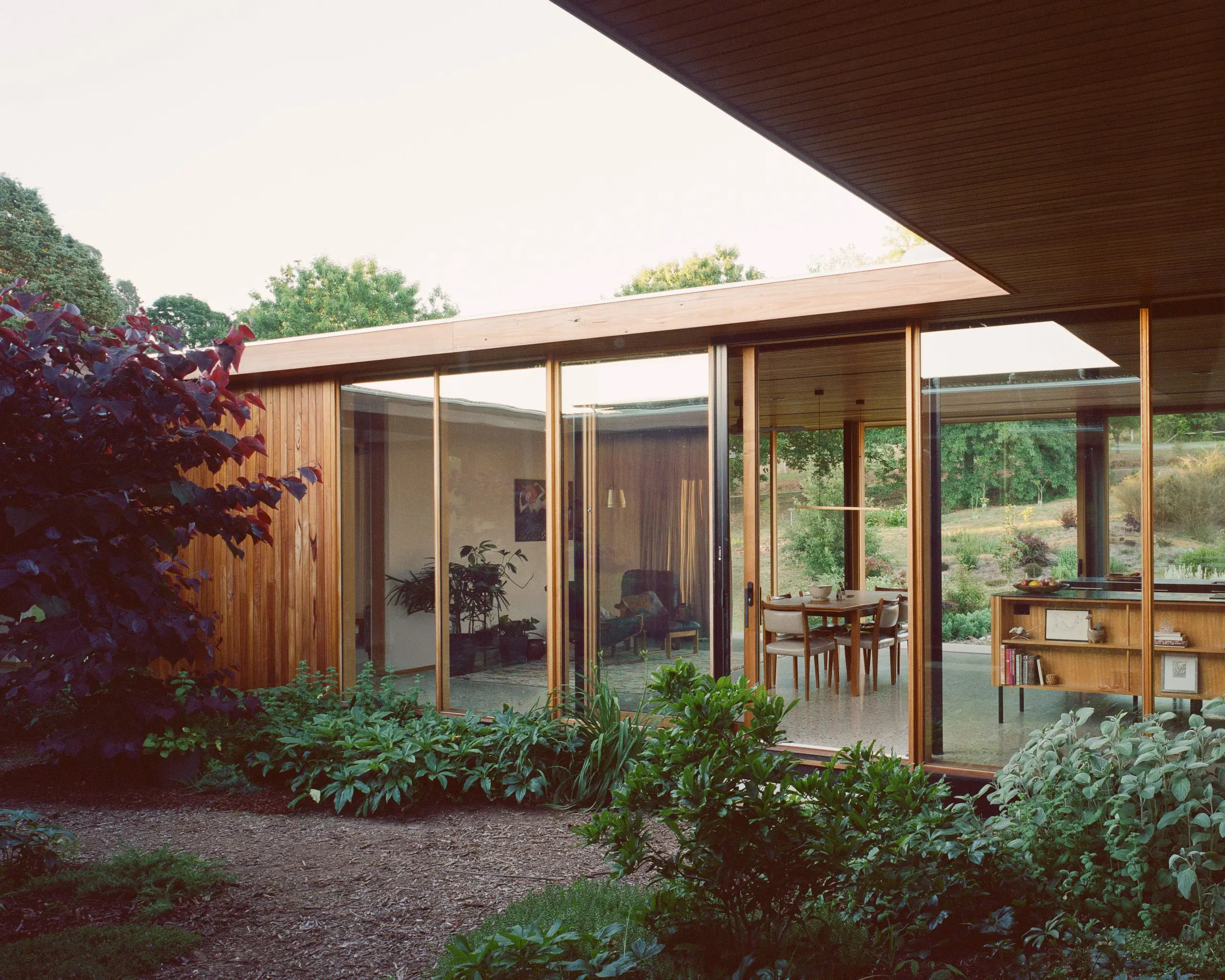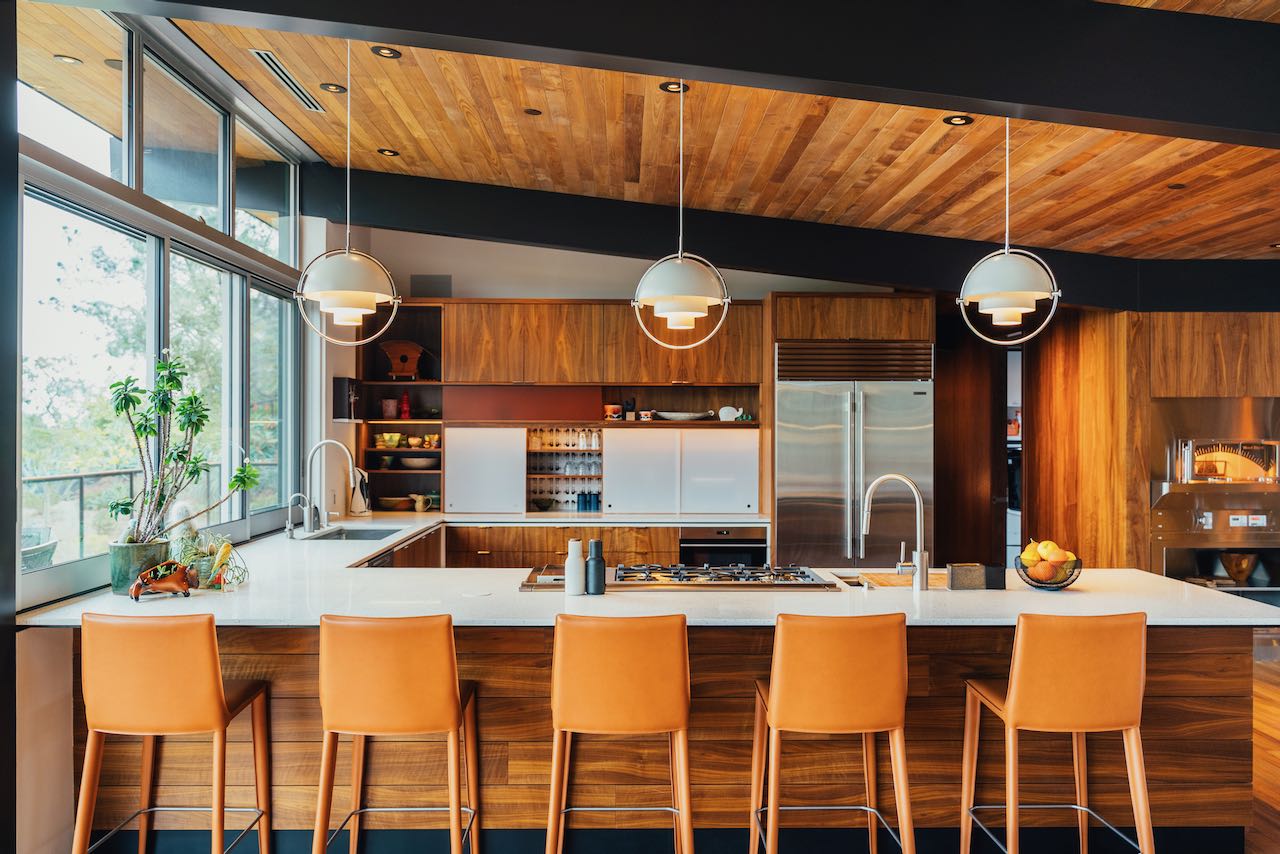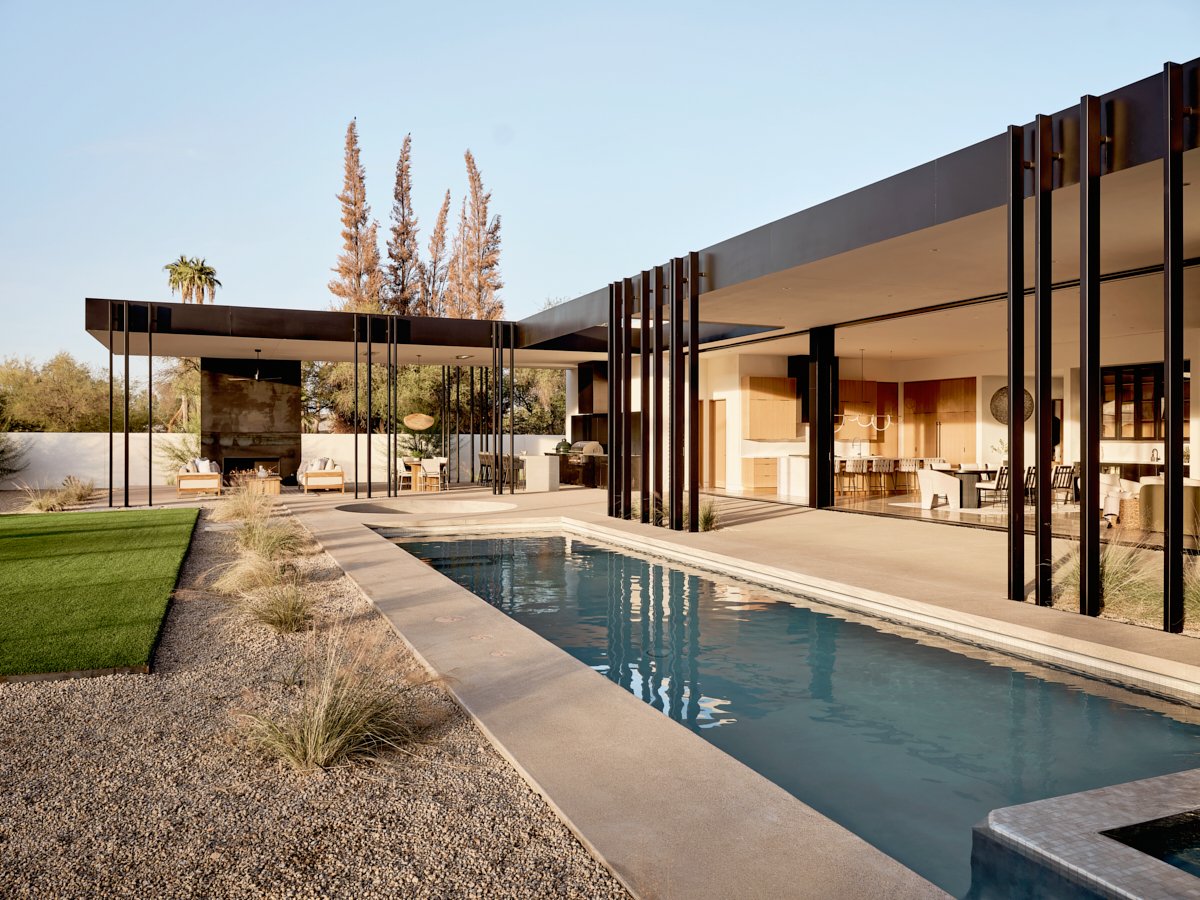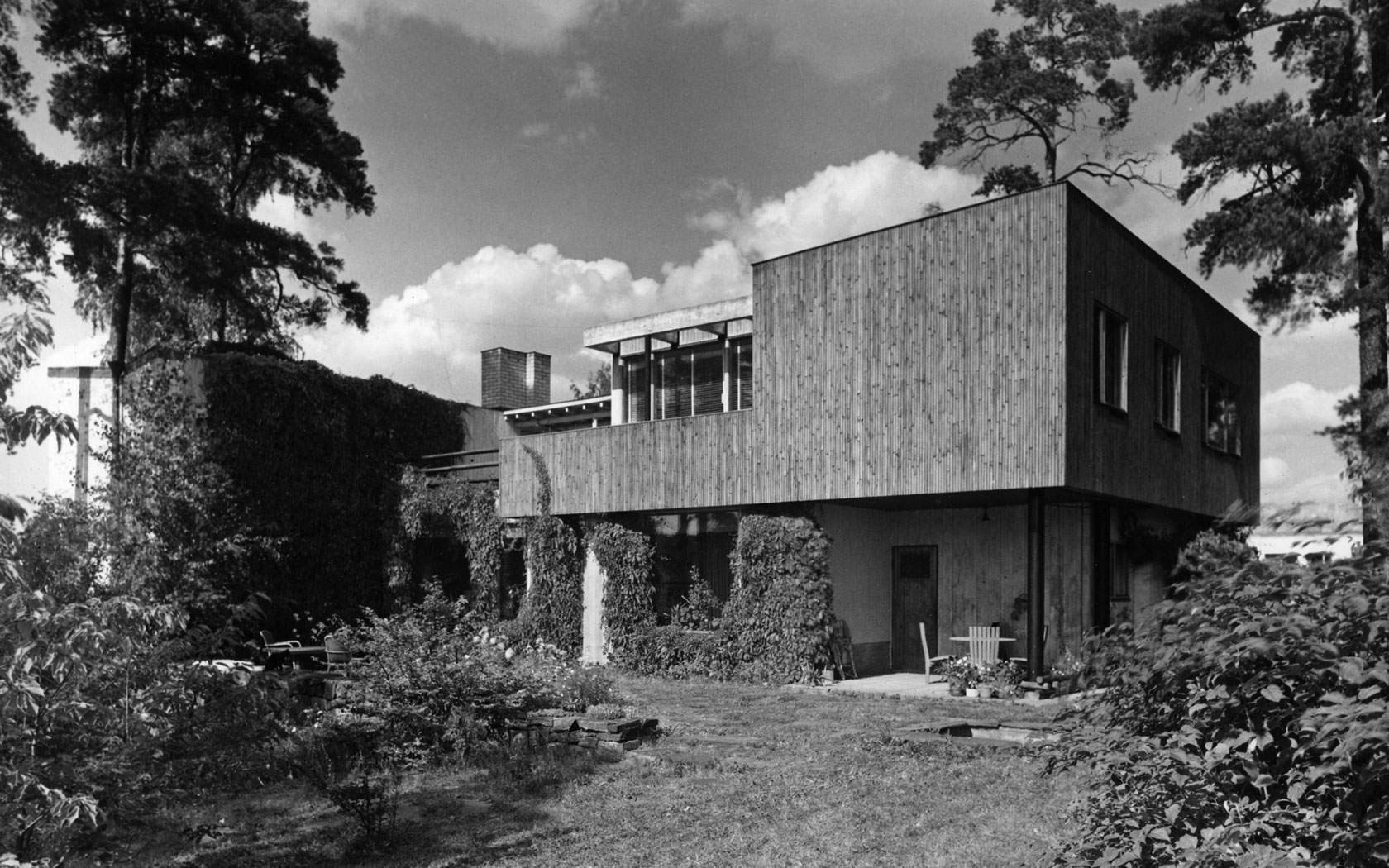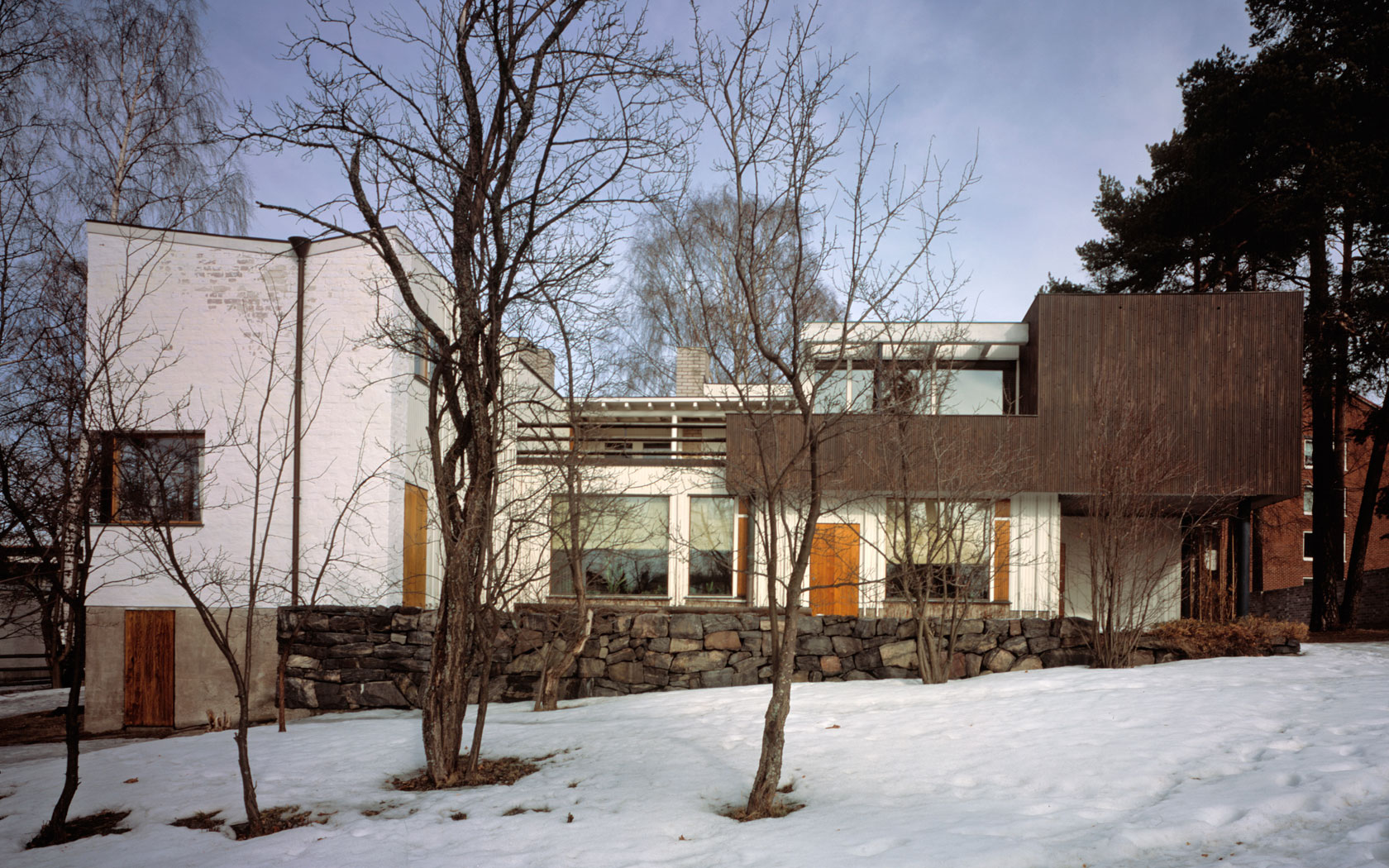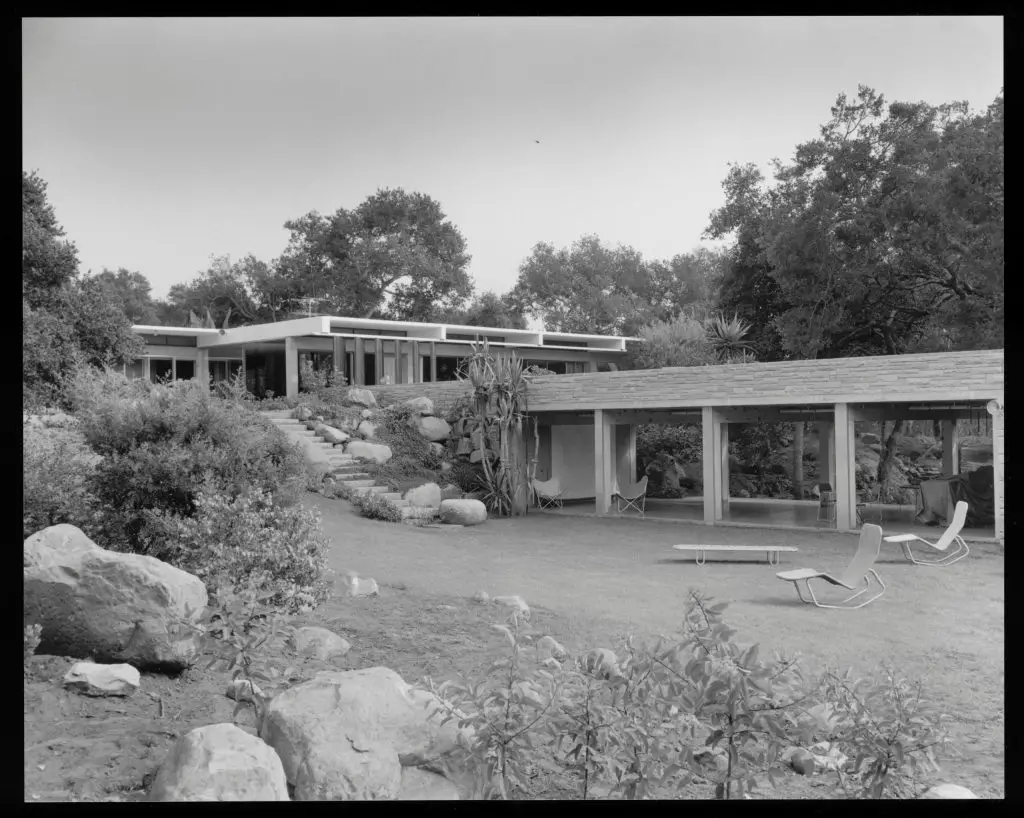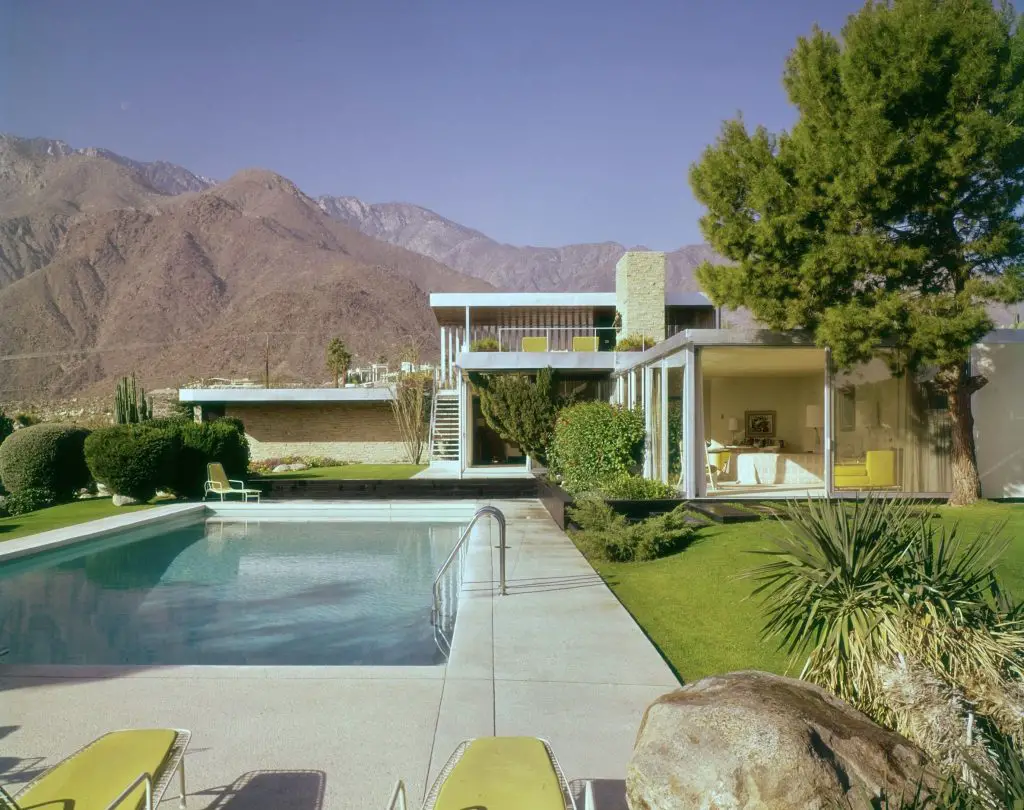
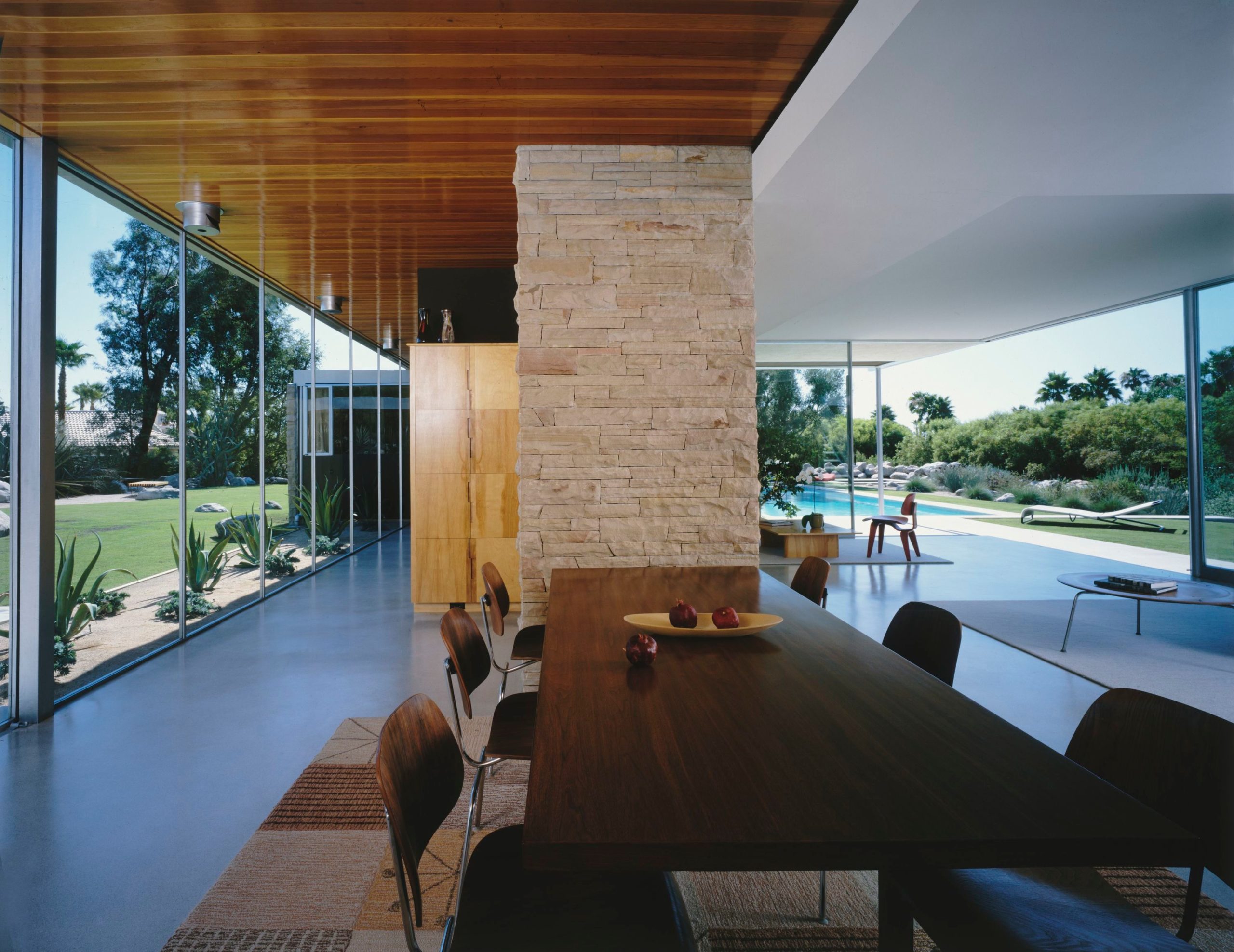
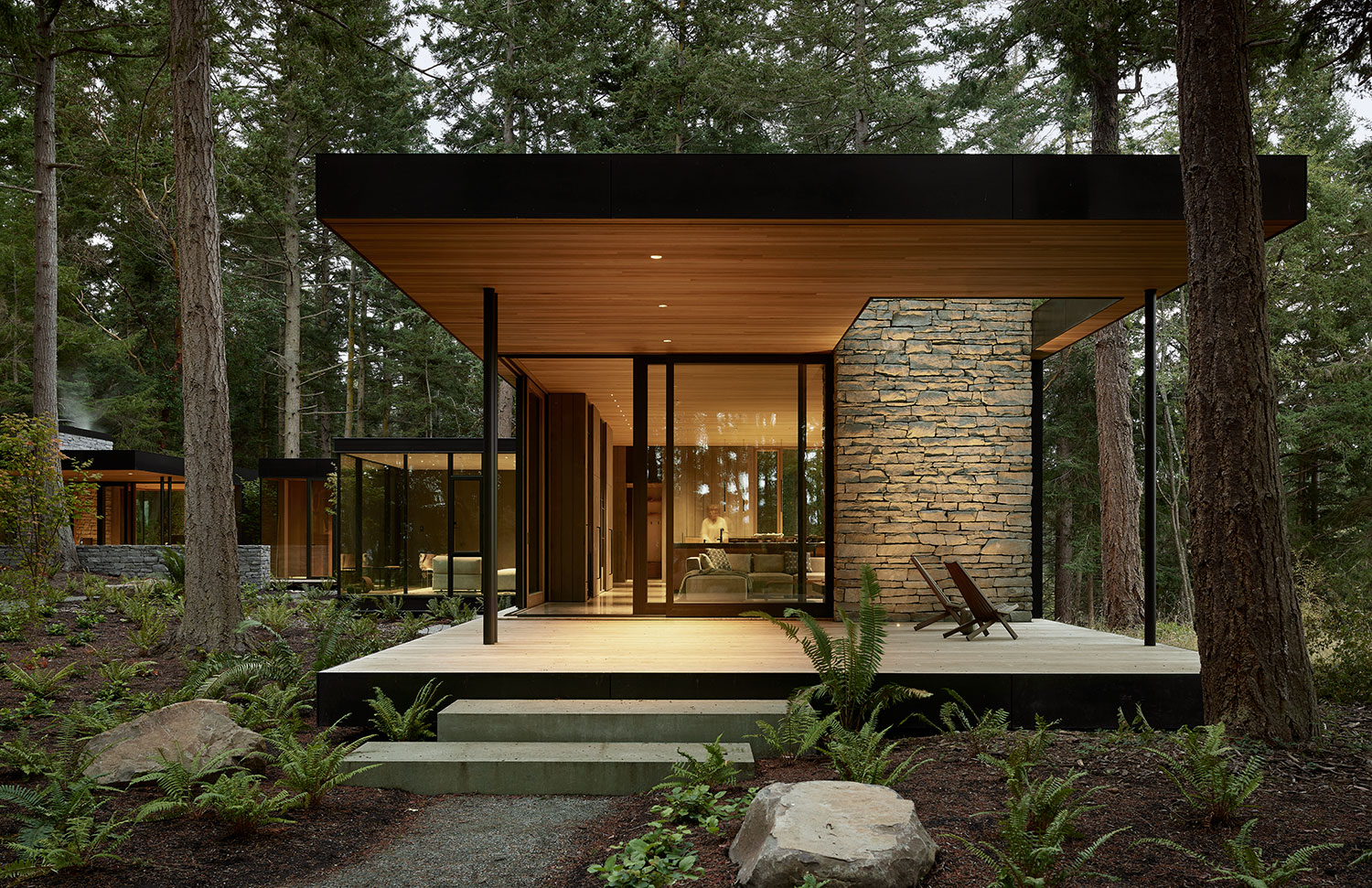

A glass-walled living room open to the garden, a low roofline stretching toward the horizon, materials left honest and exposed. These scenes feel unmistakably contemporary, yet their roots reach back more than half a century.
Mid-century modernism, once a response to postwar optimism and social change, continues to shape how architects think about space, light, and living today. Its influence is not nostalgic or decorative. It is structural, philosophical, and deeply embedded in the way contemporary architecture understands its role in everyday life.
Today’s architectural landscape is shaped by a set of shared concerns. Sustainability sits at the center, driving decisions around materials, energy use, and building performance. Architects are designing for longevity rather than spectacle, prioritizing efficiency, adaptability, and a lighter environmental footprint.
Alongside this, there is a renewed focus on wellness. Natural light, ventilation, access to greenery, and spaces that support both work and rest are no longer secondary considerations but core design drivers. Post-pandemic living has only sharpened this awareness, pushing architecture to respond more directly to how people actually inhabit space.

Contemporary practice also favors flexibility. Open plans, sliding partitions, and multi-purpose rooms reflect changing patterns of living, where homes must adapt to shifting routines rather than enforce rigid hierarchies. Material choices, too, have become more intentional.
There is a clear move away from excess finishes toward tactile, enduring materials such as wood, stone, and concrete. These surfaces are often left visible, allowing construction and structure to become part of the architectural language. Digital tools and advanced fabrication techniques support this shift, helping architects optimize form and performance without losing a sense of craft.
These priorities may feel distinctly modern, but they echo the ambitions of mid-century modernism with remarkable clarity. Architects like Richard Neutra, Alvar Aalto, and Charlotte Perriand were already asking similar questions decades earlier.
Neutra’s houses in California treated architecture as a framework for healthy living, opening interiors to light, air, and landscape. His belief that buildings could support physical and mental wellbeing feels strikingly aligned with today’s wellness-driven design culture.
Aalto approached modernism through a human lens, resisting cold abstraction in favor of warmth, tactility, and sensory comfort. His use of natural materials, soft forms, and daylight was not aesthetic alone. It was rooted in the idea that architecture should serve people first. This human-centered approach now underpins much of contemporary design thinking, from biophilic interiors to community-oriented public spaces.
A shared ethic connects mid-century modernism to contemporary architecture. Both seek clarity, function, and a meaningful relationship between building and site. Today’s concerns around sustainability, wellness, and longevity are not departures from modernism but evolutions of it. Still, one might ask whether we are doing enough to truly address these concerns.