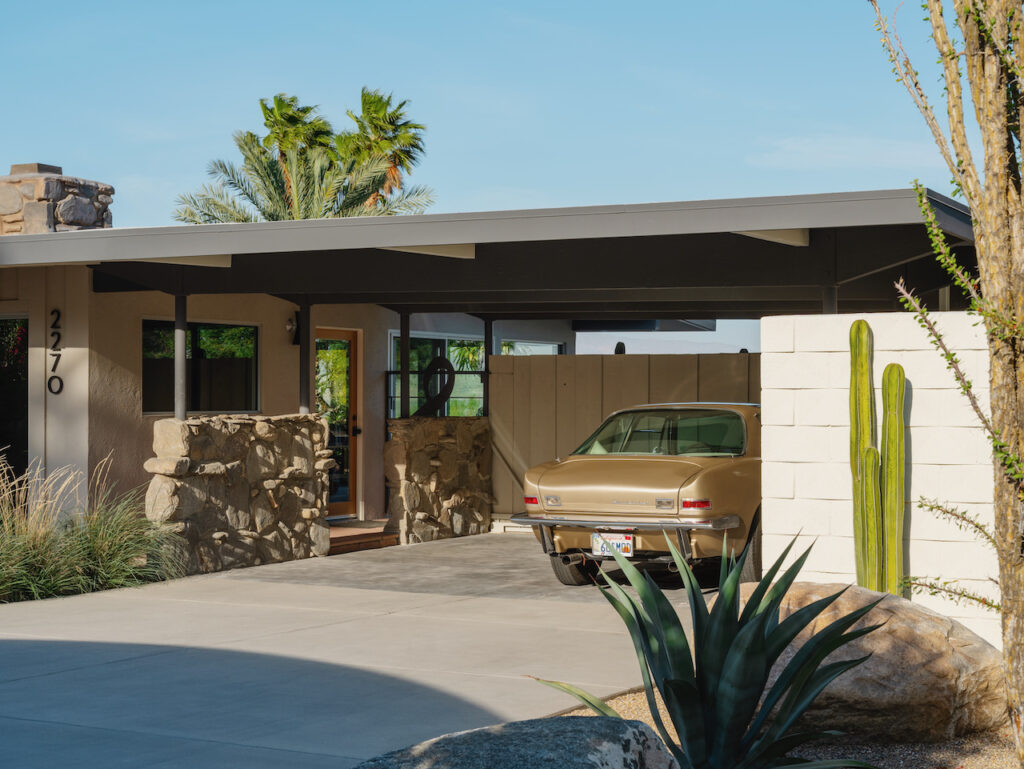
In the desert landscapes surrounding Palm Springs, architecture often begins with a simple gesture: a modest structure placed lightly on the land, open to the horizon and shaped by sun and shadow. The project featured in this interview begins in exactly that spirit.
What is now a refined desert retreat started life as a small homesteader cabin, quietly sitting in the vast landscape until its current owner recognised the potential hidden within its simple form. Working closely with interior designer Staci Munic, the owner set out to transform the weathered structure into a calm and thoughtful desert sanctuary.
For Drew, the owner of the retreat, the discovery felt personal from the start. He had been drawn to the desert for years, visiting the region regularly and developing a deep appreciation for its quiet beauty. When he came across the cabin, it was far from glamorous. The structure was basic and largely forgotten. Yet its setting and proportions suggested something enduring.
“I had been attracted to Joshua Tree for many years,” he explains in the interview. “I camped there often, and the desert always felt like a place where I could slow down and think.” The idea of transforming the abandoned building into a creative refuge gradually began to take shape.
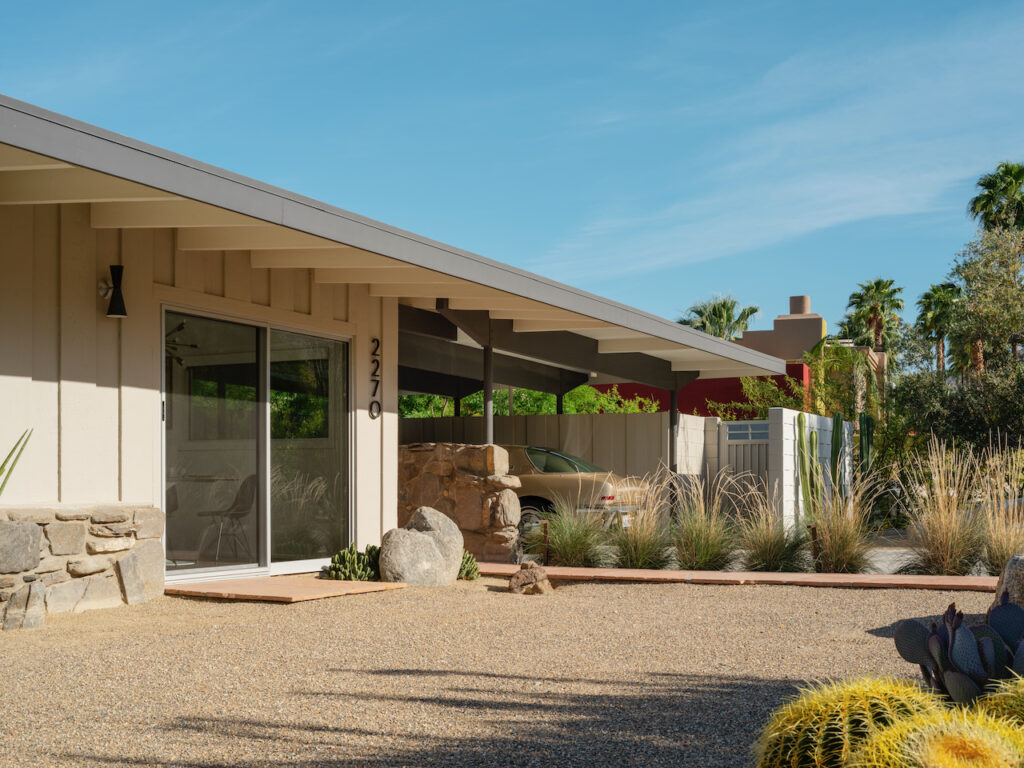
The renovation was never intended to become a grand architectural statement. Instead, the aim was to respect the modest scale of the original structure while refining it with a careful modern sensibility. Together with Munic, the project followed principles closely aligned with desert modernism: clarity of form, restraint in materials, and a strong connection between the house and its surroundings.
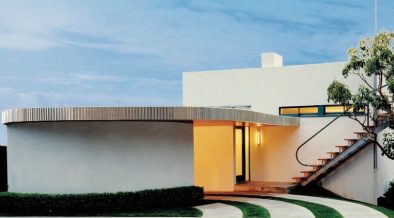
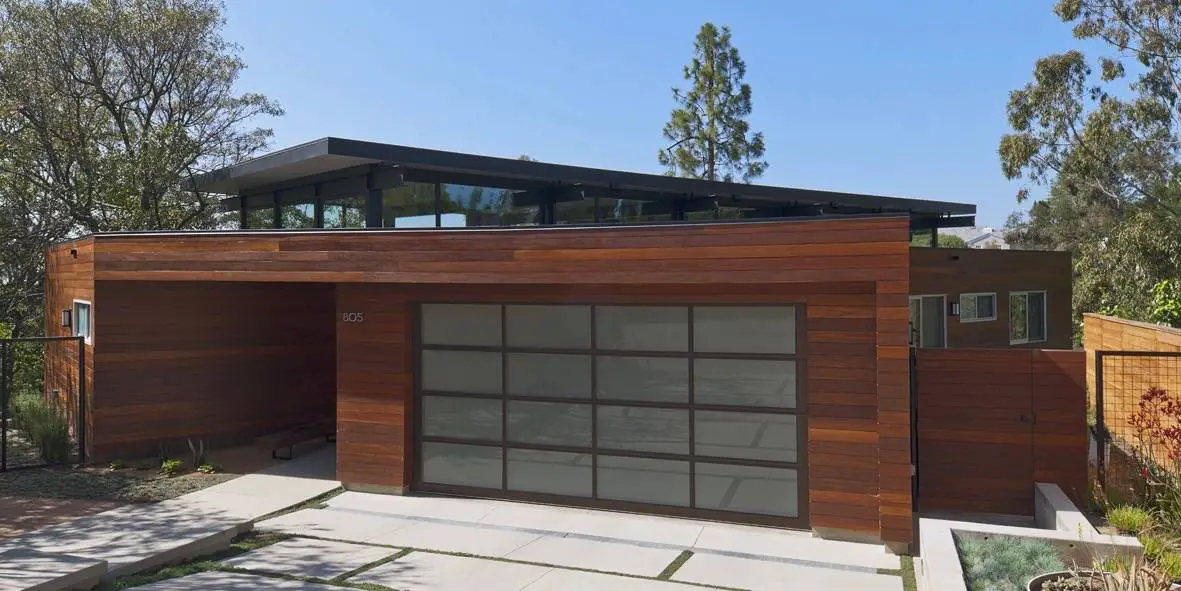
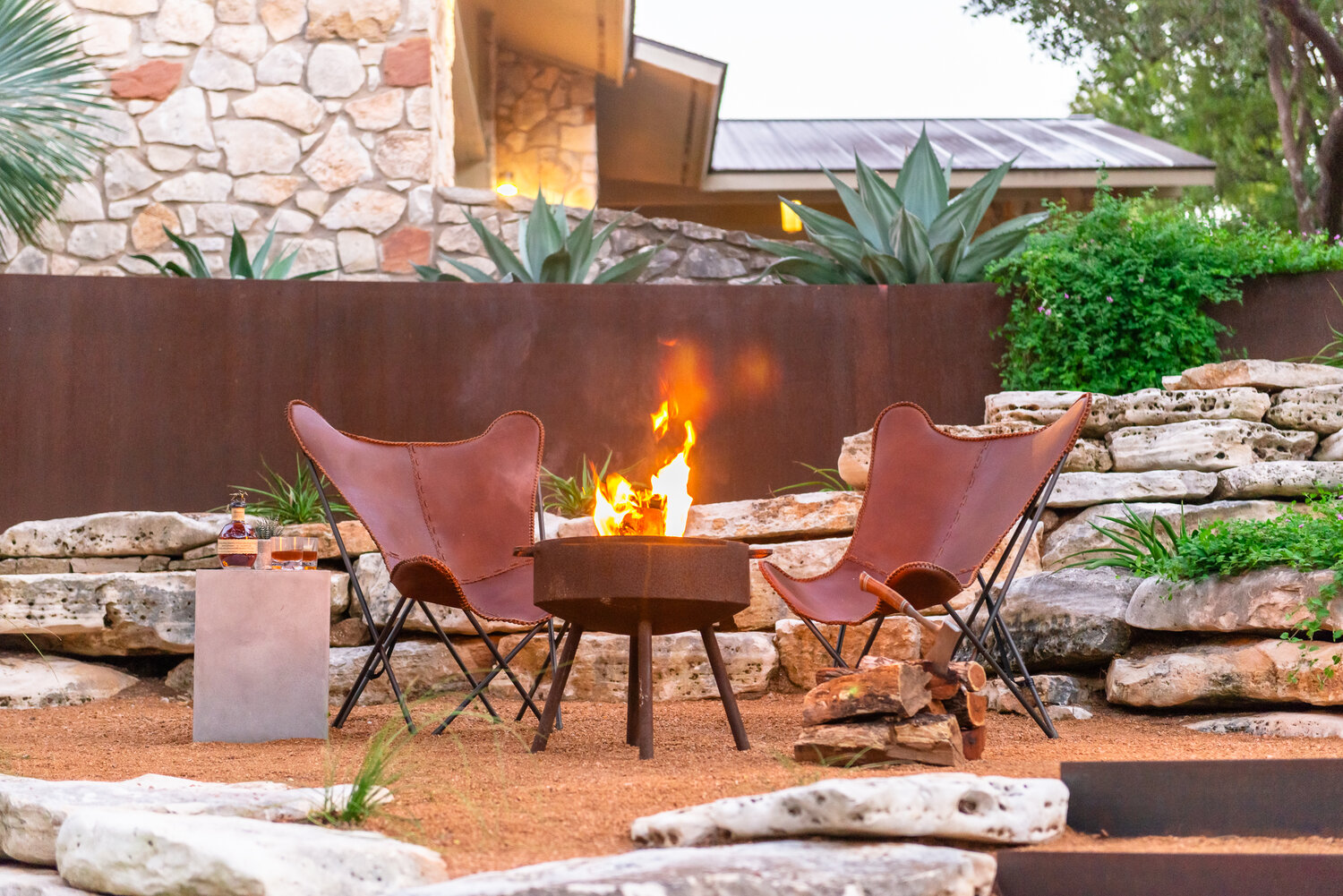
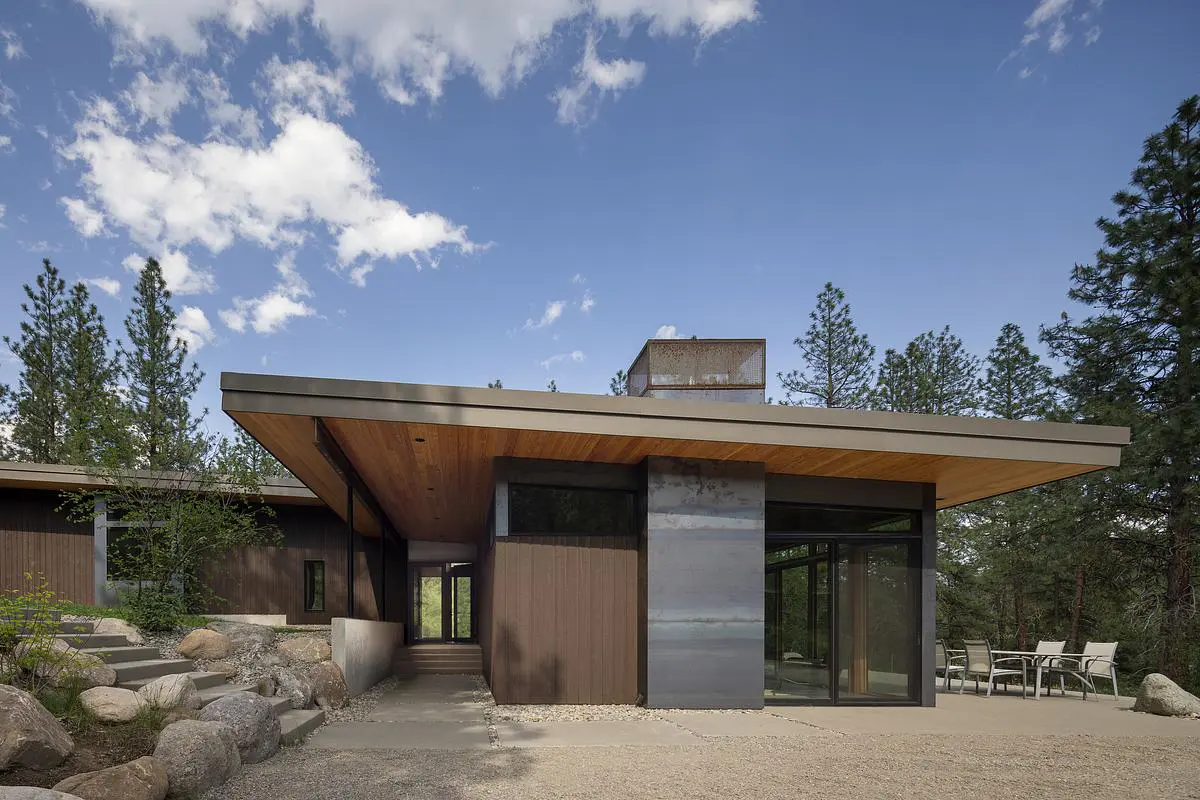
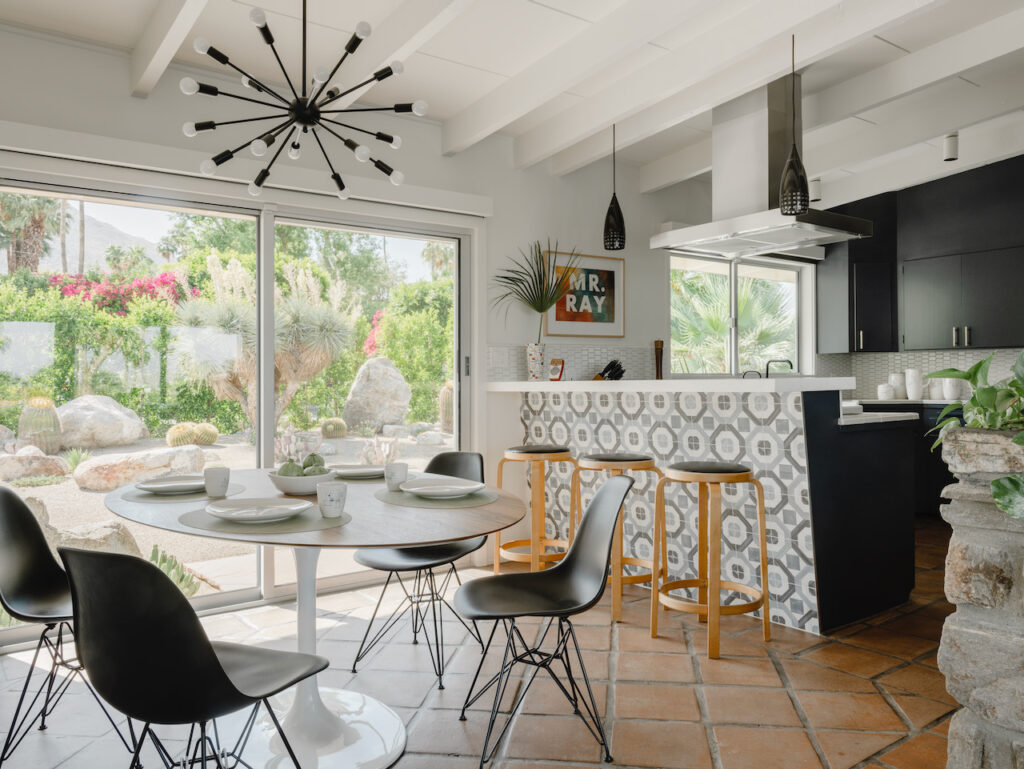
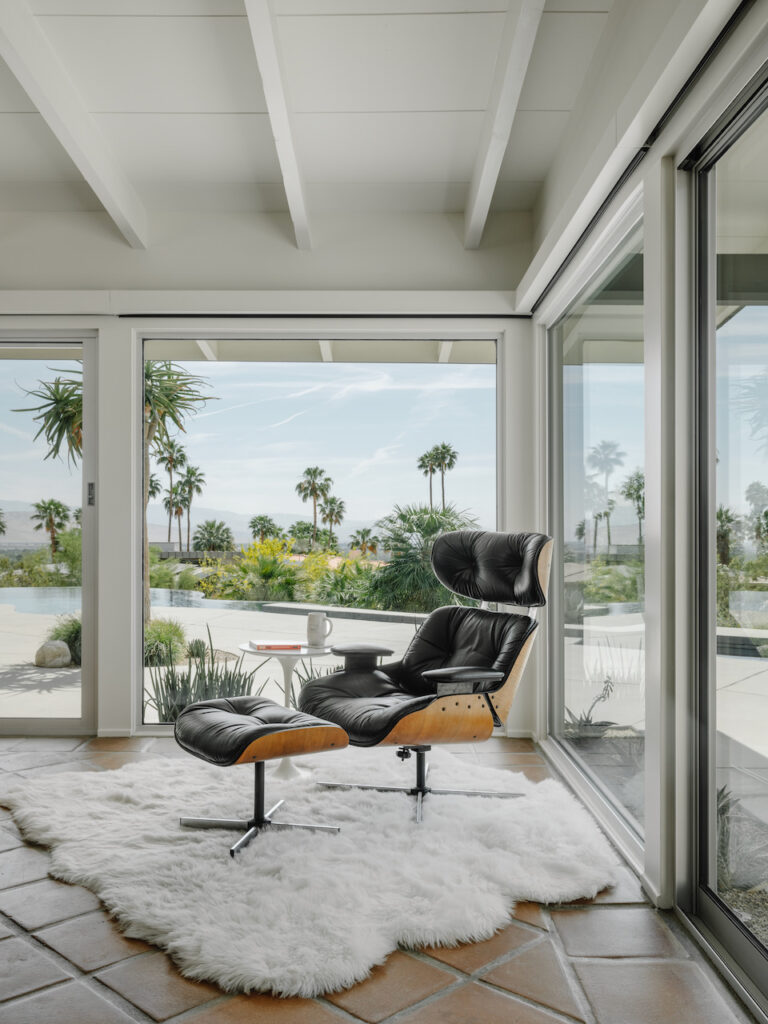
The location itself defines much of the experience. Set along a quiet dirt road, the retreat sits among desert vegetation, scattered rock formations, and wide open skies. Windows capture the changing light of the desert throughout the day, turning the shifting colours of the landscape into part of the interior atmosphere.
Drew approached the renovation almost as a process of discovery. Rather than replacing the original building with something entirely new, he focused on revealing the qualities that were already present. “I wanted the place to feel authentic,” he says. “The idea wasn’t to build something flashy. It was to create a simple space that belonged to the desert.”
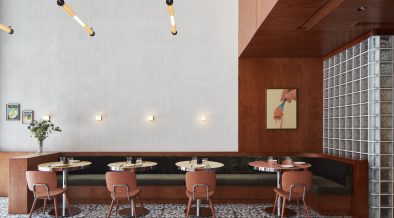
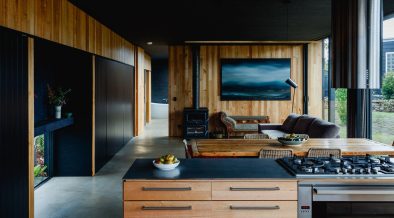
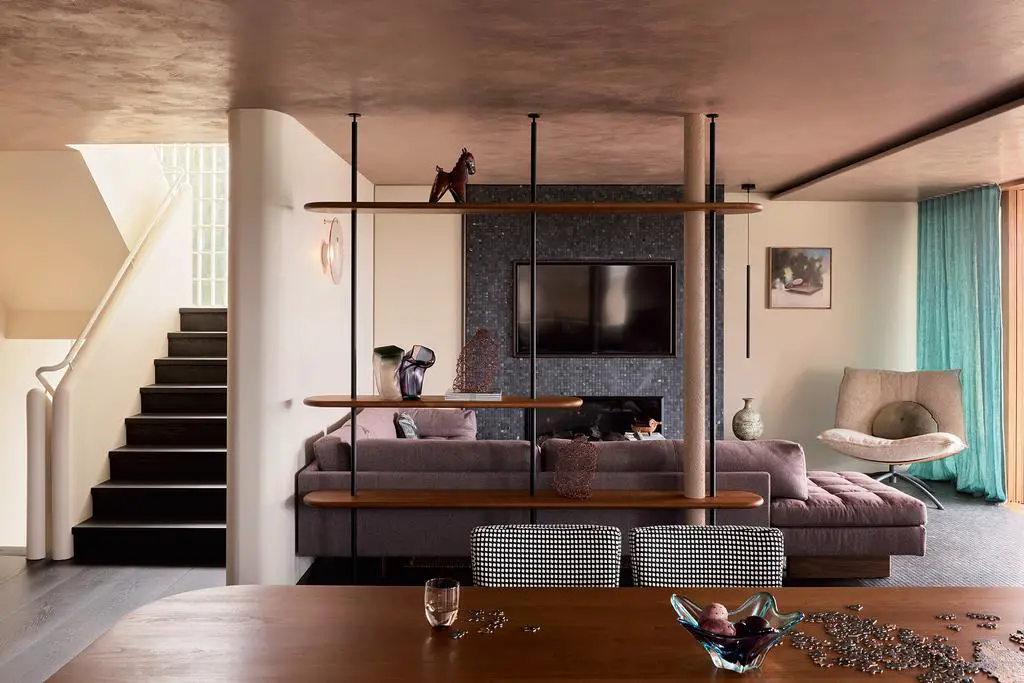
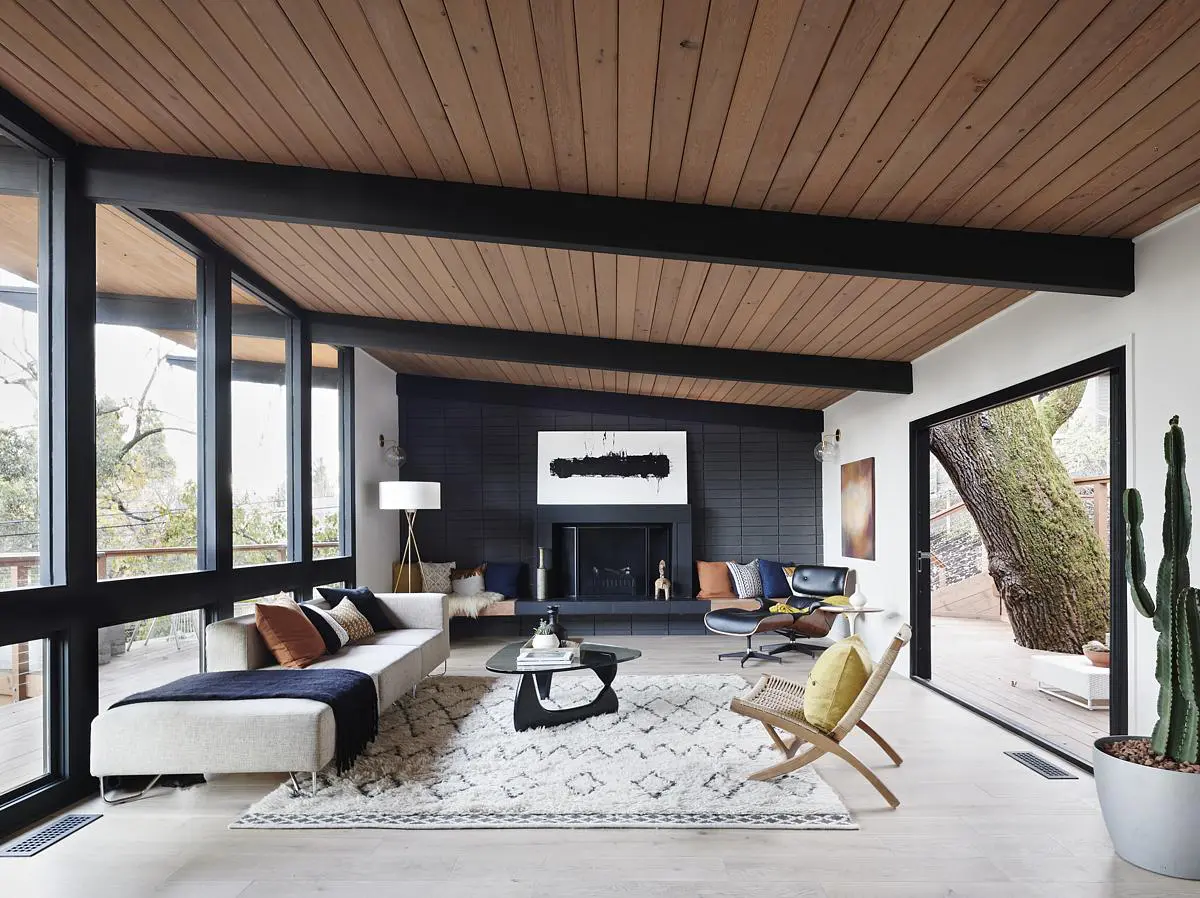
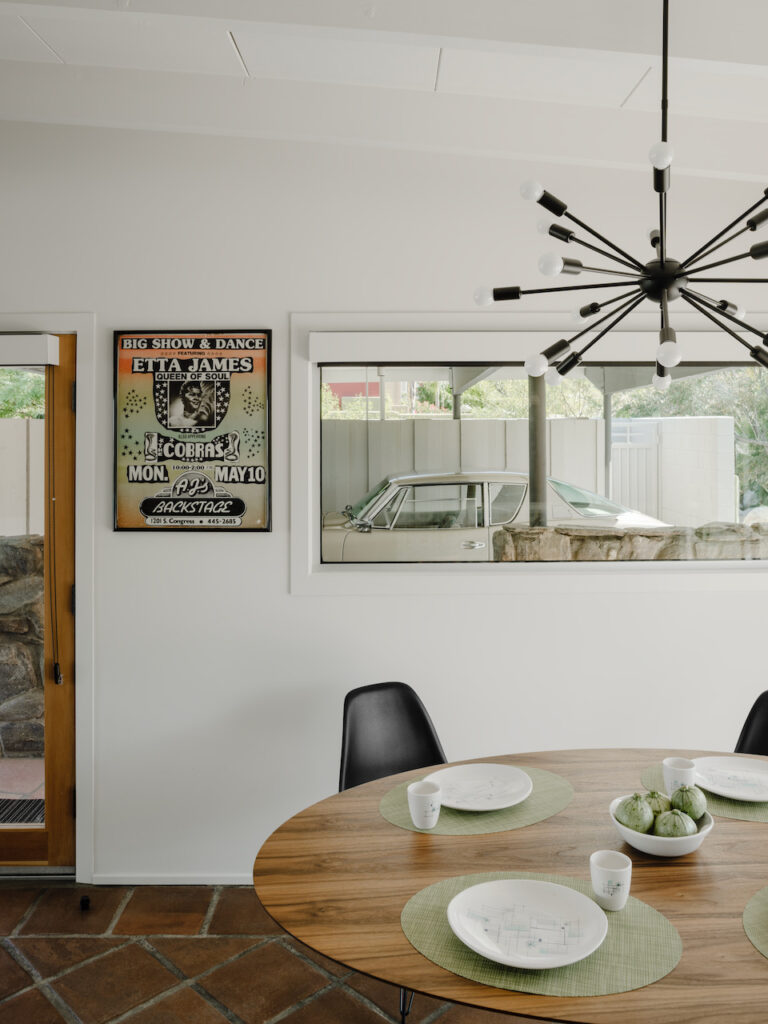
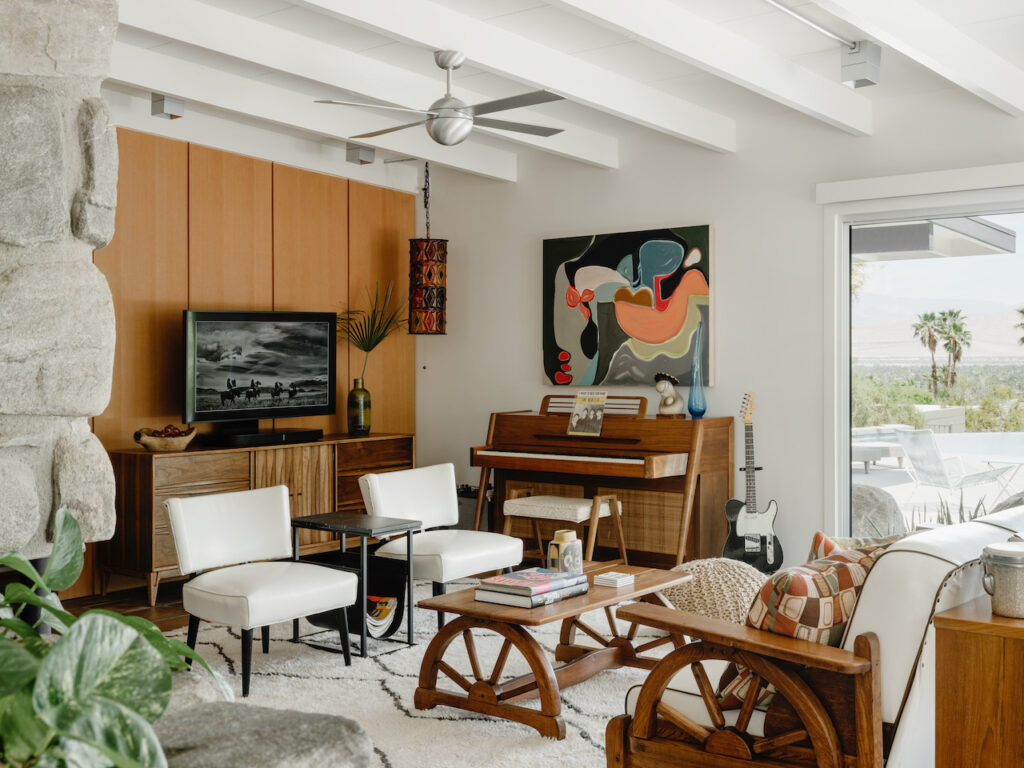
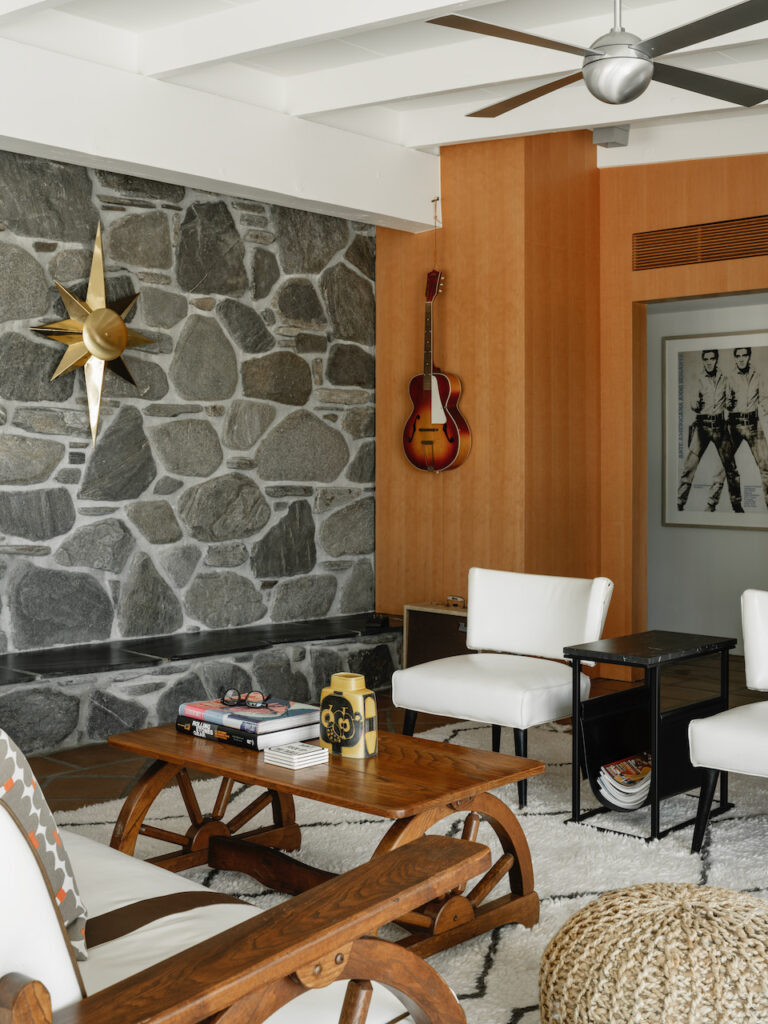
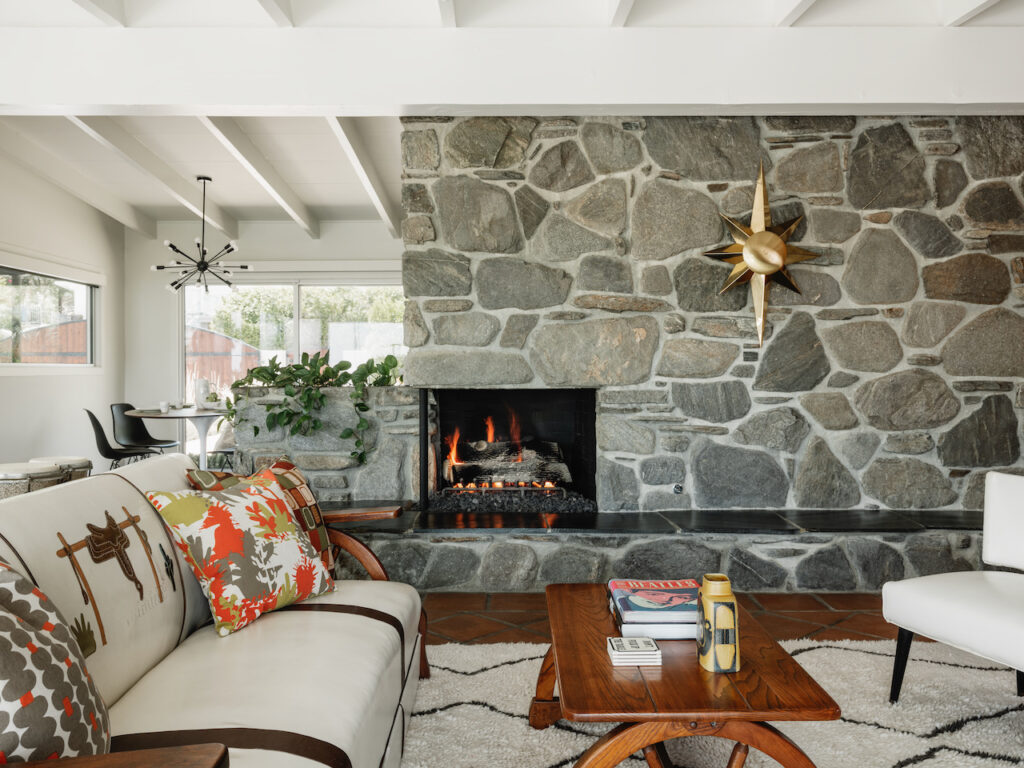
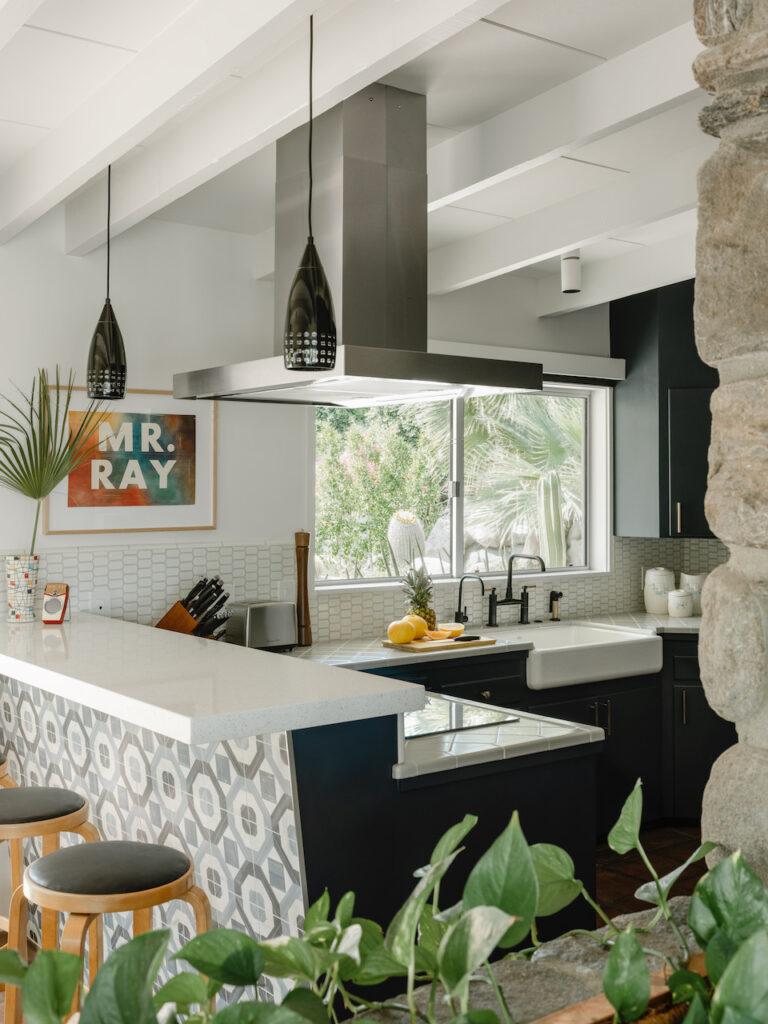
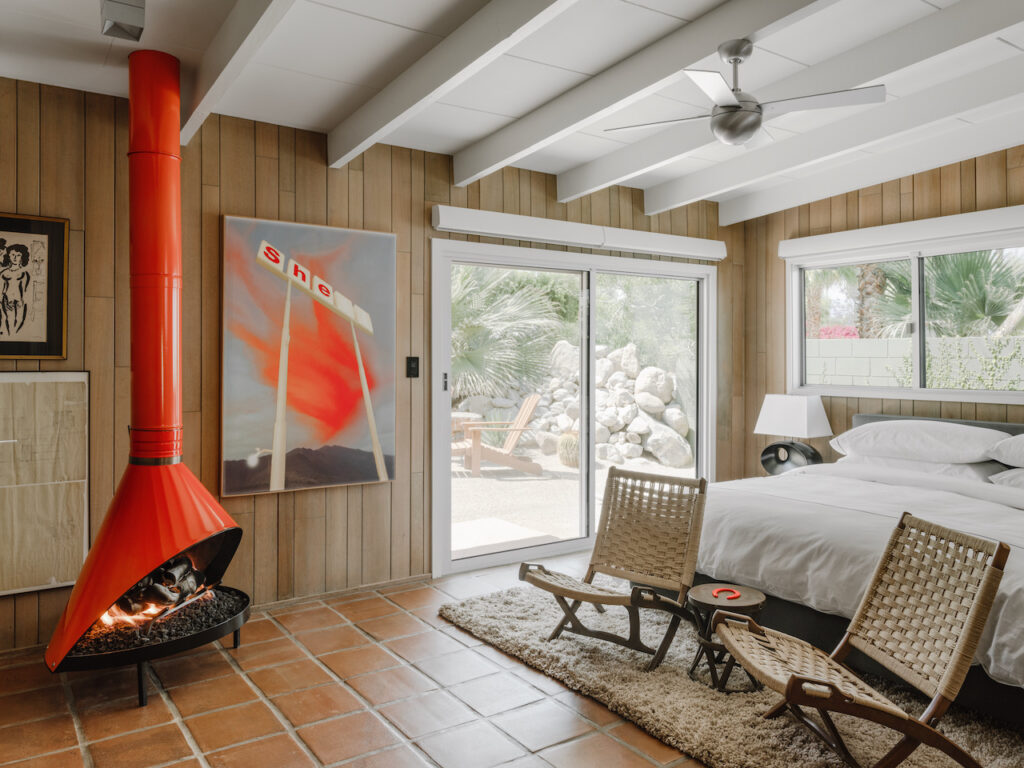
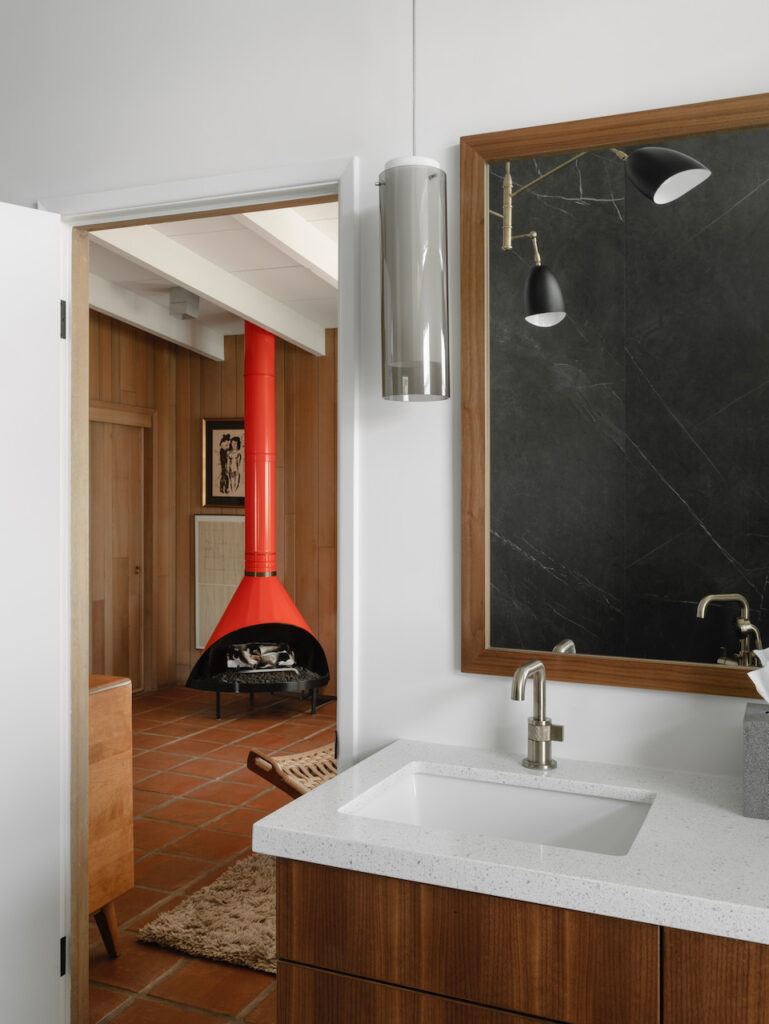
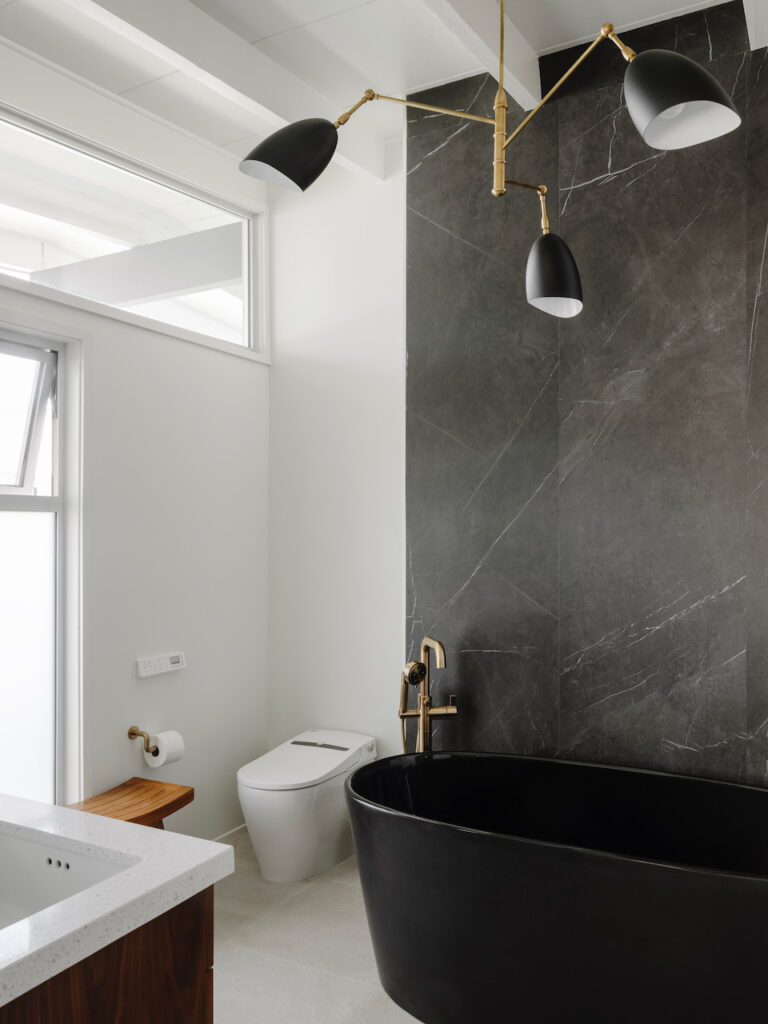
Inside, Munic’s interior design reinforces that intention. Natural materials, soft textures, and carefully selected furniture create an atmosphere that feels relaxed and grounded. The palette remains restrained, allowing light, views, and the surrounding landscape to become the dominant visual elements.
The name given to the property reflects both humour and affection. Drew calls the retreat “Shangri-La,” a playful reference to the transformation the cabin underwent. When he first encountered the structure, it was far from the peaceful paradise suggested by the name. Through patience and careful design, however, the small building gradually evolved into exactly that kind of sanctuary.
Projects like this reveal a quieter side of mid-century inspired architecture. While many famous desert houses are large and iconic, the spirit of desert modernism can thrive in smaller buildings as well. A modest cabin, thoughtfully restored, can capture the same sense of openness, clarity, and connection to nature.
Today, the retreat sits comfortably within the desert landscape, offering a place where architecture and environment exist in balance. It is defined not by scale or spectacle, but by its ability to create calm. In that sense, the project captures the enduring appeal of desert modernism: simple structures shaped by light, landscape, and the quiet beauty of the desert.
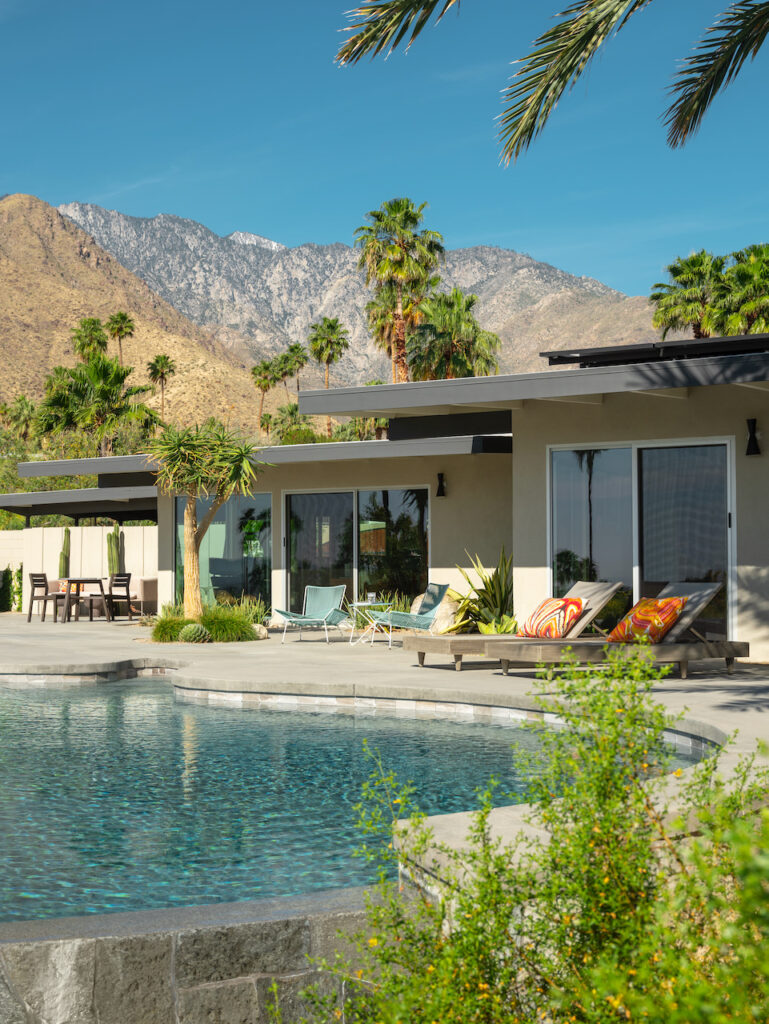
Photos by Lance Gerber
Architecture by Mark Daniels and General Contracting by PSI