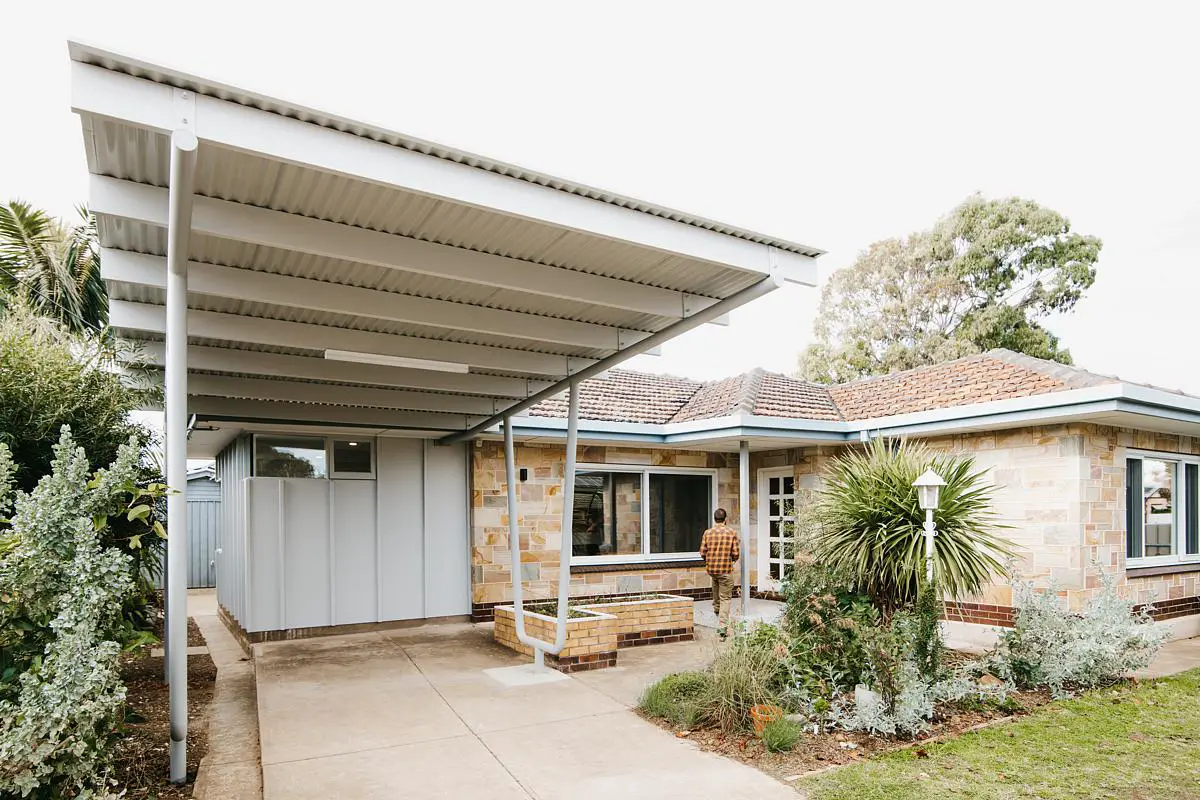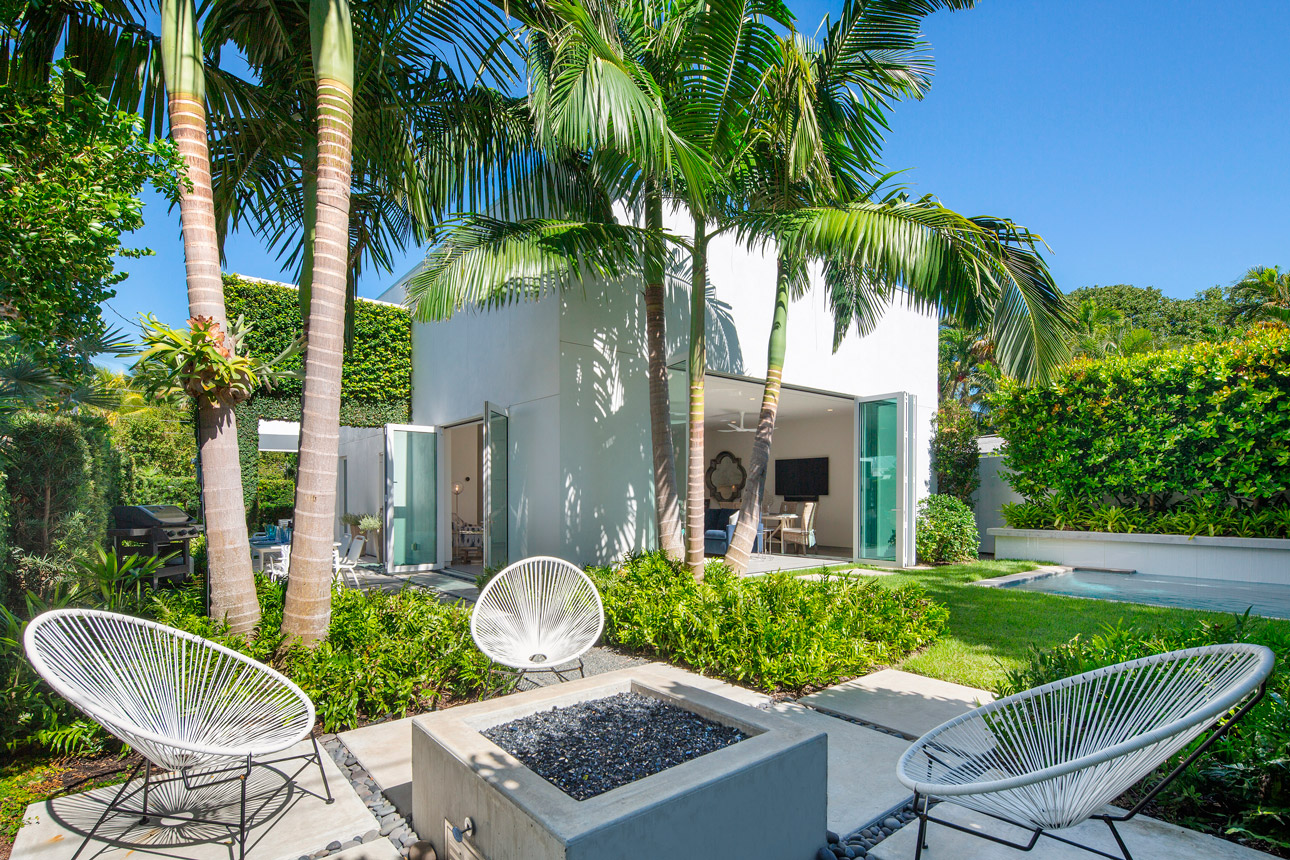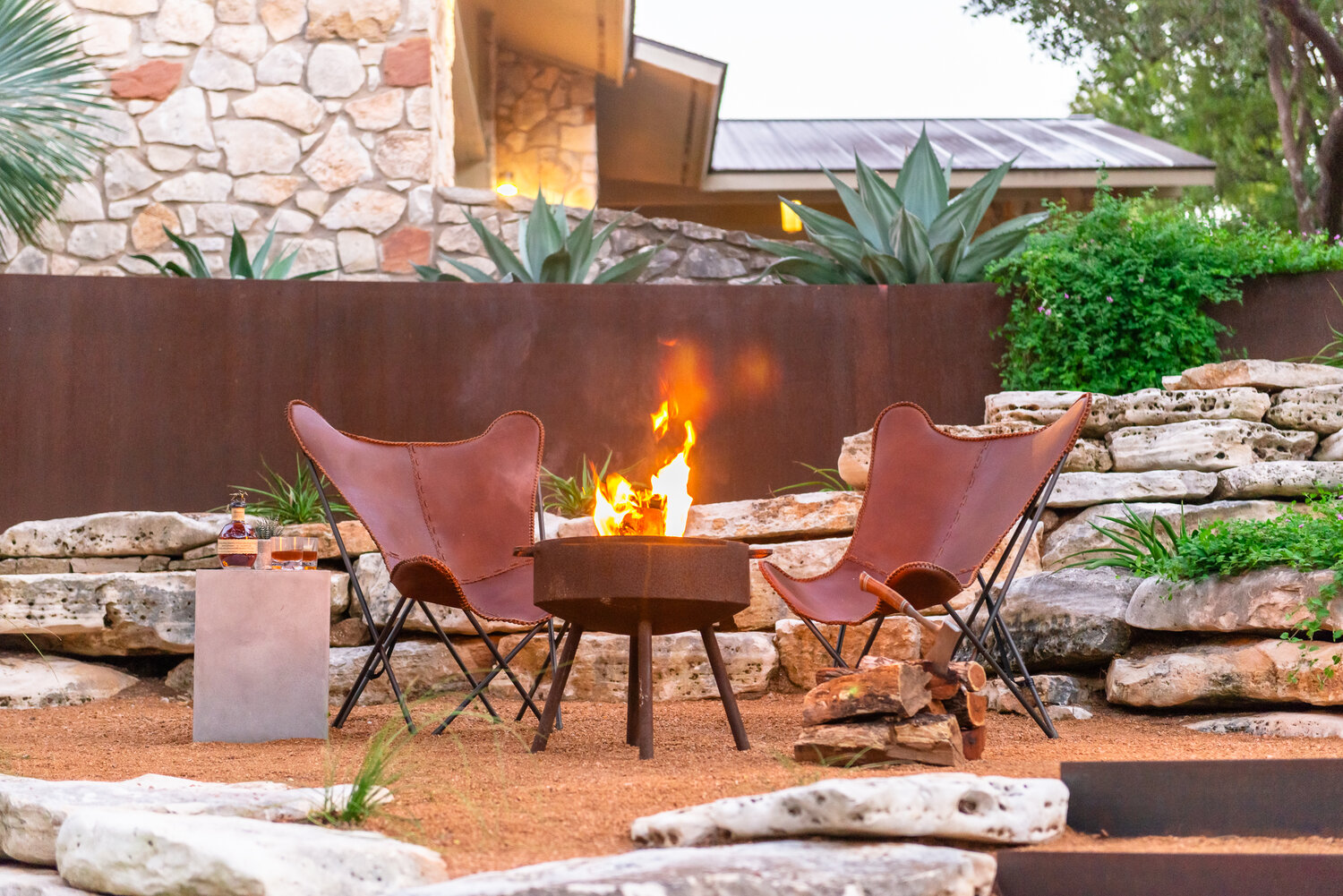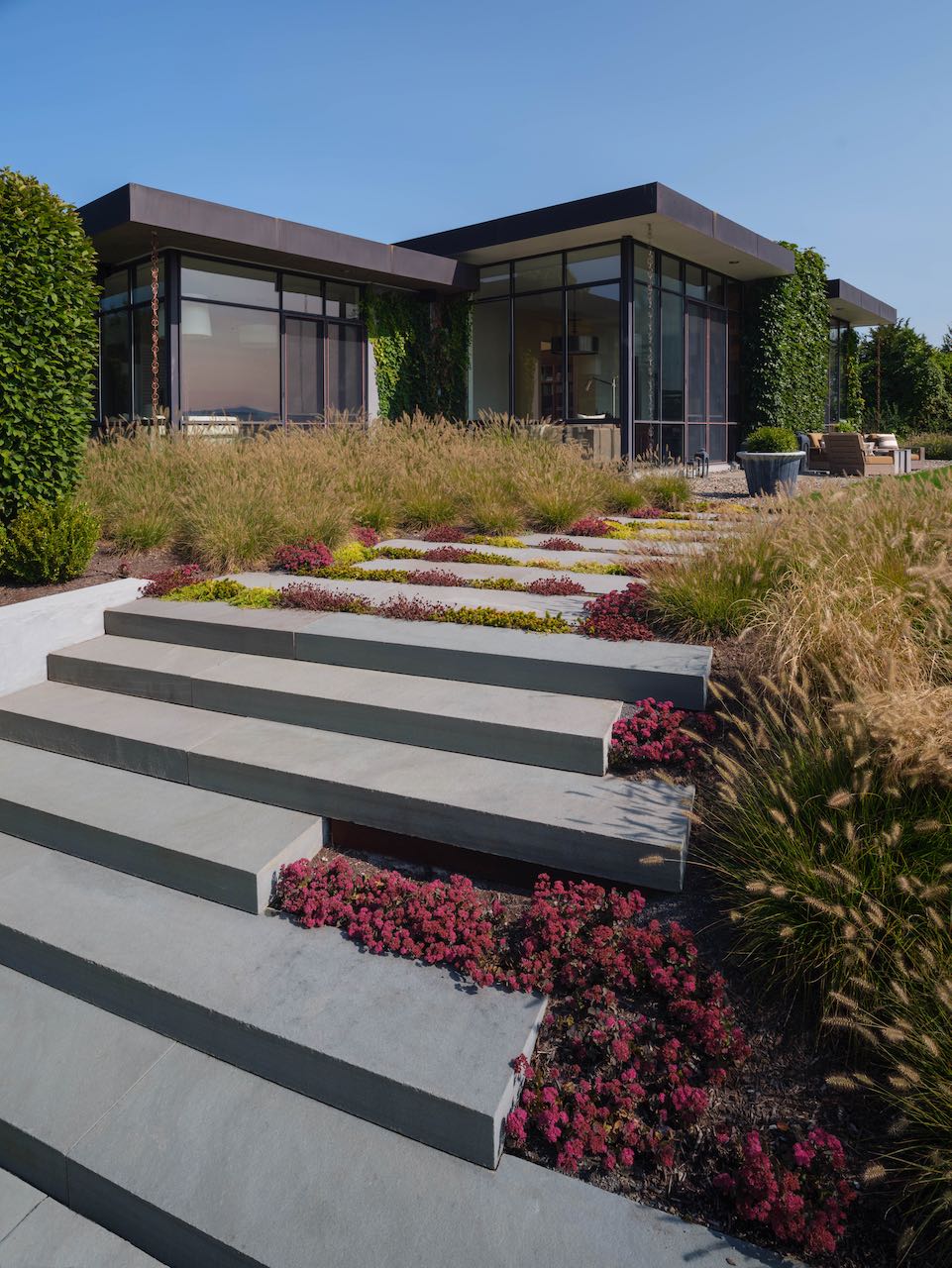

Fog is part of the Bay Area’s built identity. It lowers contrast and makes the details show up: wood grain, thin rooflines, glass set into deep eaves. Mid-century modernism here is about fitting a house or a public building into climate and topography, with a preference for restraint.
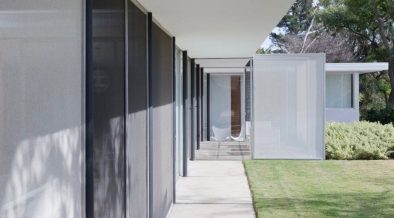
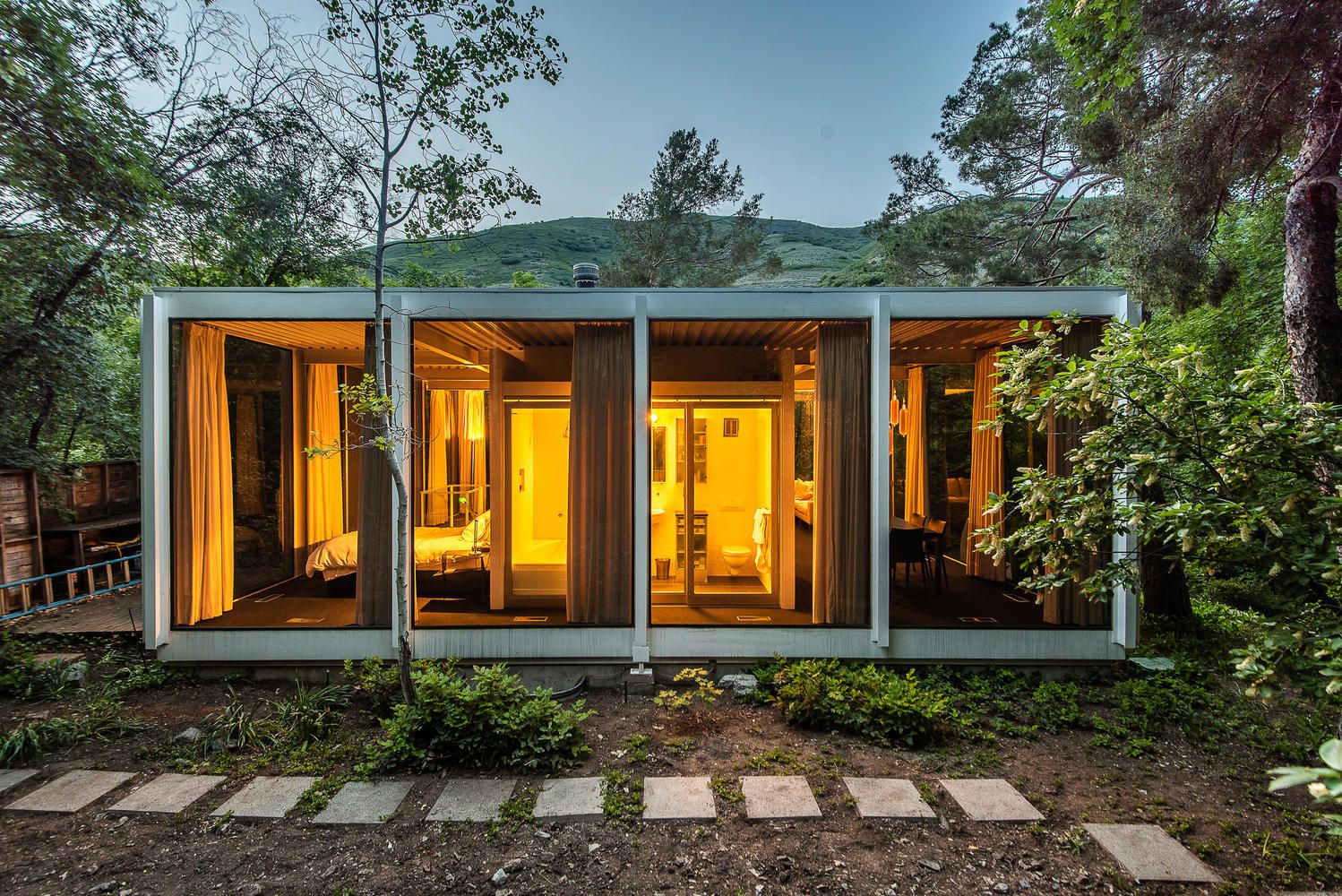
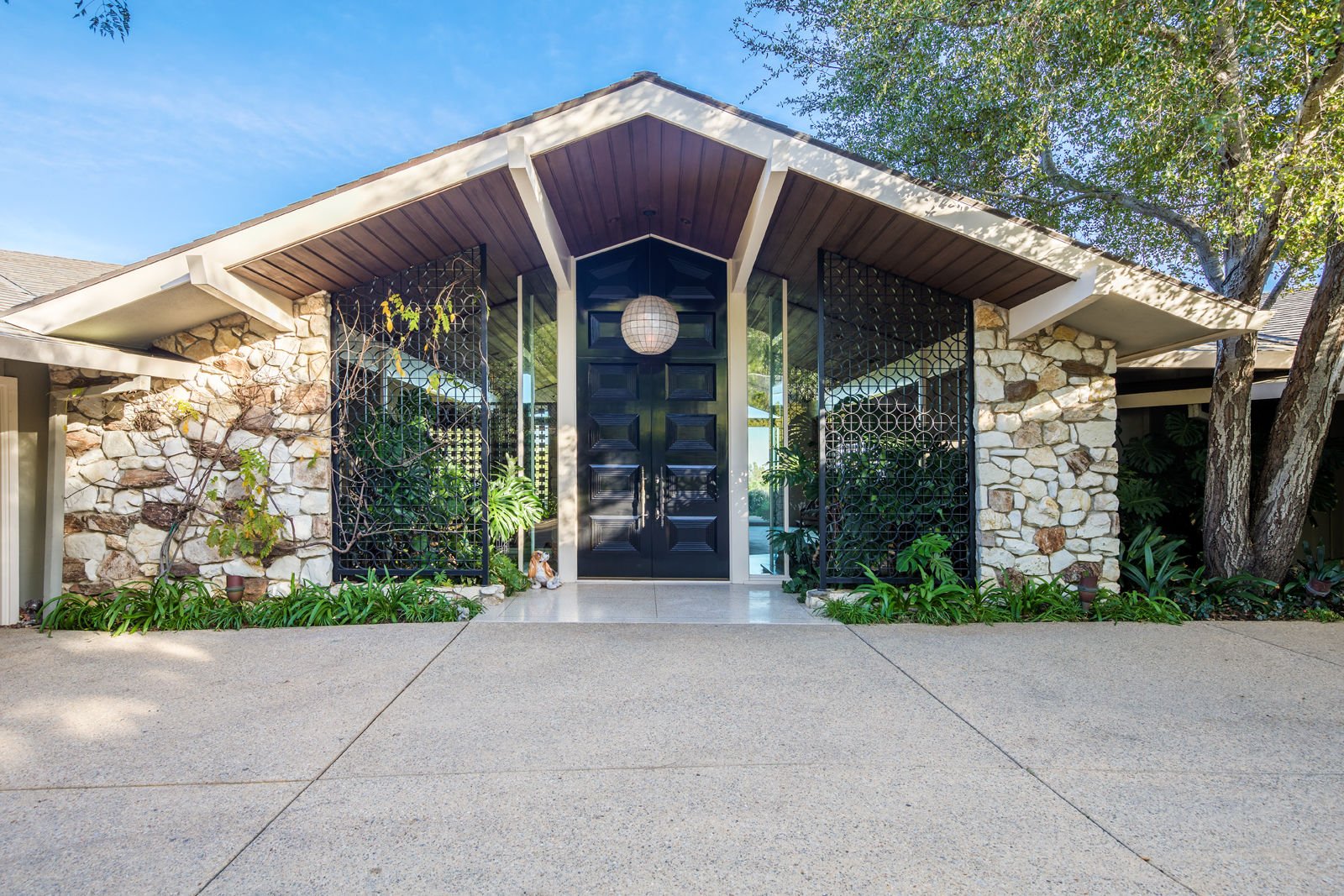
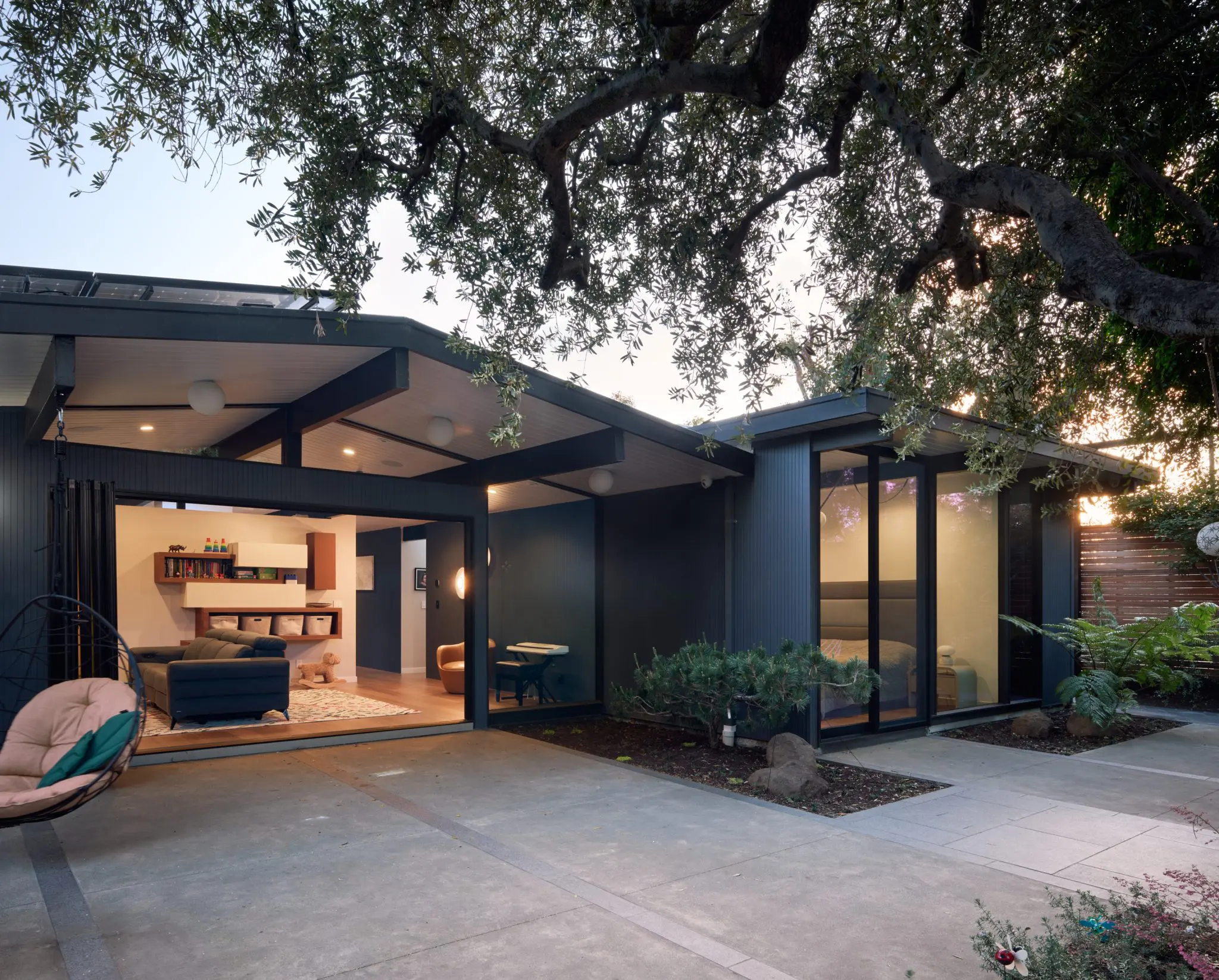
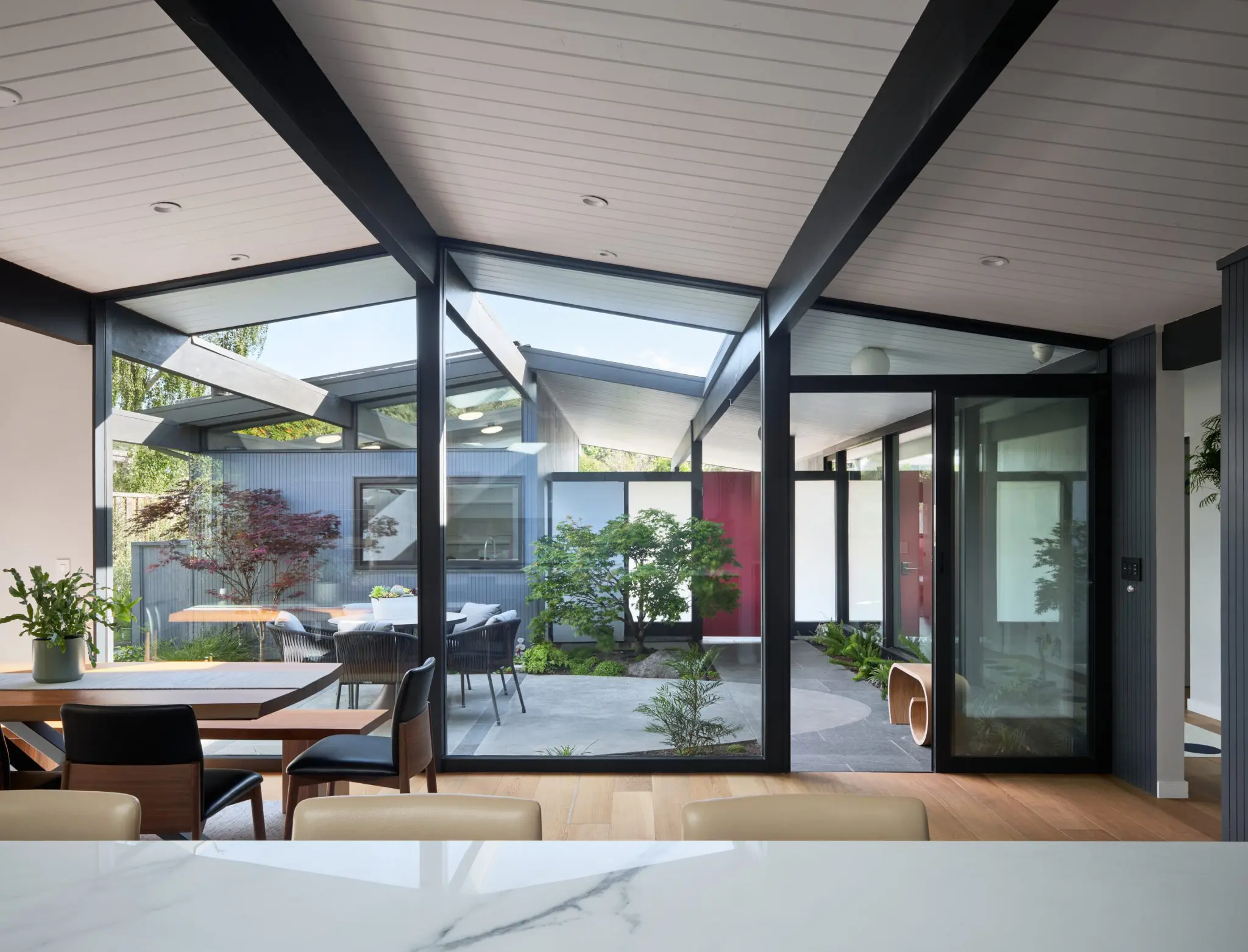
That approach is easiest to see in residential architecture. Across the Peninsula and South Bay, Joseph Eichler’s subdivisions translated modern design into everyday housing. The formula was consistent: post-and-beam structure, flat or low-slope roofs, large glazing, radiant-heated slabs, and a courtyard that made outdoor space part of the floor plan.
The houses feel open without feeling exposed because the courtyard acts as a buffer. Eichler also tied these projects to a social idea, pushing back against discriminatory sales practices by promoting open occupancy for qualified buyers. In this region, modernism was not only an aesthetic. It was a claim about how people could live, with light and privacy treated as basic conditions.
San Francisco itself forces different solutions. Steep lots and seismic reality shape the way modern houses sit on the land. Many hillside homes are organized as split levels that step down the slope, keeping structure lighter and more adaptable. Wood framing is not just a material preference, but also a practical response to earthquakes.

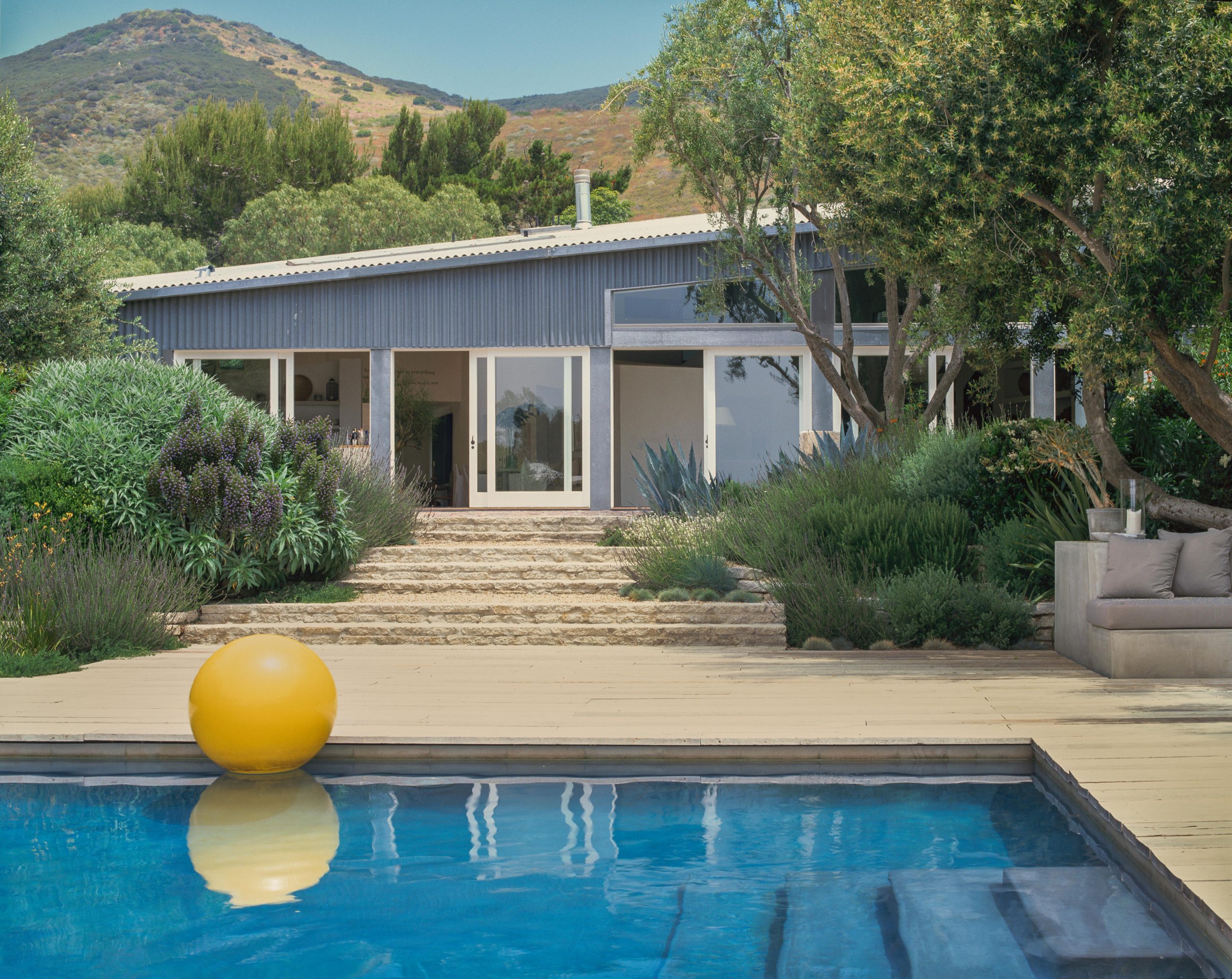
The architecture often reads as a set of measured decisions: where to cut into the hill, where to float above it, and where to place glass so the view is controlled rather than panoramic. The “West Coast style” idea, indoor-outdoor living, shows up in smaller moves: sliding doors, protected decks, and rooms that open to air without pretending the weather is always mild.
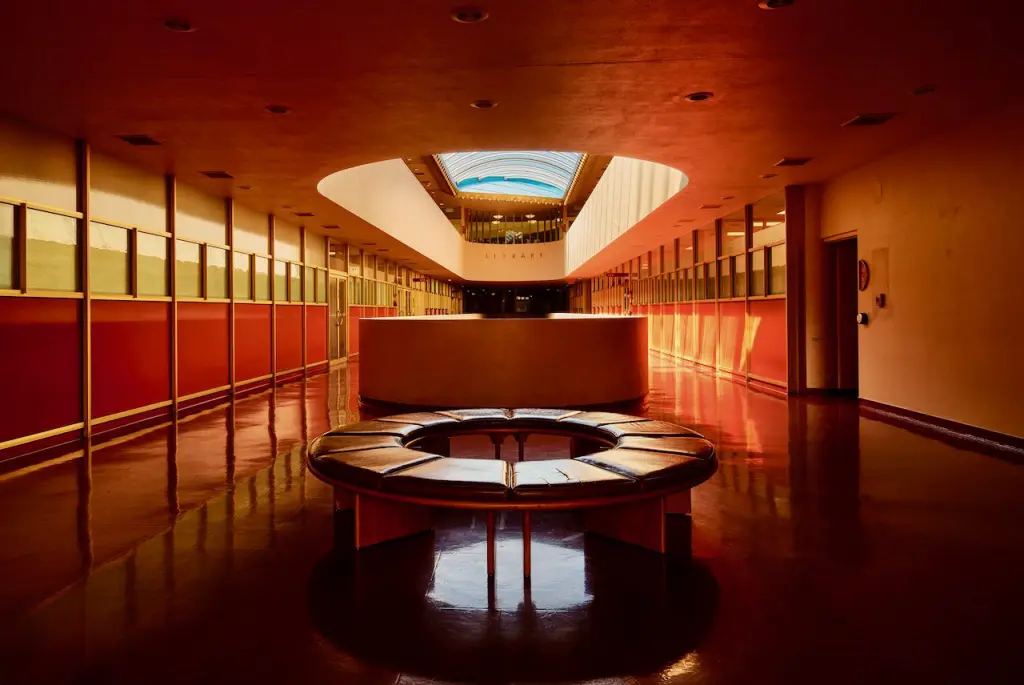
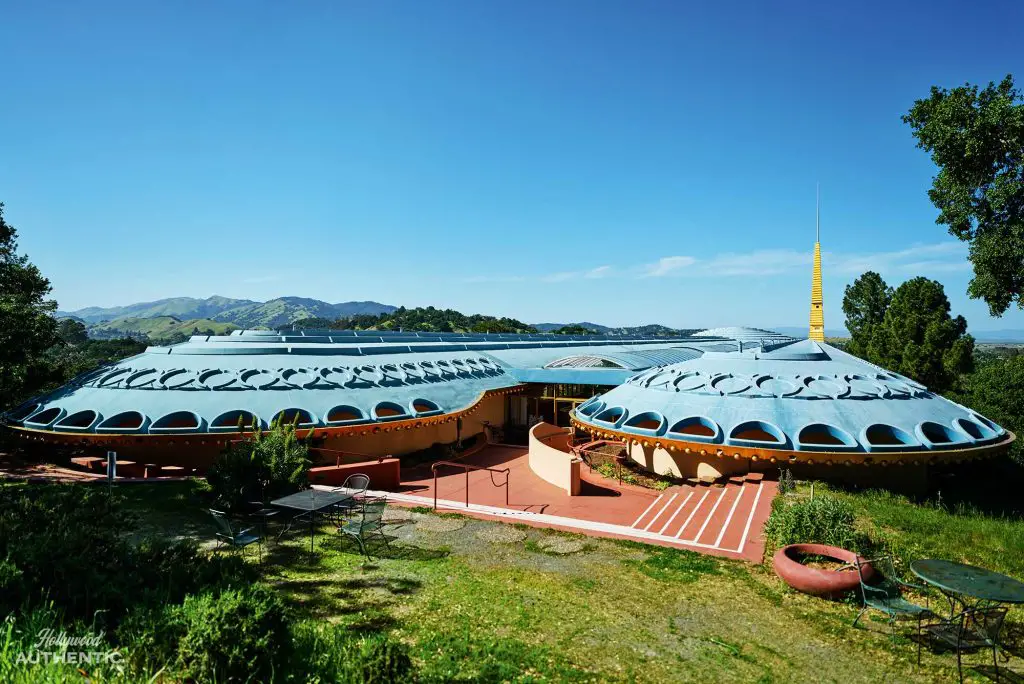
For a public building that captures this regional logic at a larger scale, the Marin County Civic Center is a useful stop. Designed by Frank Lloyd Wright and begun near the end of his life, it was built in the early 1960s and stretches across a valley in San Rafael. Its long horizontal wings, repeated arches, and domed elements are recognizable, but the main point is how it occupies the landscape.
It sits low and extended, almost like infrastructure, and the circulation feels planned as a sequence of views rather than enclosed corridors. The building reflects a mid-century belief in civic architecture as something people could navigate and understand, not only something they look at from a distance.
To understand the Bay Area’s deeper ambitions, it helps to leave the city and look at planning as much as buildings. Sea Ranch, on the Sonoma Coast, is a concentrated example of landscape-first thinking. A master plan completed in 1963 by landscape architect Lawrence Halprin studied wind, vegetation, and microclimates before fixing the shape of development.
Early architecture, including work associated with the MLTW group, followed with a controlled palette and forms that reduce visual impact. The result is modernism that is disciplined: wood, shadow, and simple volumes used to hold the horizon, not compete with it.
That discipline matters now because the region’s land values and development pressure make preservation difficult. In many high-value areas, the most fragile buildings are the quiet ones: modest houses on good lots, or neighborhoods where the original planning logic is easy to erase with one oversized rebuild. The Bay Area’s mid-century legacy is strongest where restraint has been treated as an asset. Wood and glass, careful relationships to site, and plans built around courtyards and slopes still describe a local model of modern living.