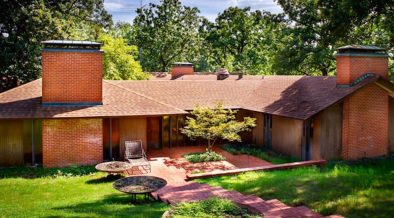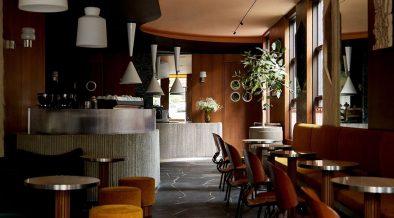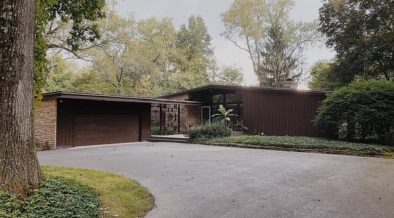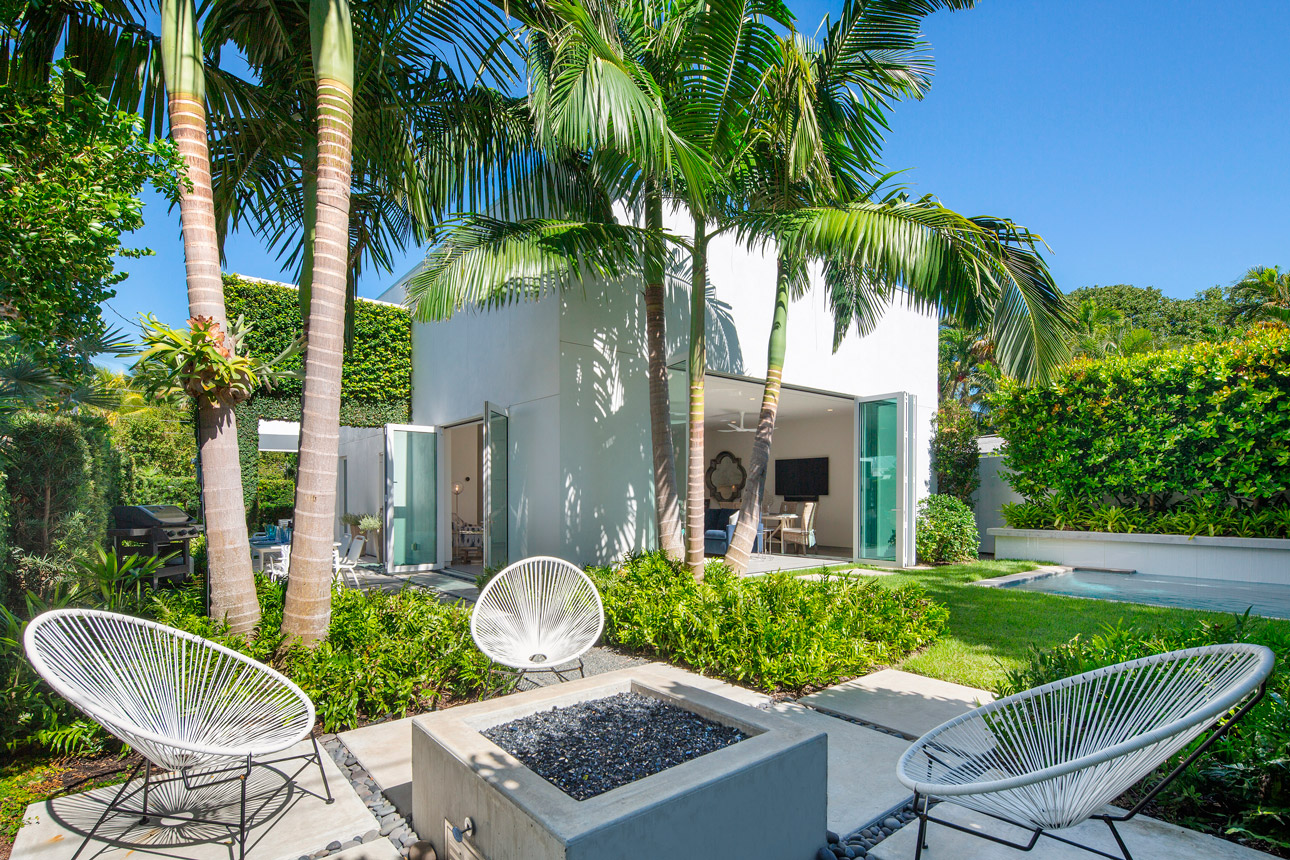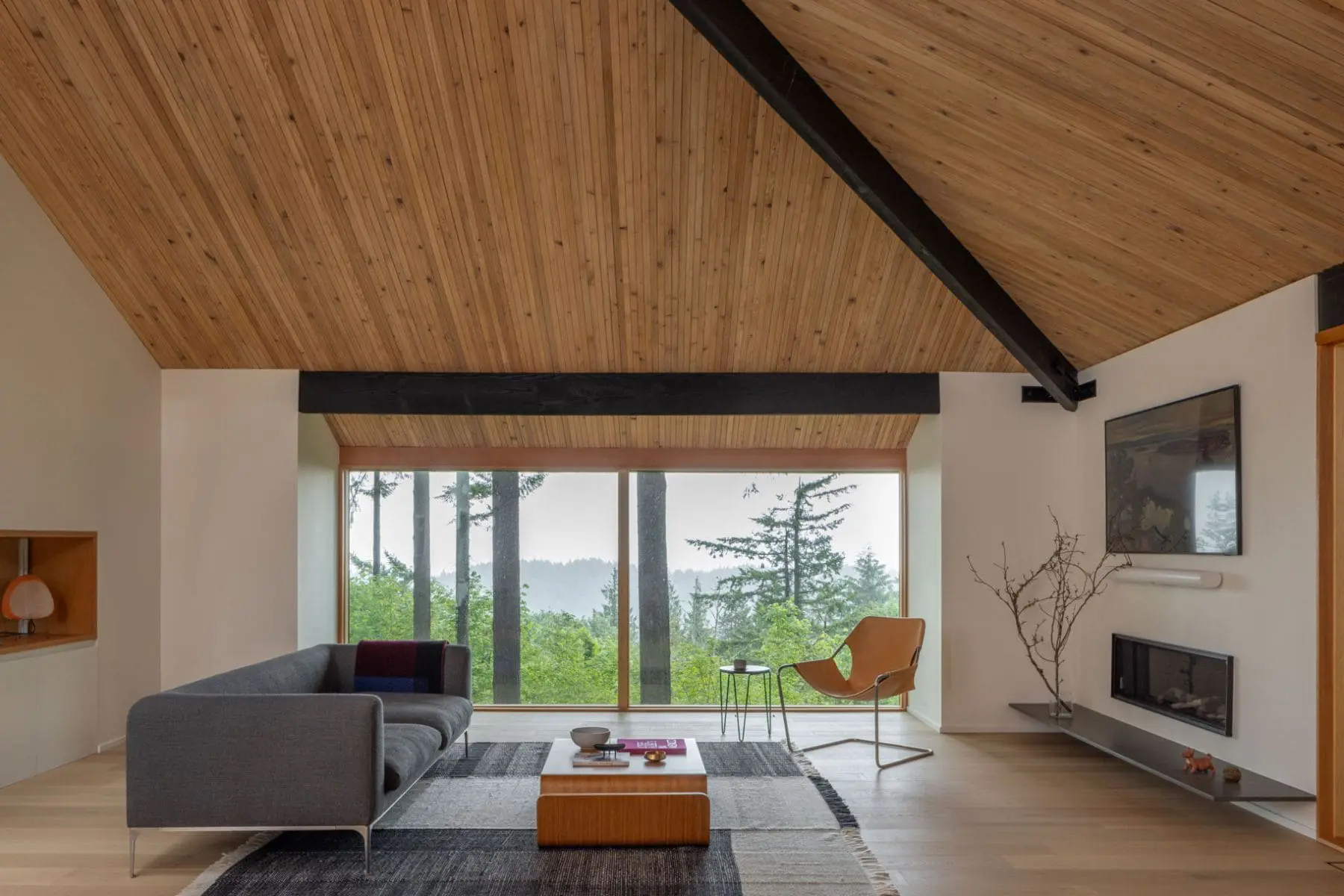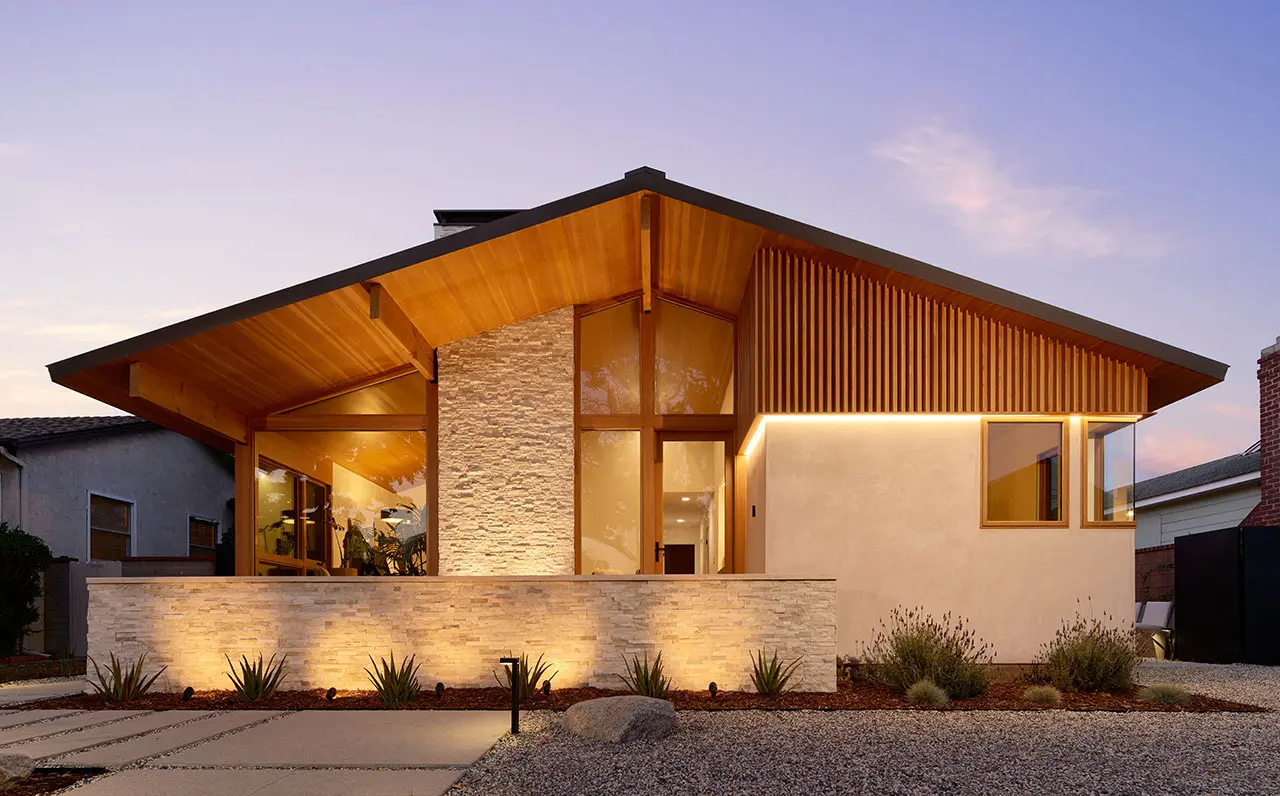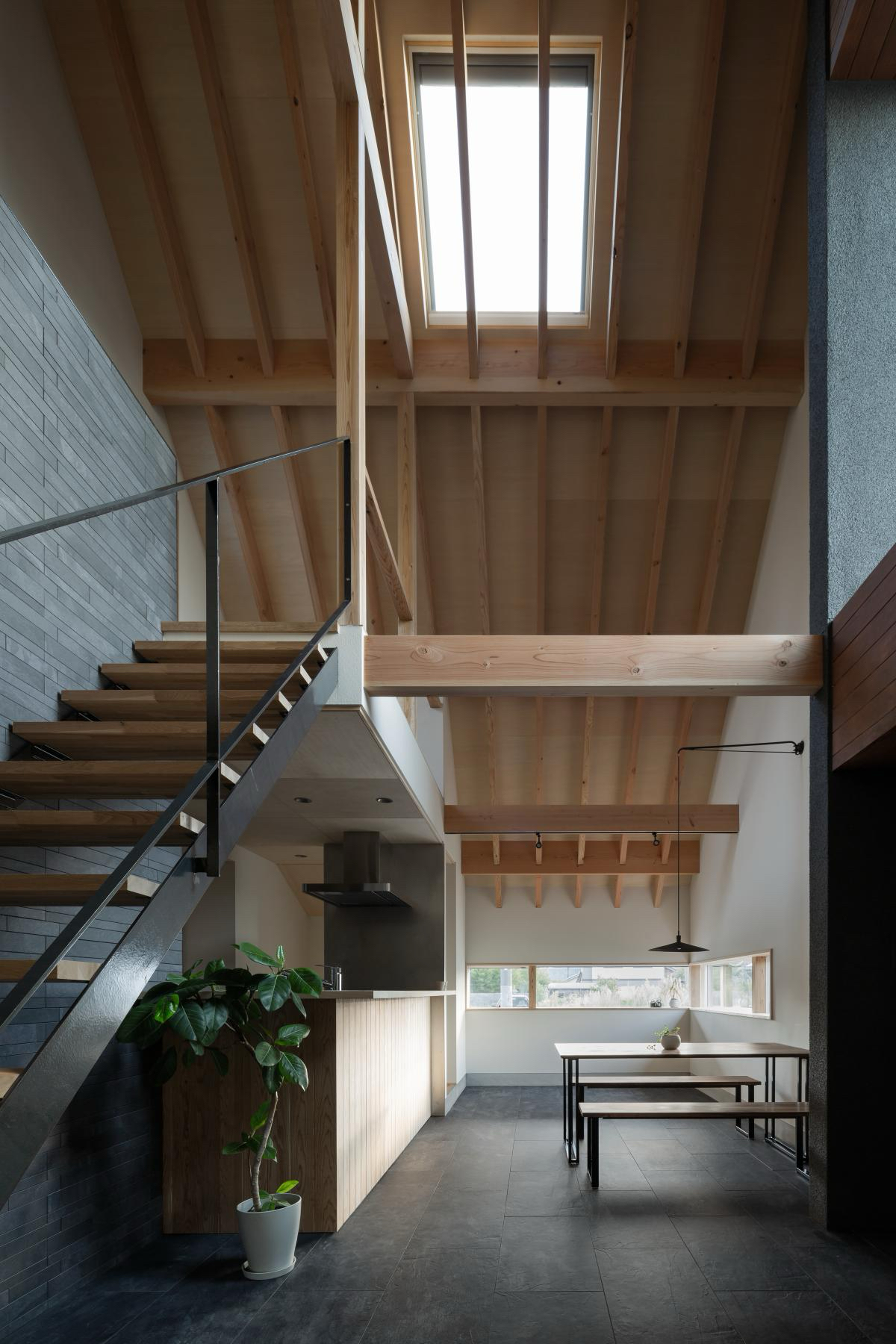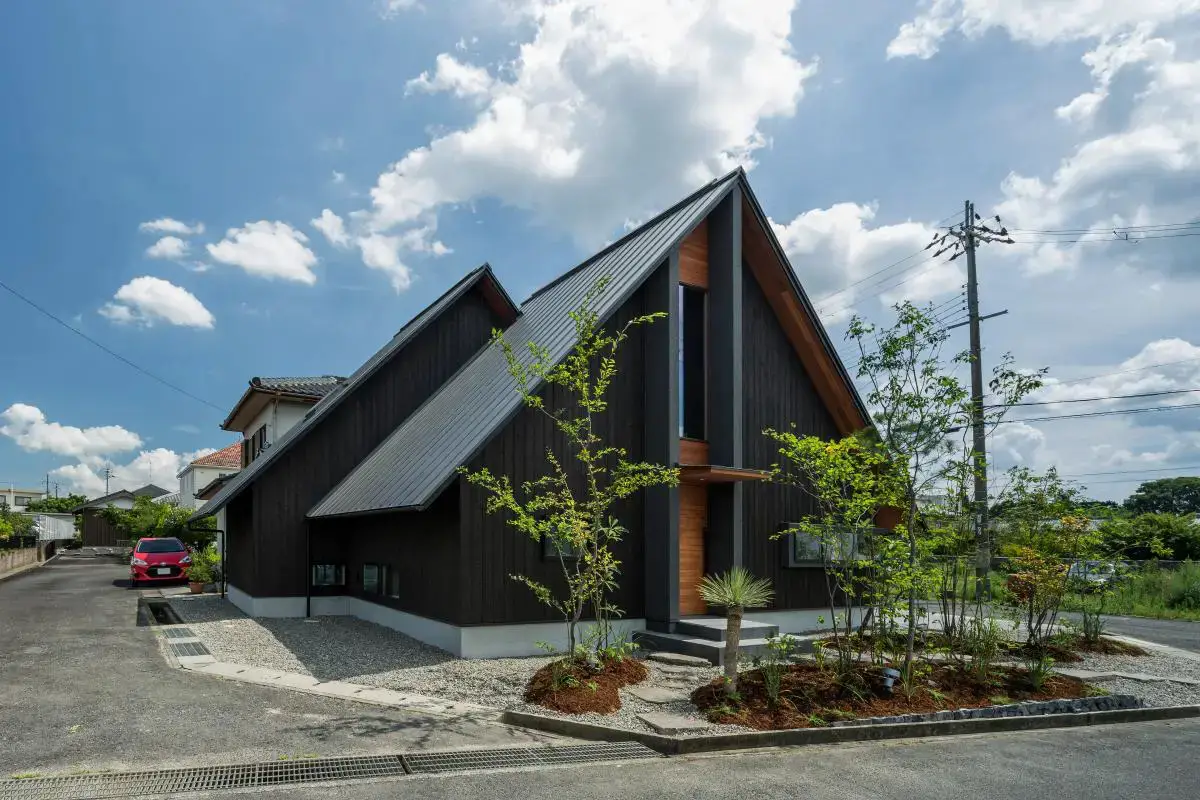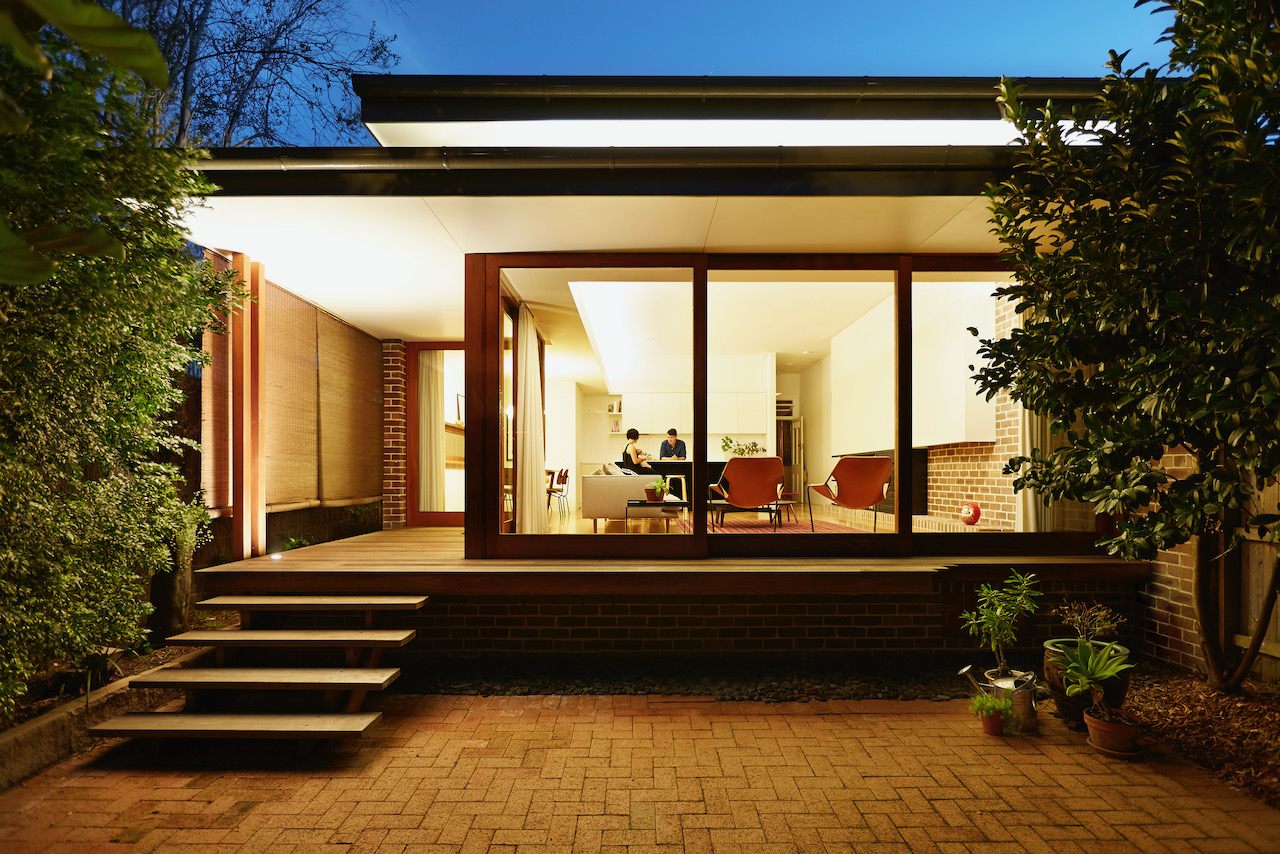
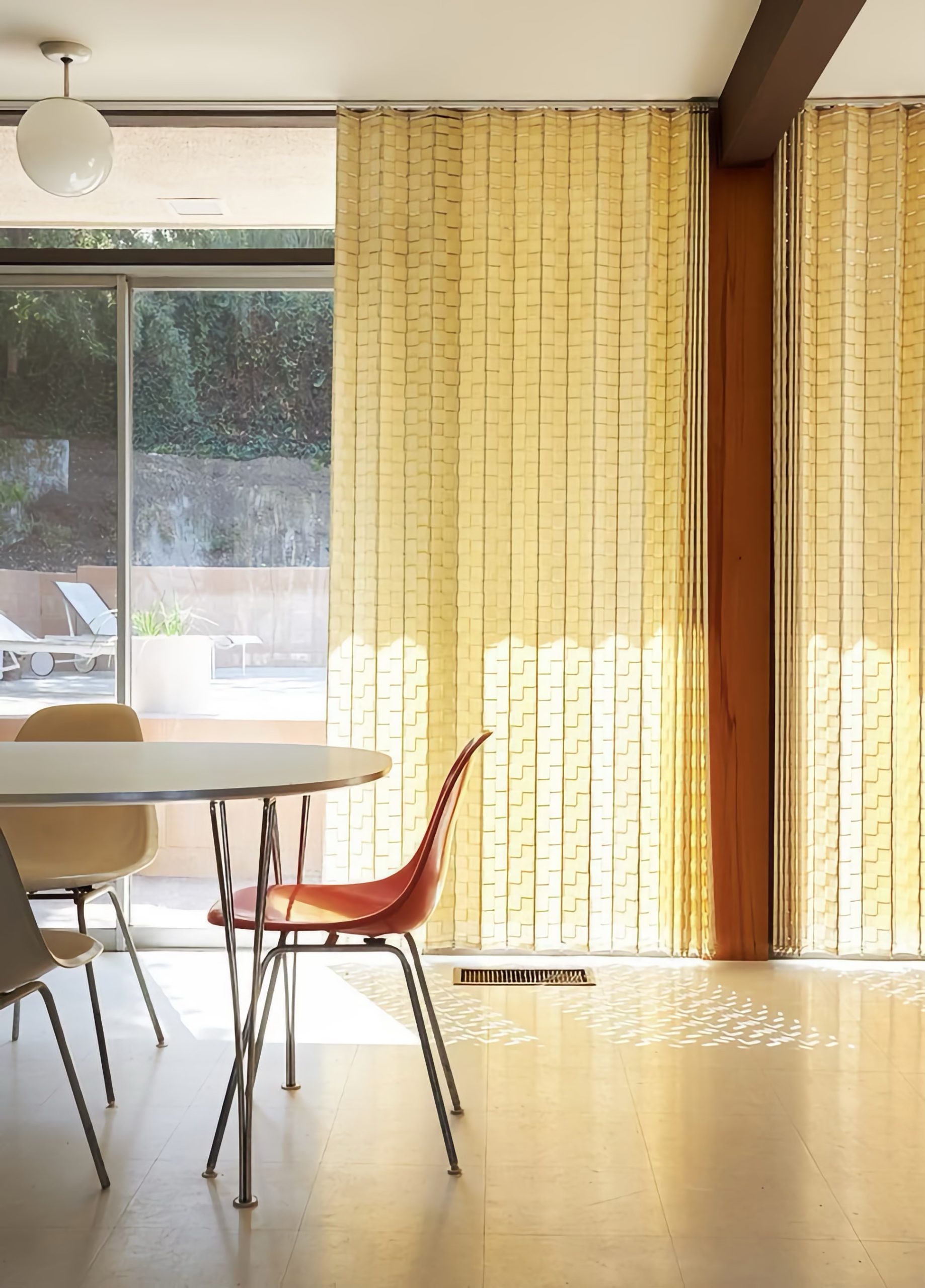
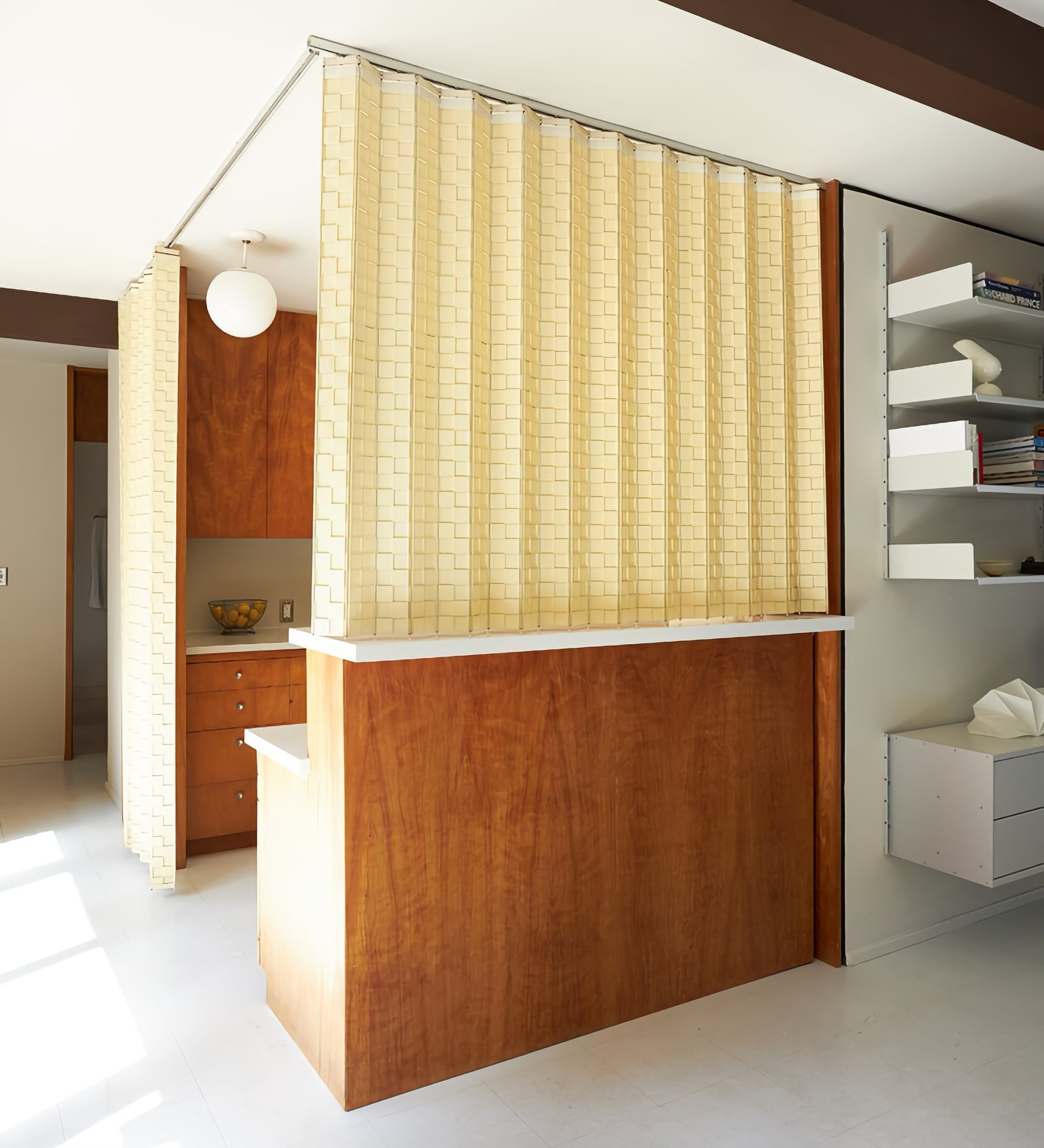

Japanese architecture and mid-century modern design are rooted in different cultures and histories, yet they often arrive at similar spatial ideas. Both pursue clarity, restraint, and a deep respect for materials. Both search for harmony between structure, daily life, and nature.
Traditional Japanese architecture evolved over centuries, shaped by climate, craft, and ritual. Timber post-and-beam construction allowed walls to remain light and non load-bearing. Instead of fixed partitions, sliding screens created rooms that could expand or contract. The house was never static. It adapted to seasons, ceremonies, and family rhythms. Proportion was guided by the tatami mat, a modular unit that quietly organized the plan. Structure and layout moved together, measured and calm.
There was also a philosophical layer. Influenced by Zen Buddhism and tea culture, Japanese domestic space embraced simplicity as a way of seeing. Wabi sabi valued modest materials, filtered light, and the beauty of age. The engawa, a narrow threshold space between interior and garden, softened the boundary between built form and landscape. Architecture was not an object placed on land. It was a frame for experiencing wind, shadow, rain, and greenery.
Frank Lloyd Wright admired Japanese respect for natural materials and horizontality. By the 1920s and 1930s, European architects were studying Japanese houses for their openness and structural clarity. After the Second World War, this dialogue became more explicit. Cultural institutions presented Japanese domestic architecture as directly relevant to modern Western design, highlighting flexible plans, exposed structure, and indoor outdoor continuity.

Mid-century modern architecture, particularly in California, translated many of these principles into a new industrial context. The Case Study Houses experimented with modular systems, open plans, and close connections to gardens and patios. The Eames House, completed in 1949, used a steel frame and standardized components, yet its spirit feels aligned with Japanese thinking. It is ordered but informal, structured yet open to nature. Life spills outward. Objects are curated but never excessive.
In Japan, architects such as Kenzo Tange and later Tadao Ando reinterpreted modernism through local sensibilities. Tange’s Yoyogi National Gymnasium for the 1964 Tokyo Olympics expressed structure with bold clarity, yet its sweeping roof carried a certain lightness. Ando’s Church of the Light reduced architecture to concrete, proportion, and a precise cut of daylight. The result is minimal but deeply atmospheric, closer to the quiet discipline of a tea room than to industrial abstraction.
The similarities between Japanese architecture and mid-century modern design lie in shared needs. Both sought new ways of living that felt lighter, more open, and less burdened by ornament. After war and industrial upheaval, there was a desire for renewal. Simplicity became a form of optimism. Clean lines suggested clarity. Honest materials suggested integrity. Large panes of glass promised transparency and connection.
There are also differences. Mid-century modern architecture often celebrated technology and mass production. Steel, concrete, and prefabrication signaled progress. Japanese architecture, even when modernized, remained grounded in craft traditions and seasonal awareness. Its minimalism is quieter and more introspective. It leaves space for emptiness, shadow, and ritual.
Today, contemporary architects across the world continue to draw from both traditions. We see modular timber systems, flexible interiors, and gardens treated as extensions of living space. We see concrete walls animated by light, and houses that privilege proportion over decoration. In a time marked by environmental concern and digital overload, the lessons feel urgent again. Build lightly. Use materials honestly. Allow space to breathe.
Japanese architecture and mid-century modern design remind us that modern living does not require excess. It requires thought, balance, and a careful framing of everyday life.