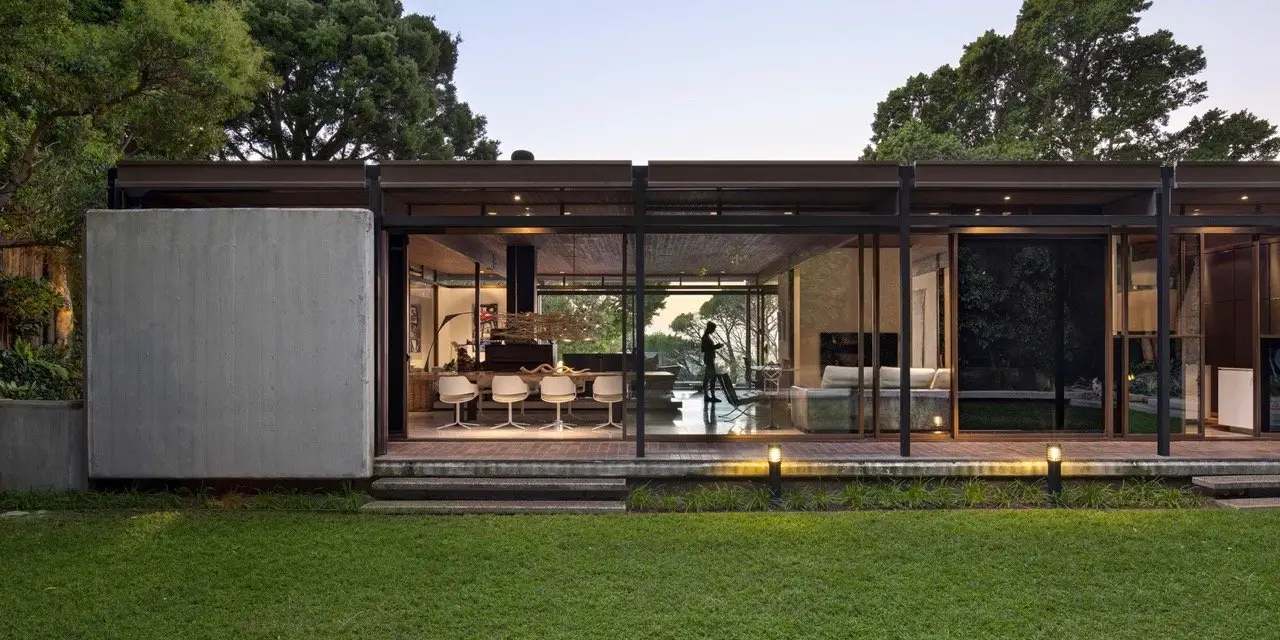

Disbrow Iannuzzi Architects stepped into a familiar mid-century dilemma in Bloomfield Township, Michigan: a low, historic Modern house pushed to the brink by pure mechanics. When the original in-floor heating pipes failed, the owners were told demolition would be cheaper than repair. Instead, the studio treated the breakdown as a chance to restore the home’s original clarity and make it work for contemporary family life, rebuilding from the slab up while keeping the spirit of the house intact.
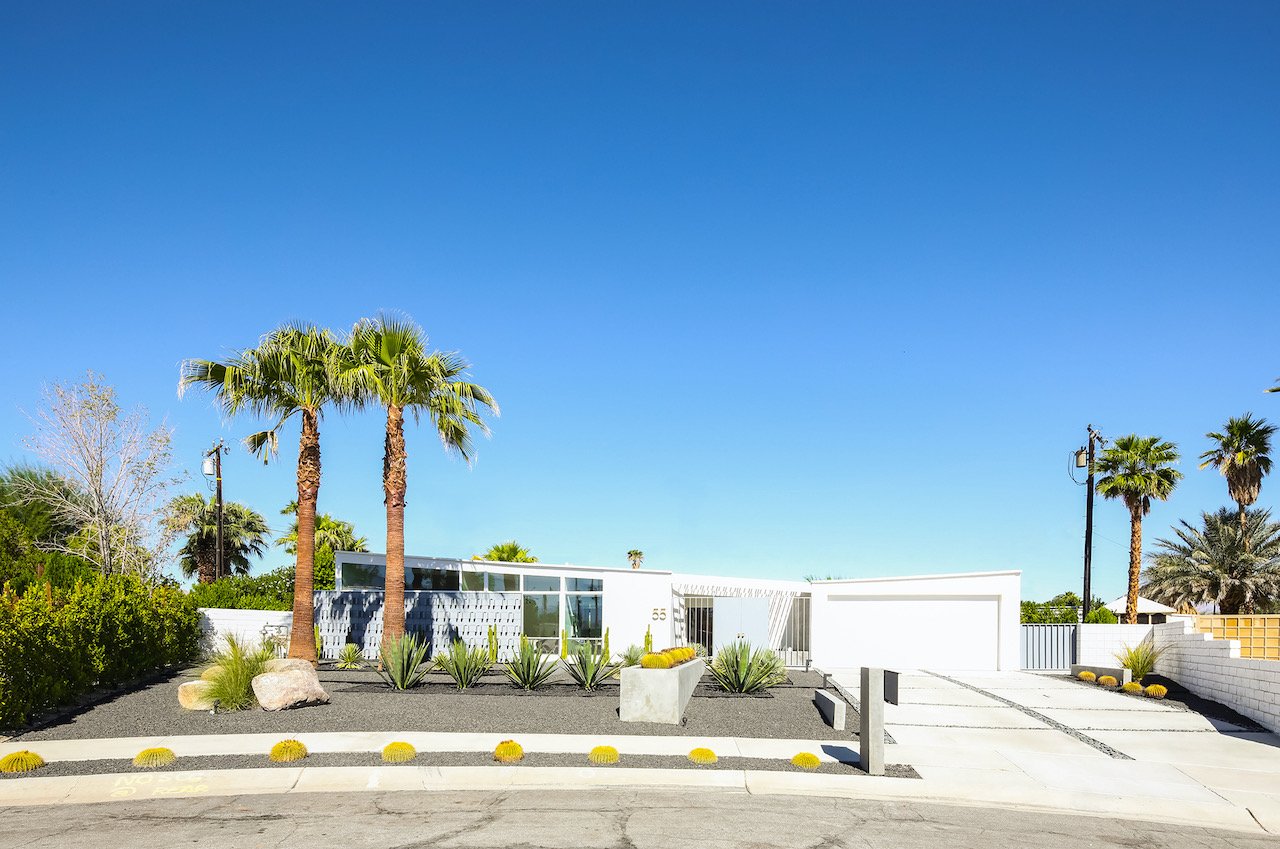
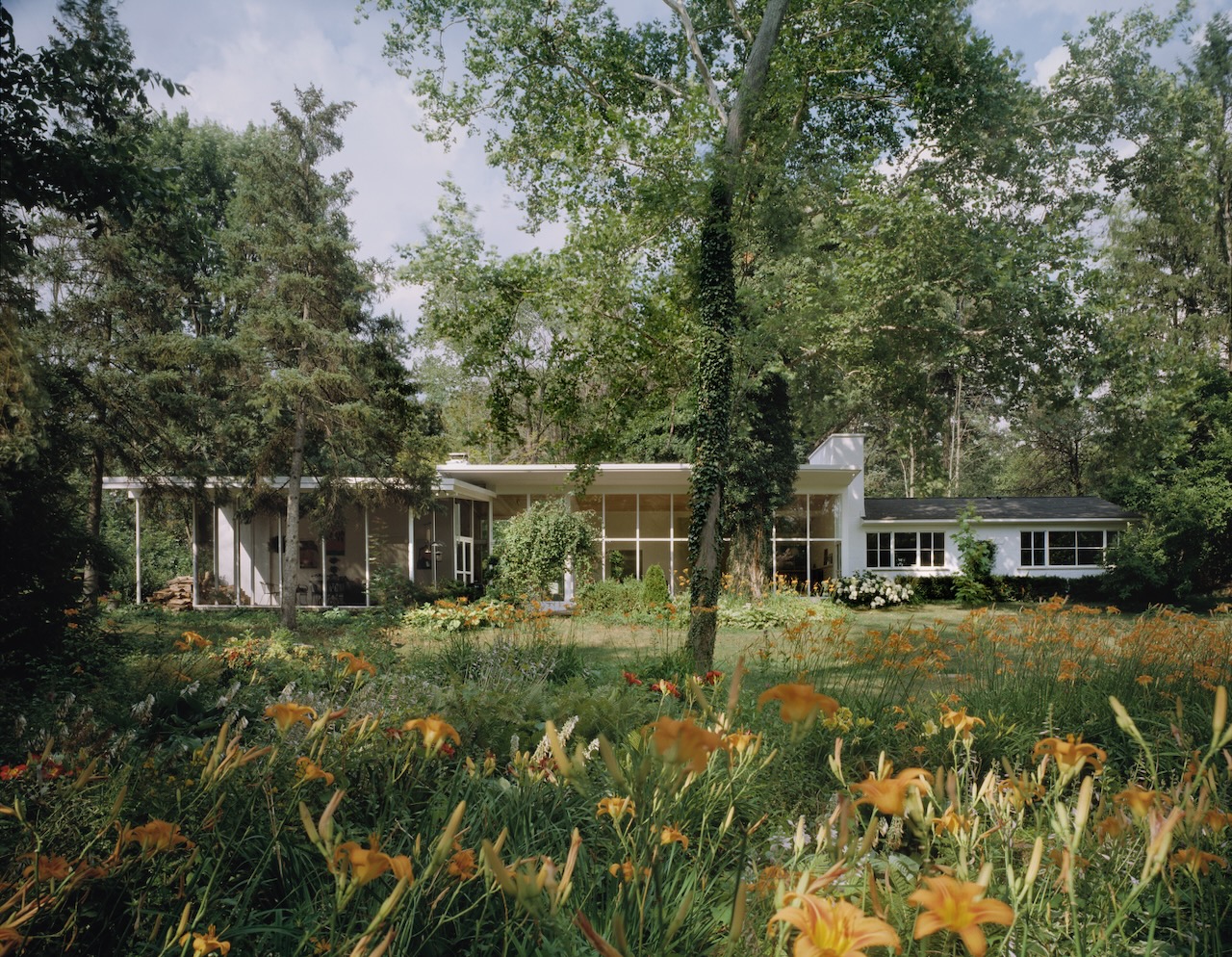
The house, attributed in the project materials to Wallace Frost and originally built in the mid-1940s, relies on the kind of Modern vocabulary that still feels fresh: long rooflines, broad glazing, and rooms that borrow their calm from the landscape. But slab-on-grade construction turns a failed radiant system into a radical proposition.
Here, “fixing the floor” meant removing nearly everything inside the shell. Built-ins, cabinetry, kitchen, and services came out so a new concrete slab and updated radiant heating could go in. What makes the story more than a gut renovation is the care taken with what disappeared: each element was documented, measured, and used as a guide for what returned.
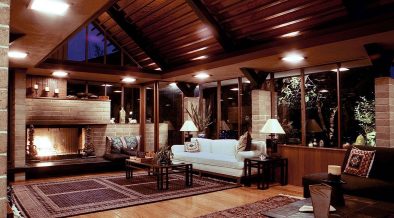
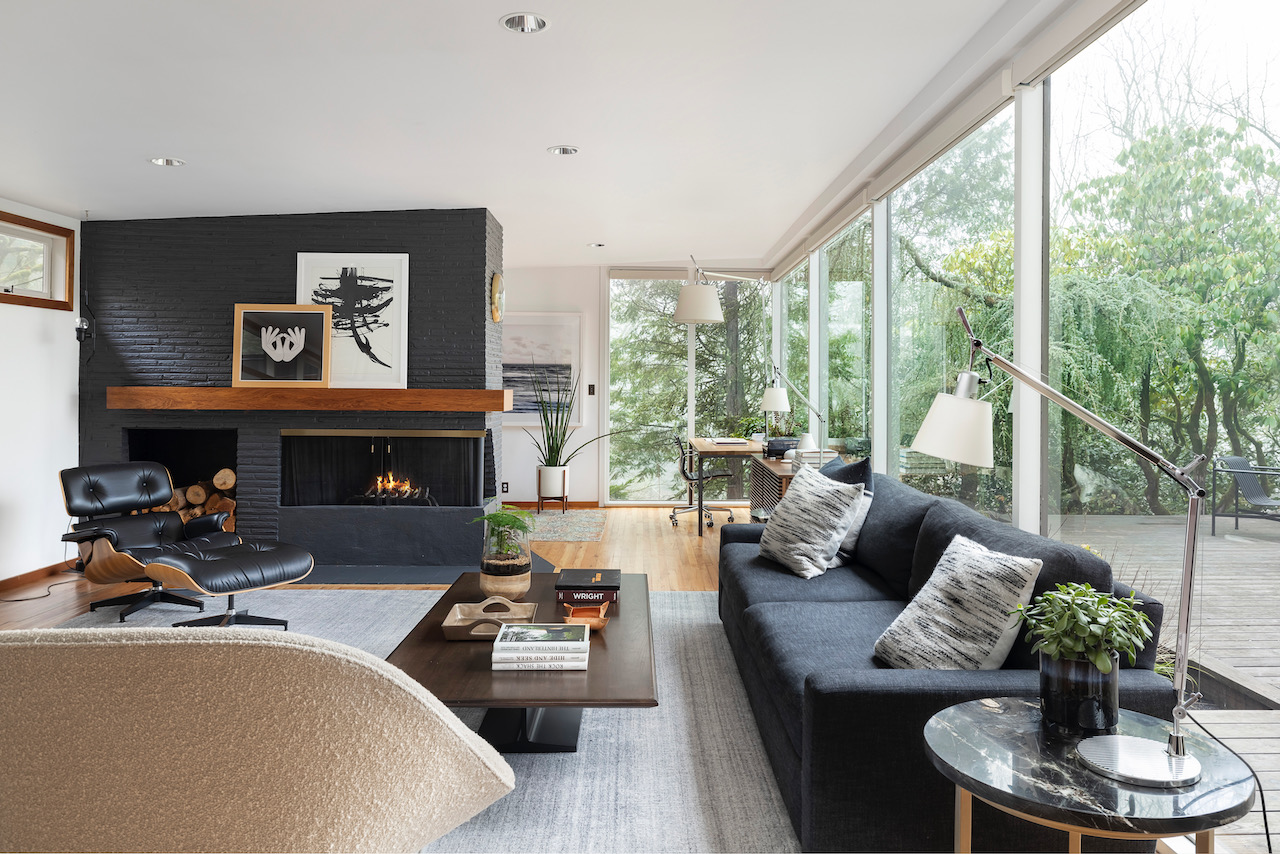
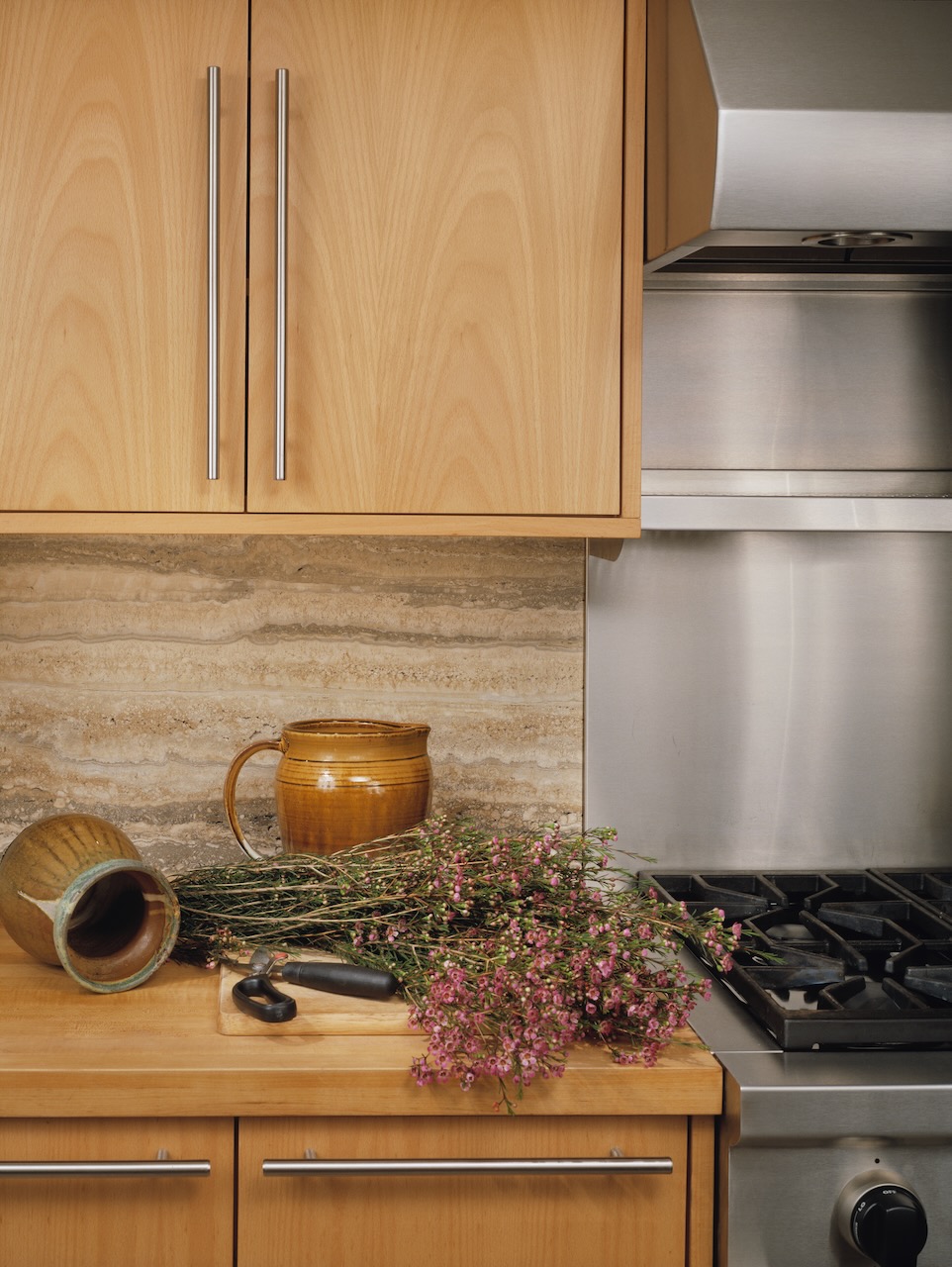
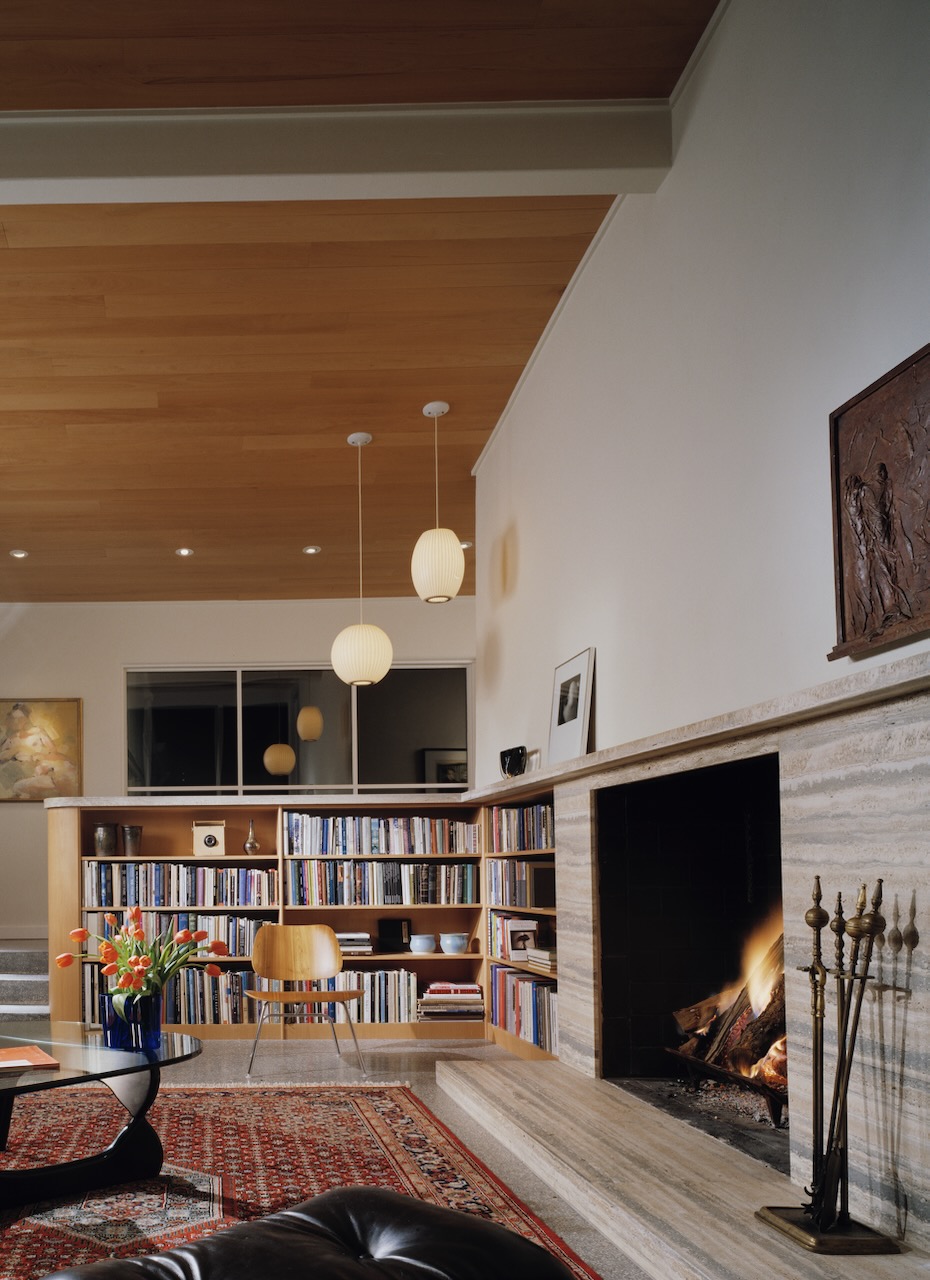
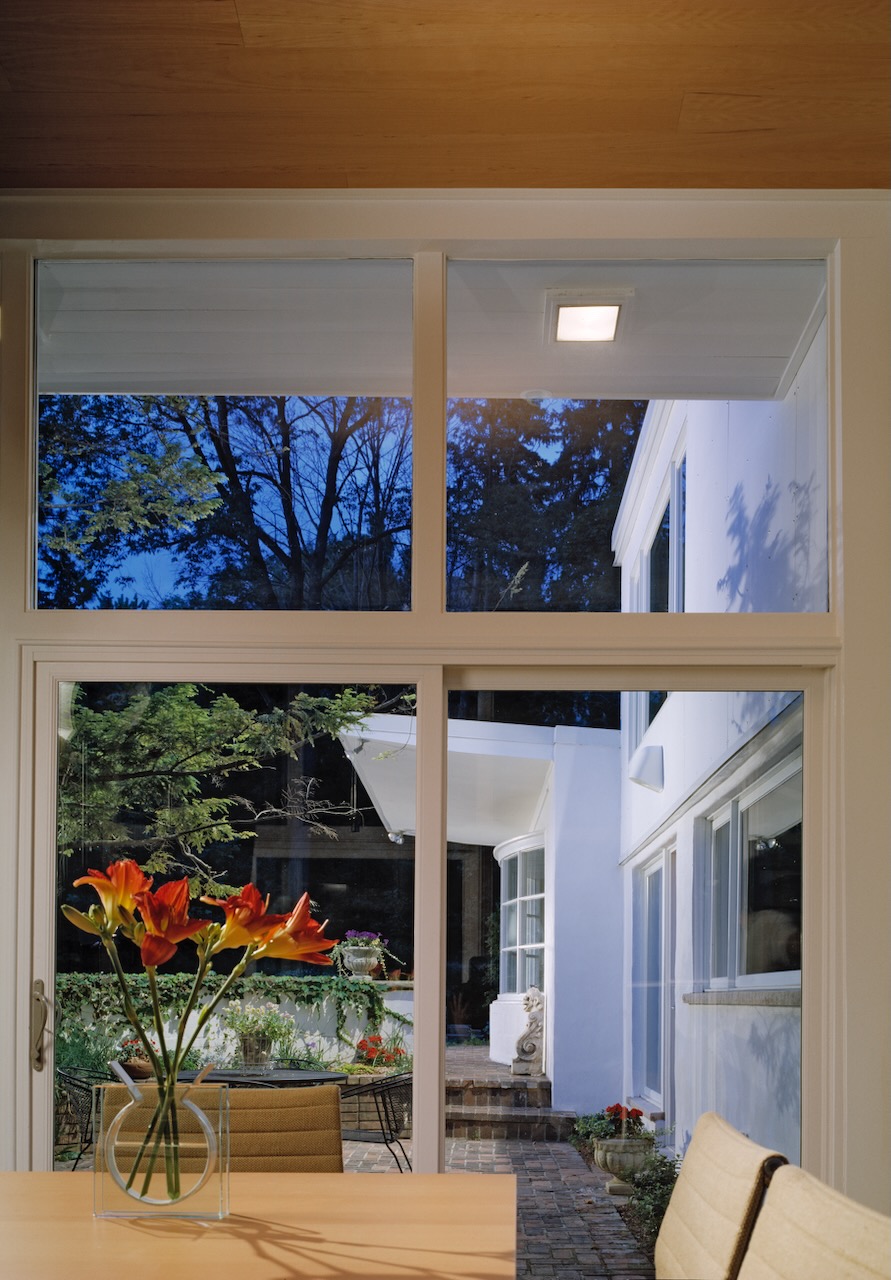
Materials do much of the heavy lifting. Instead of treating replacement surfaces as neutral backdrops, the team used them to re-tune the house to its era. Ceiling boards and millwork that had been buried under paint were replaced in European beech, a wood with a fine, modern grain that quietly nods to classic furniture making.

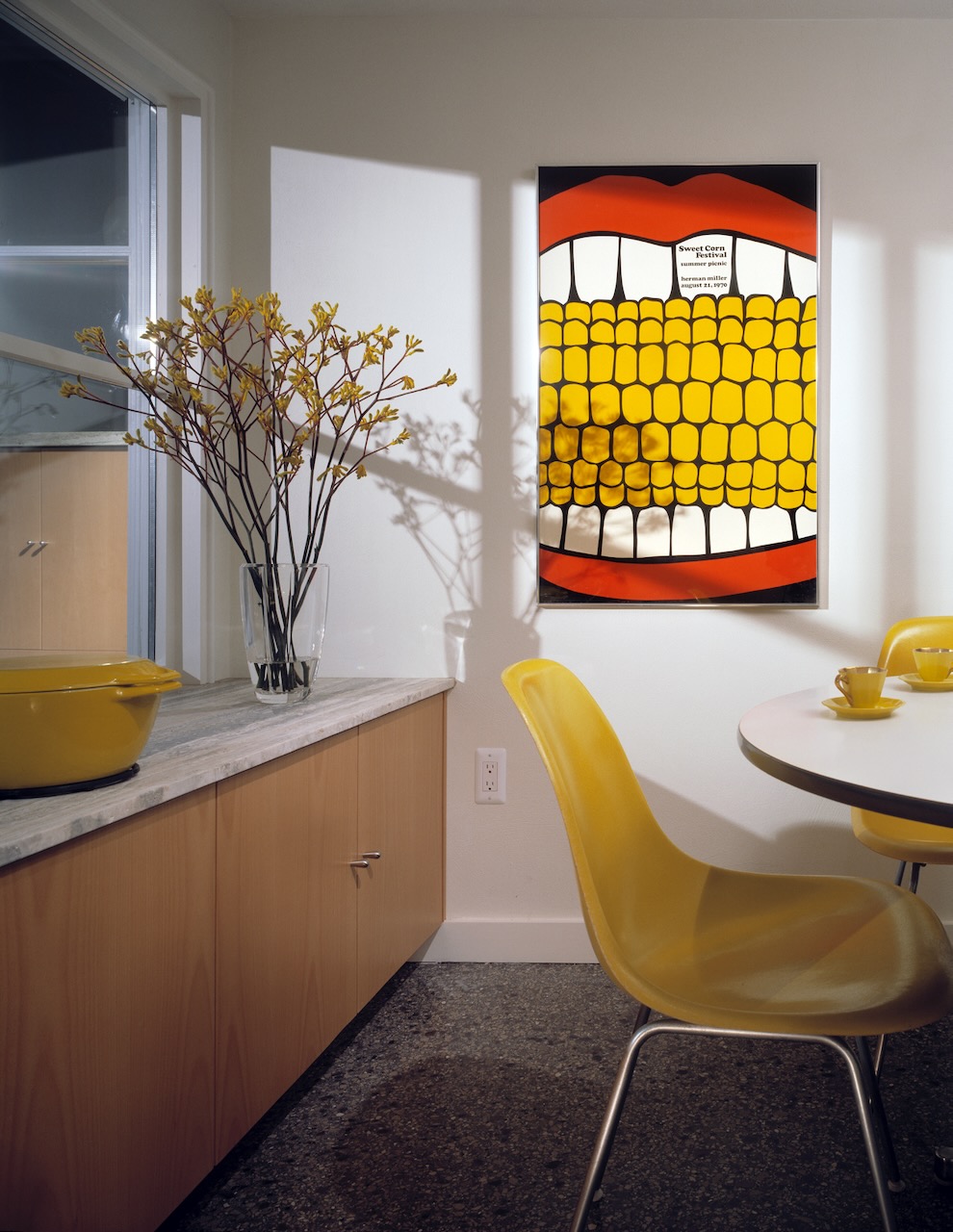
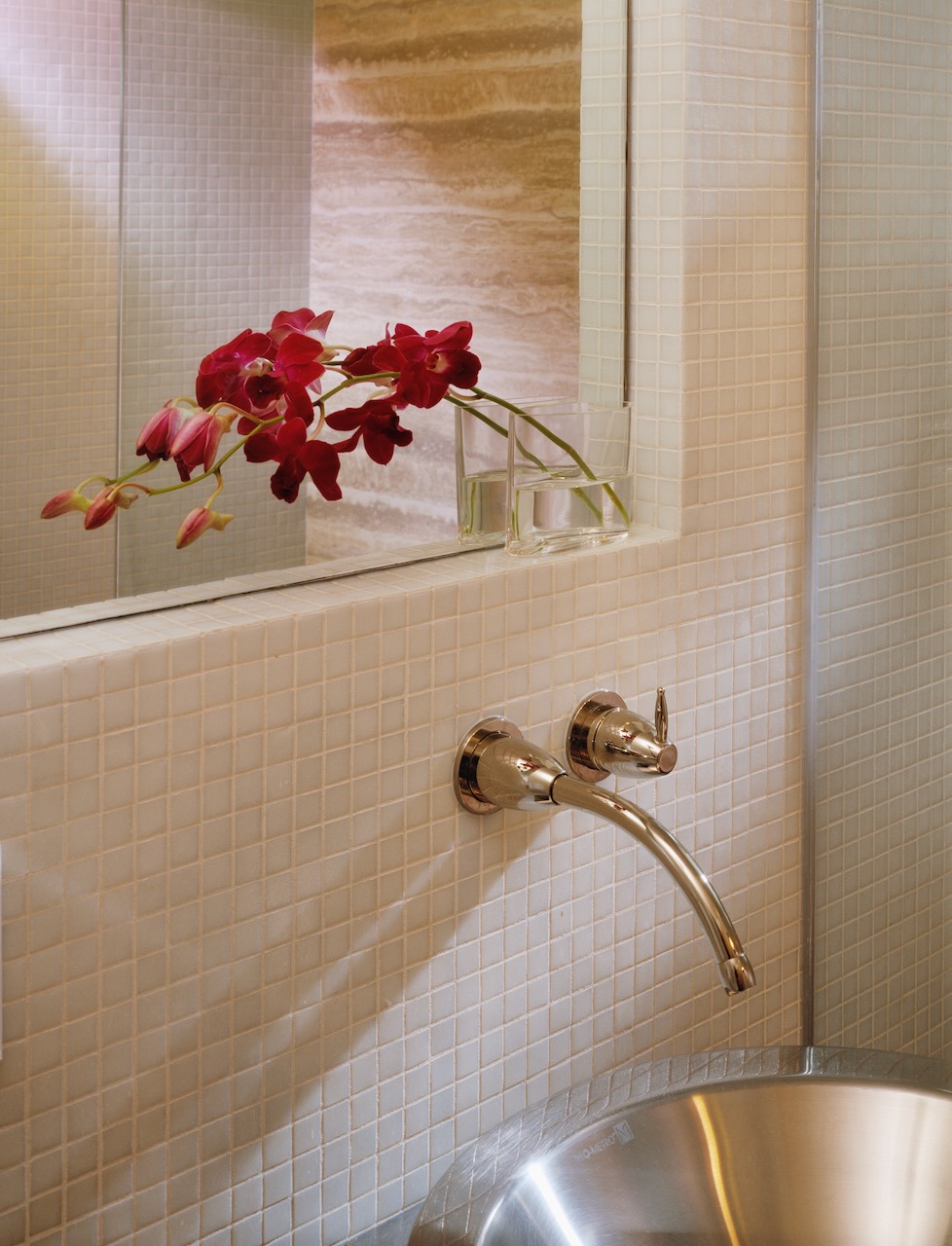
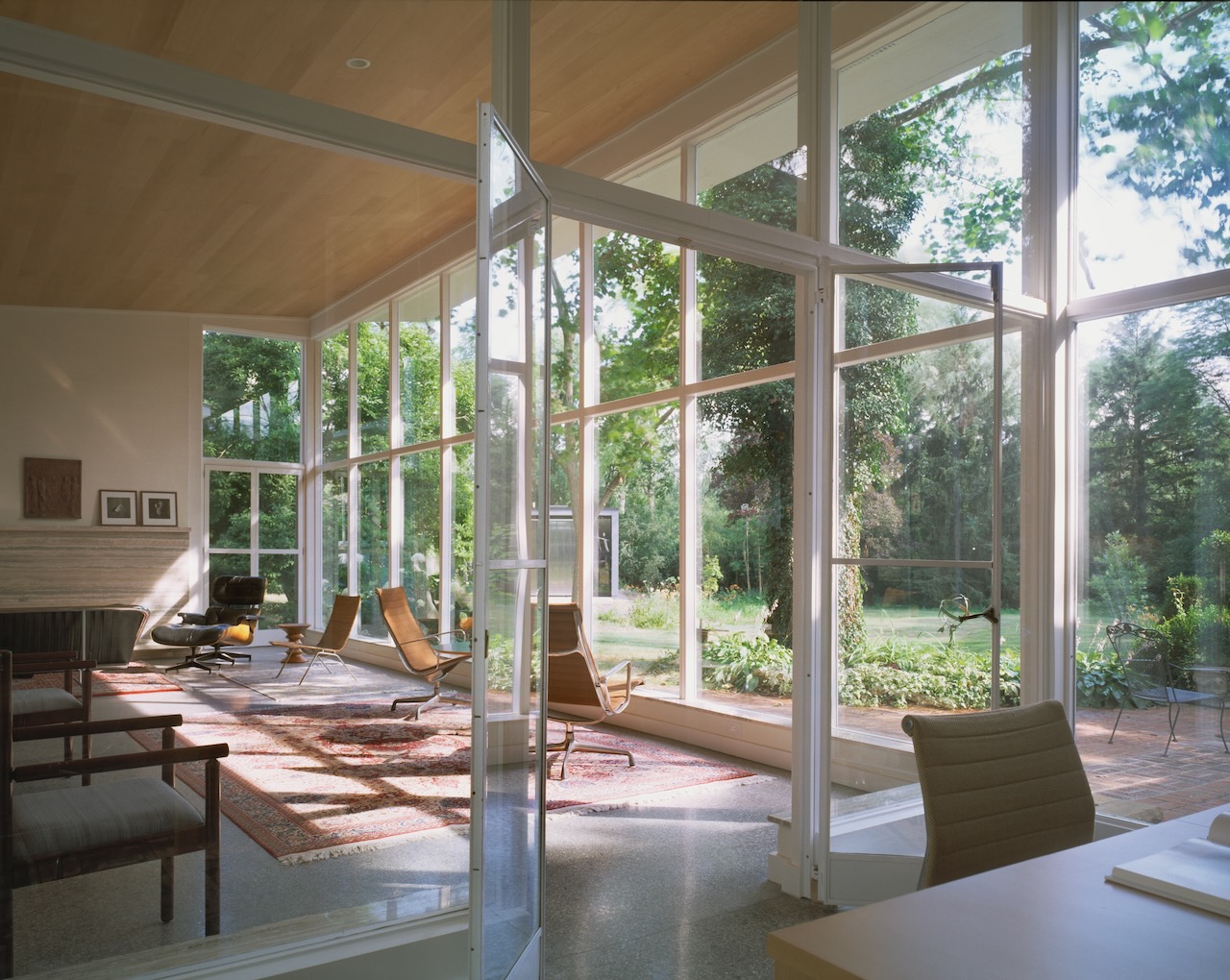
The new slab was not left as raw concrete, either. Aggregate and a dark pigment were added to achieve a terrazzo-like depth, then polished into a surface that reads more crafted than industrial. Italian travertine, another familiar mid-century accent, appears throughout as a warm counterpoint to the cool floor plane.
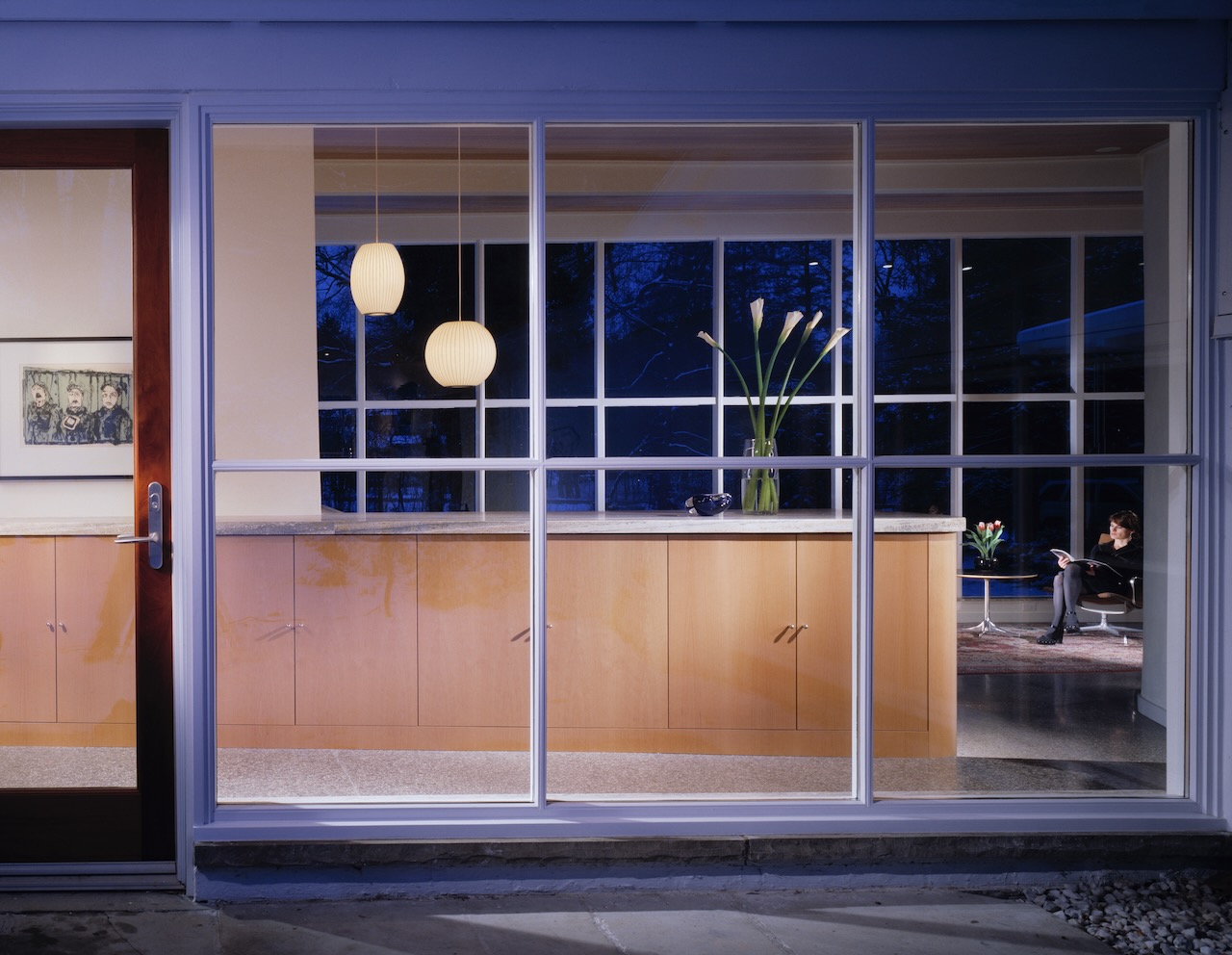
On the architect’s project page, Disbrow Iannuzzi also notes the restoration of the home’s original steel-framed glazing, one of those details that can make a Modern house feel suddenly precise again. Steel windows are thin, sharp, and unforgiving, and when they survive, they tend to define the building’s character.
Bringing them back into the story reinforces the idea that this renovation was as much about fidelity as it was about comfort.
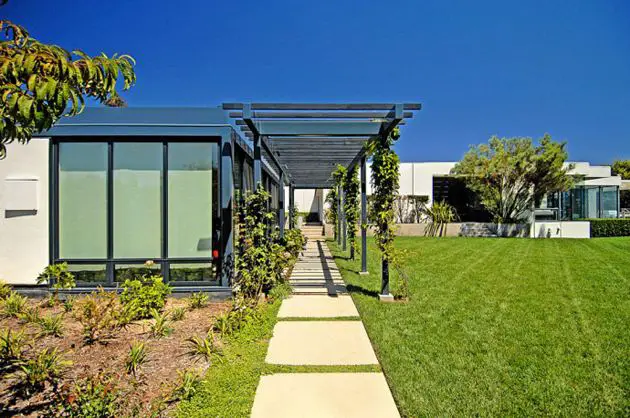
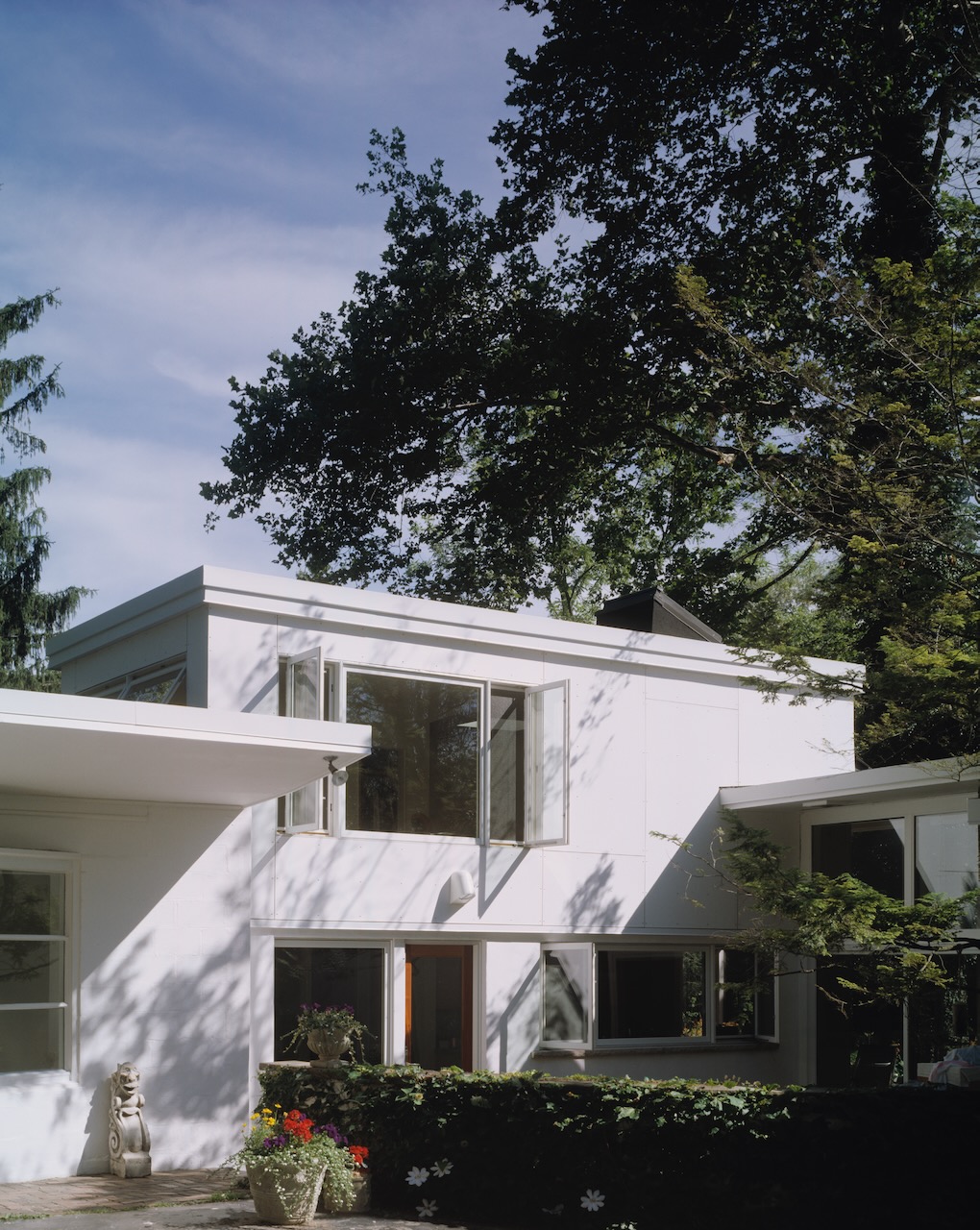
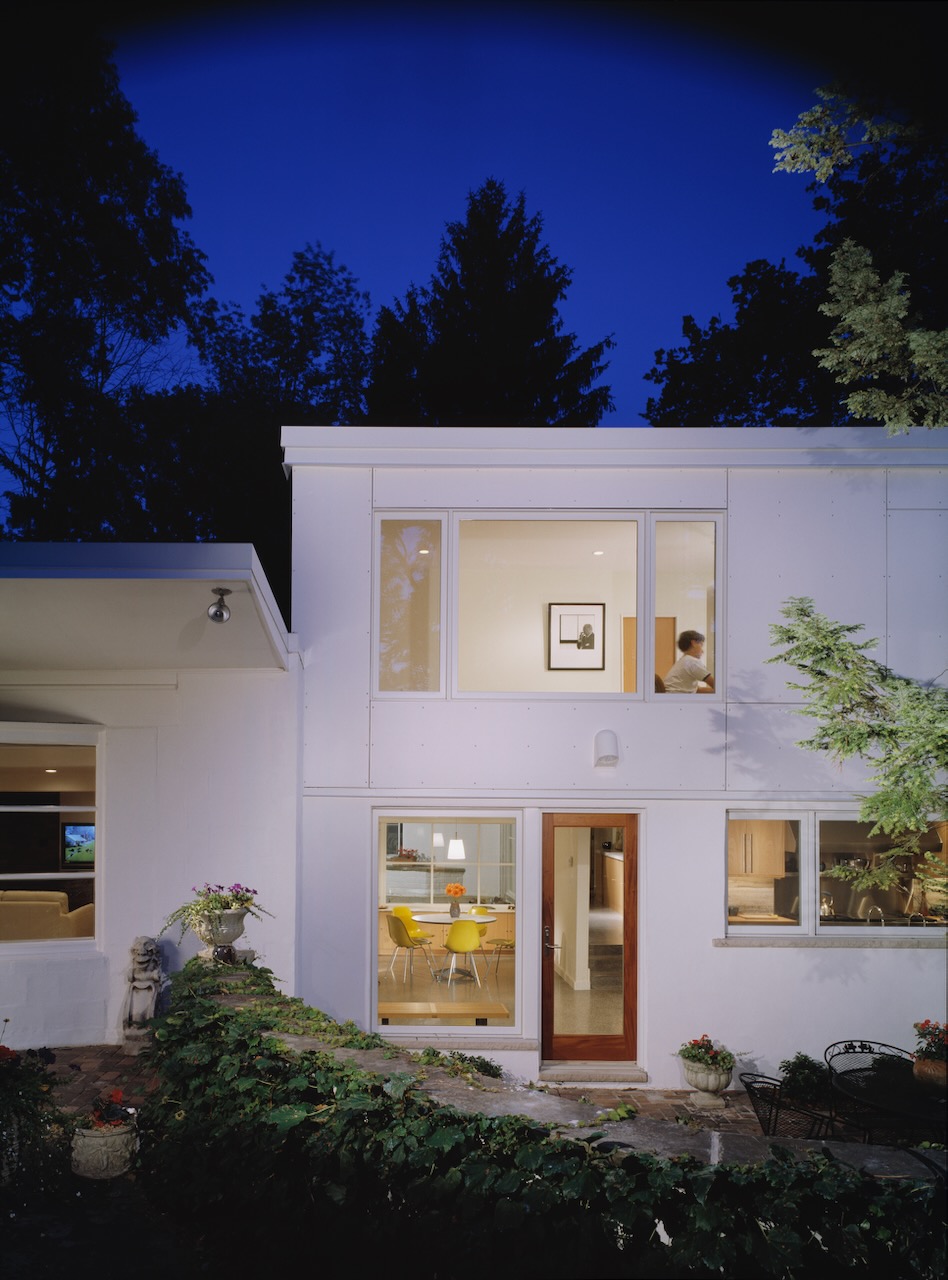
Then there’s the addition: a simple, box-like second story placed at the nexus of three roof forms. It adds a bedroom and creates a new focal point where the original gables meet, a contemporary insertion that does not try to mimic the old geometry. Outside, cladding choices follow the same logic.
Aluminum siding gave way to white cement fiberboard panels, tying the new volume to the existing house and sharpening the overall composition into something more cohesive.