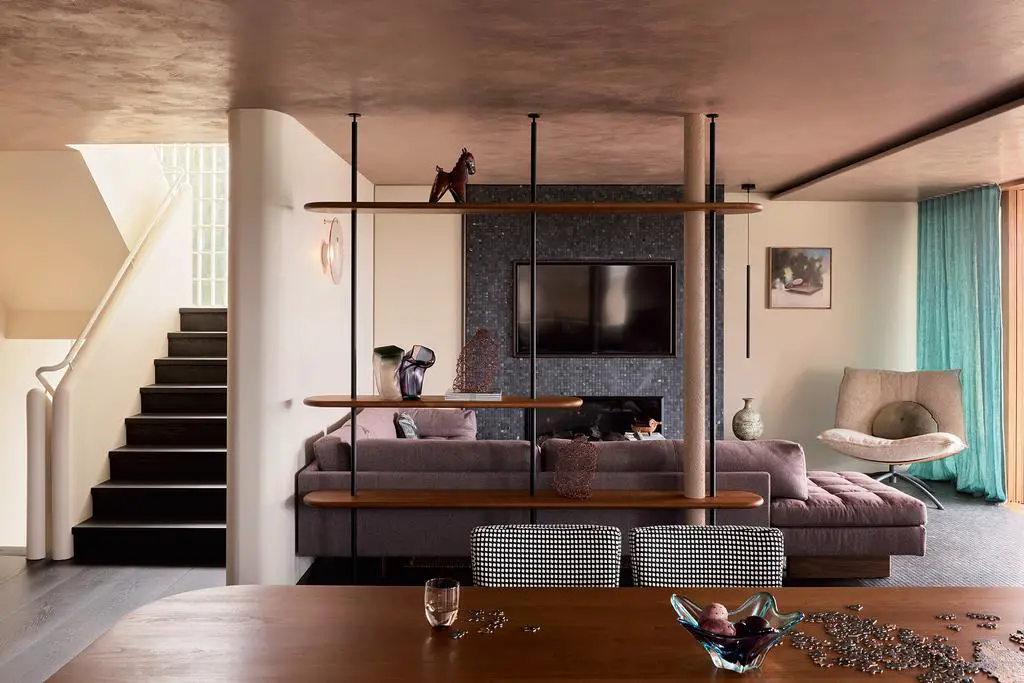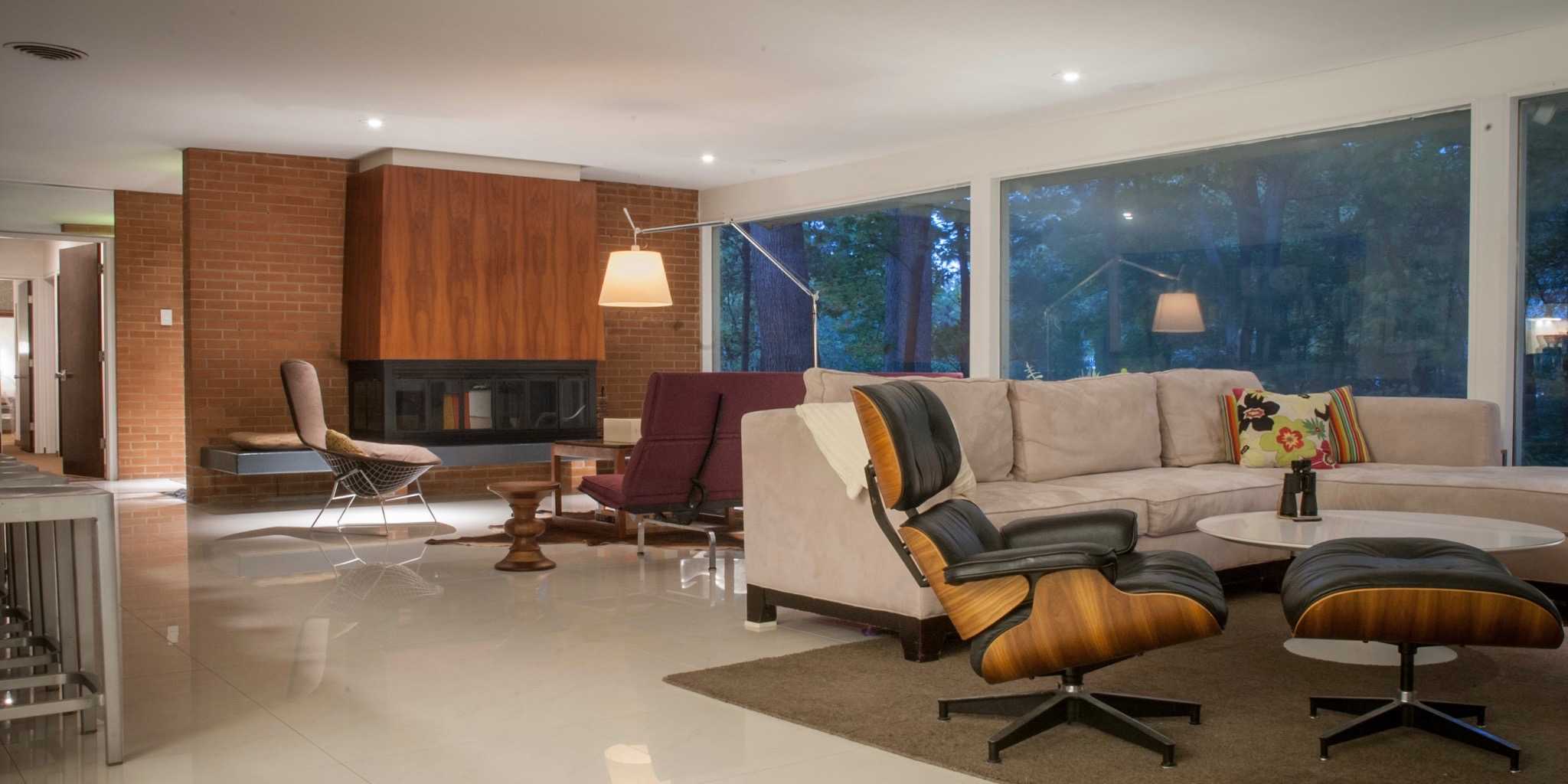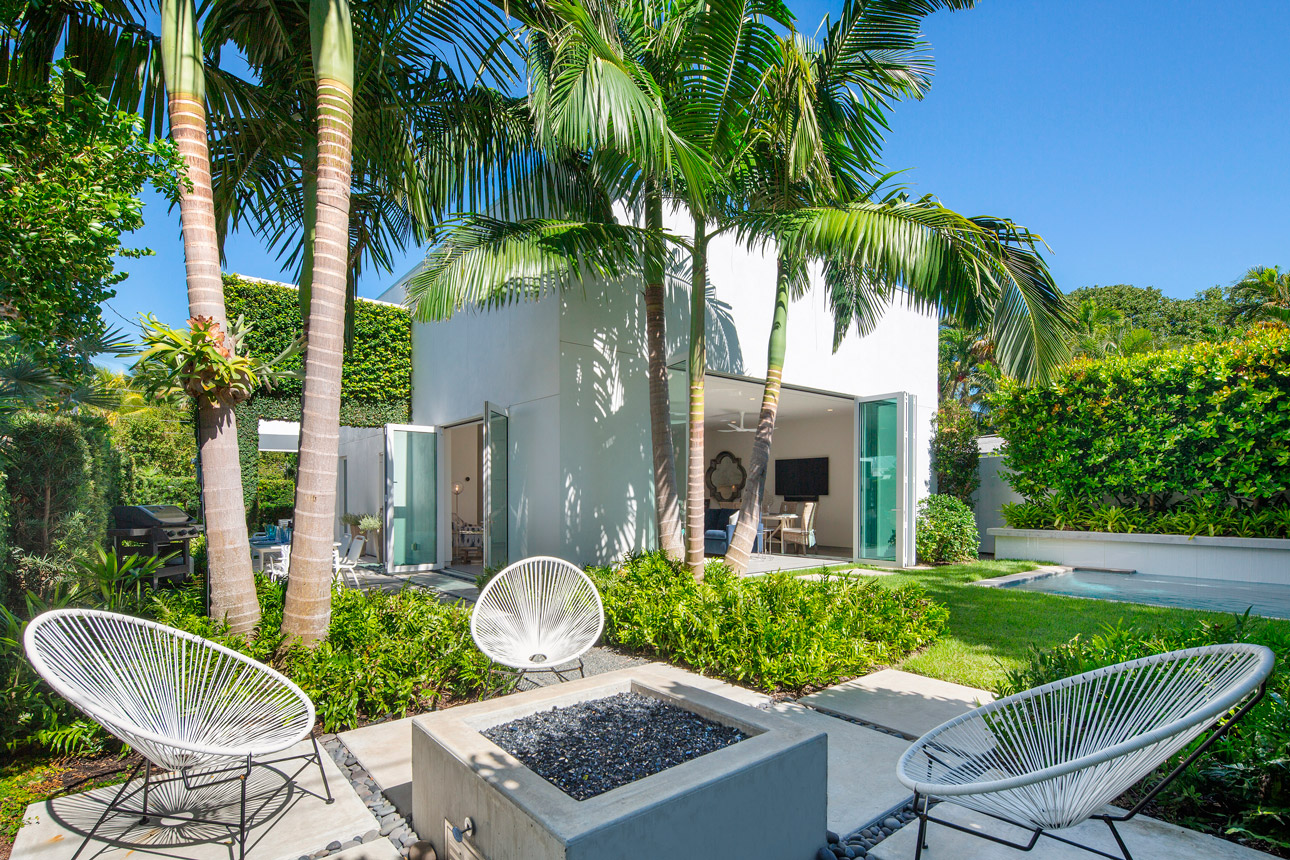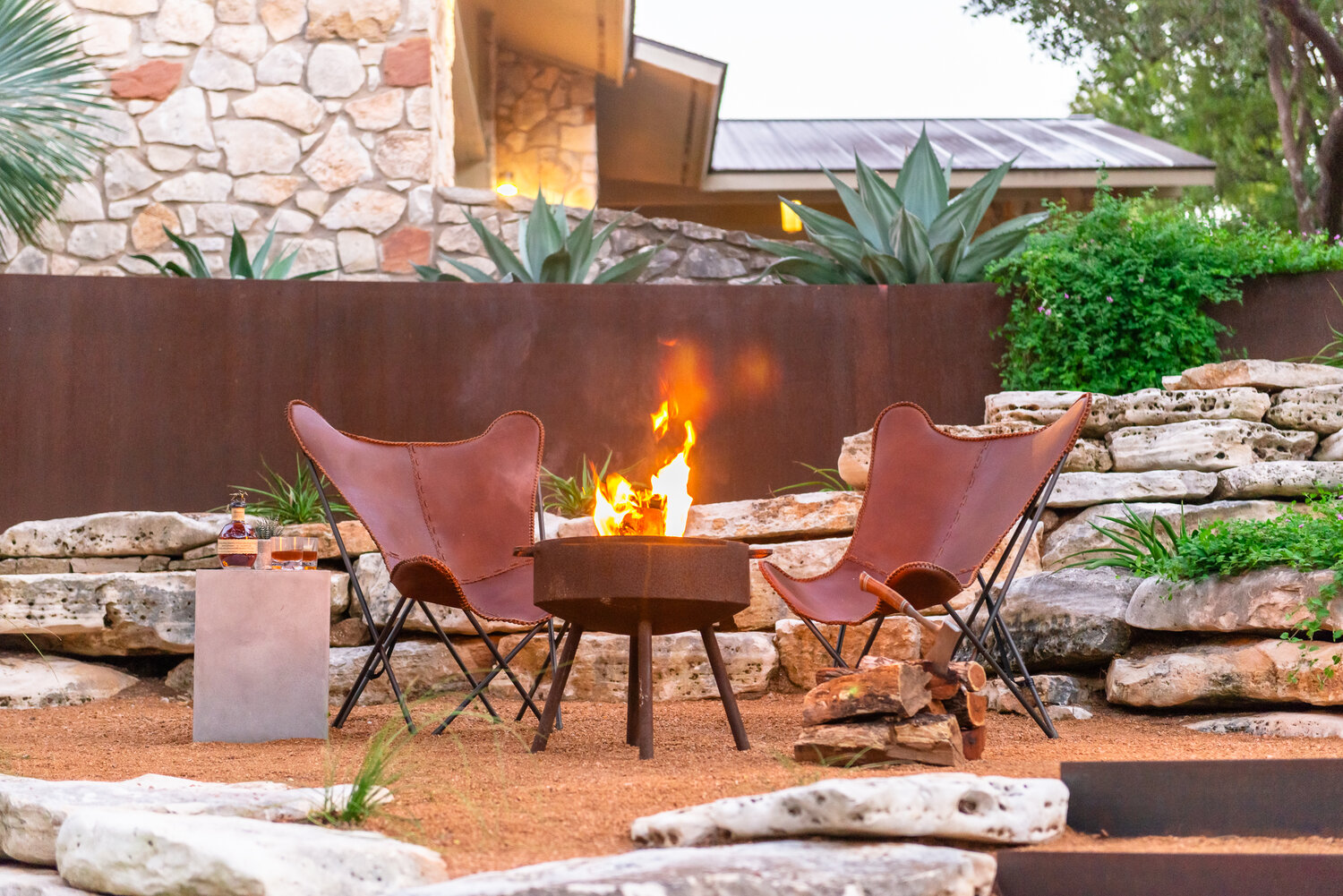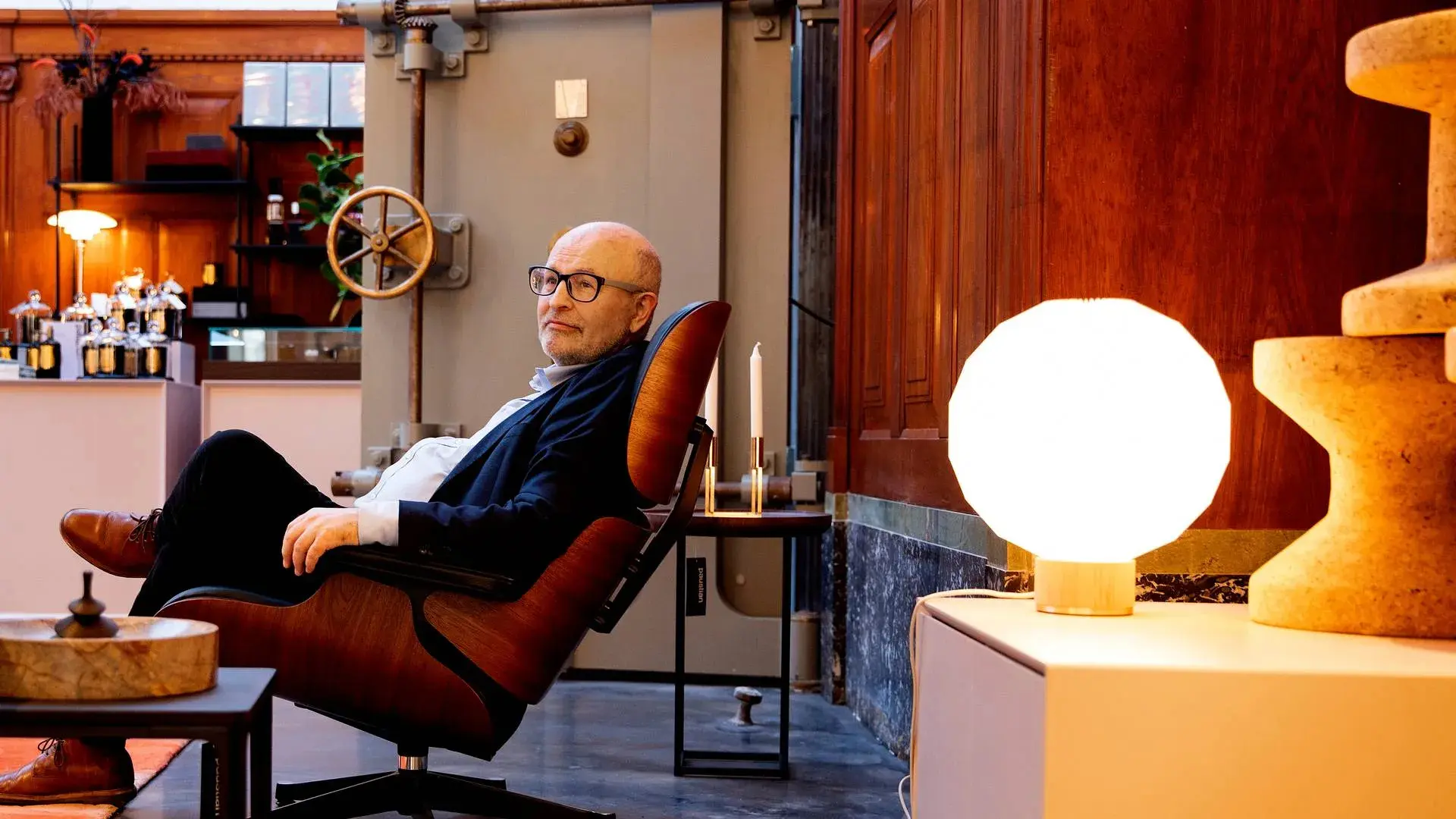

During our first panel, “The New Mid-Century: Interpreting Modernism Today” we had the pleasure of being joined by Frantz Longhi, owner of our partner for the panel, Warm Nordic, and a Scandinavian design expert. When Frantz speaks about modernism, his voice carries an unmistakable warmth-fitting, perhaps, for a brand like Warm Nordic that has made it its mission to bring back the tactile optimism of Scandinavian design.
Longhi, as a lifelong collector of mid-century furniture, has spent years bringing to life pieces that might otherwise have been lost to history. His approach is more about continuity than nostalgia, showing how timeless design remains effortlessly modern.
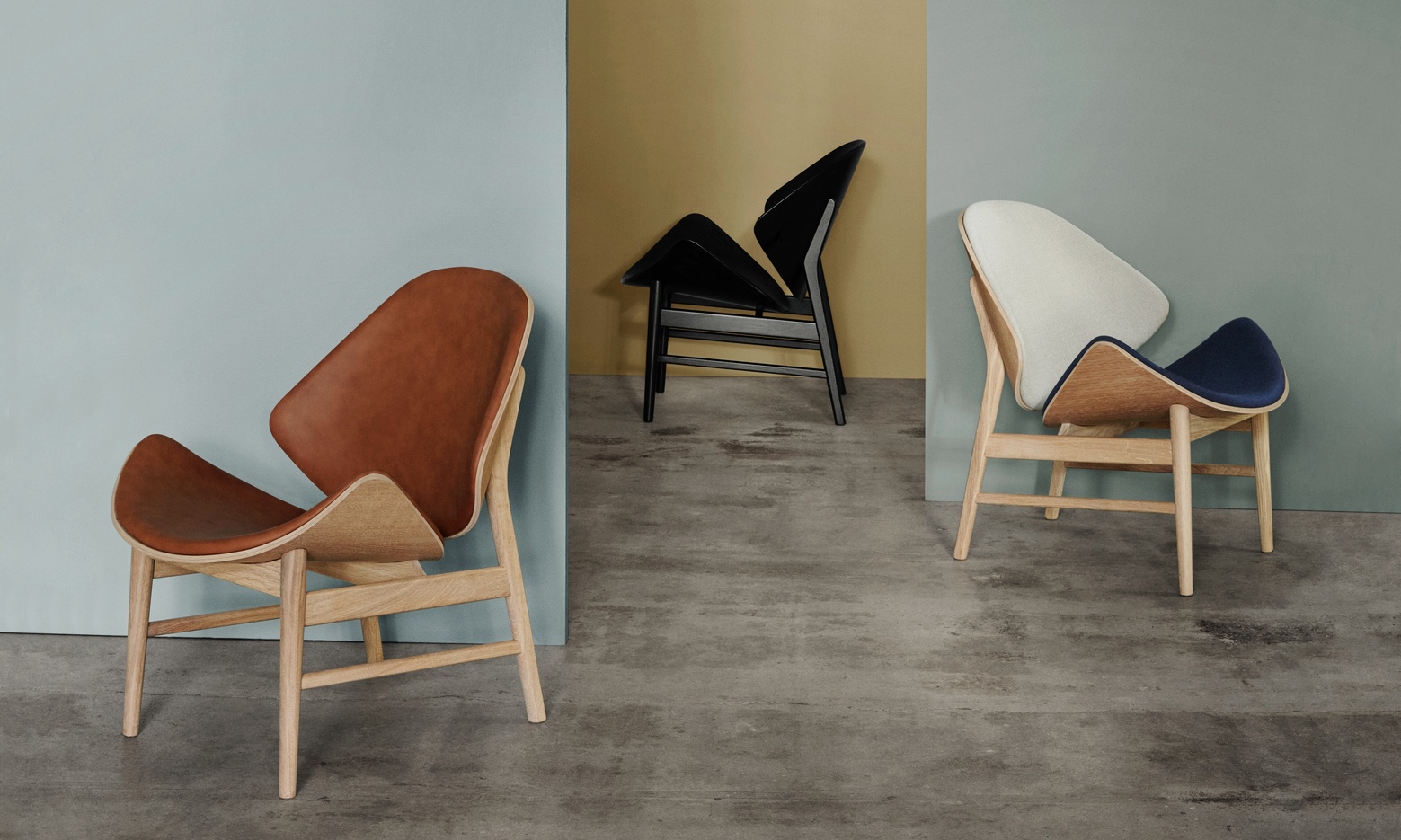
“There’s a reason it’s called modernism,” Frantz says. “Most furniture from the 1950s and 60s still looks modern today.” At Warm Nordic, that enduring relevance is constantly tested, they often place newly reissued pieces beside contemporary designs. Often, Longhi invites guests to guess which is which. Most can’t tell. “They always choose wrong,” he laughs. “They say, this must be the old one. But it’s the new.”
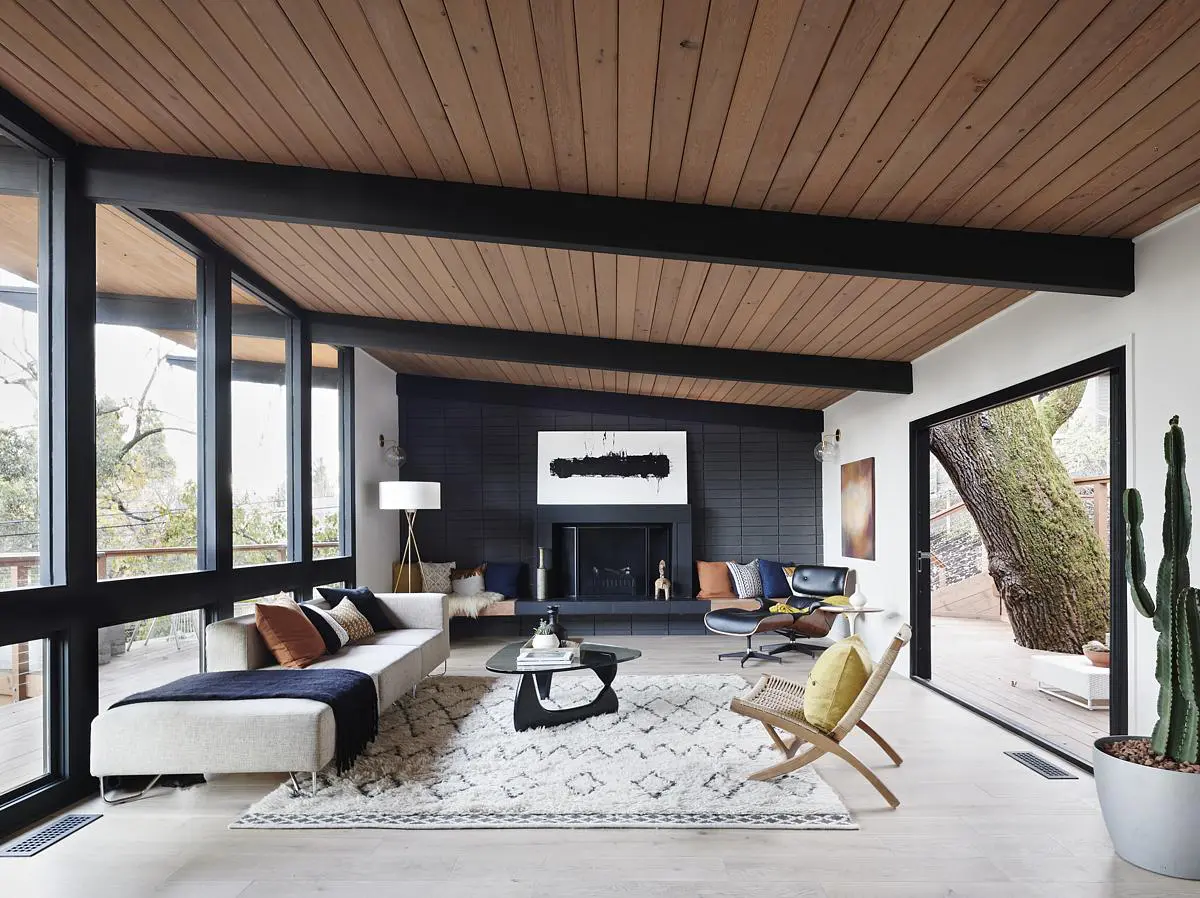
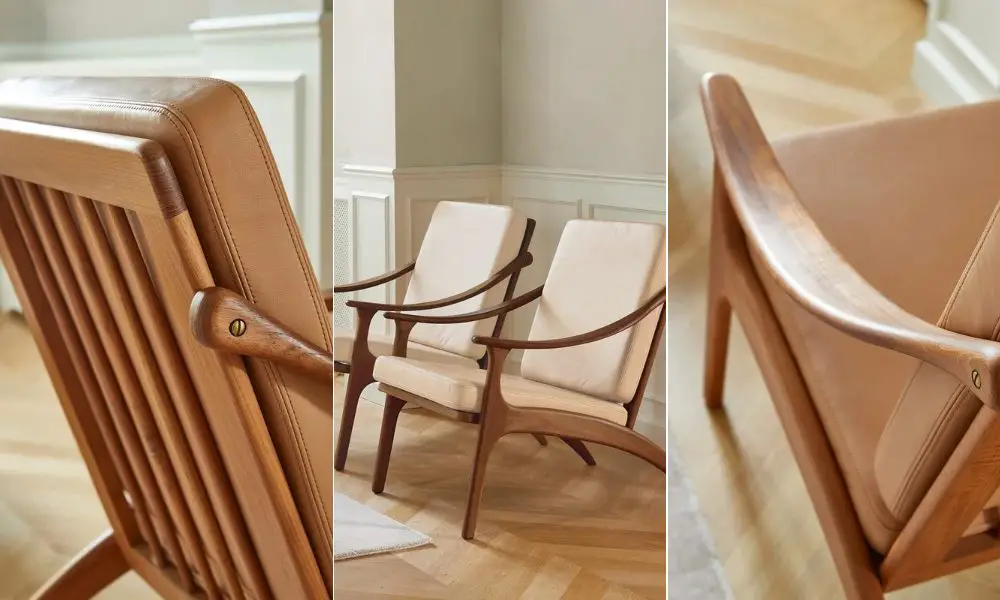
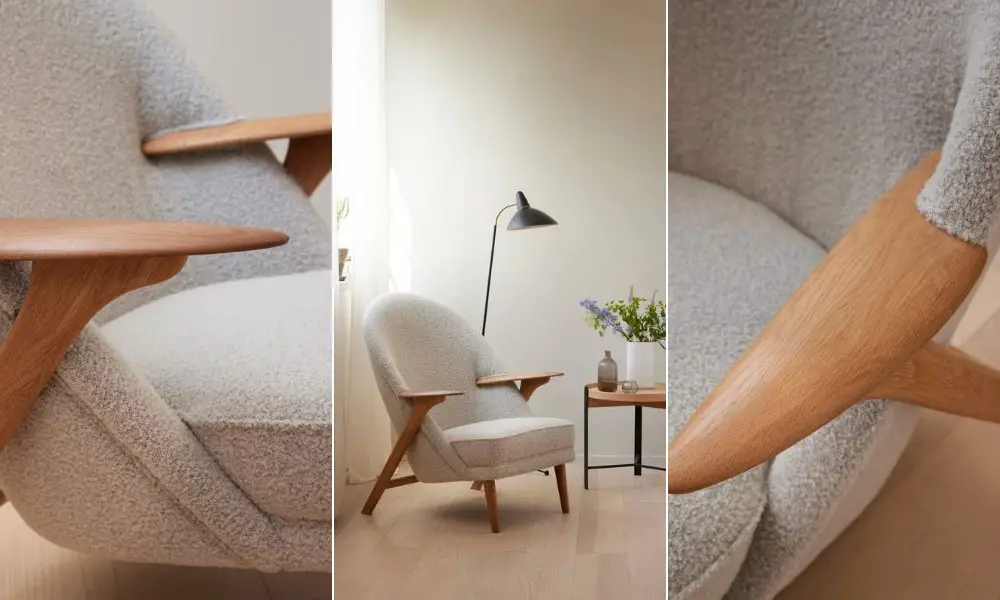
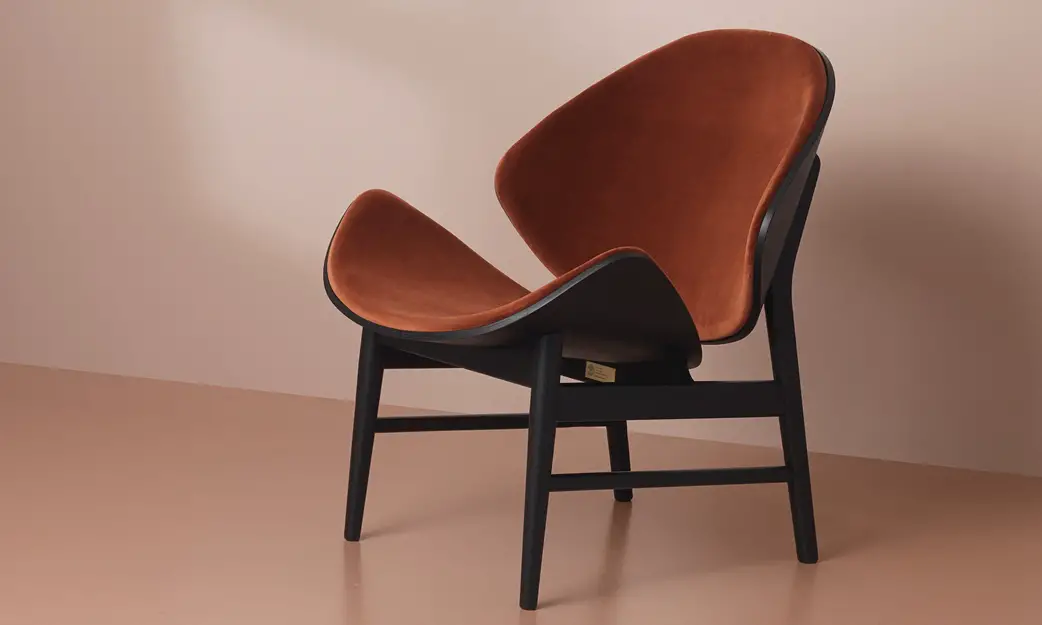
Mid-century design remains so fresh because it balances geometry with humanity. Modernist architecture was defined by clean, rectilinear forms. Furniture, by contrast, softened these spaces. Through curved lines, molded plywood, and organic silhouettes, Scandinavian designers offered warmth where architecture offered structure. “You need that softness,” Longhi explains. “You can’t have only straight lines. The curves make the furniture warm, they make it human.”
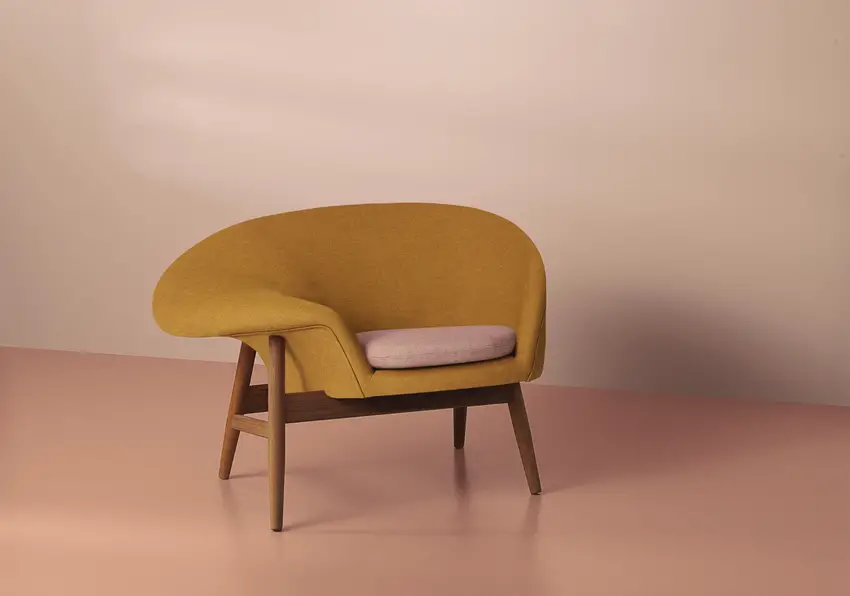
This interplay of warmth and form is exemplified in the Fried Egg chair by Hans Olsen, one of Warm Nordic’s most iconic reissues. When Queen Mary of Denmark chose to be painted sitting on the Fried Egg for her 50th birthday portrait, it underscored how deeply these designs still resonate, not as relics, but as living objects of beauty and comfort.


Quality, Longevity, and Memory
Warm Nordic’s revival of mid-century furniture is about physical and emotional durability. “Quality is key,” Frantz says. “From a sustainability perspective, furniture should last for generations.” His own collection includes more than 200 chairs, many dating back 70 years. They bear signs of life, but they endure—functional, beautiful, and deeply evocative. “When you keep a chair for decades,” he reflects, “it gathers feelings. You remember your grandparents sitting there. It becomes more than an object—it becomes part of your story.”
Paradoxically, Longhi believes that making these pieces feel modern again often means looking to the past. He recounts searching for new textiles for a mid-century chair, only to find the perfect fabric in a 1940s design by Ray Eames.
Paired with the sinuous forms of Danish designer Arne Hovmand-Olsen, the result was strikingly contemporary. “Sometimes the most modern thing you can do is to return to the source,” Longhi says. The combination of historical craft and present-day sensibility defines Warm Nordic’s philosophy—celebrating not only what was, but what still is.
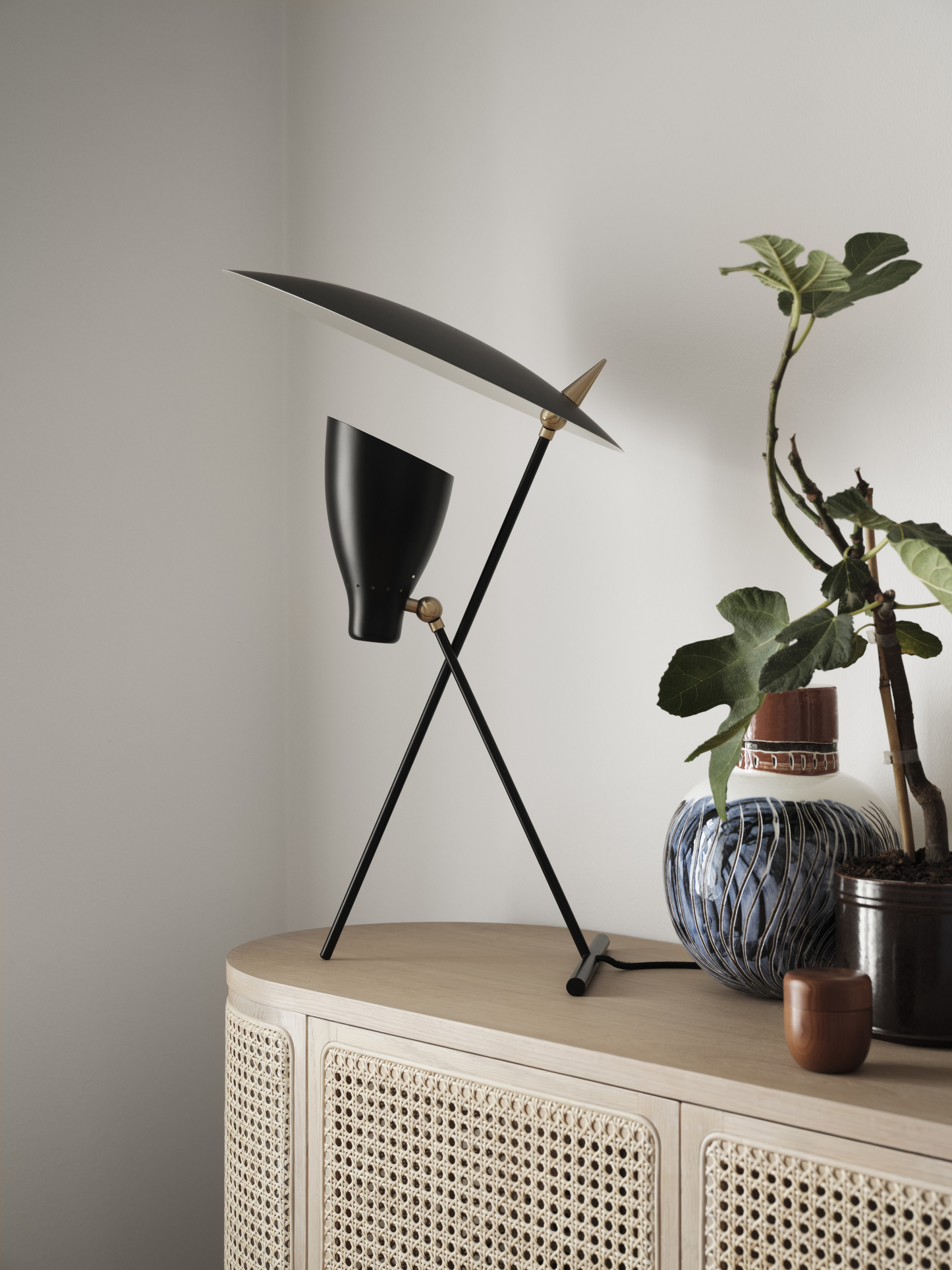
From our conversation with Warm Nordic, we were reminded that good design doesn’t age; it evolves. Each chair or lamp is a conversation across time, a meeting between past and present life: “Sometimes, the old is just waiting to be seen again and to feel new once more.” Longhi says.