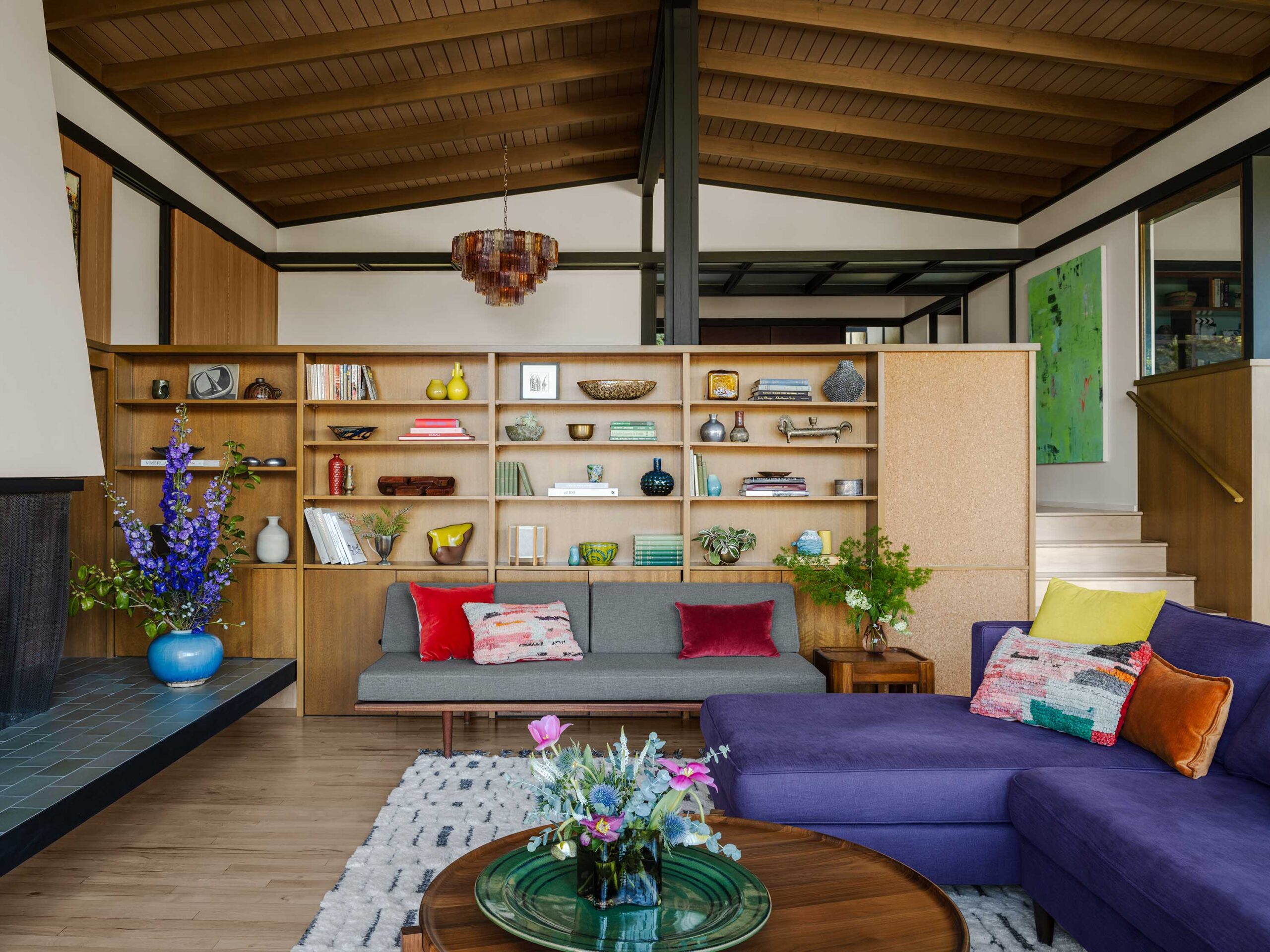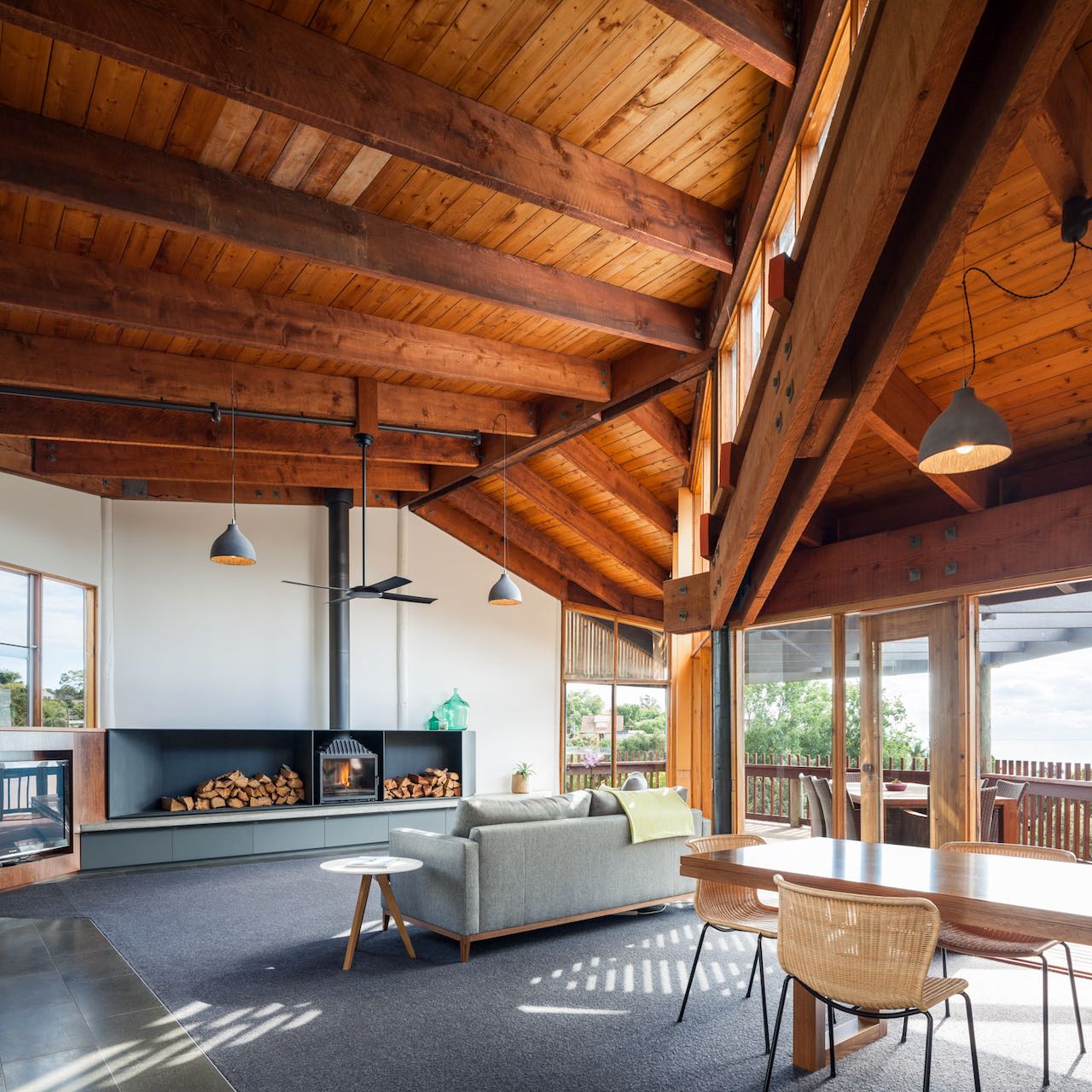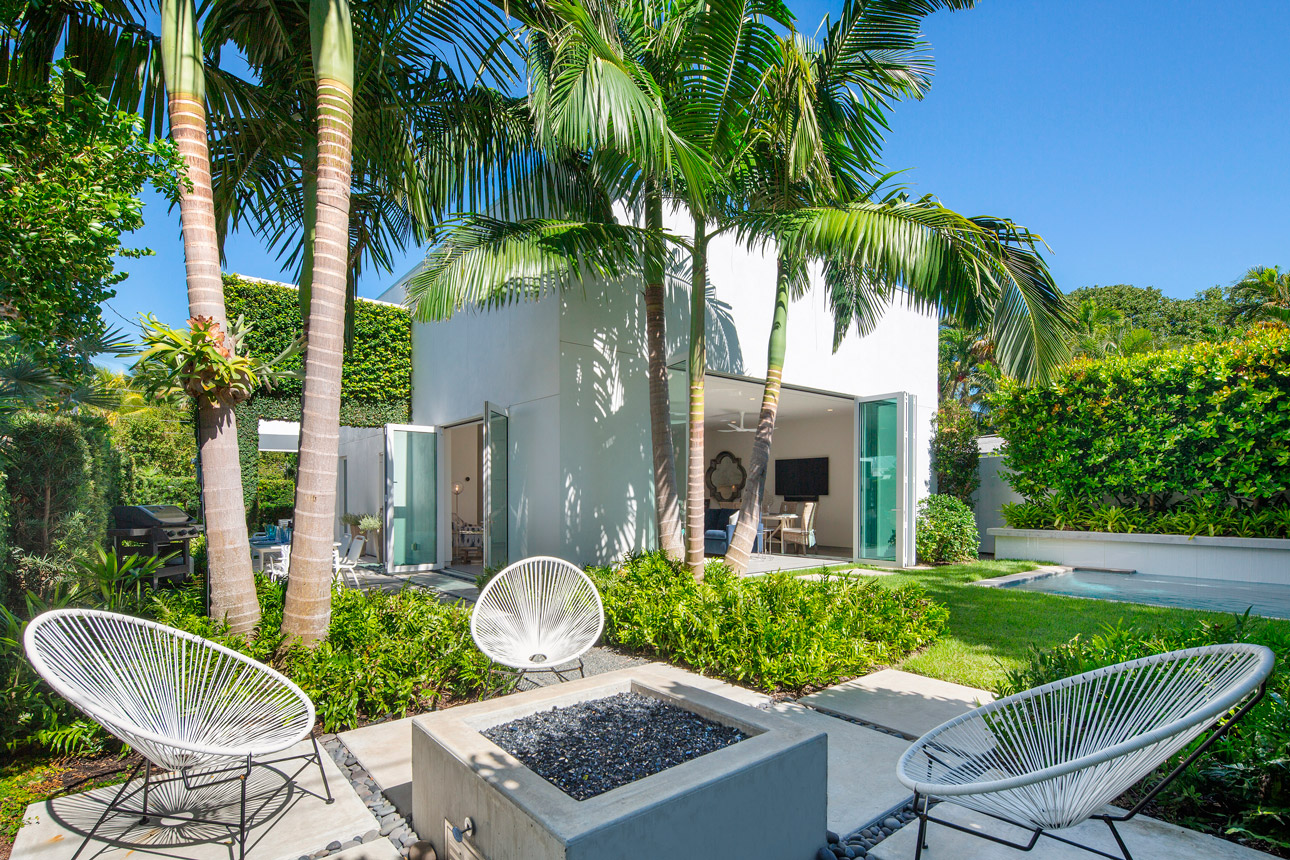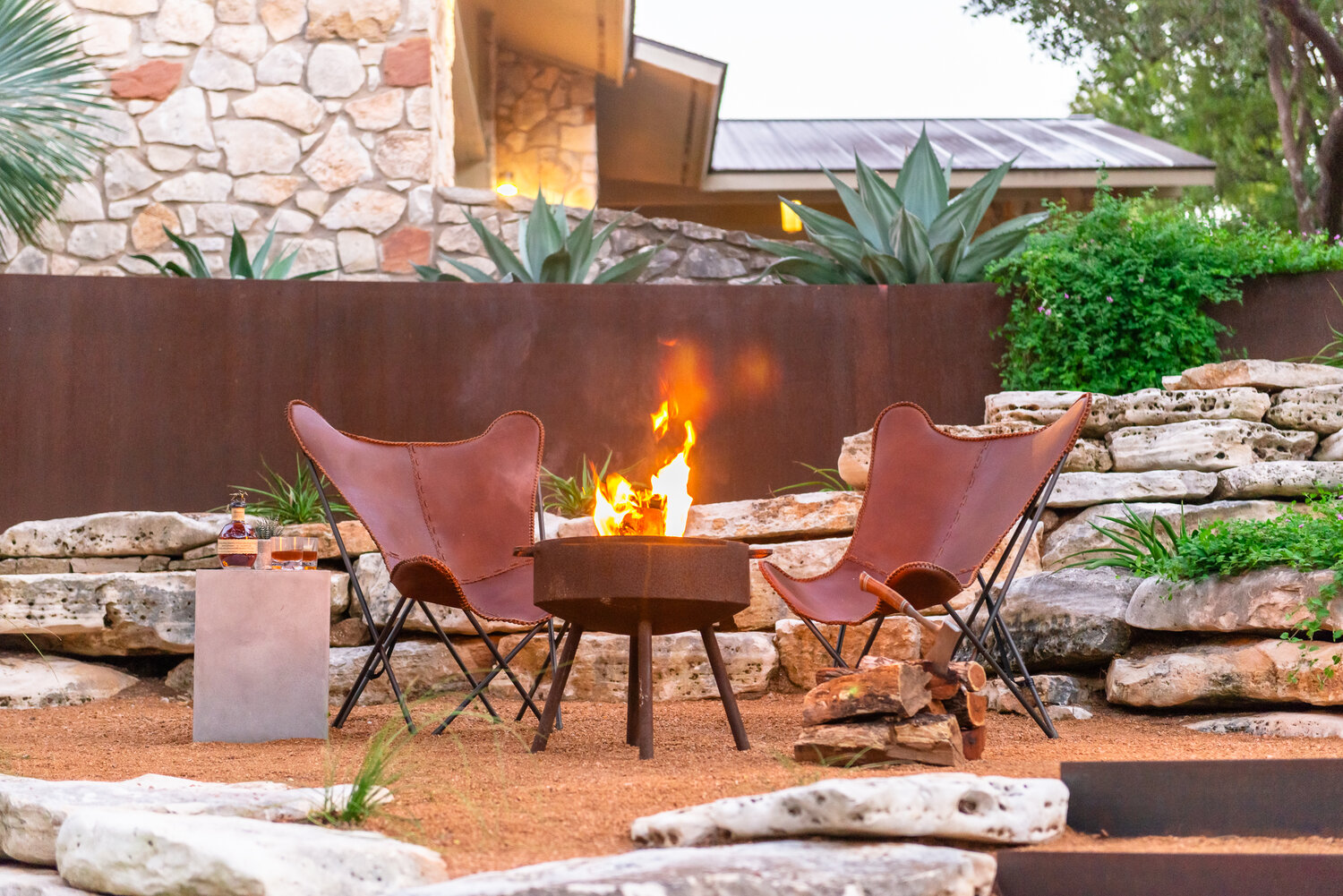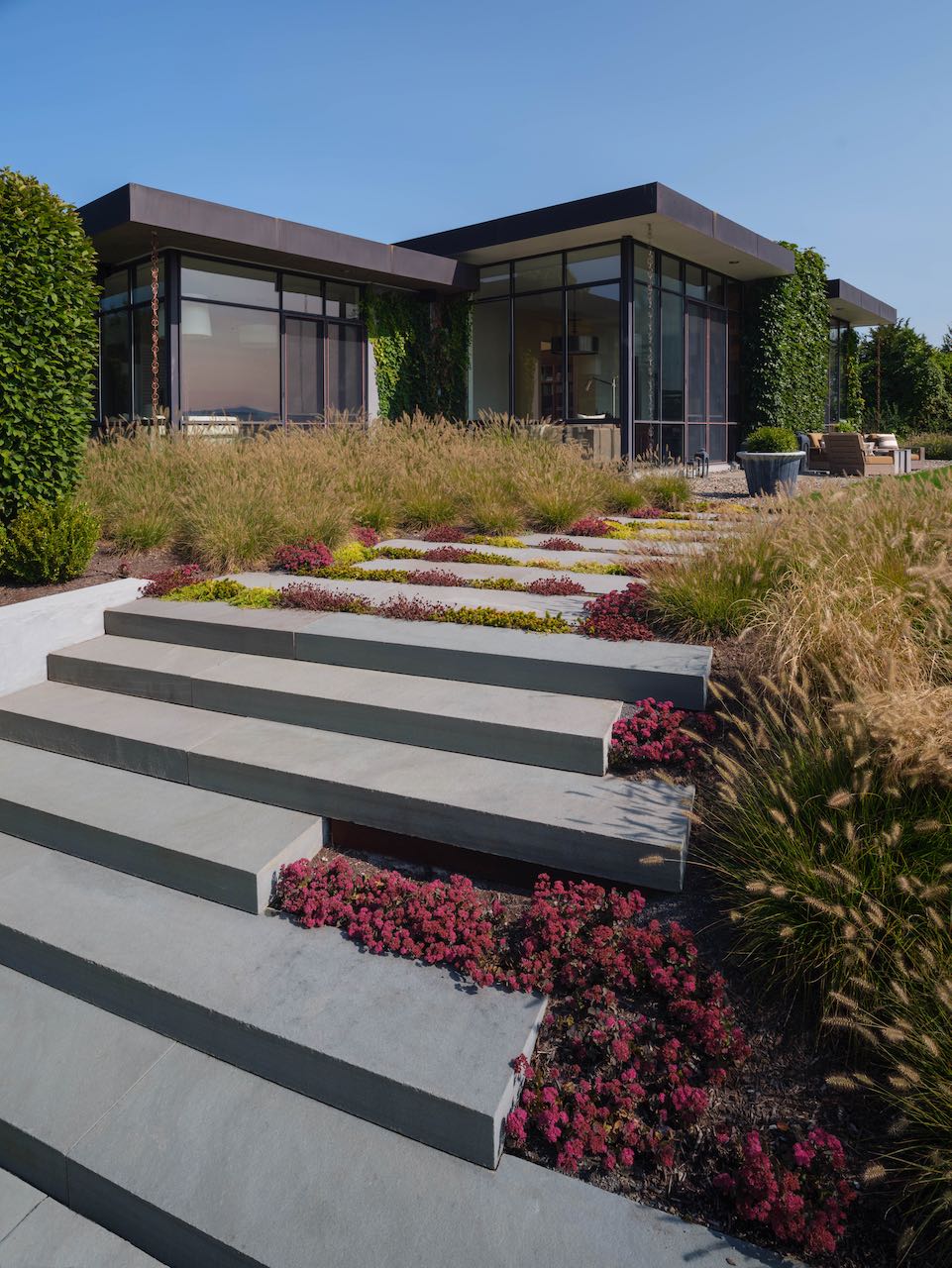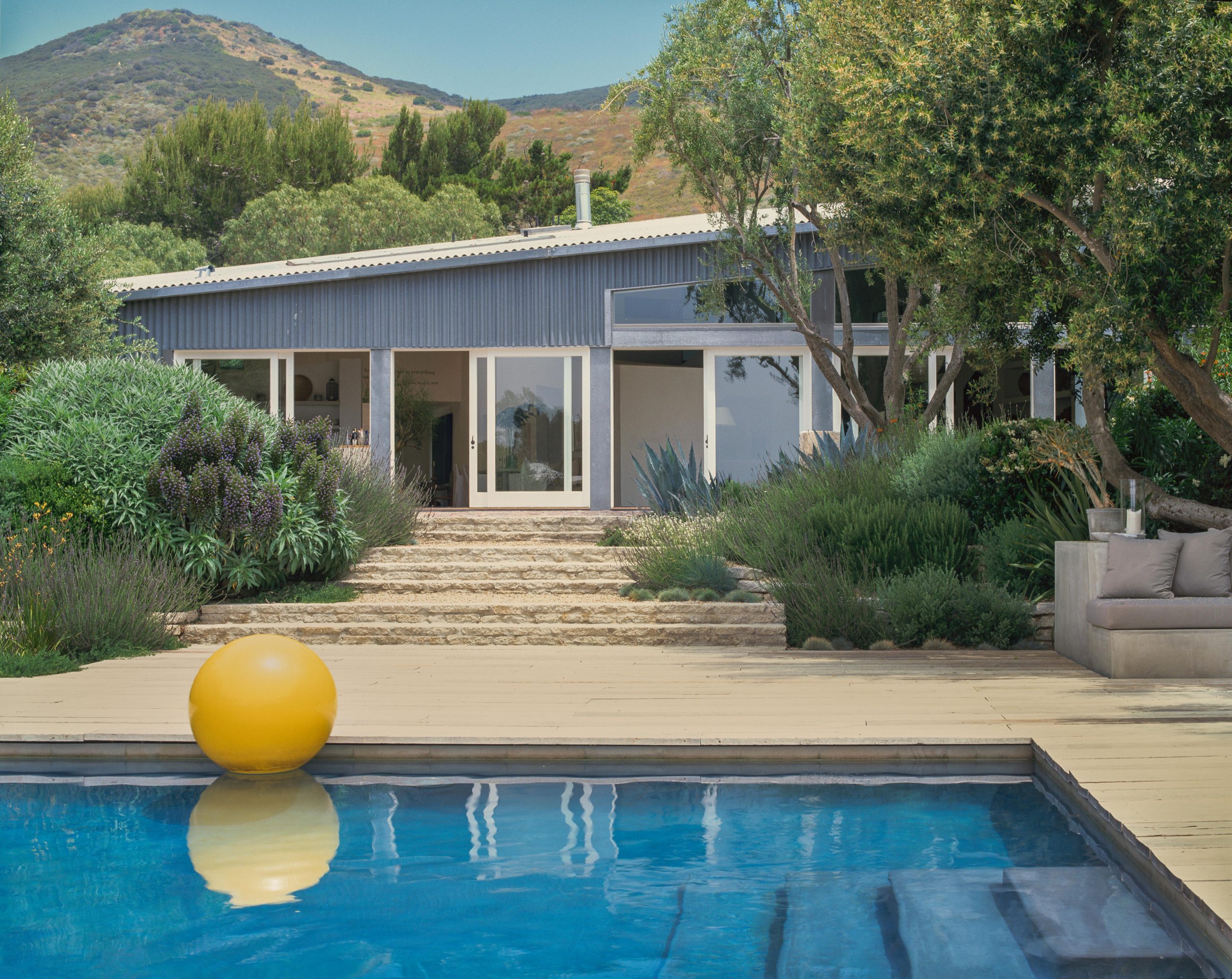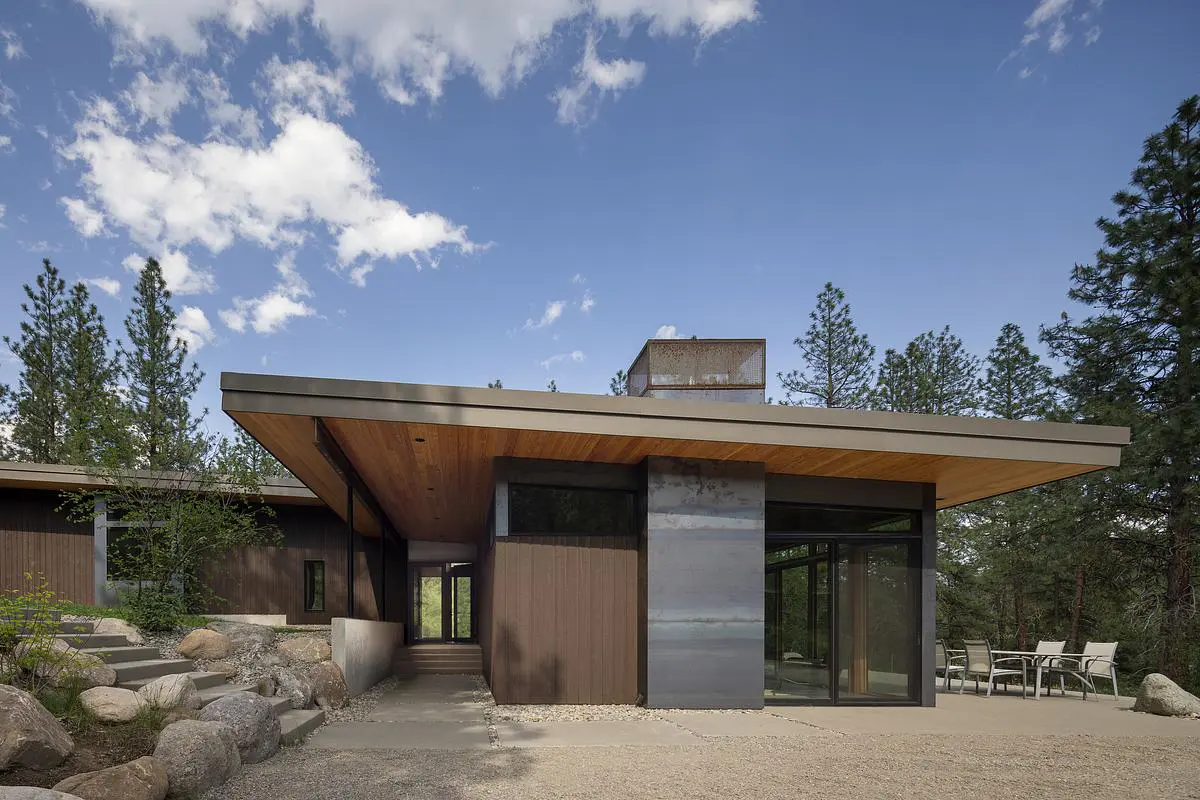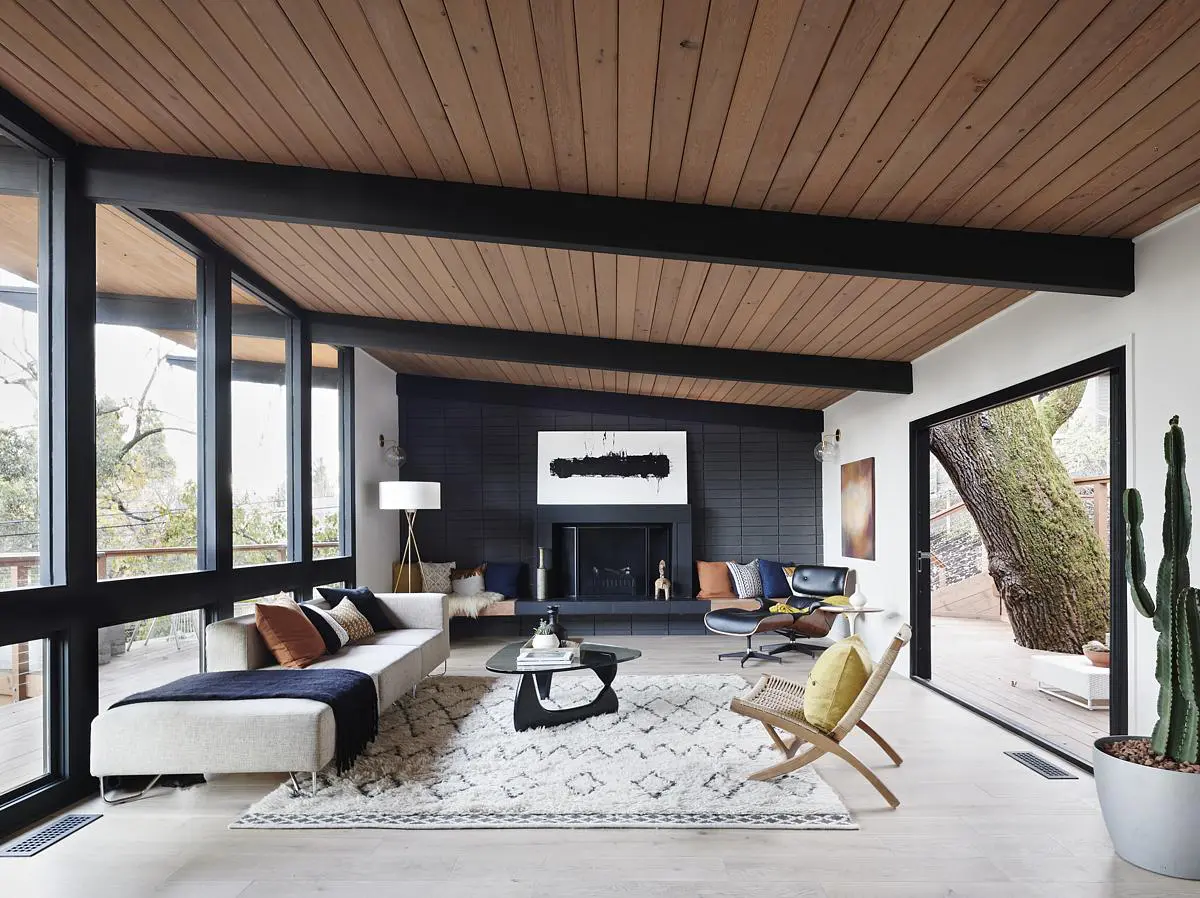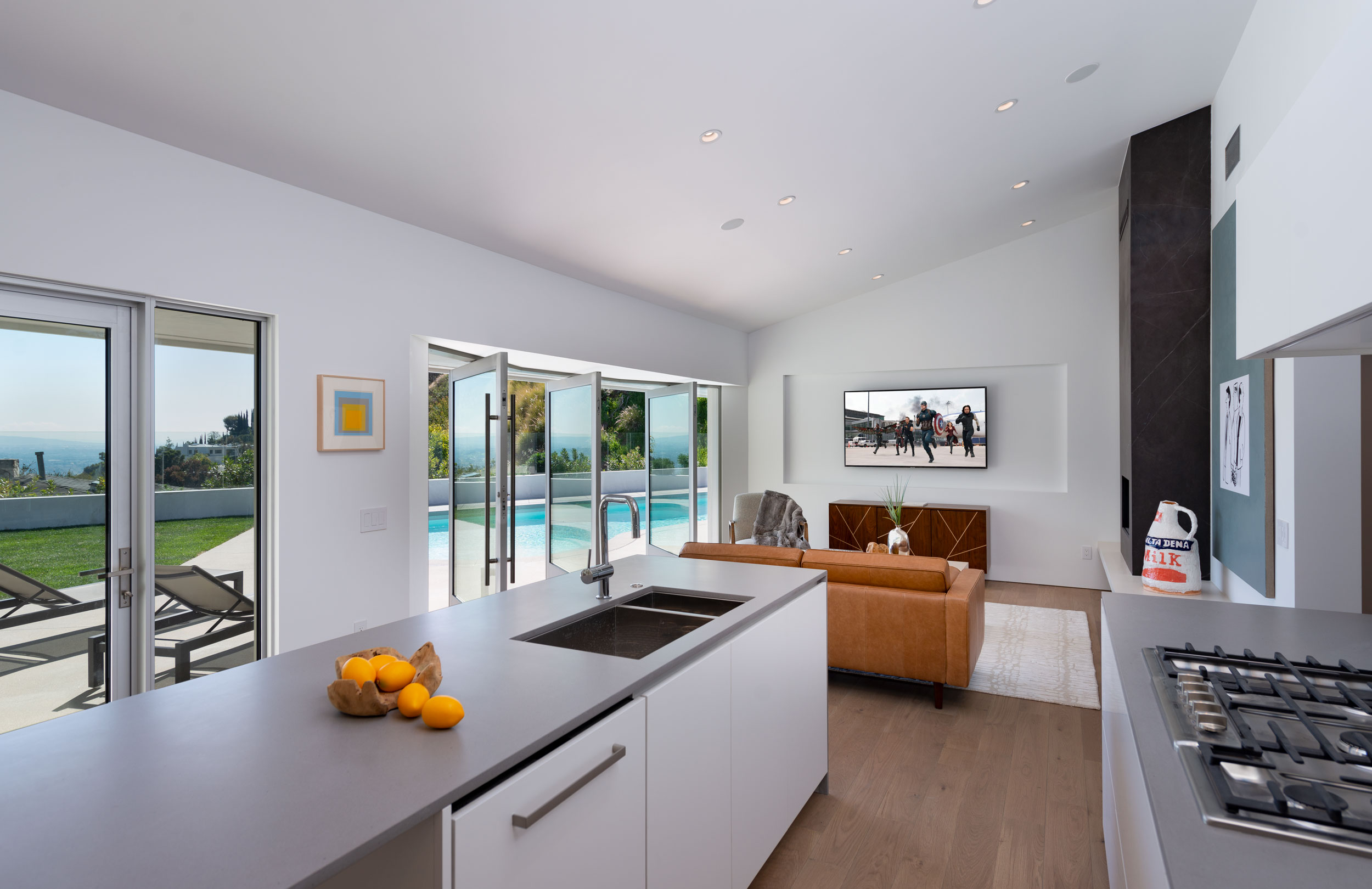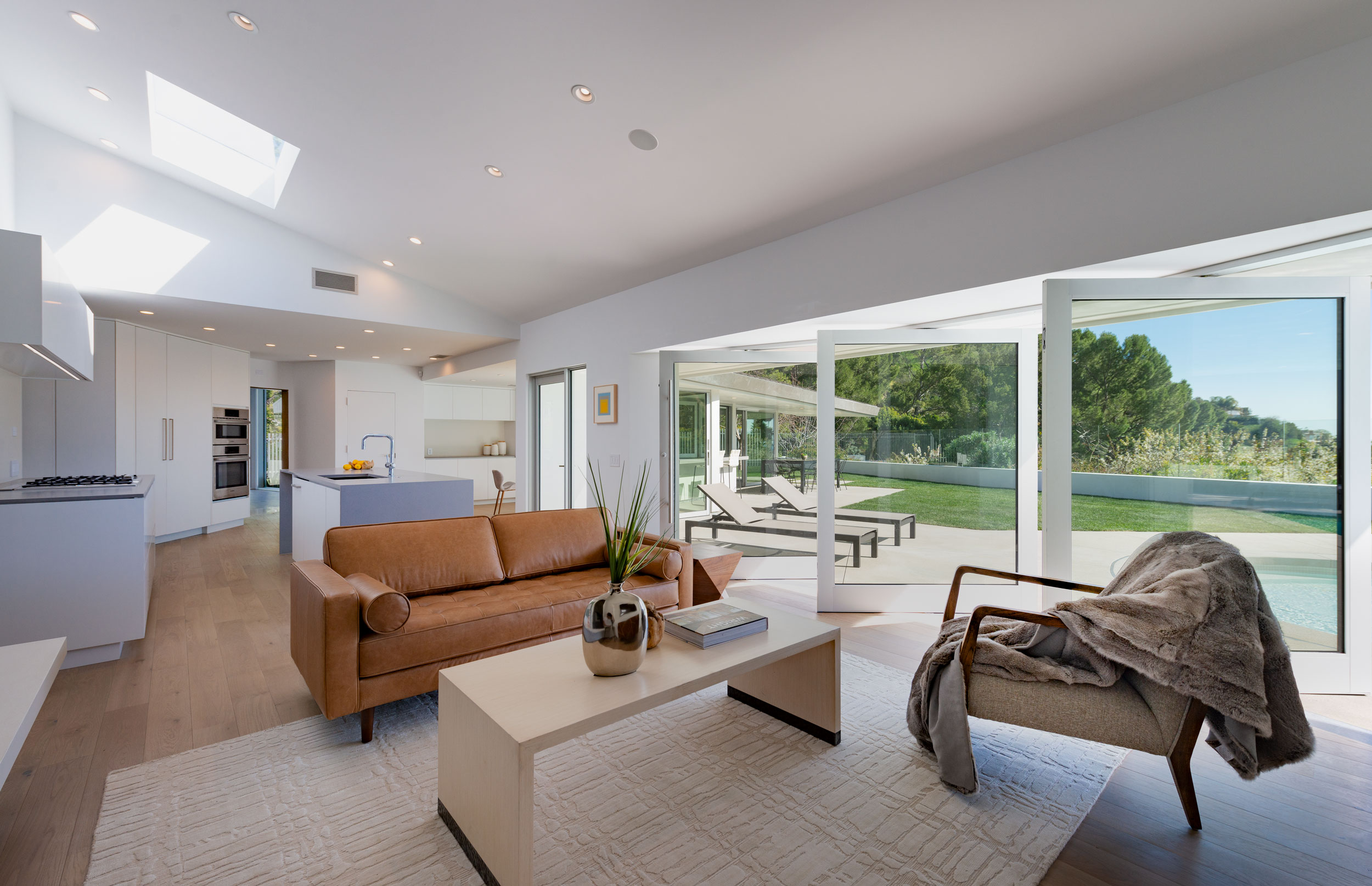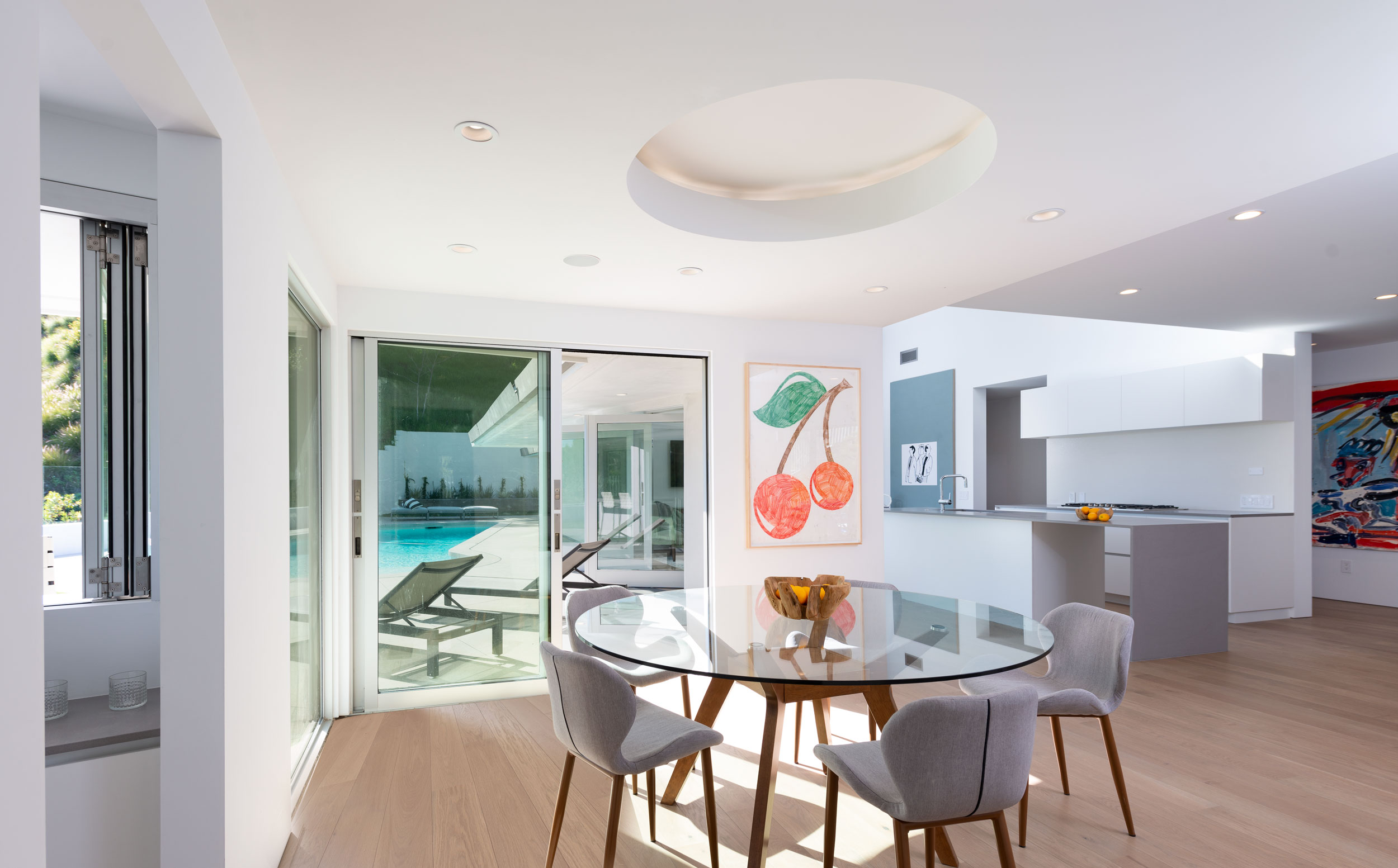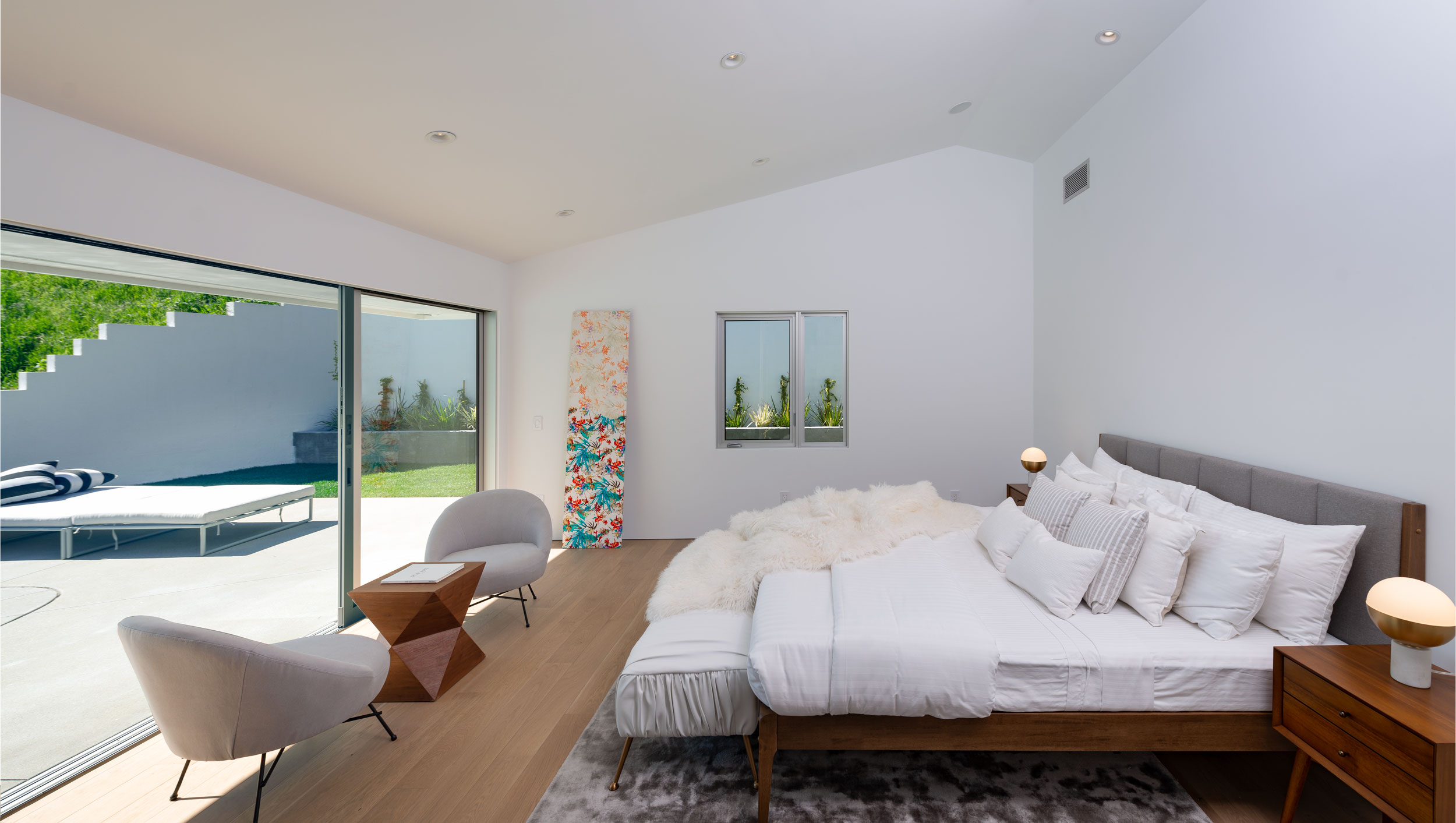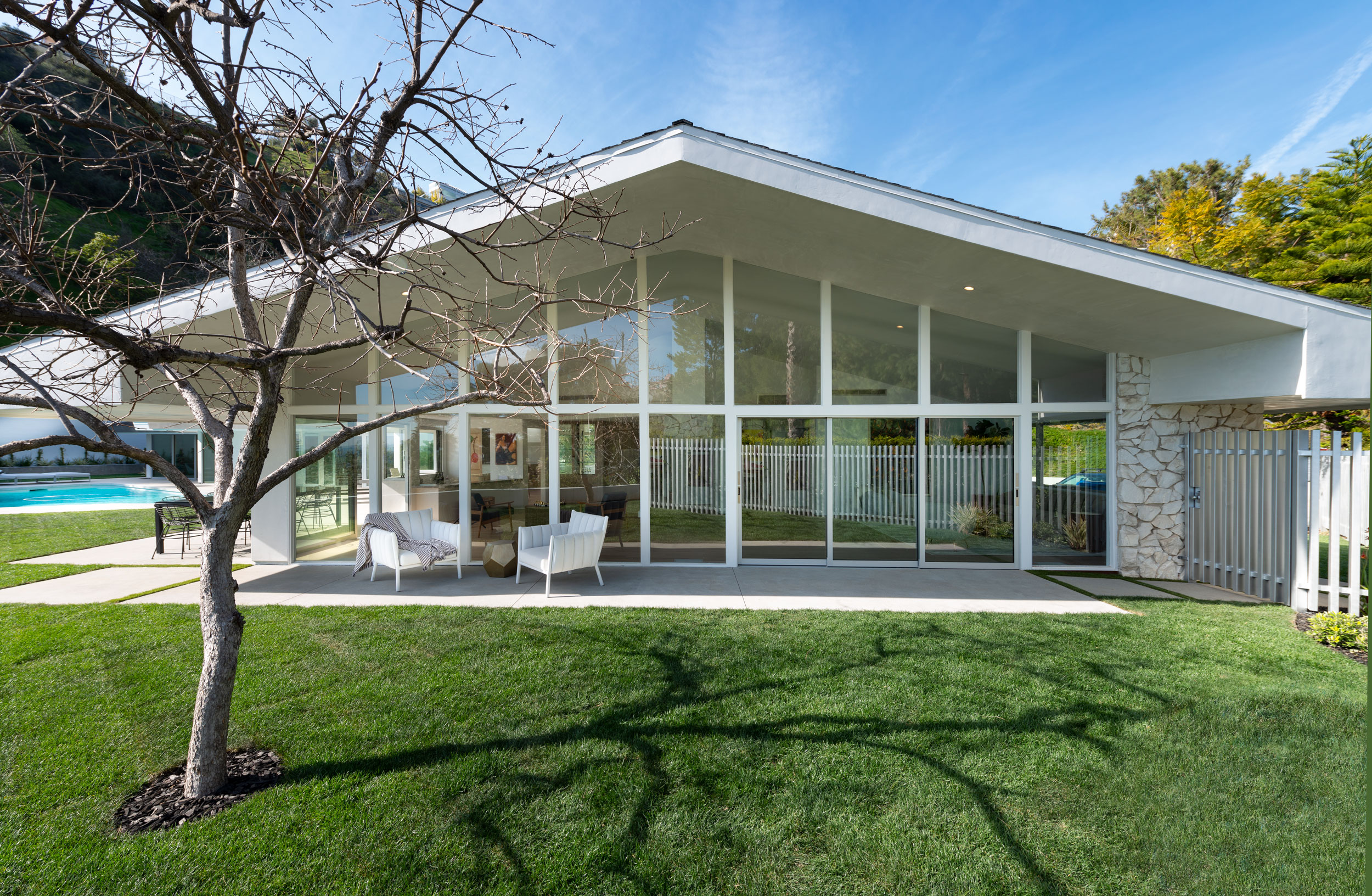

Located in Los Angeles, the project is a mid-century renovation shaped by a balance of preservation and adaptation. For architect Dan Brunn, the project was particularly personal. The client was someone he had known for most of his life, creating a level of trust and familiarity that informed the entire design process.
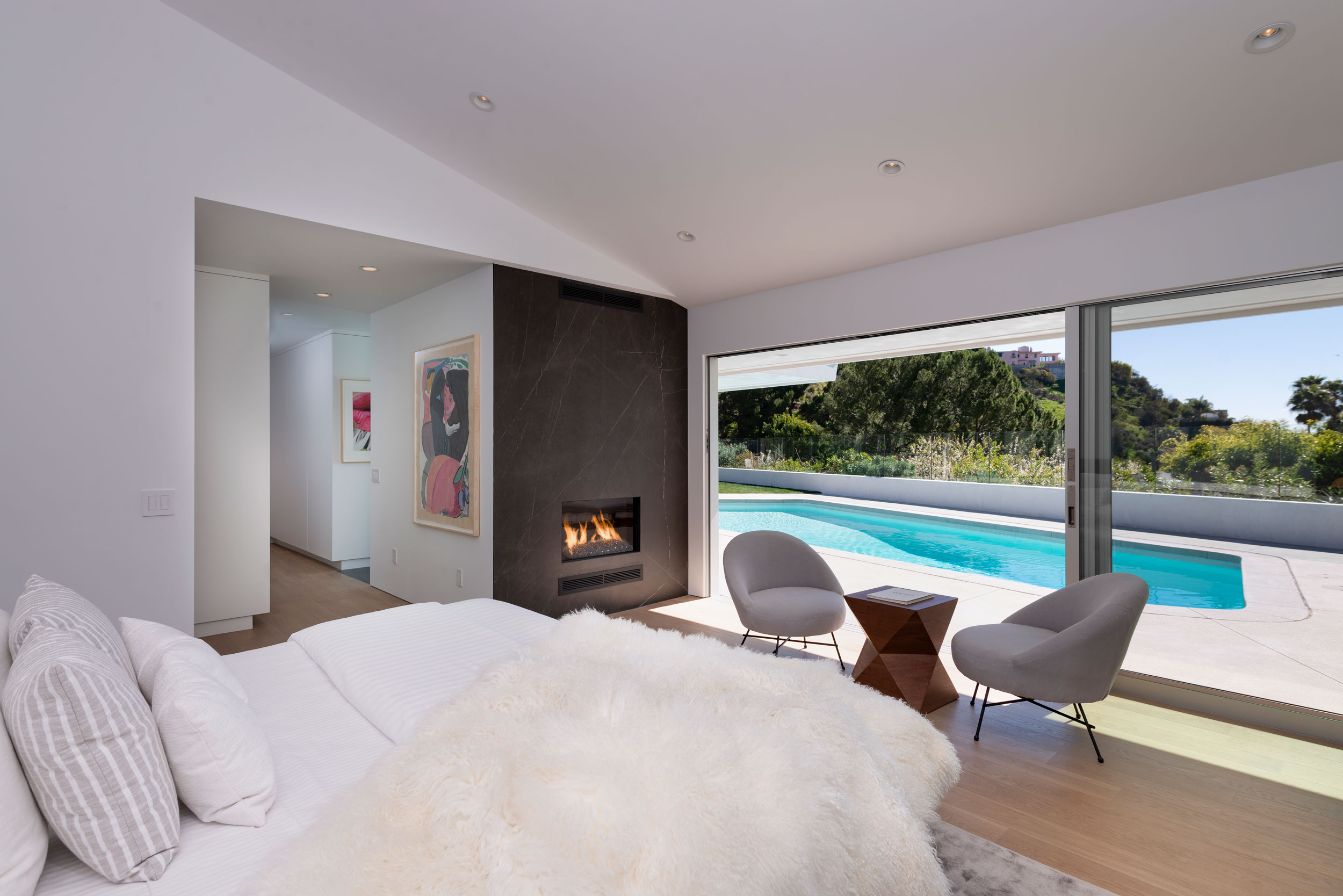
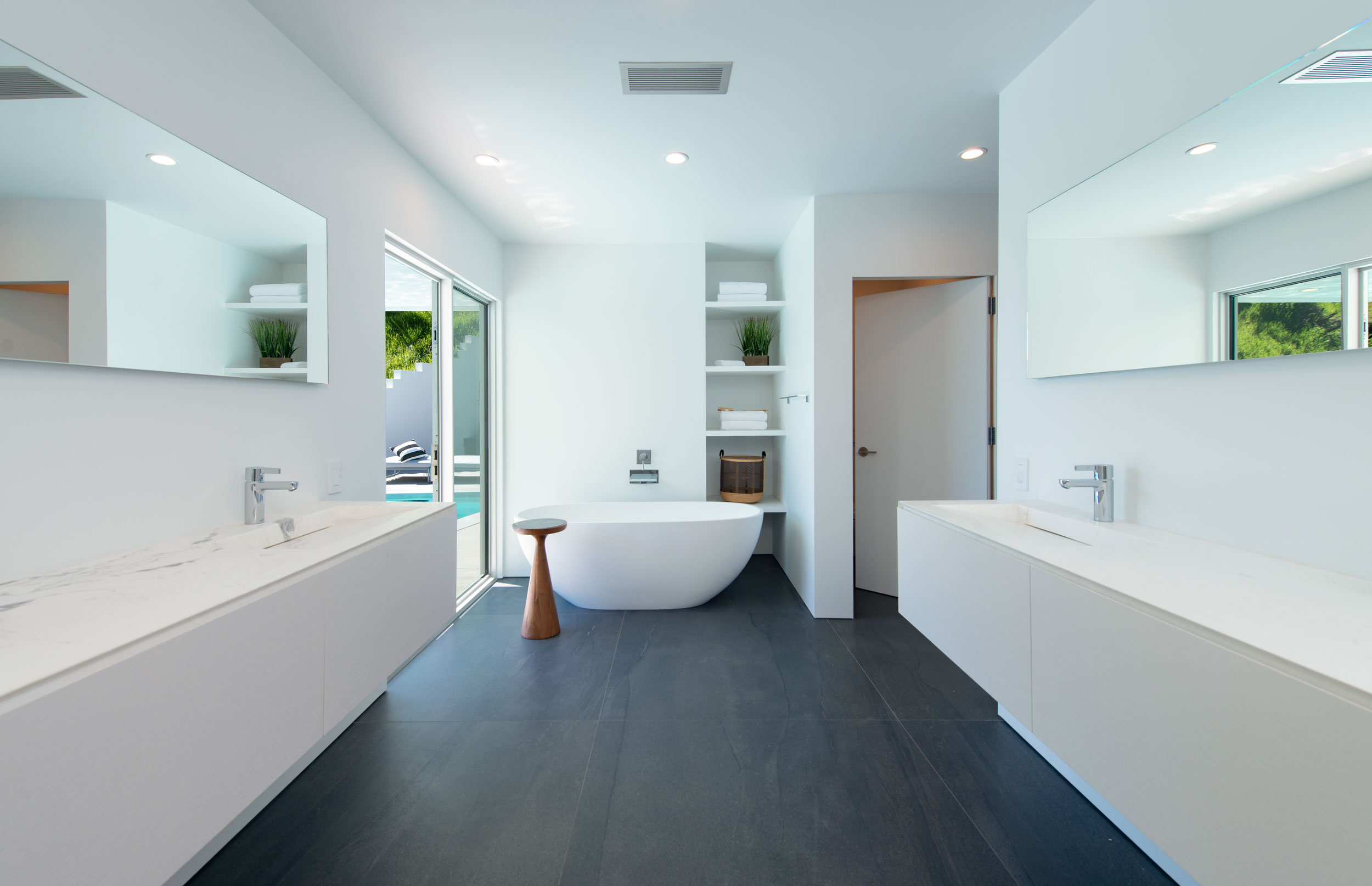
The owners brief focused on updating the kitchen and bathrooms, improving functionality, and creating a stronger connection between the interior spaces and the outdoor areas. Rather than approaching the renovation as a complete transformation, the design team focused on understanding what made the house unique before introducing any changes.
That process began with research. As with all of the studio’s mid-century projects, the first step was a close study of the original architecture. Historic drawings were reviewed, original features identified, and materials carefully considered. “What absolutely defines the house?” became one of the guiding questions throughout the project. Equally important was determining which elements were original and which had been added later, allowing the renovation to focus on strengthening the home’s authentic character.
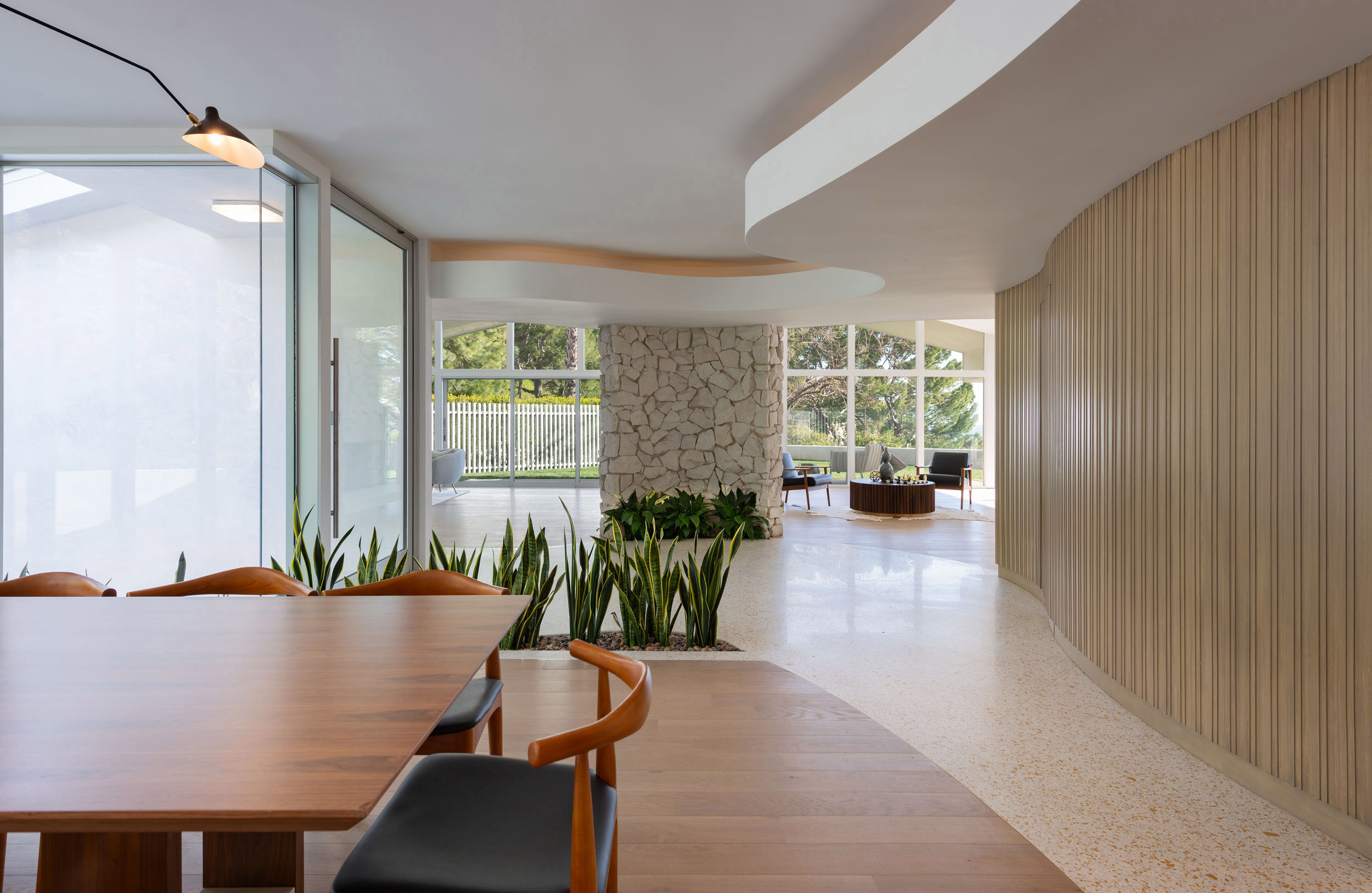
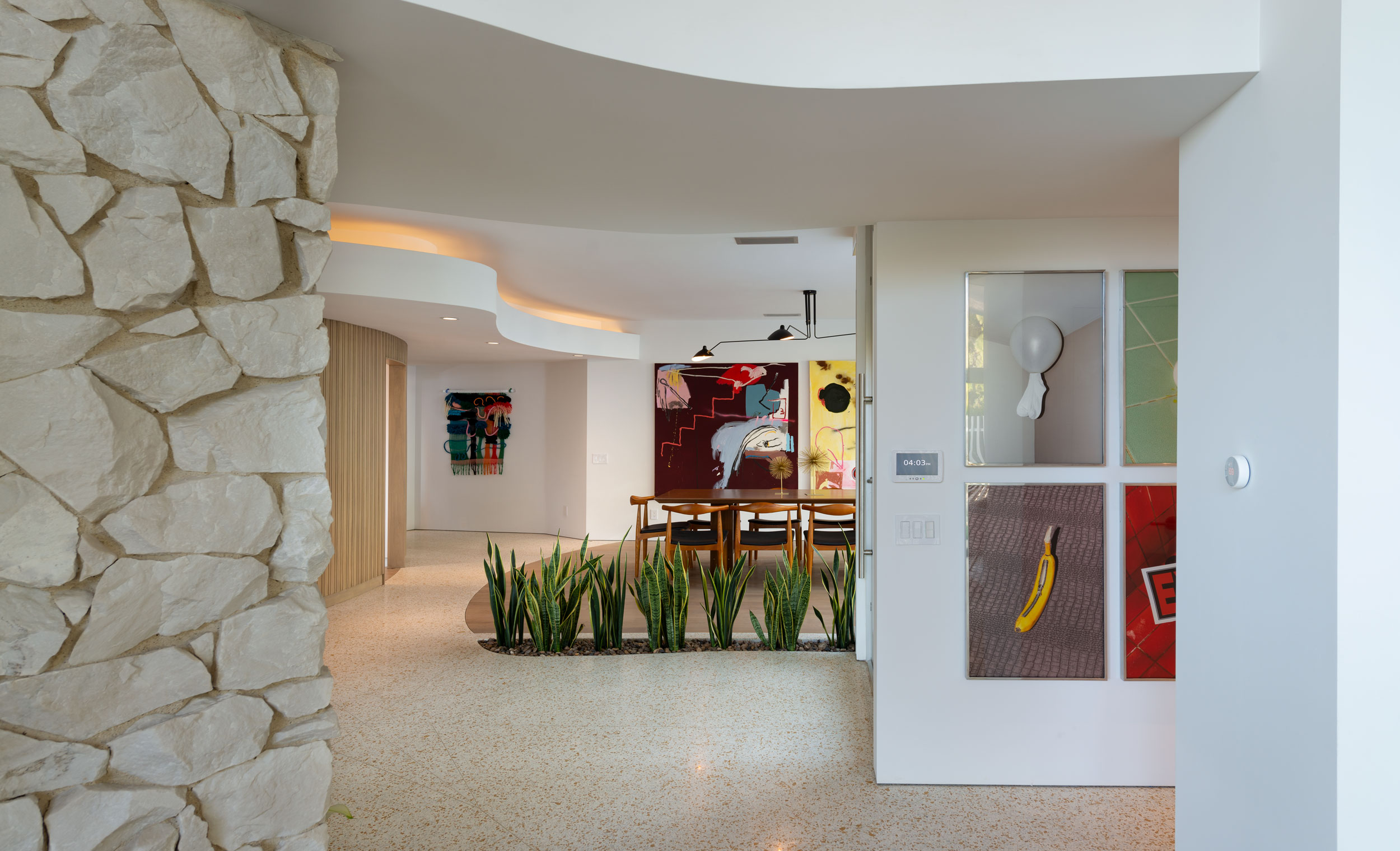
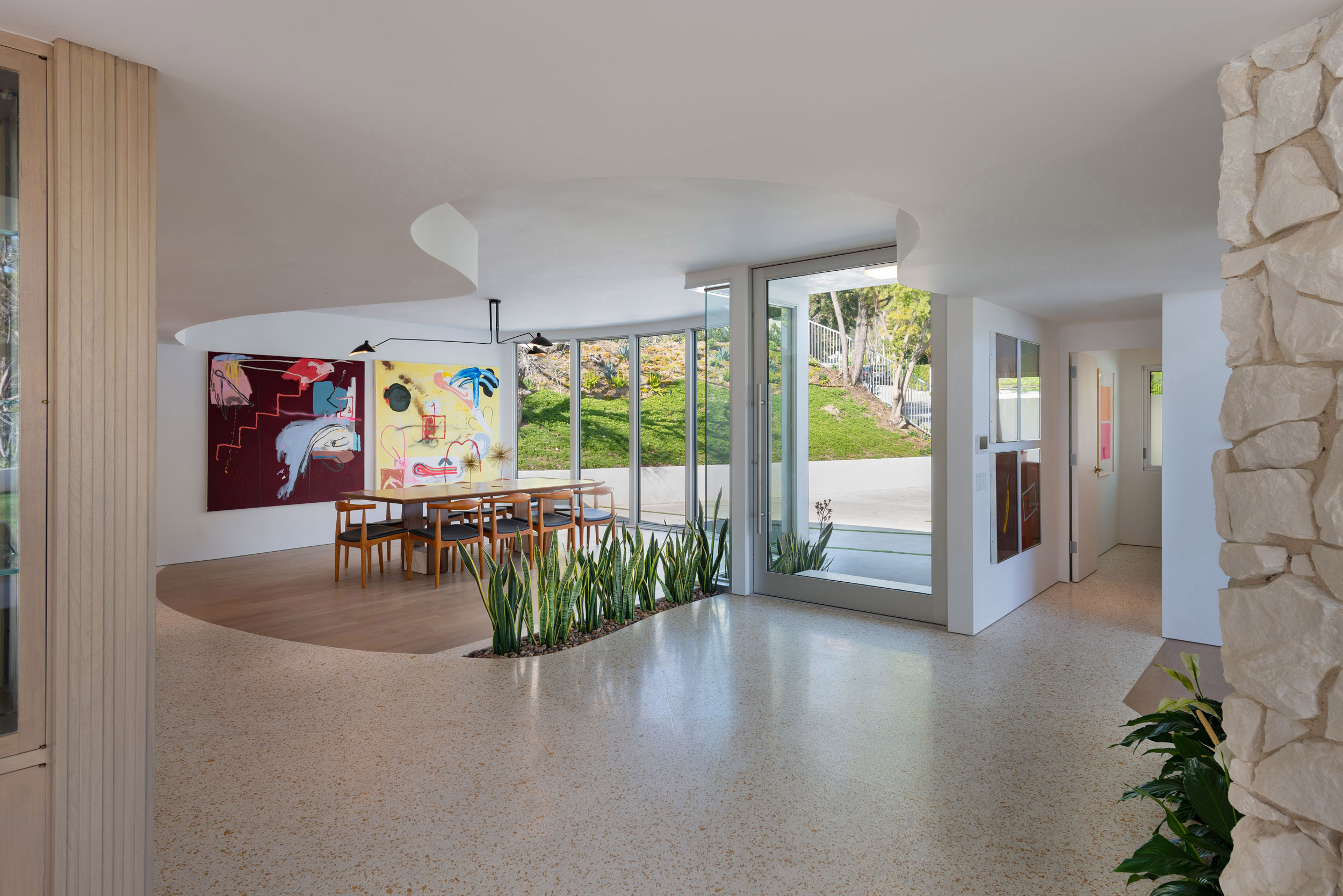
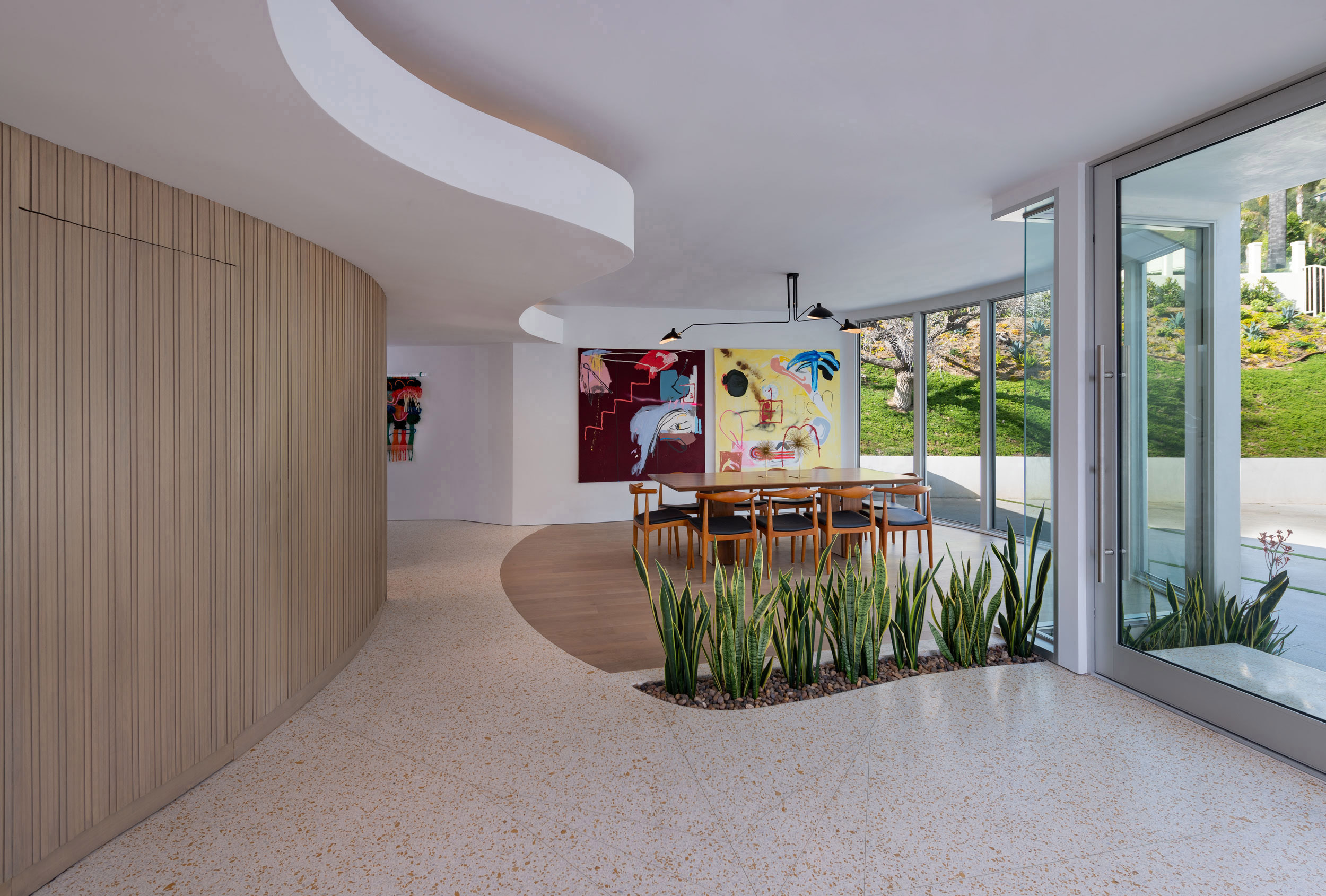
One of the defining qualities of the house reveals itself only after entering. From the street, the architecture appears restrained and geometric. Inside, however, the spaces are shaped by a series of flowing forms. Bitton describes the experience as being “immediately taken by the wave of the wood panelled walls and curving ceilings.” These undulating walls became one of the project’s most important features and a key reference point for the renovation.

While the curved walls were part of the original house, the architects introduced new ceiling coves that complement these forms and help connect them to the more rectilinear geometry of the ceiling planes. The result is a subtle intervention that feels consistent with the original design language while adding a new layer of spatial richness.
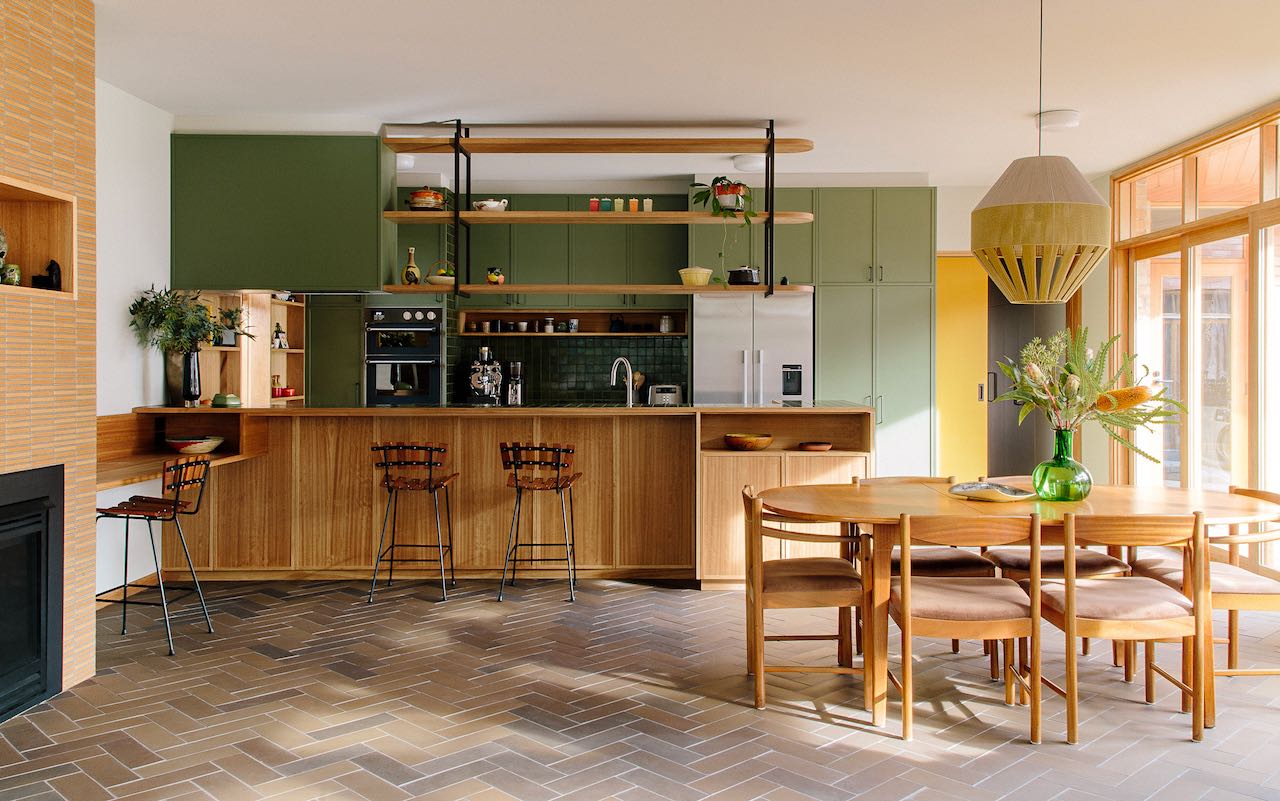
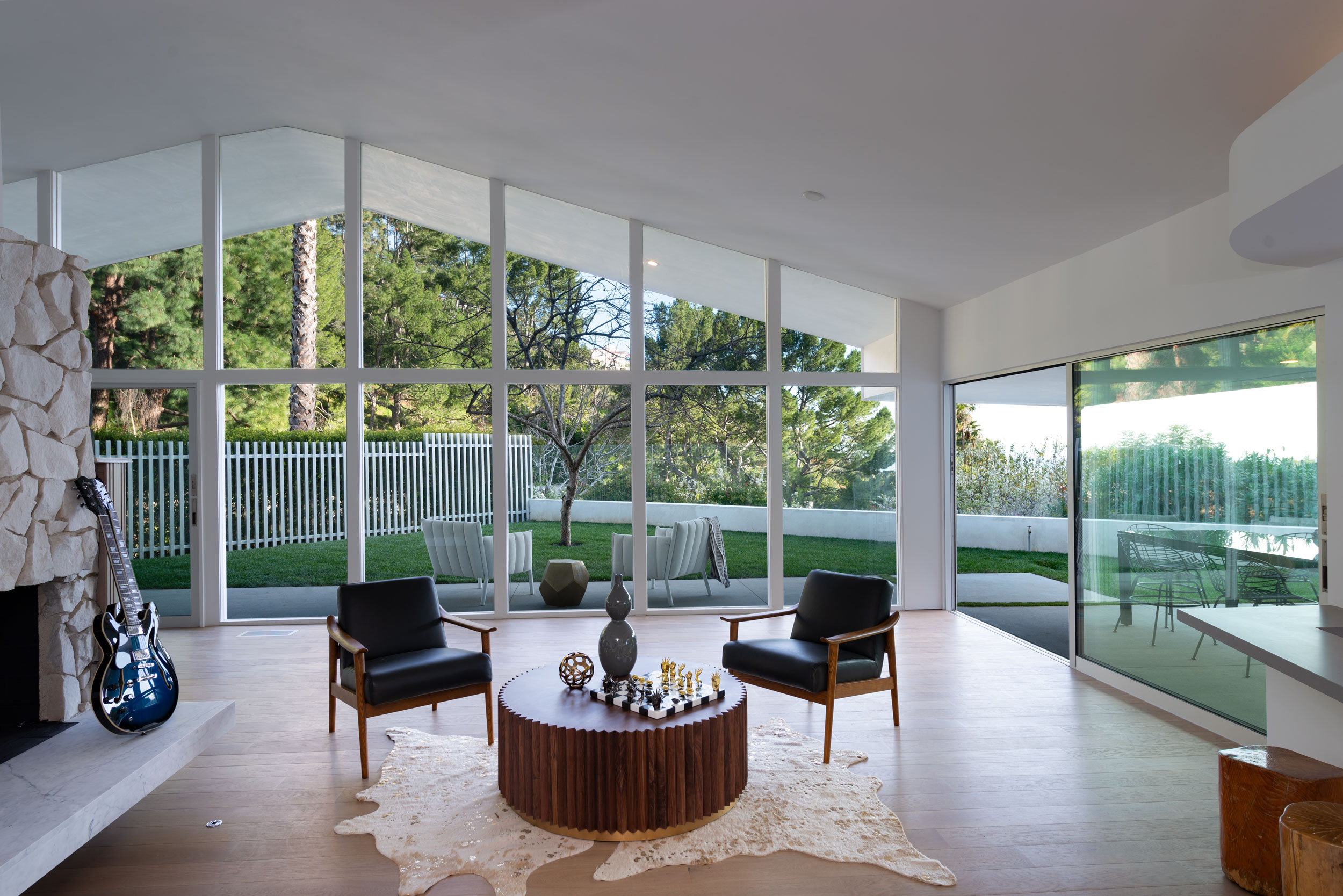
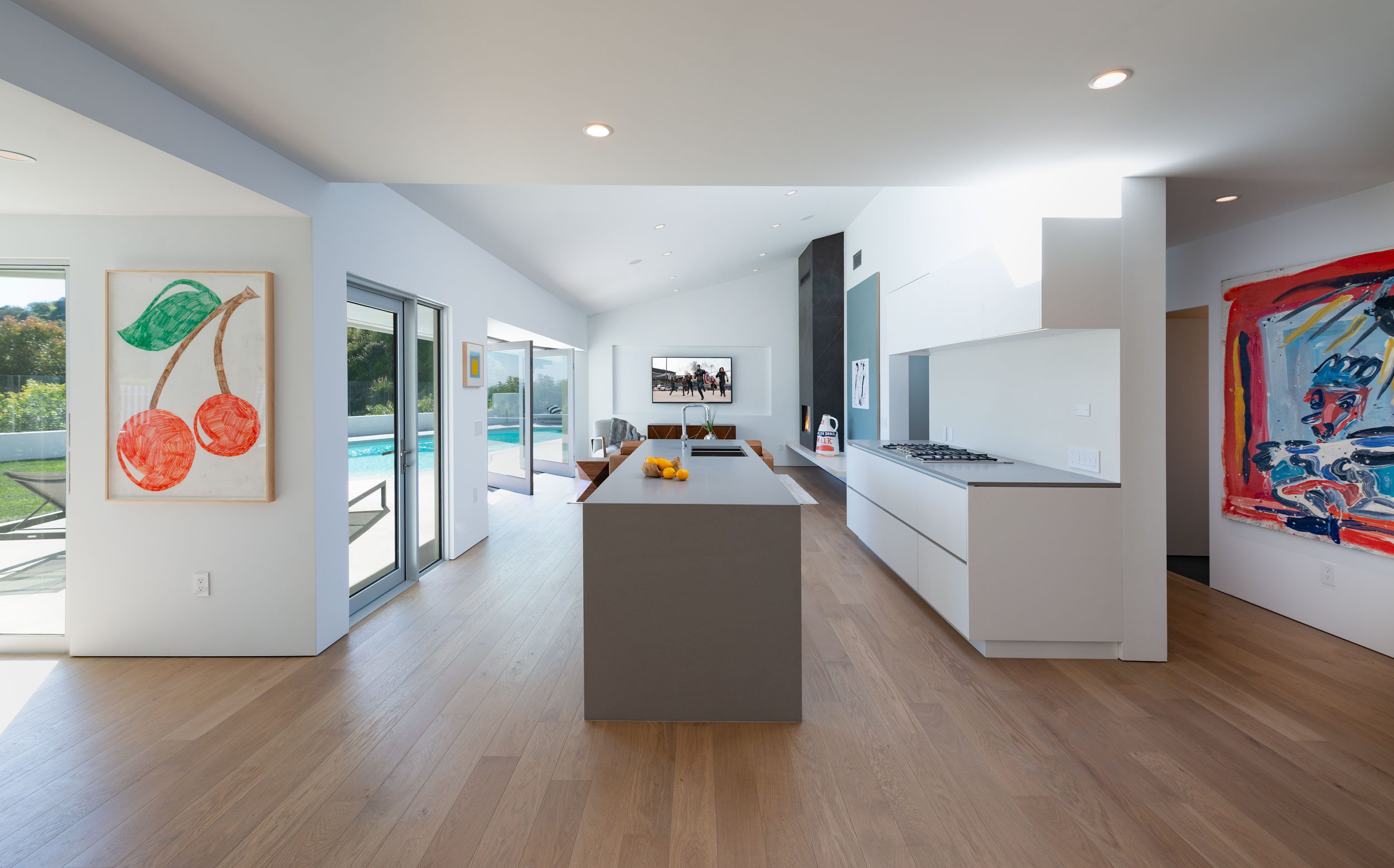
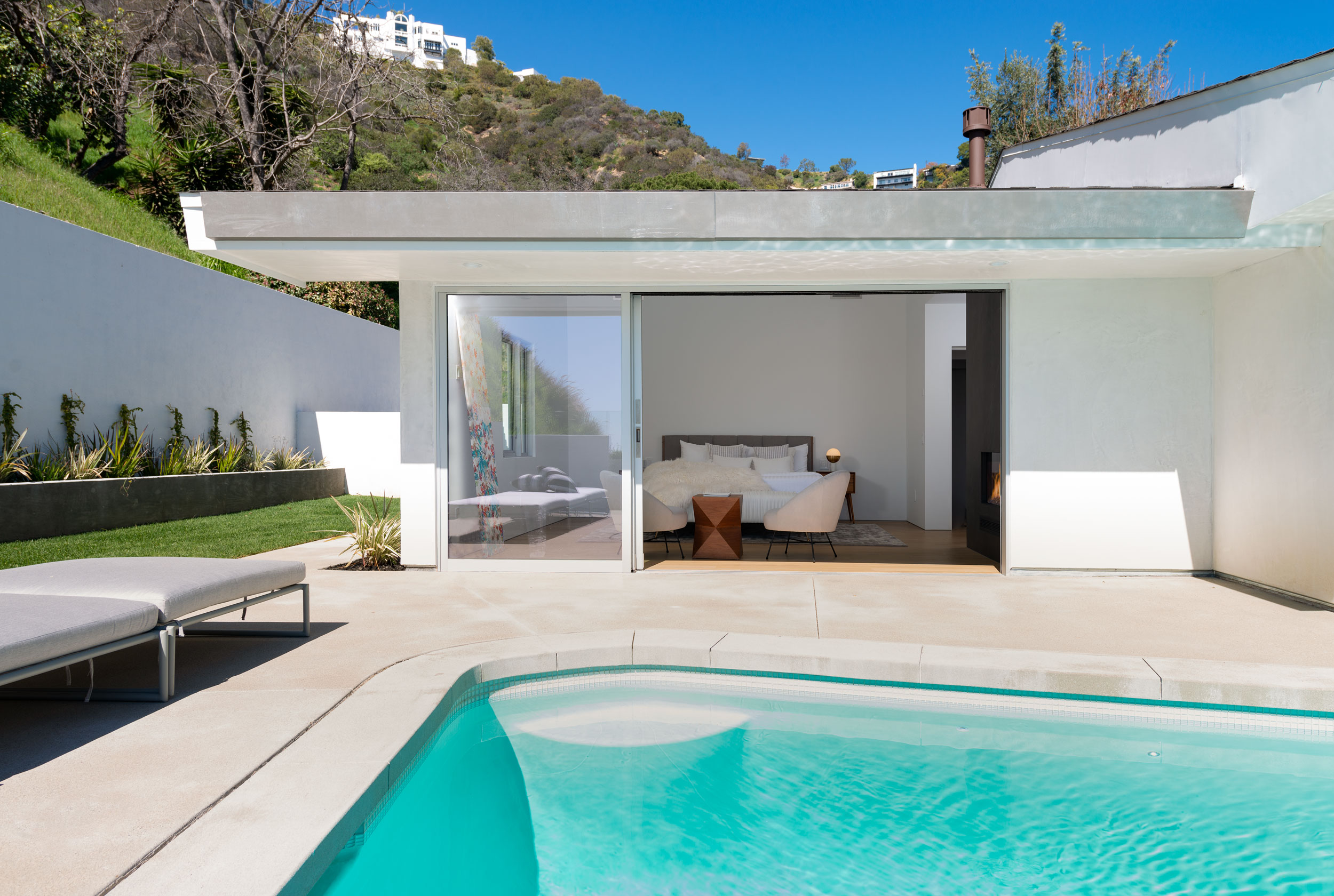
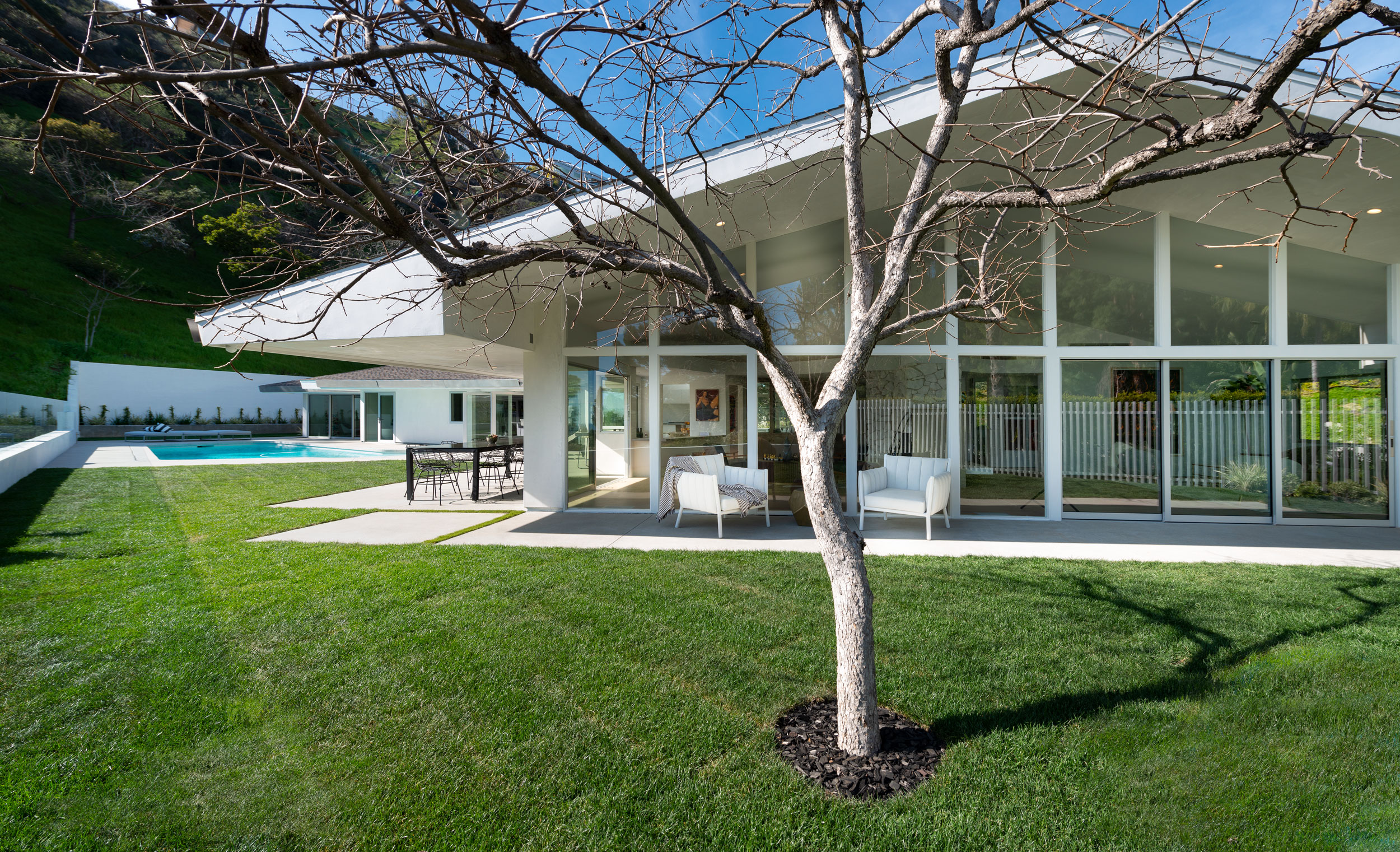
The relationship between house and landscape was another important focus. To strengthen indoor-outdoor living, the floor plan was carefully reworked, creating a more open connection between the kitchen, family room, pool, and garden. A continuous line of pivot doors now opens these spaces directly to the exterior, allowing the house to engage more naturally with the California climate and lifestyle.
Material choices followed the same philosophy of refinement rather than replacement. Existing terrazzo flooring was restored, preserving a key mid-century element while reducing the need for unnecessary demolition. Hardwood flooring was introduced in selected areas to provide warmth and softness, while existing stone walls were cleaned and refinished to highlight their texture and craftsmanship.
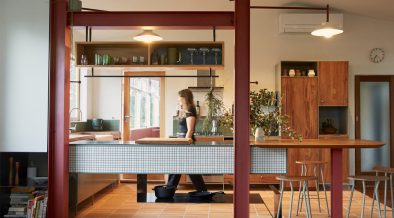
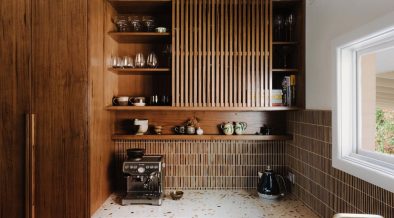
The kitchen takes a particularly restrained approach. Rather than creating what Bitton describes as a “pseudo Mid-Century kitchen,” the design embraces a more timeless form of minimalism. Clean lines, simple detailing, and carefully selected materials allow the kitchen to feel contemporary without competing with the original architecture.
Throughout the project, the goal was not to recreate the past but to build upon it. By listening closely to the clients’ needs while remaining attentive to the house’s defining qualities, the renovation creates a dialogue between old and new. The result is a home that feels more connected, functional, and open, while continuing to celebrate the architectural character that made it worth preserving in the first place.The renovation also reflects a broader idea about how homes evolve alongside the people who inhabit them. Rather than focusing on architectural transformation alone, the project considers how spaces can support personal change and everyday life.