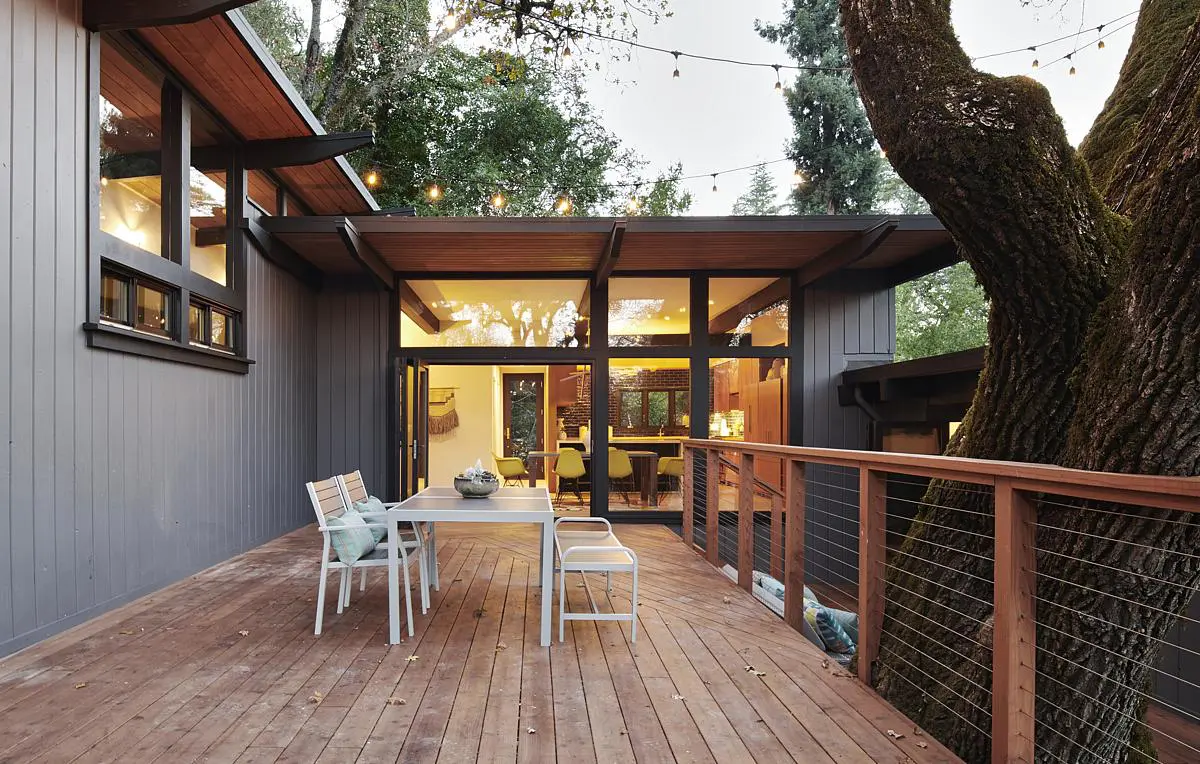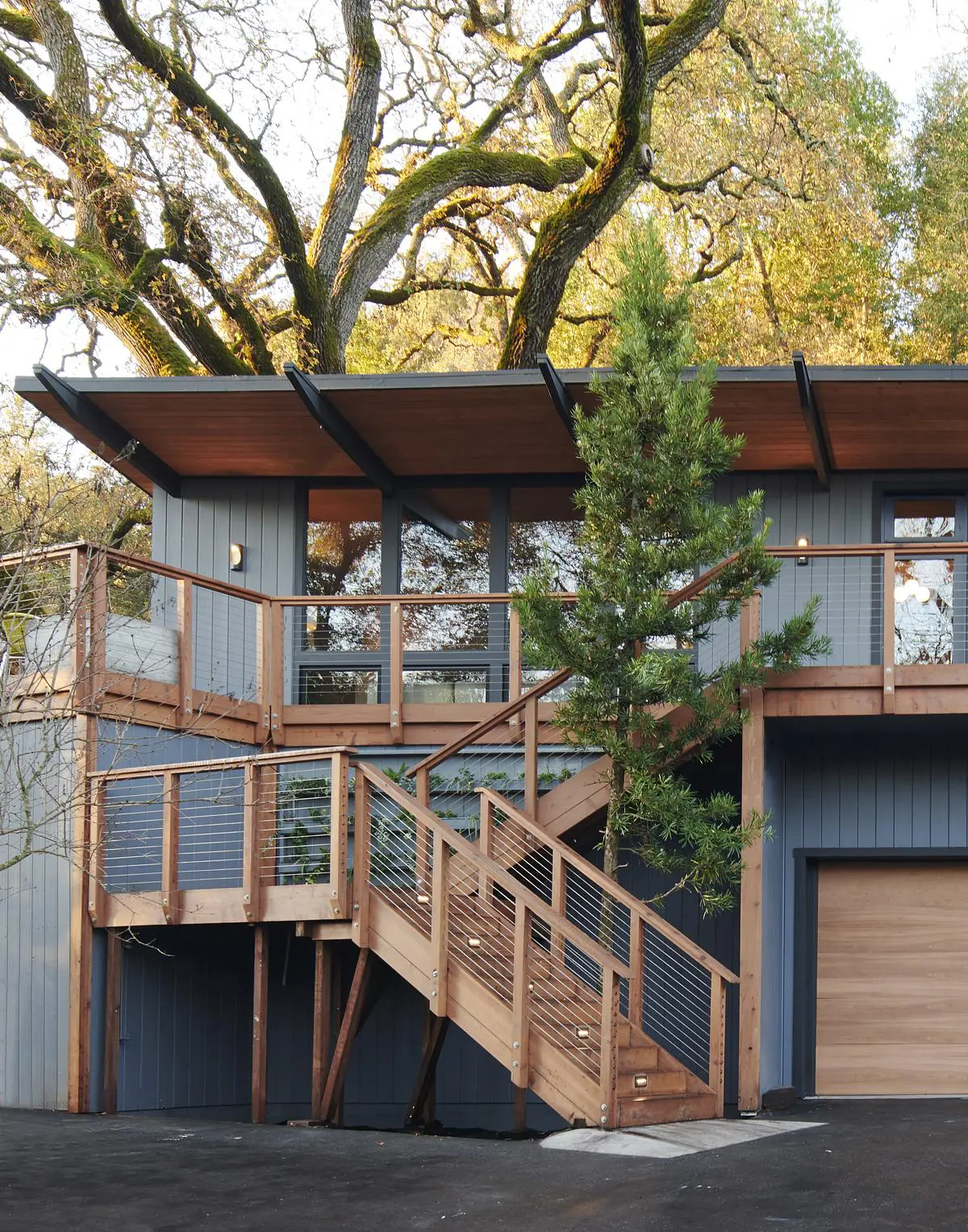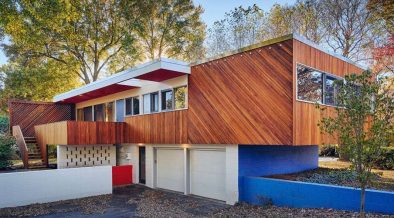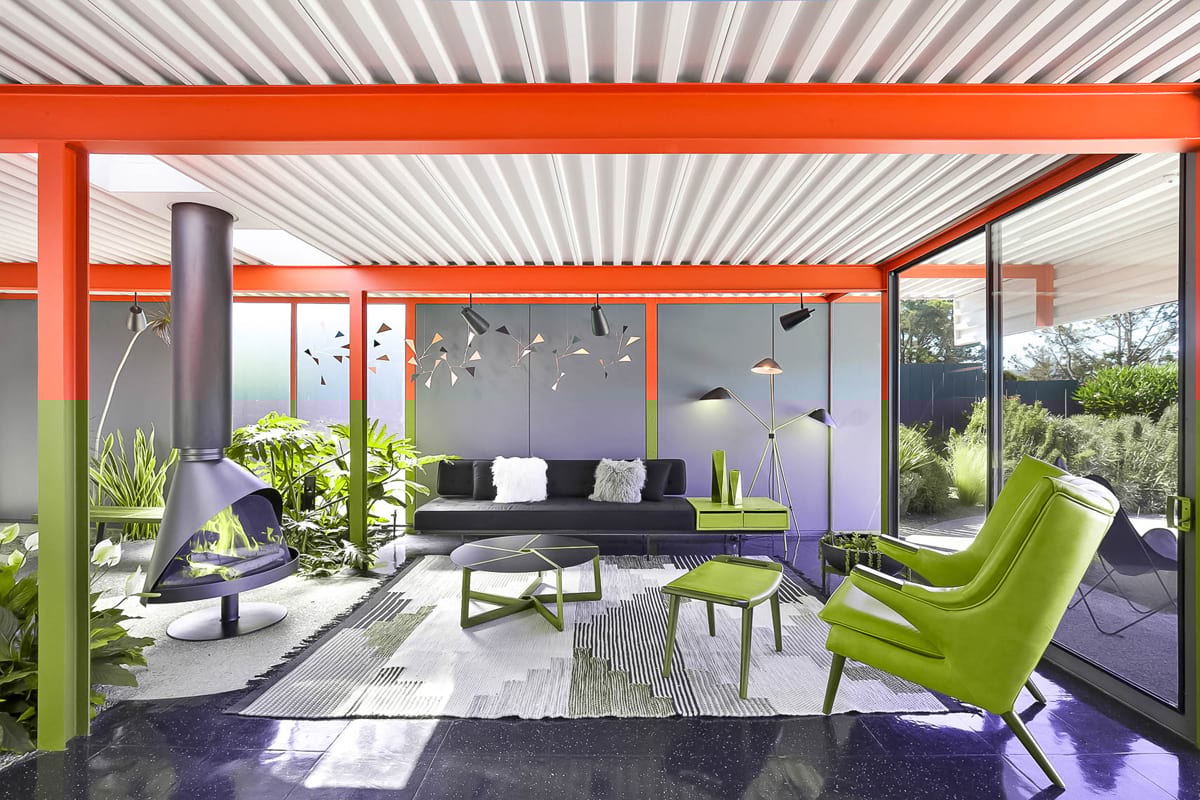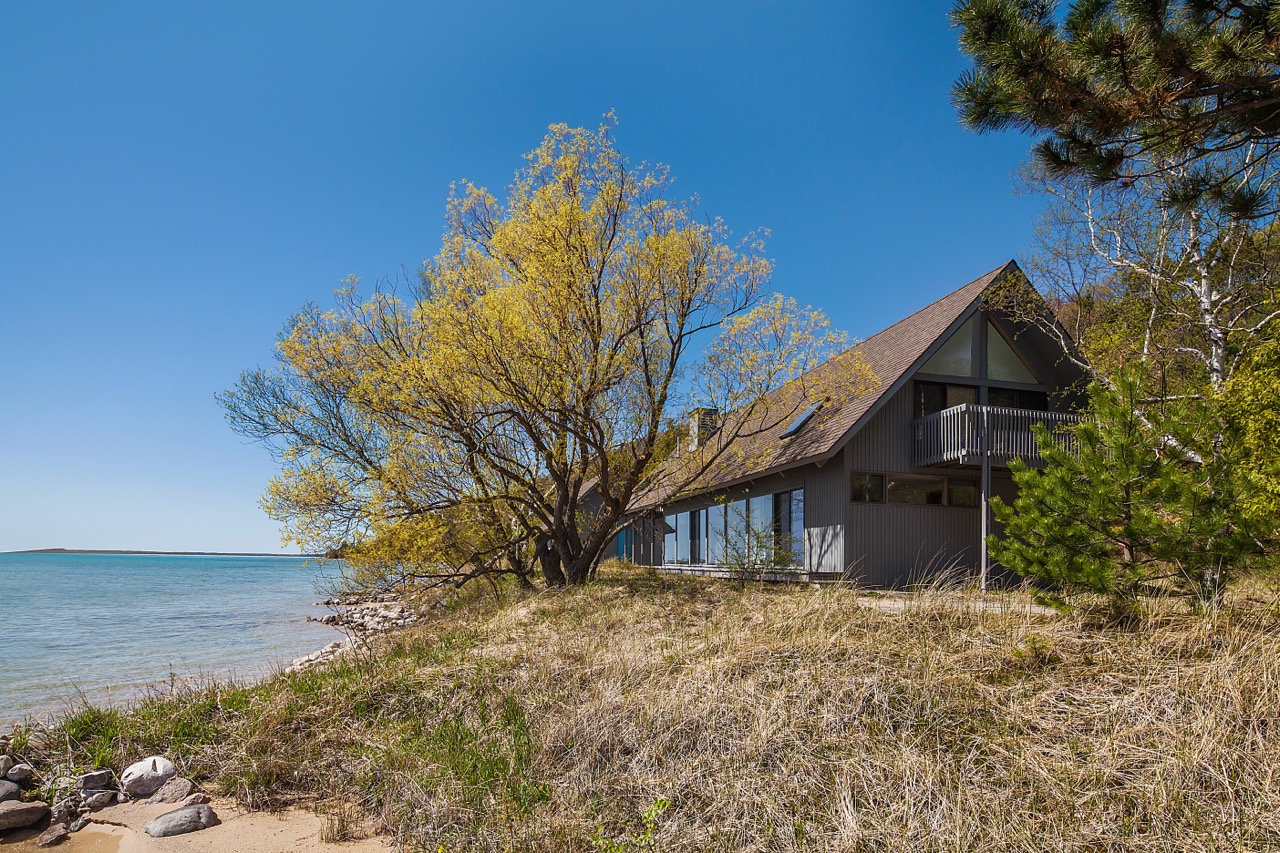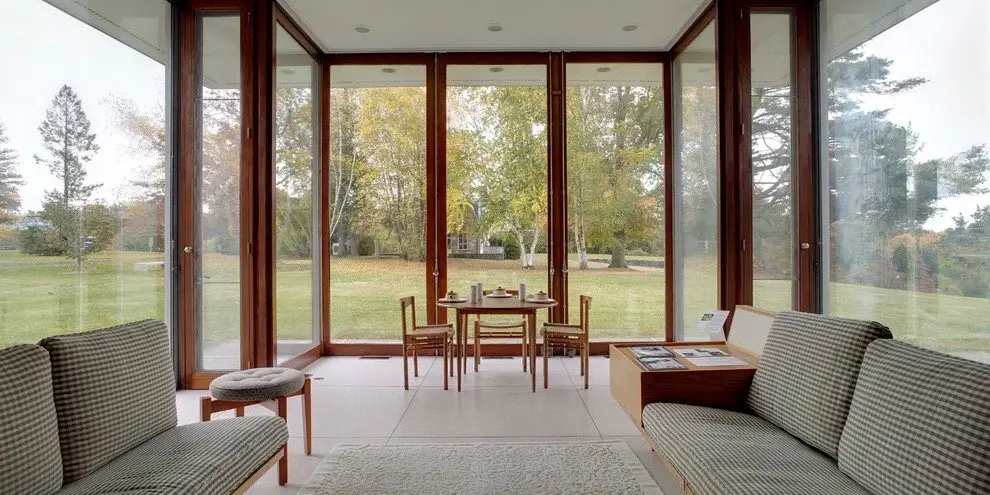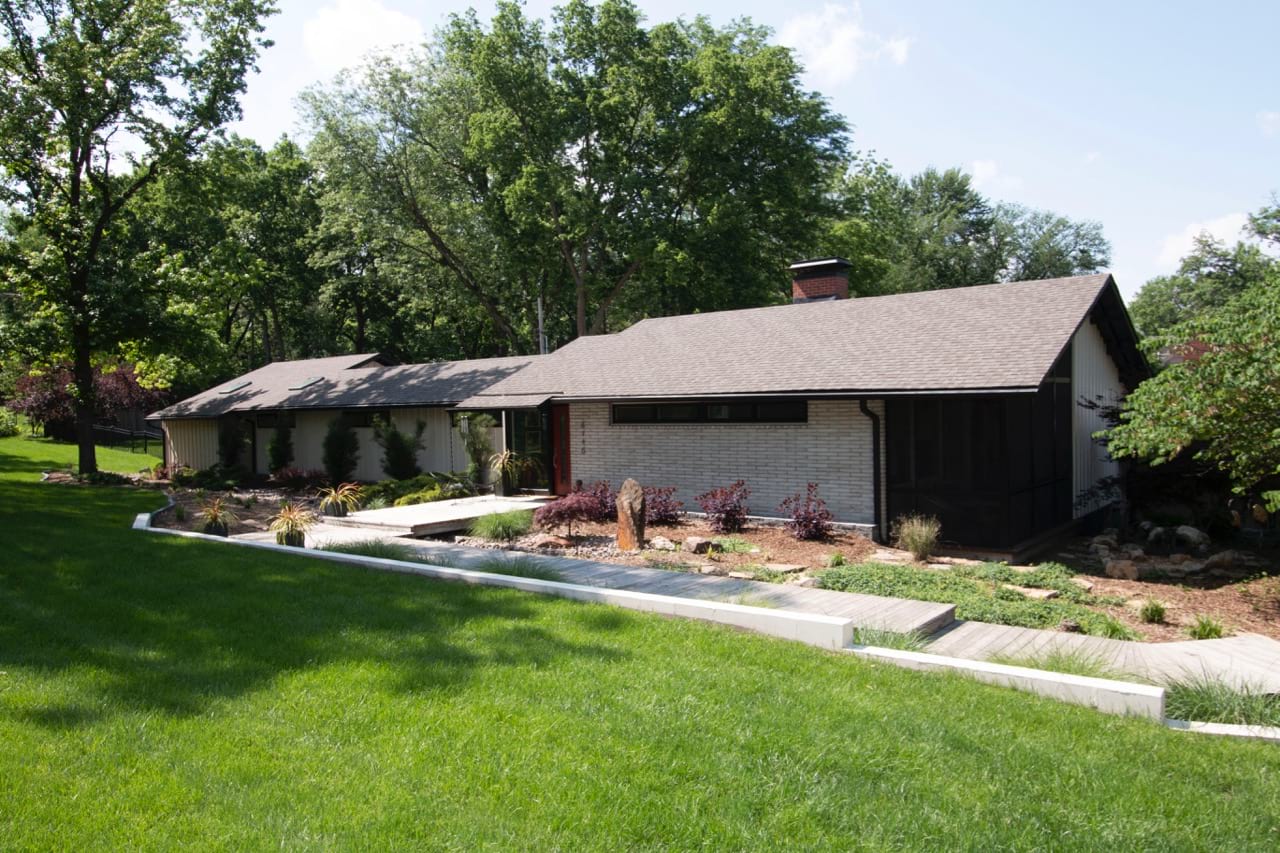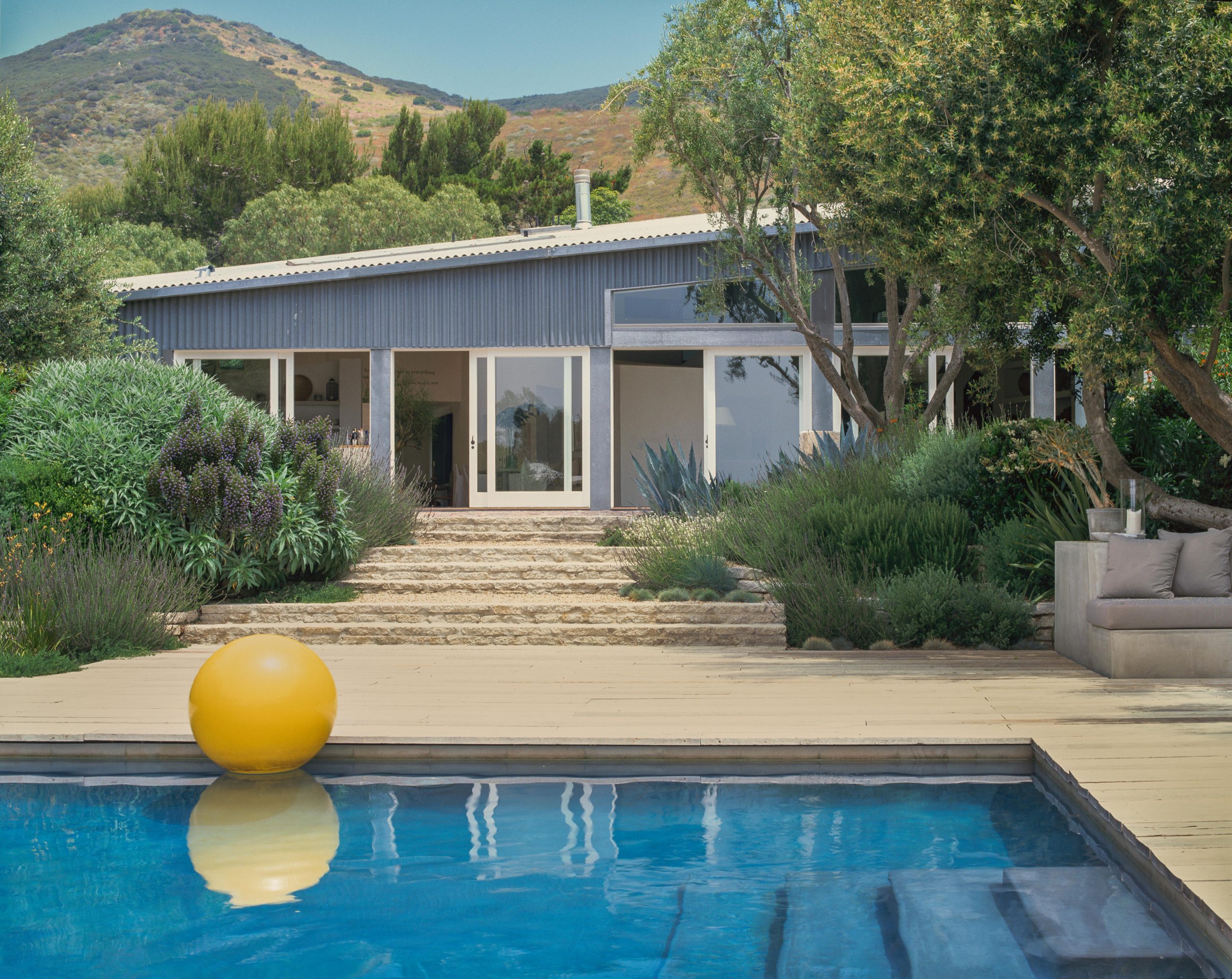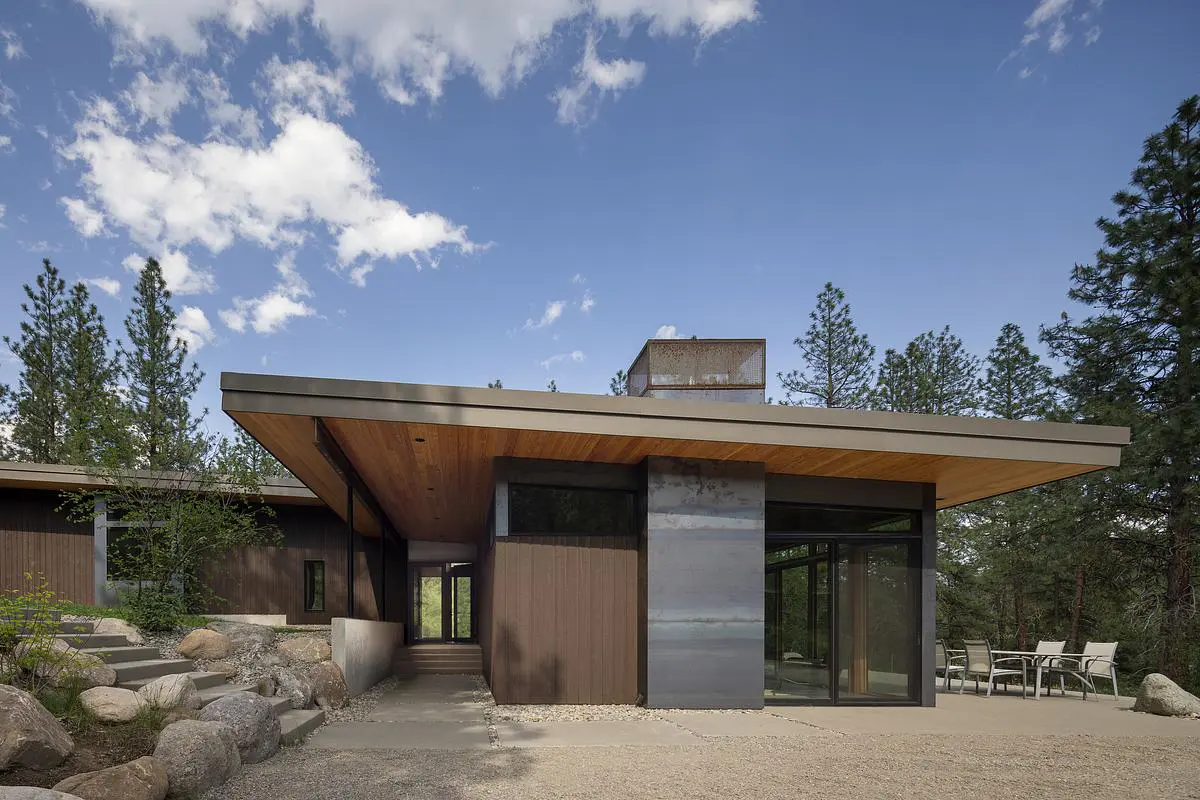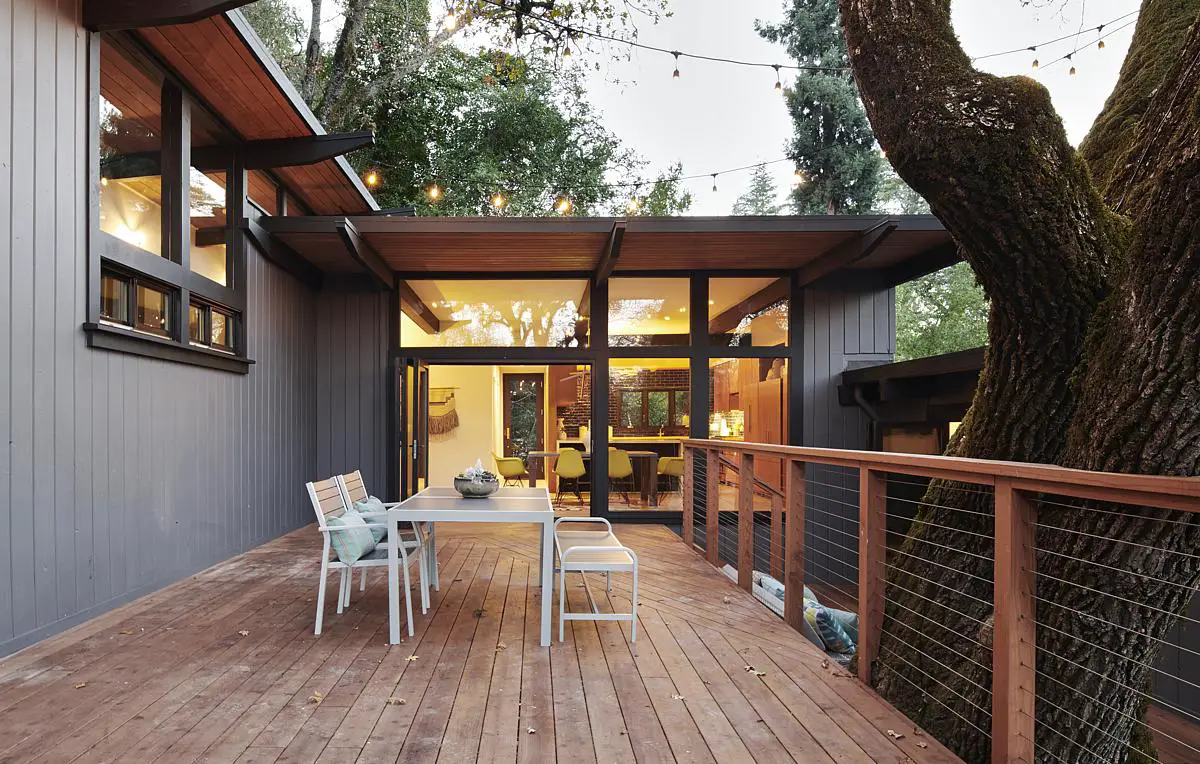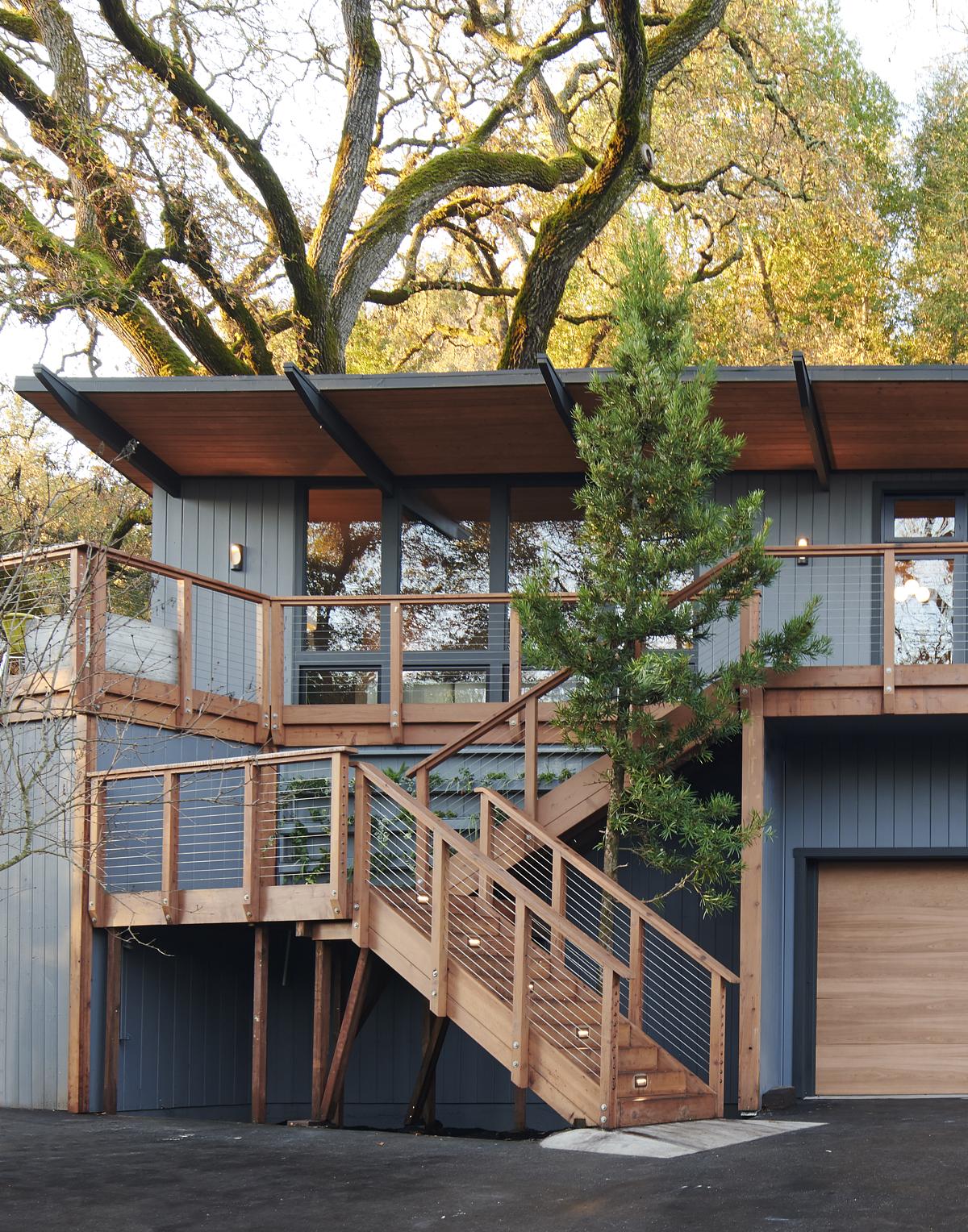
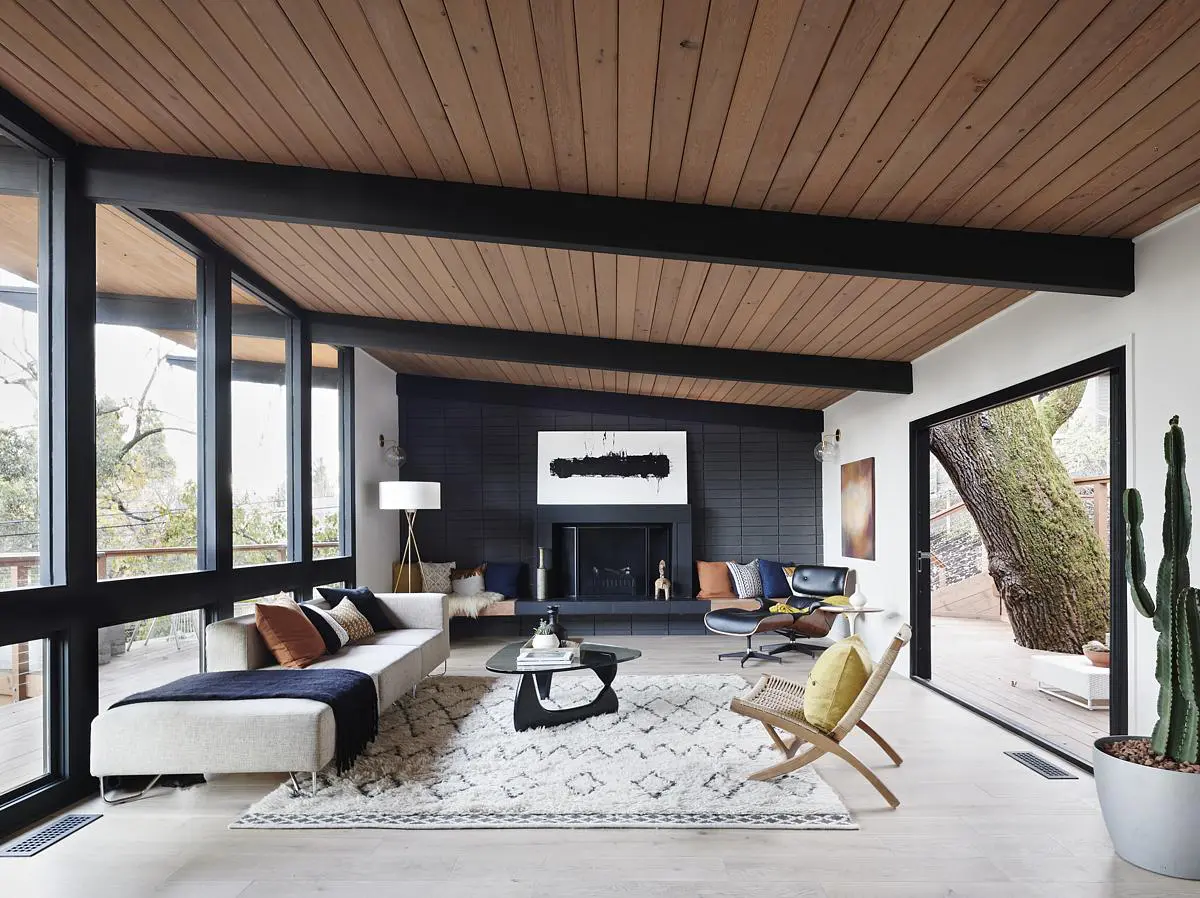
Completed in 1963 by architect Wayne Littlejohn, this hillside residence is a compelling example of California mid-century modernism. Defined by expansive walls of glass, deep cantilevered overhangs, and a strong relationship to the landscape, the house was originally designed to blur the boundaries between indoors and out. Decades later, however, time had taken its toll.
Before the renovation by the See Arch team, the house had fallen into disrepair. Aging windows, worn finishes, warped wood paneling, and outdated fixtures diminished many of the qualities that once made the home special.
Rather than reinventing the house, the project focused on revealing and strengthening its original qualities. The design team worked closely with the client to introduce new materials and architectural features that felt appropriate to the home’s mid-century origins while allowing it to function comfortably today.
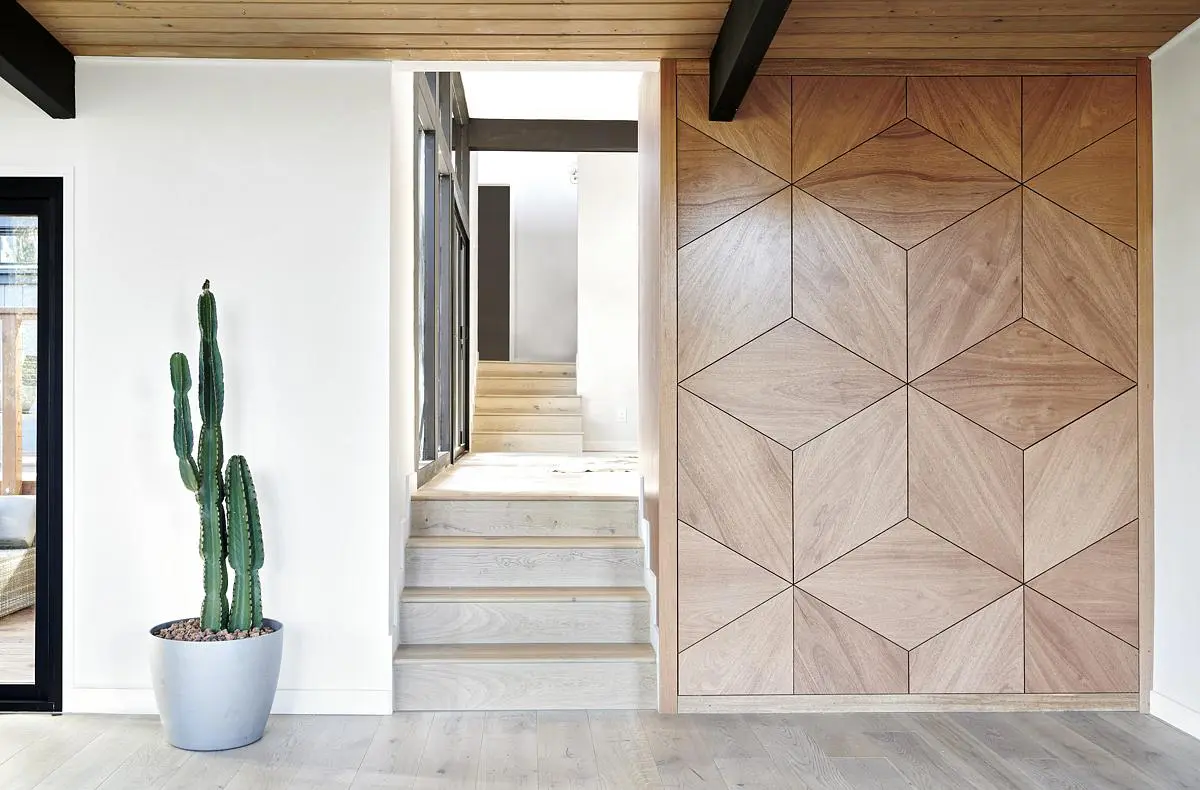
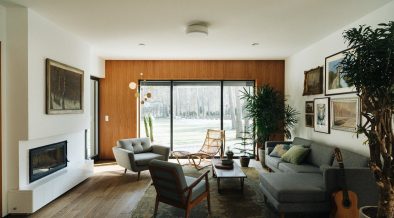
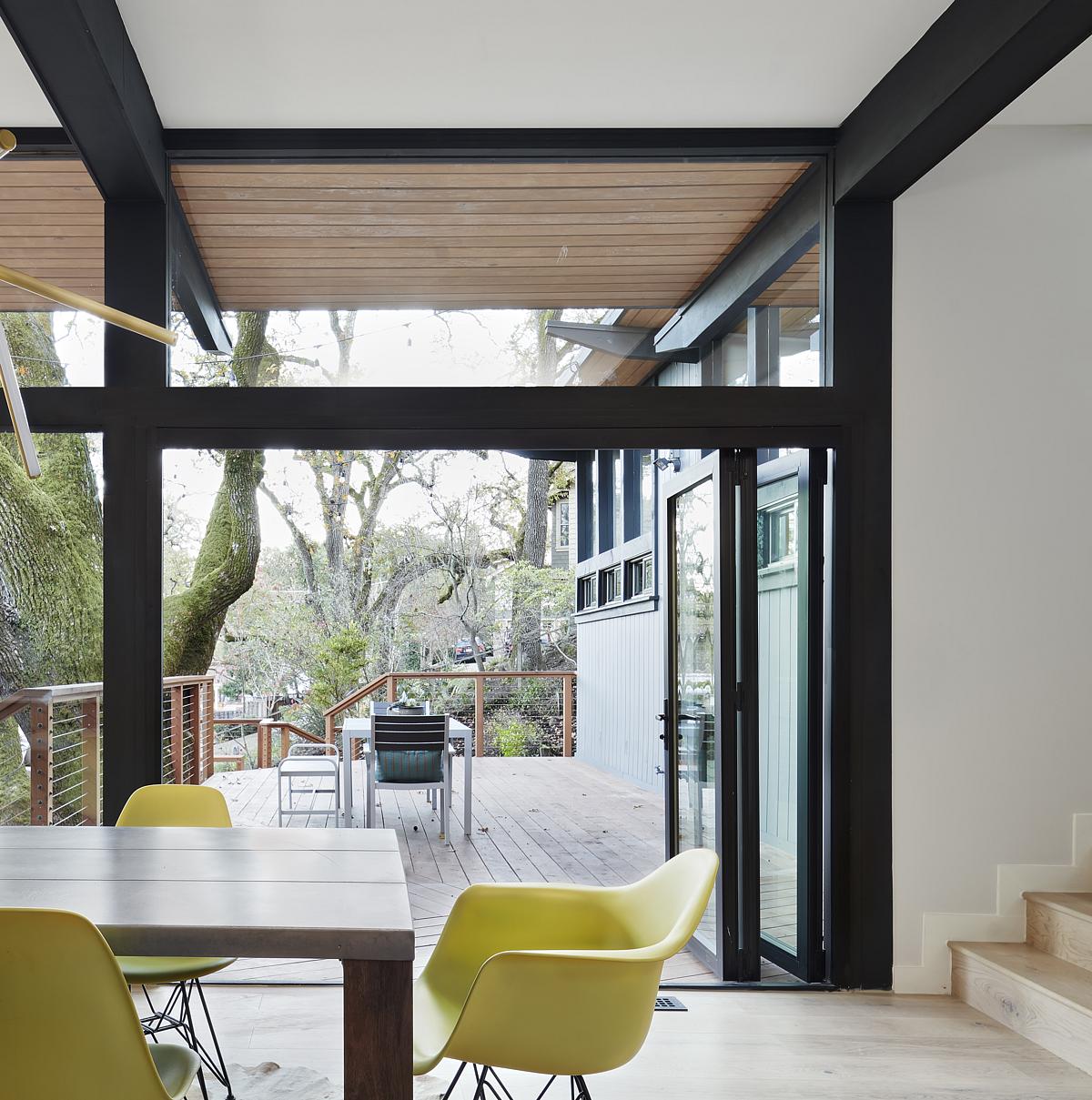
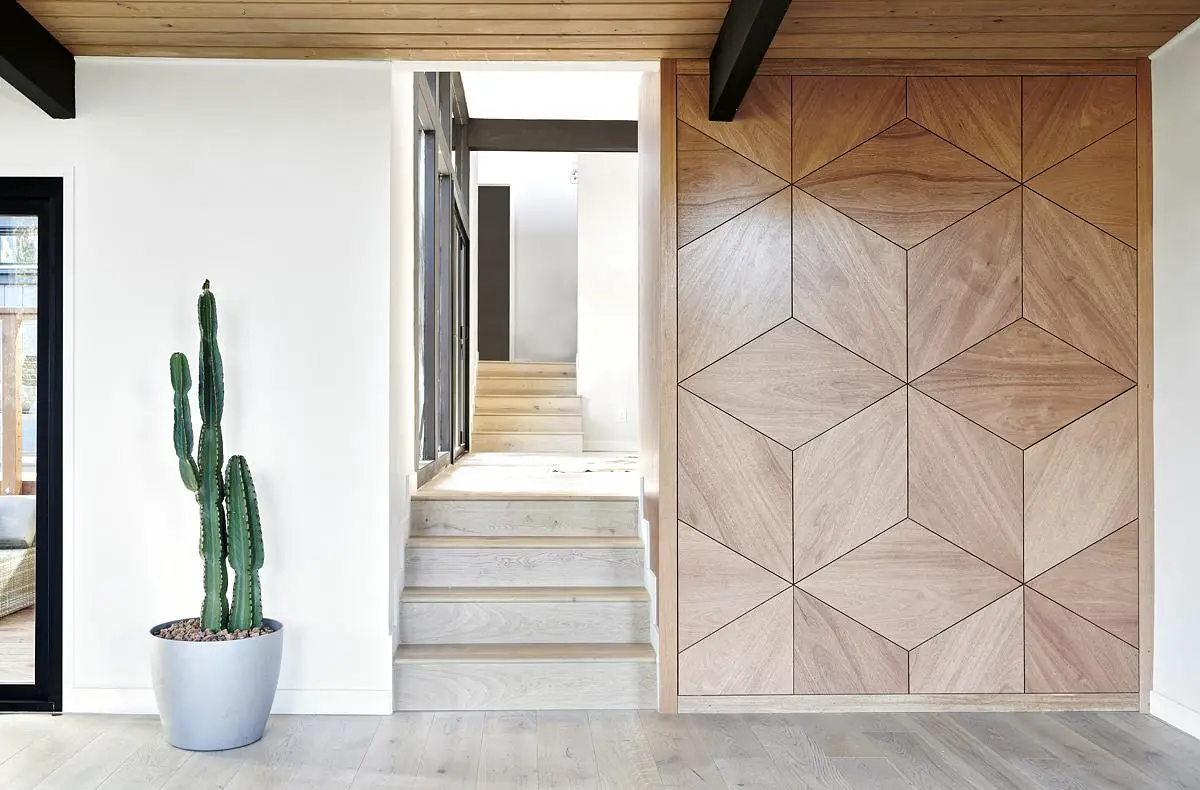
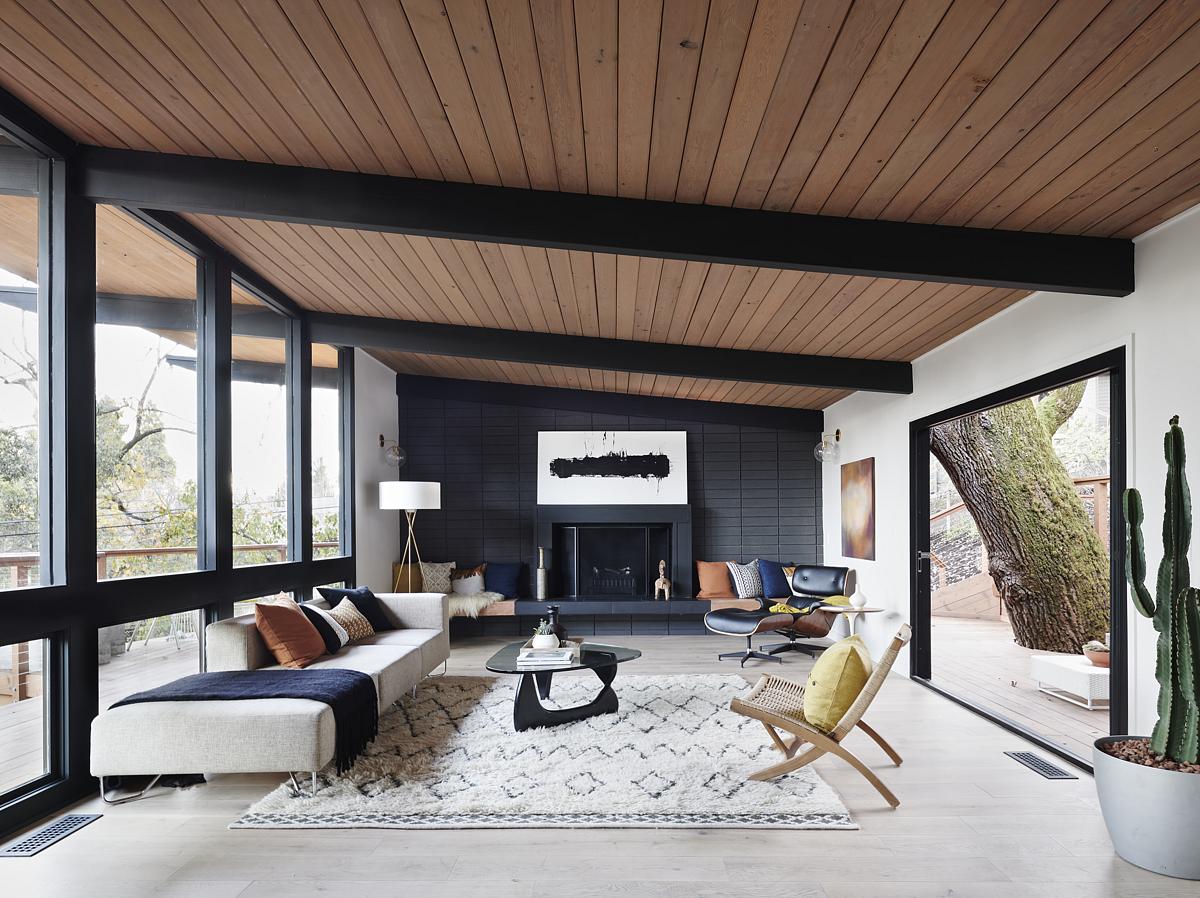
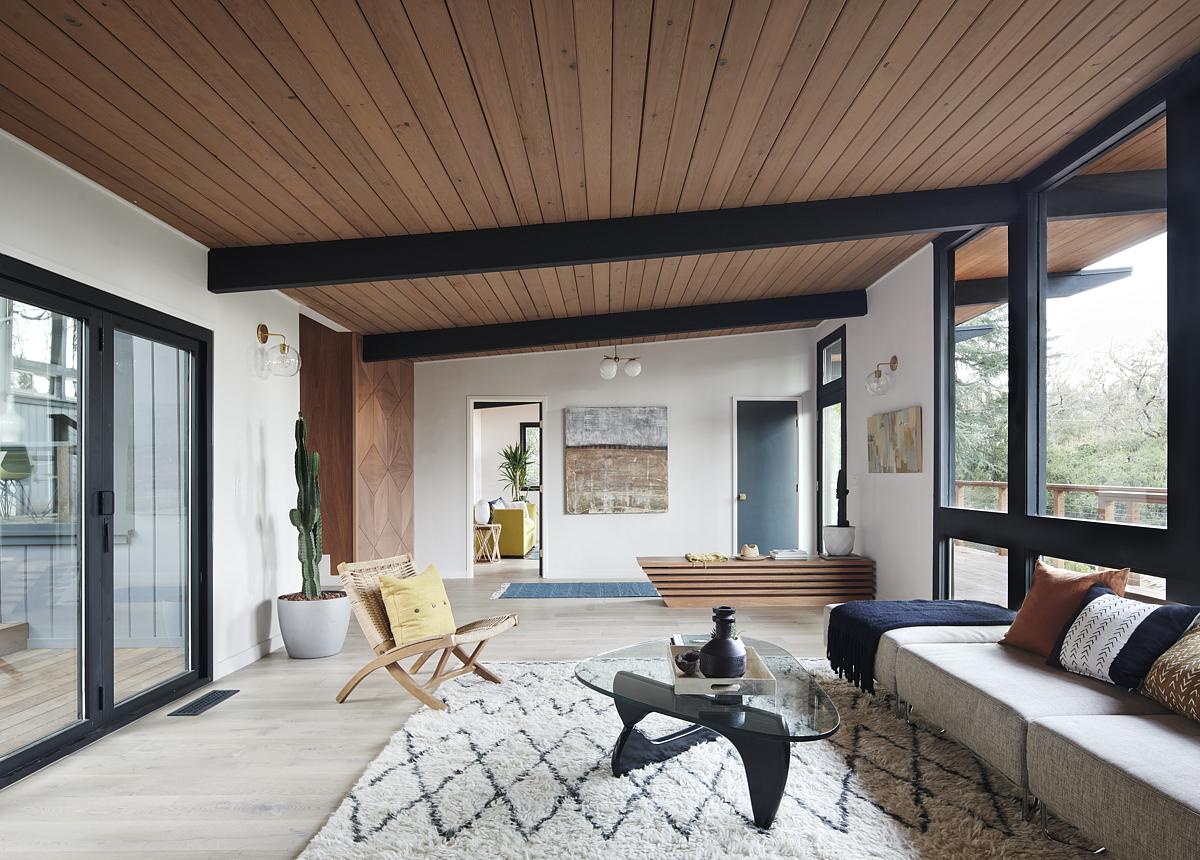
One of the most significant decisions involved the home’s original wood ceilings. In many mid-century renovations, these surfaces are painted or whitewashed to brighten interiors. Here, the team took the opposite approach. The ceilings were left untouched, preserving one of the house’s defining features. New wood finishes throughout the home were carefully matched to the original material, helping maintain a sense of continuity and authenticity.
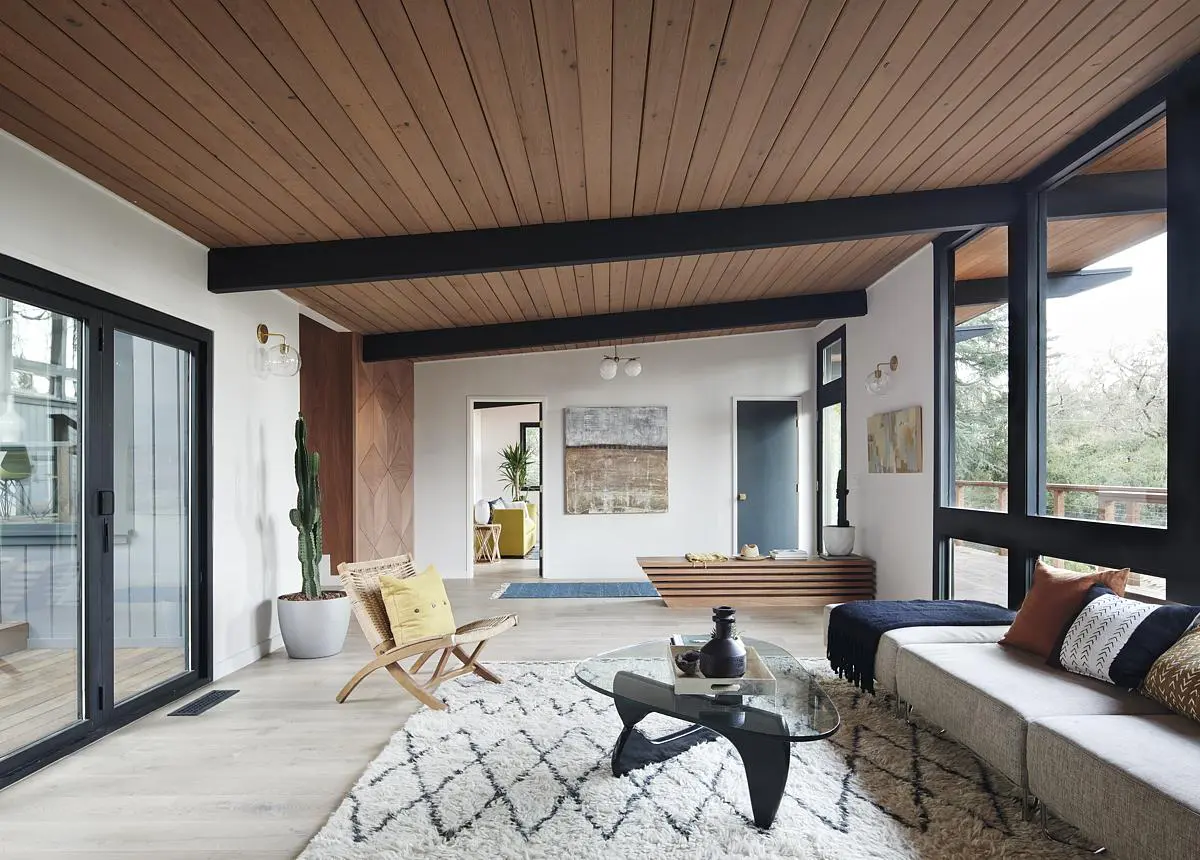
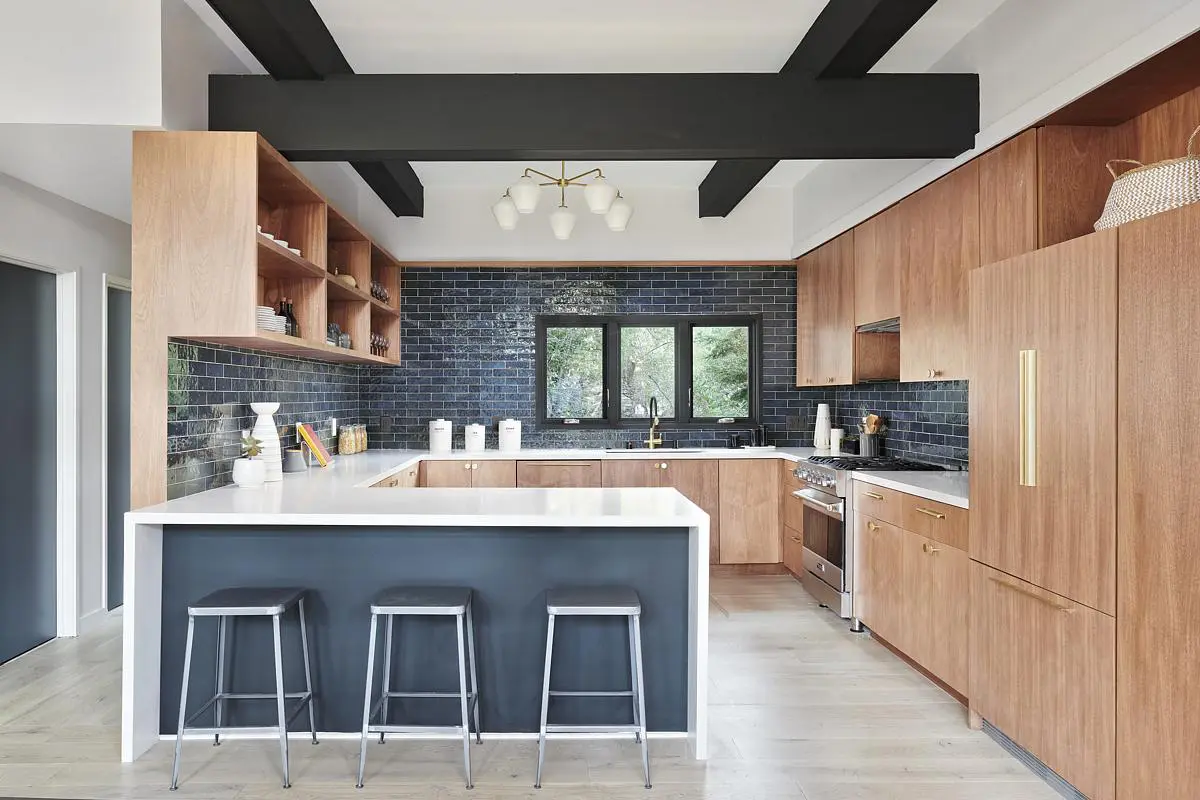
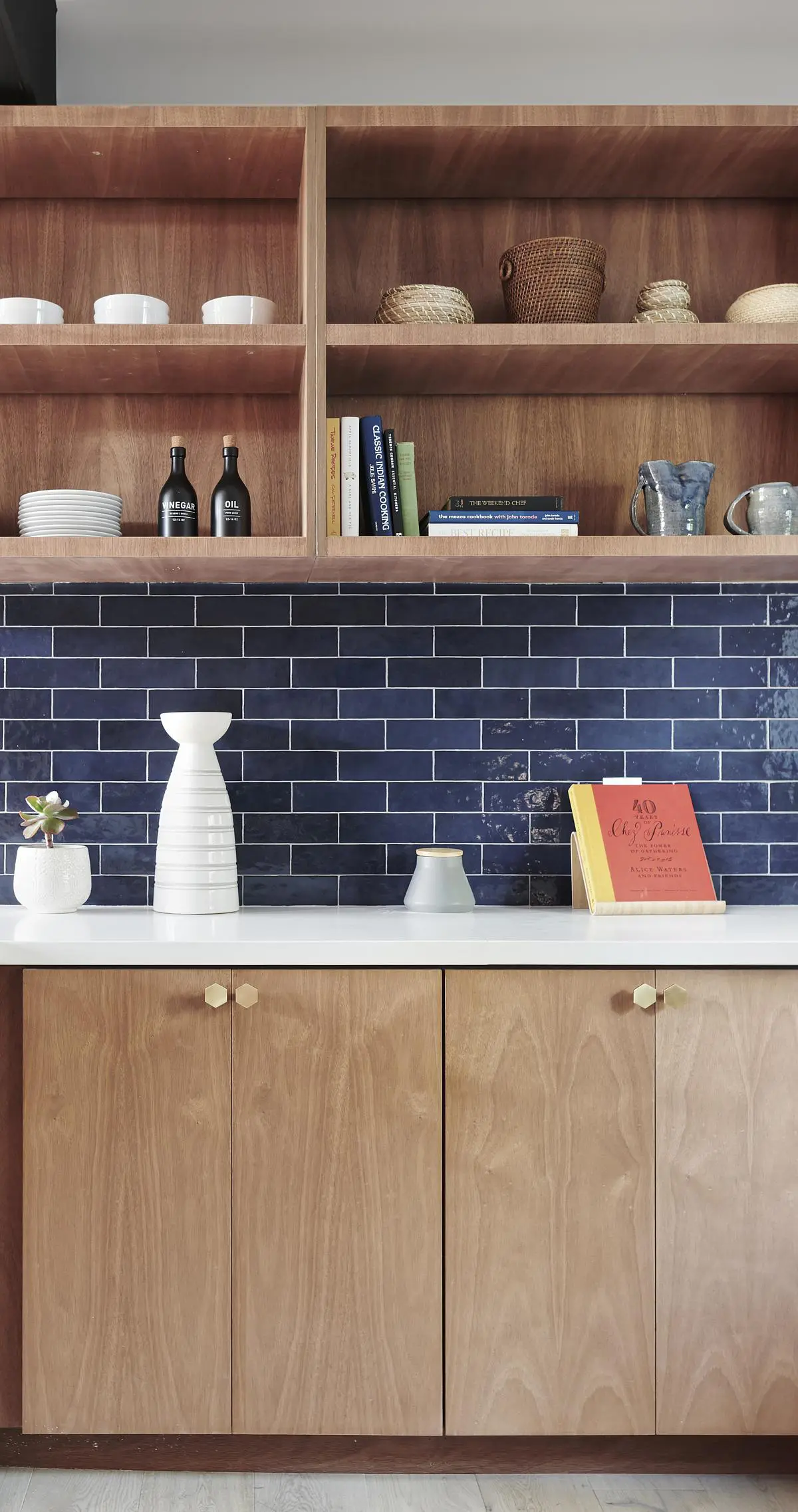
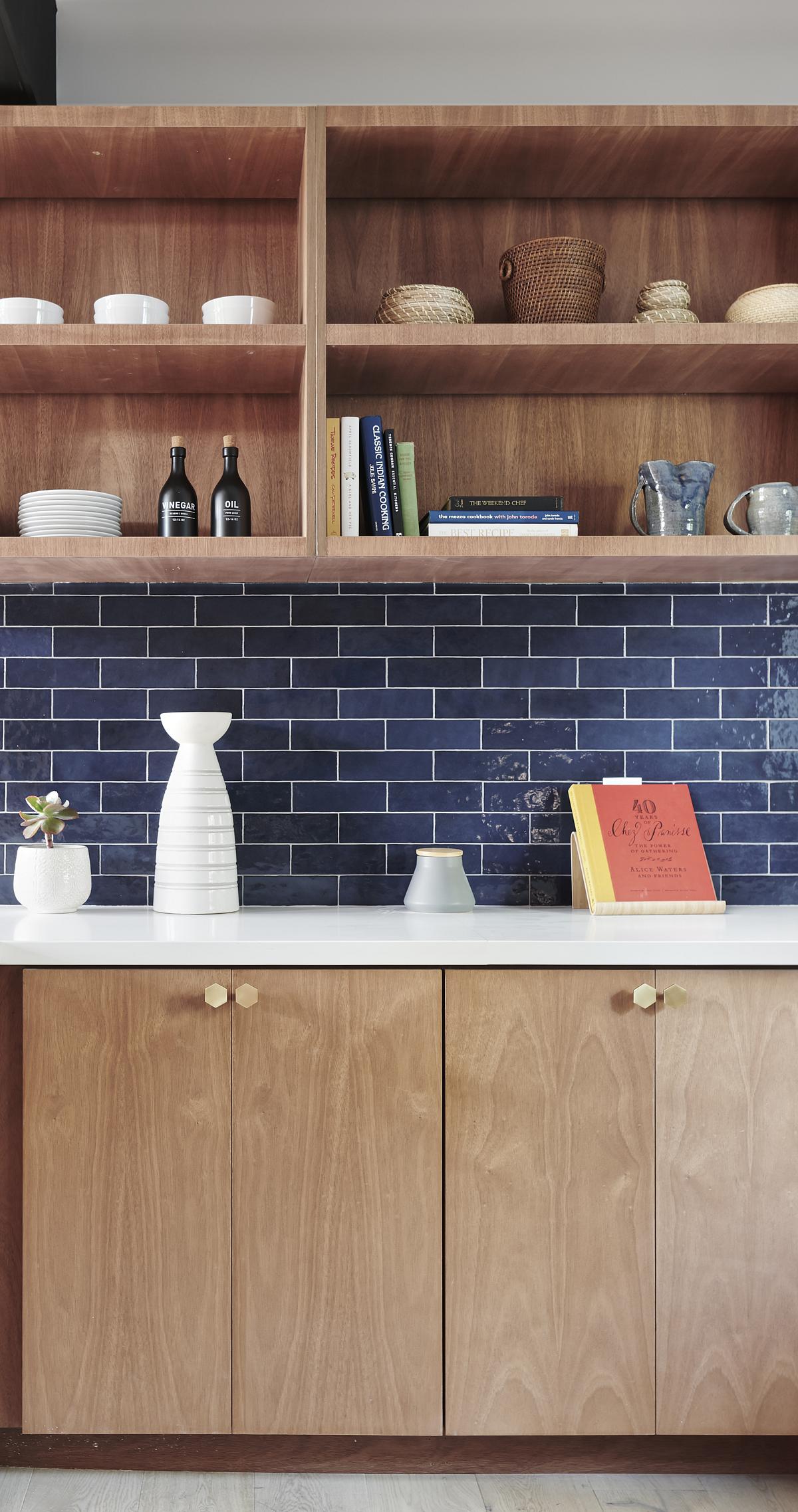
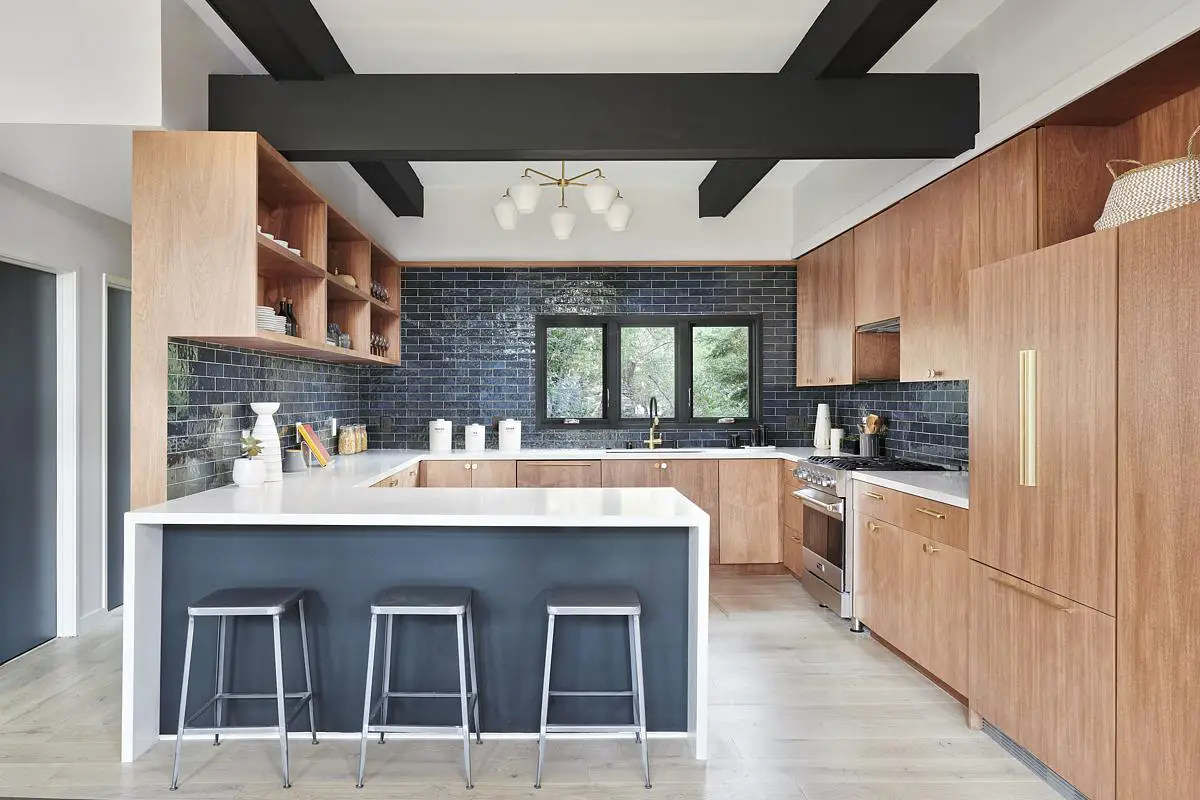
Elsewhere, the interiors were refreshed through a combination of custom cabinetry, walnut finishes, geometric tile, and carefully placed color accents. The kitchen and bathrooms received the most substantial updates, balancing contemporary functionality with details that acknowledge the home’s mid-century heritage. The result feels neither nostalgic nor overly modern, but comfortably positioned between the two.
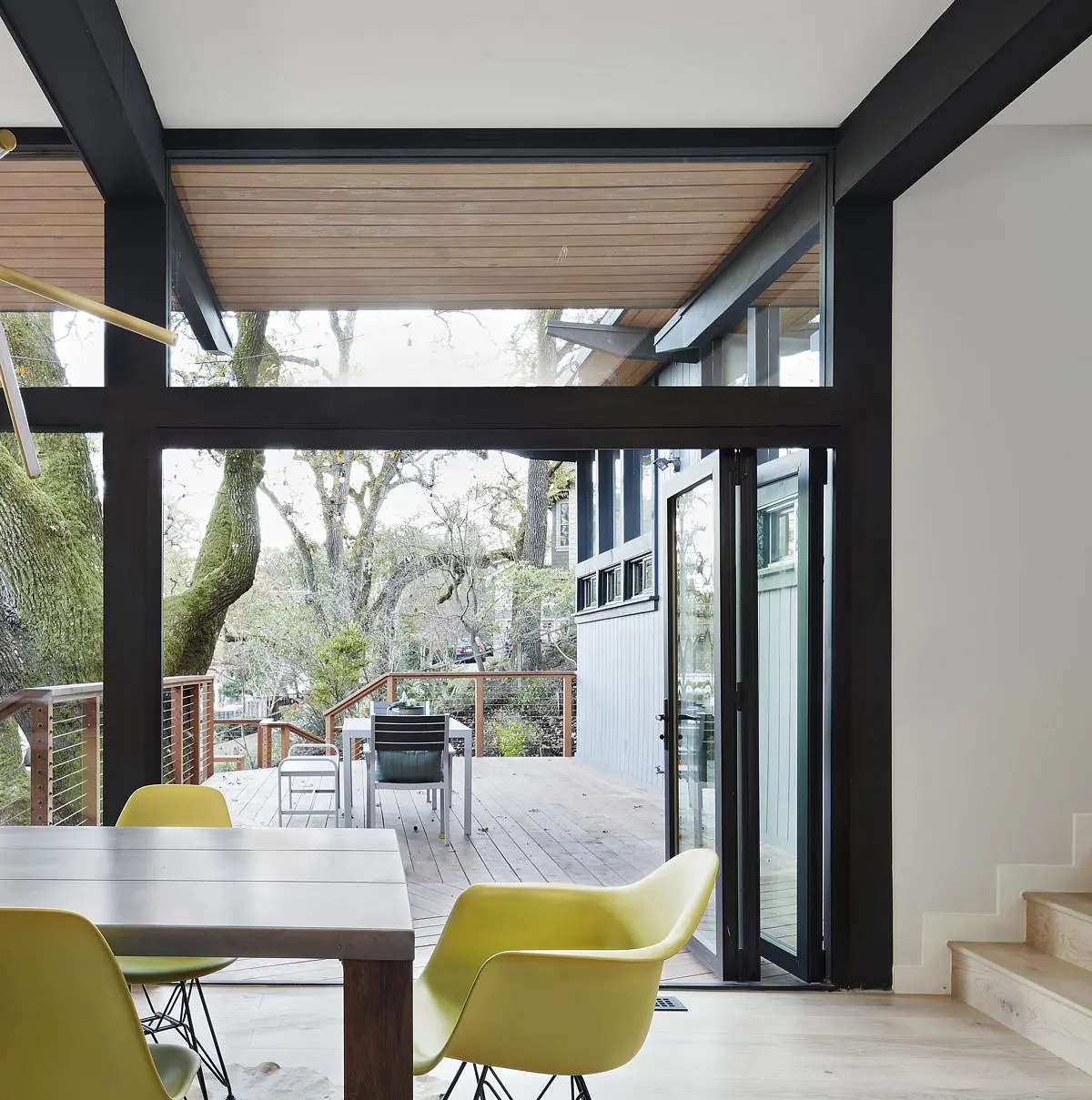
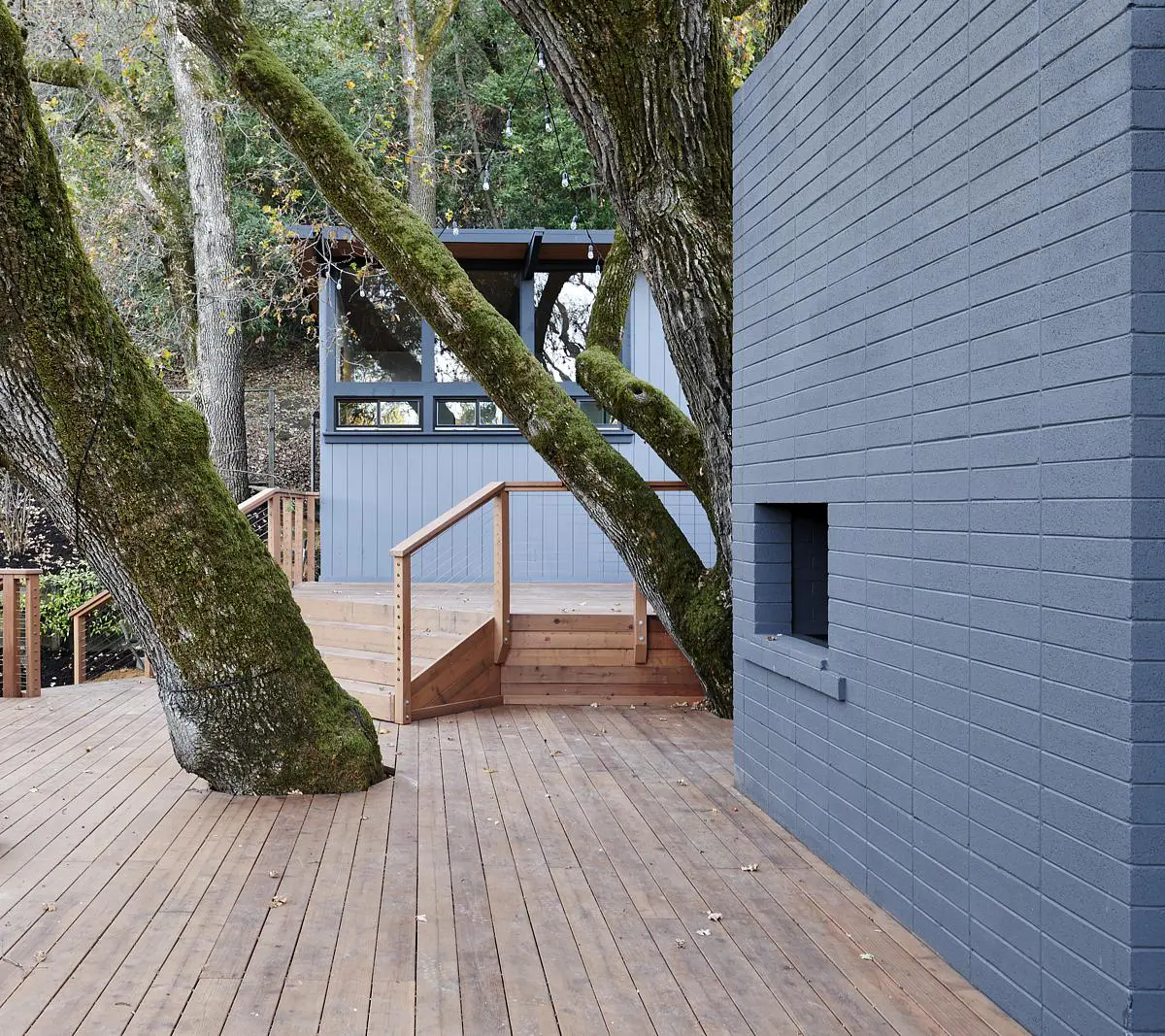
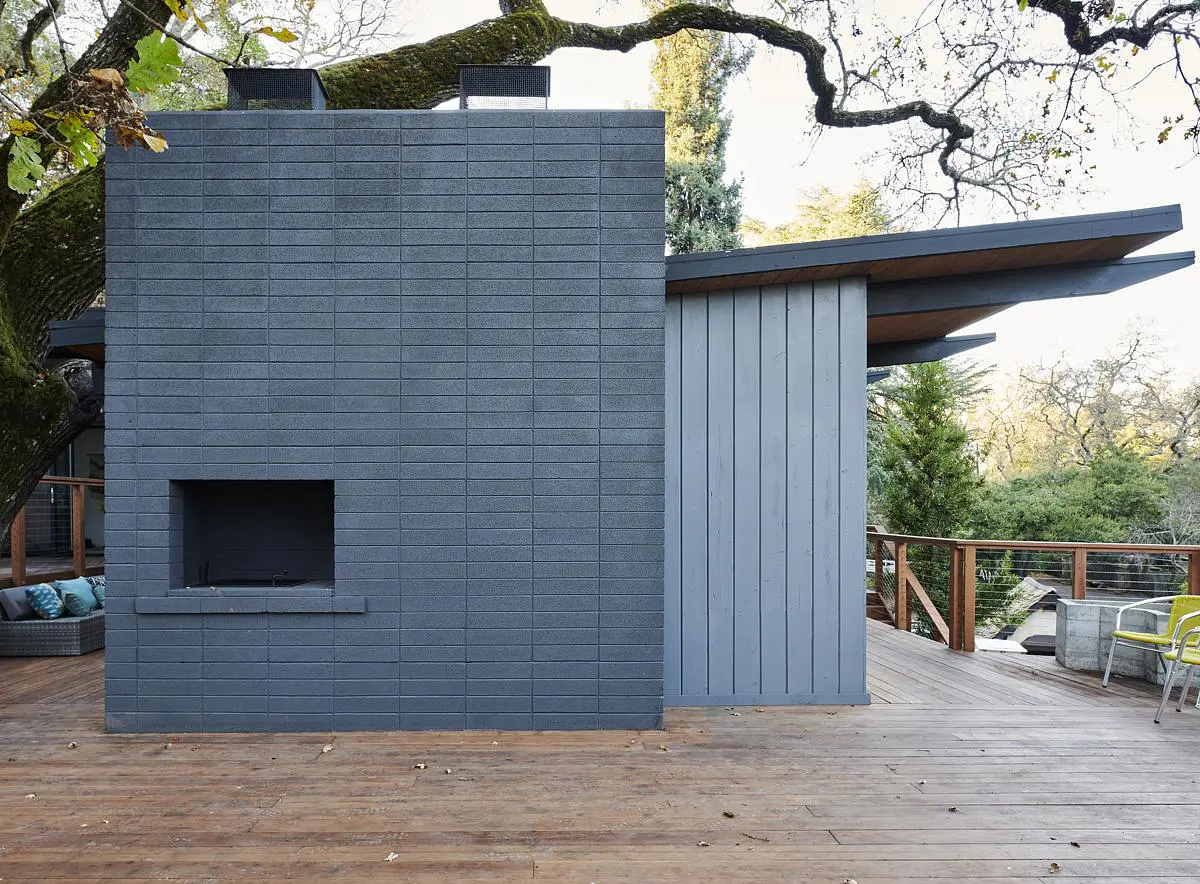
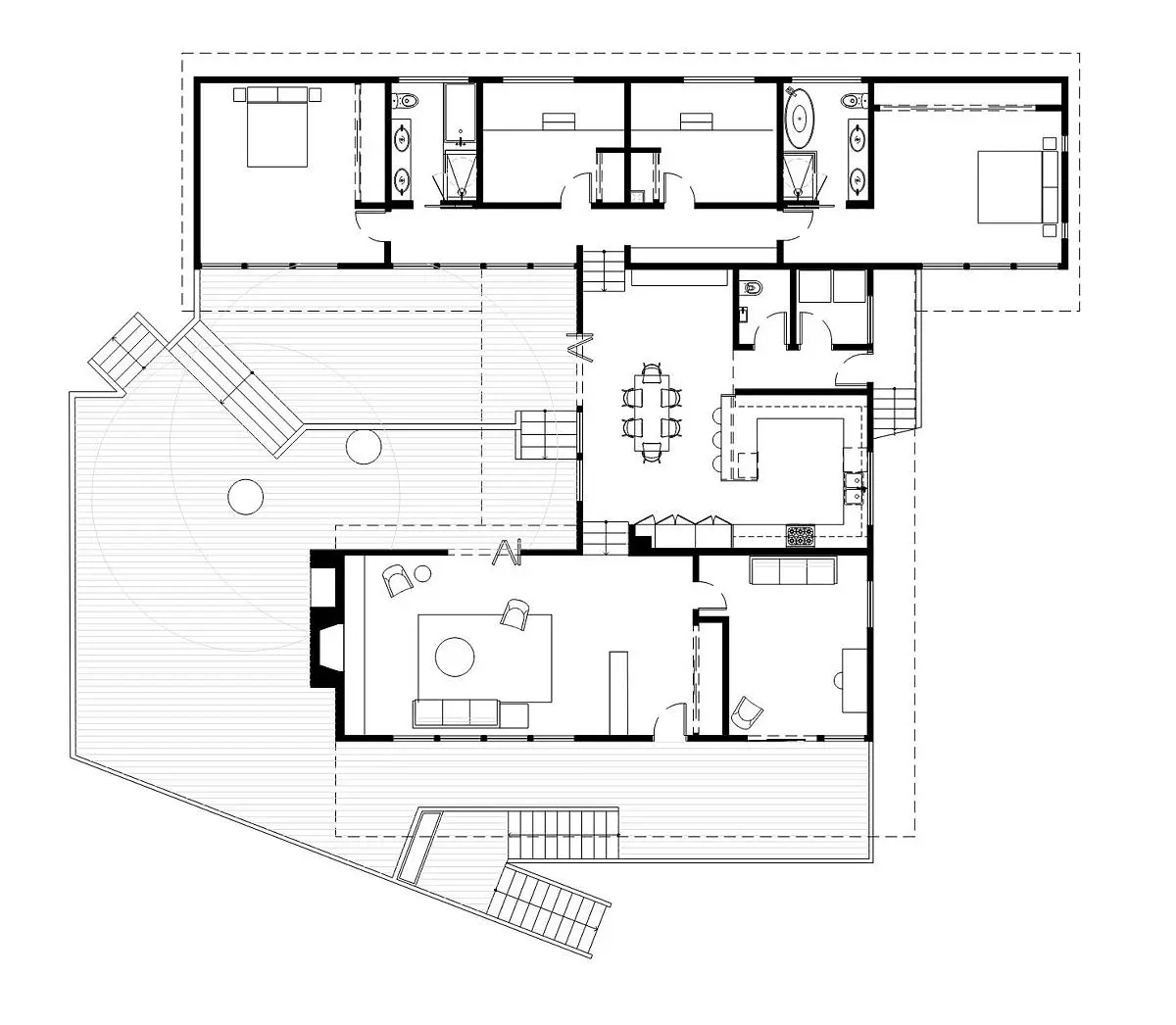
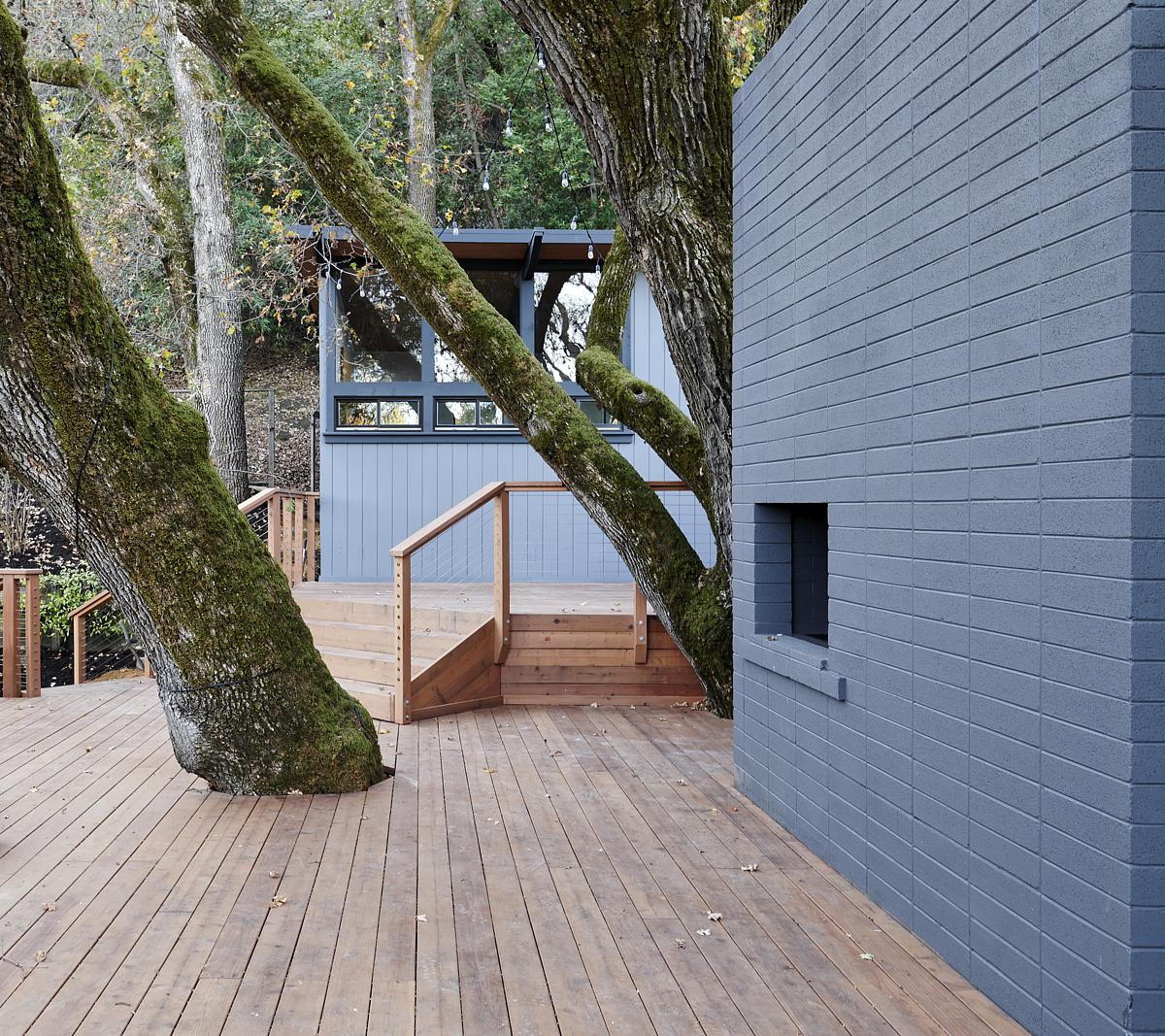
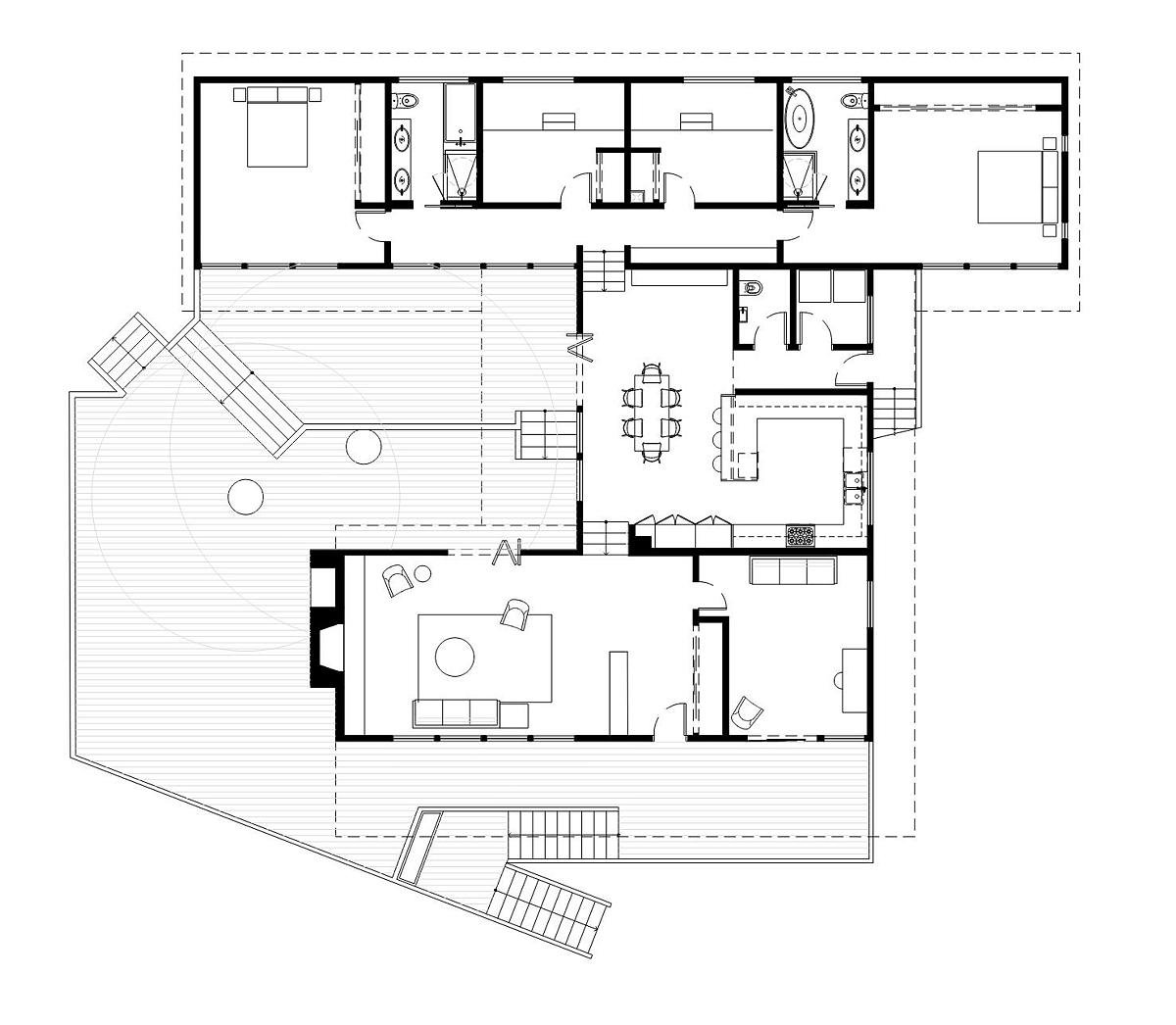
The home’s distinctive floor plan played an important role in shaping the renovation. Terraced across four levels on a steep hillside site, the residence wraps around a mature oak tree that serves as a natural focal point. The design team saw this relationship between architecture and landscape as one of the house’s greatest strengths and sought to celebrate it throughout the project.
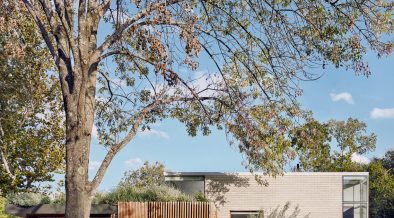
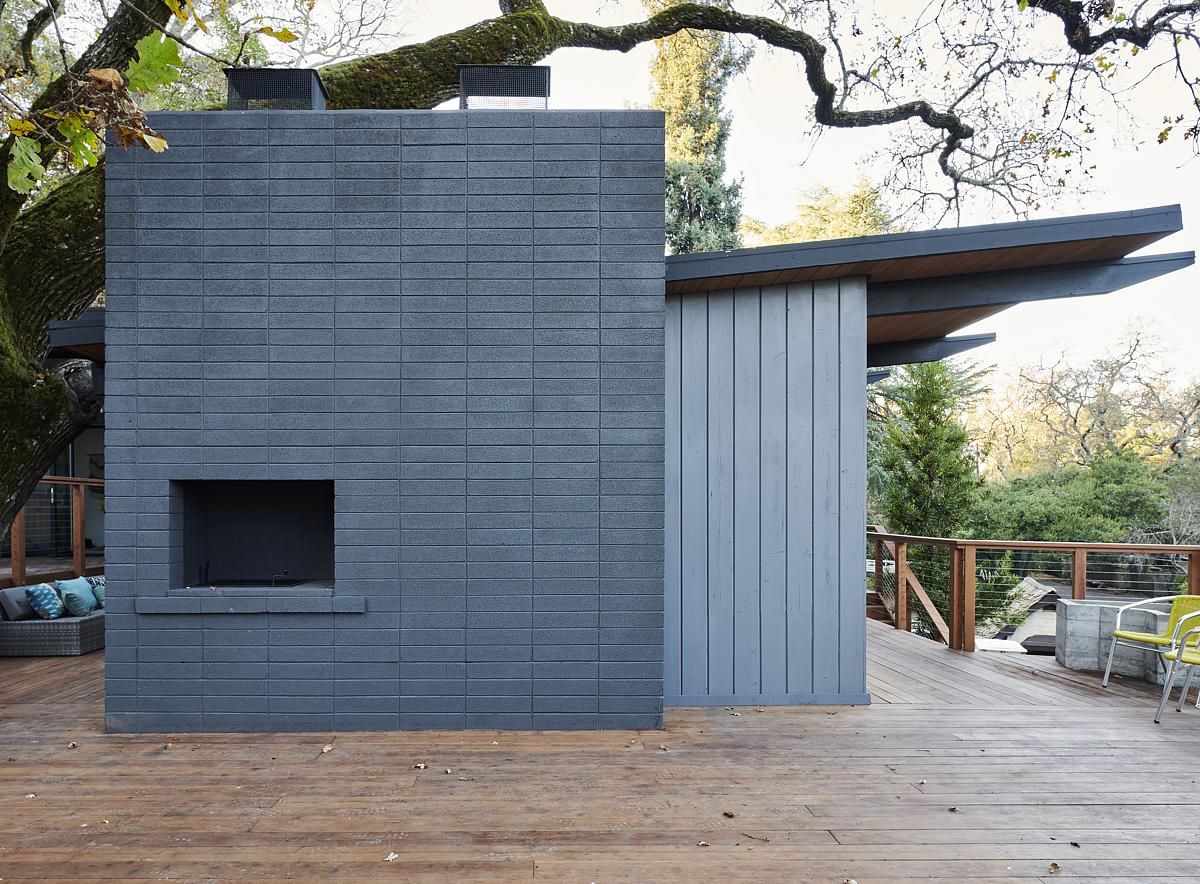
A new deck and replacement windows strengthen the connection between the interior spaces and the surrounding site. Exterior updates were intentionally restrained, directing attention toward the oak tree and the landscape rather than competing with them. The result is a house that feels more open and connected while remaining deeply rooted in its original setting.
Budget constraints also influenced the design process. Working within limited resources required careful prioritization and close collaboration between client and designer. By identifying the interventions that would have the greatest impact and sourcing materials strategically, the team was able to transform the house without compromising the overall vision.