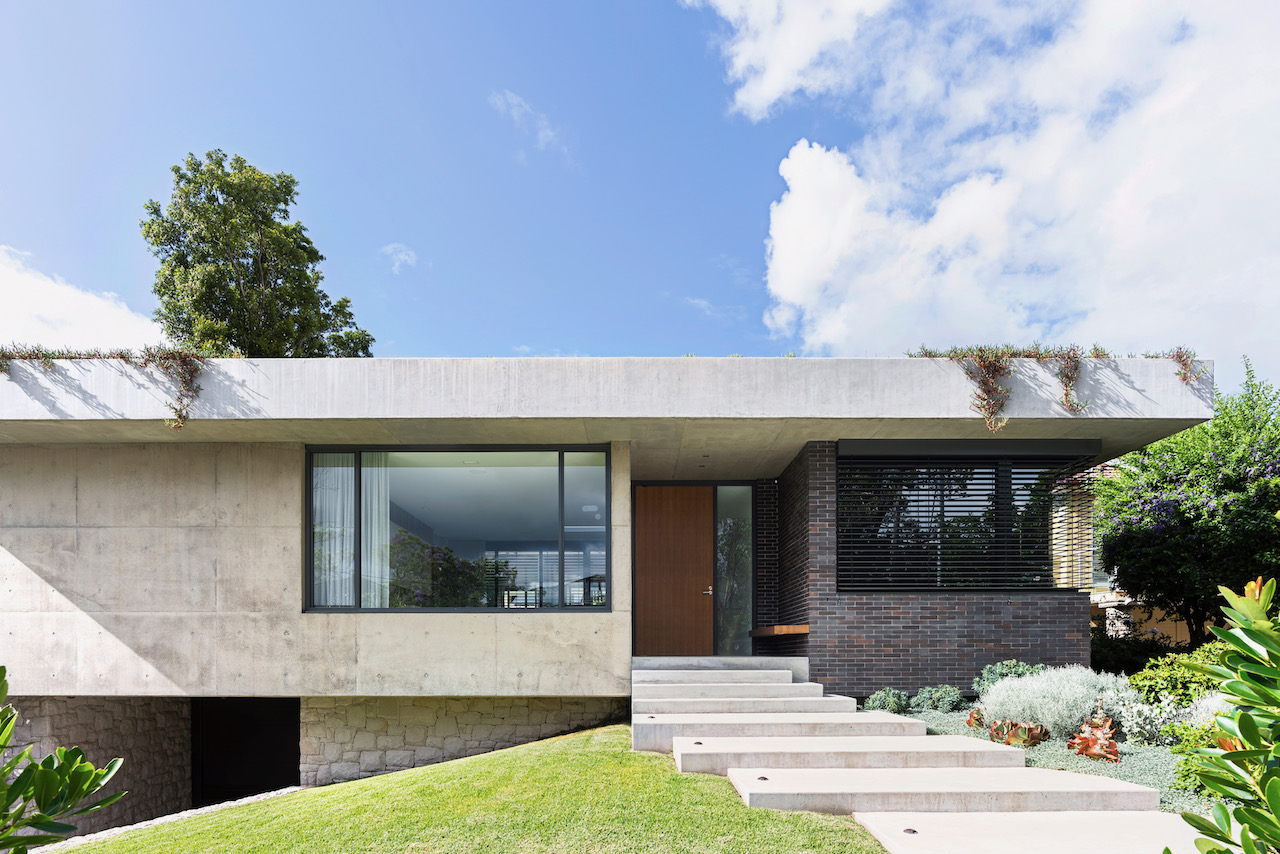
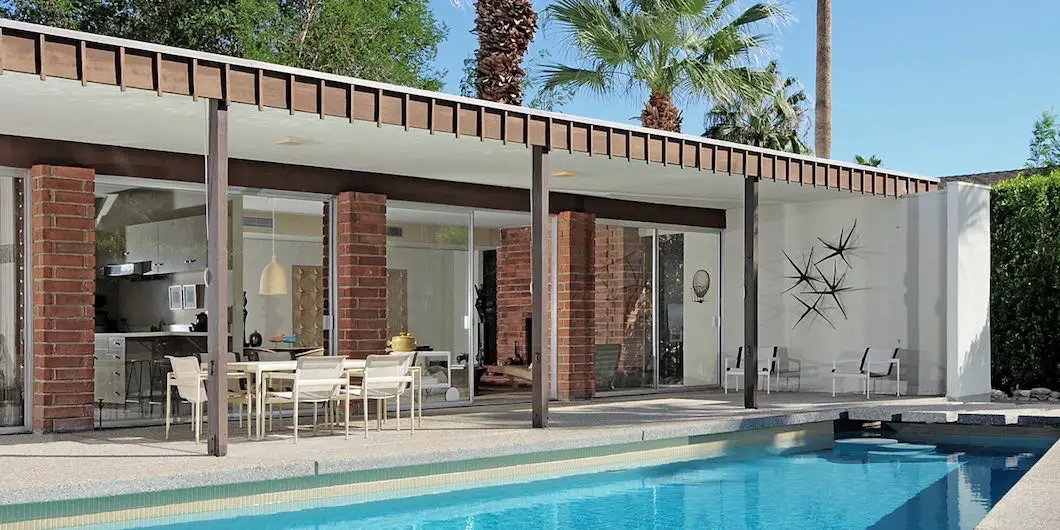
Some houses carry their history lightly. Others need careful work to reveal it again. This 1965 post-ad-beam home falls into the latter category, a project where restoration becomes both an act of respect and a process of rediscovery.
Led by renovation architect Yan M. Wang of Cover Architecture, alongside Erin Kasimow of EEK Studio, the project begins with a clear intention. The goal was not to reinvent the house, but to return it to its original architectural clarity while adapting it for contemporary life.
Over time, the house had drifted away from its origins. Previous alterations had softened the strength of the original design, obscuring the spatial logic that once defined it. When the current owners took over, they recognised both the potential and the responsibility. They wanted a home that felt open, social, and expressive of their lifestyle, but still grounded in its mid-century roots.
This balance shaped every decision. As Kasimow explains, the clients were committed to “an informed restoration,” seeking to preserve the architectural integrity while making the house work for modern living. The process began with research. Original drawings were studied, and comparable projects were examined to understand the design language that guided the house in the first place.

For Wang, this step was essential. “Our primary focus was to honour… the original vision,” he explains, describing a process that blends historical understanding with contemporary interpretation. Rather than copying the past, the team worked to extend it, introducing new materials and details that sit comfortably within the existing framework.
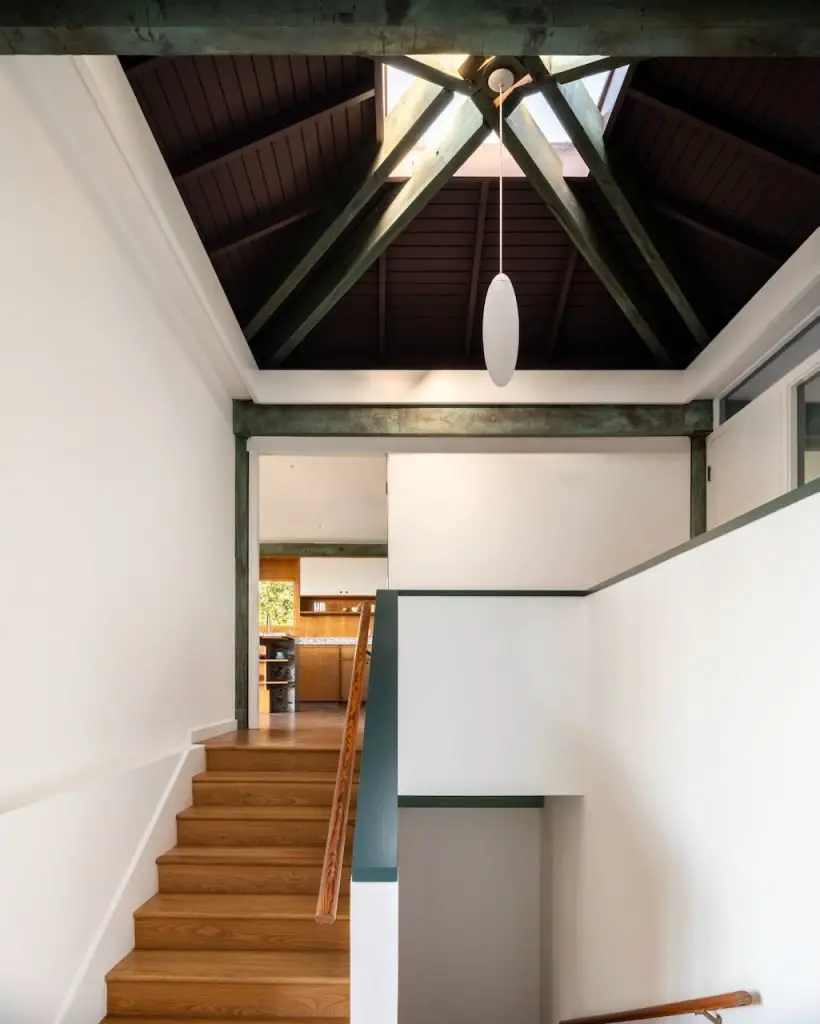
Spatially, much of the work involved undoing earlier interventions. Rooms that had been reconfigured over the years were brought back into alignment with the original plan. Circulation was clarified. Connections between spaces were re-established. These moves might seem subtle, but they restore a sense of flow that is central to post-and-beam architecture.
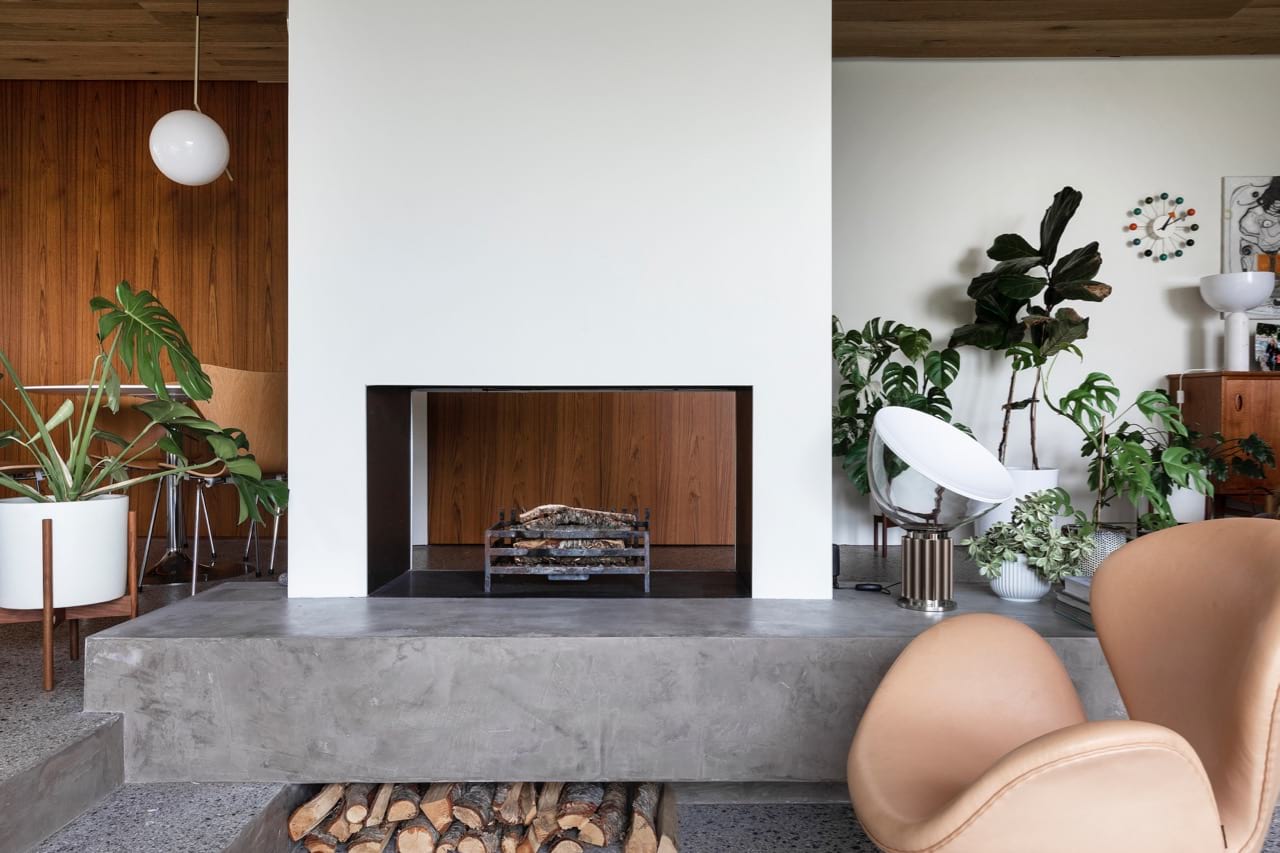
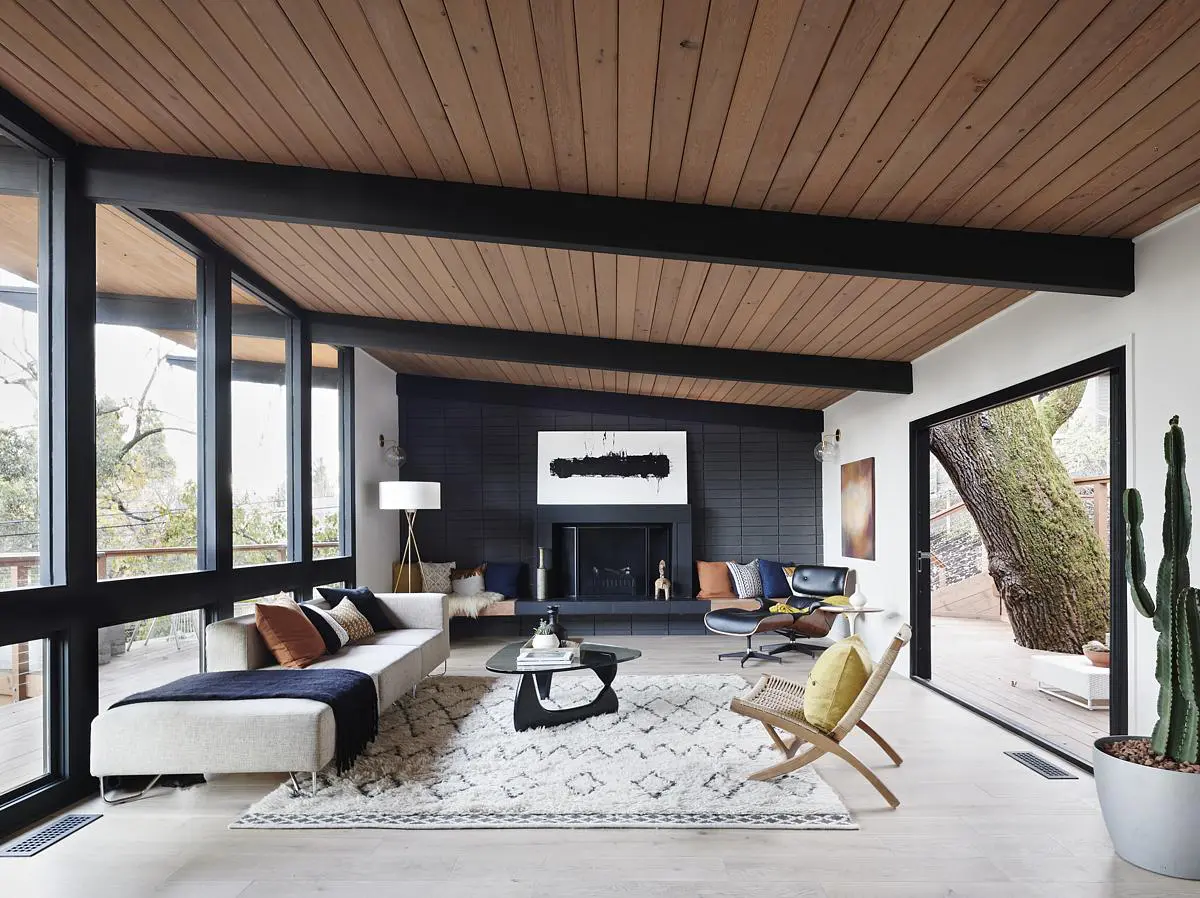
One of the most defining interventions is the transformation of the fireplace into a central hearth. Positioned to anchor the living space, it becomes both a visual and social focal point. From here, the house opens outward, with views framed carefully and spaces unfolding in layers.
Material choices play a key role in reinforcing this sense of continuity. The architects introduced handcrafted elements, including custom tilework and detailed joinery, to add texture without overwhelming the original structure. As Wang notes, the intention was to create “rich, warm, and timeless” spaces, where old and new feel naturally connected.
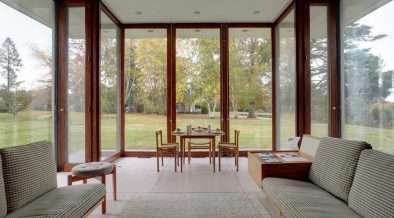
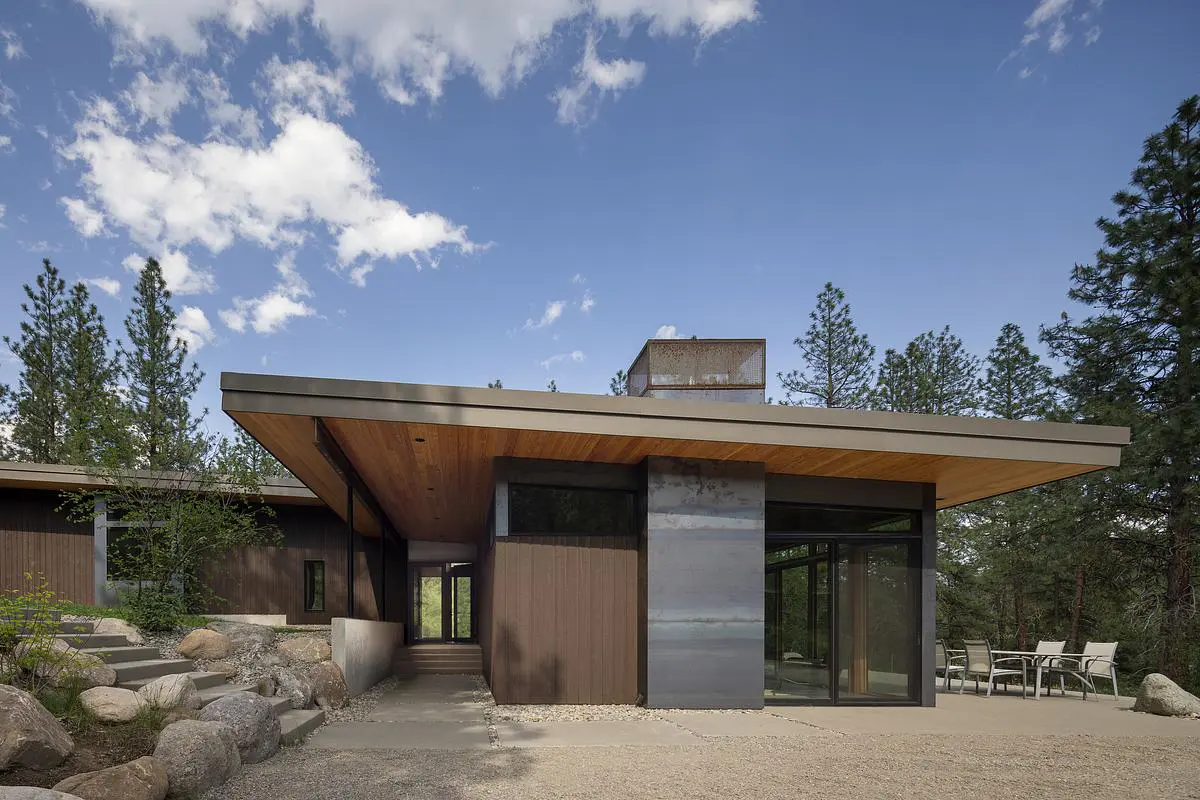
The original post-and-beam framework remains the backbone of the project. Exposed beams and columns bring rhythm and depth to the interiors, while large glass openings connect the house to its surroundings. For Wang, this is one of the most important qualities of the design. The structure itself becomes an expression of how the house is lived in, not just how it is built.
At the same time, the renovation introduces a more contemporary sensibility. Spaces are opened up to encourage gathering and movement. The layout supports a lifestyle that is both social and flexible, reflecting the owners’ interests in art, music, and shared experiences.
What stands out throughout the project is the level of collaboration. The clients were deeply involved, contributing ideas and engaging closely with the design process. Kasimow describes their role as essential, noting that their input helped shape a home that feels personal and lived-in rather than purely architectural.
There are also practical challenges that come with this kind of work. Restoration is rarely straightforward. Wang points out that clients often underestimate the complexity of such projects, from the number of decisions required to the time and patience needed to achieve the right result.
Yet it is precisely this careful, layered process that gives the house its strength. Nothing feels rushed or imposed. Each decision builds on the last, gradually revealing a coherent whole.
In the end, the project is less about transformation and more about alignment. It brings the house back to its original principles while allowing it to evolve. The architecture feels clear again, but also more attuned to contemporary life.
It is a reminder that the most successful renovations do not compete with what was there before. They listen, adjust, and refine. And in doing so, they allow a house to find its voice once more.