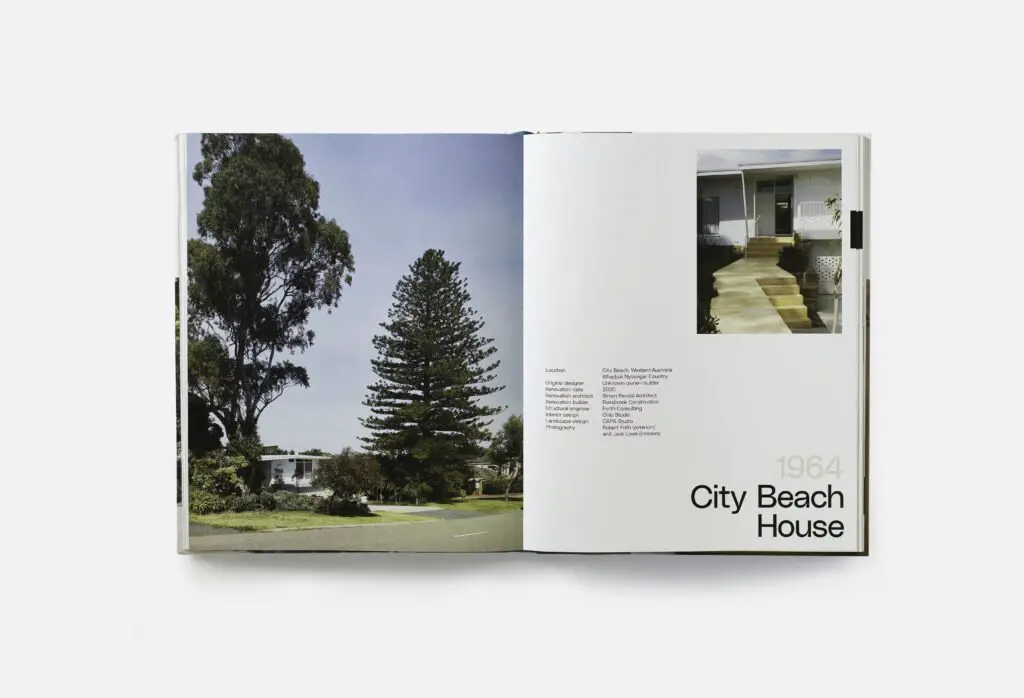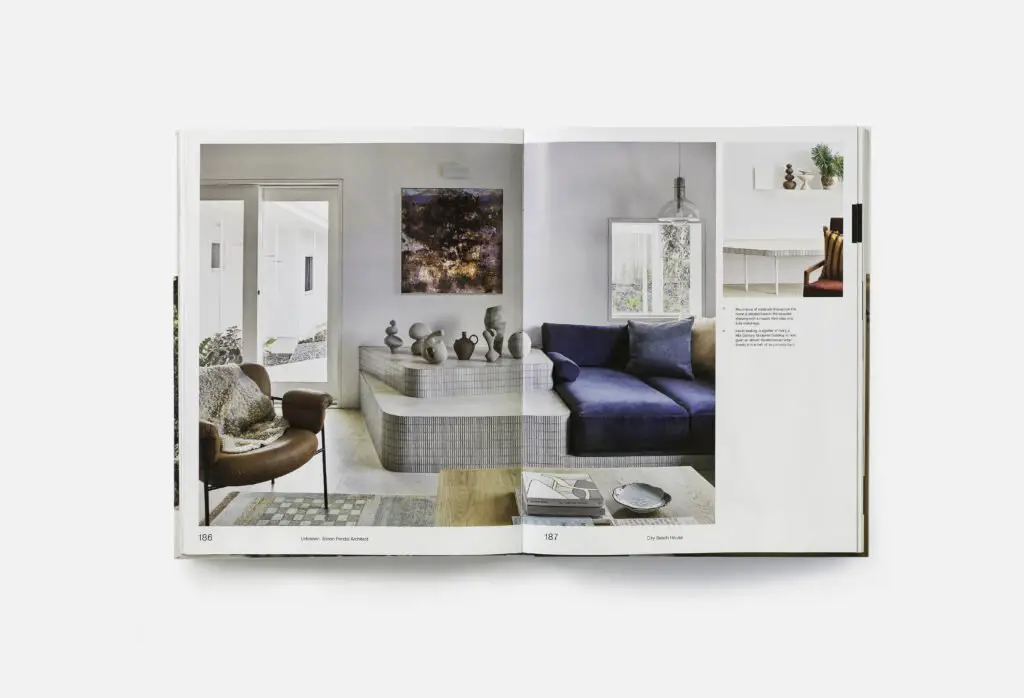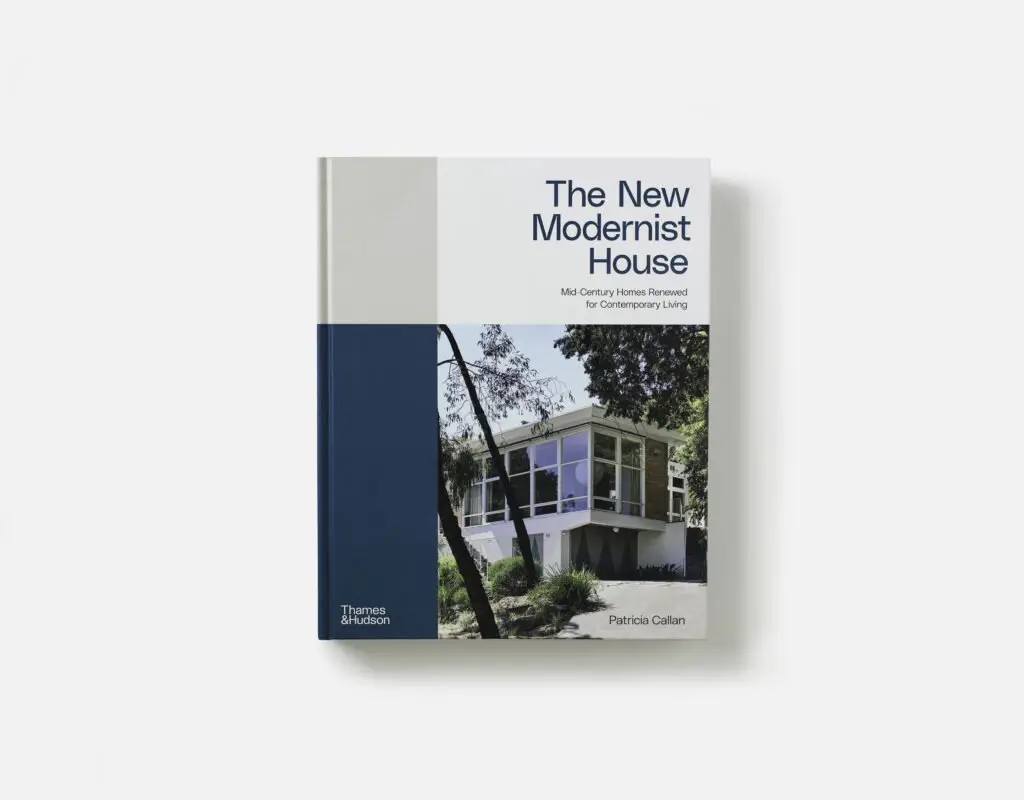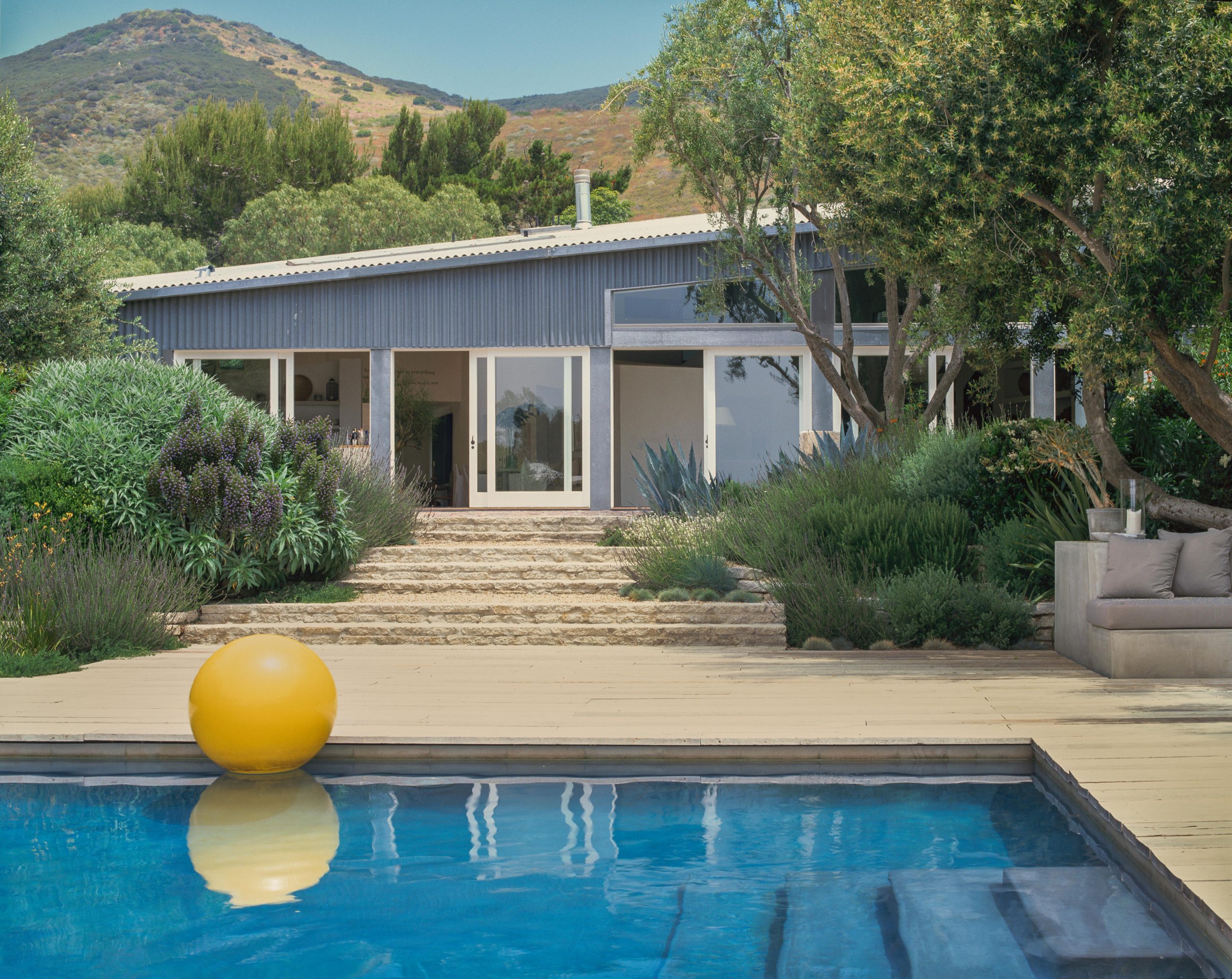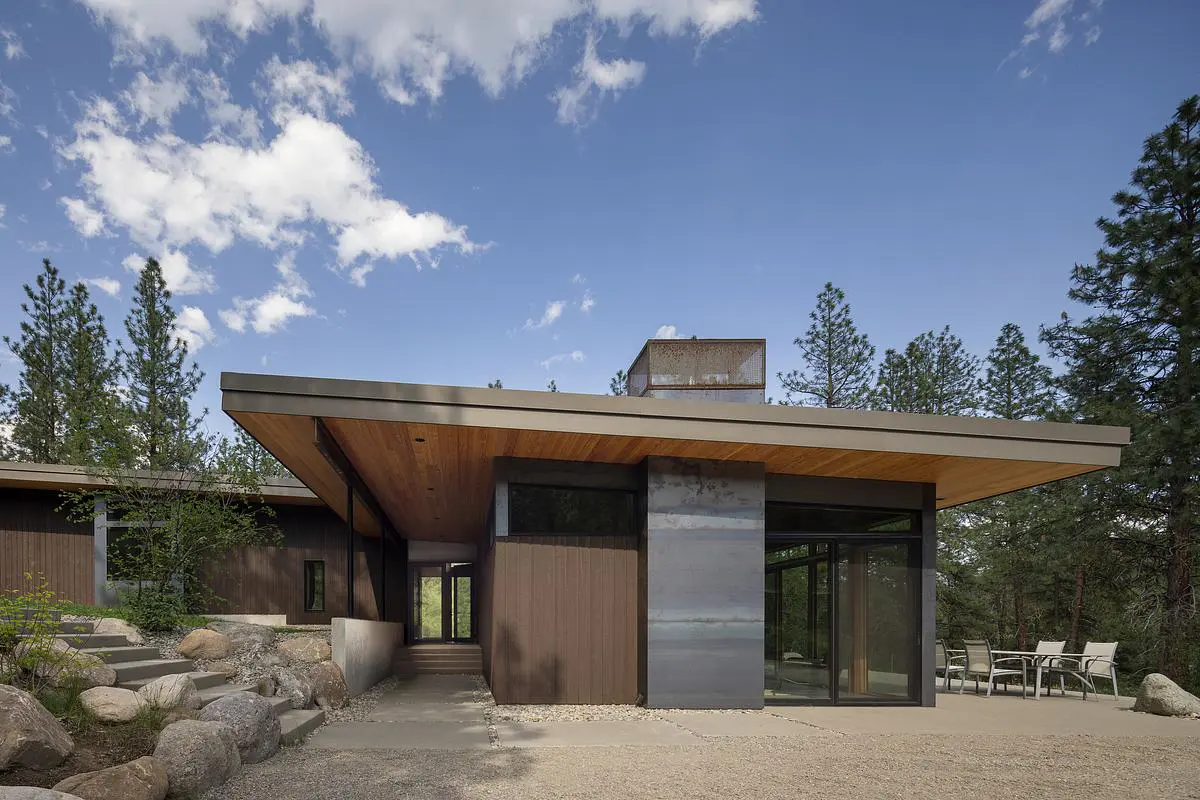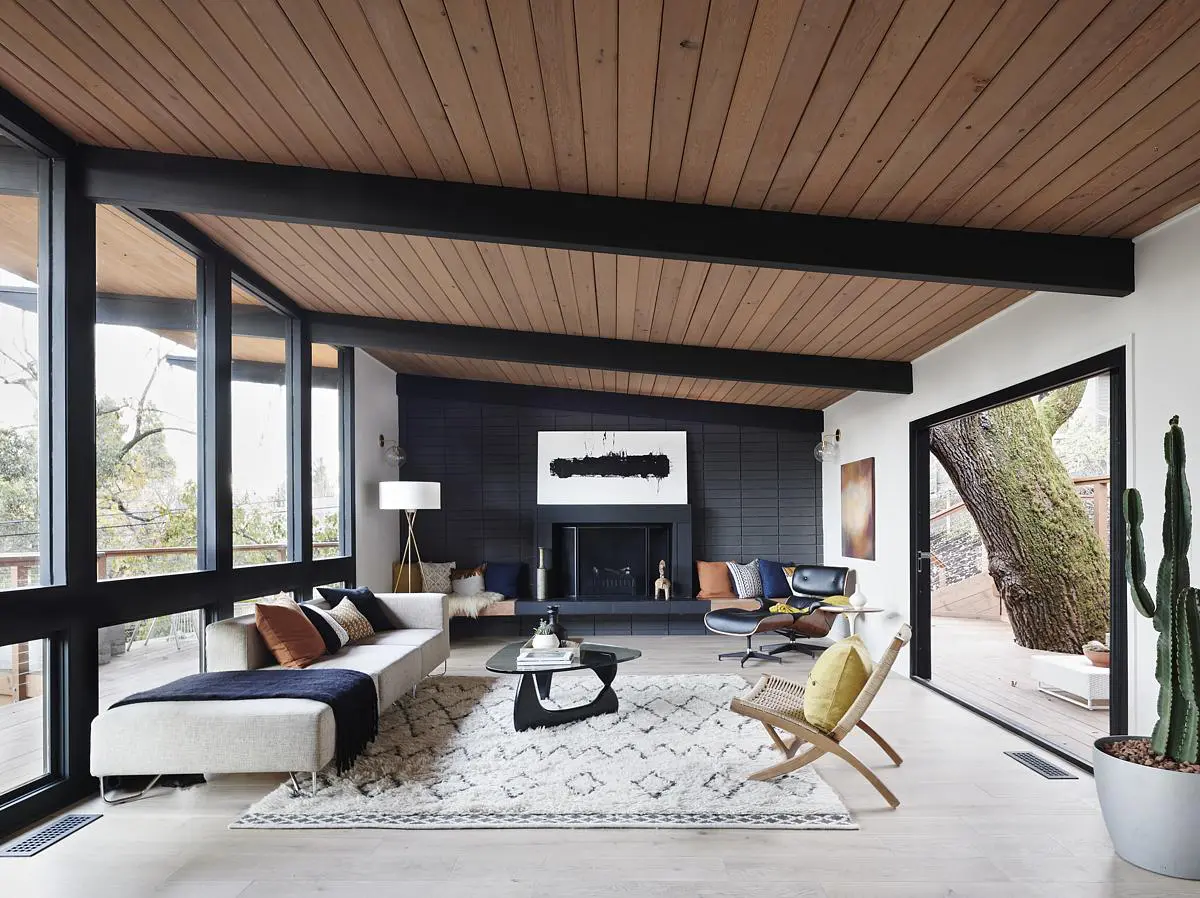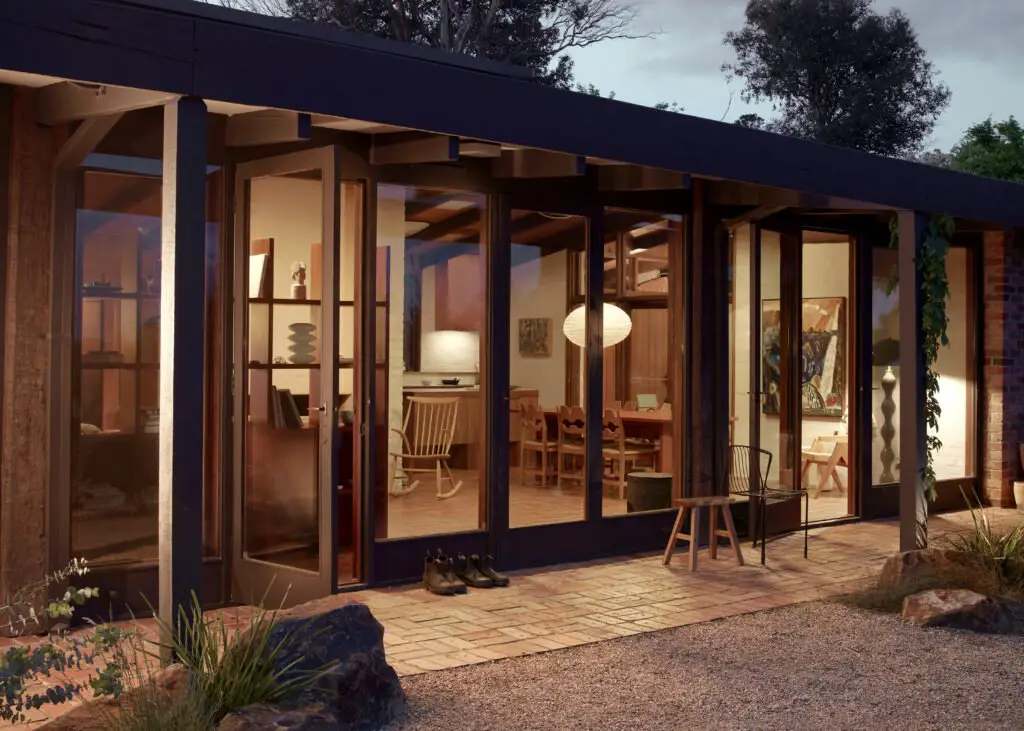
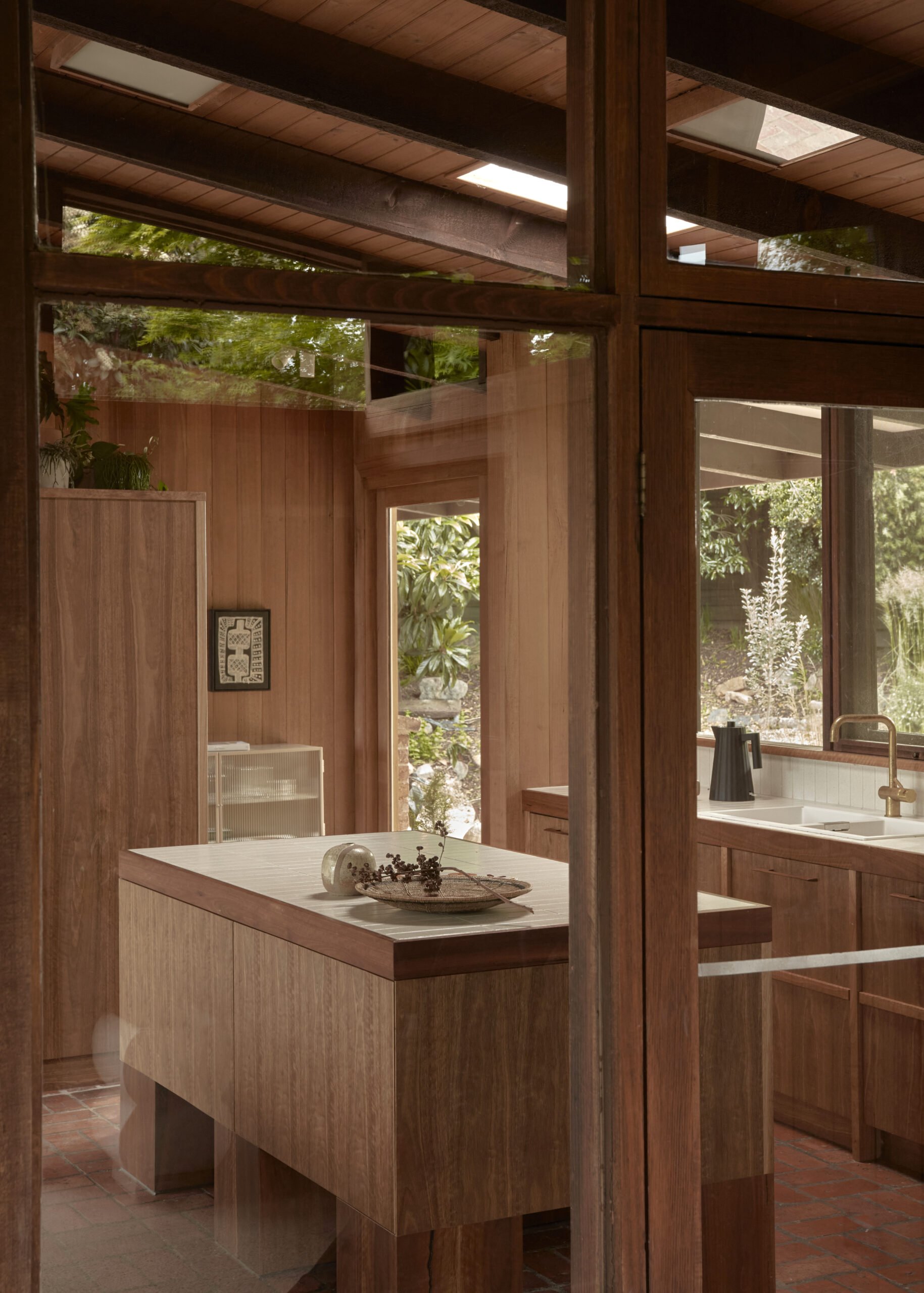
Patricia Callan, an Australian author and Midcentury Modern enthusiast, presents a unique perspective on architecture through her upbringing, artistic ventures, and personal experiences. Her book, ‘The New Modernist House‘, offers an insightful exploration of 21 modernist and mid-century Australian homes, reflecting her deep appreciation for this architectural style.
Born into a family appreciative of art and music, Patricia’s early life in a 1968 house designed by McGlashan Everist in Geelong, Victoria, significantly influenced her artistic inclinations. The tranquility, light, and spatial intuitiveness of that home left a lasting impression.
Her university years further cemented her interests, with a focus on 1960s beach shacks and the broader cultural shift towards the mid-twentieth century aesthetic. This interest intertwined with her environmental concerns, particularly the wastefulness in the building industry and the loss of quality materials.
Patricia’s passion for Modernist architecture led to the creation of the Modernist Australia blog. Started in the early 2000s, the blog critiques the demolition and poor renovation of Mid-Century Modern homes, promoting their preservation.
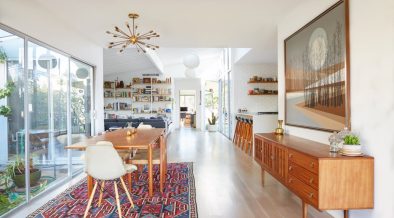
In 2013, Patricia’s journey led her to a 1979 concrete block house in coastal Victoria. This house, a young architect’s first project, resonated with her due to its Modernist features and similarities to her childhood home. After purchasing it, she undertook a thoughtful renovation, ensuring the extension and refurbishments aligned with the late 1970s design ethos.
After the success of her blog, Patricia was approached by Thames and Hudson Australia to write a book on the topic. She viewed this as an opportunity to compile her knowledge and advocate for the appreciation and preservation of Mid-Century Modern design. Thus, the ‘The New Modernist House‘ book project was born.
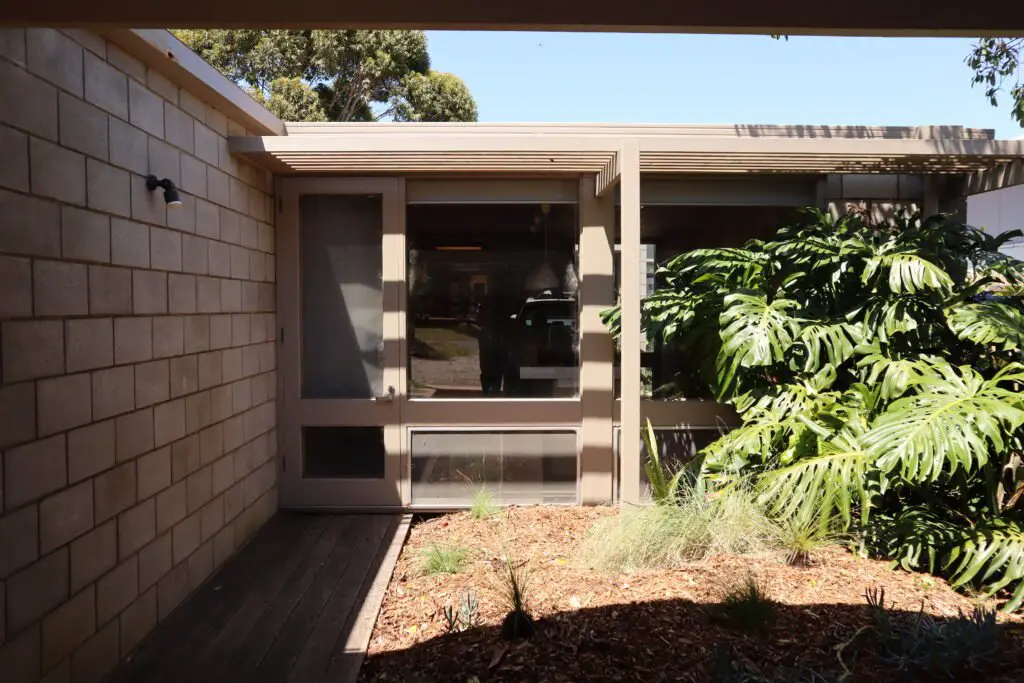
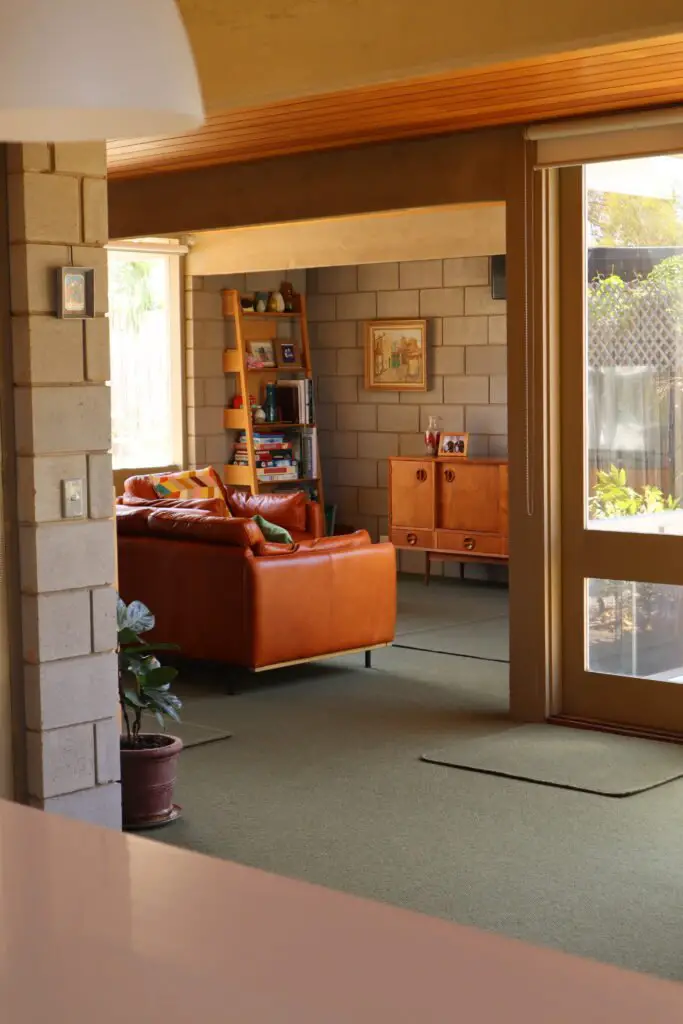
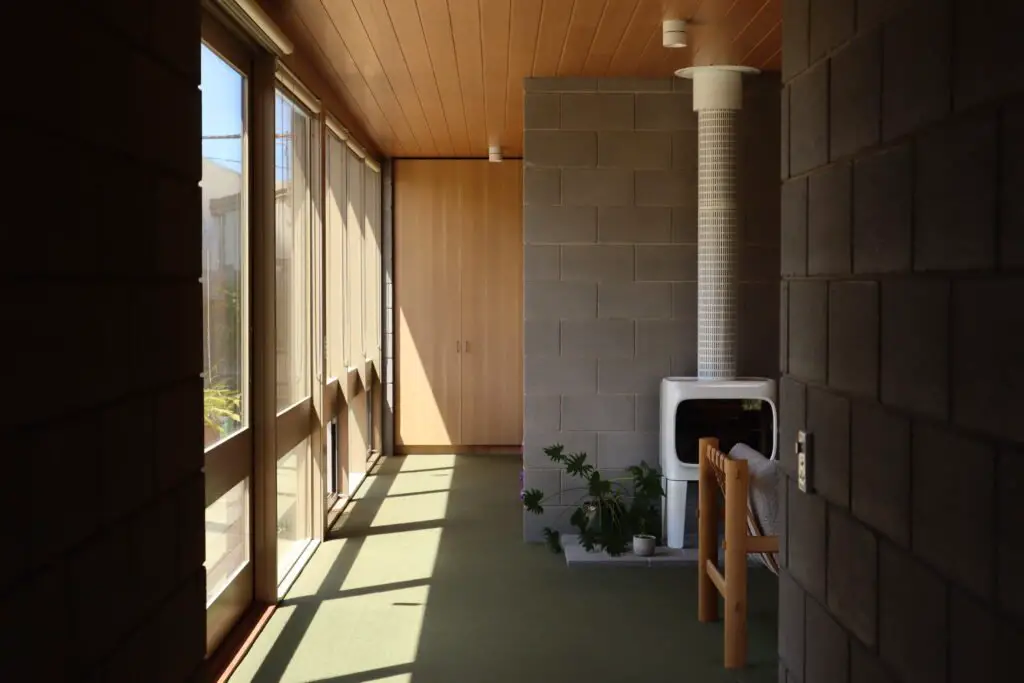
The Australian Modernist aesthetic, as Callan describes, is a fusion of European sophistication, American influence, and an embrace of the Australian landscape. This style reflects Australia’s post-war middle-class growth and a newfound appreciation for the country’s natural environment. The integration of rugged landscapes into architecture, as seen in the Sydney School, is a hallmark of this aesthetic.
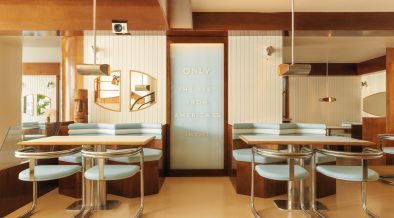
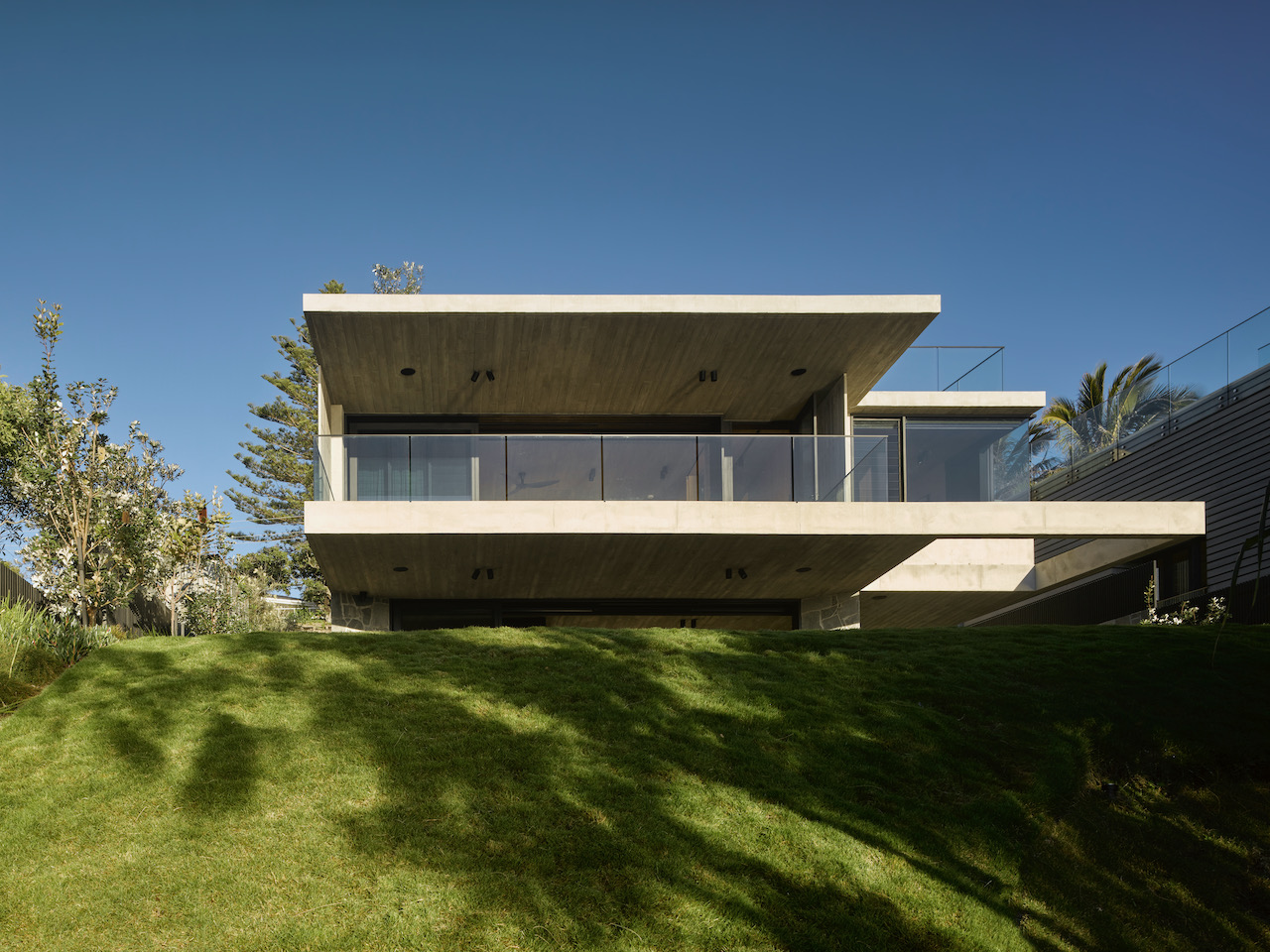
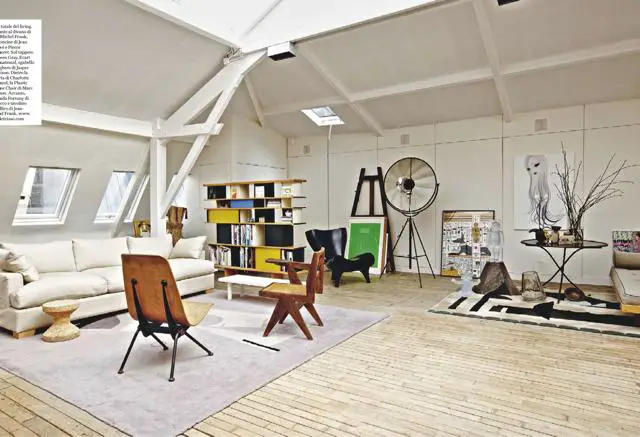
The book’s selection of homes wants to cover the diverse range of styles, locations, and budgets, reflecting the varied expressions of Australian Modernism.
Throughout the book, the integrity of each home stands out. Despite their differences, each residence authentically reflects its architectural origins and the owner’s personality. Among her favourites are the Fisher House, Torbreck Apartment, and Anglesea Cabin, each epitomizing different aspects of Australian Modernism.
‘The New Modernist House‘ arrives at a time when the allure of Mid-Century Modern architecture is stronger than ever. The book is not just a celebration of Australia’s finest examples of modernist residential architecture.
Patricia’s work delves into the critical question: Can these homes be updated to suit modern needs while preserving the original architectural integrity?
It also offers narratives of the passionate homeowners, architects, and collaborators who have breathed new life into these structures. This aspect adds a personal, almost intimate dimension to the architectural showcase, allowing readers to connect with the stories behind the renovations.
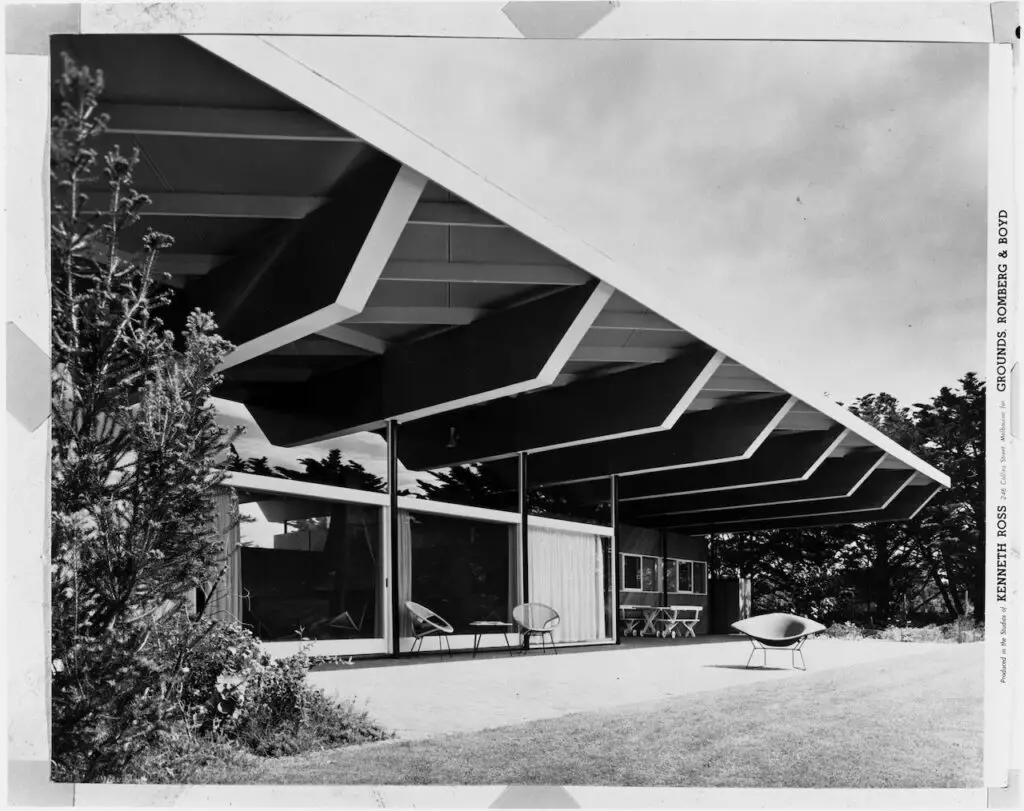
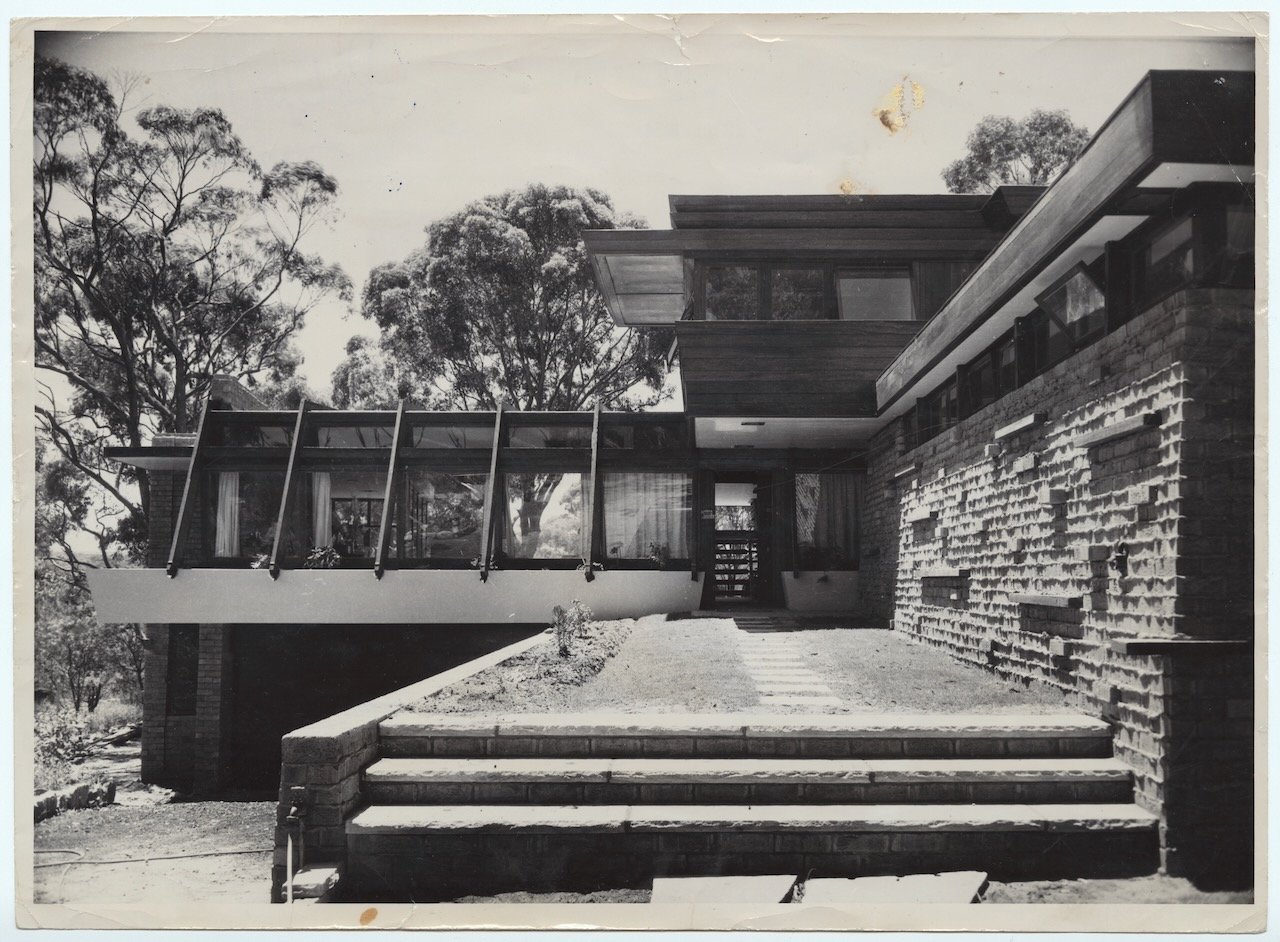
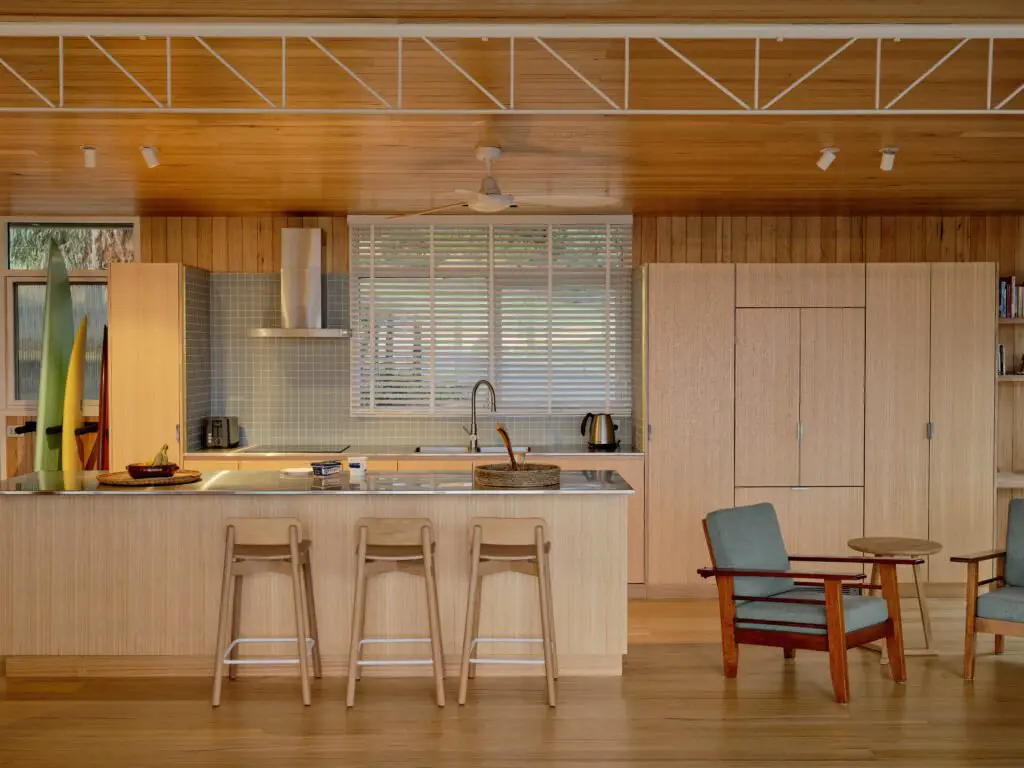
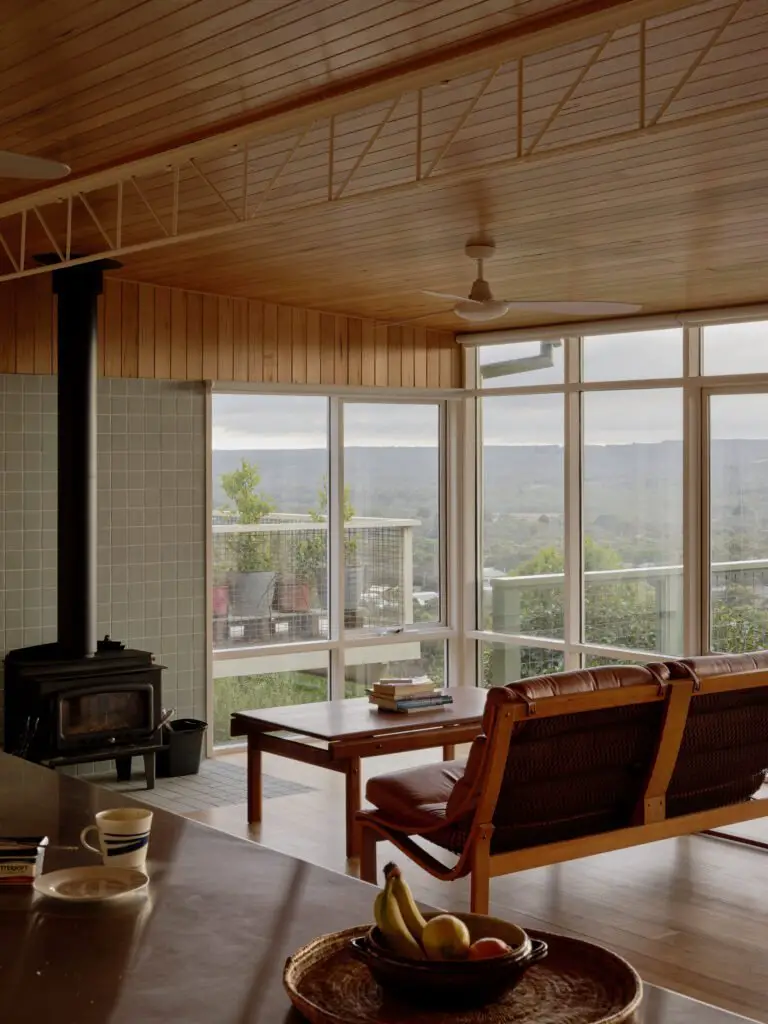
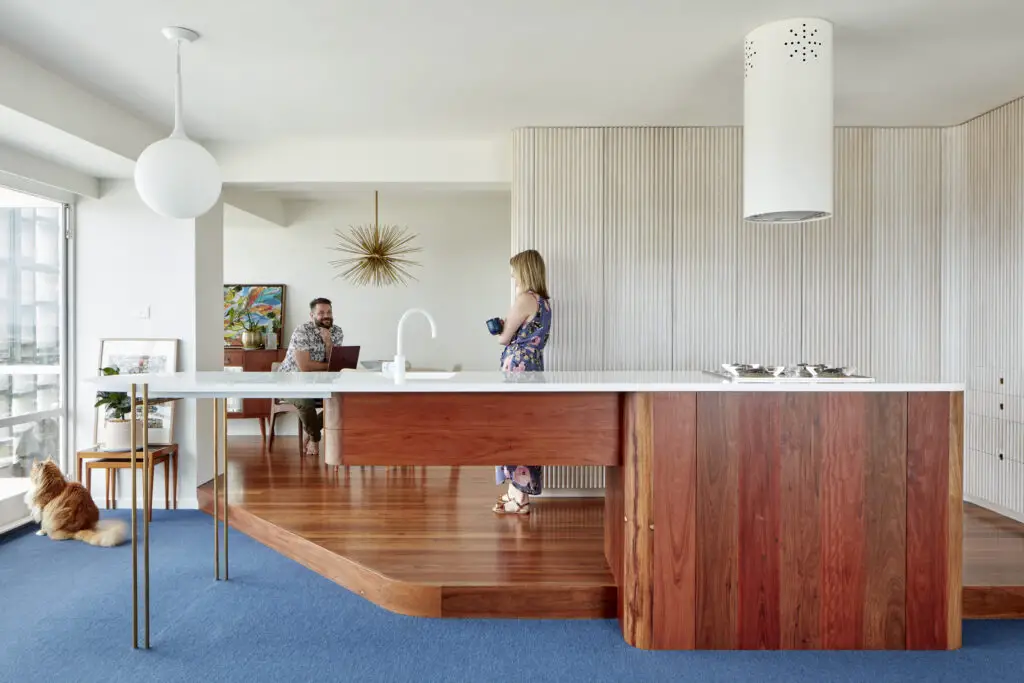
‘Fisher House’ Torbreck Apartment Building – Ph. Christopher Frederick Jones
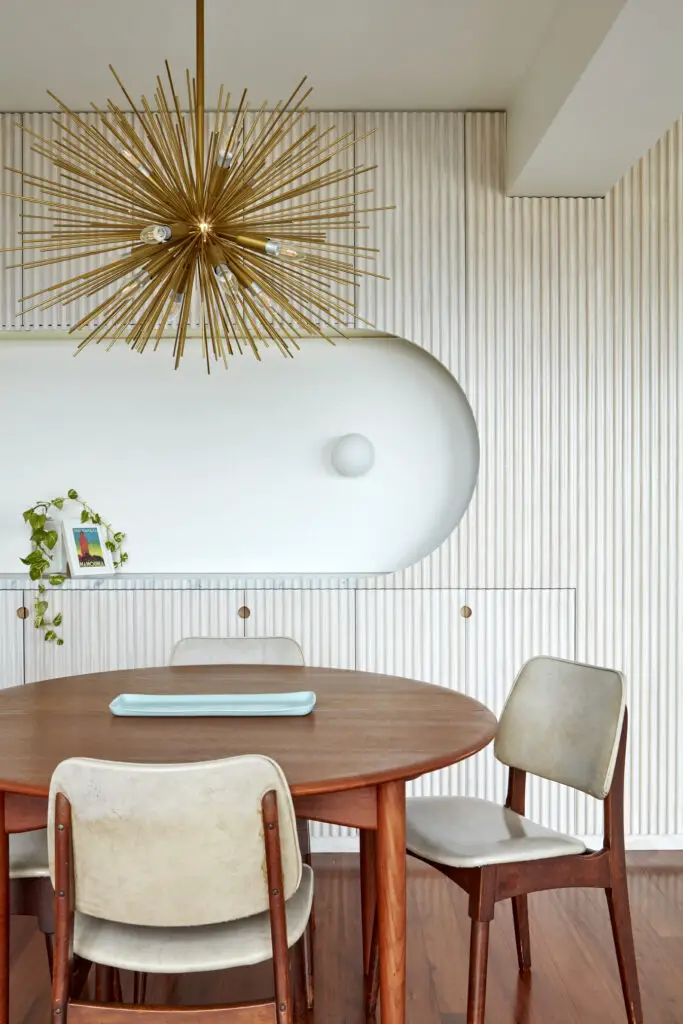
‘Fisher House’ Torbreck Apartment Building – Ph. Christopher Frederick Jones