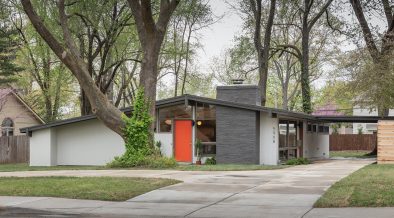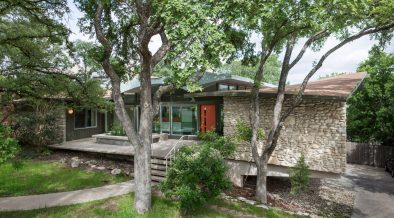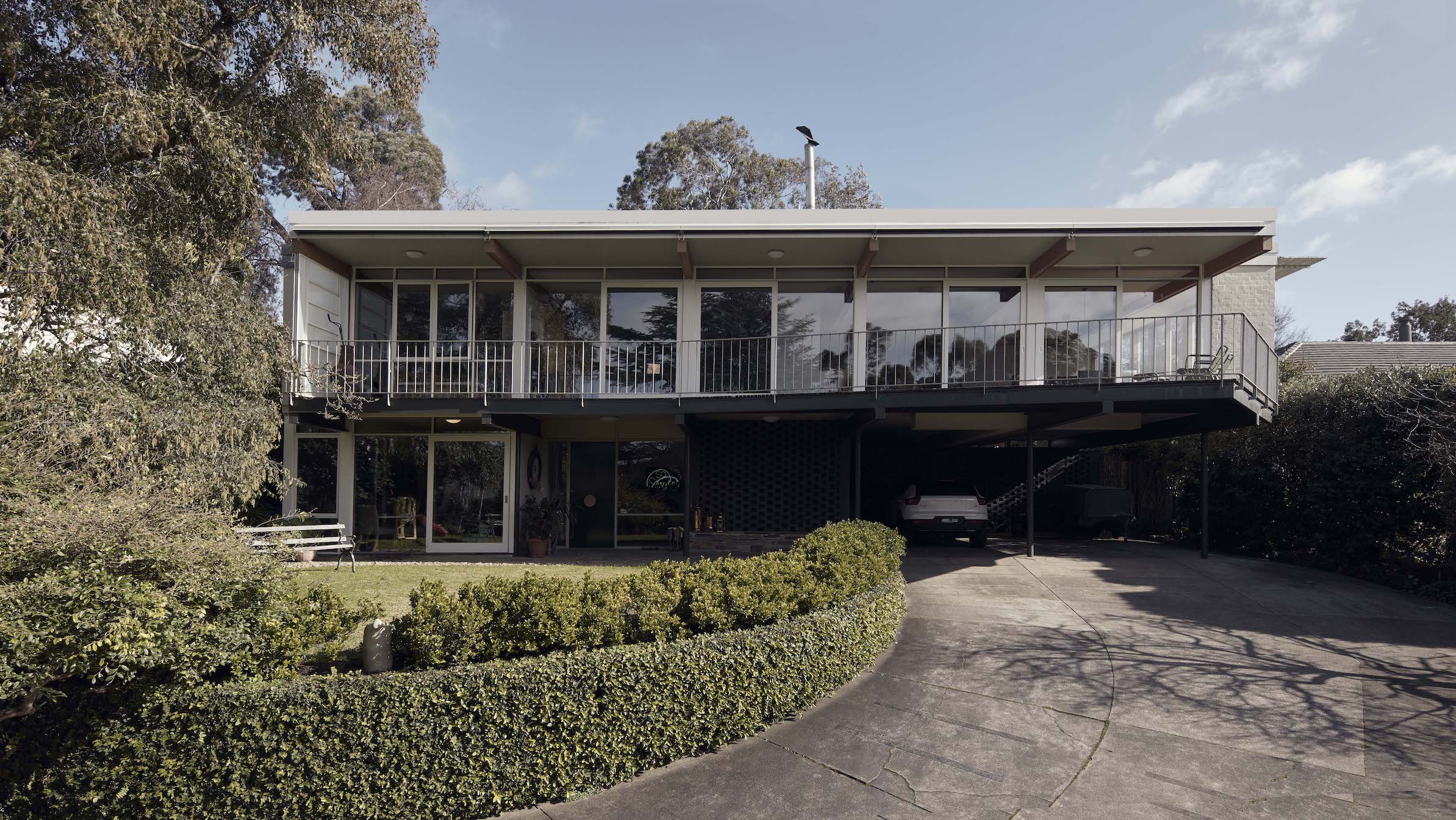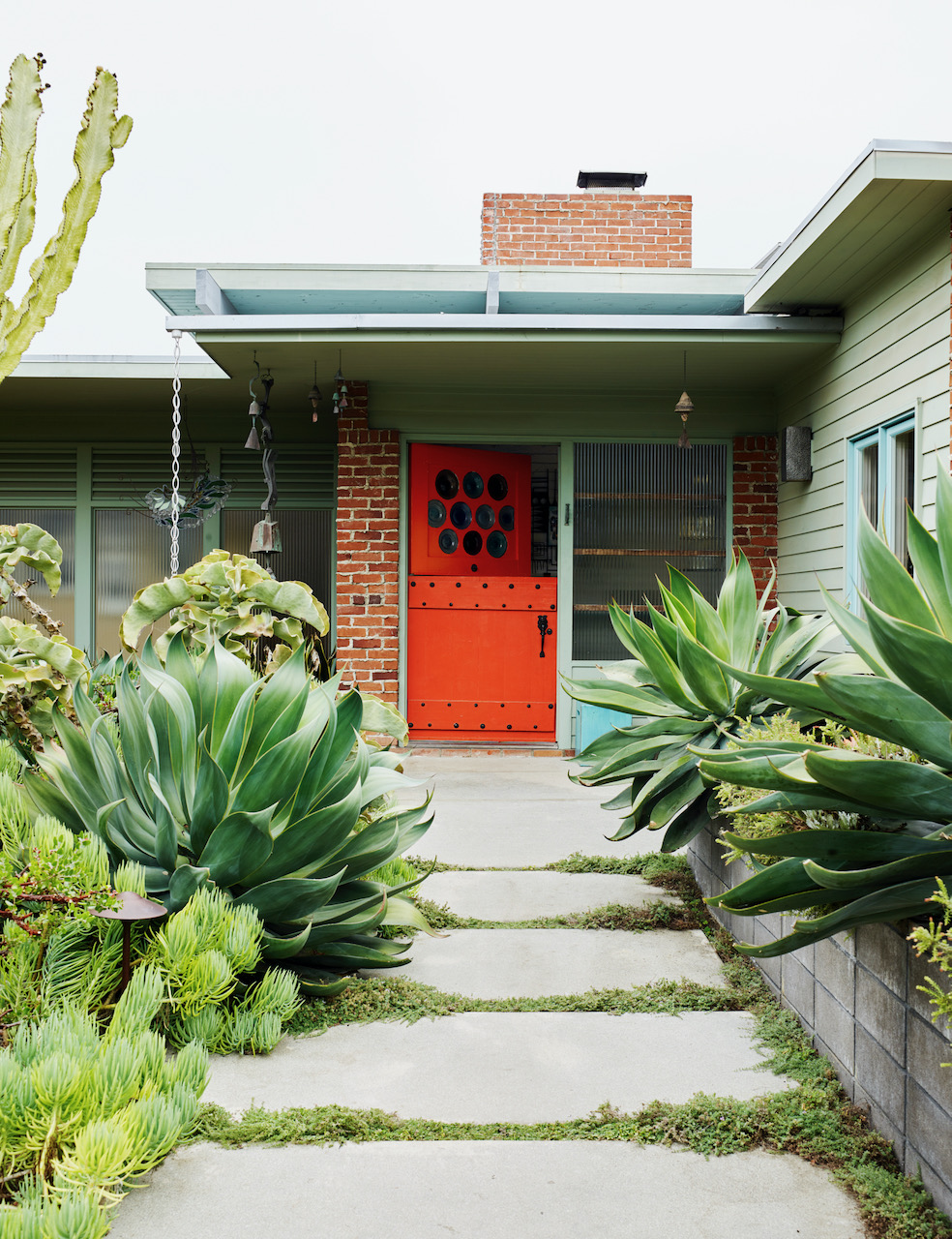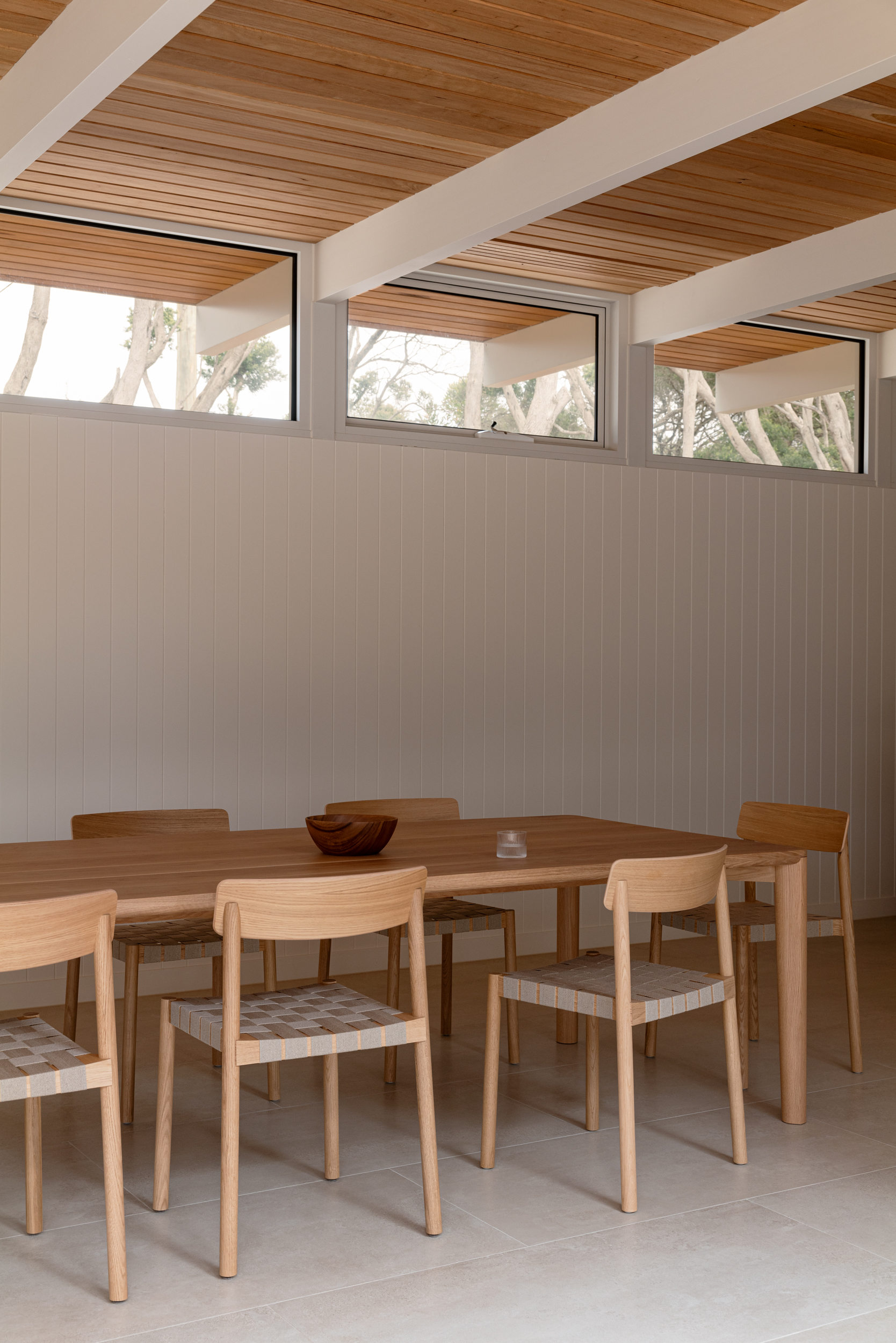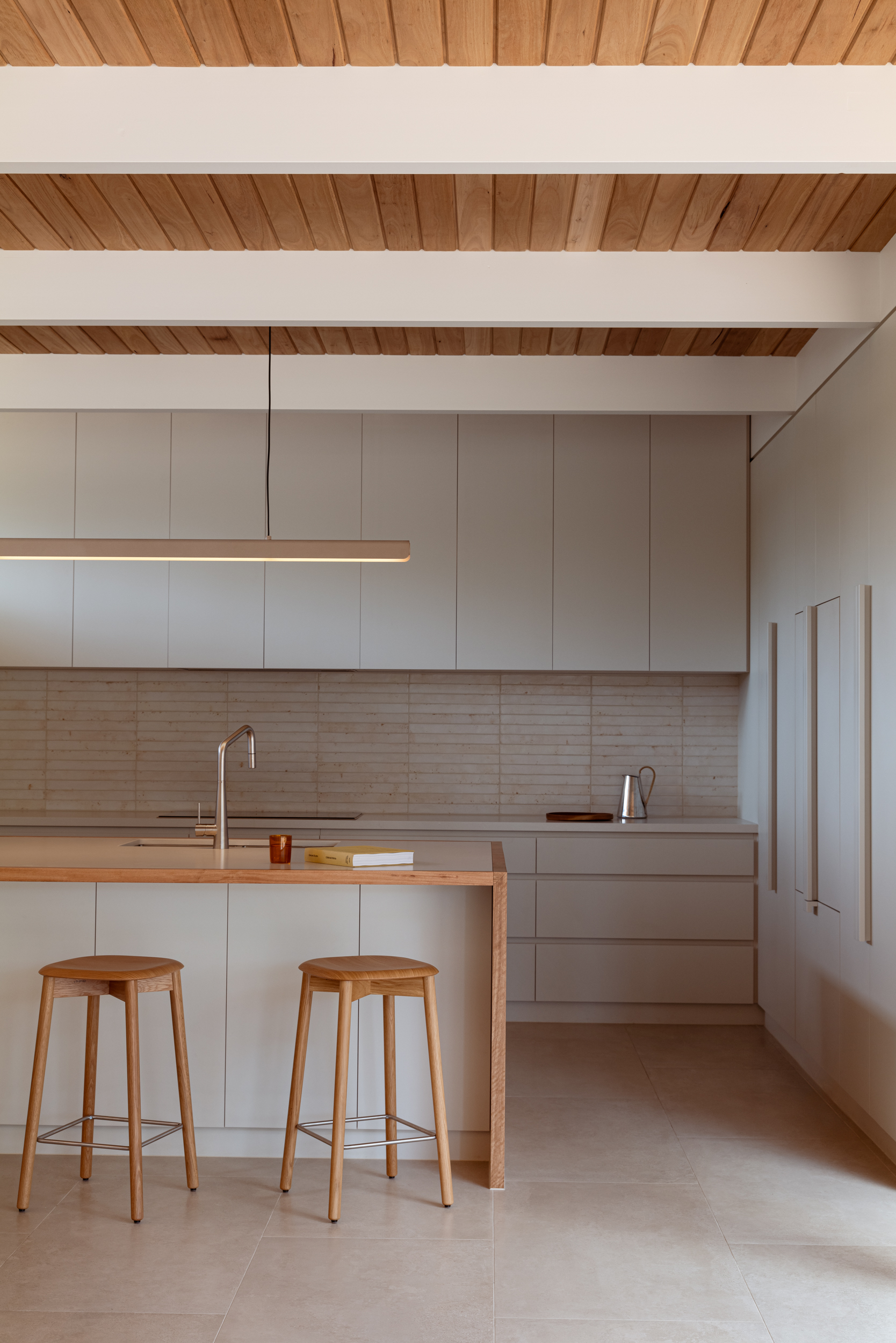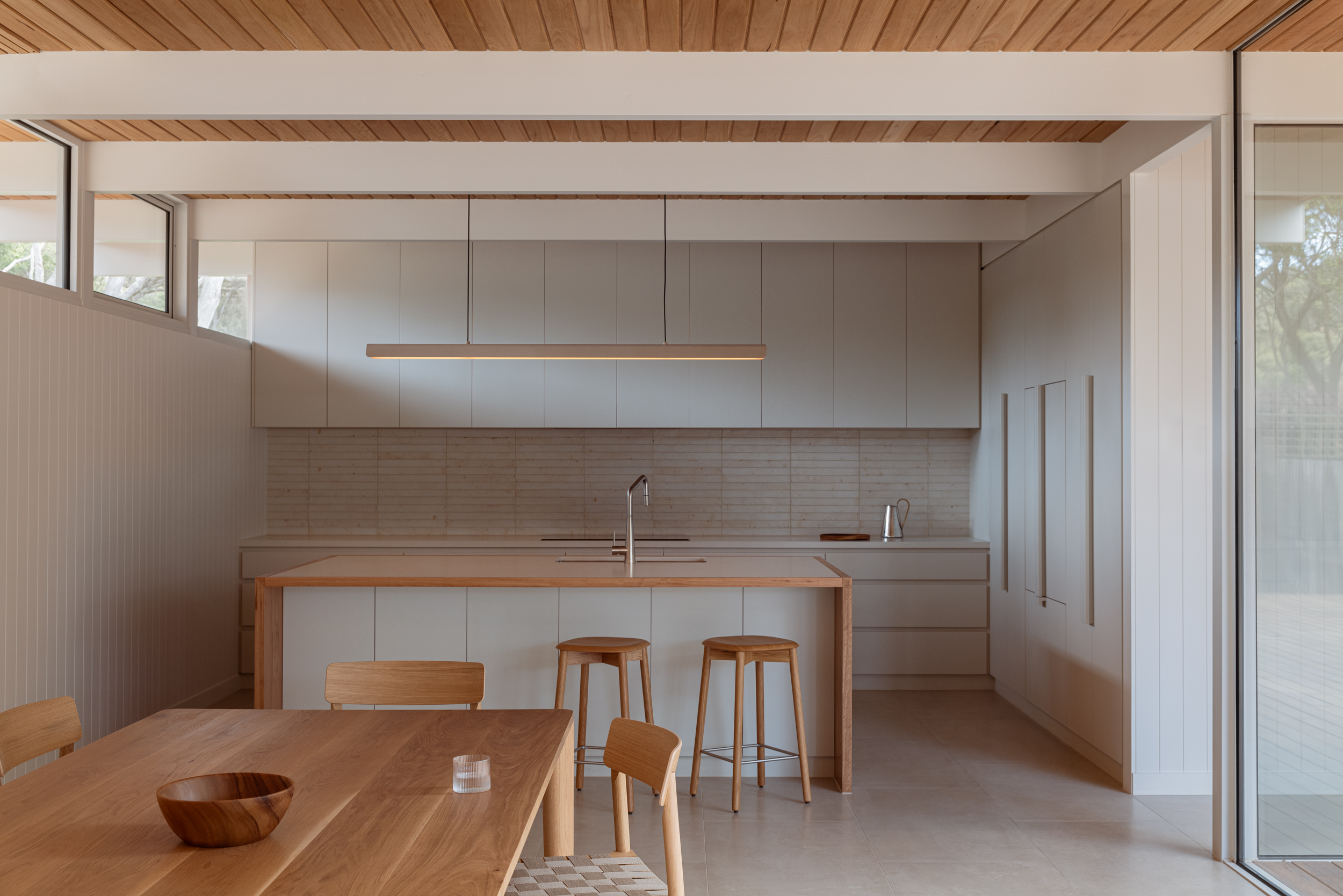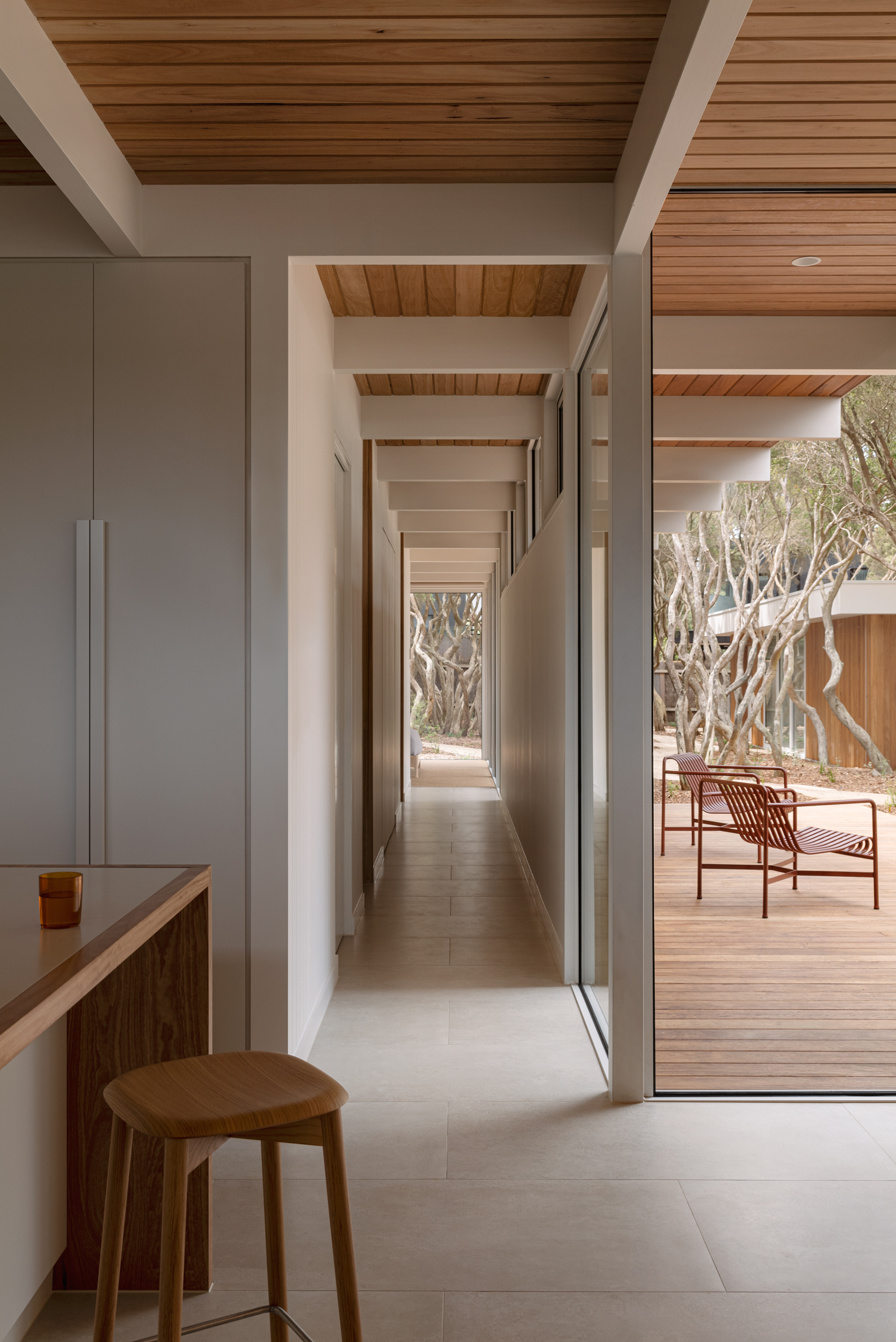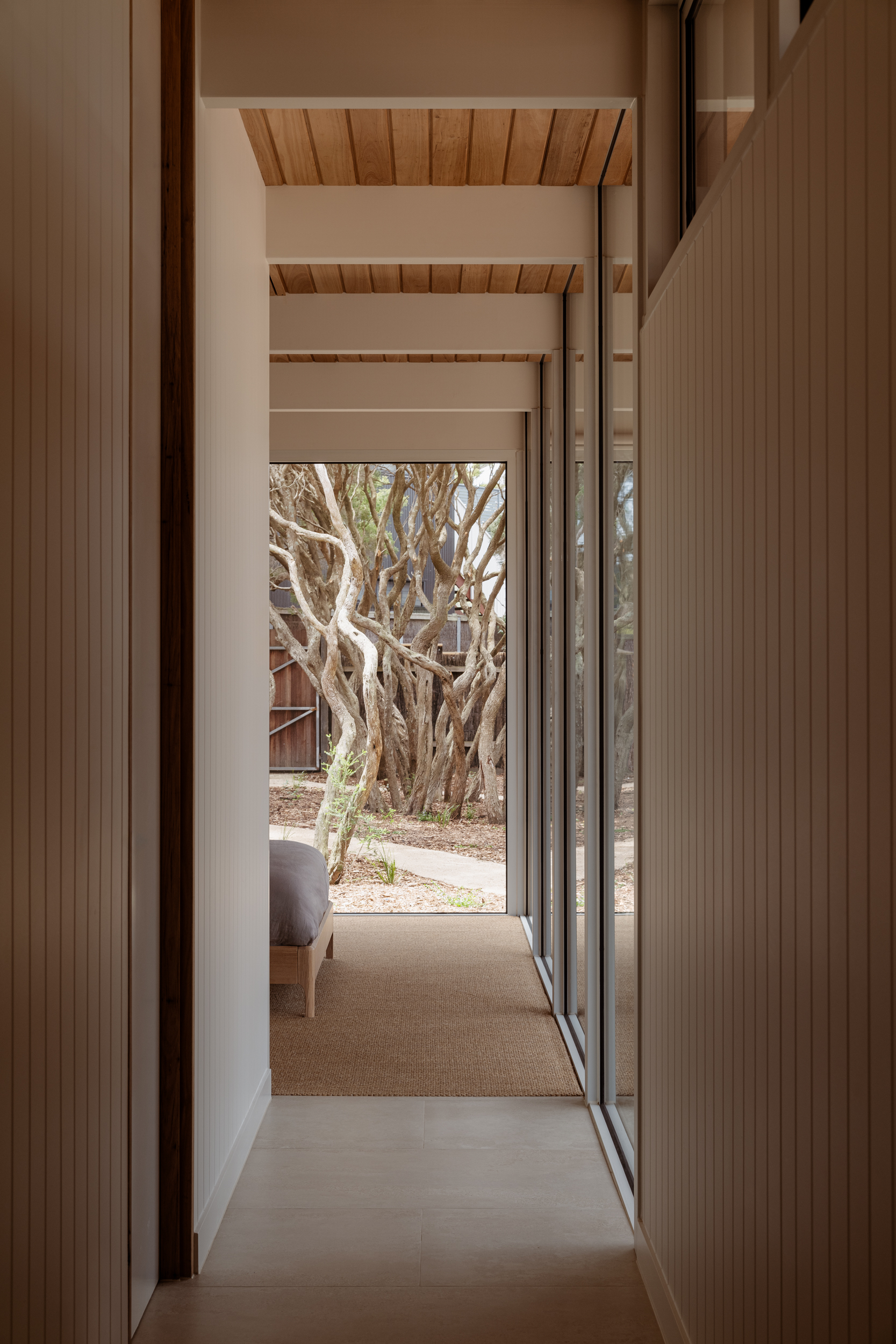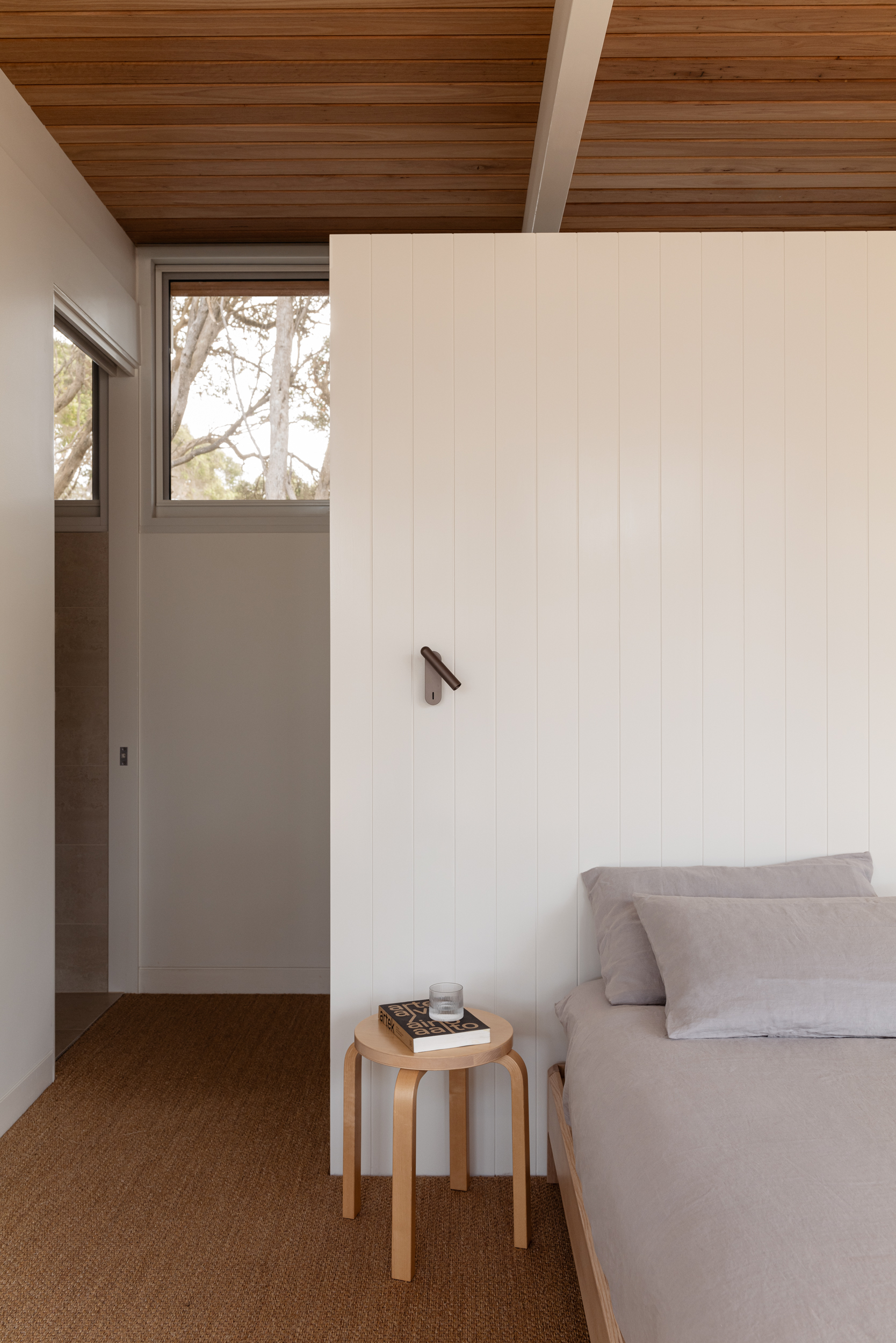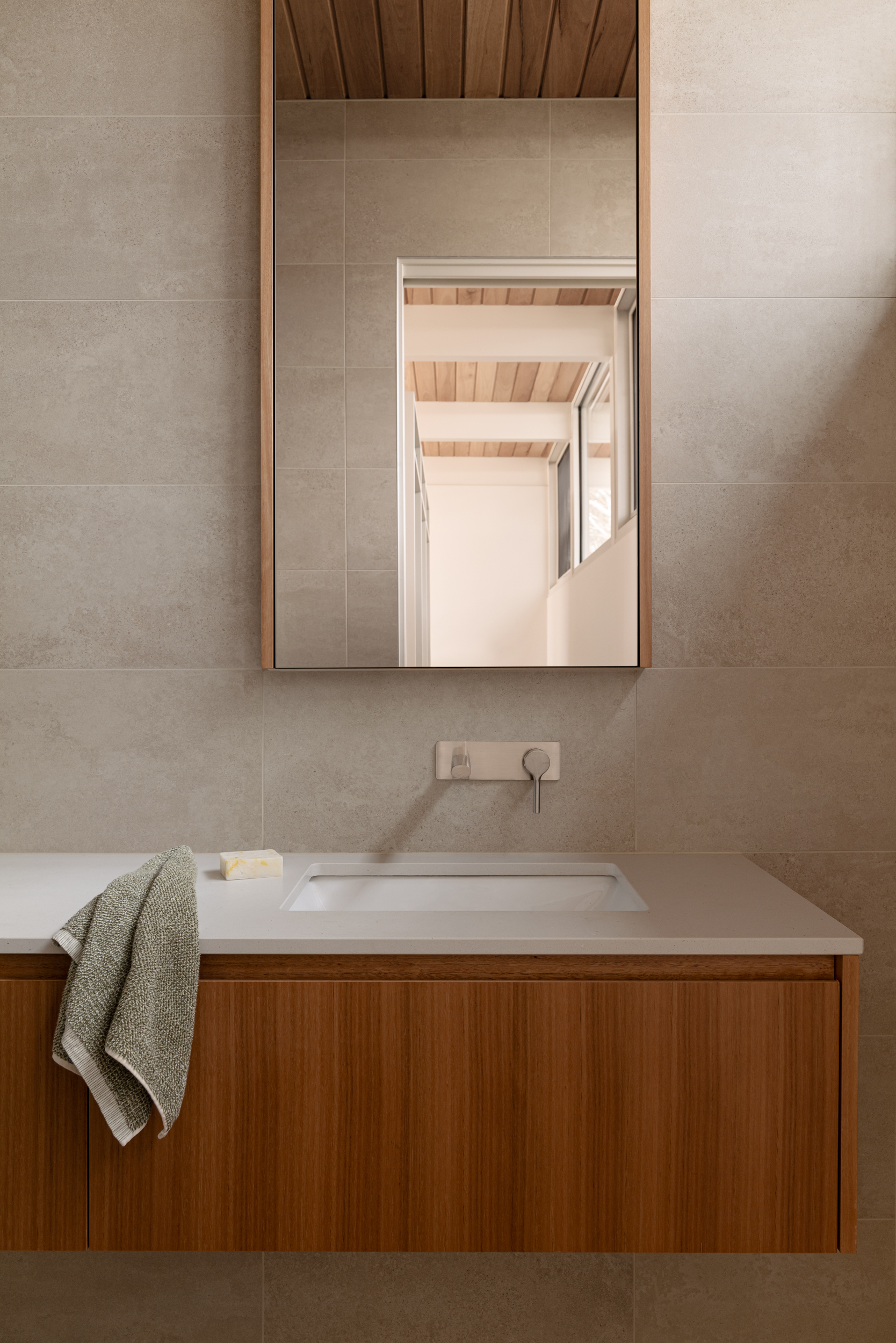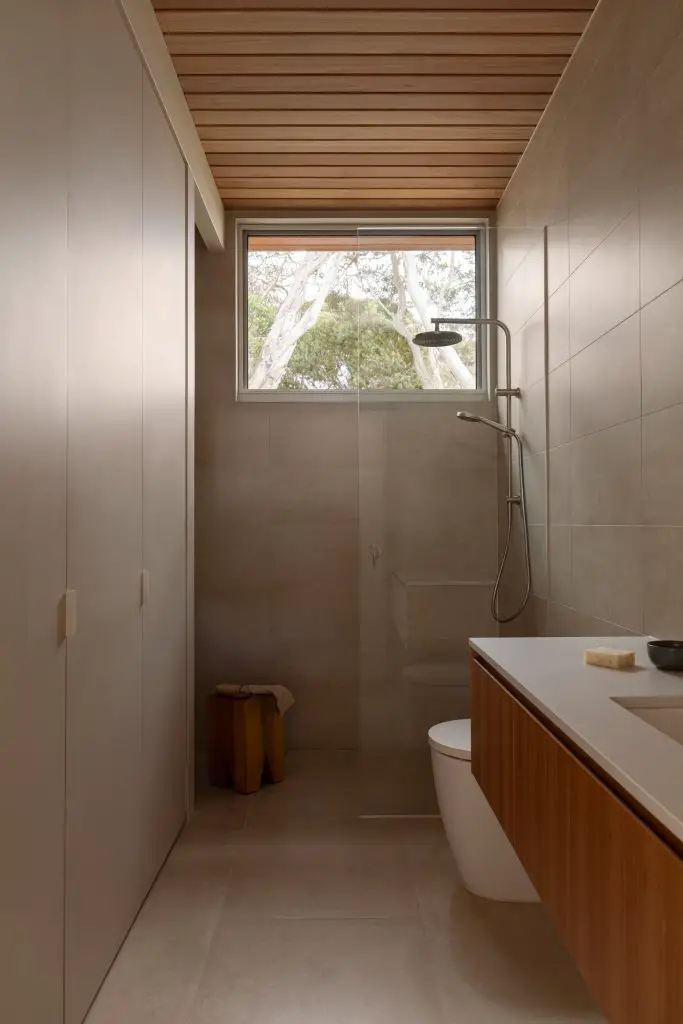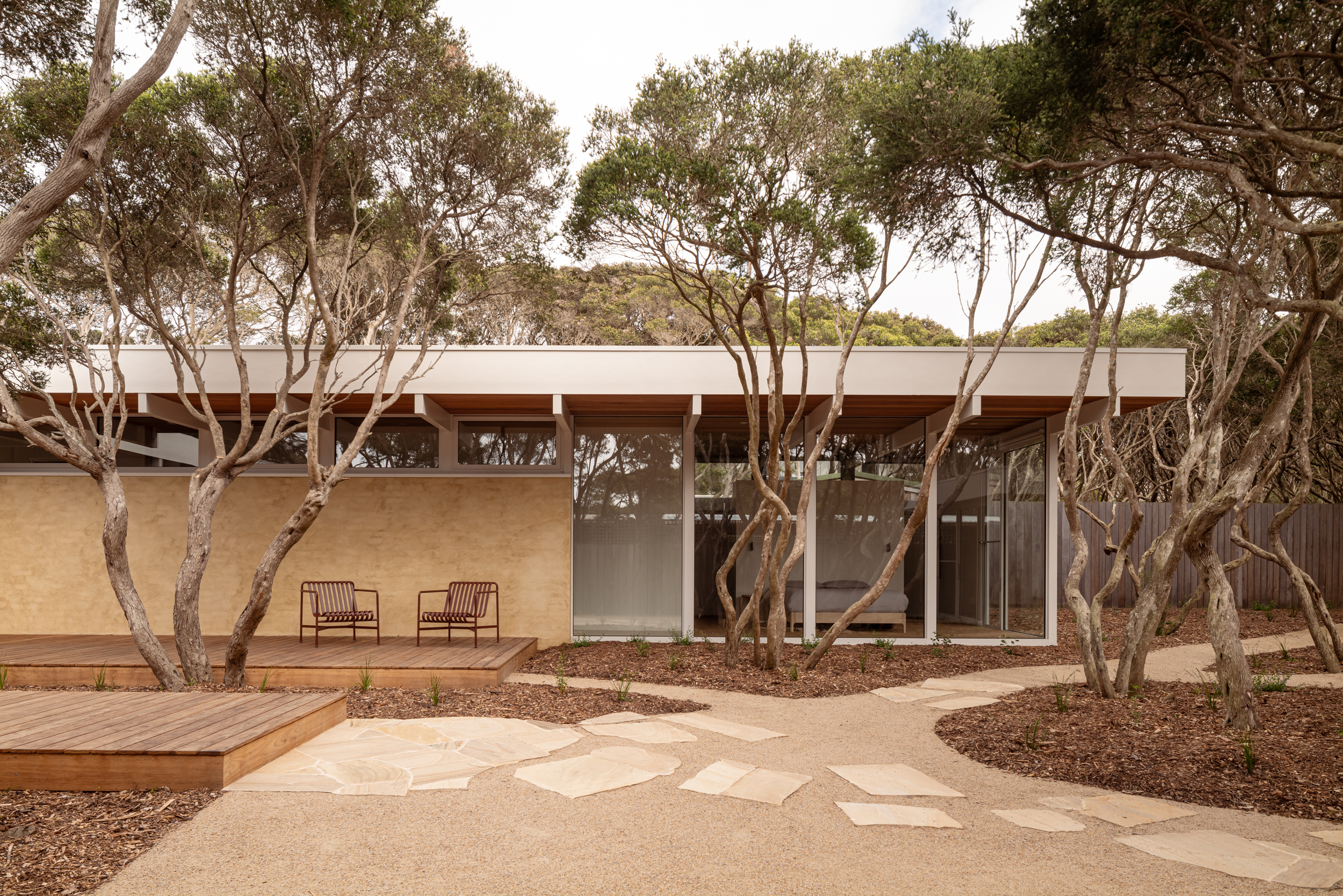
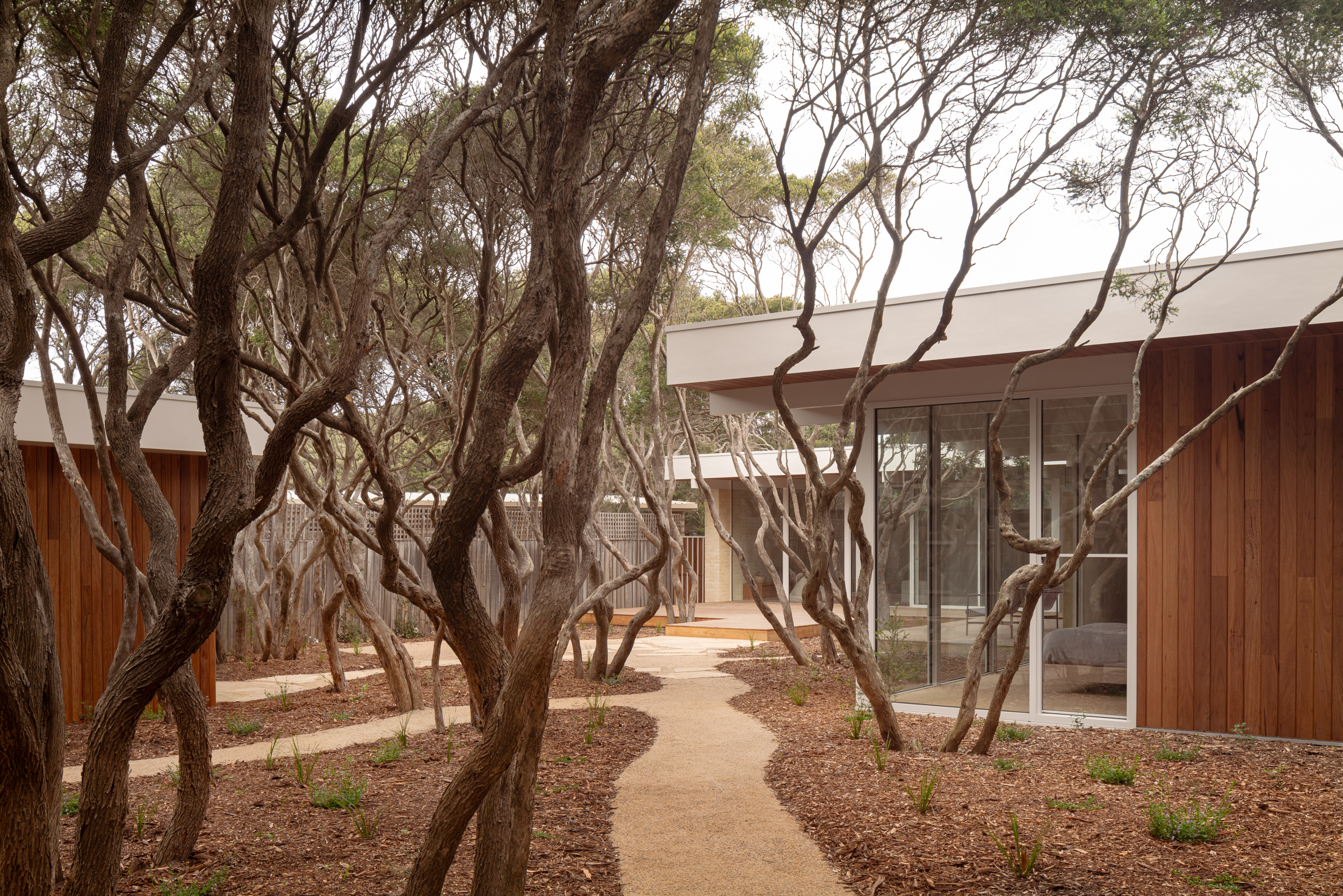

Set on Victoria’s surf coast, House in Anglesea revisits a modest mid-century beach house with care and restraint. Designed by MGAO, the project does not start from scratch but from what was already there. The original house held a certain charm, yet over time it had become difficult to live in, with poor insulation and a series of additions that disrupted its clarity. The decision was not to replace it entirely, but to rebuild with precision, keeping its character intact while improving how it works.
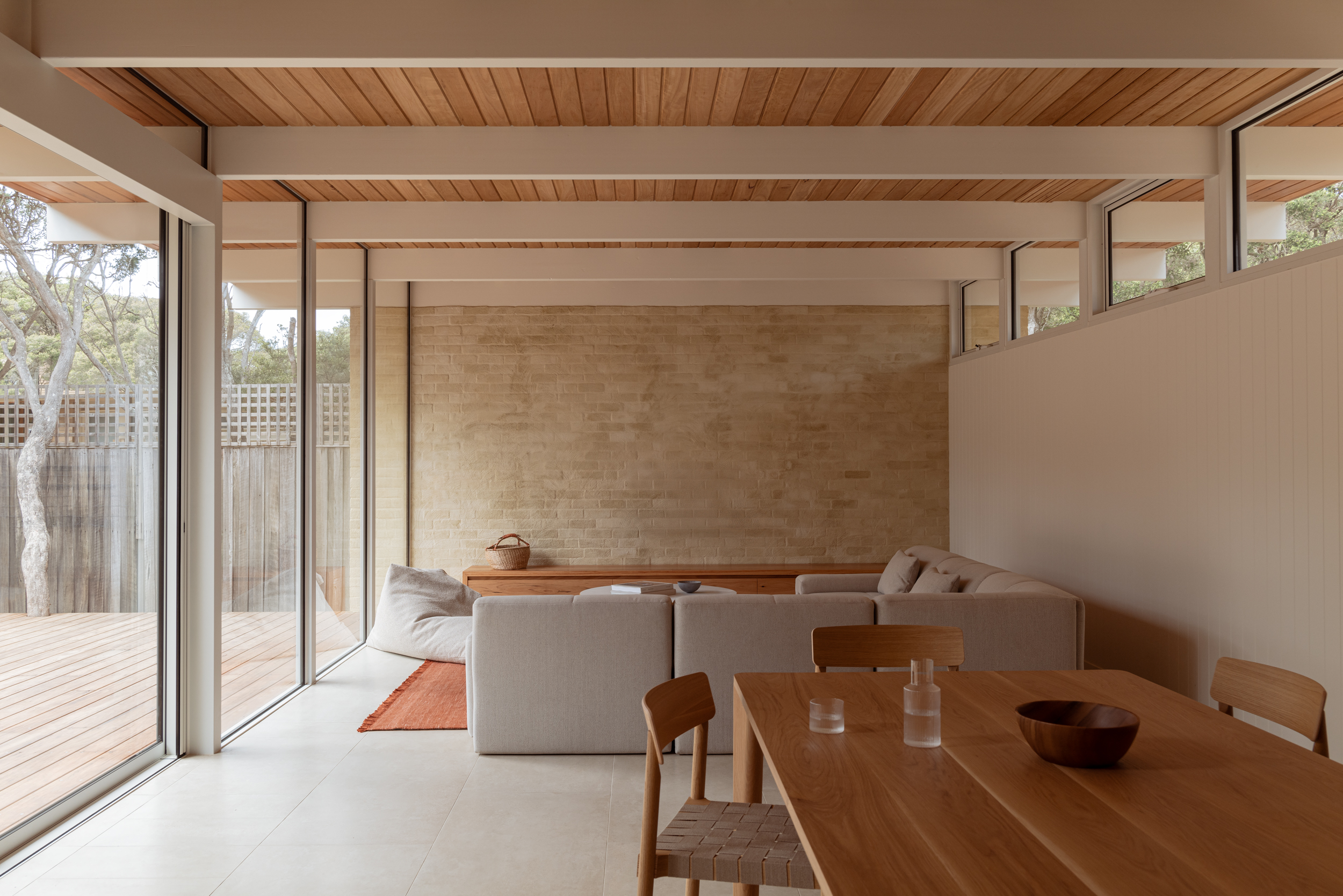
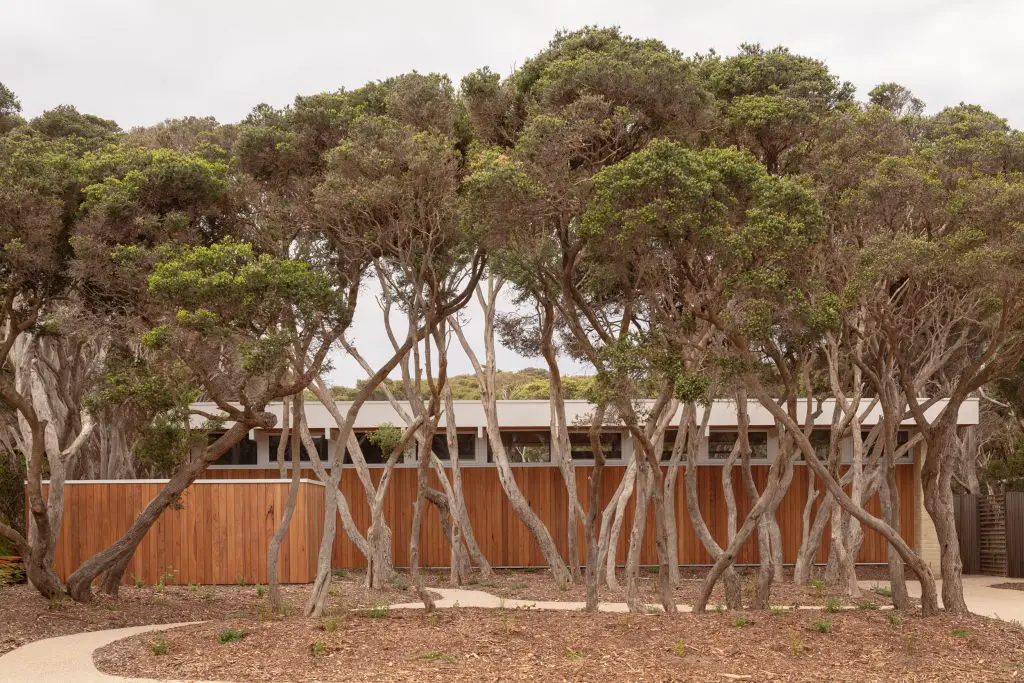
The original L-shaped plan remains in place, acting as a guide for the new work. Columns and proportions are carried through, setting a rhythm that shapes both the plan and the experience of moving through the house. This continuity is key. Rather than introduce a new language, the architects work within the logic of the existing structure, refining what was already there.
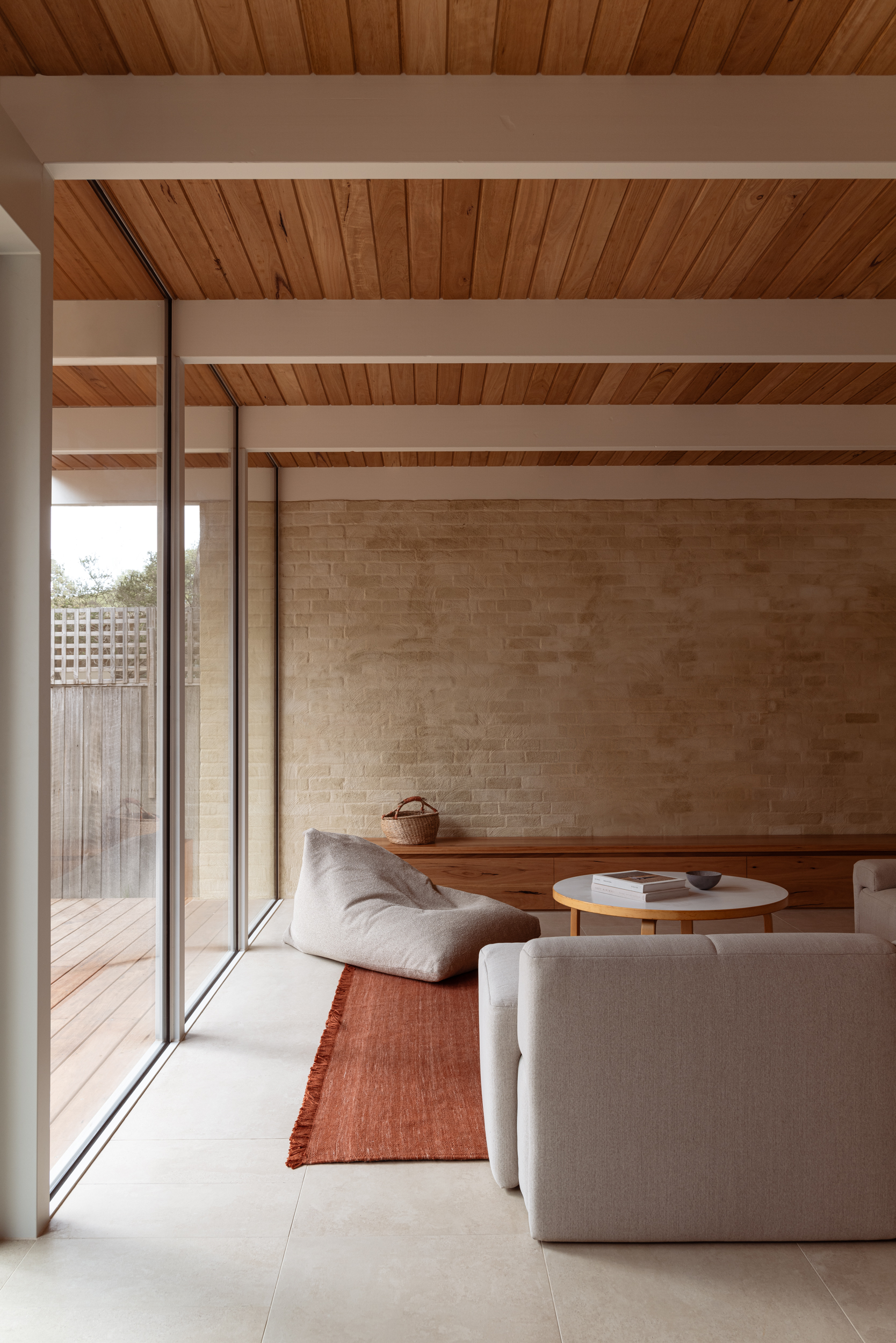
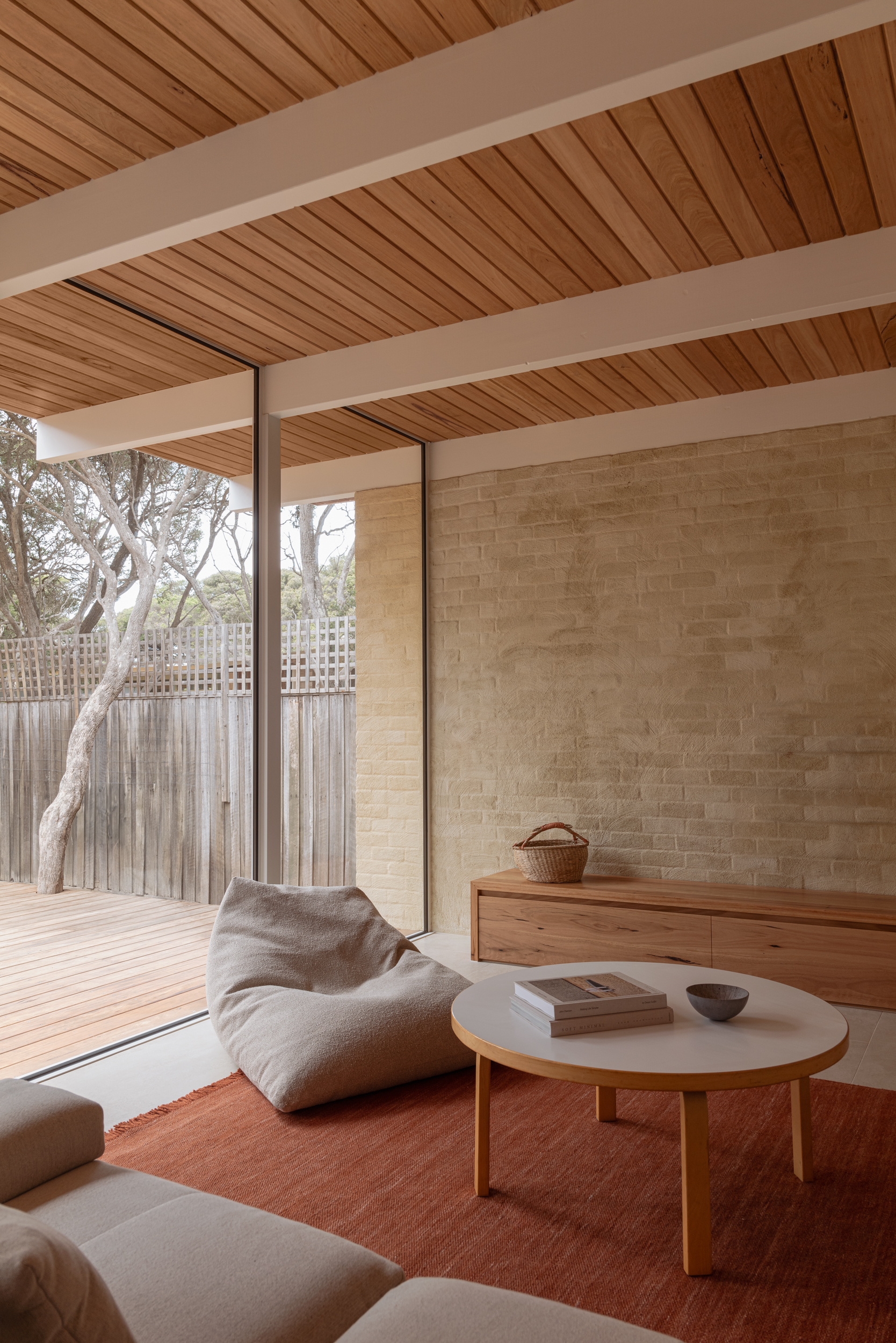
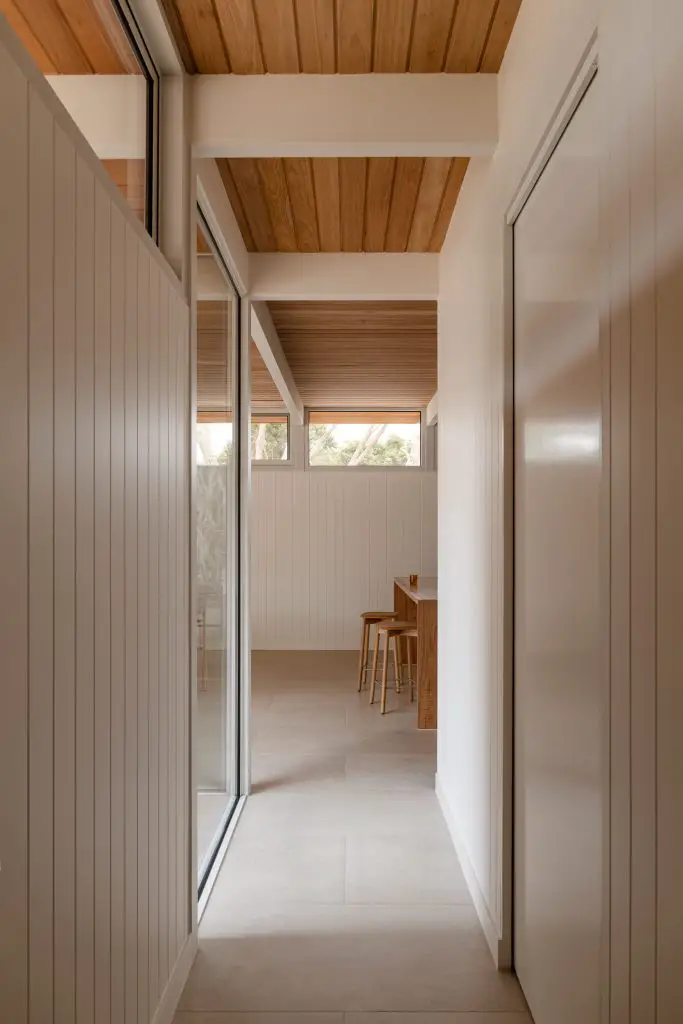
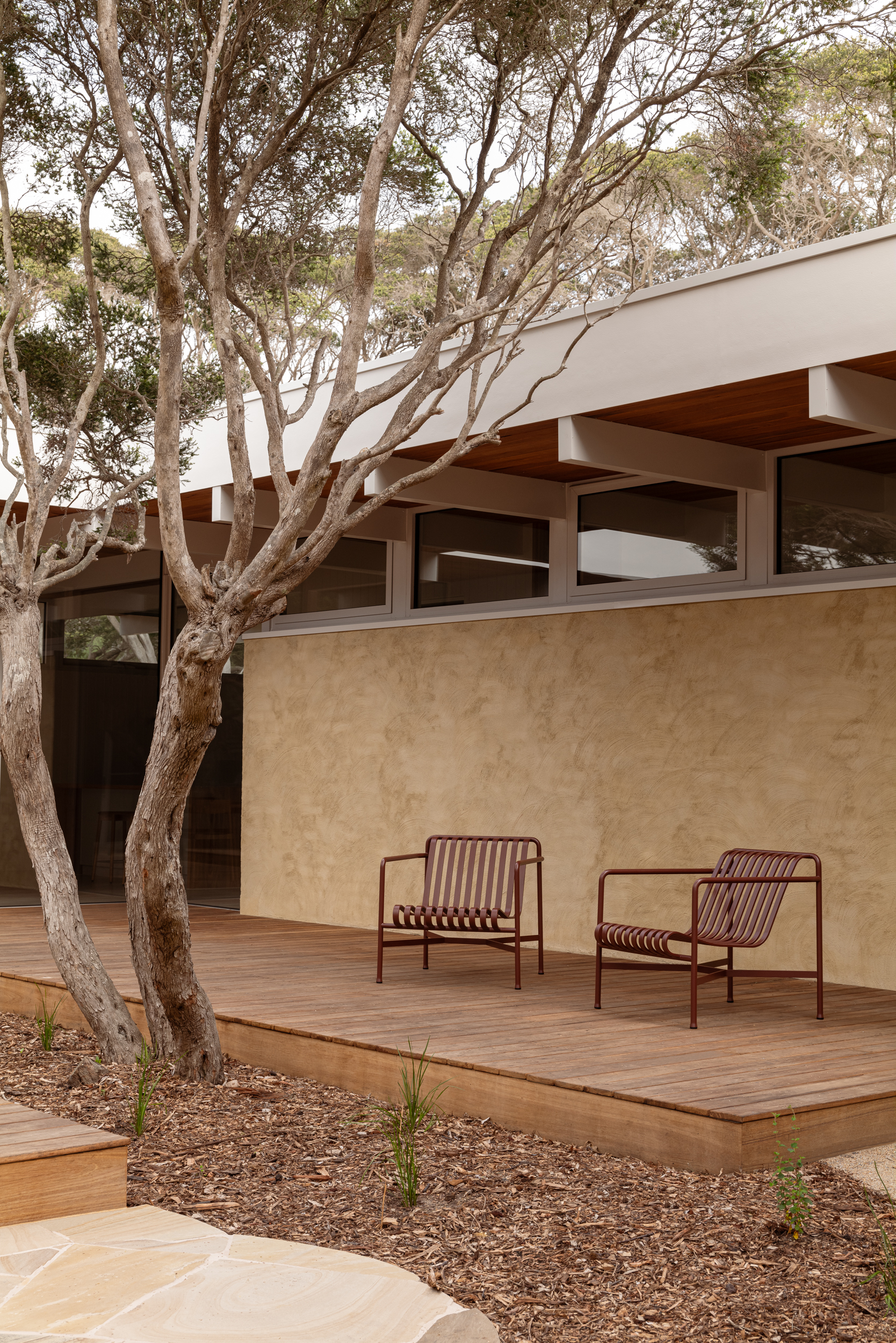
One of the main changes comes through the roof. By slightly raising the ceiling height, the interior gains a different sense of scale. It is a small move, but it shifts how light enters the space and how the rooms feel in use. The exposed structure continues this reading, with the spacing of trusses and openings kept consistent with the original house. This approach allows the new work to sit naturally within the old.
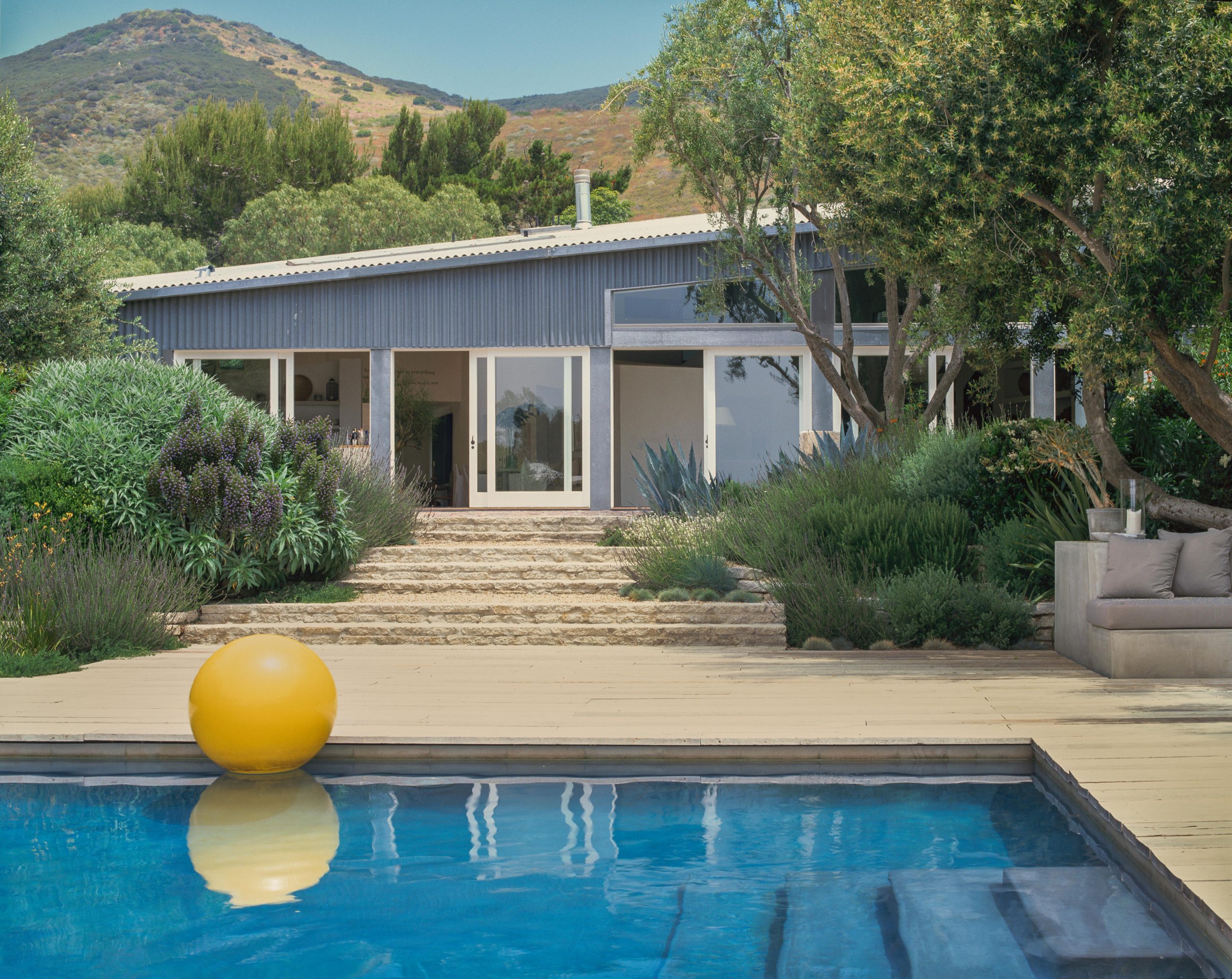
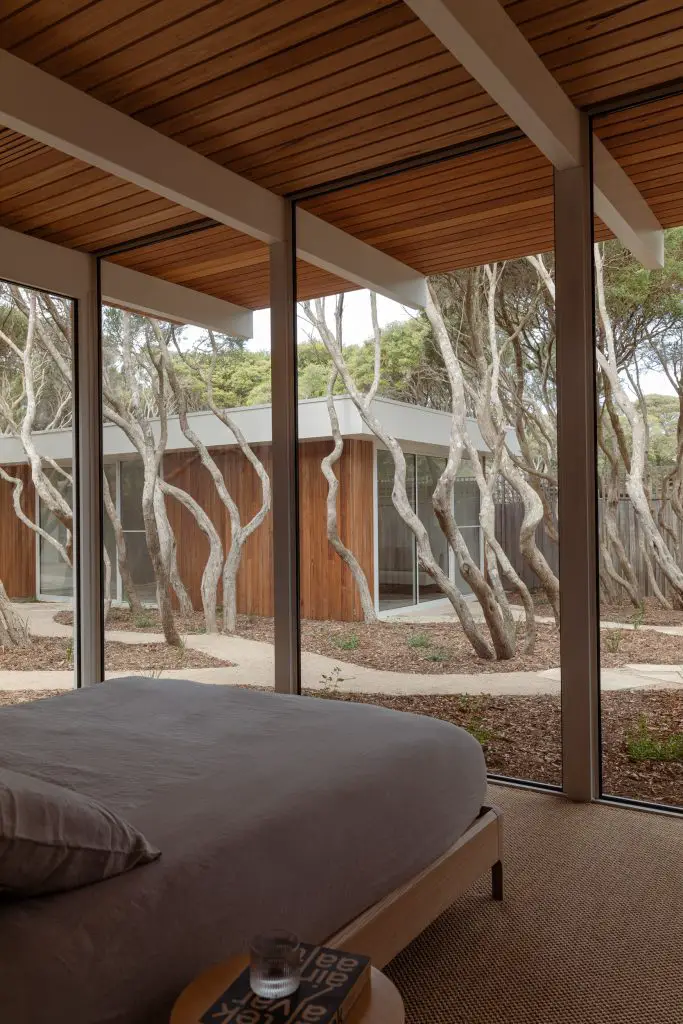
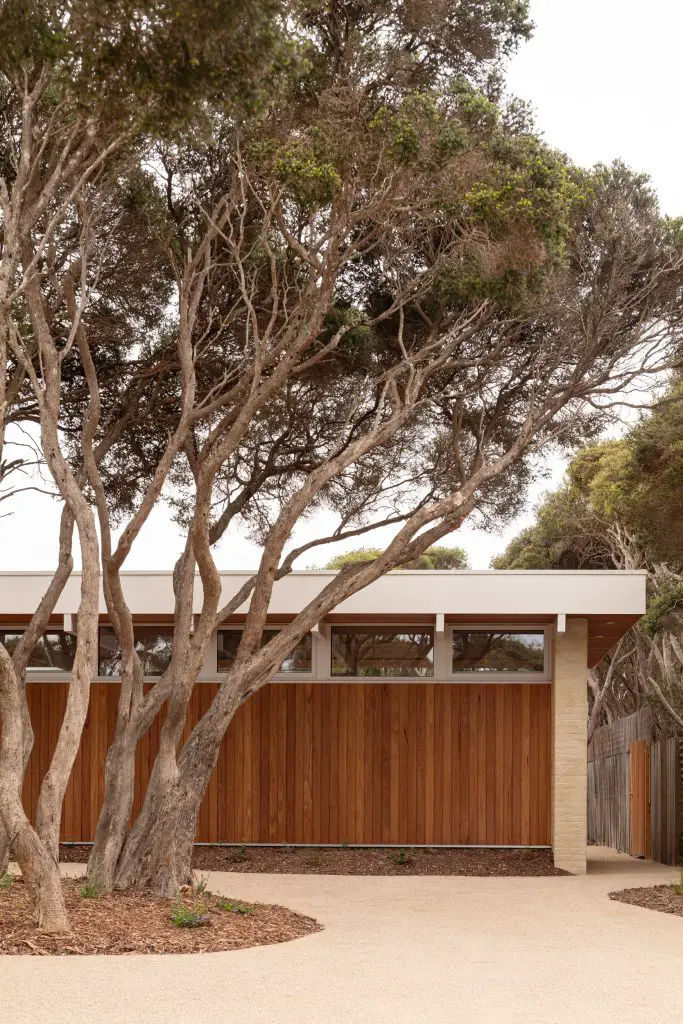
The living areas are now more open and directly connected to the garden. Large sliding openings extend the interior outward, framing views of the existing Moonah trees and allowing the house to engage with its surroundings. The courtyard becomes part of the daily sequence, not an addition but an extension of the living space. Movement between inside and outside feels direct, without interruption.

Windows have been reworked to reduce the weight of their frames, allowing more light to enter and strengthening the connection to the landscape. This adjustment, like the change in roof height, is measured but effective. It improves the experience of the space without altering its character.
Material choices follow the same approach. Bagged brick walls bring a sense of texture and continuity, while blackbutt timber ceilings add warmth overhead. These elements are used with control, giving the interiors a clear and consistent reading. The detailing is precise, with each junction resolved to maintain the simplicity of the overall composition.
Private areas, including bedrooms and bathrooms, are kept straightforward. They support the main living spaces without drawing attention away from them. The focus remains on how the house is used as a whole, rather than on individual rooms.
There is also a practical layer to the project. The rebuild addresses insulation, durability, and bushfire requirements, bringing the house up to current standards. These changes are integrated into the design, allowing the house to perform better without altering its identity.