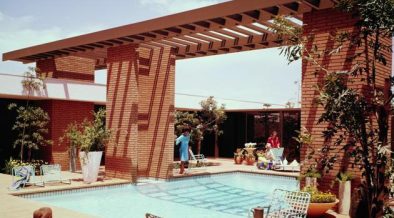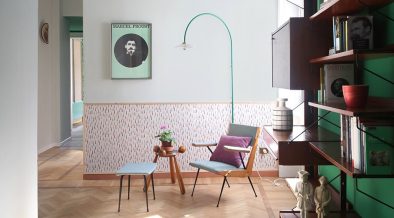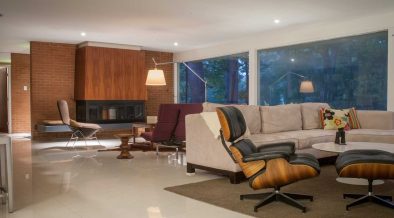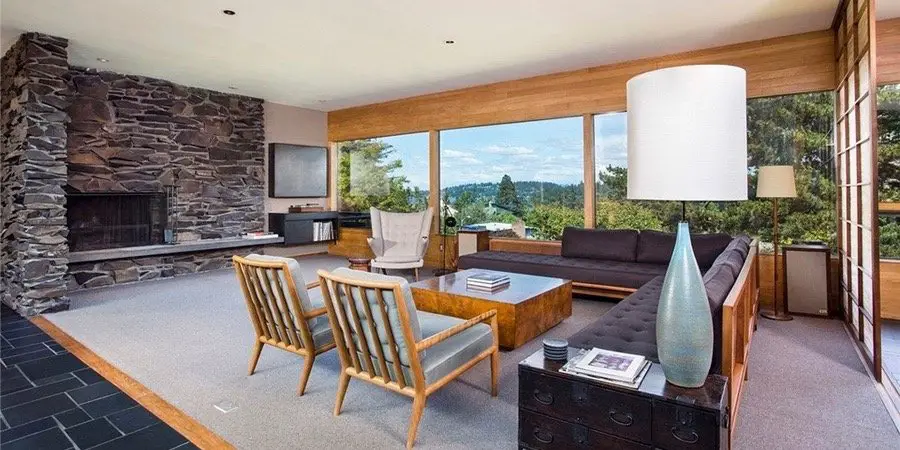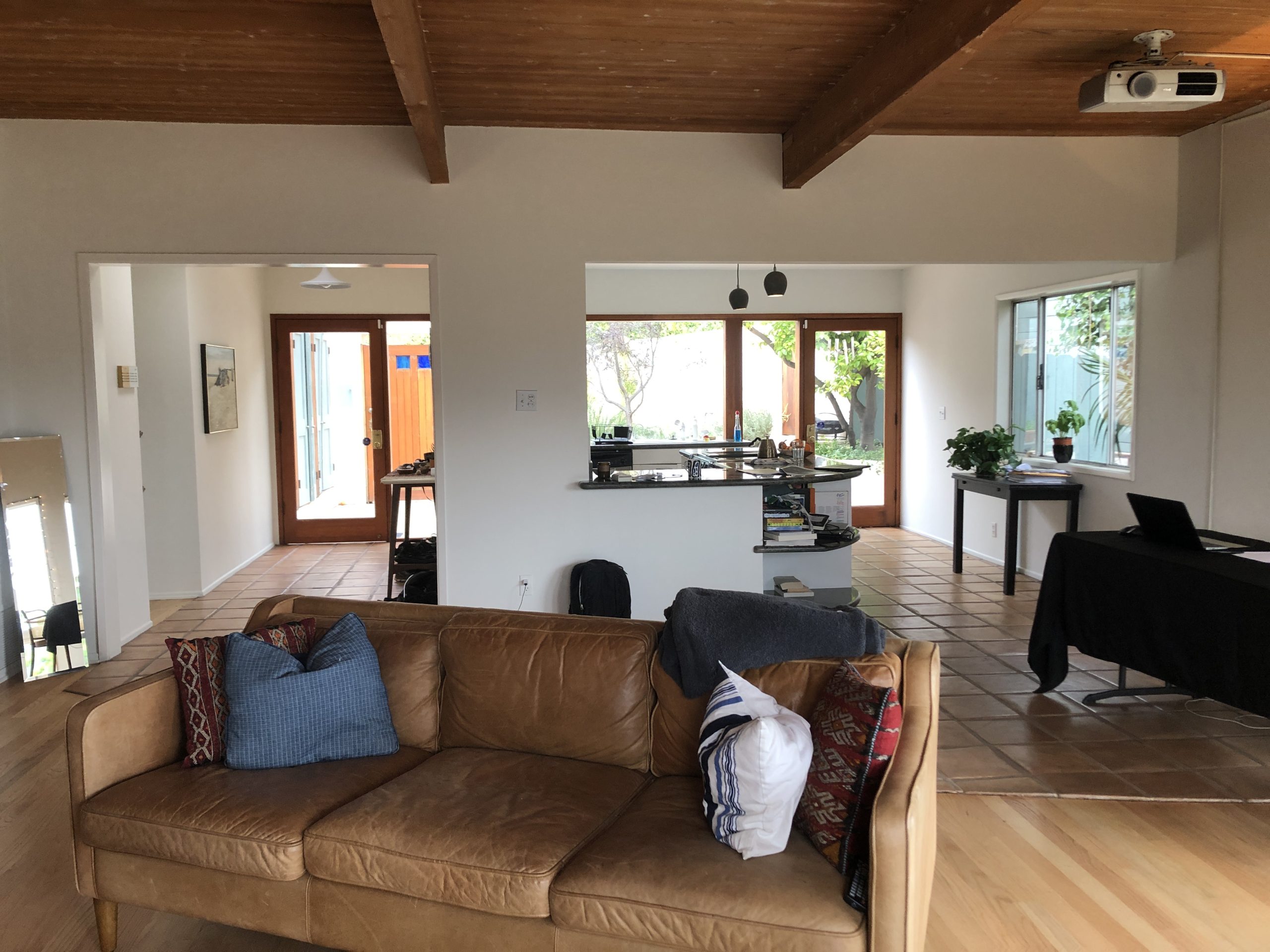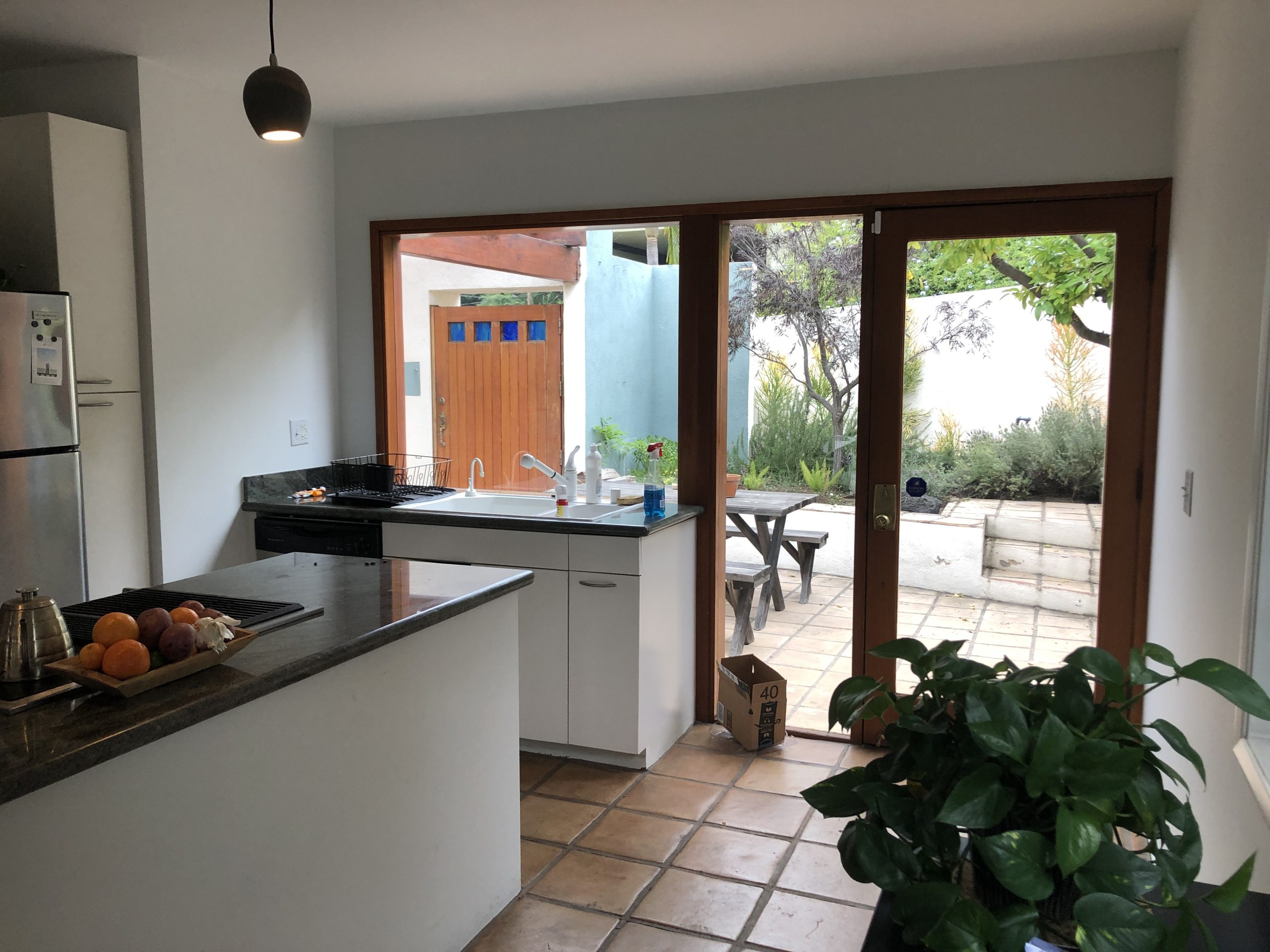
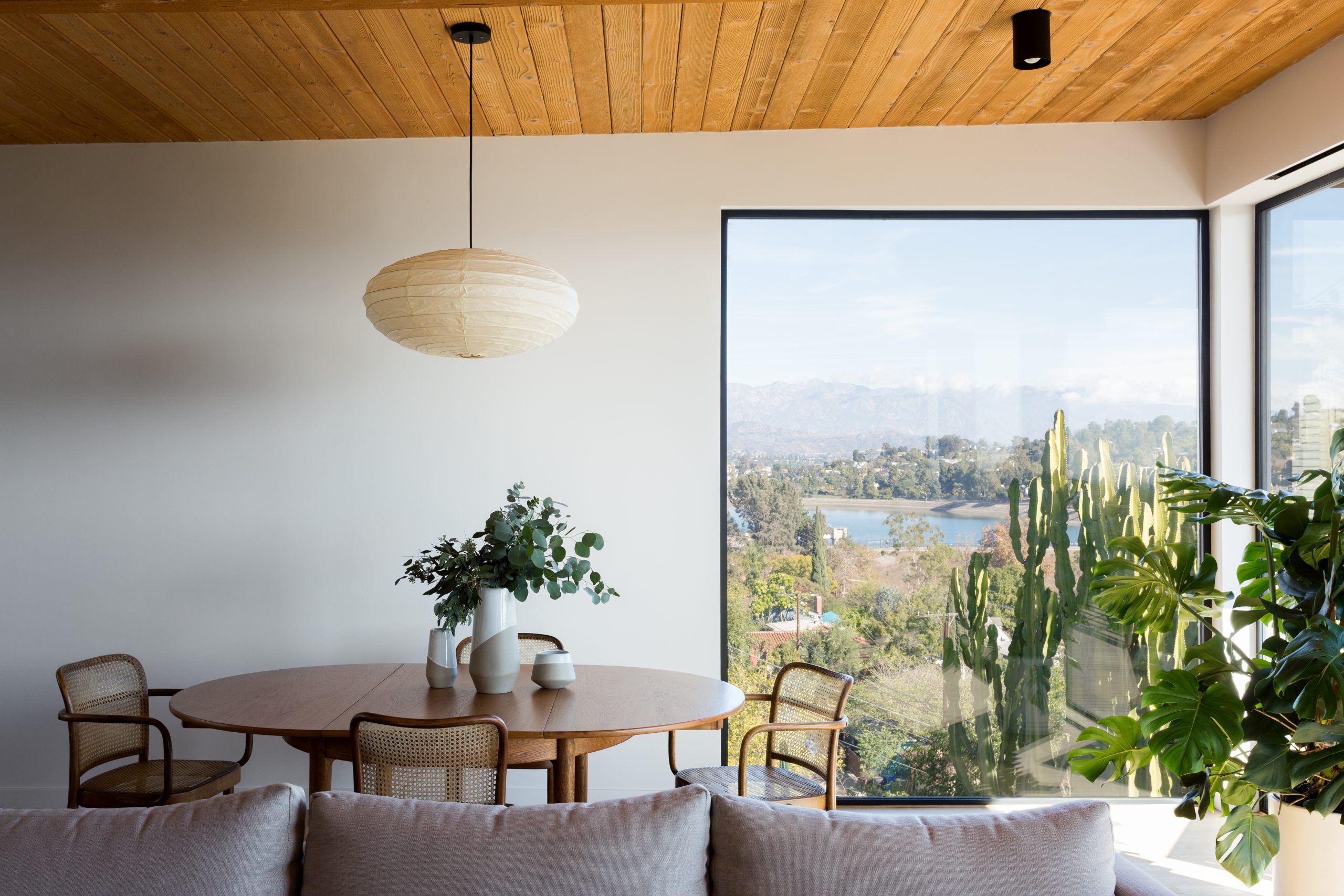
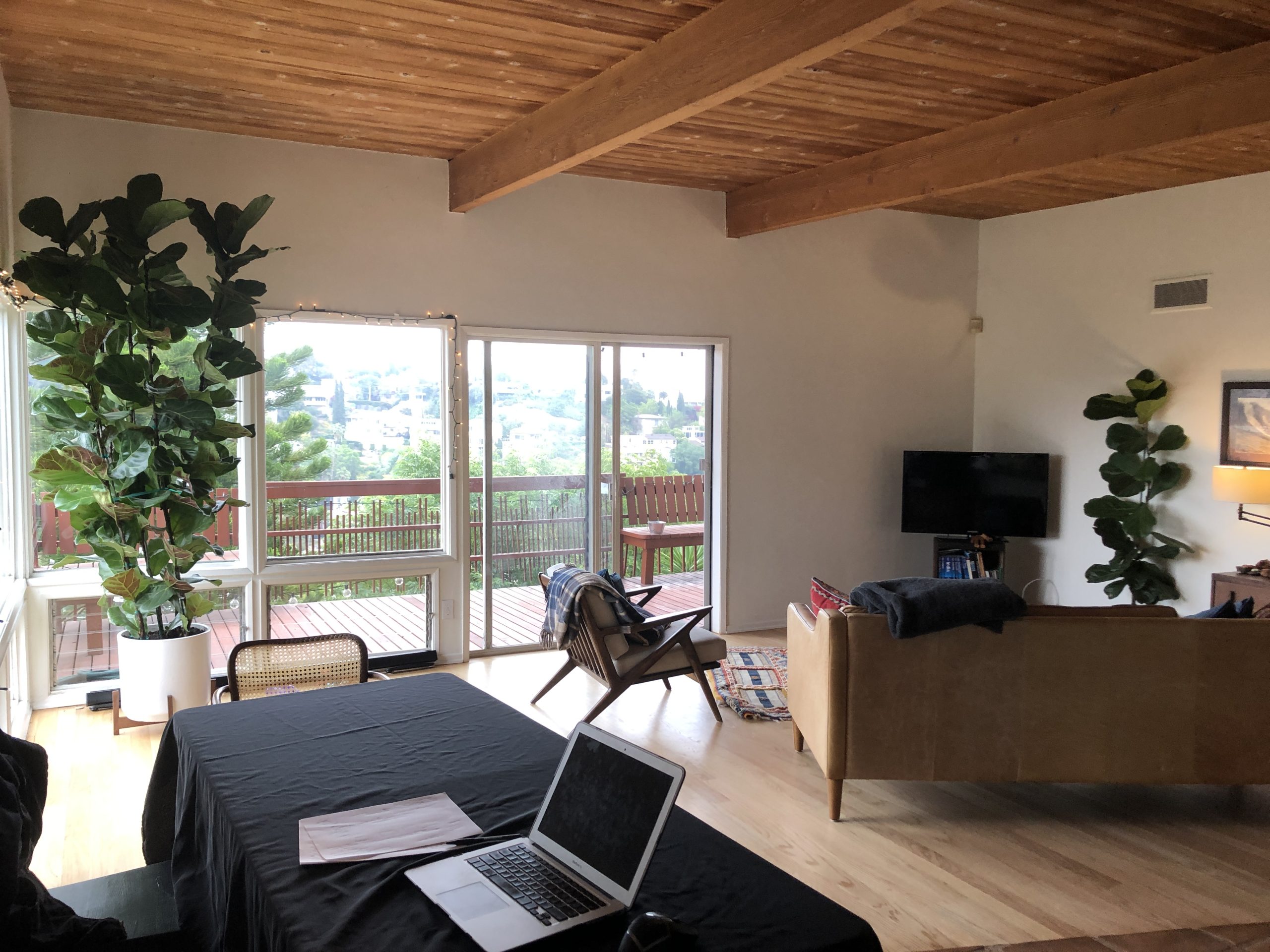

Set in Los Angeles, the Rotary Drive Residence begins with a familiar condition. Built in 1963, the one-story house had a clear mid-century structure, but over time it had lost much of its original character. Small windows, divided rooms, and a disconnected layout limited both light and views, while the outdoor areas remained underused.
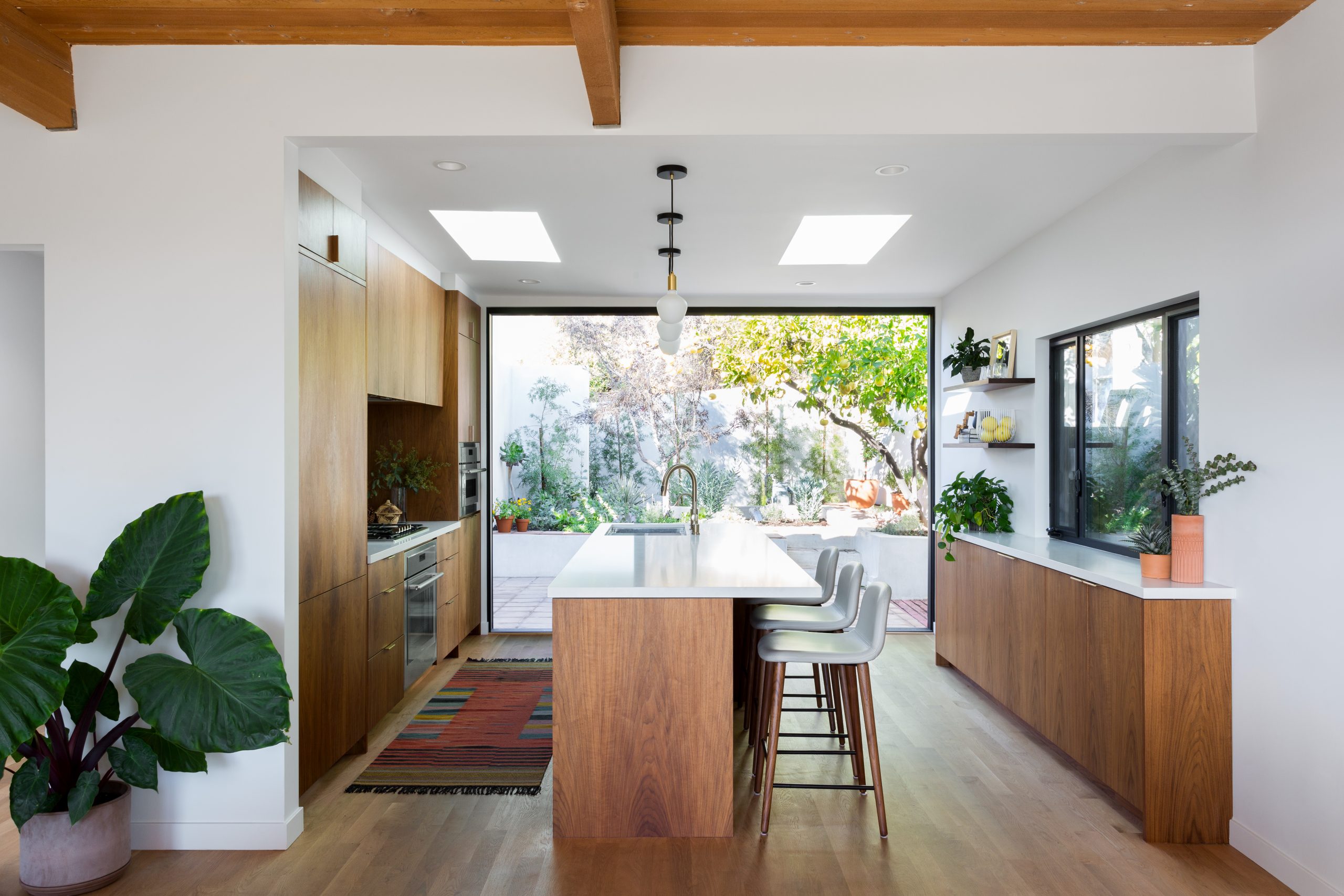
AAHA Studio approached the renovation by restoring clarity to the plan and reconnecting the house to its setting. The focus was not on expanding the footprint, but on reworking how the existing space functioned. The layout is now more continuous, with sightlines running from the front courtyard through to the rear of the house.
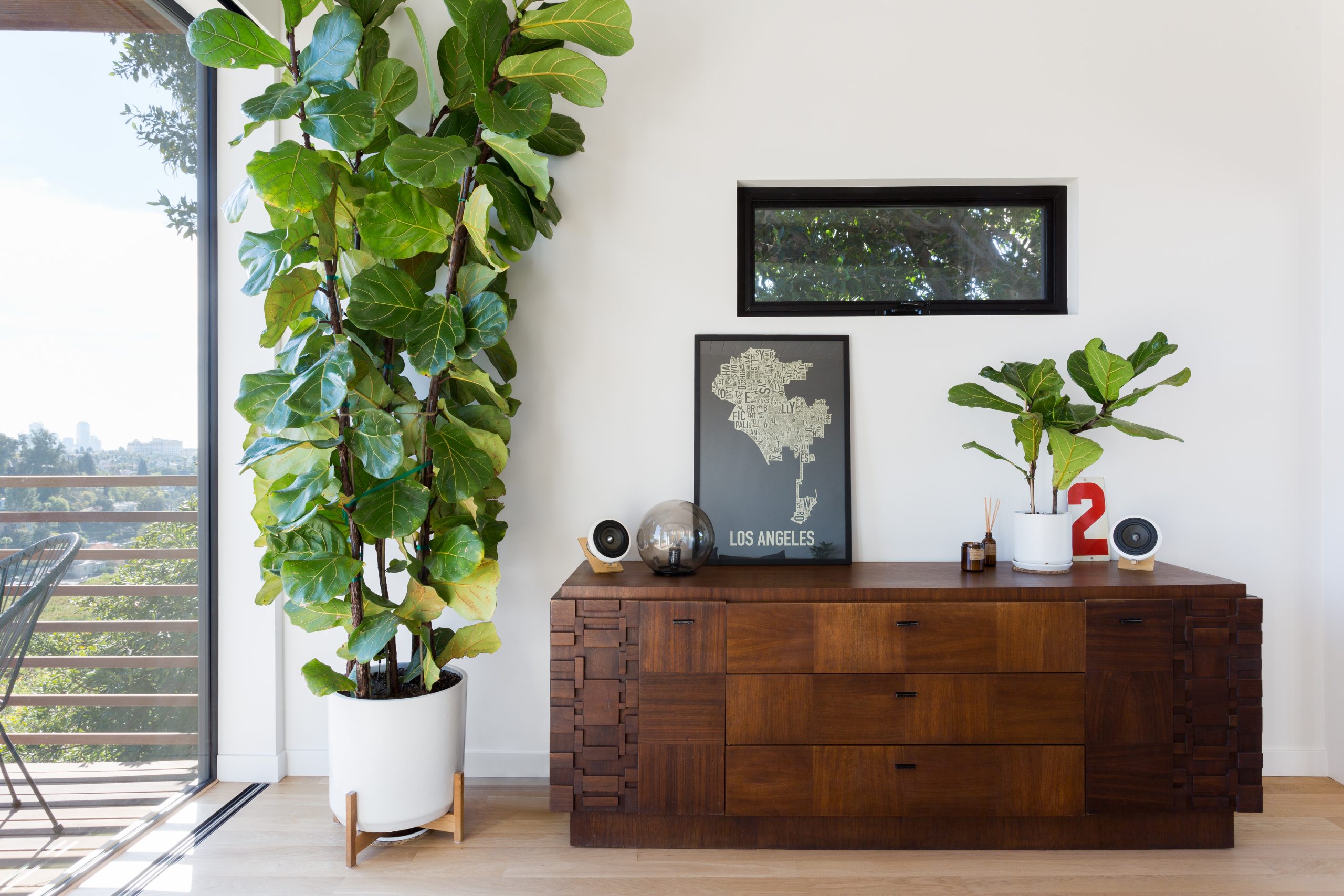
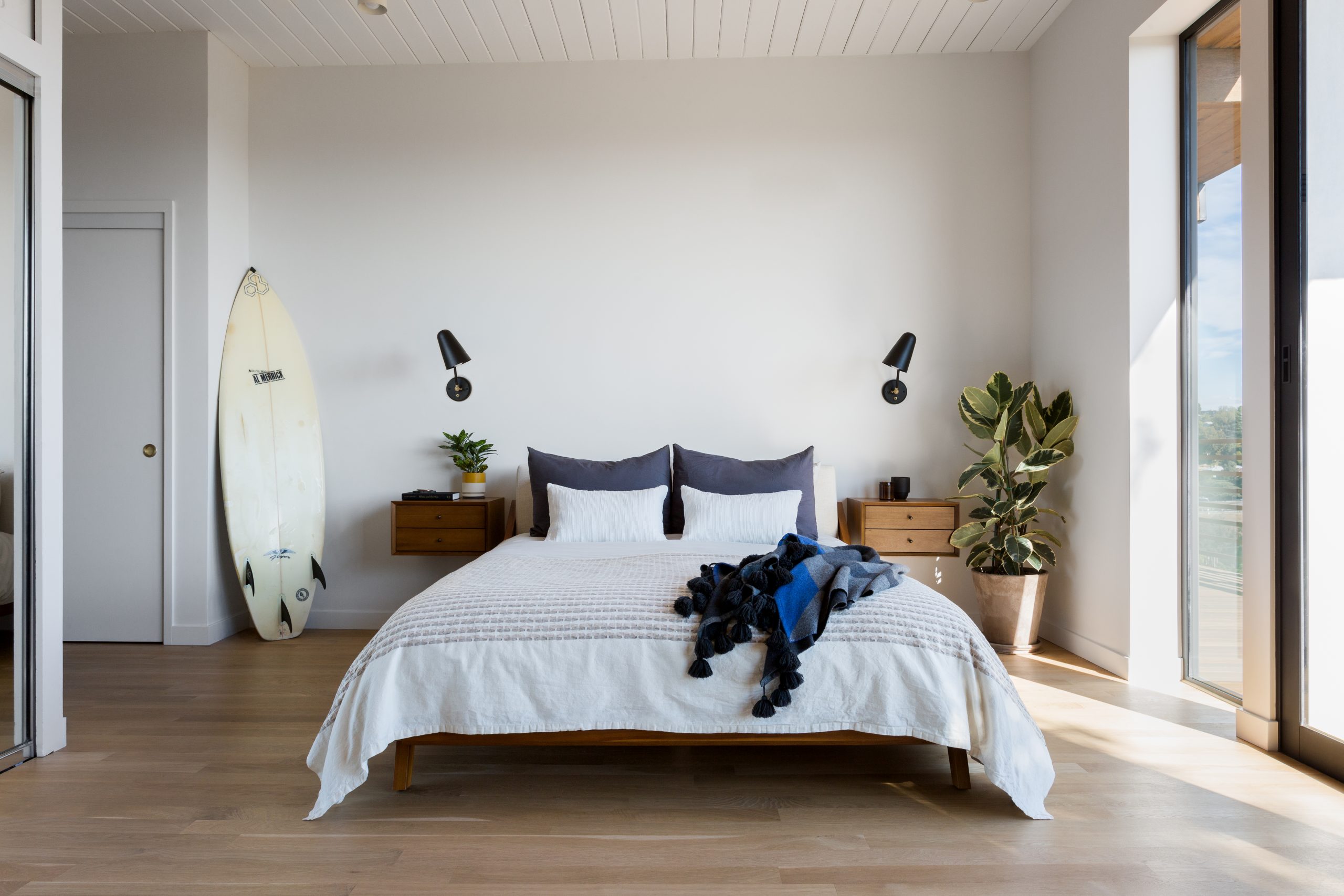
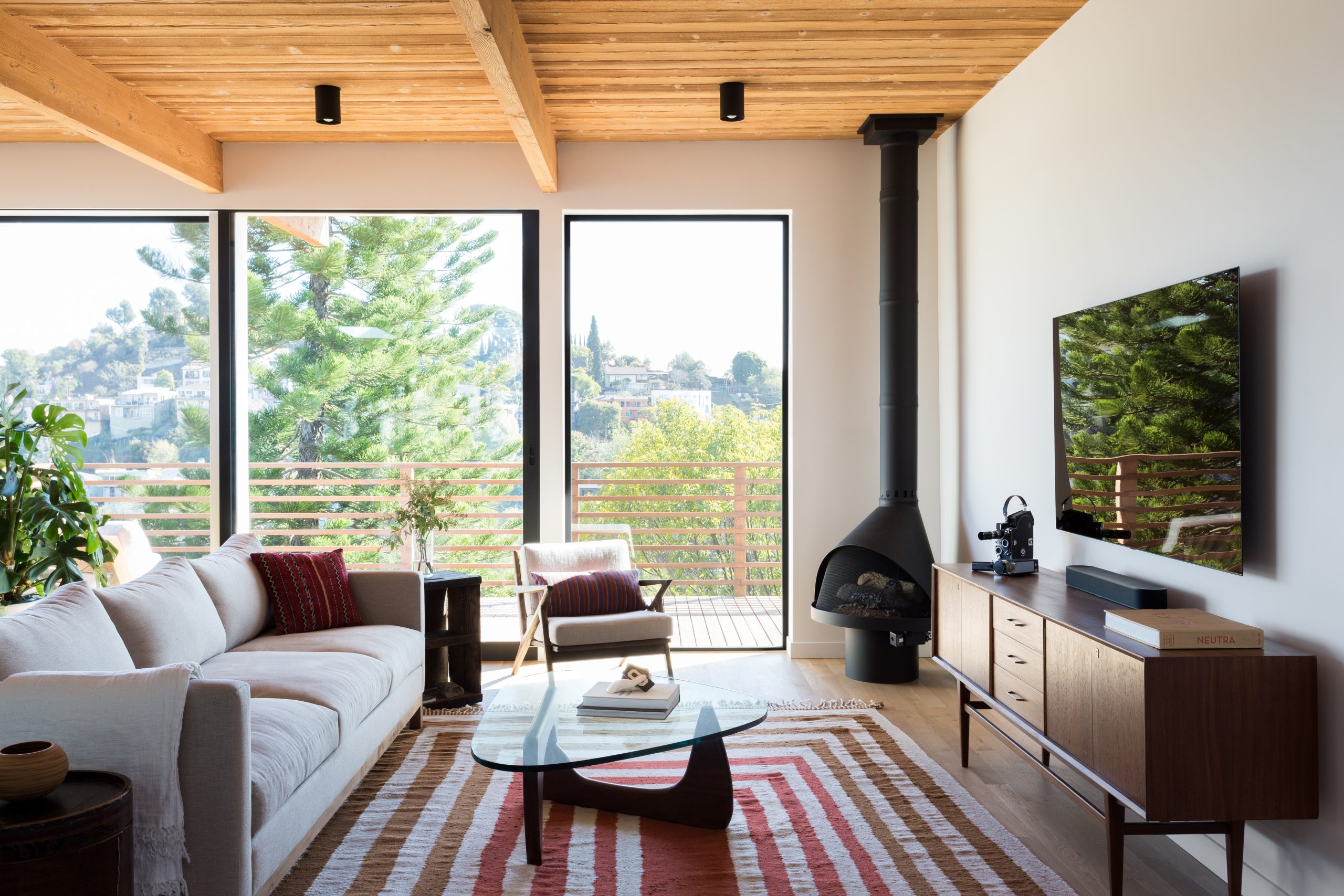
The main living spaces have been opened up to support this shift. Where the house once felt segmented, it now reads as a connected sequence of rooms. Movement through the plan is more direct, and light plays a stronger role in shaping the interior. Larger openings replace smaller windows, allowing the house to engage more fully with its surroundings.
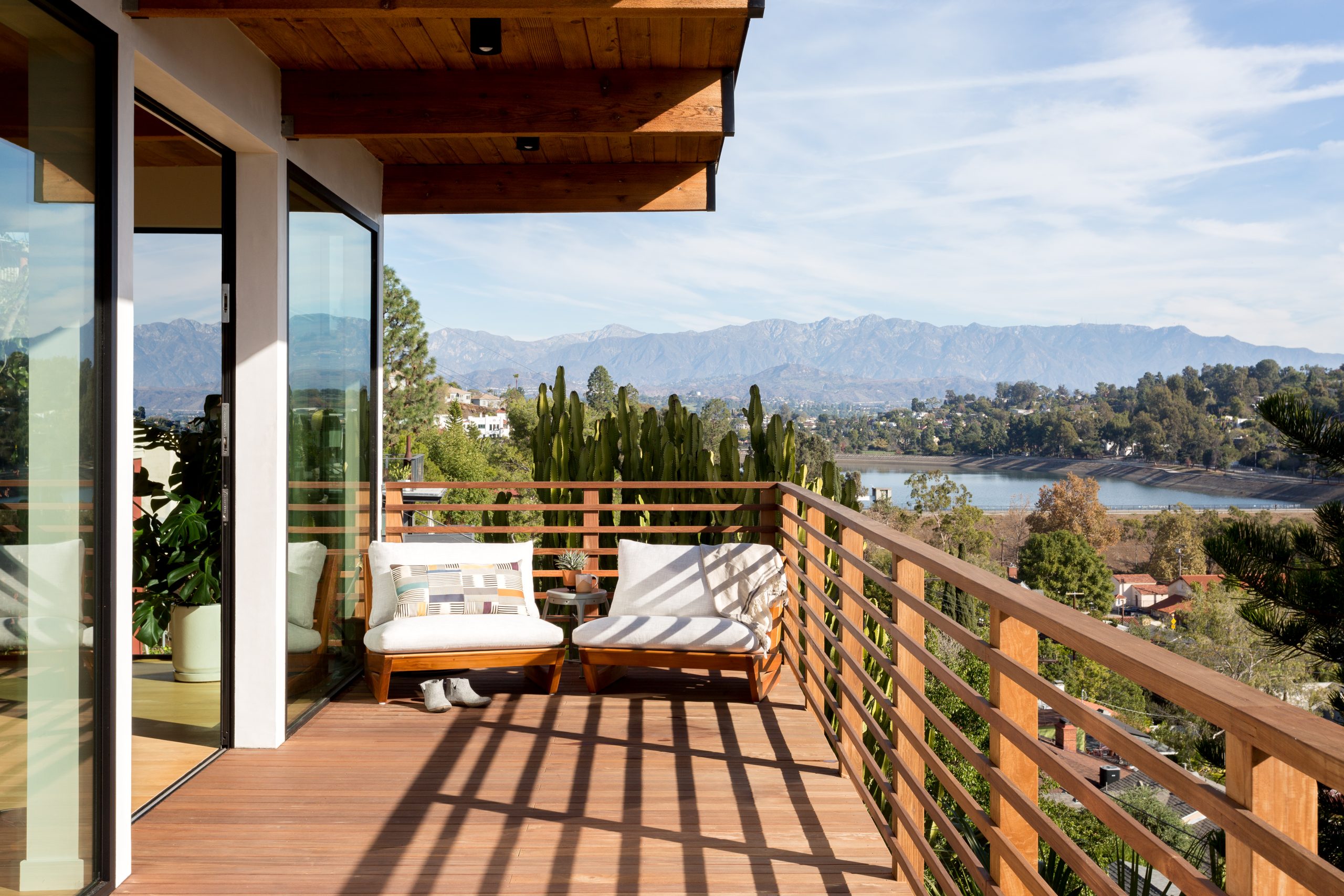
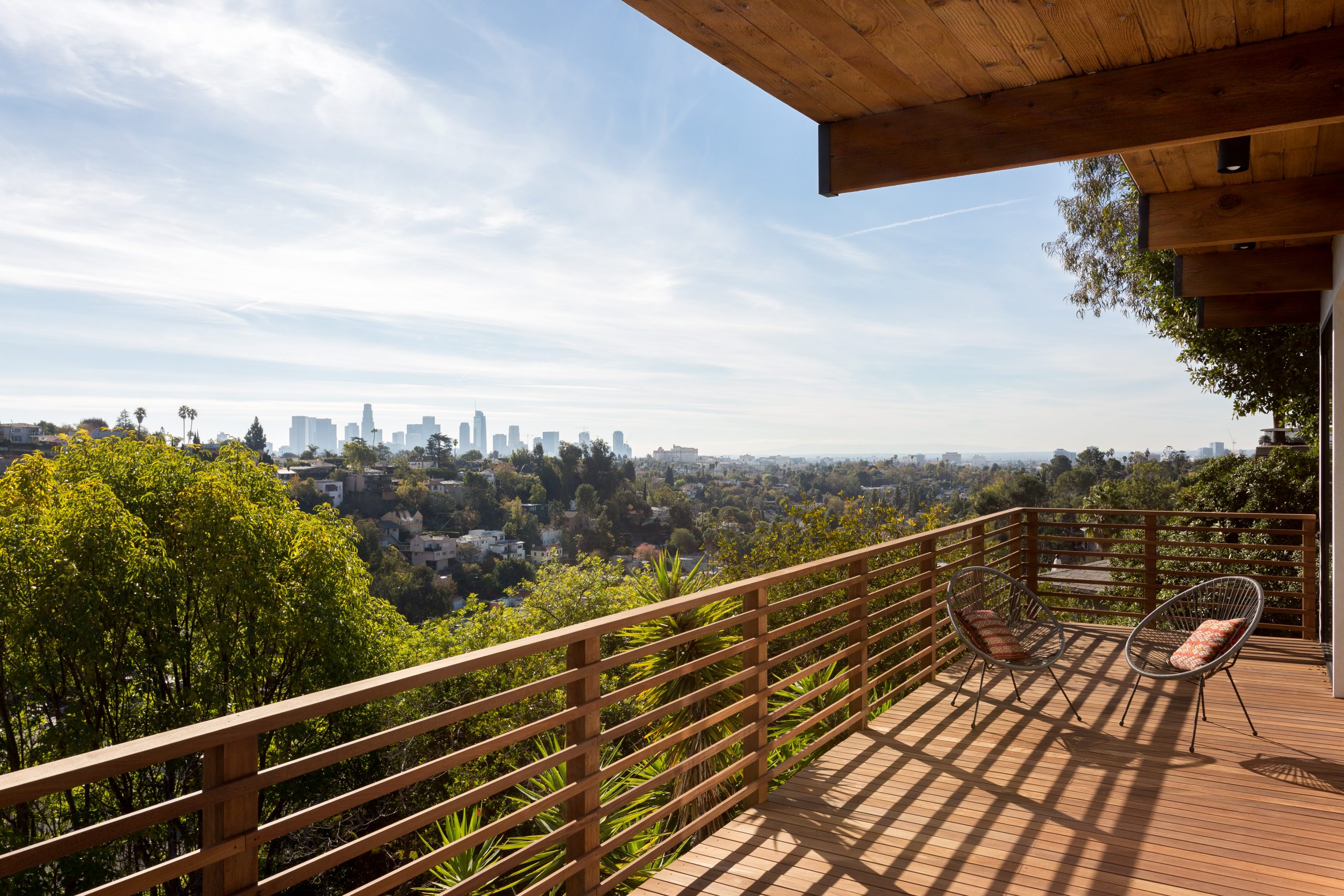
At the rear, this approach becomes most visible. The deck has been rebuilt in Ipe wood, extending the living space outward and framing views toward the Silver Lake Reservoir. Fleetwood sliding doors allow the interior to open directly onto this space, creating a clear link between inside and out. When open, the transition is almost continuous, with the deck functioning as an extension of the main living area.

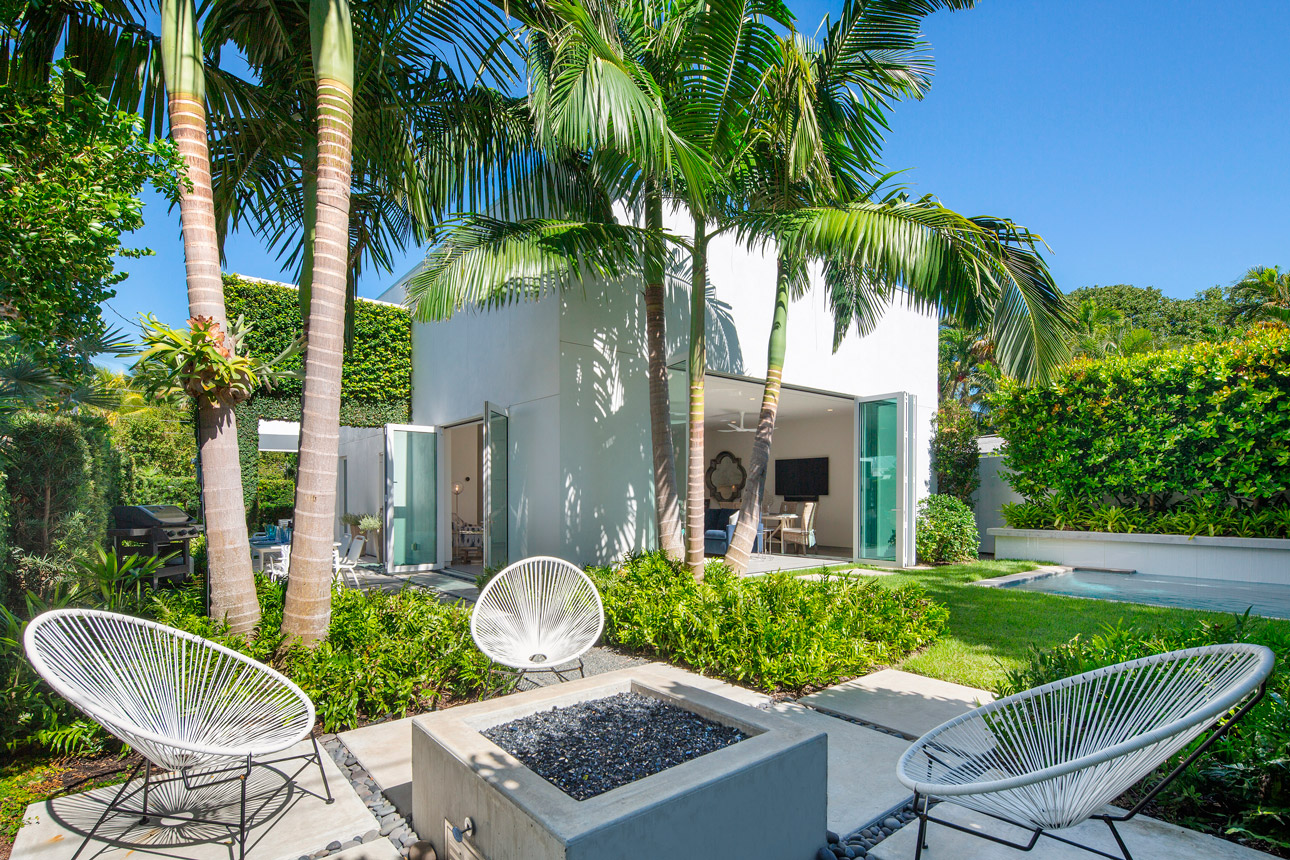
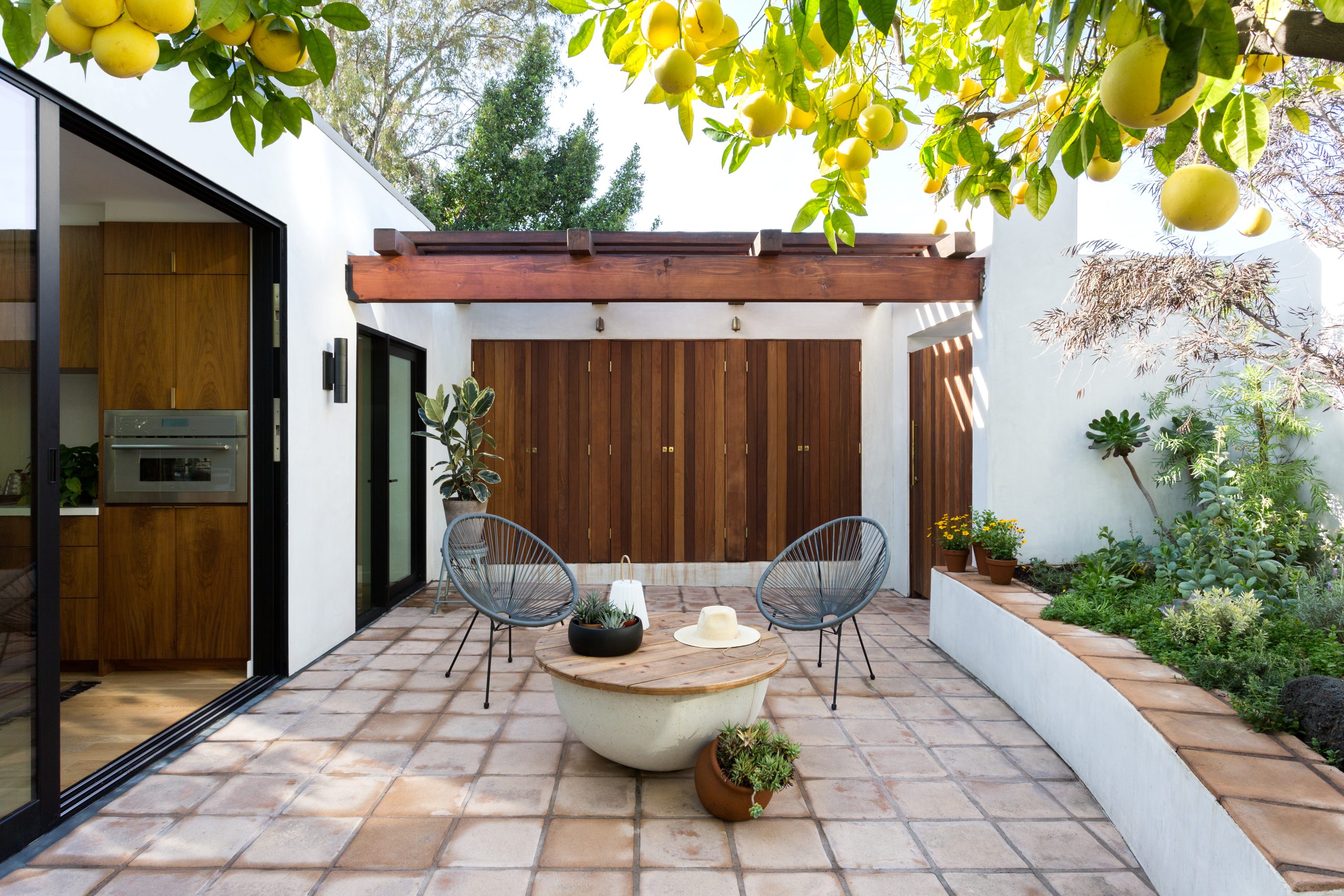
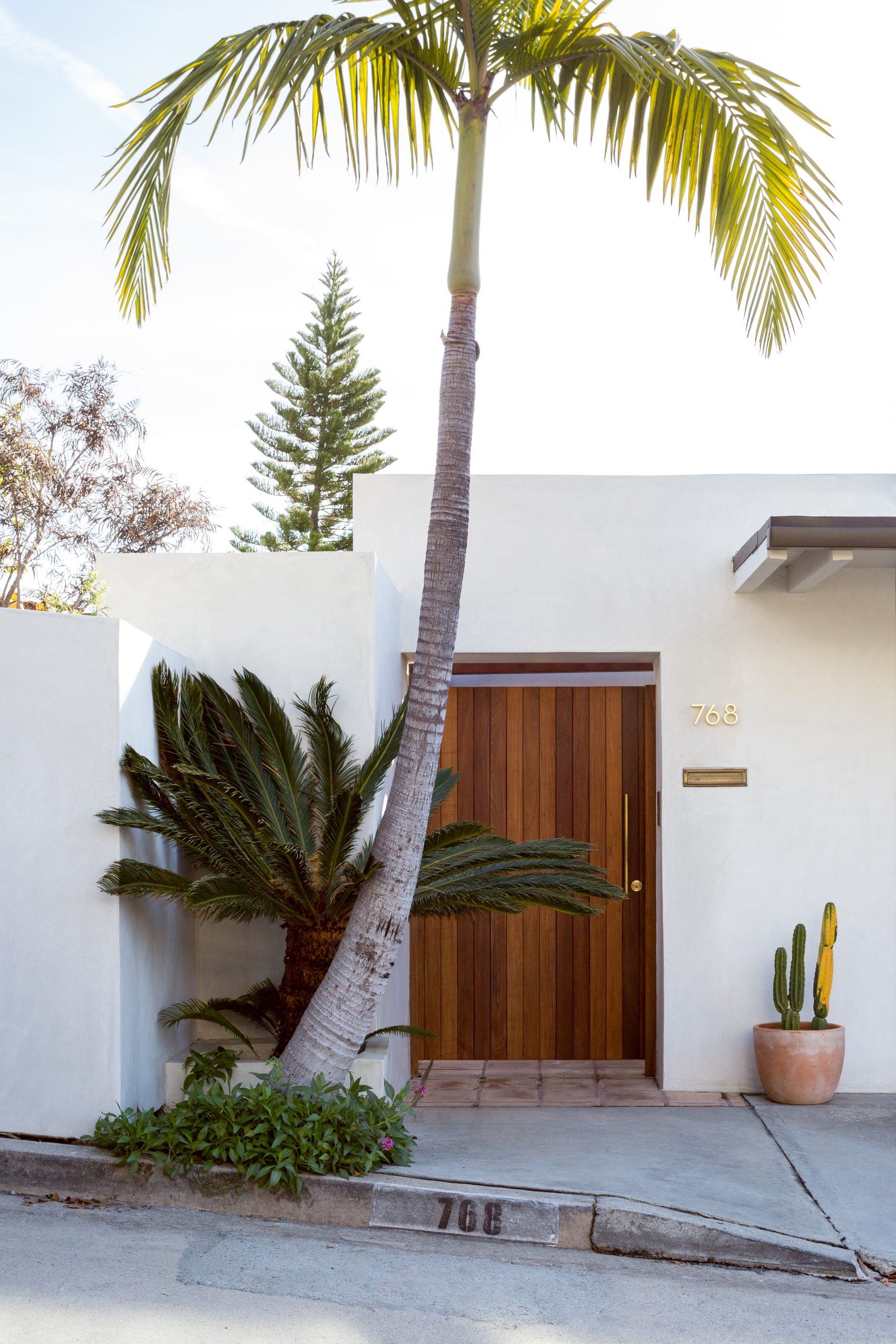
The front courtyard offers a different condition. Enclosed from the street, it acts as a private outdoor room, giving the house a second point of connection to the exterior. It introduces a more contained space, balancing the openness at the rear and adding another layer to the plan.
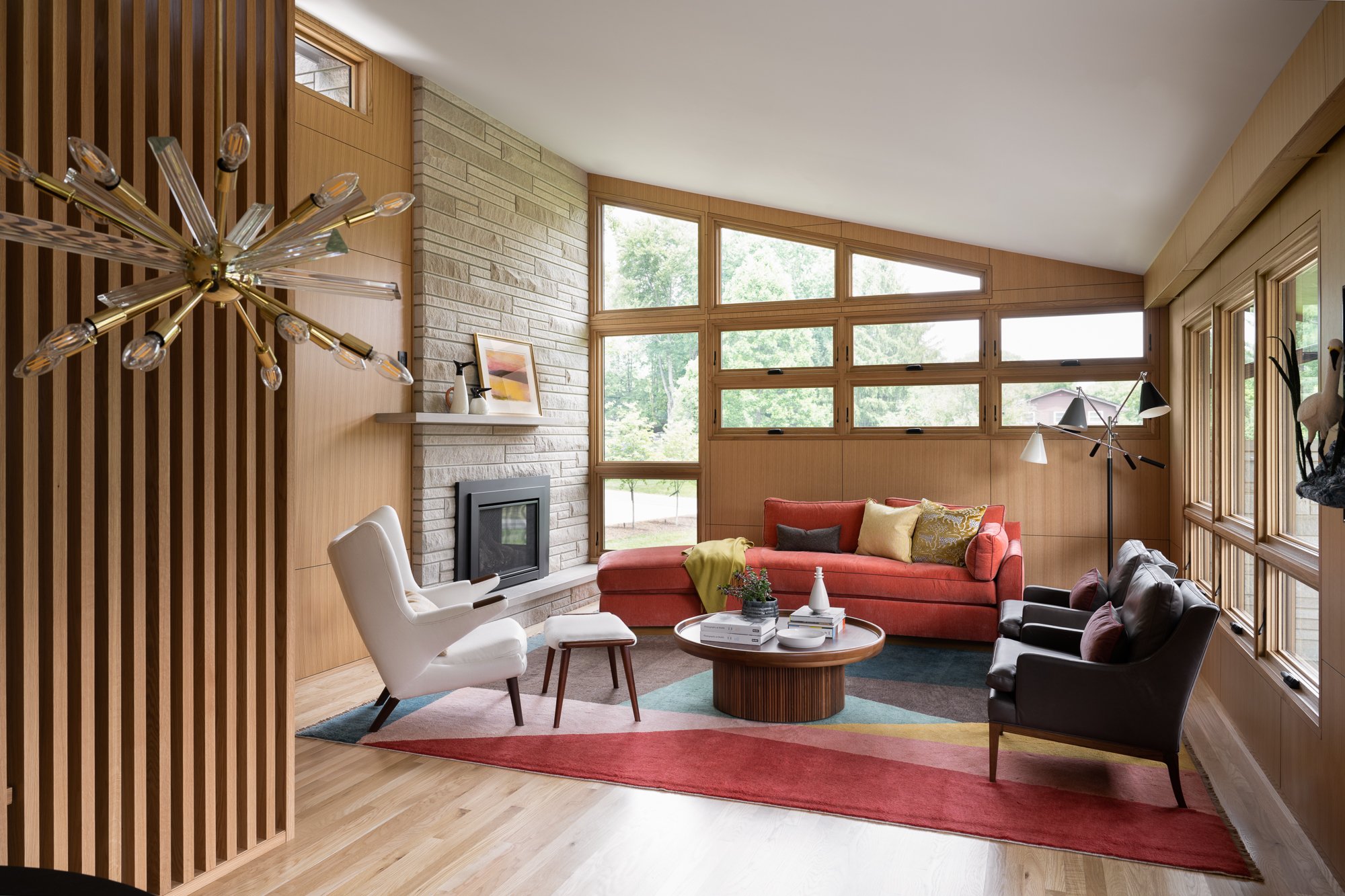
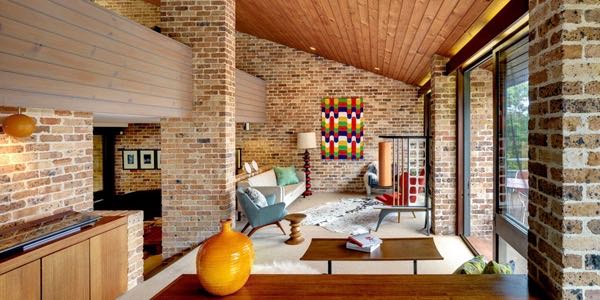
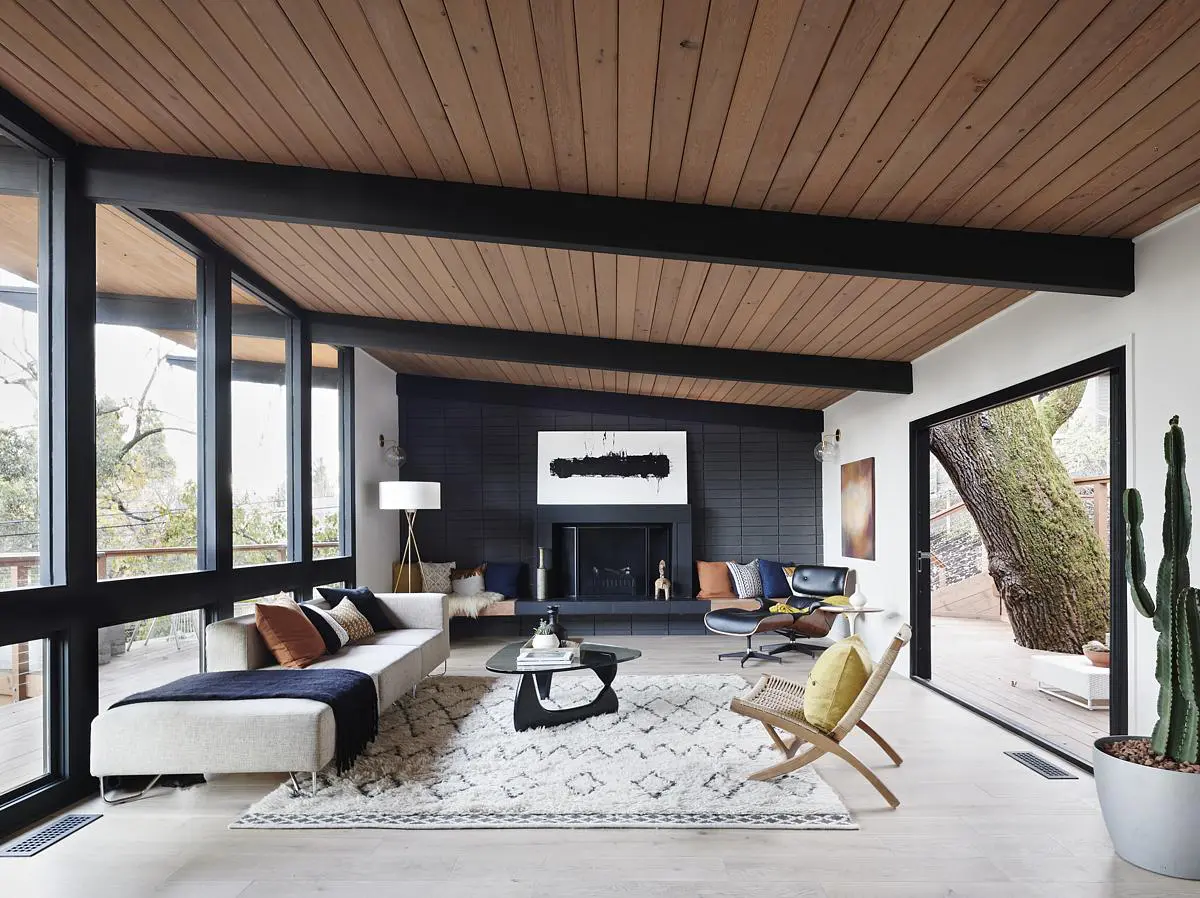
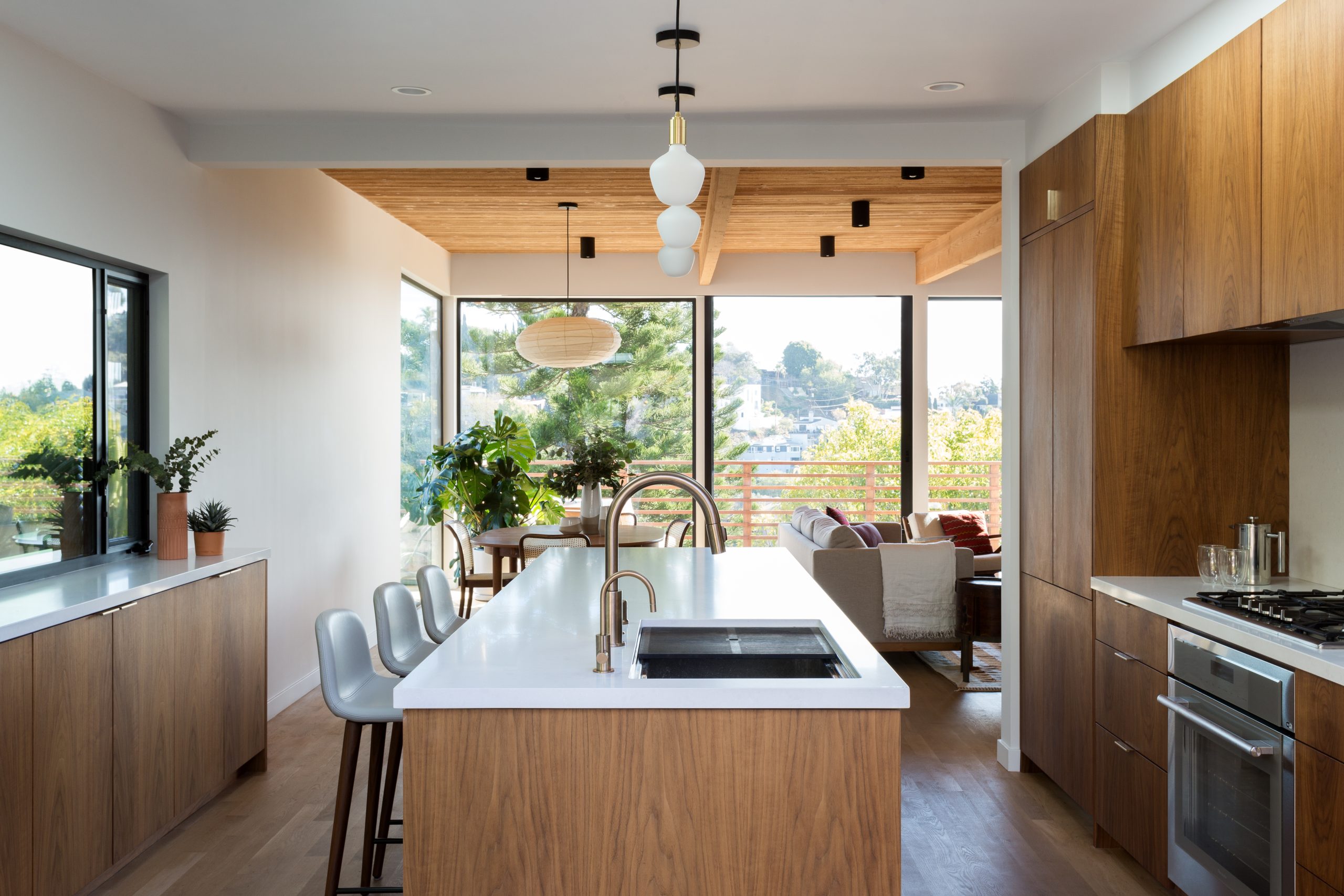
Inside, the renovation brings back elements of the original structure. Ceilings have been sandblasted to reveal the timber framework, exposing beams that define the space overhead. This move reintroduces a key part of the house’s mid-century character, giving the interior a clearer sense of structure.
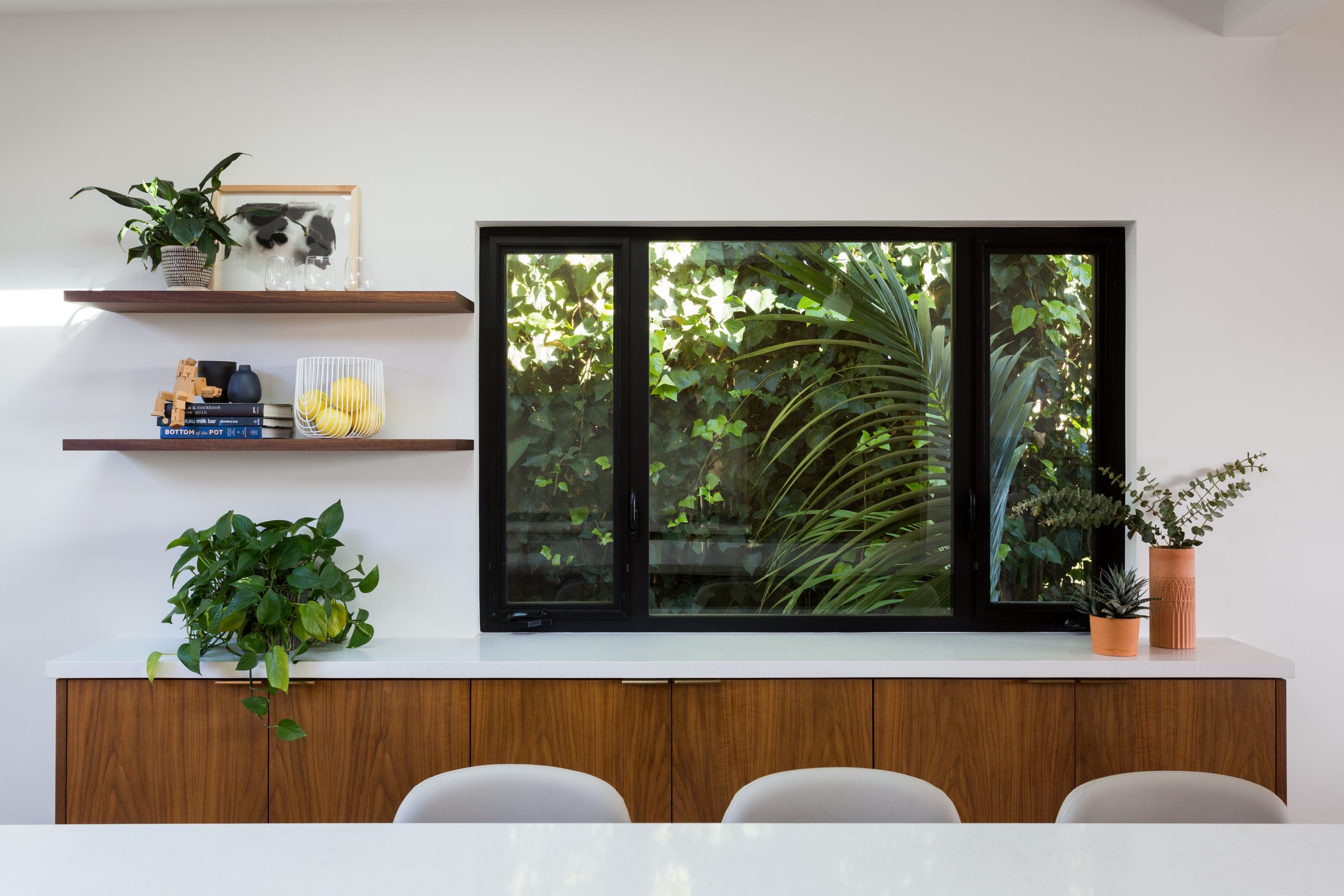
Material choices build on this. Walnut millwork runs throughout the house, tying different areas together and reinforcing a consistent palette. The kitchen follows this approach, designed as a compact and efficient space that sits within the open plan. Its scale remains controlled, but its integration allows it to work as part of the larger living area rather than as a separate room.
The result is a house that relies on a few precise moves. Each change works toward the same goal, allowing light, movement, and structure to define how the house is experienced.