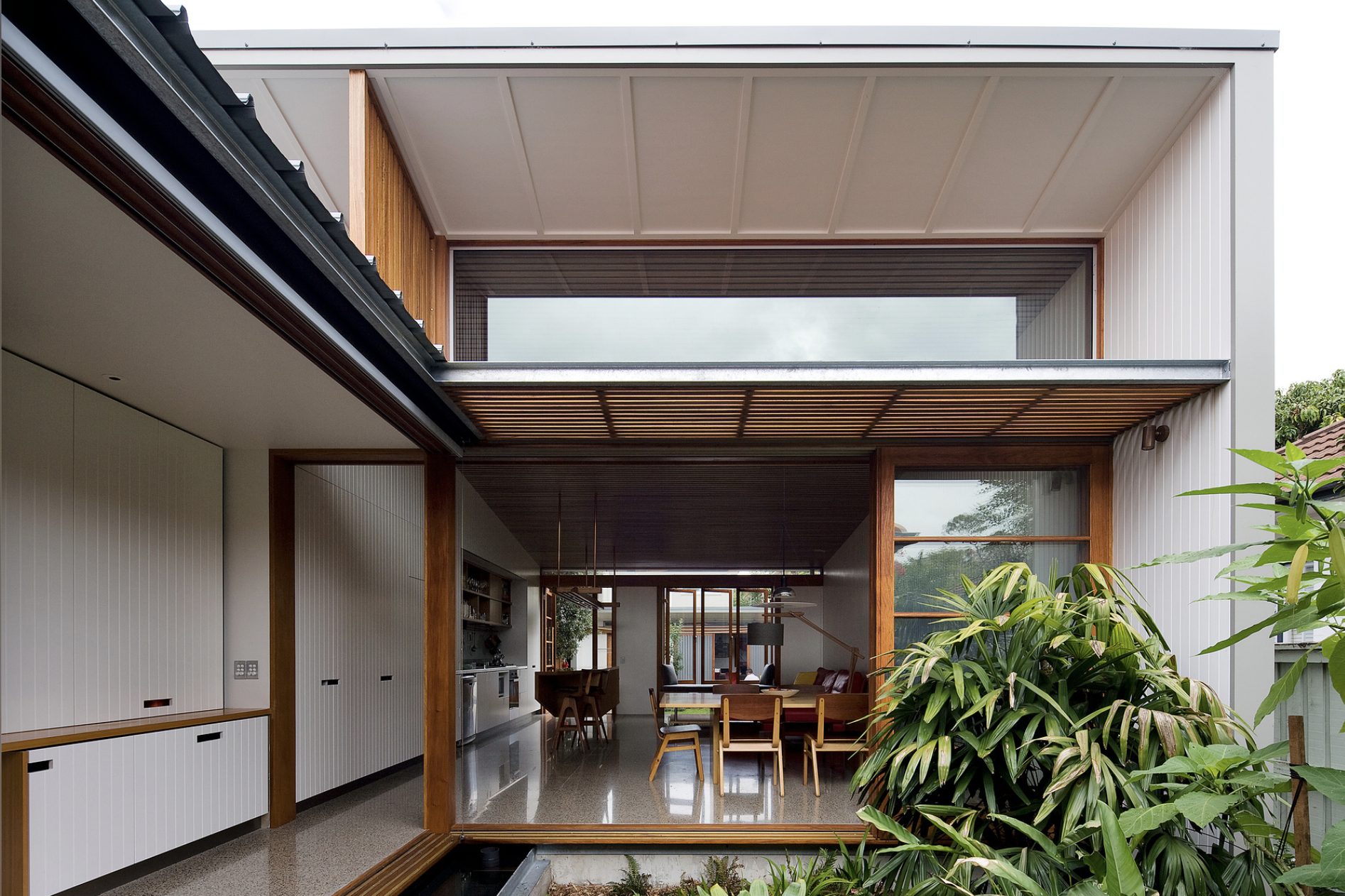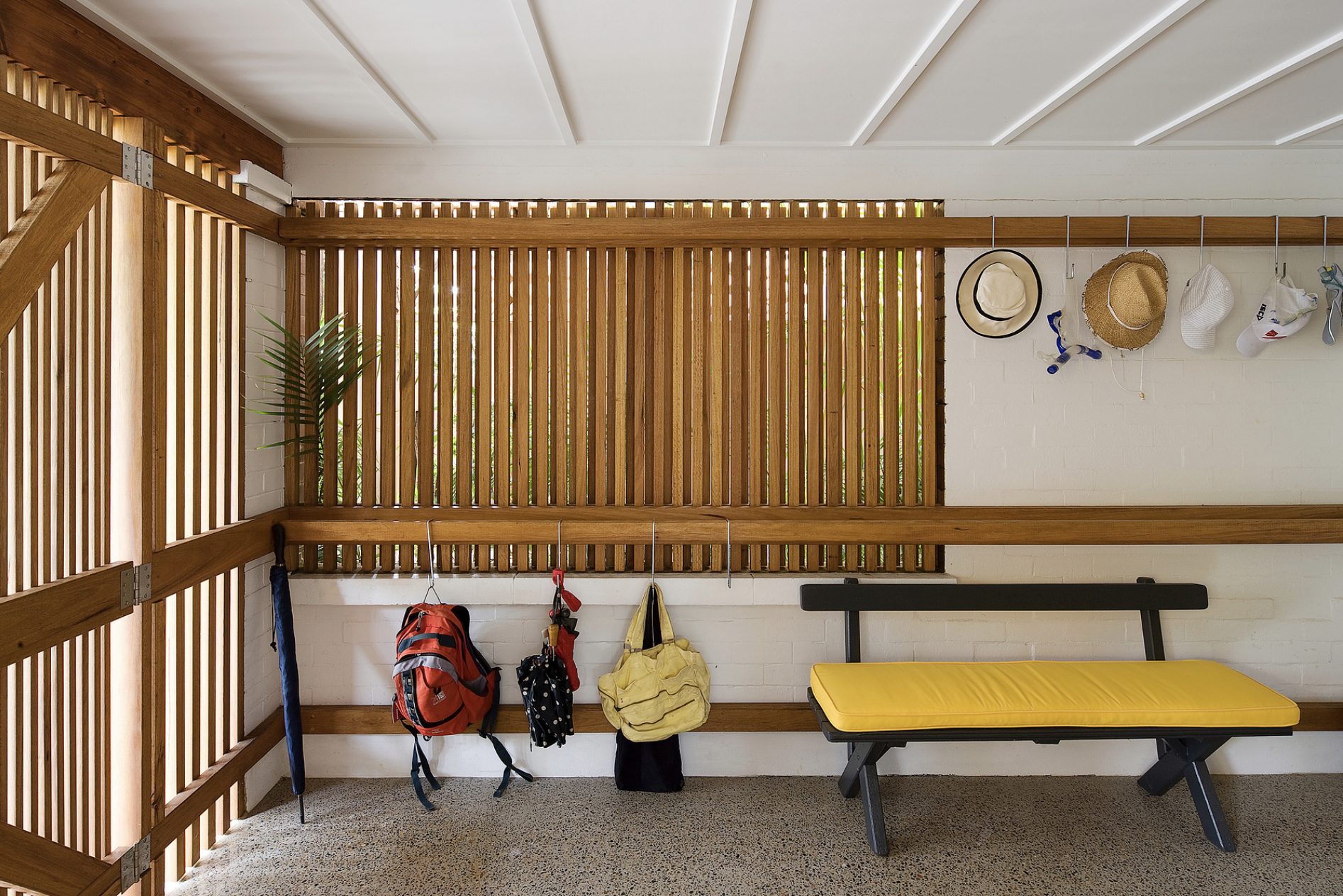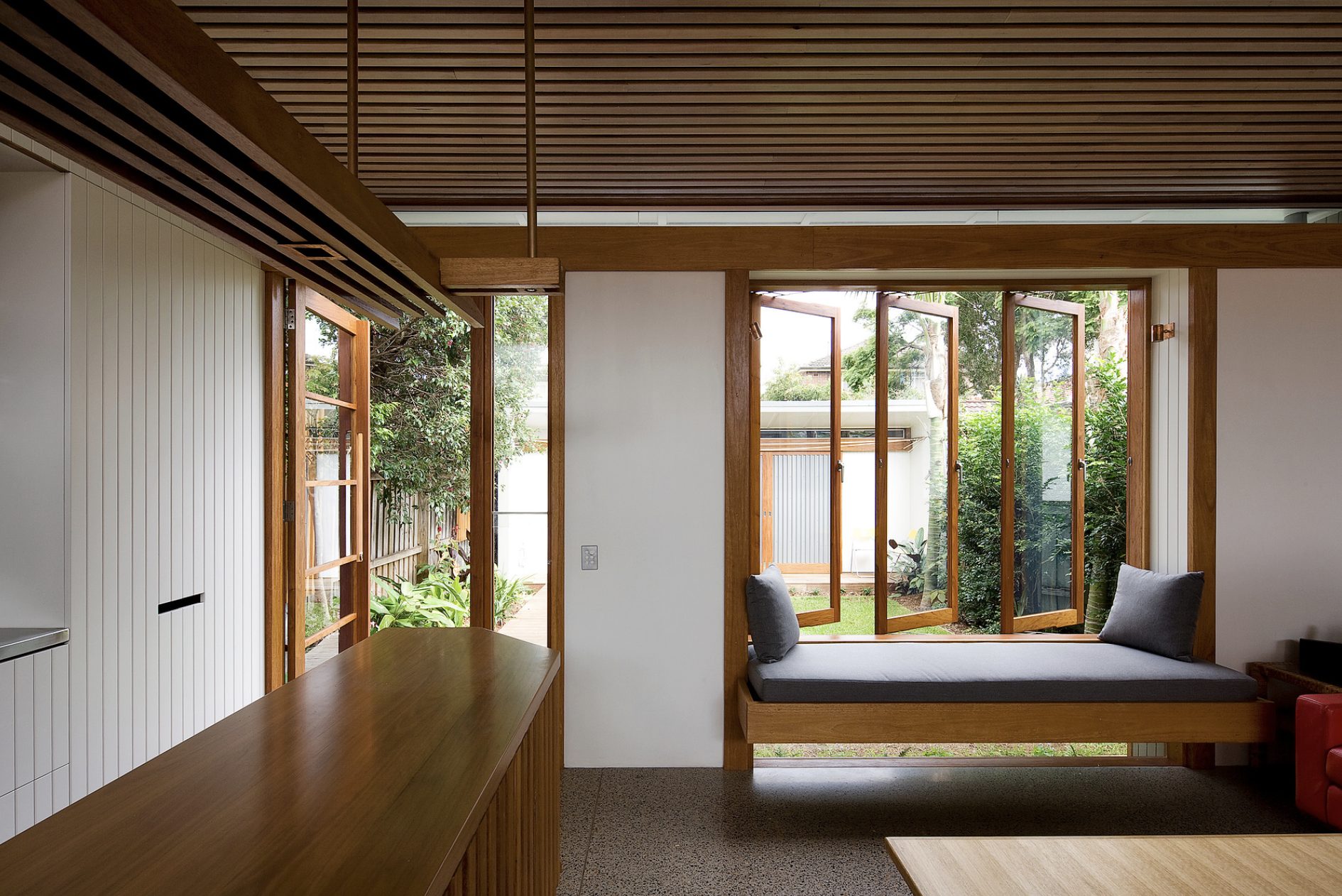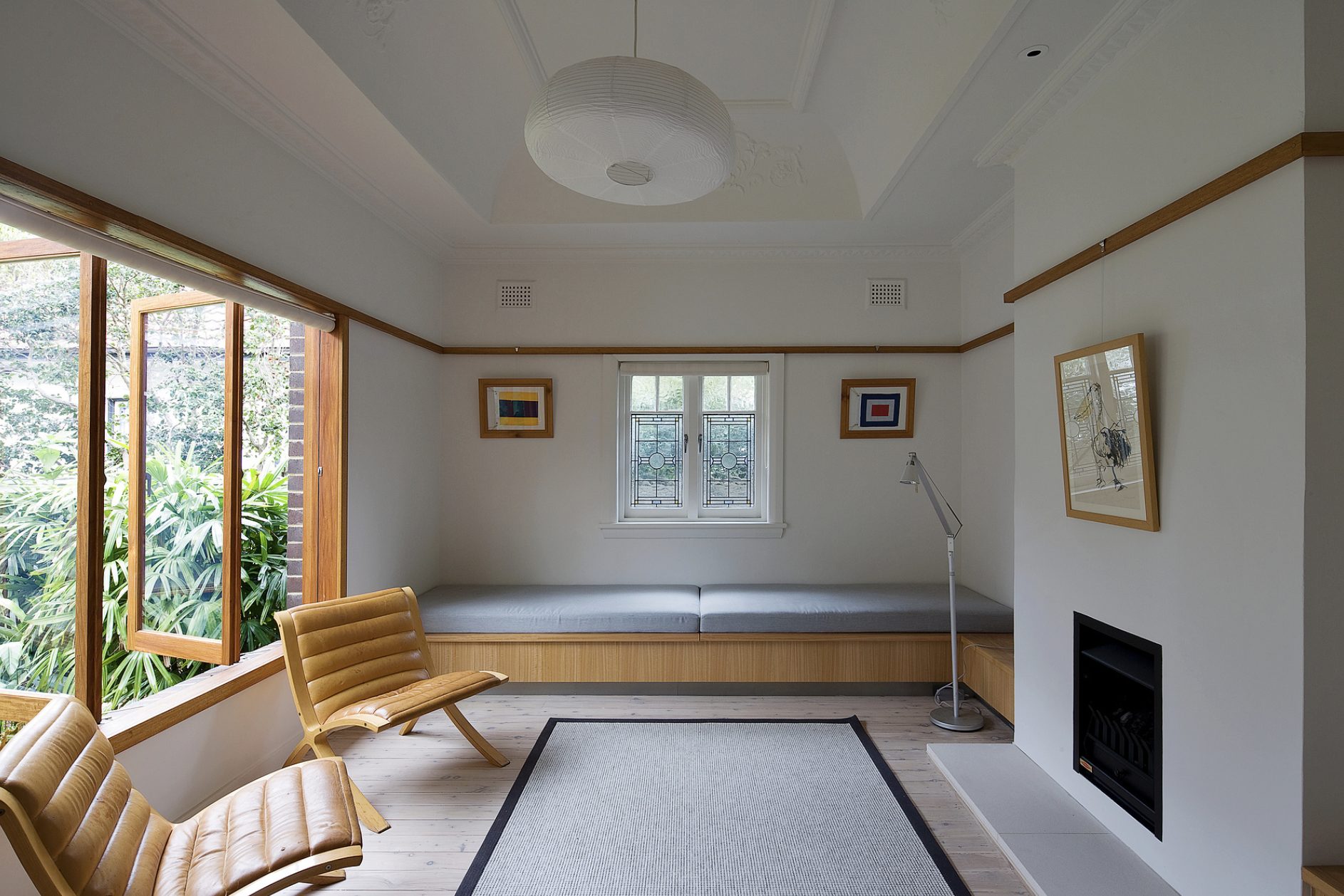
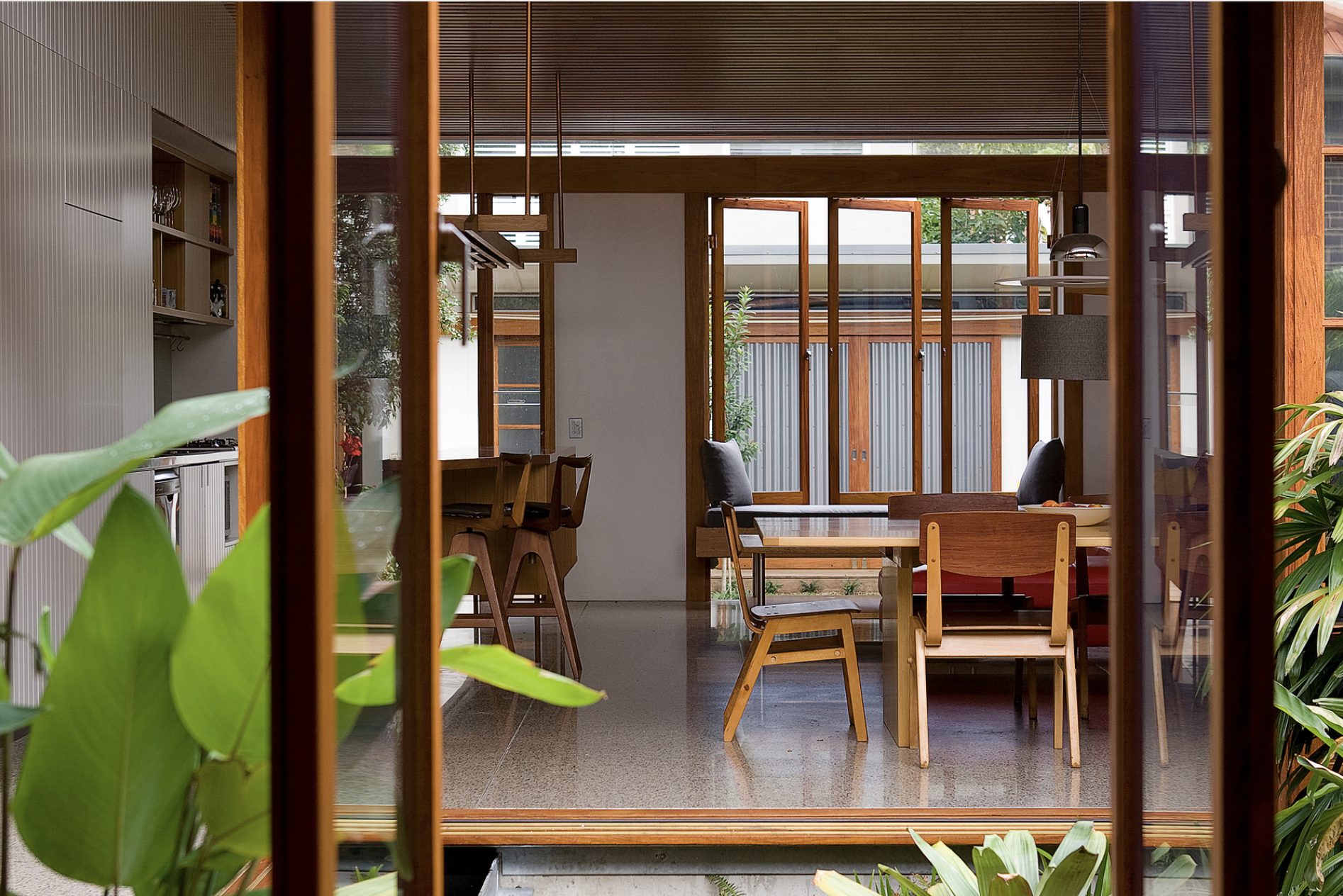
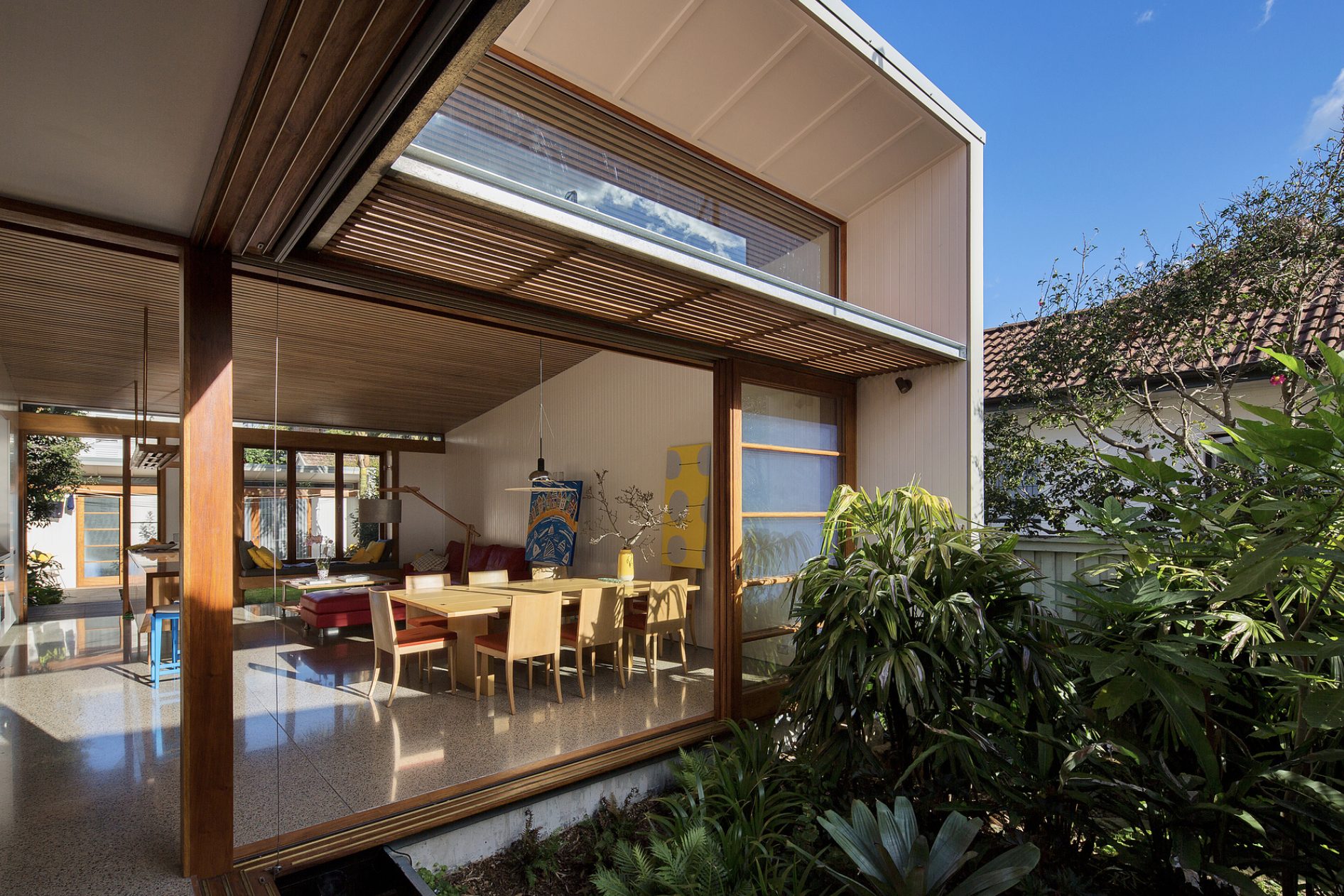

The 3+3 House by Incidental Architecture begins with a simple idea. Rather than treating a small suburban site as a place where the house occupies as much space as possible, the project gives equal importance to architecture and landscape. The result is a home where indoor and outdoor spaces work together, creating a sense of generosity that exceeds the physical dimensions of the site.
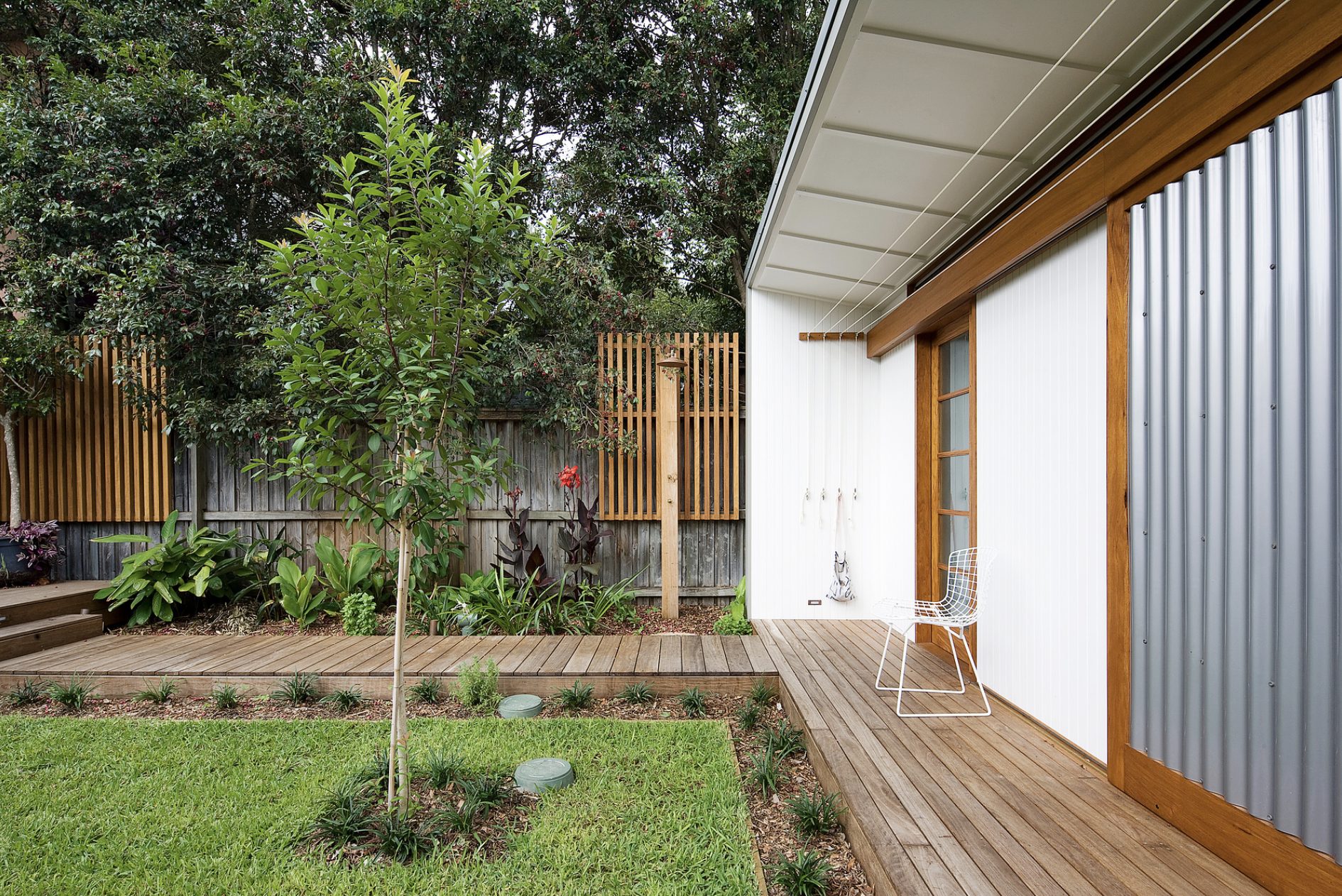
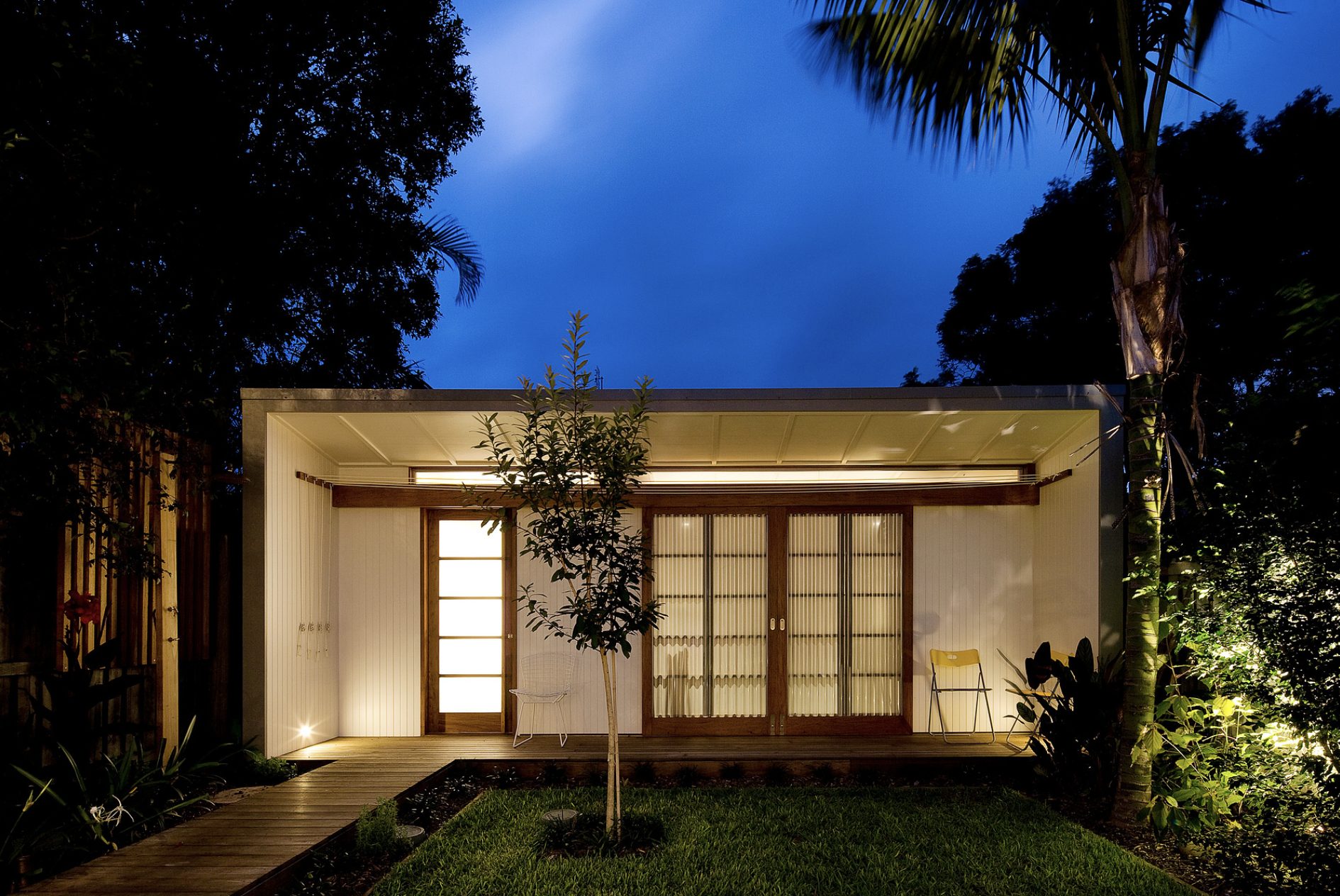
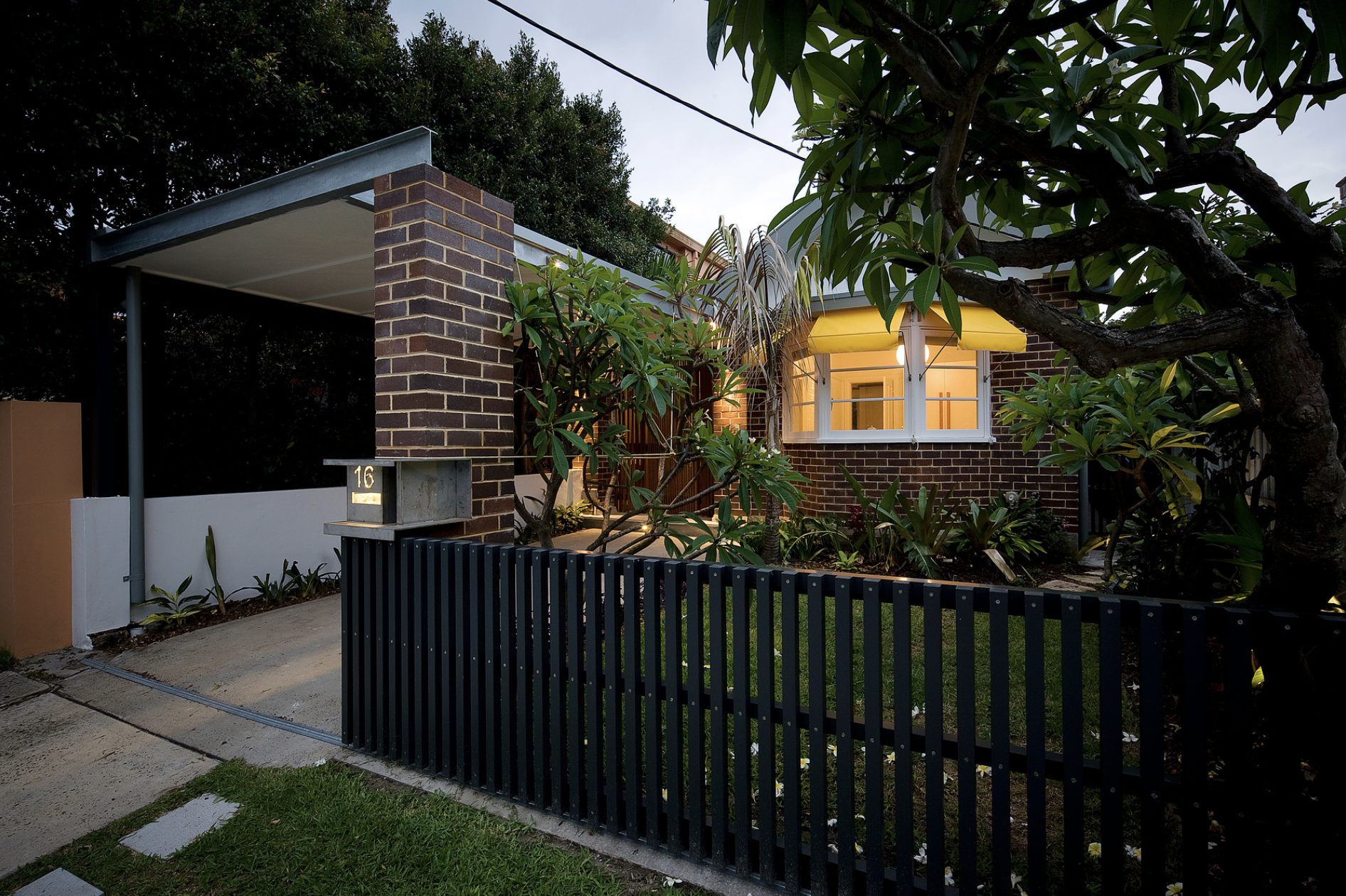
Located in Mosman, the project combines the renovation of a 1920s cottage with a rear addition. The house takes its name from its organization: three distinct built elements arranged along a long, narrow site, separated by three outdoor courtyard spaces of equal importance. These courtyards become essential parts of the overall composition, shaping how the house is experienced from one end of the site to the other.
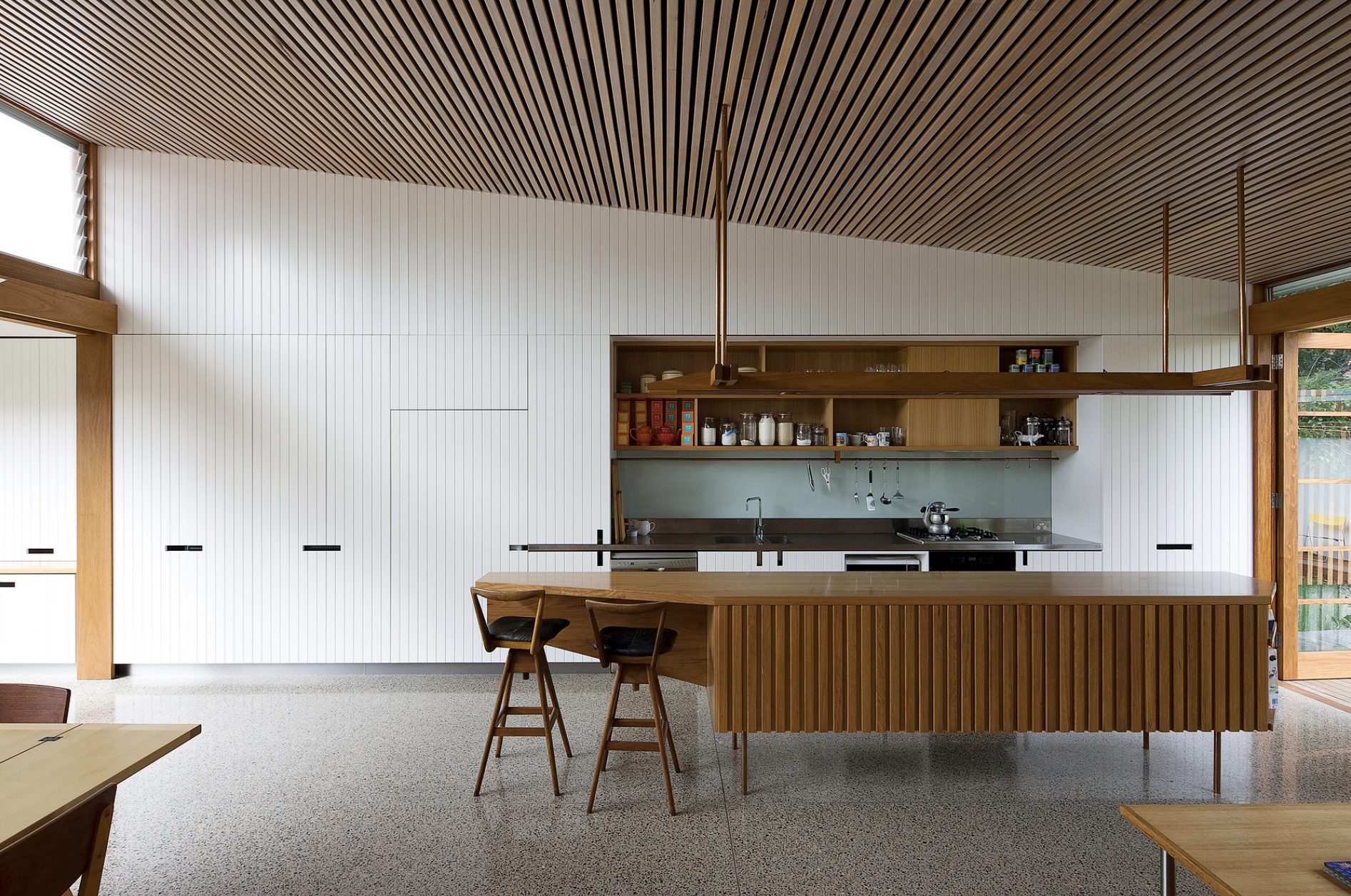
This arrangement creates a rhythm between enclosure and openness. Moving through the house means moving through a sequence of rooms and landscape spaces, each borrowing light, views, and spatial qualities from the next. The boundaries between interior and exterior become less rigid, allowing the entire site to participate in daily life.
Although the project remains modest in scale, it feels larger than its footprint suggests. Much of this comes from the careful relationship between built form and open space. Rather than relying on large rooms or expansive additions, the design creates a sense of lightness through the placement of courtyards and the visual connections between spaces. Architecture and landscape constantly interact, expanding the perceived size of the home.

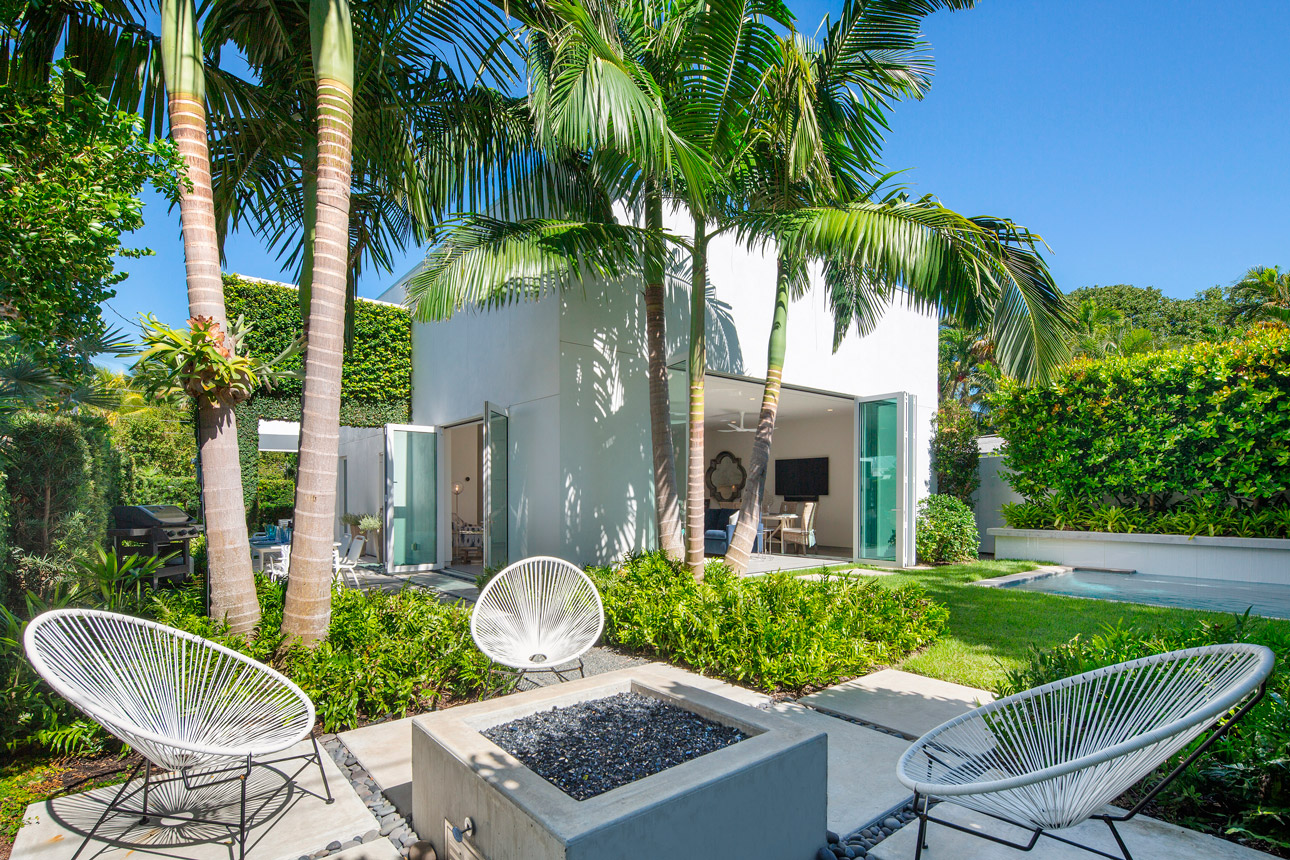
The outdoor spaces also perform multiple roles. They provide light and ventilation, create visual relief between different areas of the house, and establish moments of privacy within the narrow site. At the same time, they function as extensions of the interior, allowing activities to move naturally between inside and outside.
Landscape plays a particularly important role in the project. Instead of serving as a backdrop to the architecture, it becomes one of the primary organizing elements. The courtyards help separate the different parts of the house while also connecting them, creating a balance between intimacy and openness. This relationship allows even the smallest spaces to feel purposeful and connected to something larger.
Rather than maximizing built area, this project design demonstrates how carefully placed outdoor spaces can increase the quality of daily life. The house feels open without being oversized, and connected without sacrificing privacy.