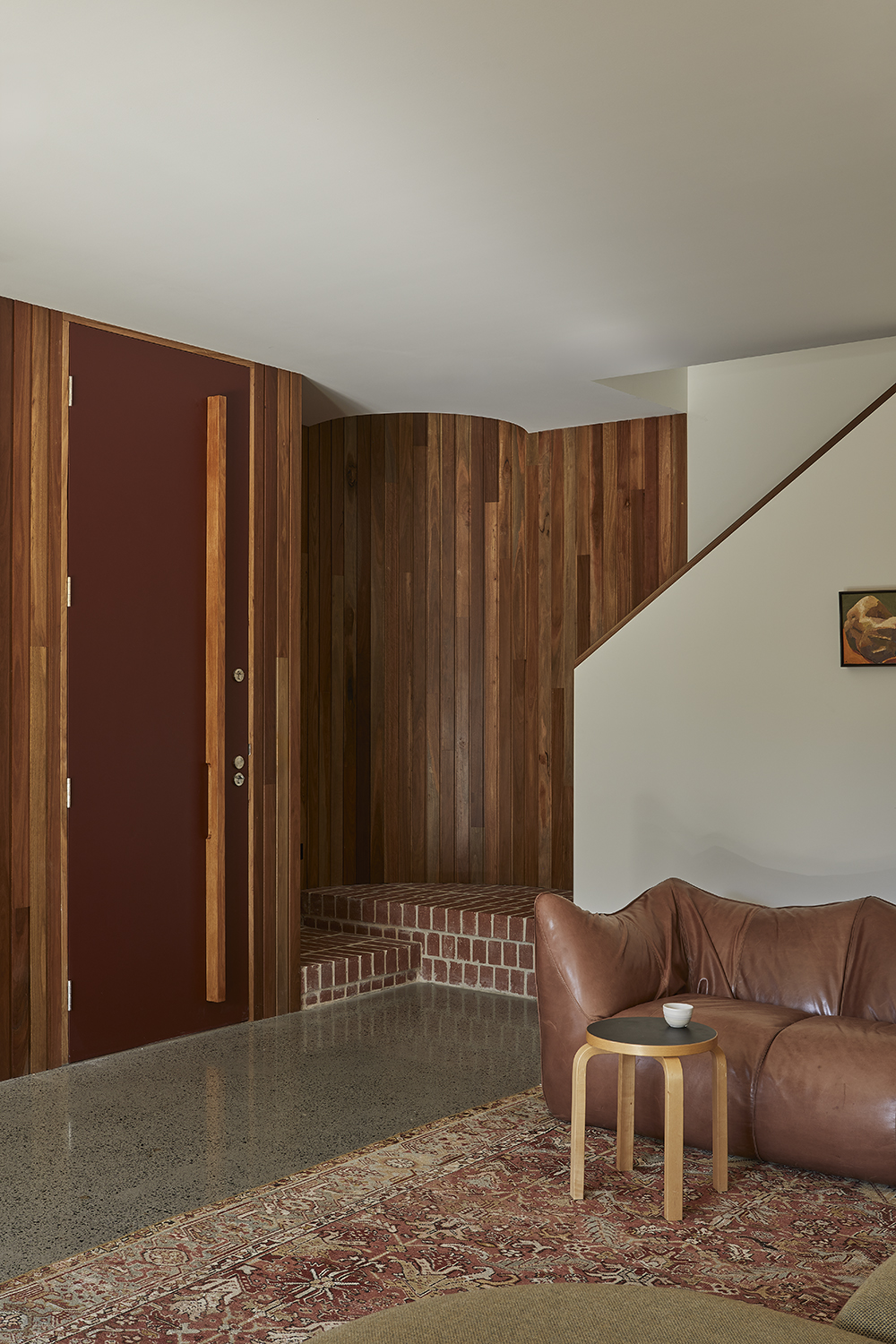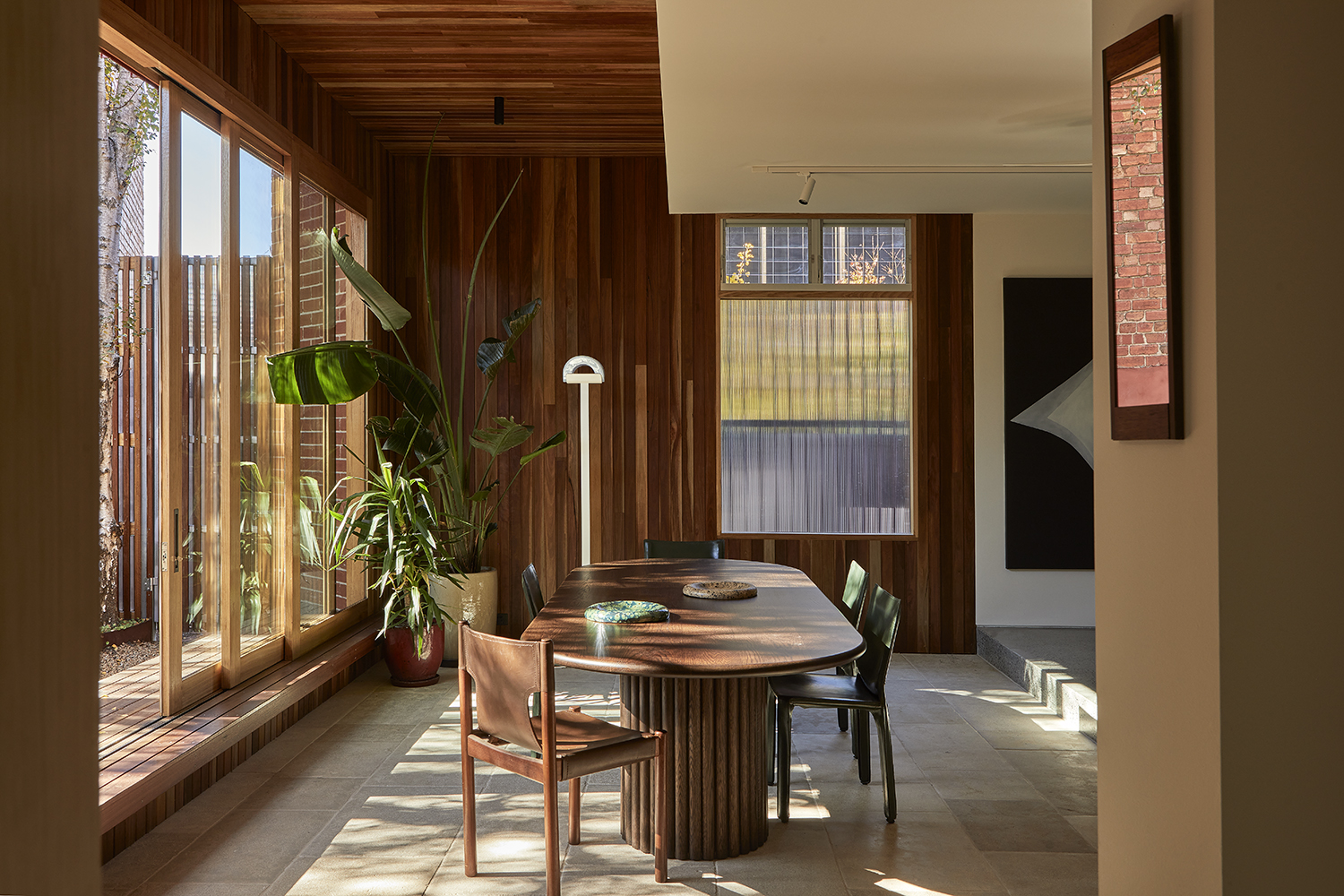
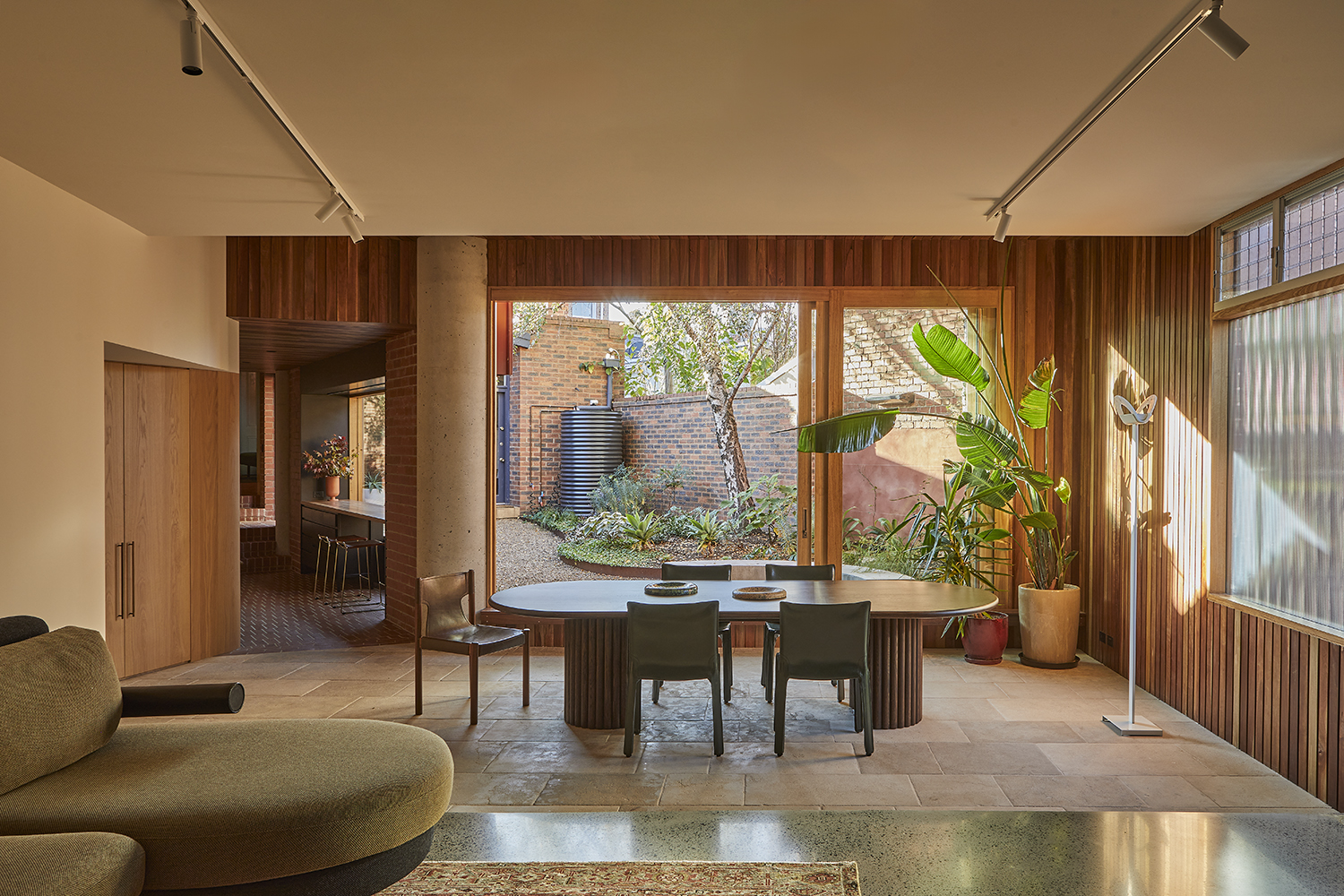

Located within the bluestone laneways of Carlton, Melbourne, Laneway House by MRTN Architects rethinks how a compact inner-city site can adapt to changing family life. What began as a brief for a new main bedroom and additional living area gradually evolved into something more ambitious: a secondary dwelling that allows different generations of the same family to live together while maintaining independence.
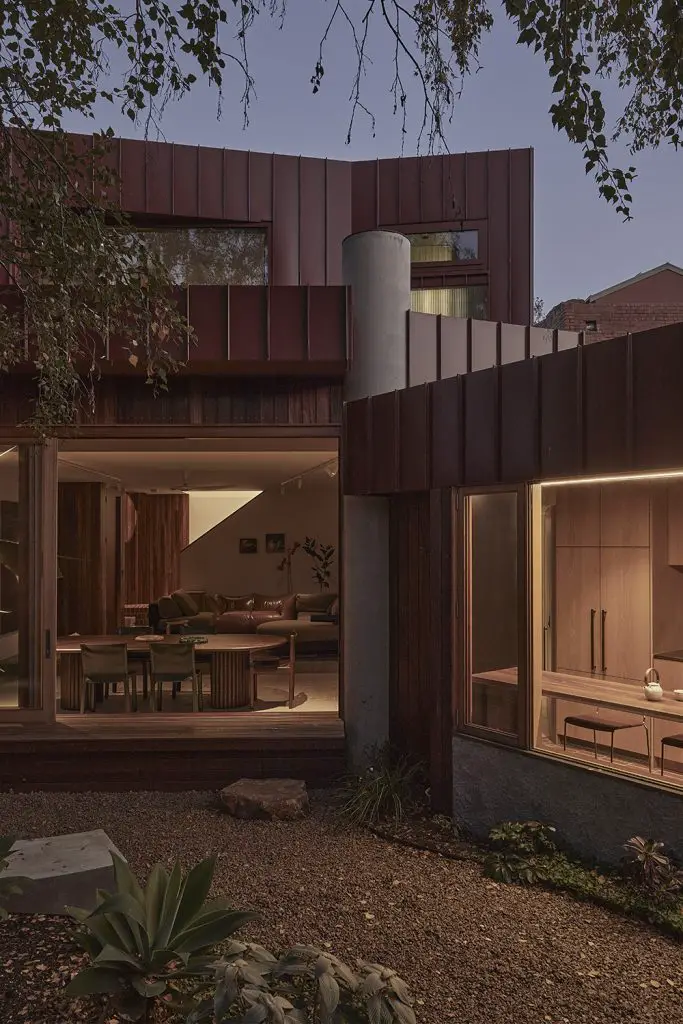
The project builds on an existing Victorian house, but instead of extending it further into the rear garden, the architects reversed the conventional approach. A new two-storey volume is positioned along the southern boundary of the site, directly addressing the bluestone laneway behind. This move preserves access to sunlight while allowing the new living spaces and upper-level bedroom to enjoy a northern aspect.
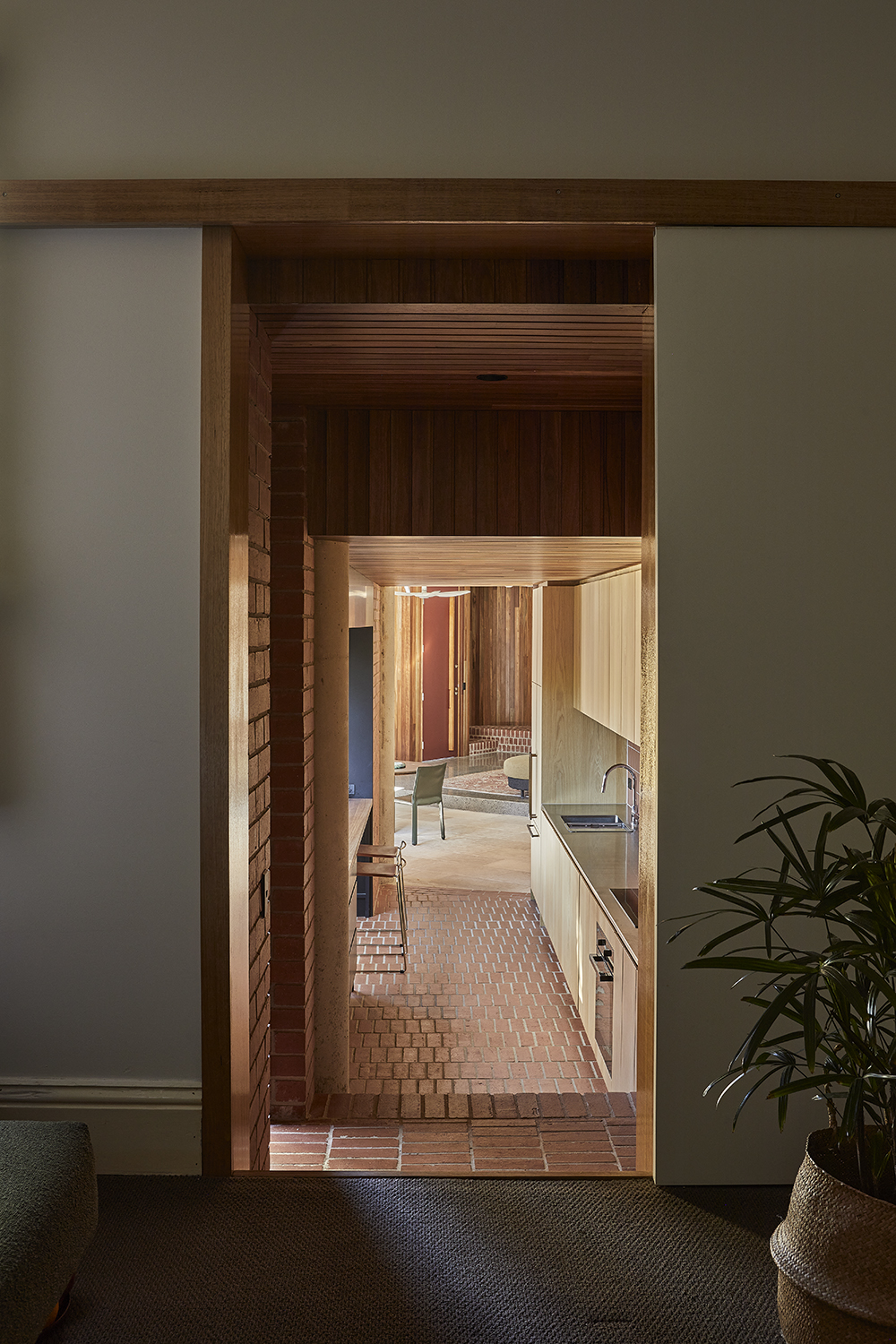
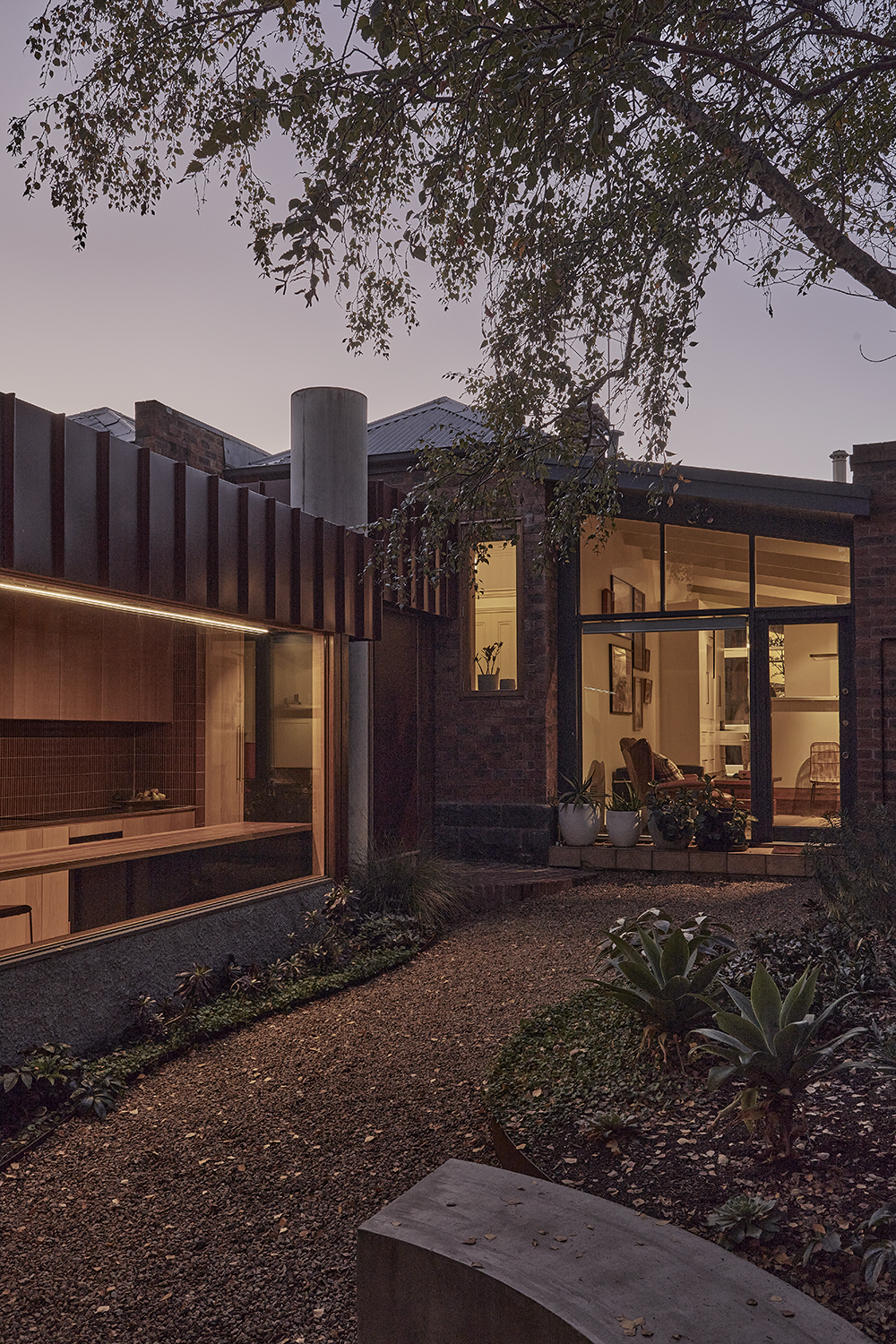
The strategy transforms the narrow site into a sequence of connected yet distinct spaces. The original terrace remains largely untouched, while the new addition creates what is effectively a second dwelling. Together, the two structures support a variety of living arrangements, allowing parents and young adult children to live independently while remaining connected. The design also anticipates future change, making it possible for the house to adapt as family needs evolve over time.
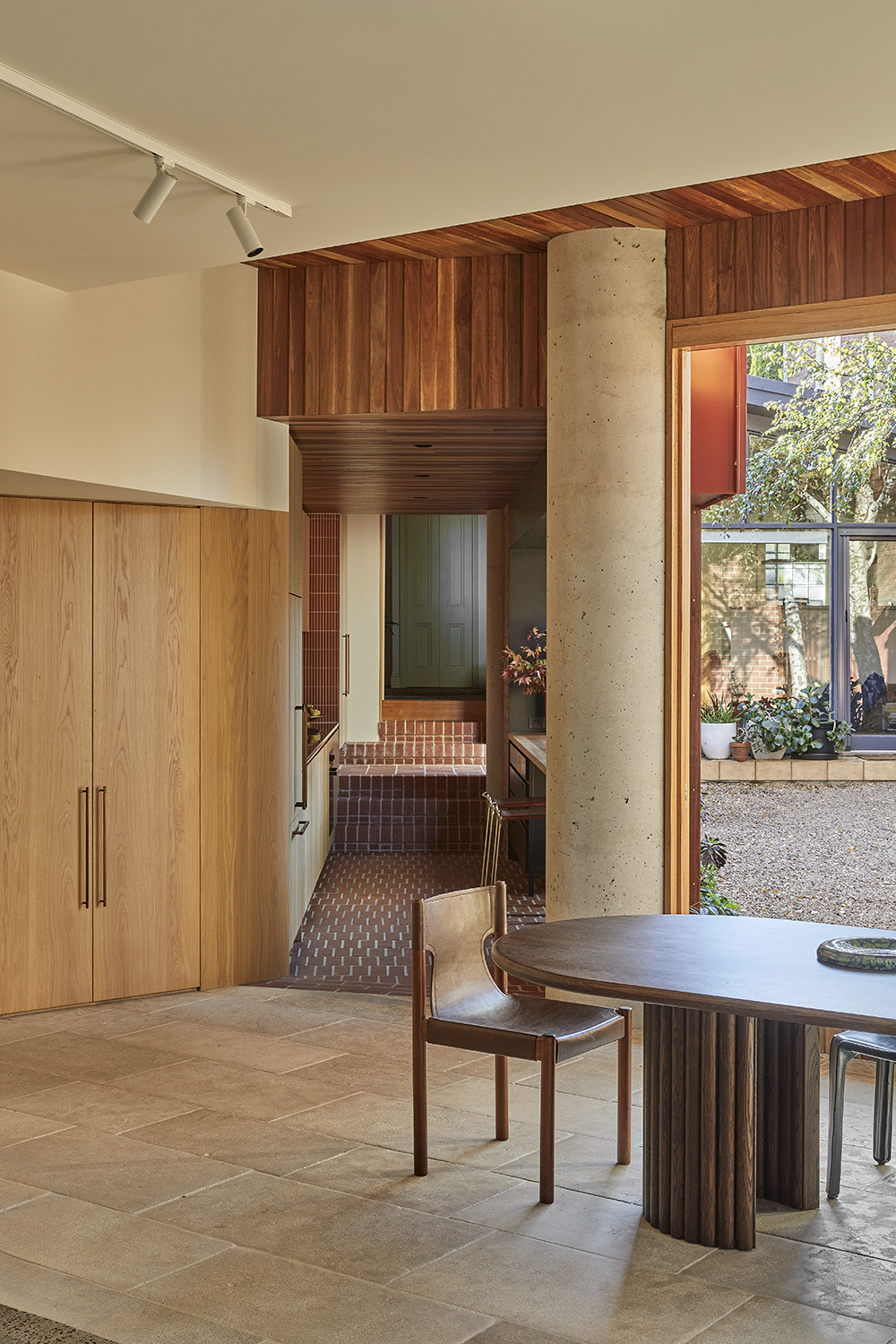
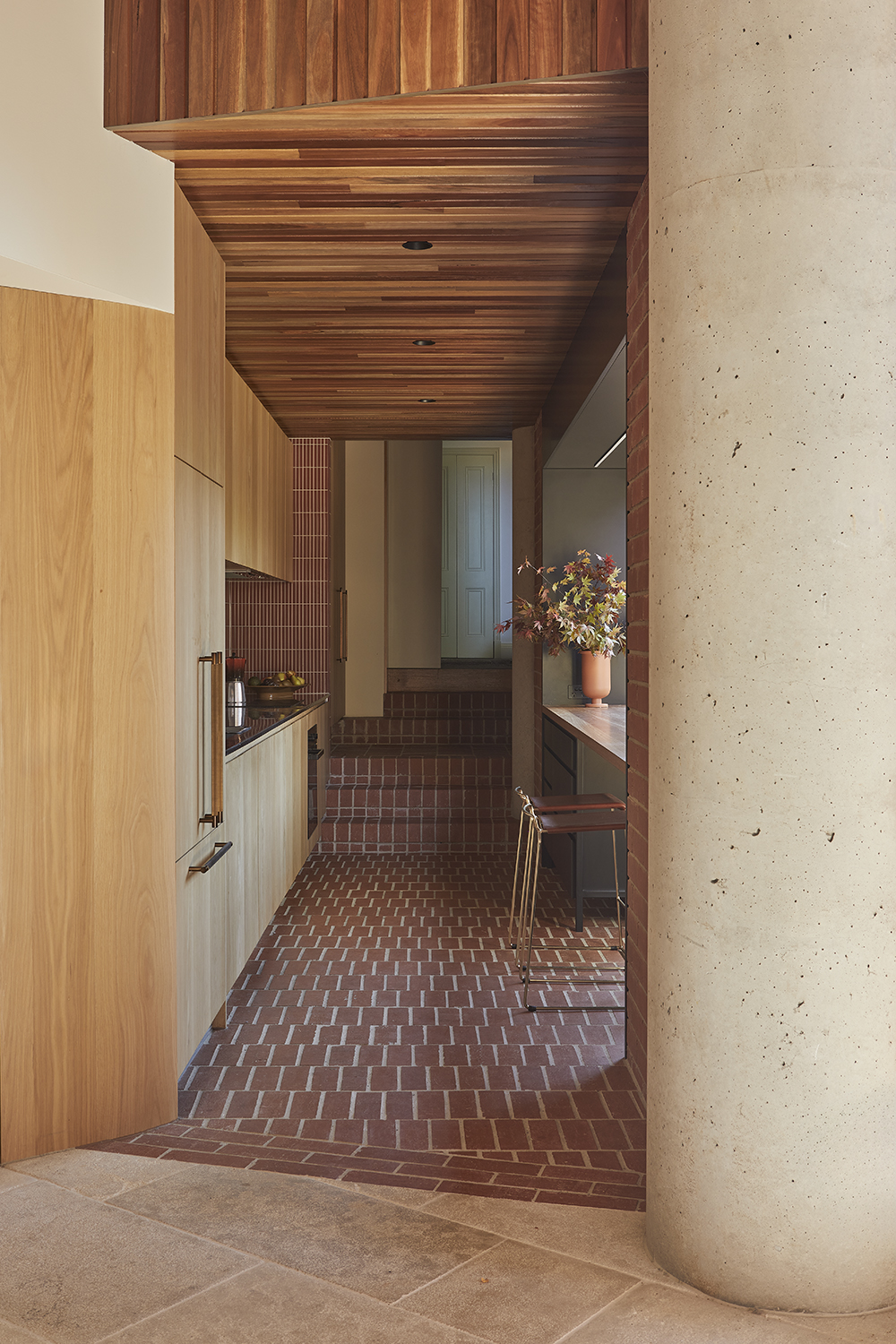
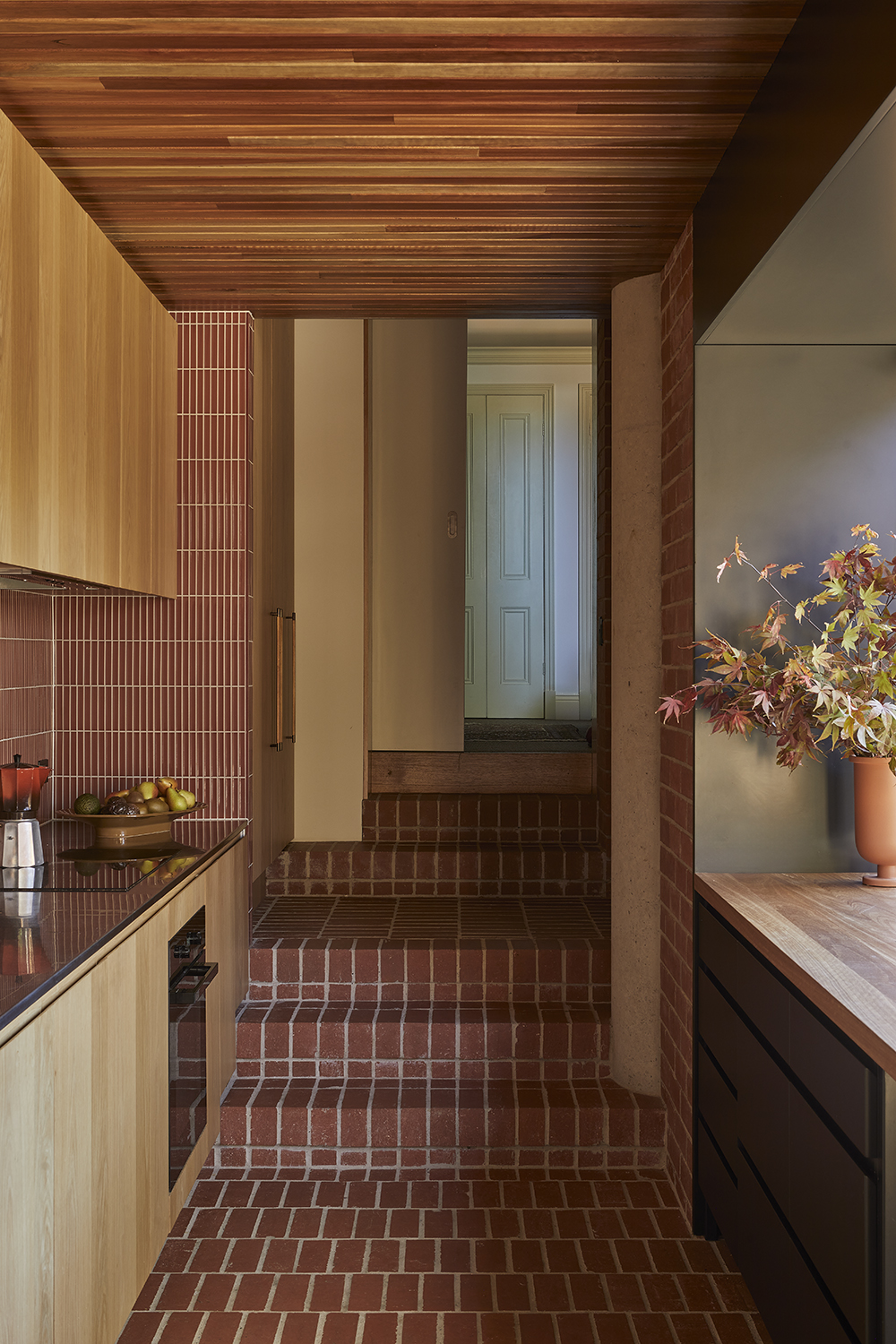
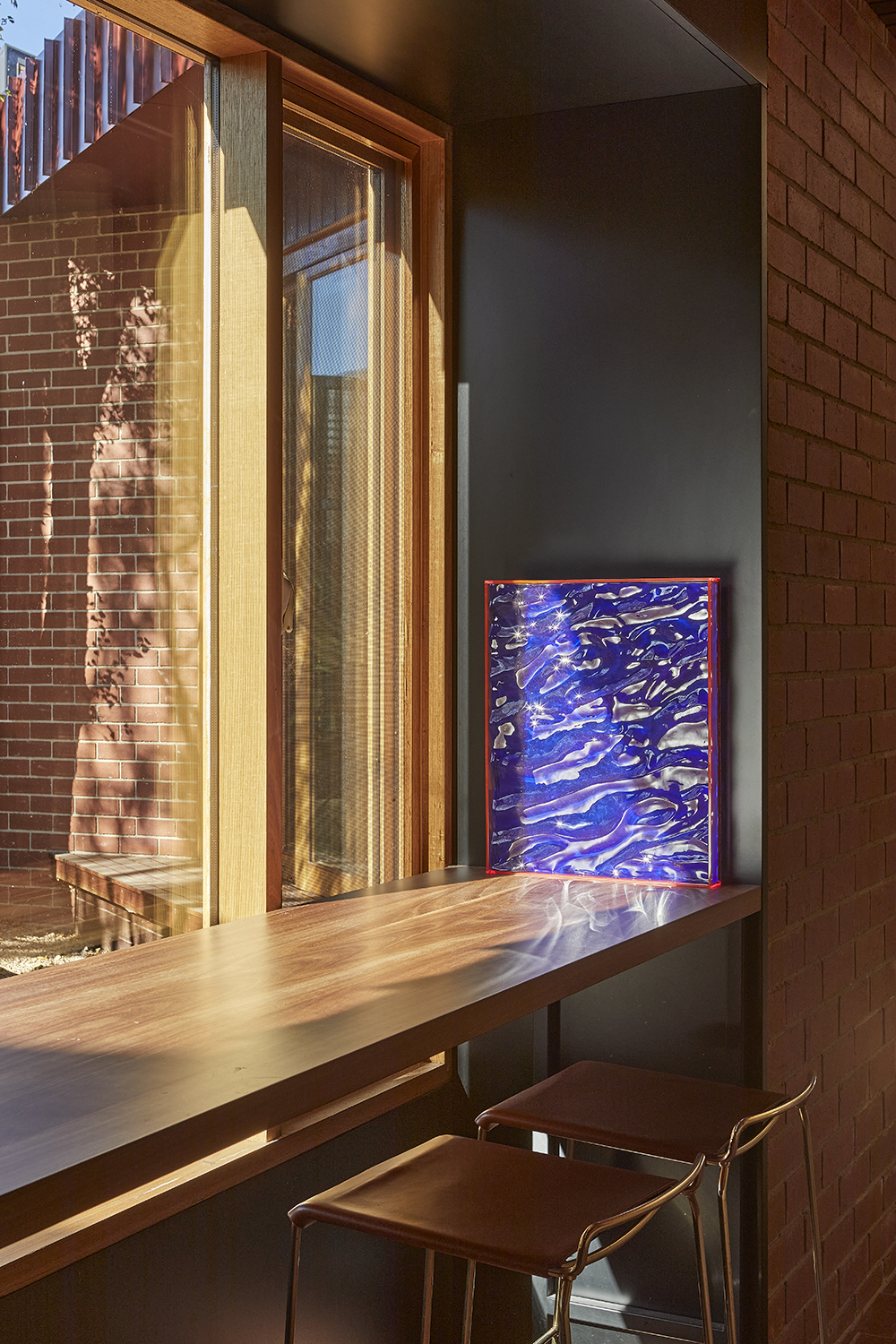
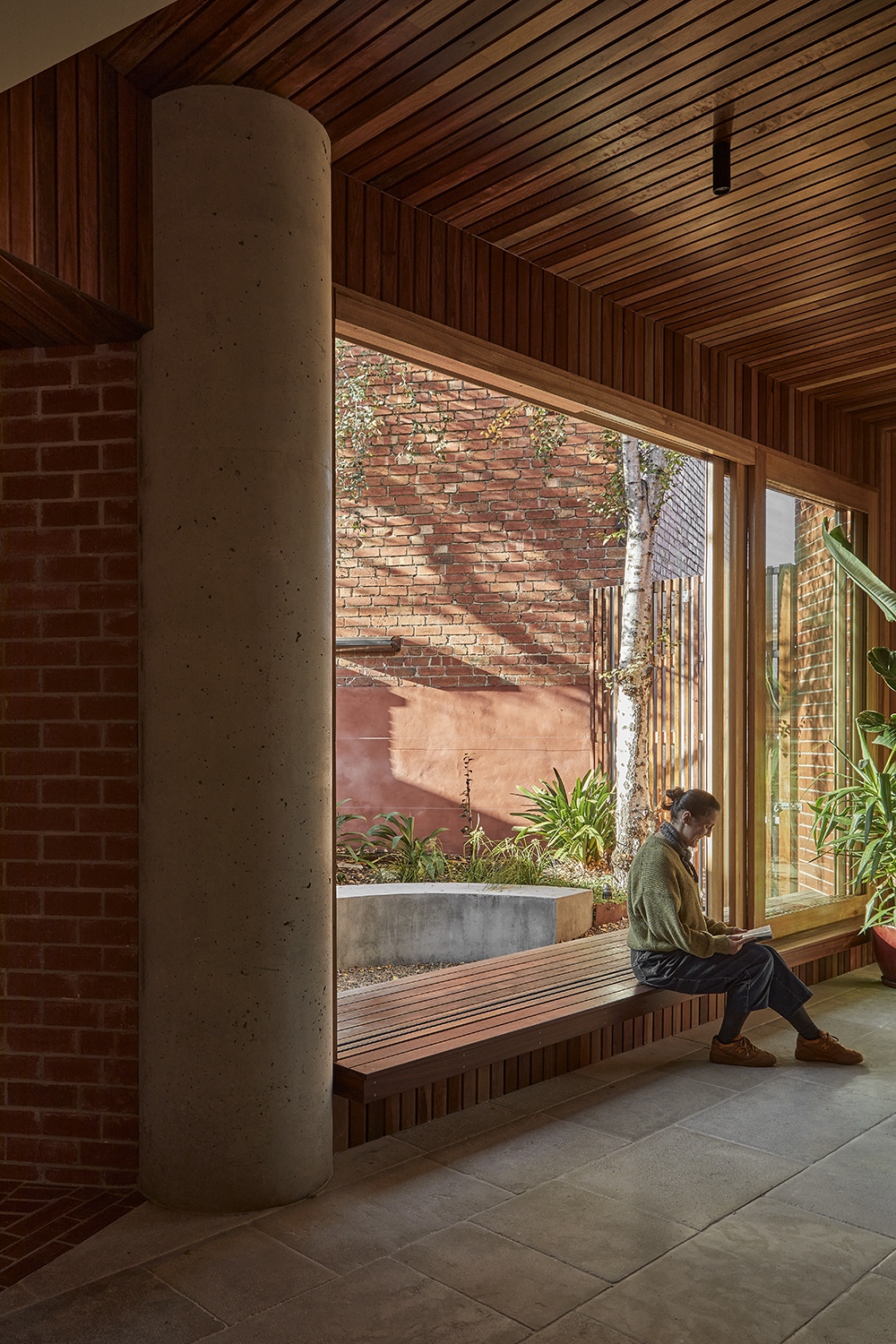
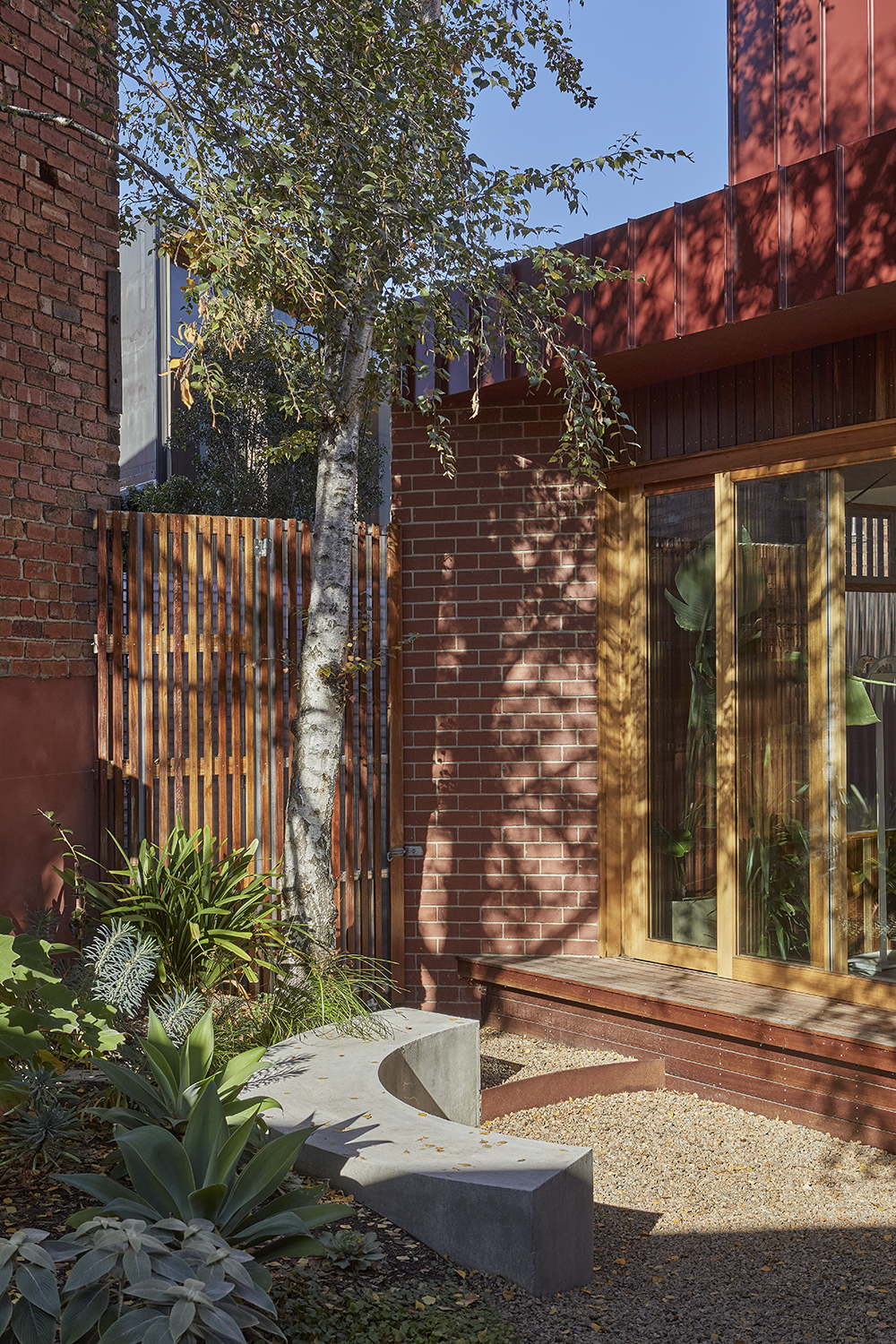
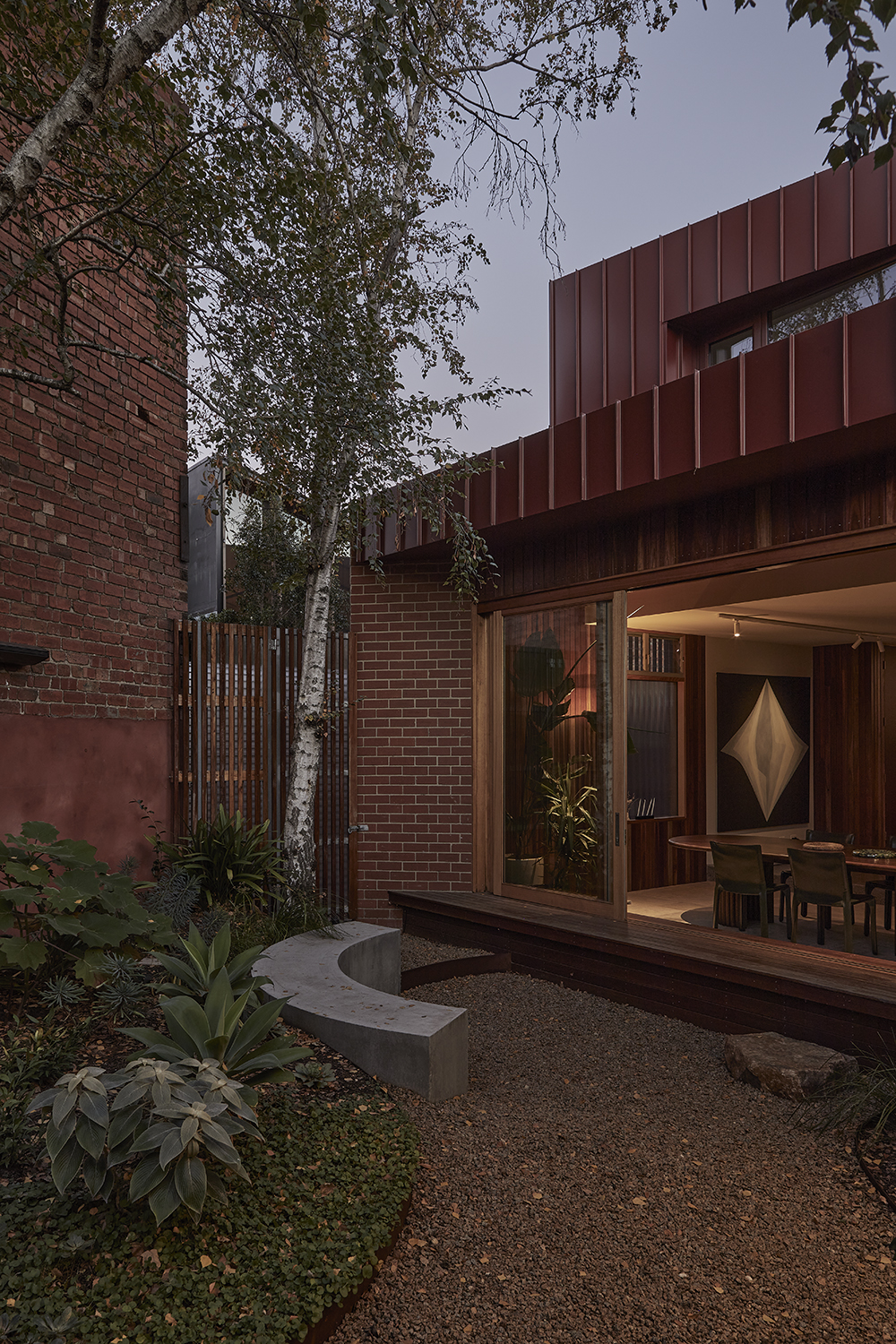
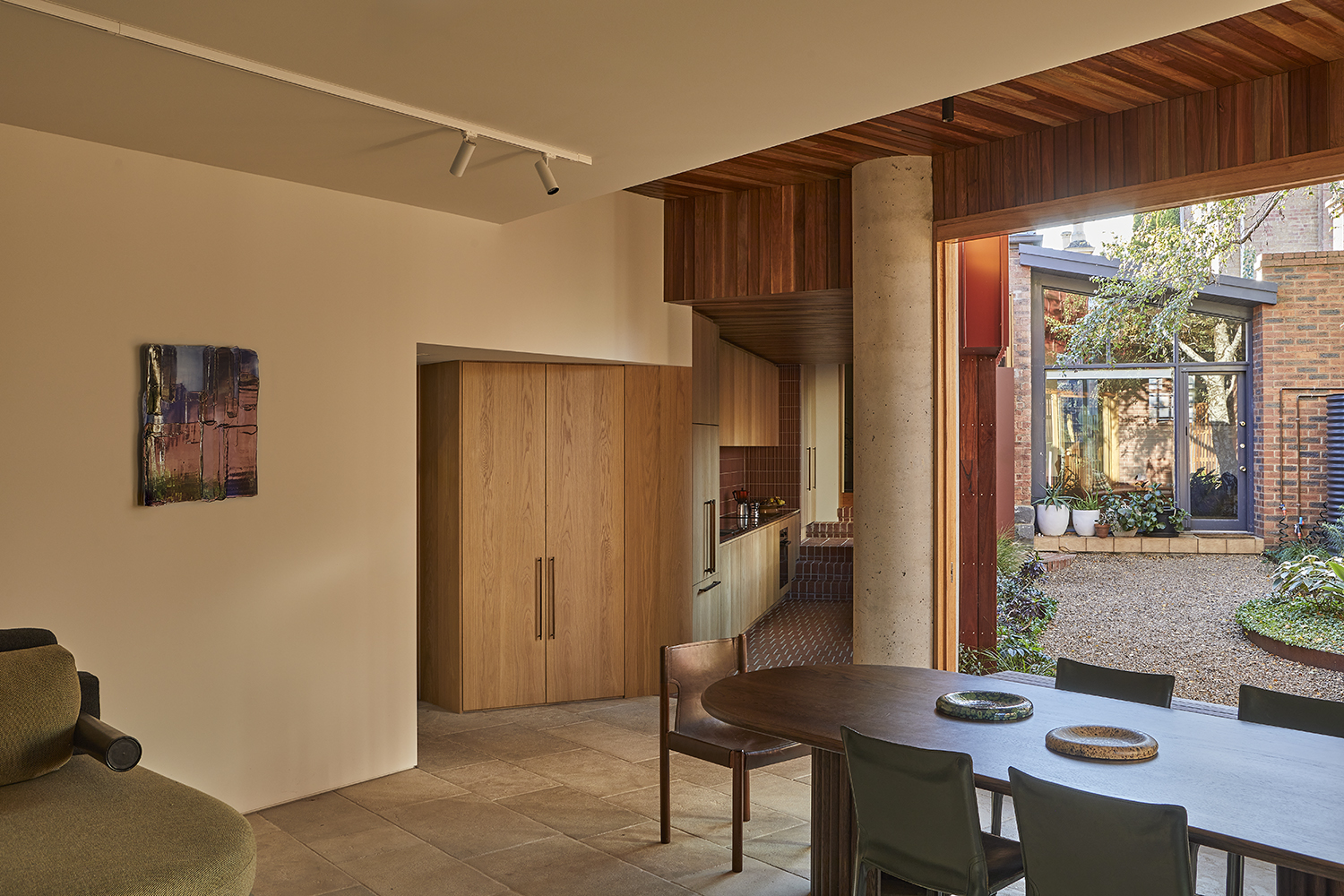
At ground level, the new living areas open directly onto a secluded garden positioned between old and new. This outdoor space becomes an important point of connection, providing light, privacy, and a shared area for daily life. Linking the two parts of the house is a galley kitchen that also functions as a circulation corridor, making efficient use of the constrained site while strengthening the relationship between the different living spaces.

The laneway context also informed the architectural language of the addition. A circular red brick tower anchors the corner of the project, drawing on local references found throughout the neighbourhood. The brickwork recalls nearby stables and service buildings, while the curved form responds to the tight turning conditions common to Melbourne’s rear laneways. Inside, cast concrete columns help guide movement around the plan and through a series of interconnected spaces organised around an internal courtyard.
The project takes a broader view of the area’s history. The architecture acknowledges the many layers of change that have shaped Carlton over time, reflecting not only the original terrace but also the additions, adaptations, and everyday interventions that have accumulated across generations.
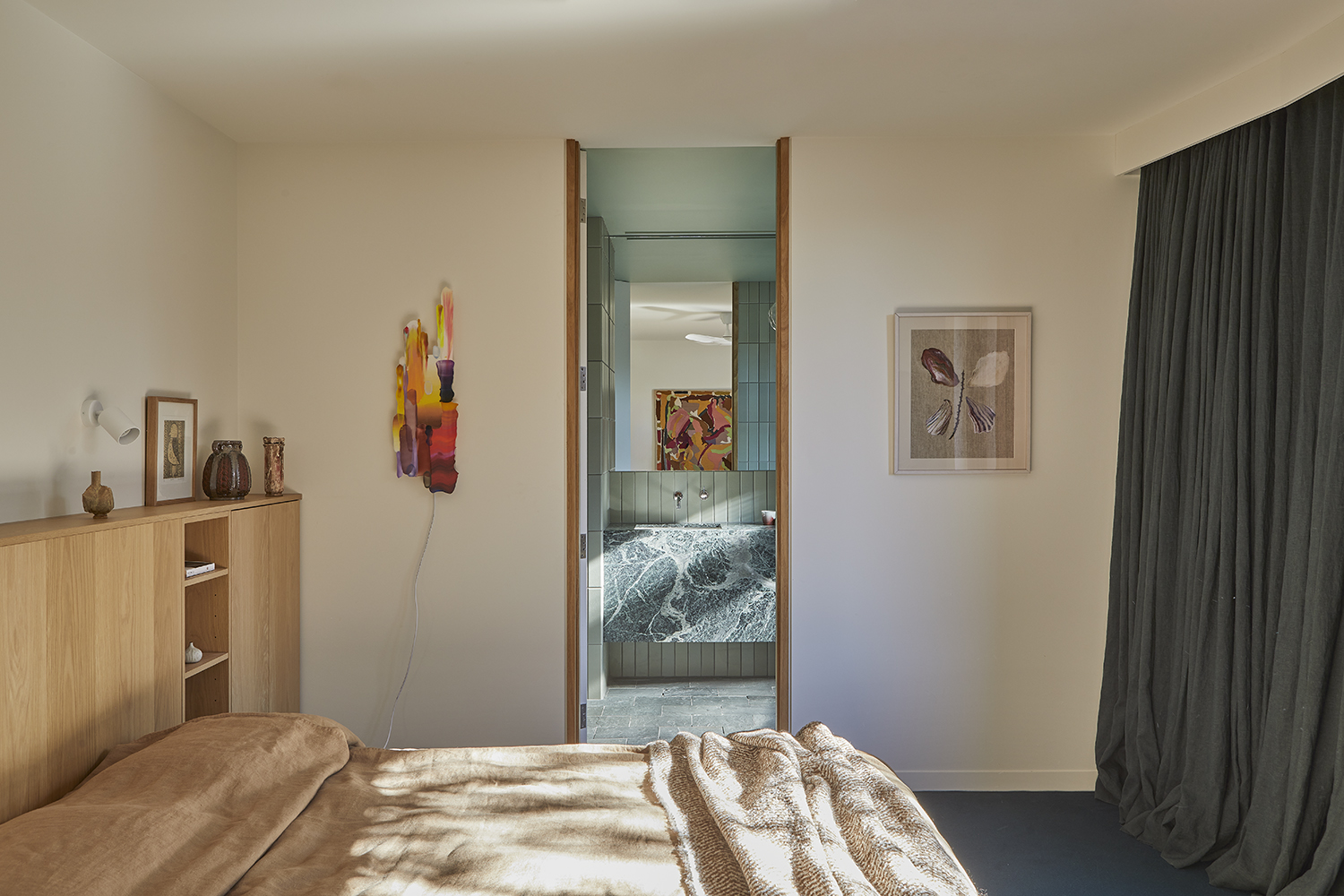
The success of the project is perhaps best captured by the owners themselves, who describe the house as “a tapestry of solutions.” They speak of the practical benefits of the separate-but-connected arrangement, which has allowed them to continue living comfortably alongside their teenage children, while also creating quieter and more personal moments within the dense urban setting. A view of birch trees from the upper bedroom, they note, offers “inner city sanctuary.”