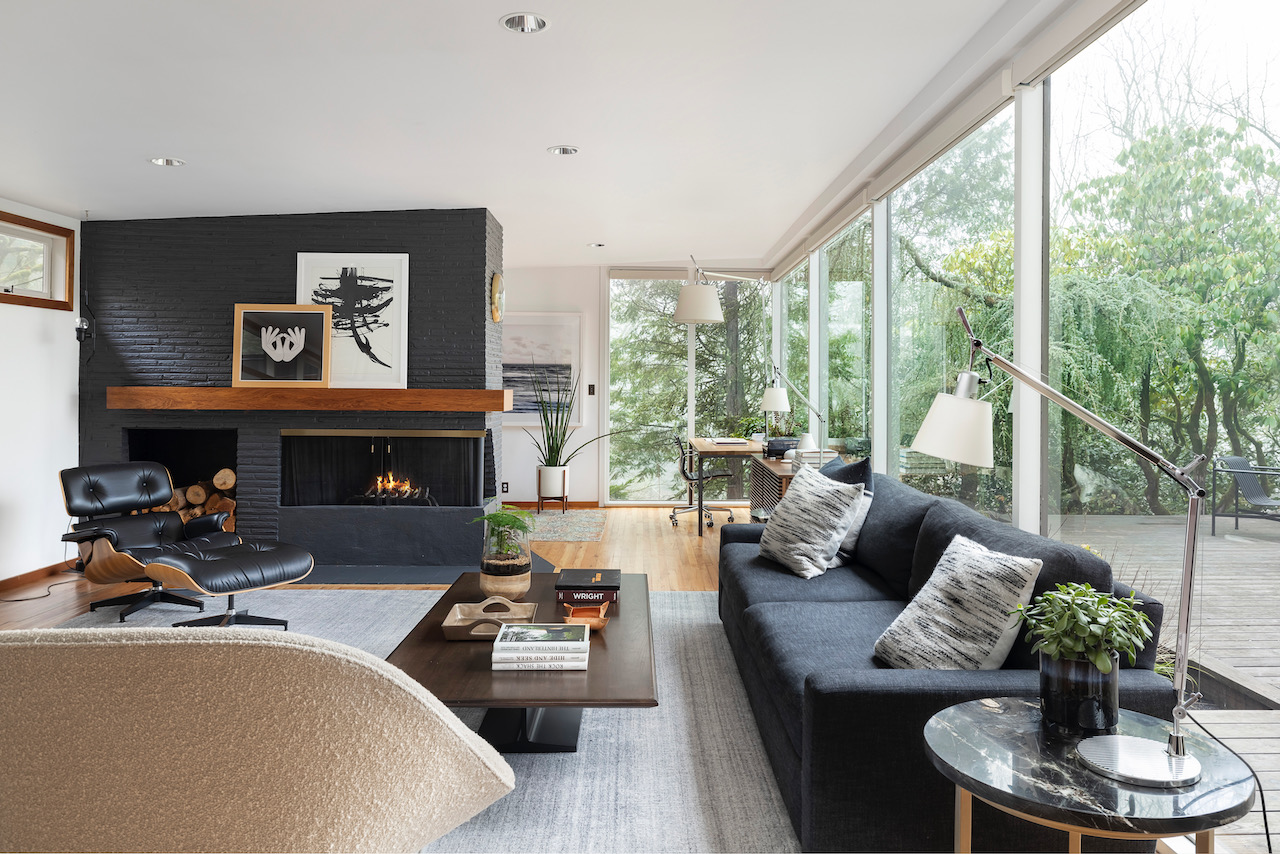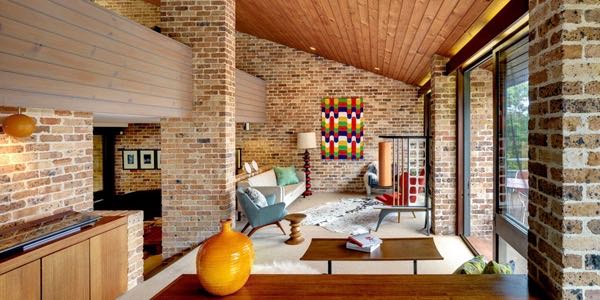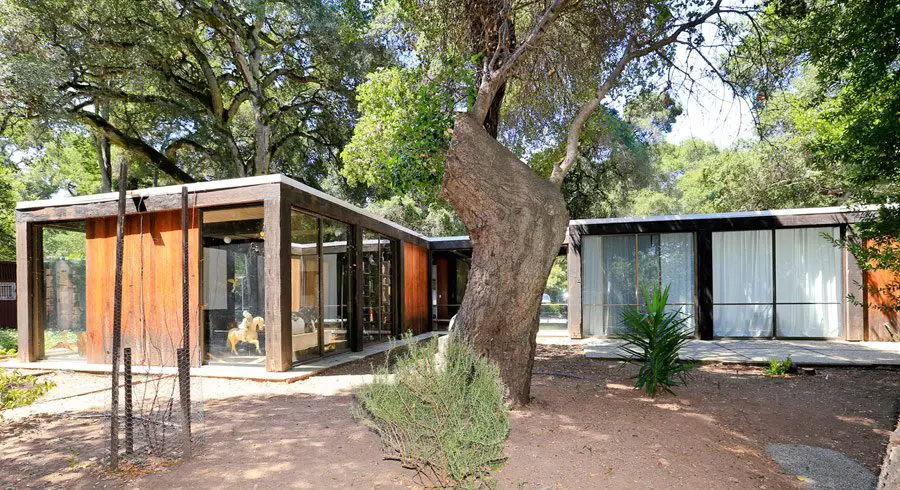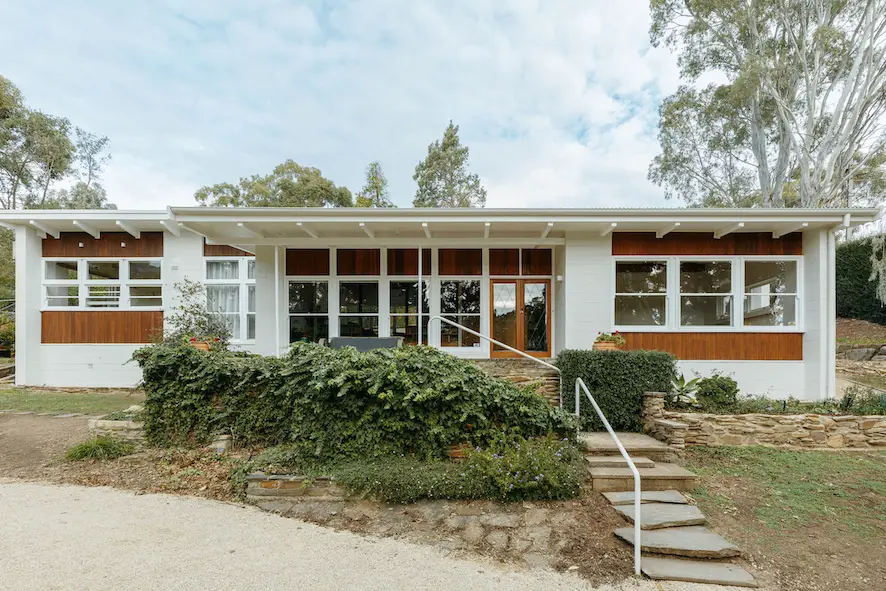
Modern Scandinavian design is often linked to pale wood and simple lines, yet its origins go beyond a familiar look. What took shape in the mid-twentieth century grew from craft traditions and a belief that design should support daily life. It developed over time, shaped by architects and designers who placed function, material, and human needs at the center of their work.
In Denmark, Kaare Klint played a central role in defining this approach. His work began with careful study. He measured the human body, analyzed historical furniture, and refined forms through proportion and use. His aim was not novelty. It was clarity. Under his influence, furniture became lighter, more precise, and grounded in purpose.
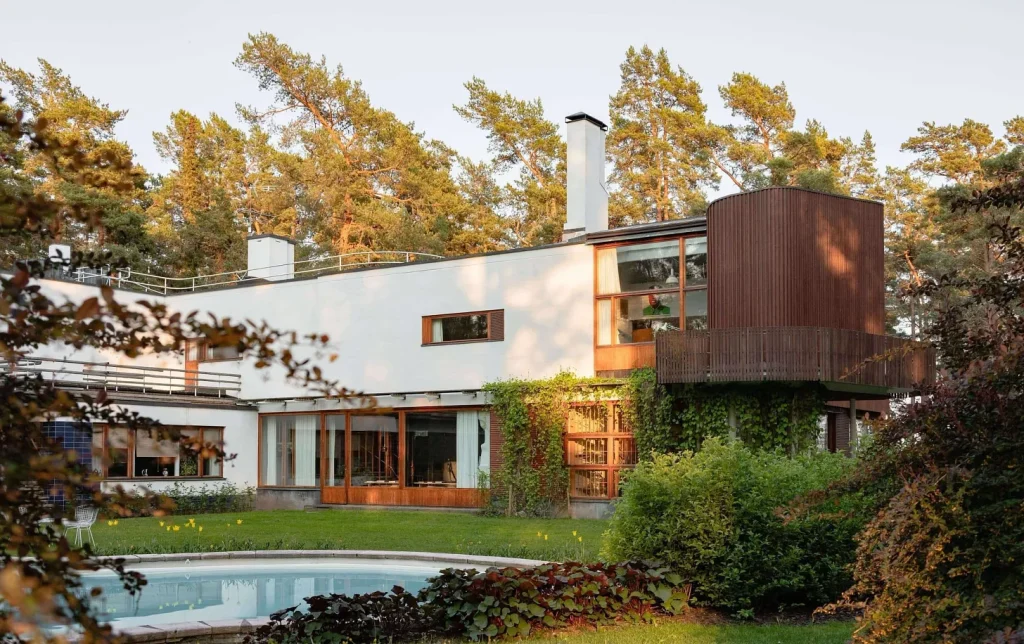
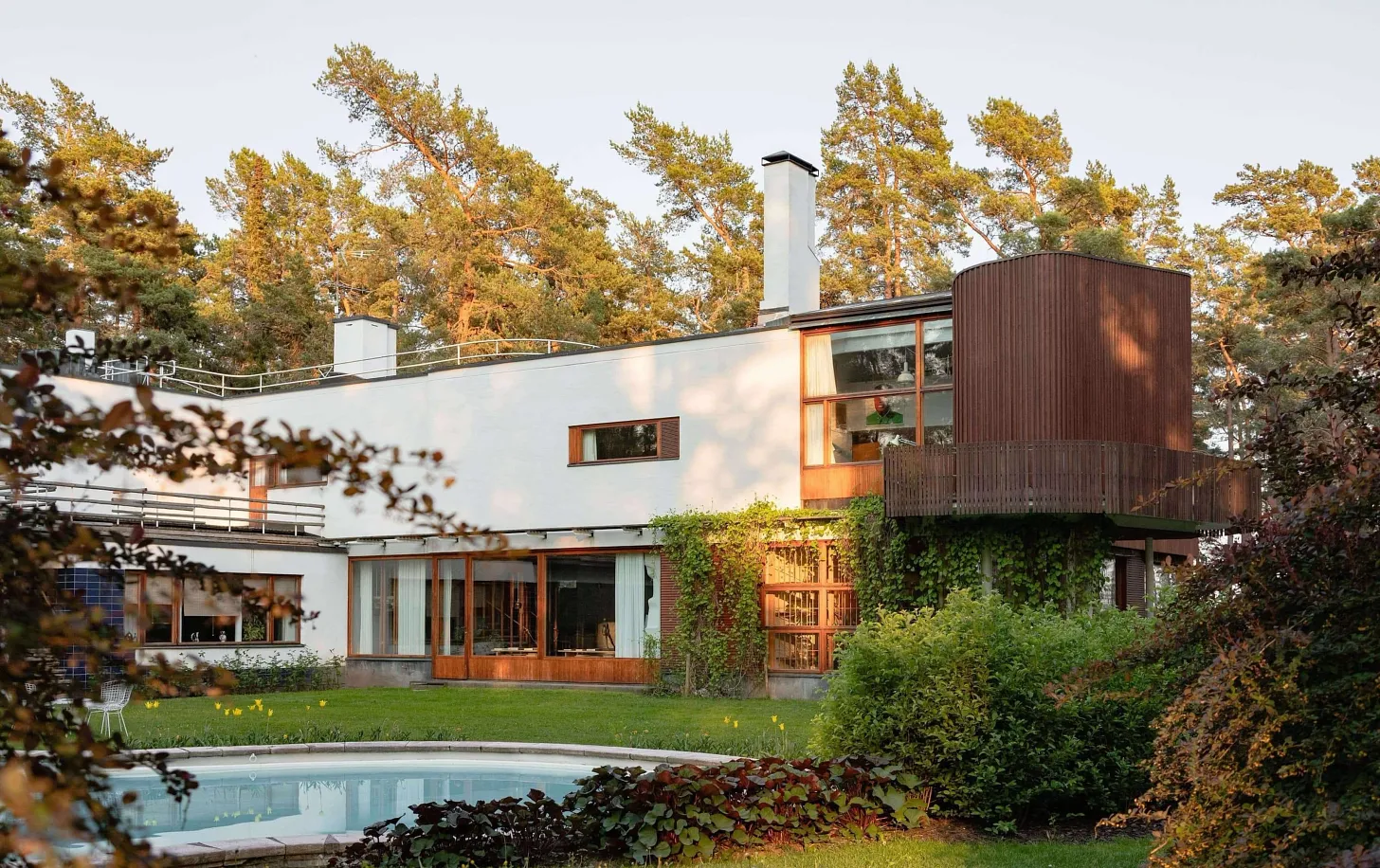
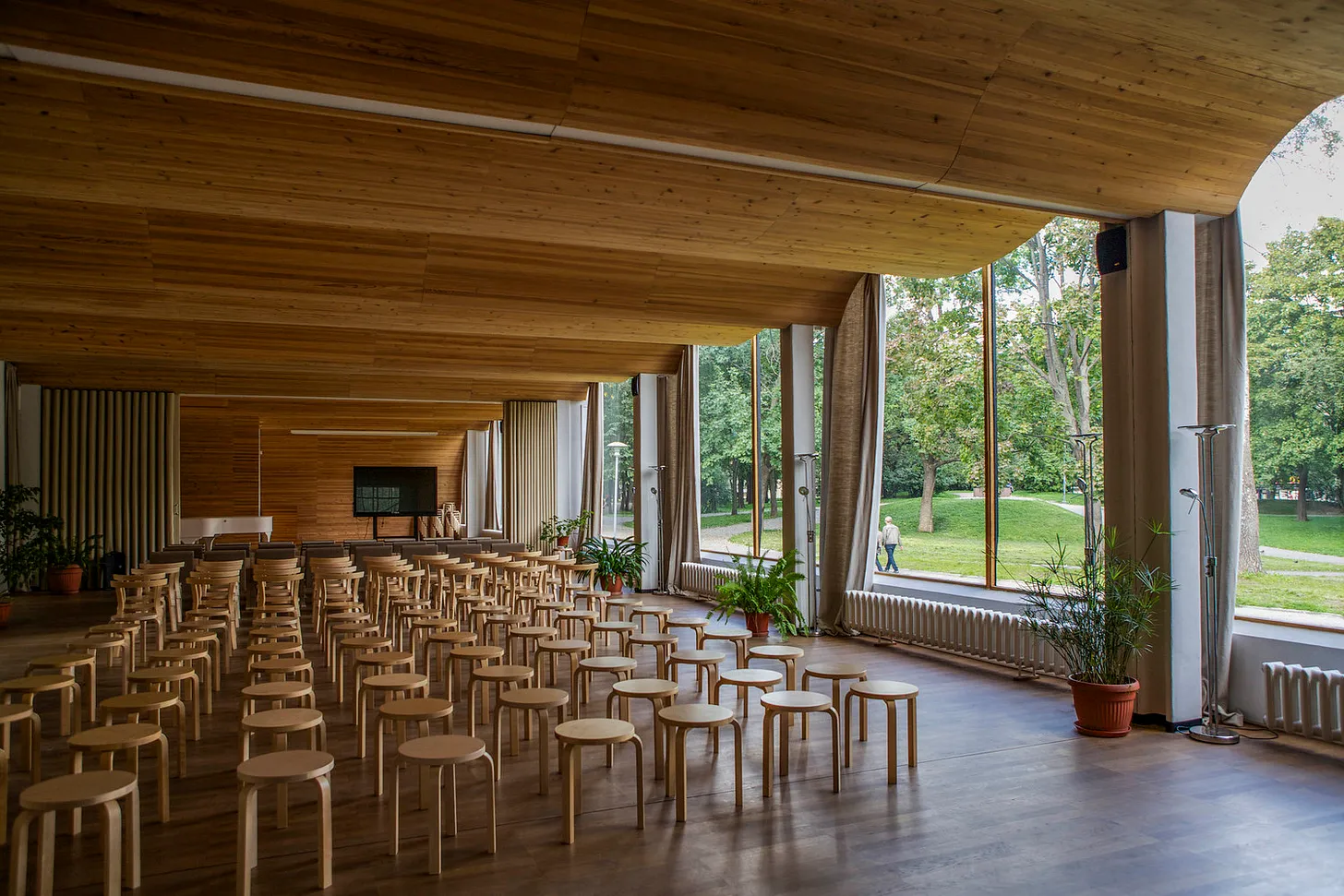
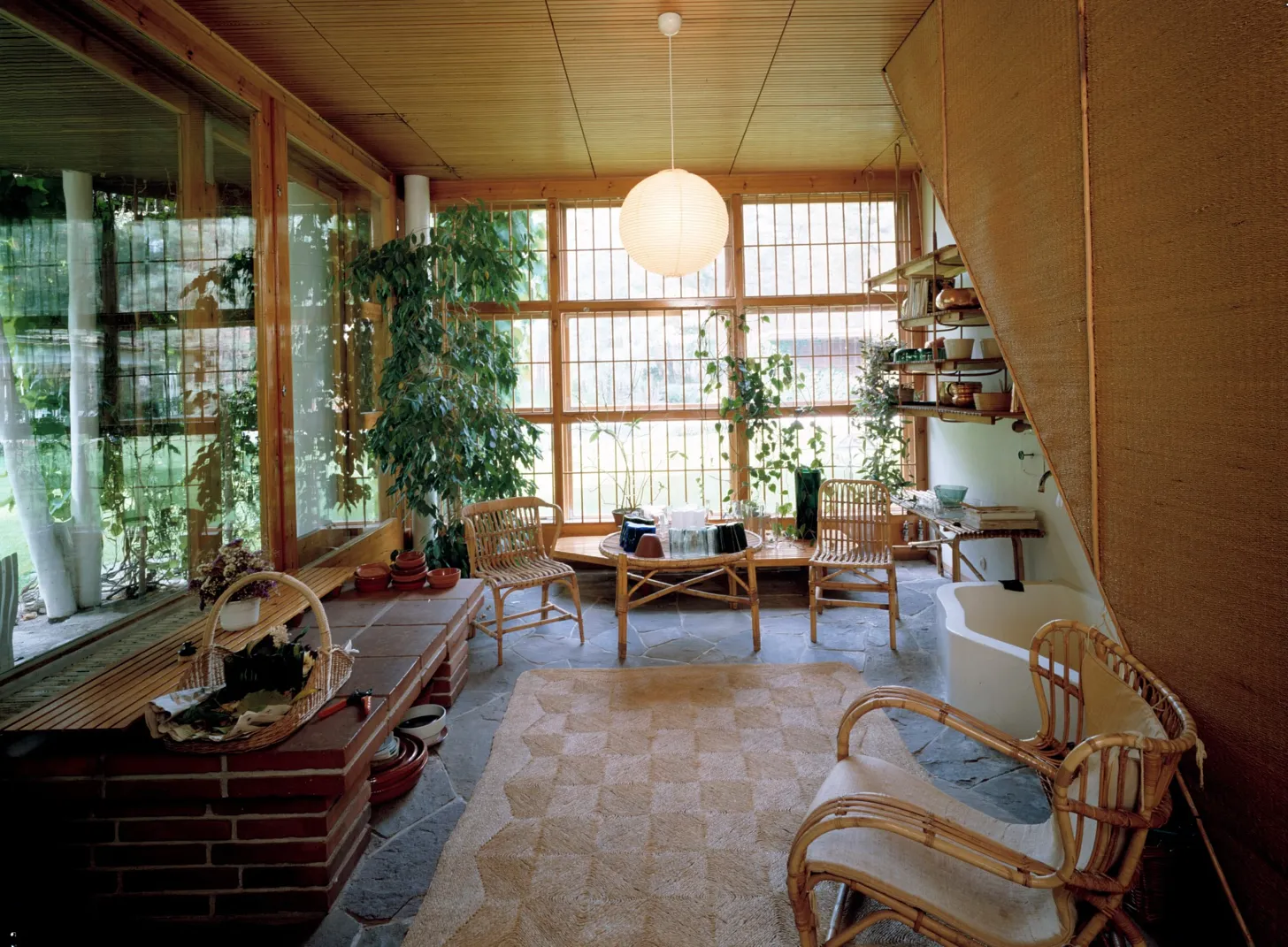
In Finland, Alvar Aalto expanded these ideas into architecture and product design. He worked with wood, brick, and glass in ways that brought warmth to modern forms. His buildings were planned around light, movement, and comfort. Projects such as libraries and housing blocks show a consistent focus on well-being. His furniture experiments with bentwood explored industrial production while maintaining a direct relationship to the hand and to nature.
Across Sweden and Norway, similar principles took shape within a broader social framework. After the Second World War, the region faced housing shortages and economic pressure. Public investment in housing and welfare programs created new opportunities for architects and designers. Their response was practical: well-made homes and objects designed for ordinary families.
This social context shaped the character of Scandinavian modernism. The restrained forms and honest materials reflected values of equality and access. Good design was not reserved for a few. It was meant to be part of daily life. Interiors were planned to maximize light during long winters, with spaces that felt open and usable.
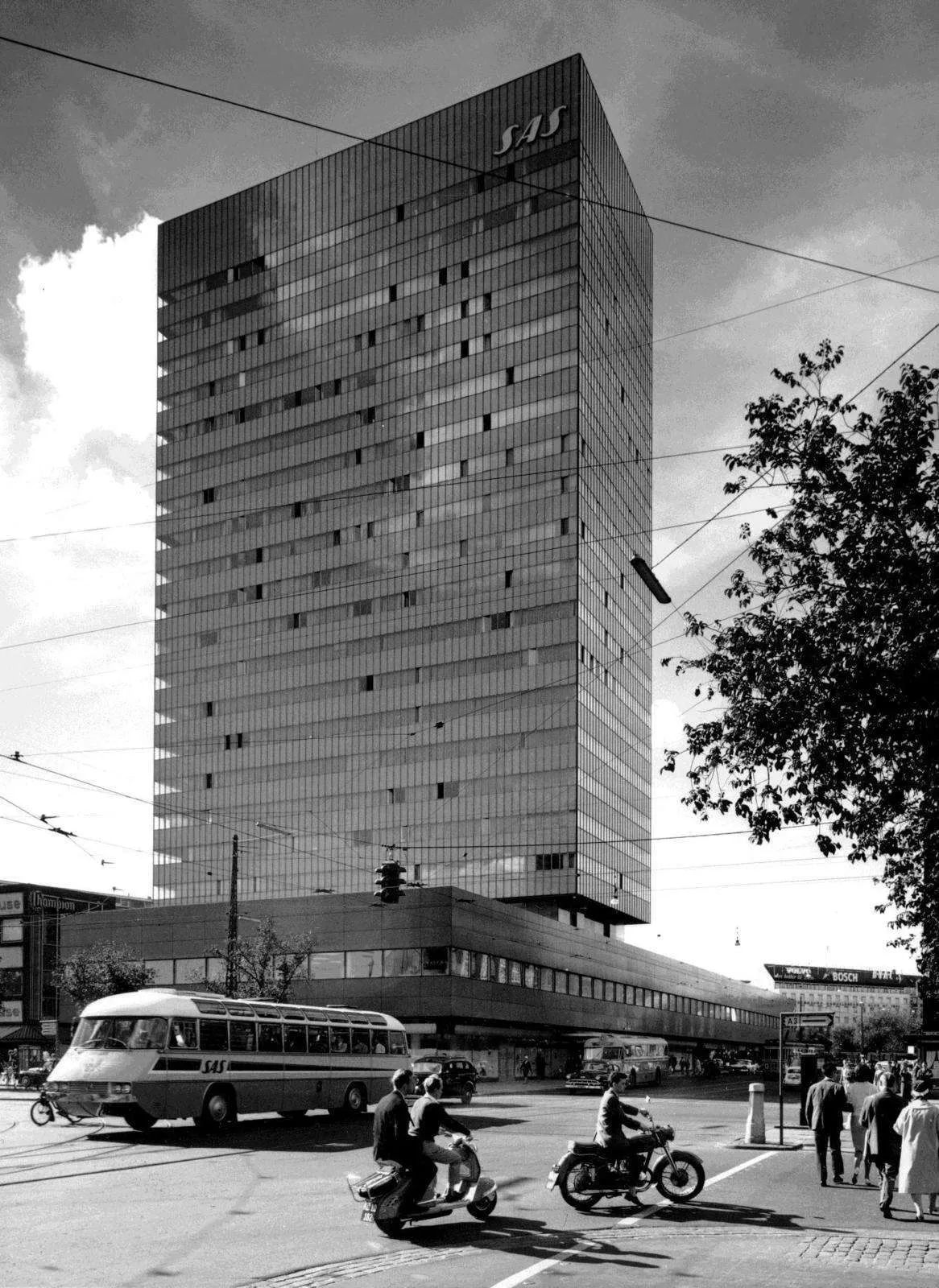
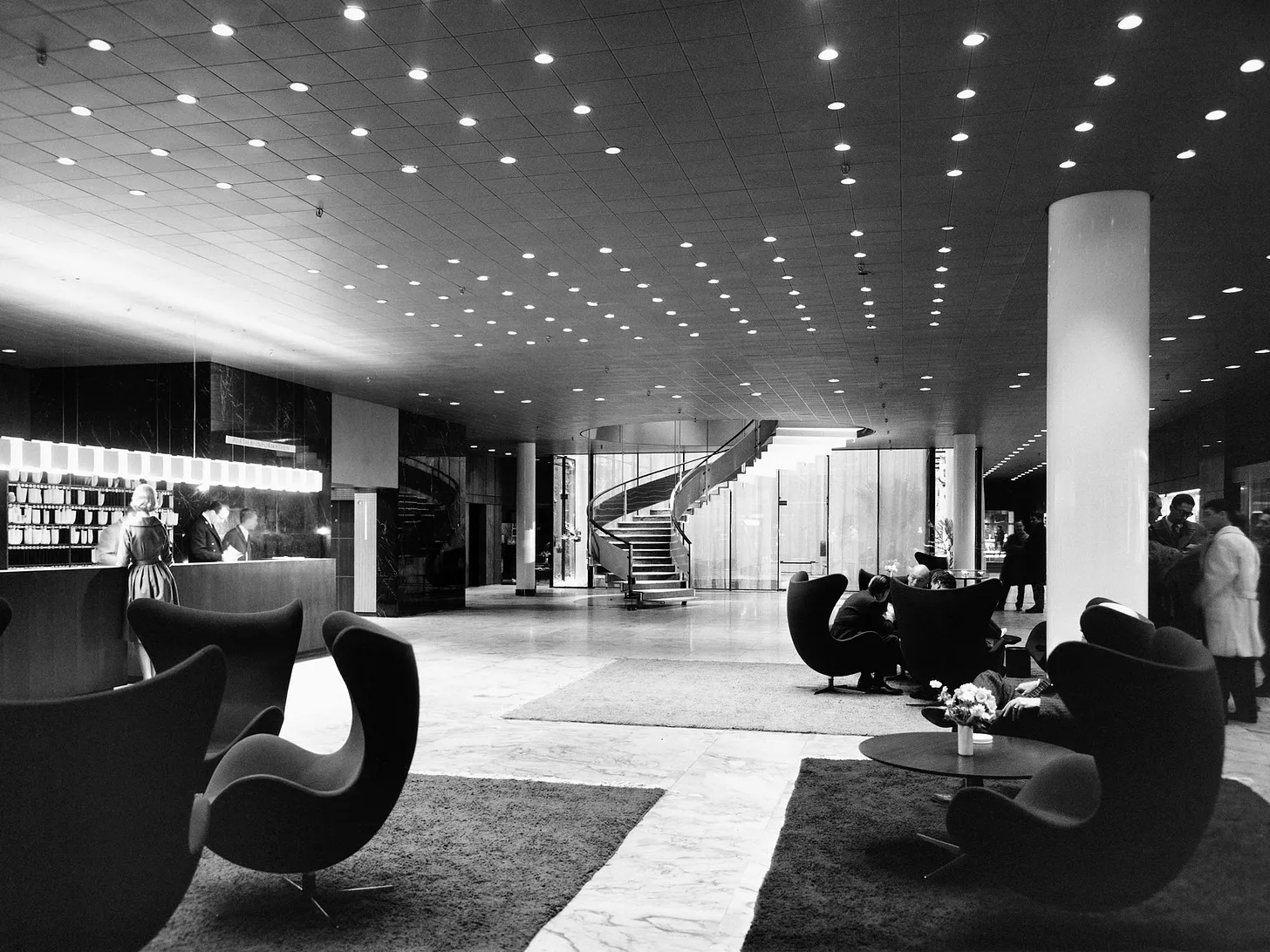
Arne Jacobsen brought a more streamlined expression to this shared foundation. His architecture and furniture balanced geometry with subtle curves. Chairs such as the Ant and the Series 7 demonstrate how industrial processes could deliver quality and refinement at scale. Production methods were modern, yet the results remained grounded in use.
Material remained central throughout the movement. Wood, leather, and wool were chosen for durability and texture. Craft knowledge informed even the most industrial pieces. Joinery, grain, and structure were not hidden. They were part of the design language.
By the mid-century period, Scandinavian design reached an international audience through exhibitions and exports. Its appeal lay in its balance. Spaces felt calm and practical. Furniture was designed to be used, not admired from a distance.
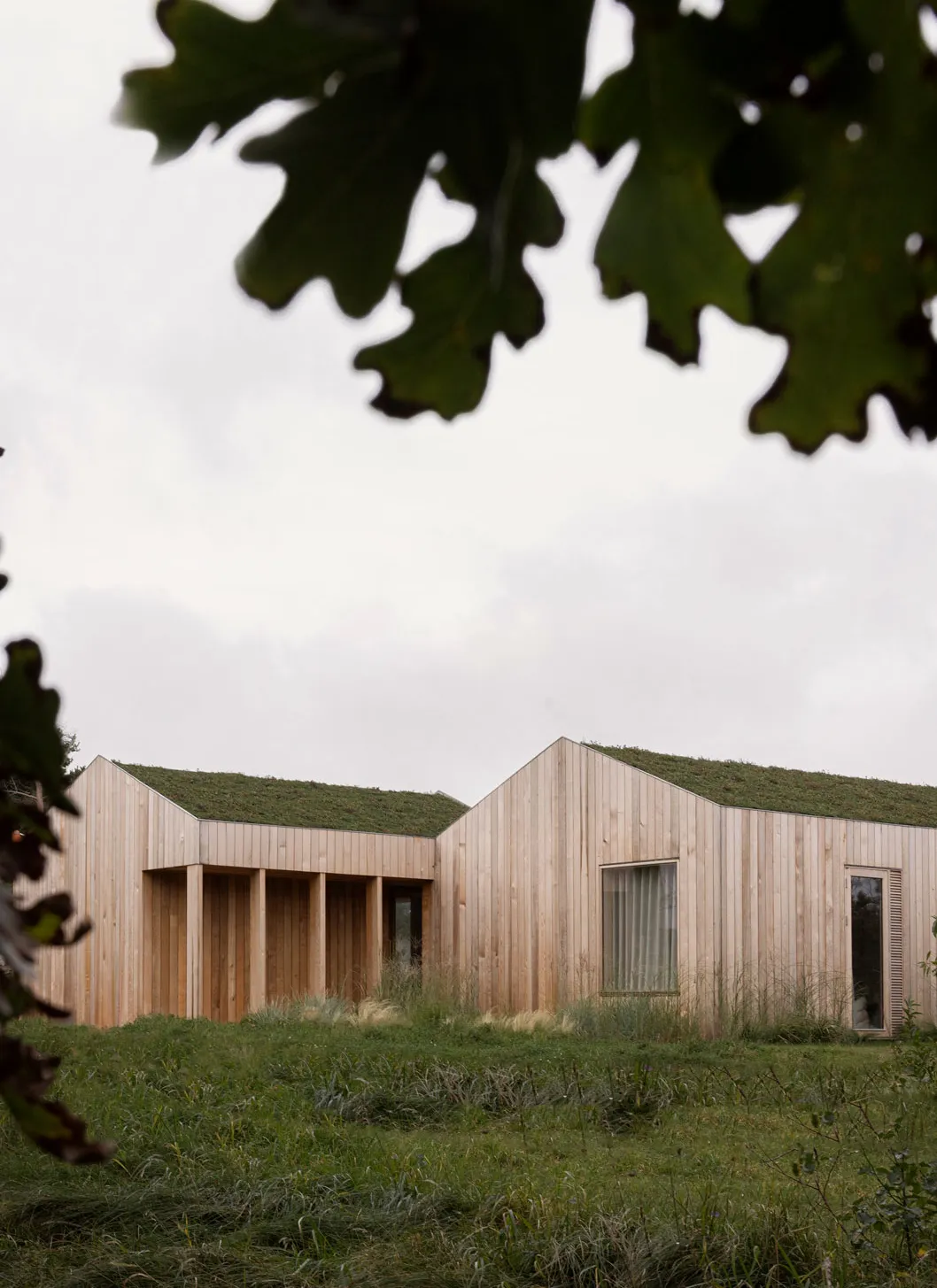
Today, these foundations continue to inform contemporary practice. Current designers revisit the same principles with attention to sustainability and resource use. The emphasis on durability and material integrity feels relevant in a time of short product cycles.
Modern Scandinavian design rests on consistent ideas: human scale, functional clarity, and respect for materials. Its influence endures because it offers a model in which design supports life in direct and lasting ways.