
Sarasota, Florida doesn’t look like a modernist capital. It’s a Gulf Coast town of palms, bright sky, and salt air. But after World War II, it became one of the most surprising places in America for architectural invention.
A small group of architects began to ask a simple question: what would modernism look like if it truly belonged to Florida? Not imported from Europe. Not copied from New York. But shaped by sun, heat, breeze, and the easy rhythm of coastal life.
Out of that came the Sarasota School, a regional modernism defined by lightness, openness, and climate intelligence.
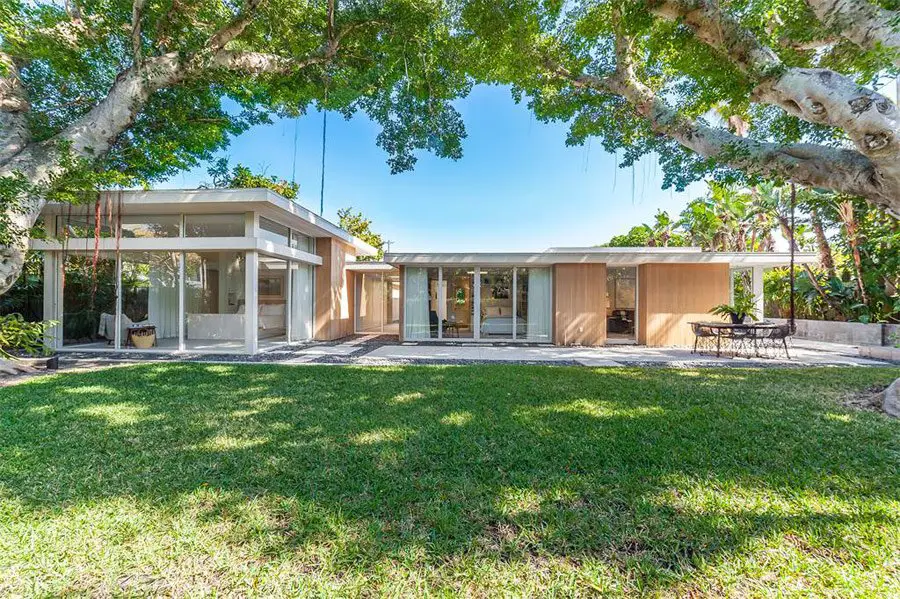
Florida demands a different kind of building. Heavy walls trap heat. Closed rooms feel stagnant. Sarasota architects responded with structures that breathe.

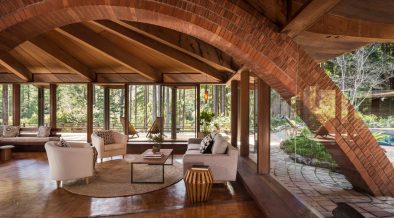
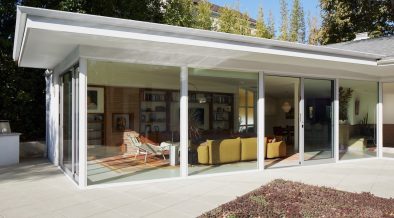
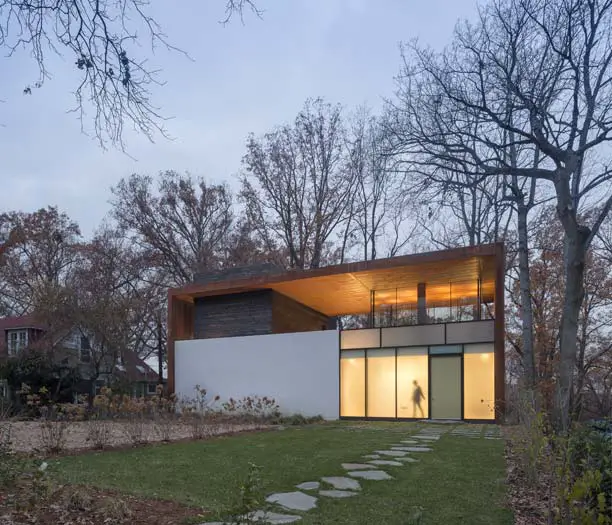
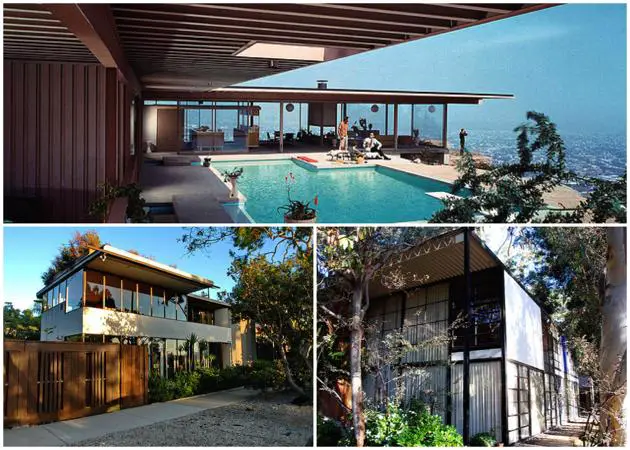
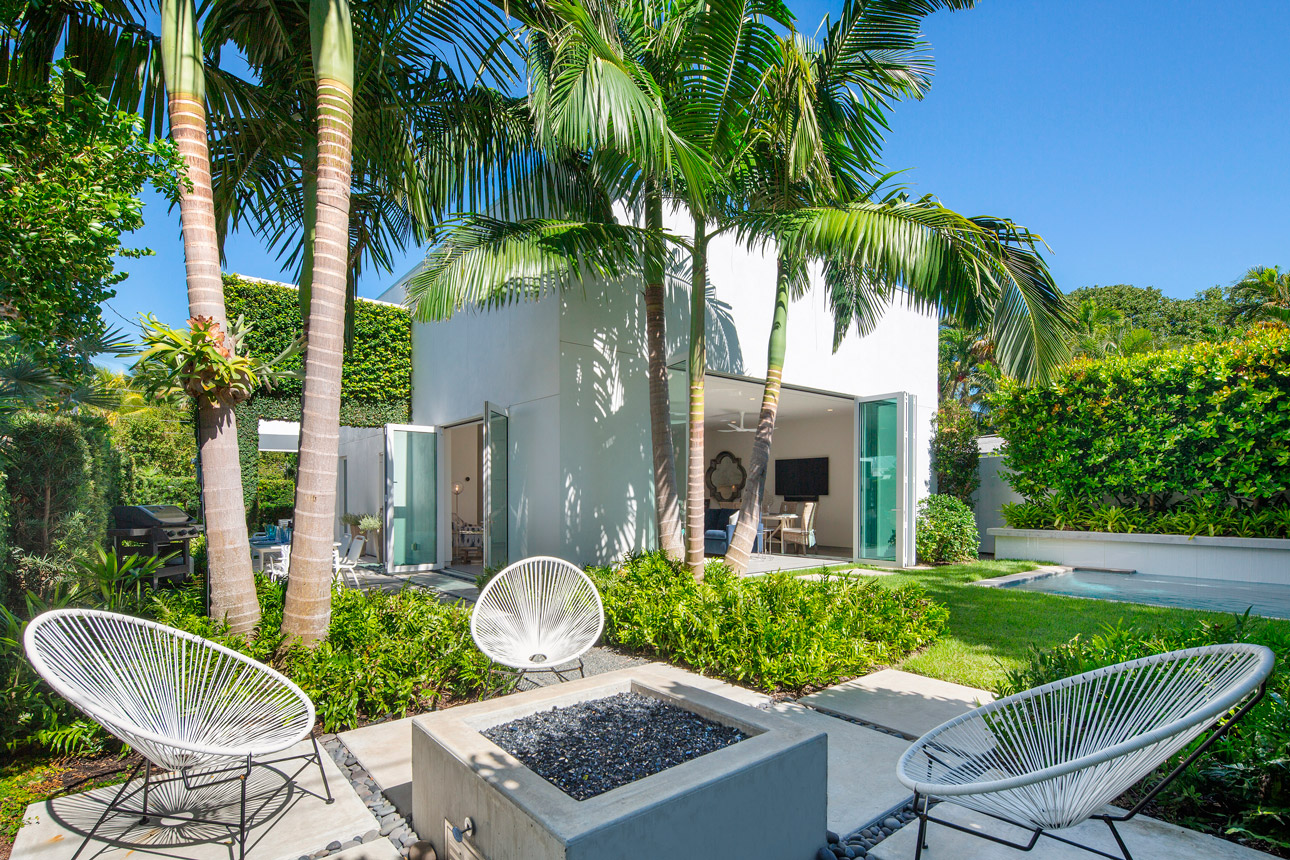
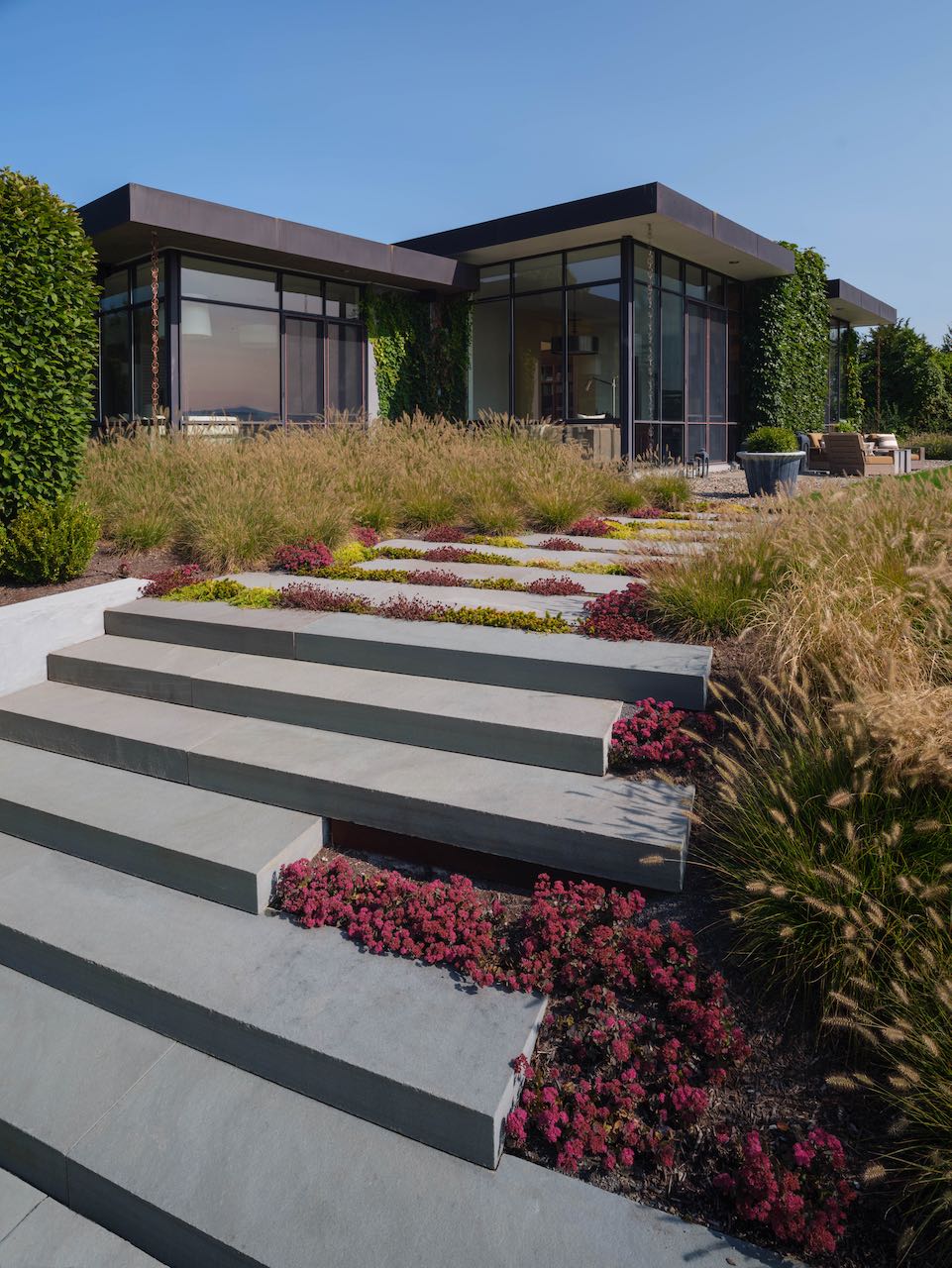
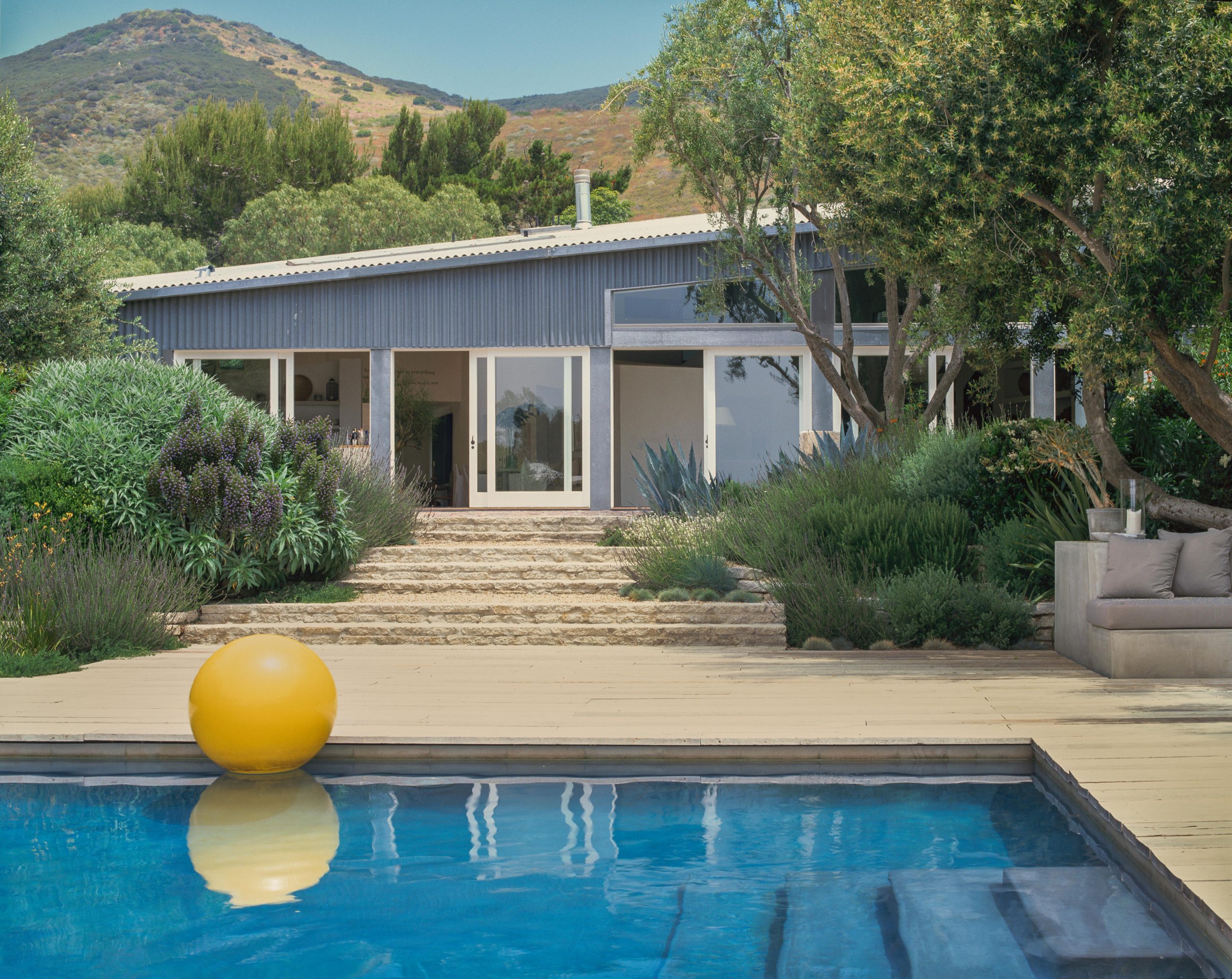
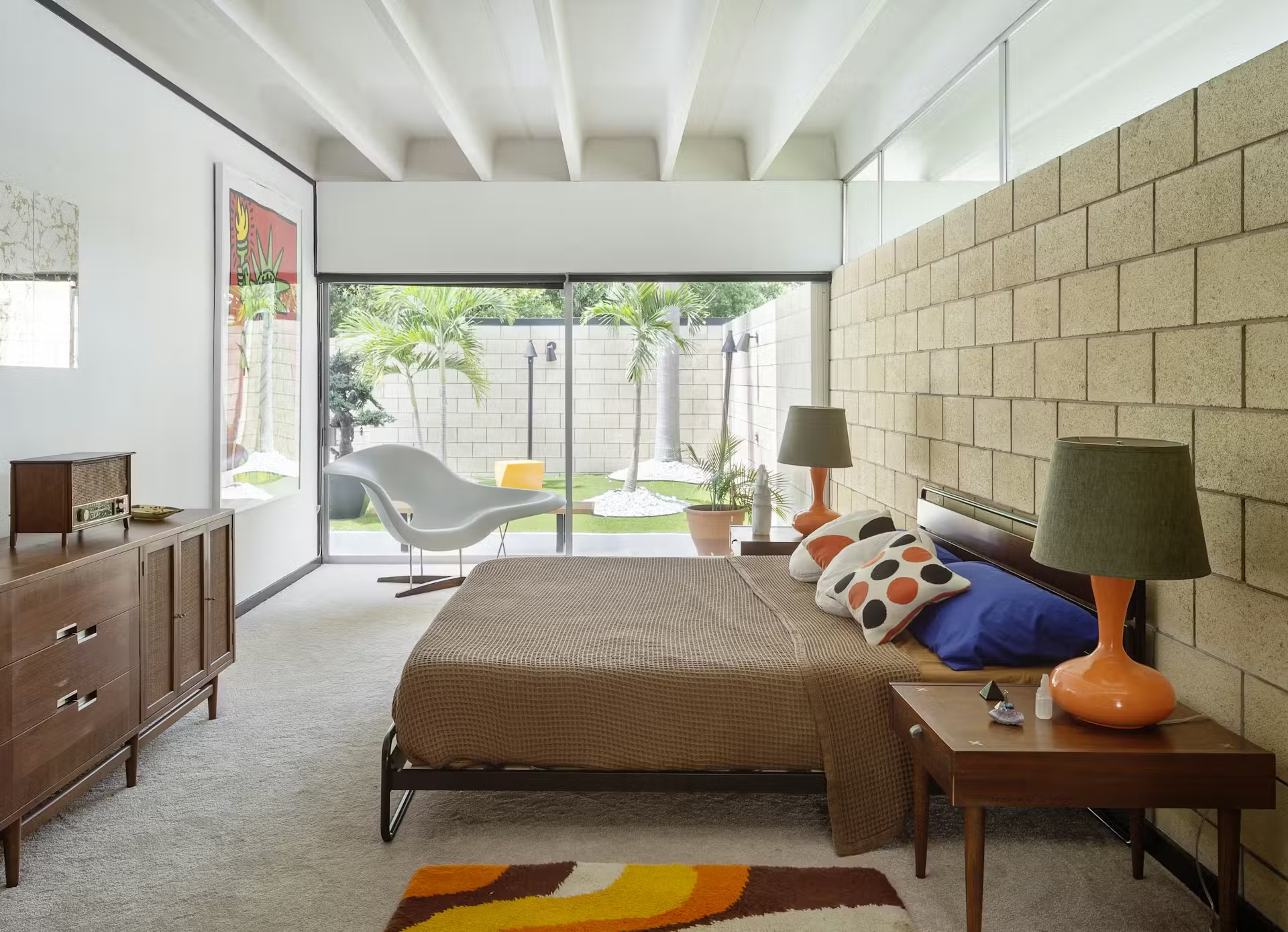
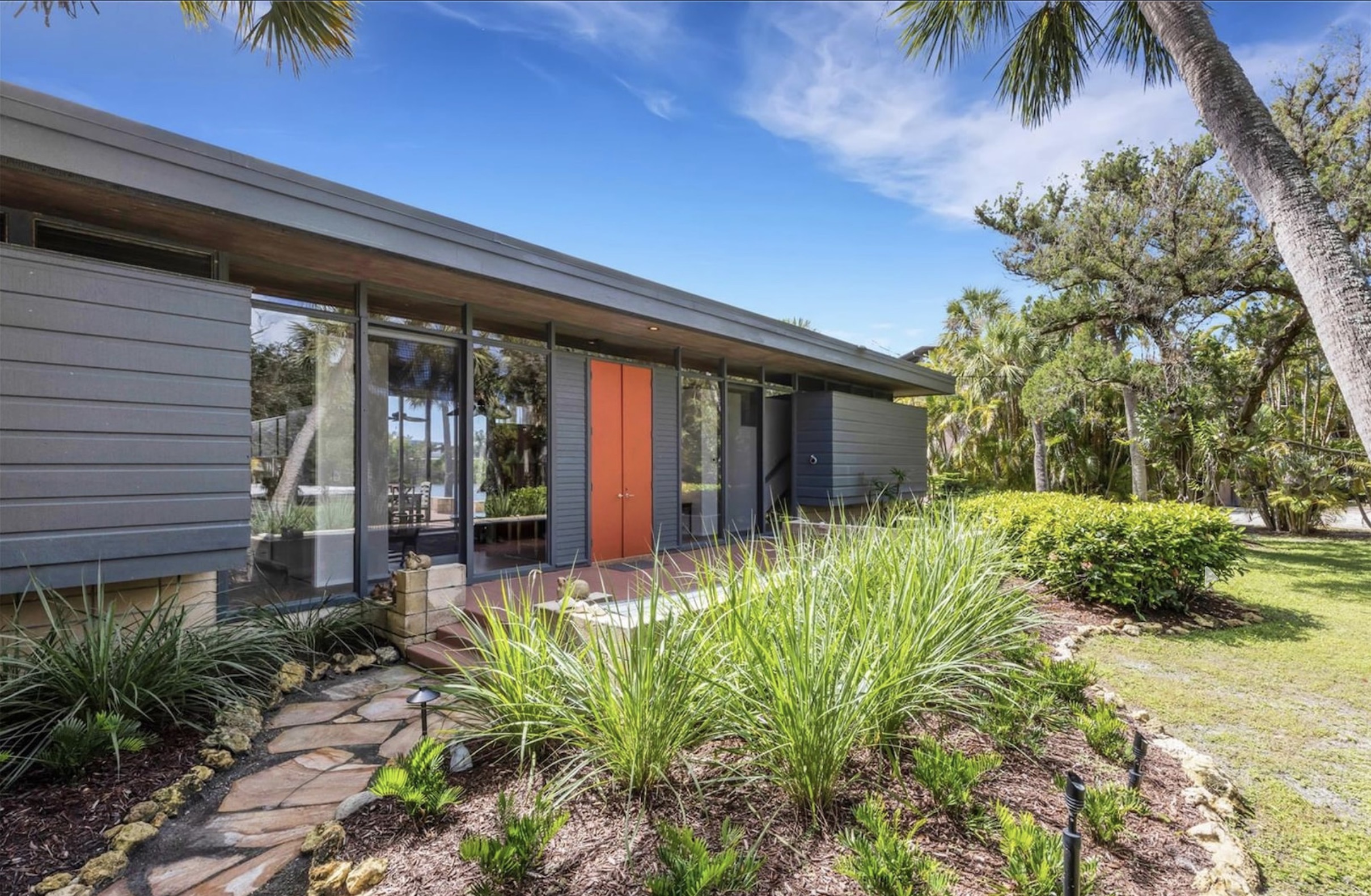
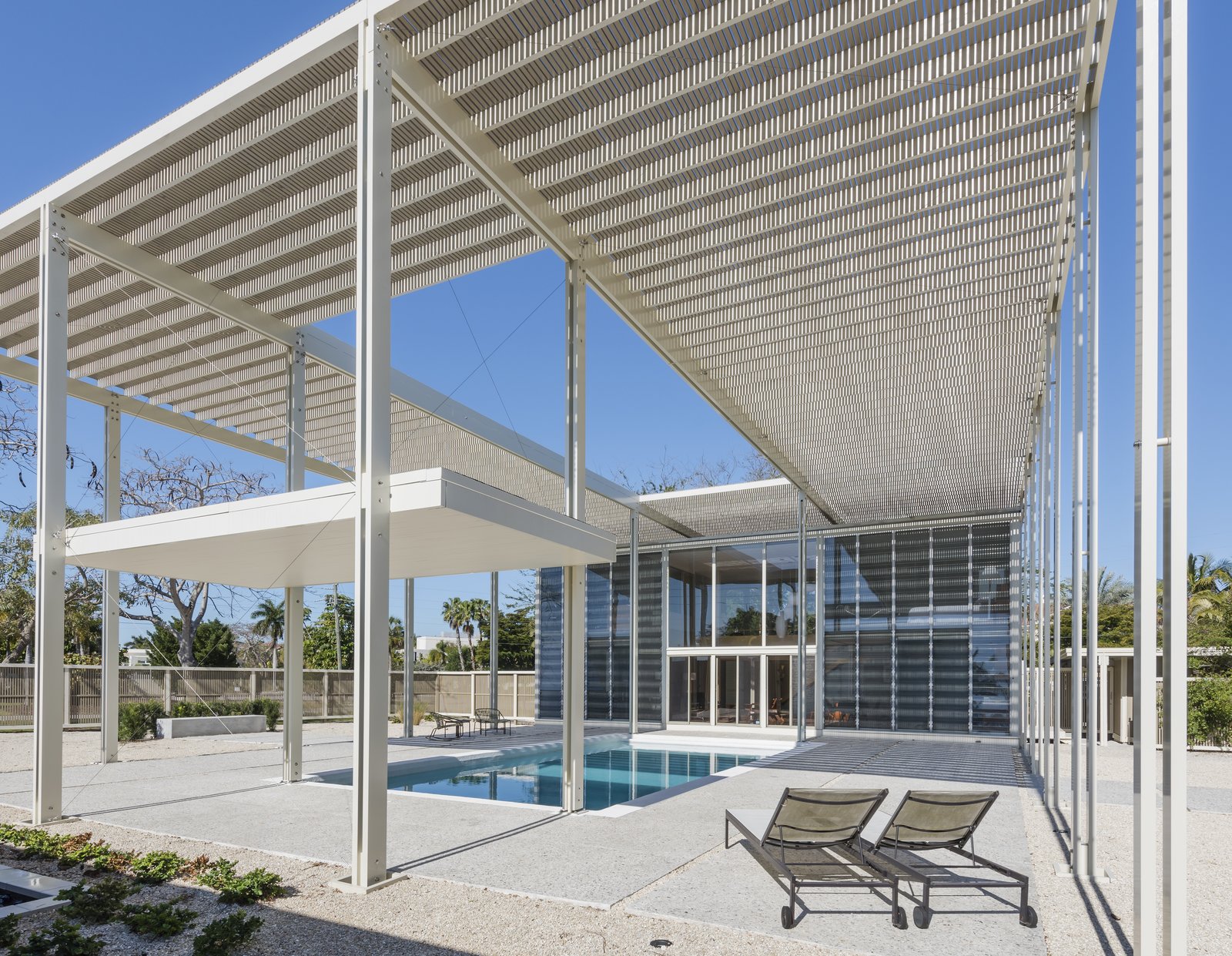
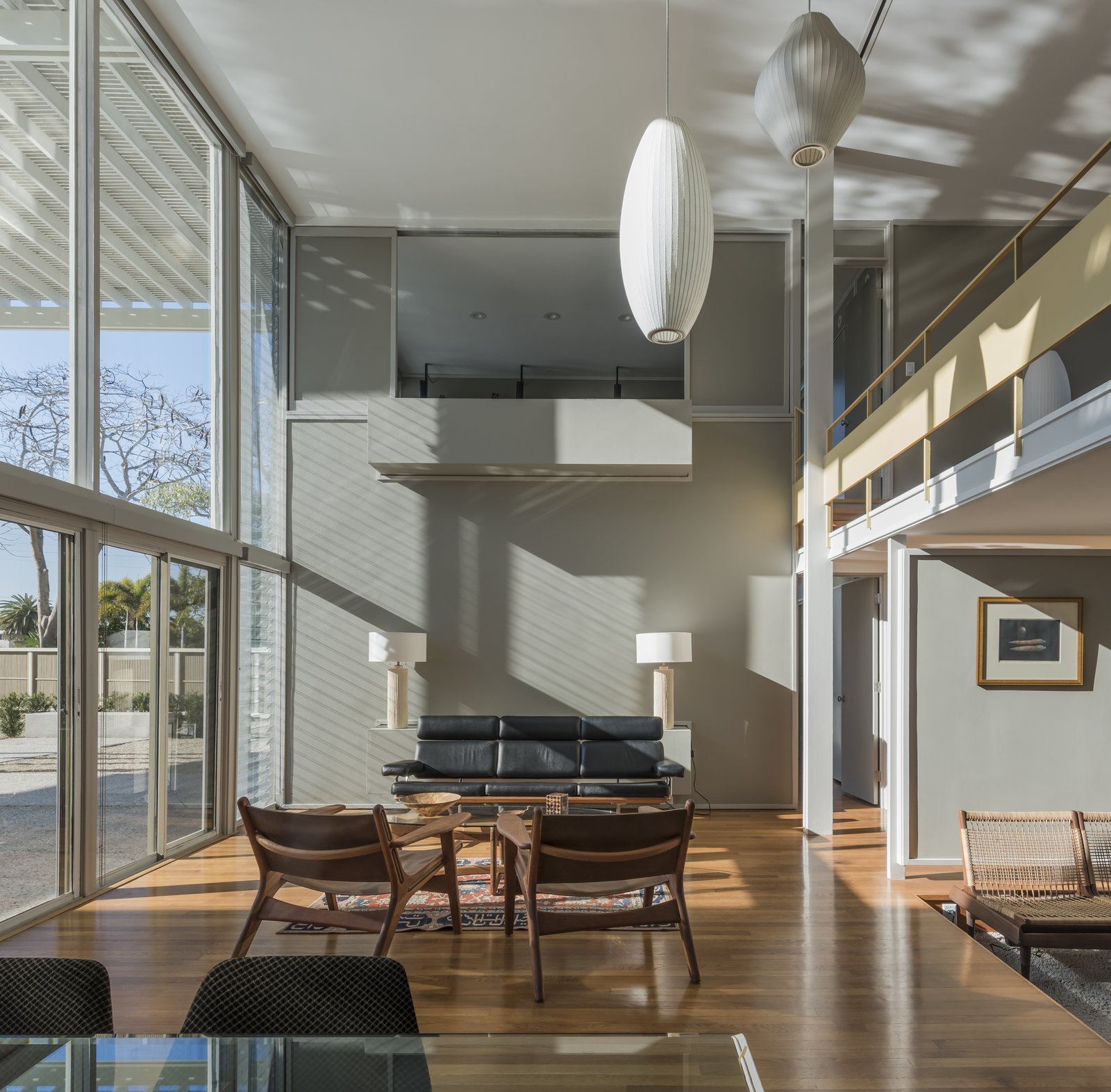
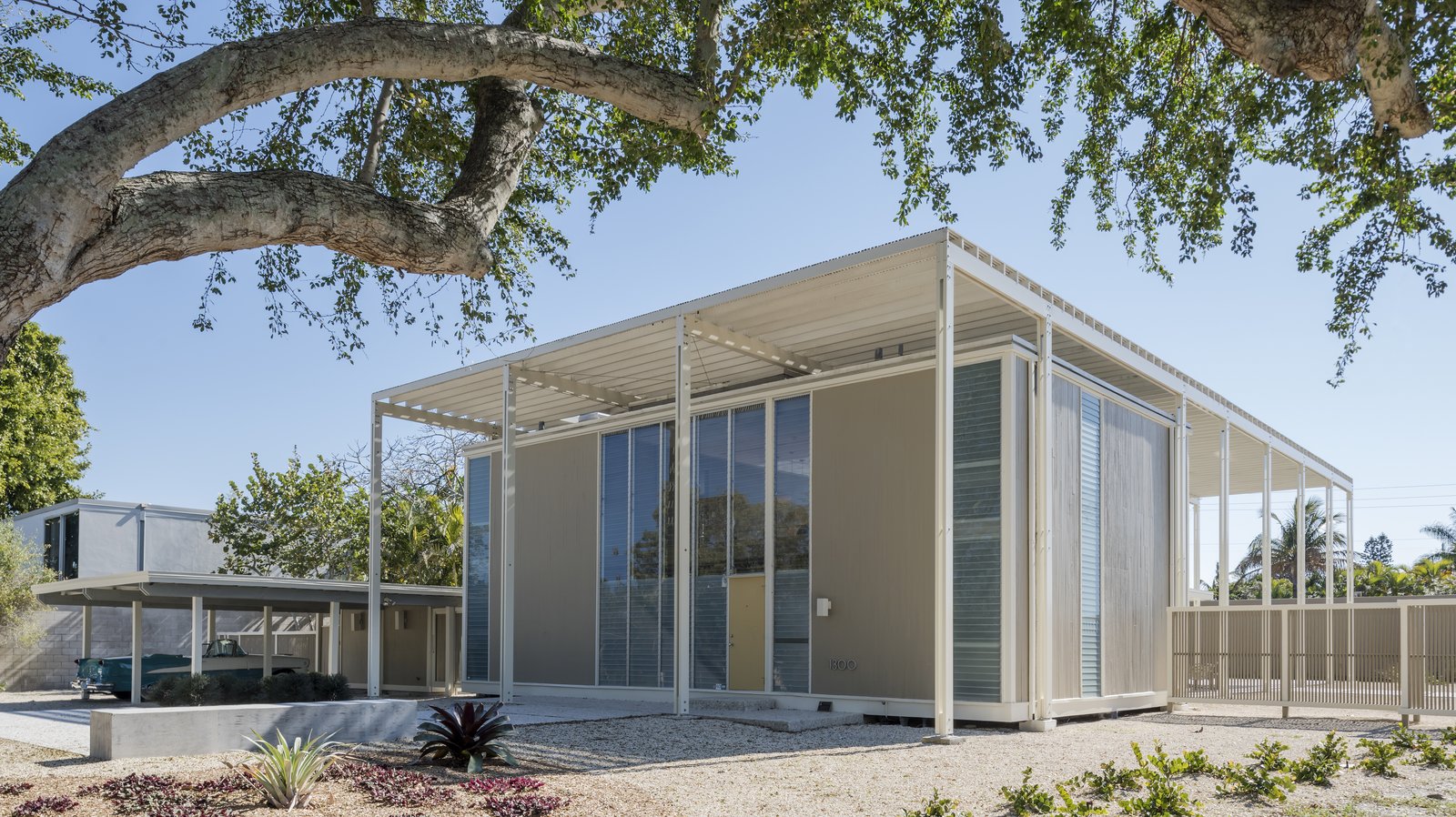
Roofs stretched outward for shade. Walls became screens. Glass opened rooms to terraces and courtyards. Buildings often seemed to float, lifted lightly above the ground. This was modernism as comfort.
The Sarasota School wasn’t a formal movement. It was a loose, energetic circle of designers working in the same place, at the same moment. Ralph Twitchell is often seen as the local foundation, grounded in Florida but ready to experiment. Paul Rudolph became the best-known figure, producing some of the most influential early work of his career here.
Alongside them were architects like Jack West, Victor Lundy, Gene Leedy, Mark Hampton, and Tim Seibert. Together, they built a shared language: modern, clear, and deeply responsive to place.
Sarasota’s modernism wasn’t limited to private houses. Schools, churches, and civic buildings became laboratories for new ideas.
These projects tested shading, ventilation, modular construction, and outdoor circulation. Architecture here was not only aesthetic, but civic, supported by clients and institutions willing to embrace change.
The Sarasota School mattered because people believed in it. Postwar Sarasota gave architects room to experiment, and the city became a rare American center of climate-based modern design.
Today, its buildings are increasingly preserved and celebrated. And its lessons feel urgent again: build lightly, work with the sun, let air move, design for warmth rather than against it. Sarasota modernism is celebrated yearly during Sarasota MOD.