
This project began with a question: “What does it mean to build without disruption? To dwell in a place without dominating it?” Over a decade, this home has answered those questions with quiet confidence.
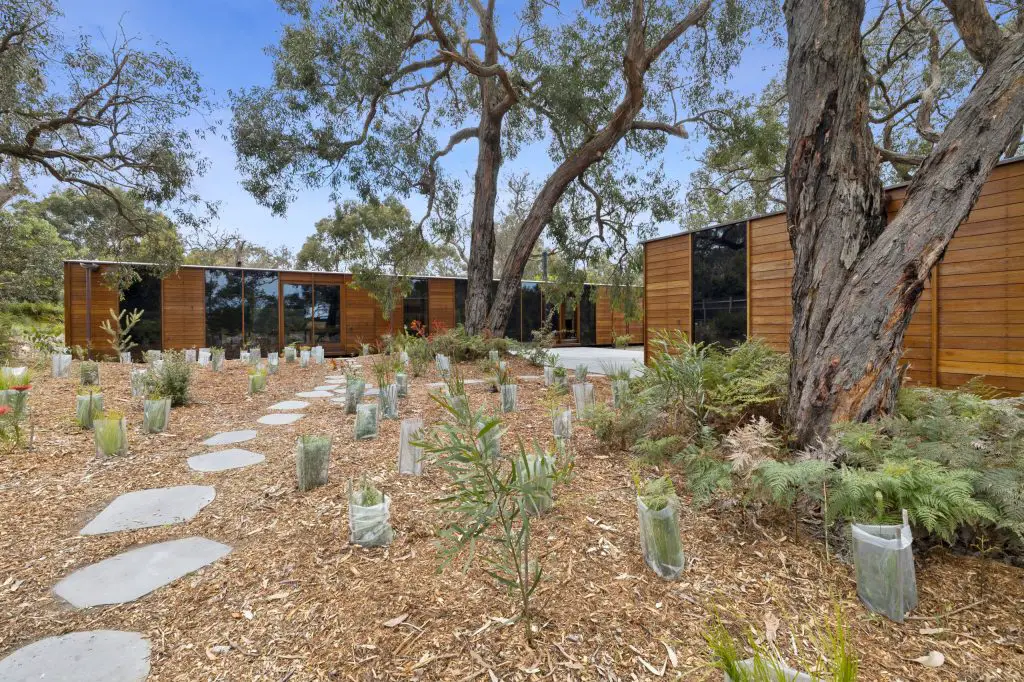
Designed by Peter Winkler Architects in over two years and built across two more, it was first occupied in 2016, but it remains, by intention, a work in slow progress. Architecture in this house yields to slope, canopy, and prevailing breeze. From the outset, the intent was to preserve what already thrived. Not a single tall Eucalypt was removed.
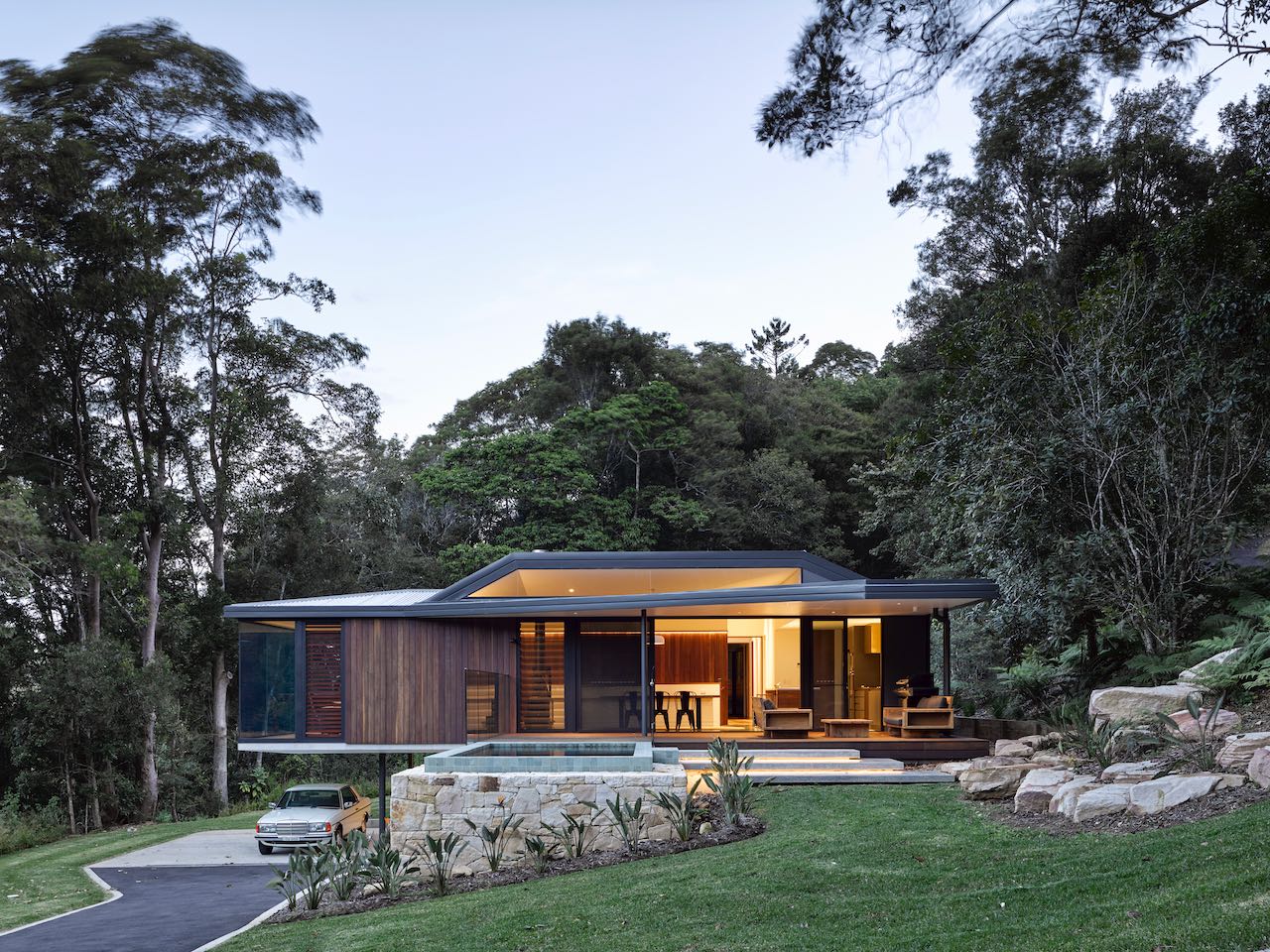
The structure rests lightly on the land, gently elevated to allow water to move as it always has, marking time through flood and drought. Trunks of blackened messmates still bear the memory of past fires, grounding the house in history.
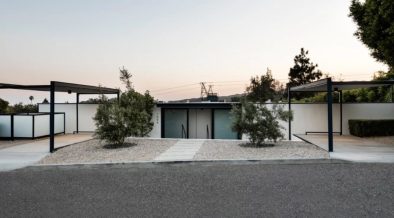
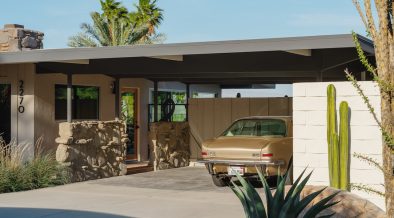
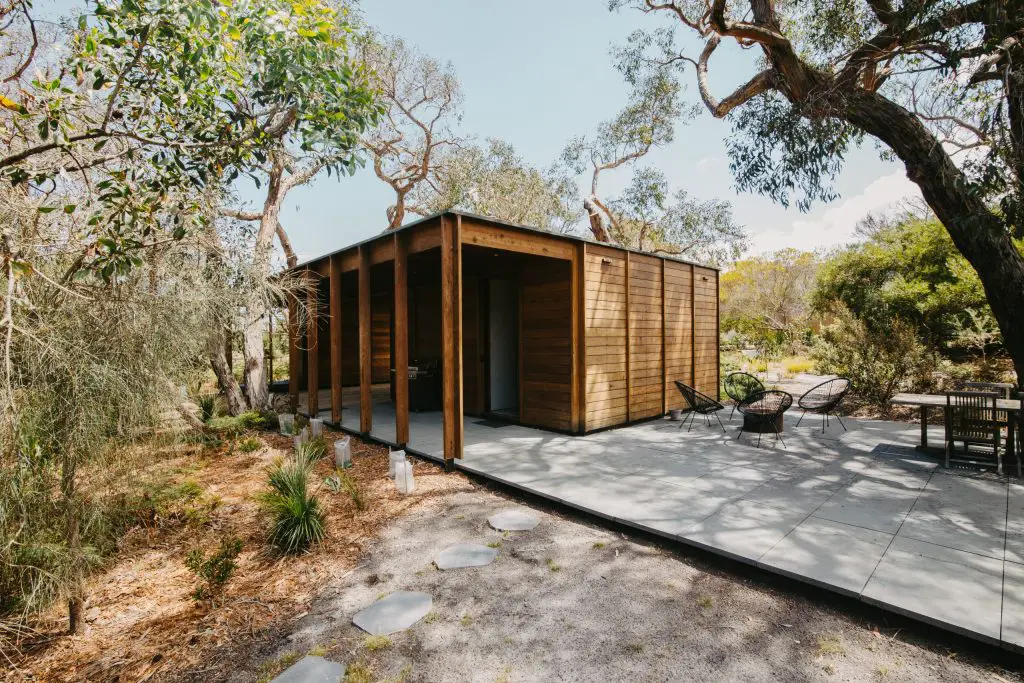
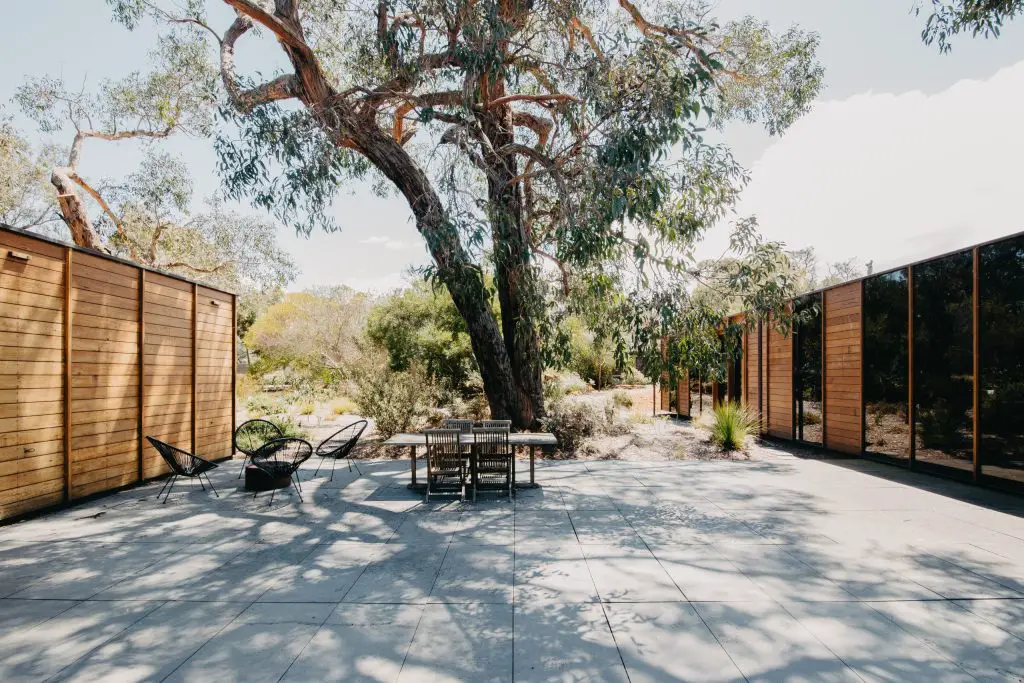
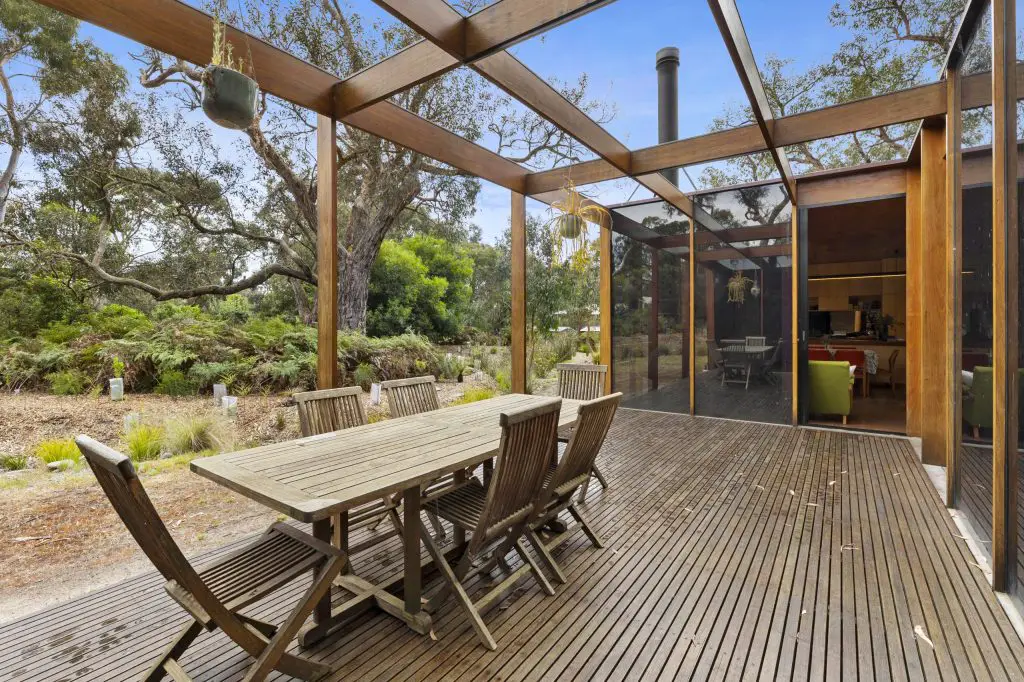
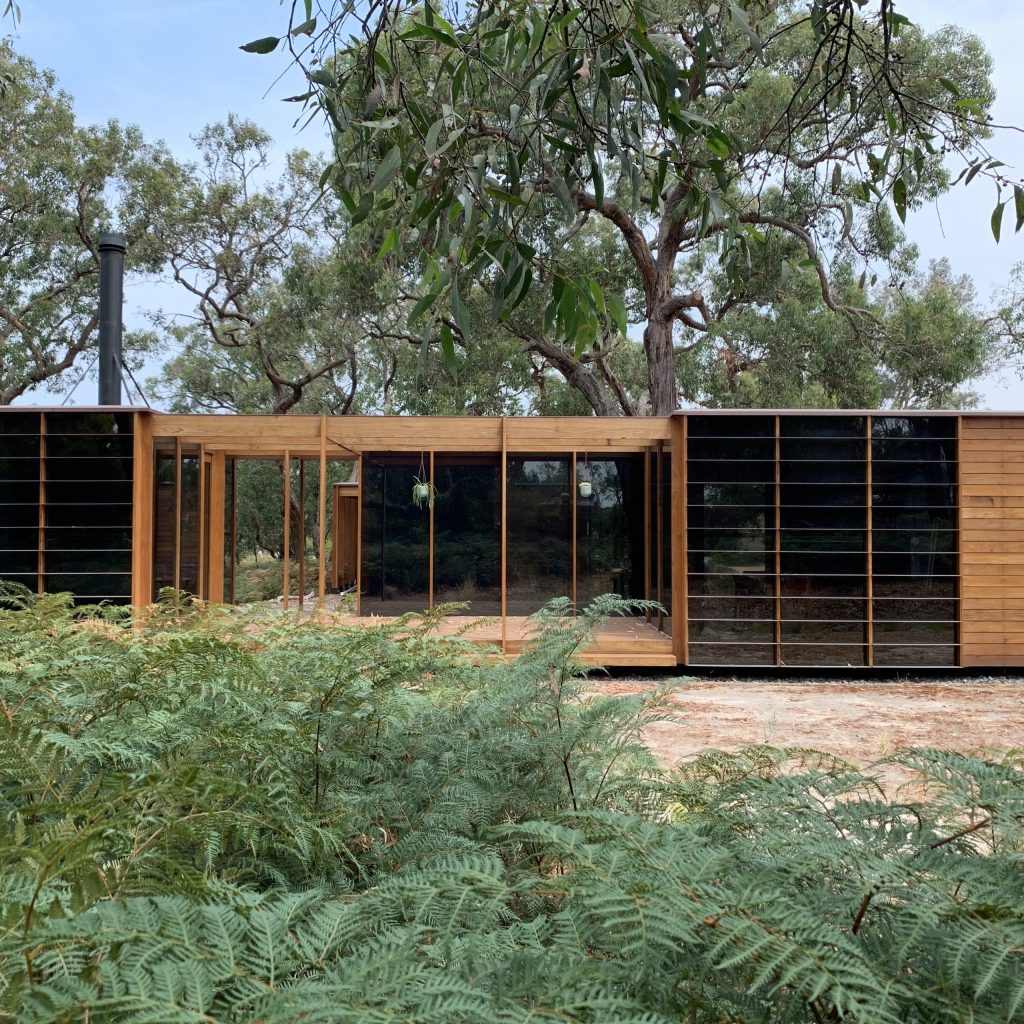
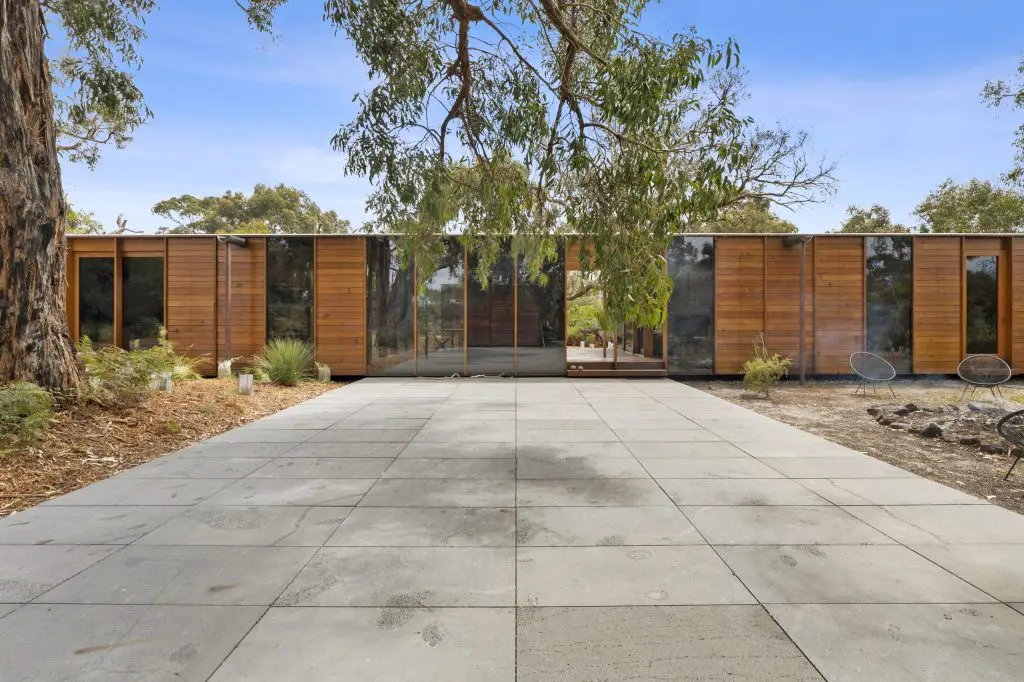
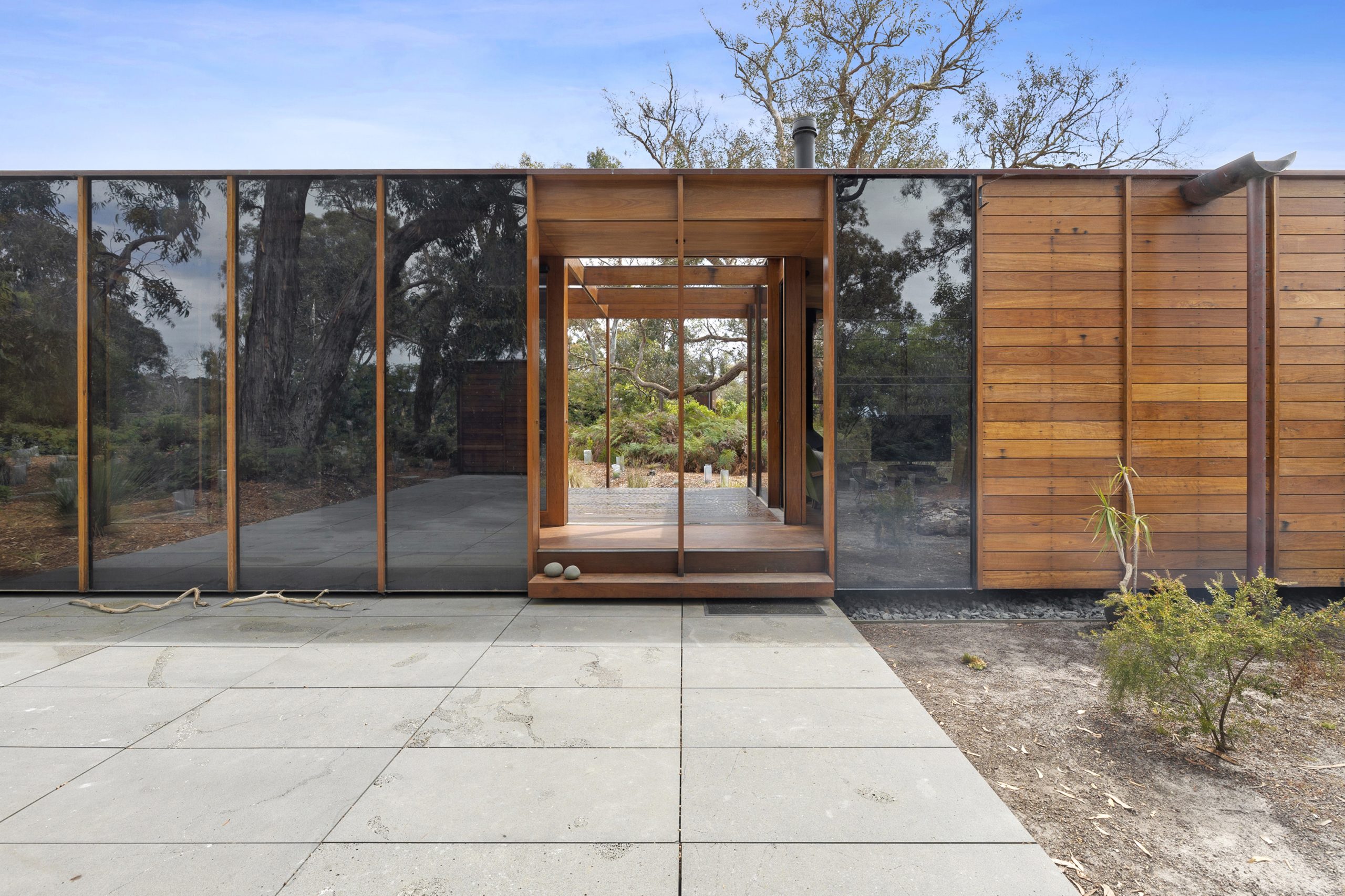
Conceived as two discrete pavilions, the design balances function with spatial restraint. The first volume houses cars and a bungalow and serves as a windbreak. The second, a timber-clad form for living and sleeping, is reached by a colonnade open to the garden. Between the two lies a central forecourt, a shaded terrace under the canopy, a place for gathering, positioned to catch south-easterly breezes while sheltering from the harsher south-westerlies. This interplay between volumes, garden, and sky is as much about climate as it is about experience.

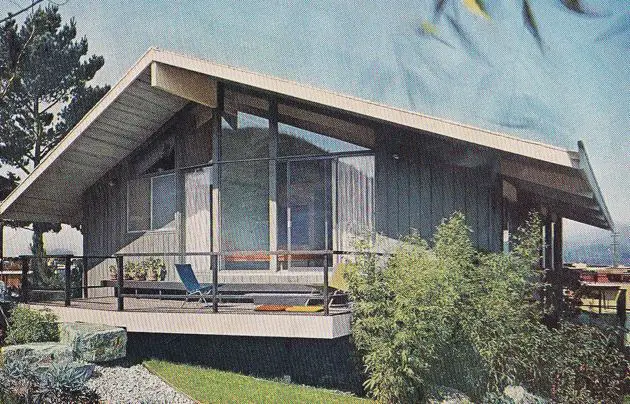
The home reads as an extruded timber box, rhythmically composed and softened by time. Its long, narrow plan stretches along an east-west axis, carefully oriented for solar performance. In winter, sunlight penetrates deep into the floor plate; in summer, gravity-led copper louvres drop to shield interiors from heat.
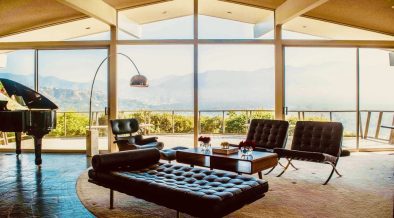
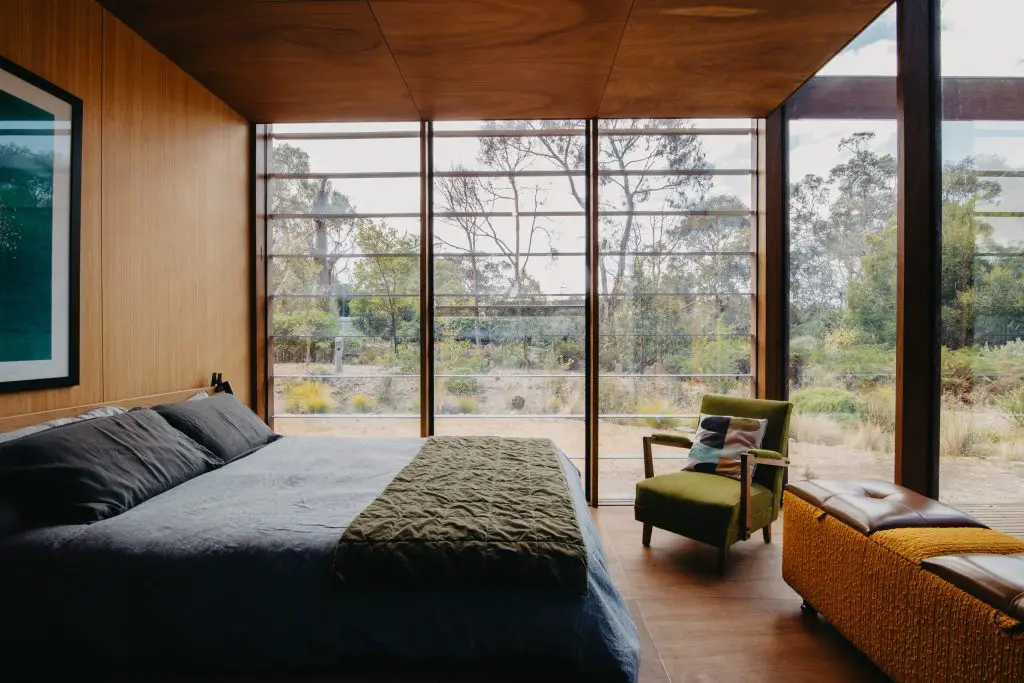
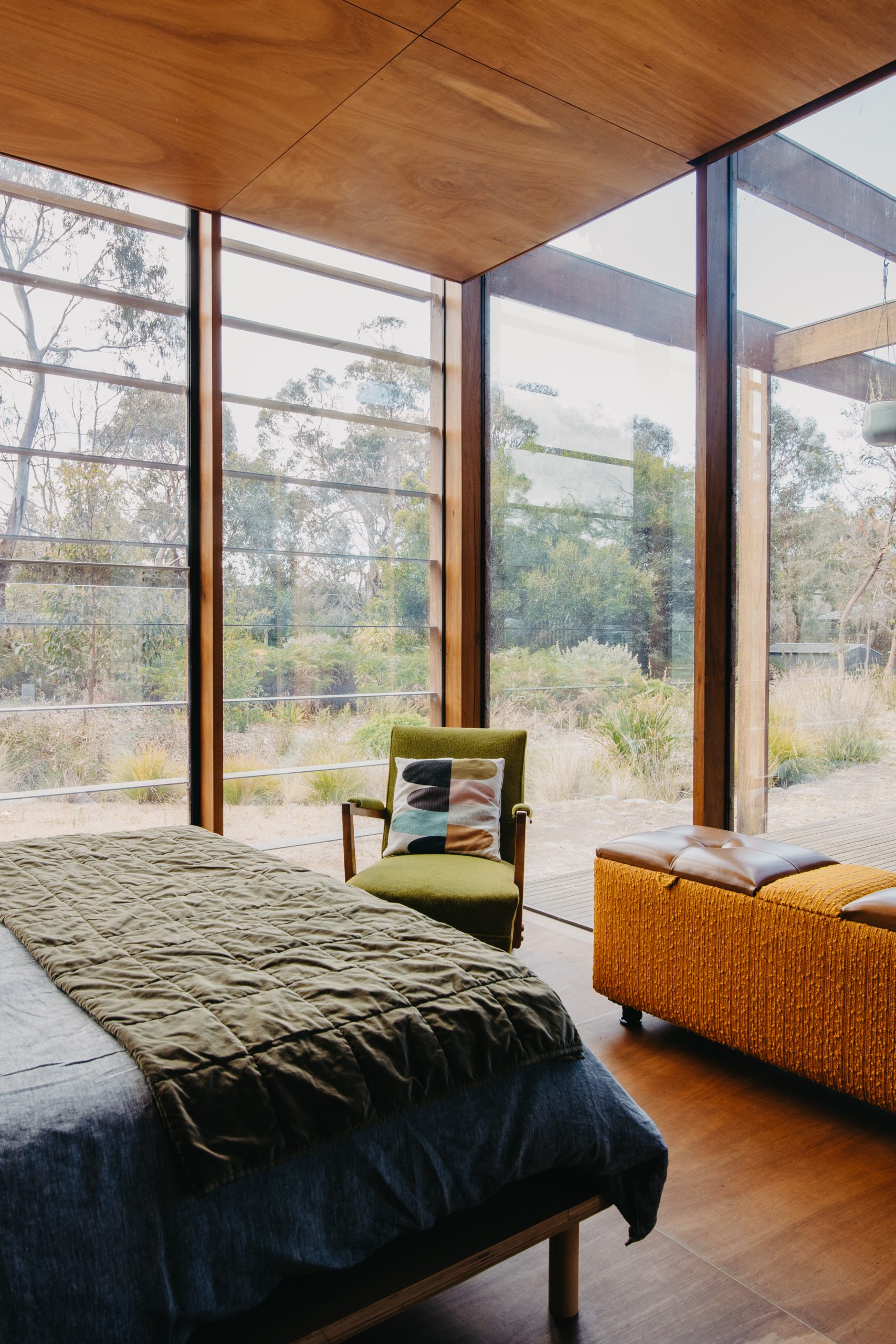
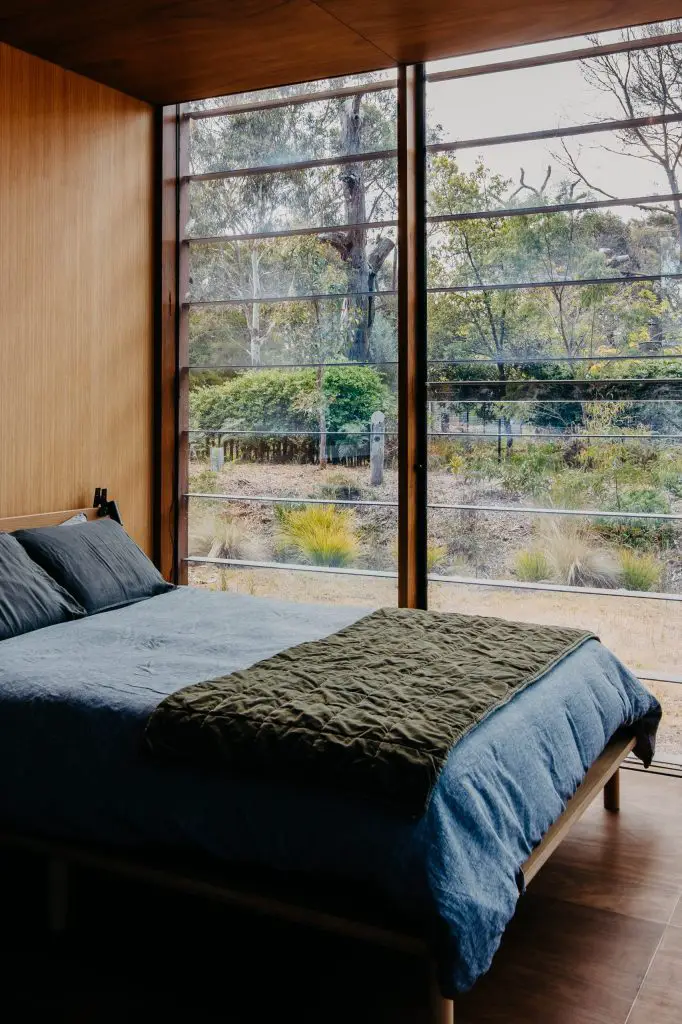
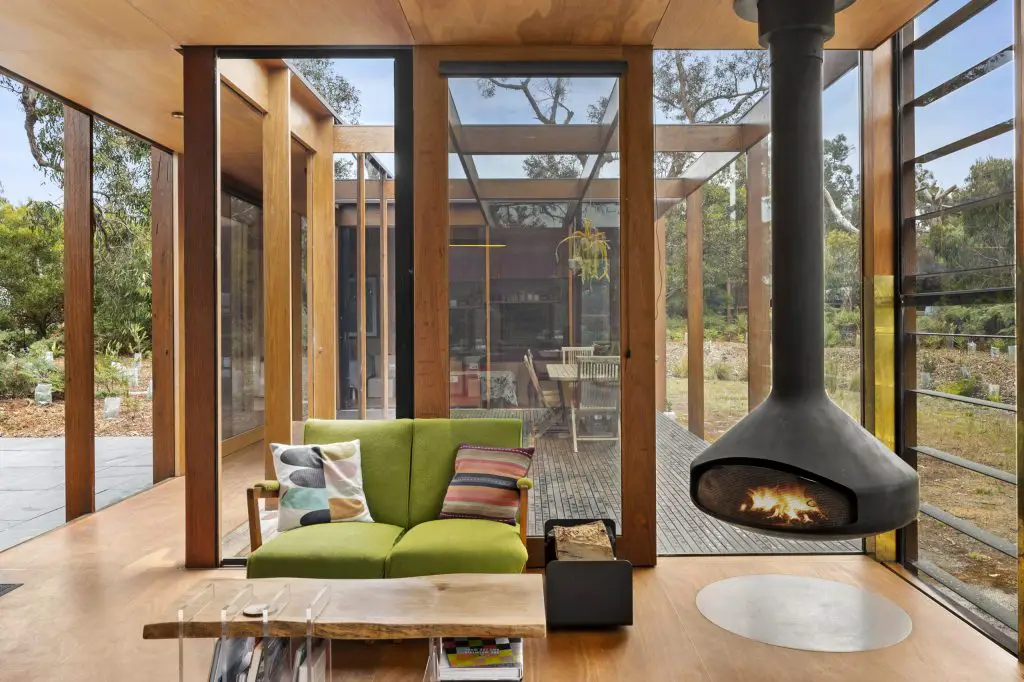
Full-height mirror-glazed windows reflect the bush and blur the boundary between inside and out. Across the façade and throughout the plan, ventilation is intuitive, delivered via sashless, vertically sliding windows that invite airflow without obstruction. Even an outdoor shower, discreetly placed near the carport, connects daily ritual to the elements.
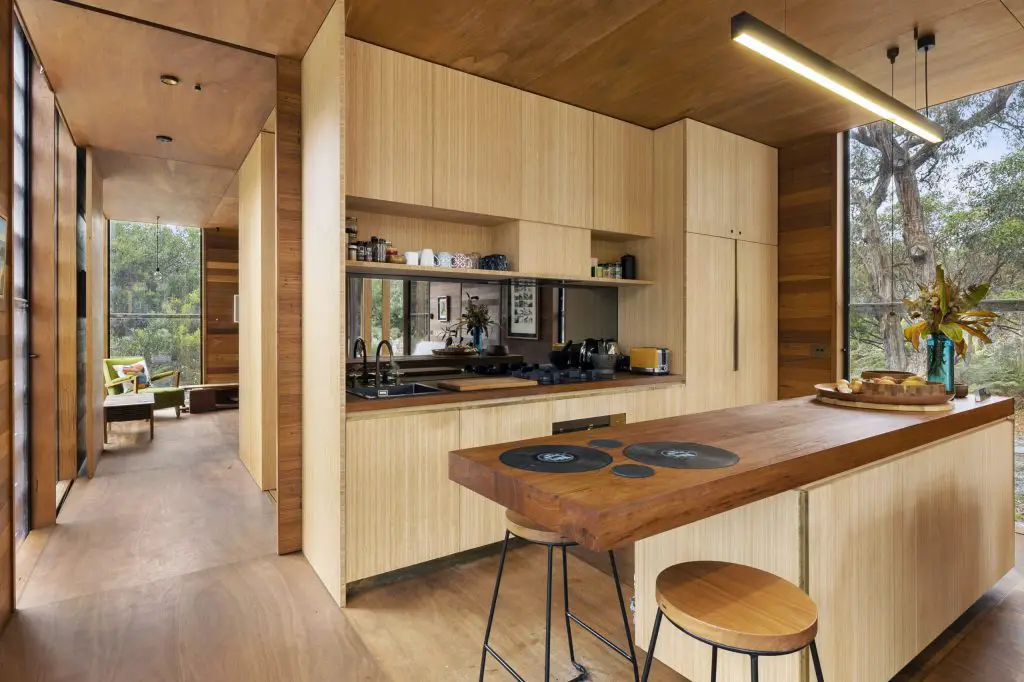
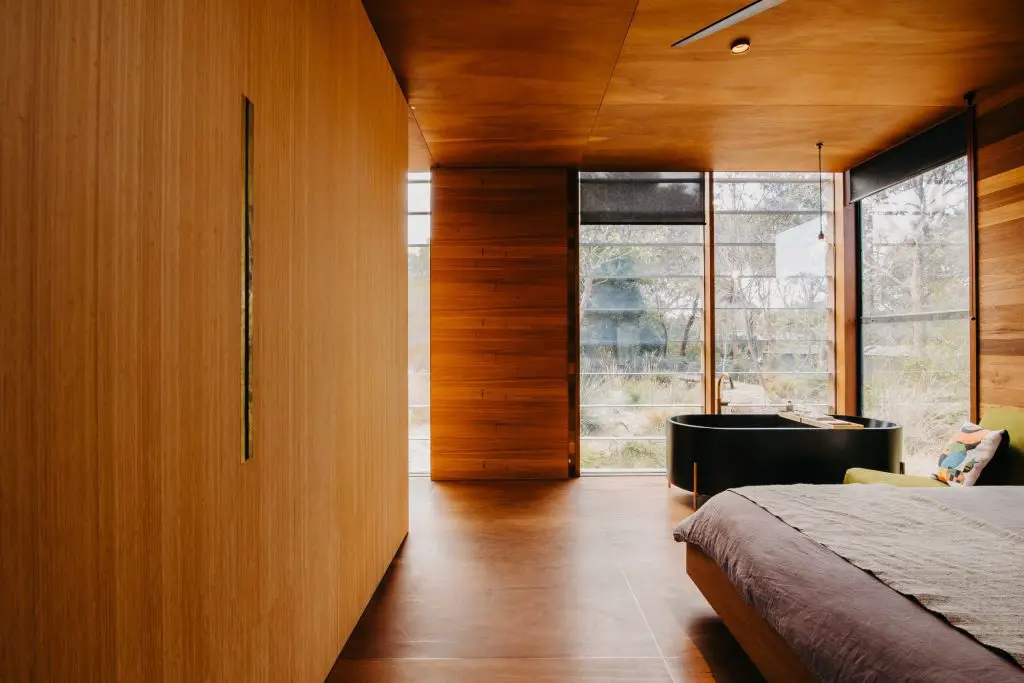
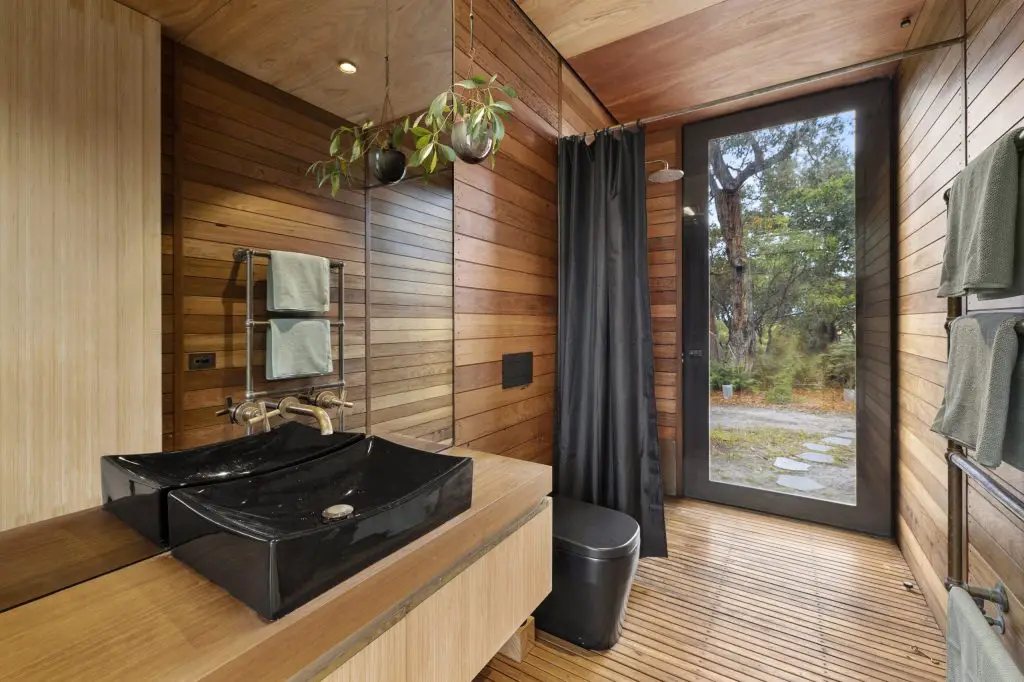
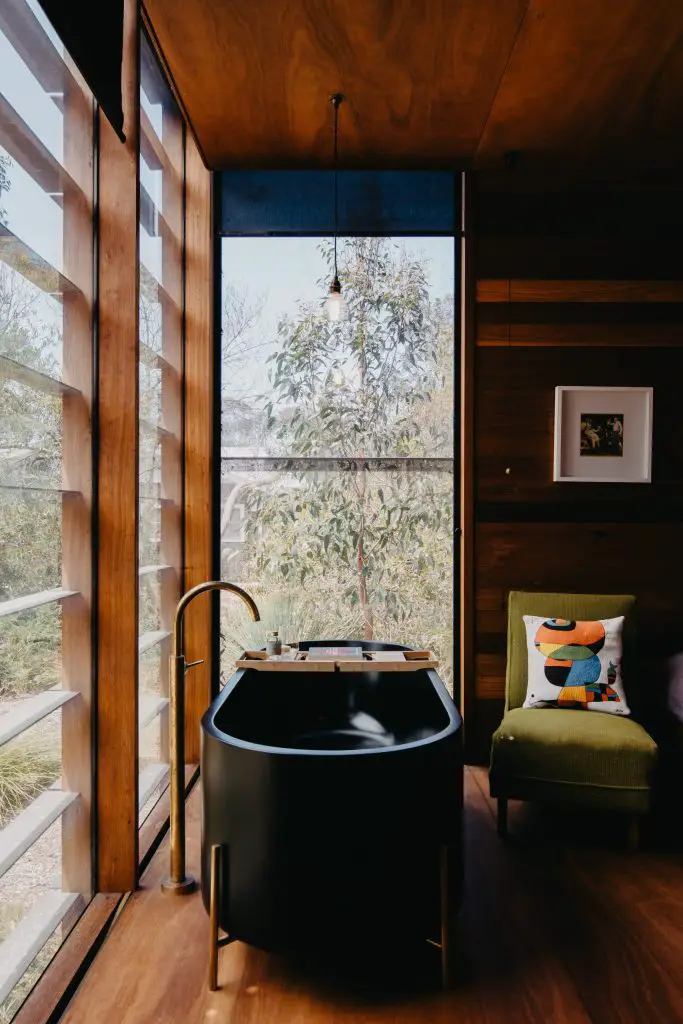
Materials were chosen for their honesty, durability, and warmth. The exterior is clad in 150mm recycled Blackbutt shiplap, expressed in bays by the vertical timber structure. Inside, 100mm Blackbutt lining boards wrap walls in a glow that shifts with the light. Floors and ceilings are crafted from Blackbutt plywood with brass inlays, forming a continuous surface free from plaster or tile.
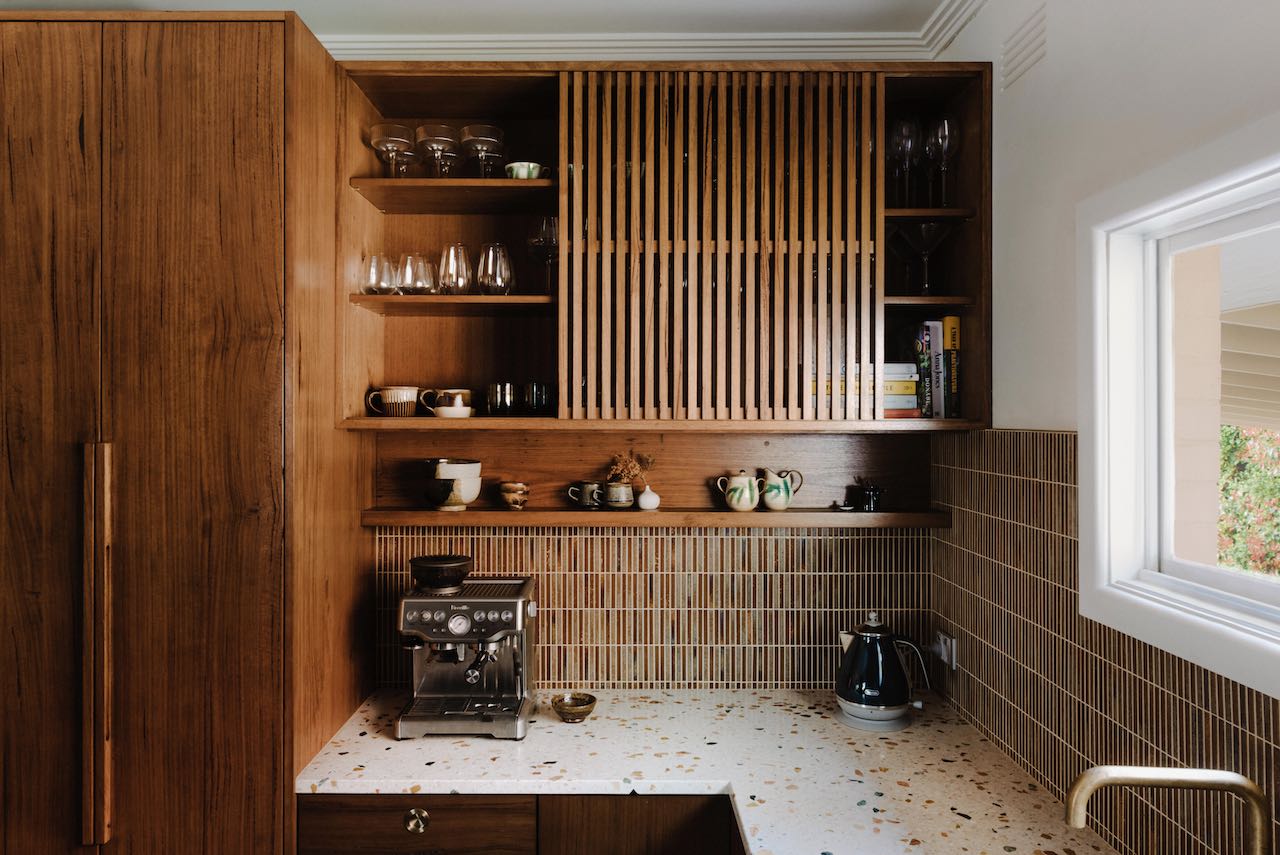
Trades were minimal by design. Kitchens and vanities feature benchtops of the same timber, sealed with natural oils. Bamboo cabinetry, burnished brass fittings, and black-anodized aluminium complete a palette tuned to the landscape, earthy, tactile, and deliberately free of white or chrome.
Beyond the architecture, the site continues to shape experience. A swale runs through the rear garden, forming an ephemeral stream in winter that feeds a pond come spring, drawing birds, frogs, and other wildlife. Existing native vegetation was preserved and extended with new plantings: Banksia, Correa, Grevillea, Sheoak, and Wattle.