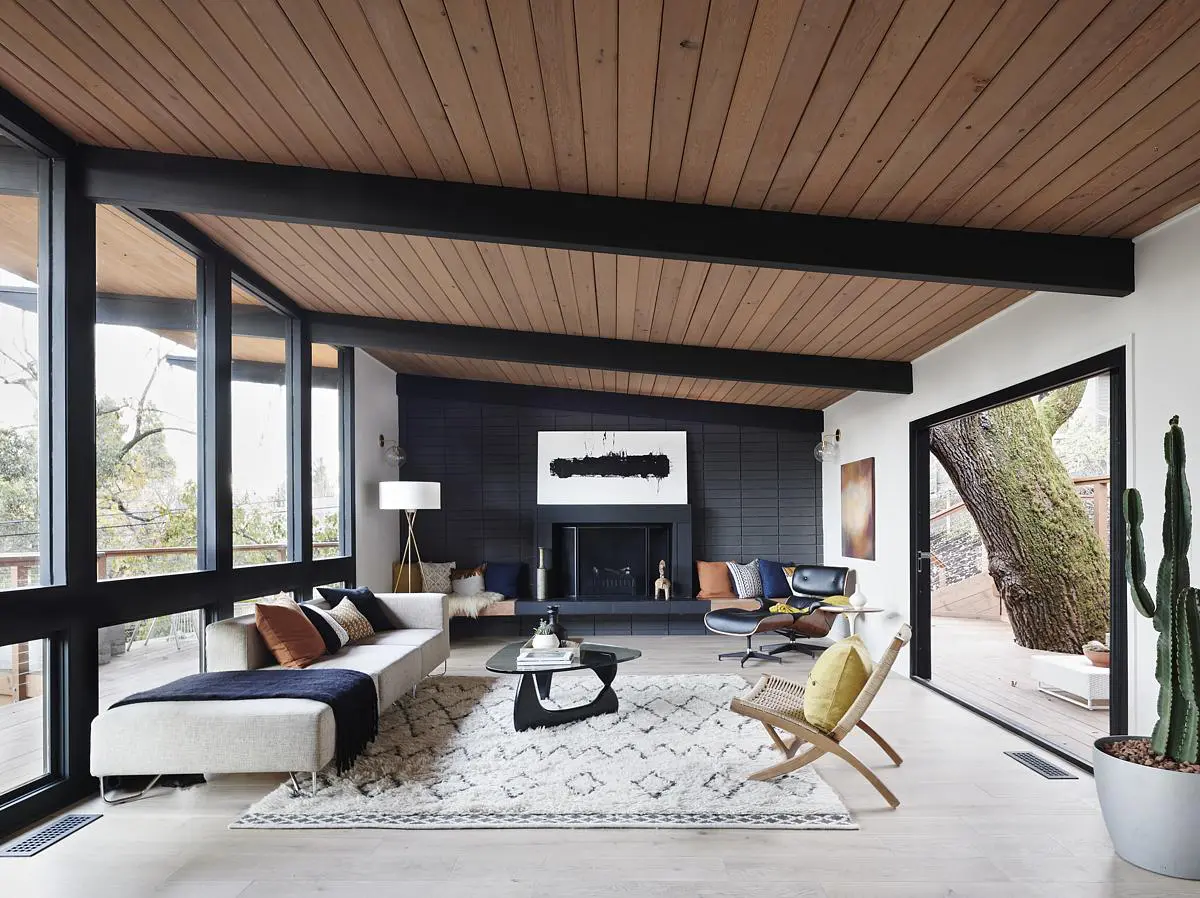
When Min and Yuong moved to Quebec in 2008, they began family life in a small condo in Montreal. A decade later, with two children and a growing need for space, the apartment no longer reflected how they wanted to live. They began looking for a home that could offer openness, connection to the outdoors, and room for family life to unfold more naturally.
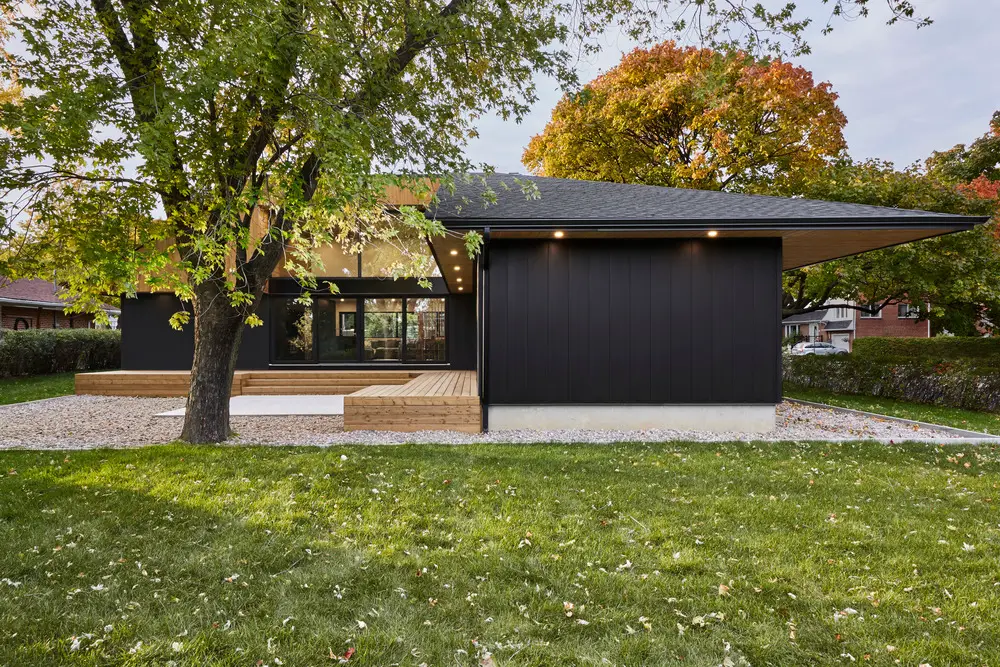
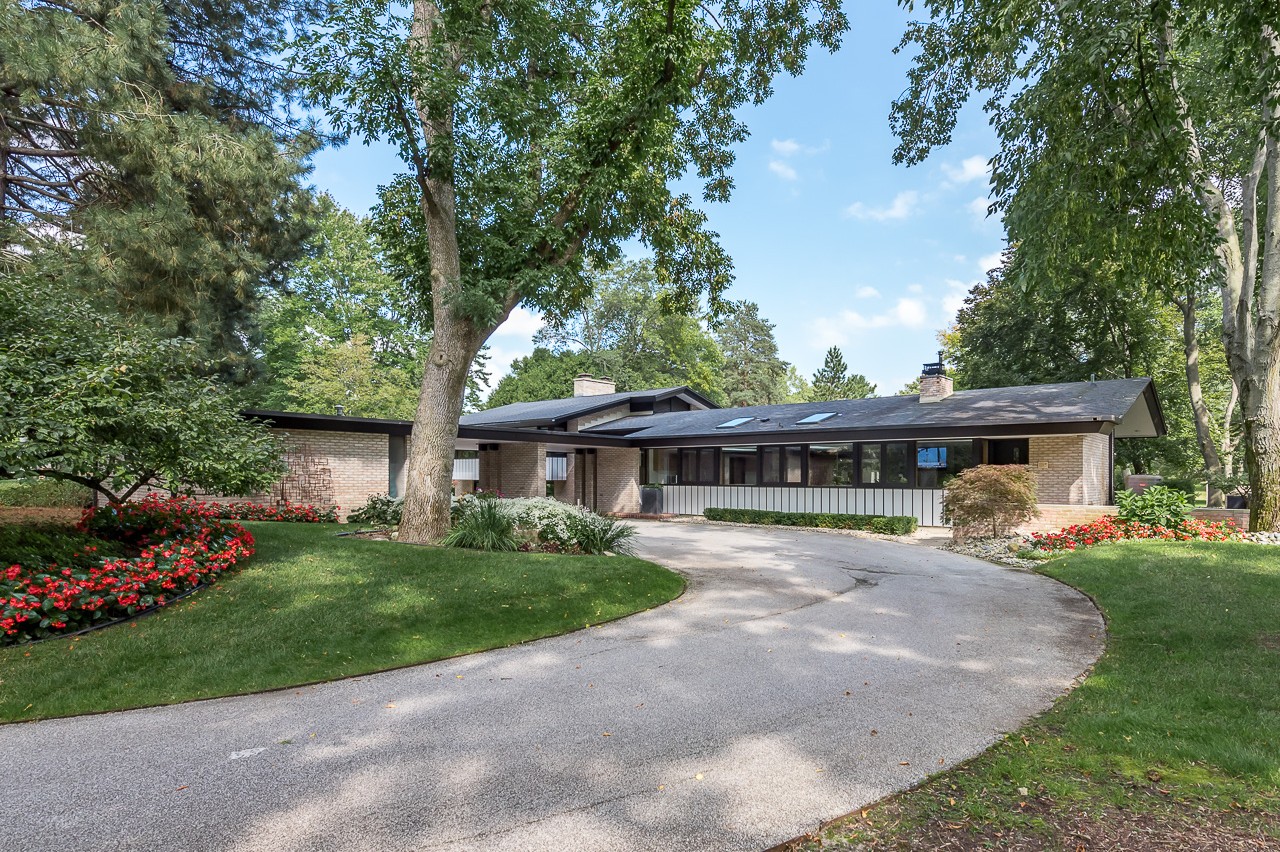
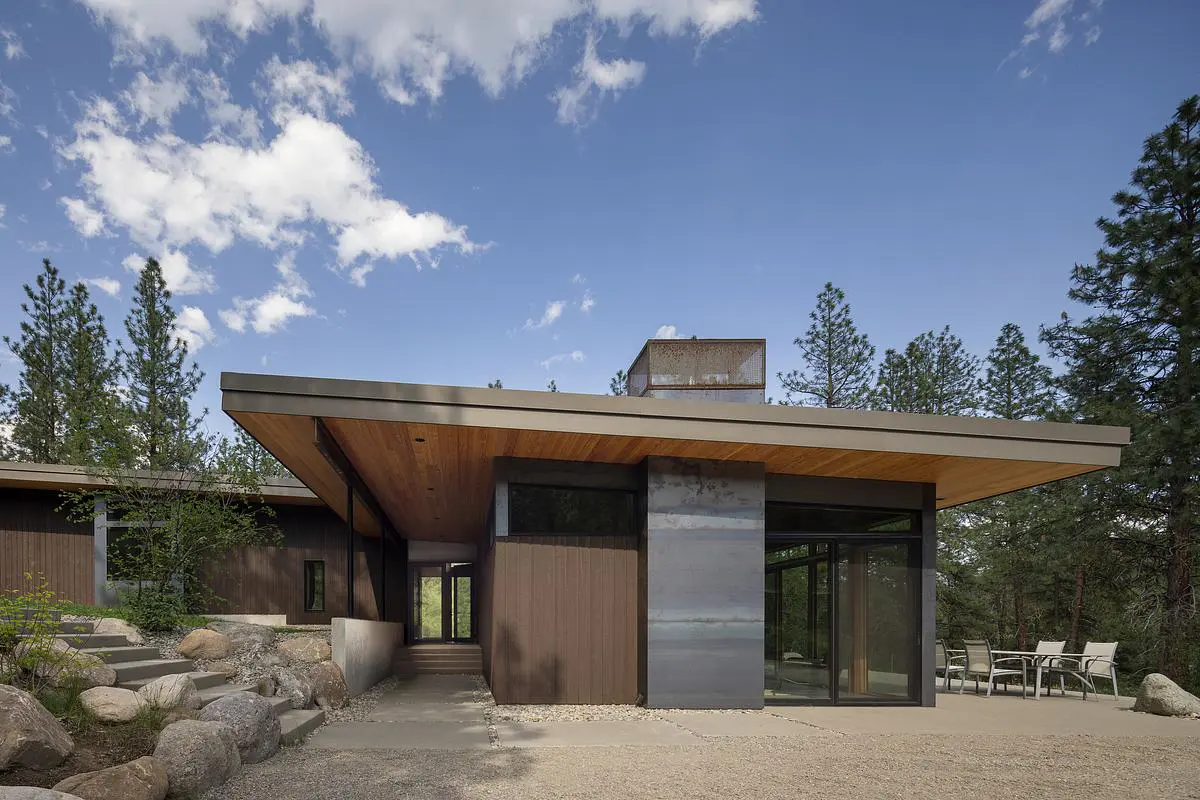
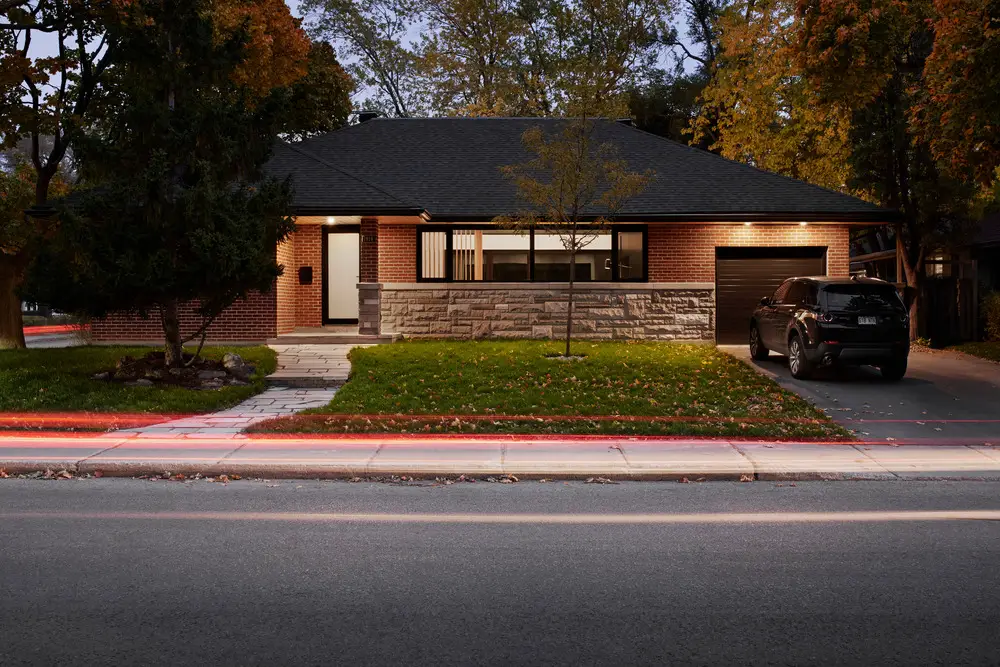
They found it in a 1960s bungalow in Montréal’s Saint-Laurent borough. Set on a large corner lot surrounded by mature trees, the house carried many of the qualities associated with postwar modernist design, including clean horizontal lines and a strong relationship to the landscape. Although the interiors required substantial work, the structure offered the right foundation for a new chapter.
The family approached the renovation carefully. While they wanted to modernize the house and expand it to include a new primary suite, they were conscious of maintaining a consistent architectural language. After meeting with several studios, they chose to work with Maxime Moreau of MXMA Architecture & Design, whose approach aligned with their desire for a home that would feel calm, open, and closely connected to nature.
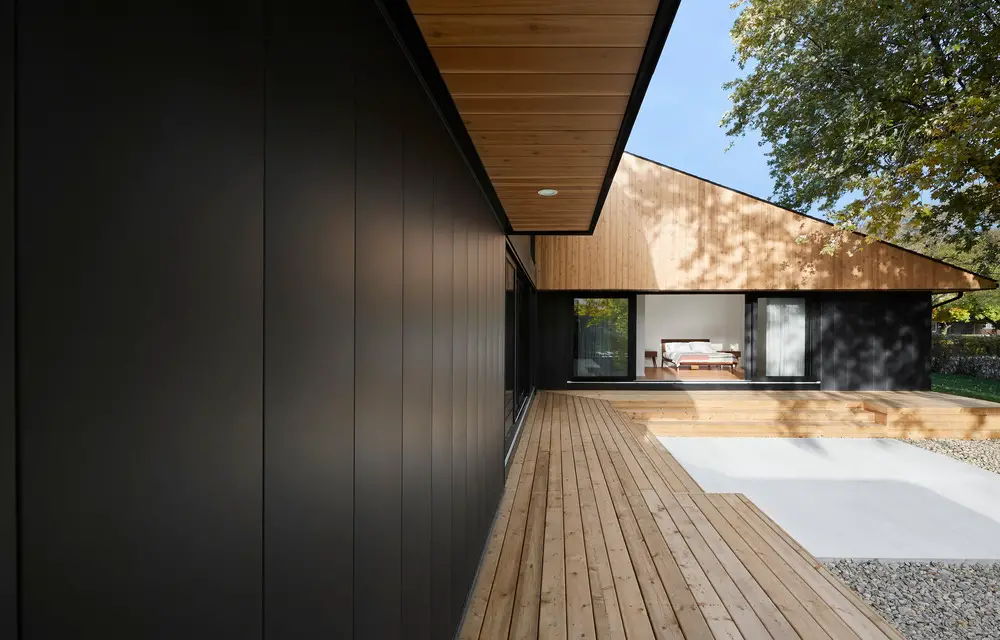
The concept behind the renovation was simple. Moreau imagined the house as a single continuous volume, where the original bungalow and the new addition could exist as one unified form. Rather than treating the extension as a separate gesture, the project works through continuity, allowing the architecture to feel cohesive despite the changes in scale and program.In order to achieve these goals, the form of the house had to be updated as well. Nonetheless, the owners were cautious that these new changes will not create a mismatch of architectural language.
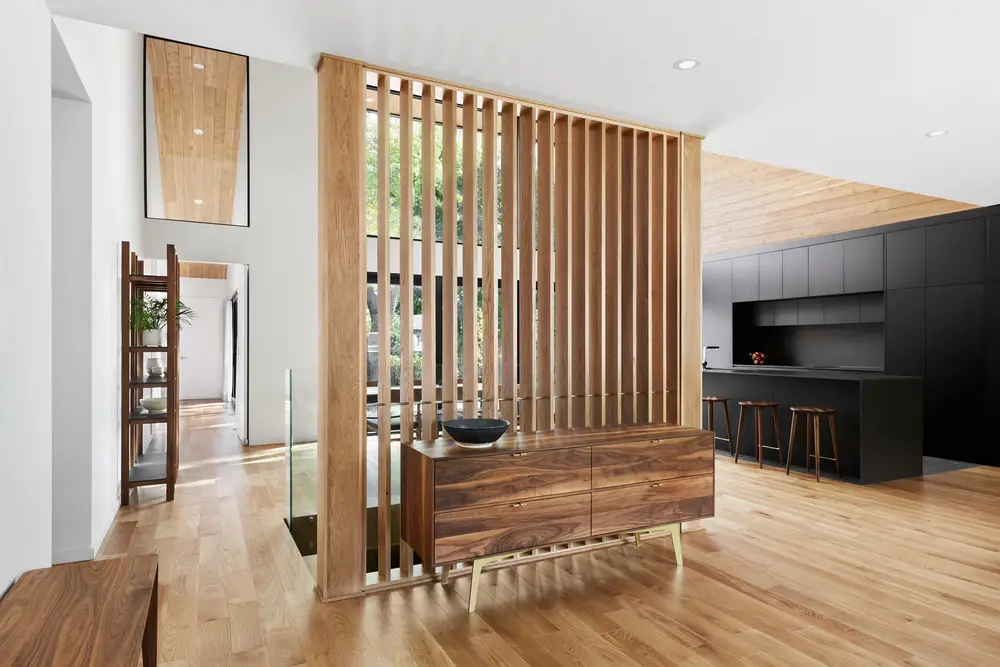
At the center of the plan sits an inner courtyard organized around an existing maple tree. This space becomes both the visual and emotional core of the house, bringing natural light deep into the interiors while strengthening the relationship between inside and outside. The courtyard also transforms the backyard into an extension of the living spaces, creating a more fluid connection between family life and the landscape surrounding the house.
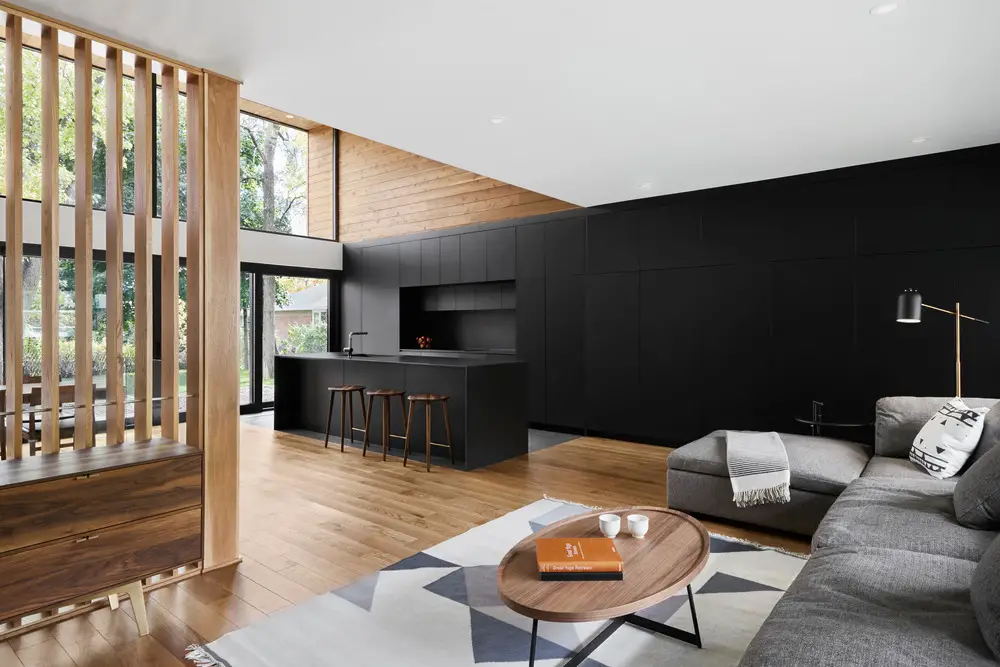
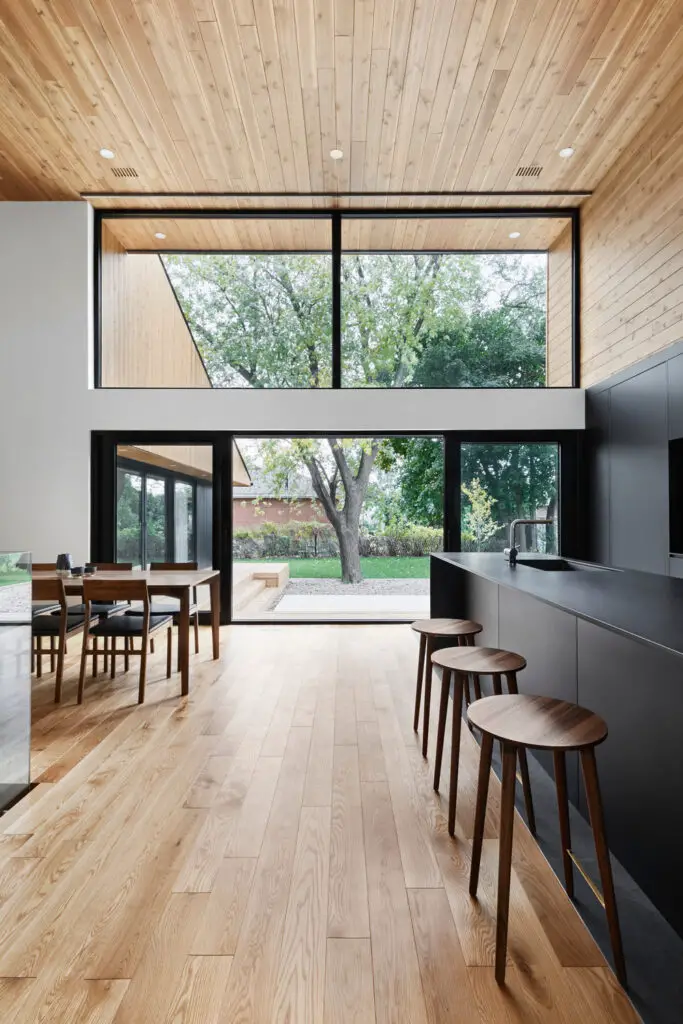
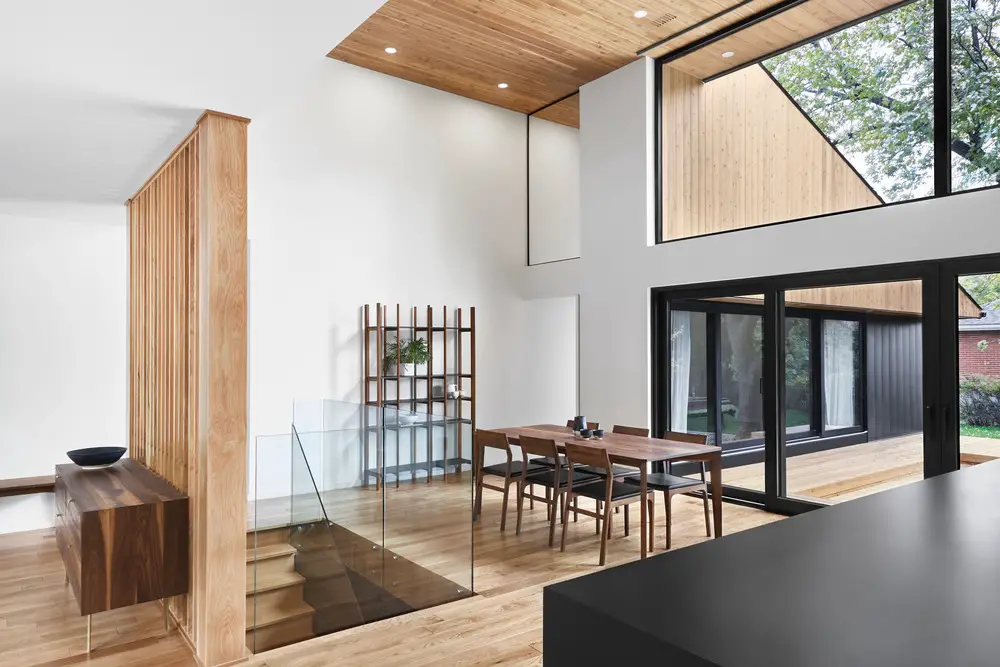
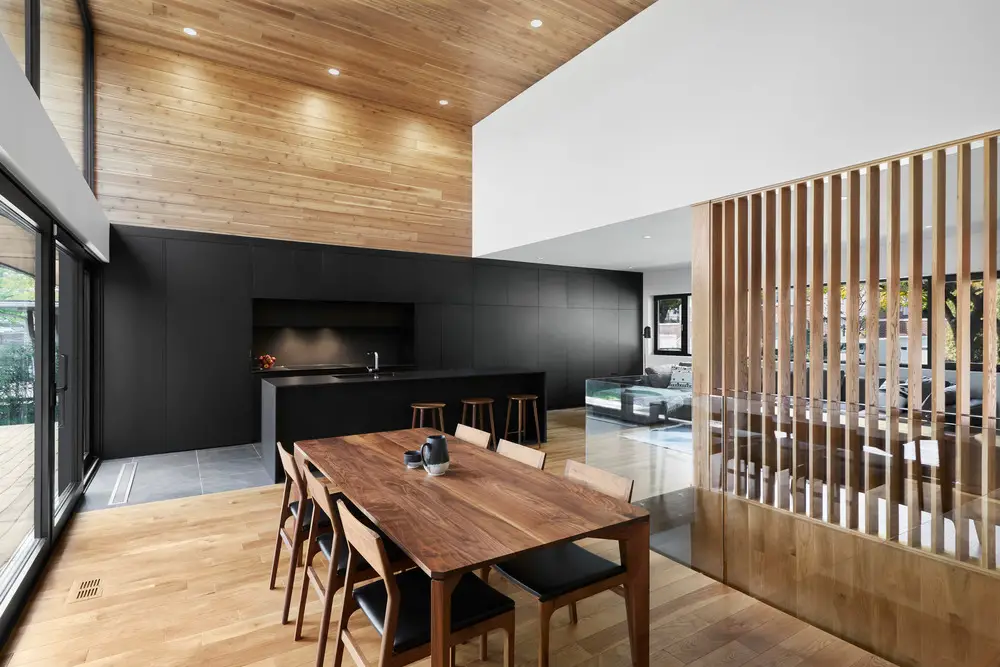
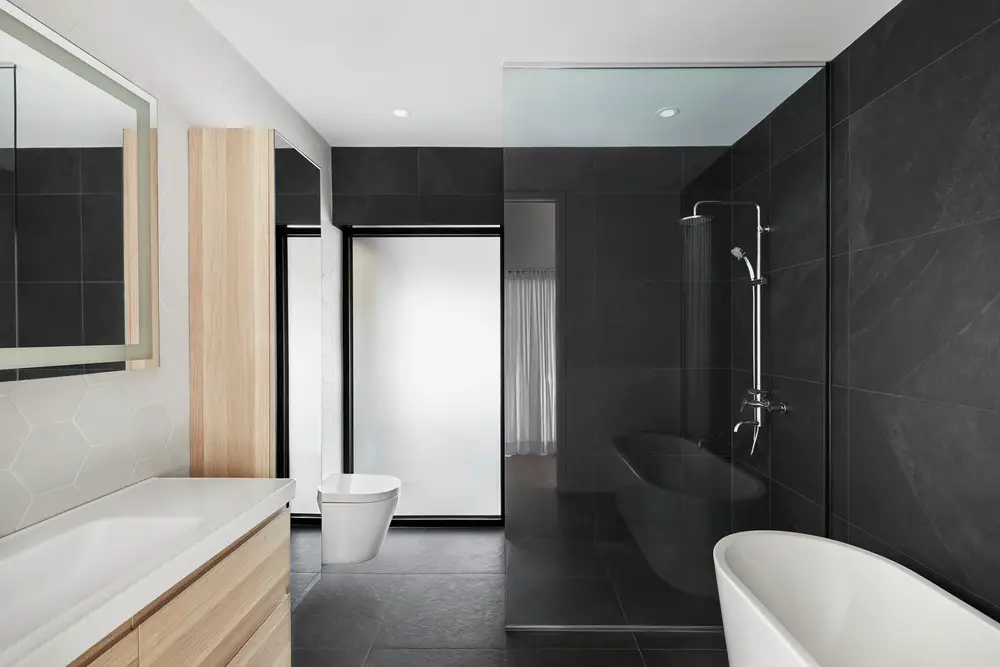
The rooflines of the original bungalow and the new addition were carefully integrated to maintain this sense of unity. Within the L-shaped plan, spaces are arranged to balance openness with moments of privacy, including large bathrooms, a walk-in closet, and more generous shared living areas. Floor-to-ceiling glazing extends through the double-height spaces, drawing light across the interiors and reinforcing the connection to the garden.
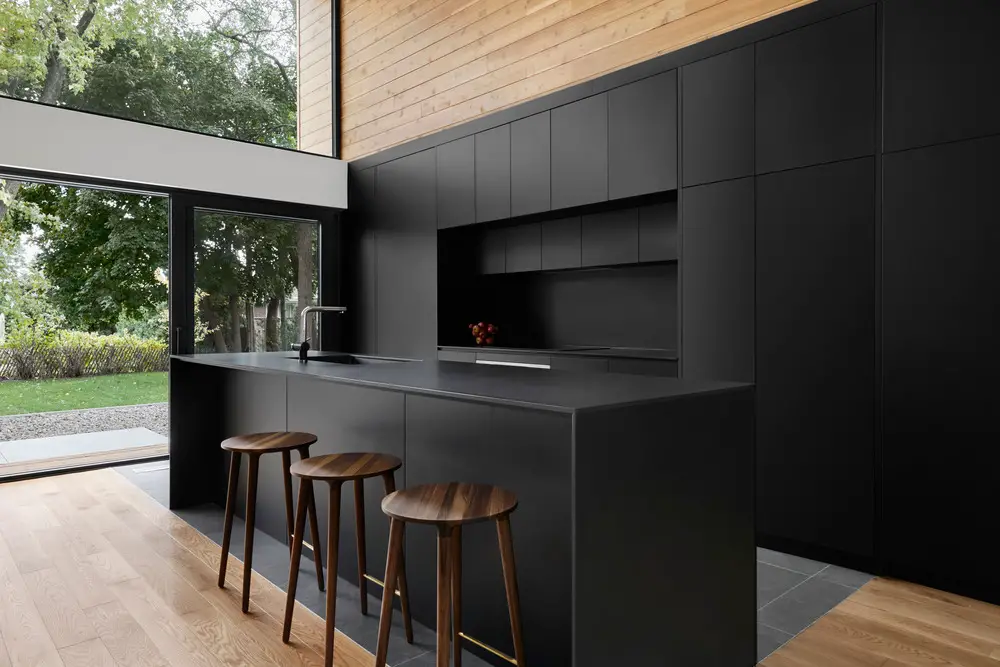
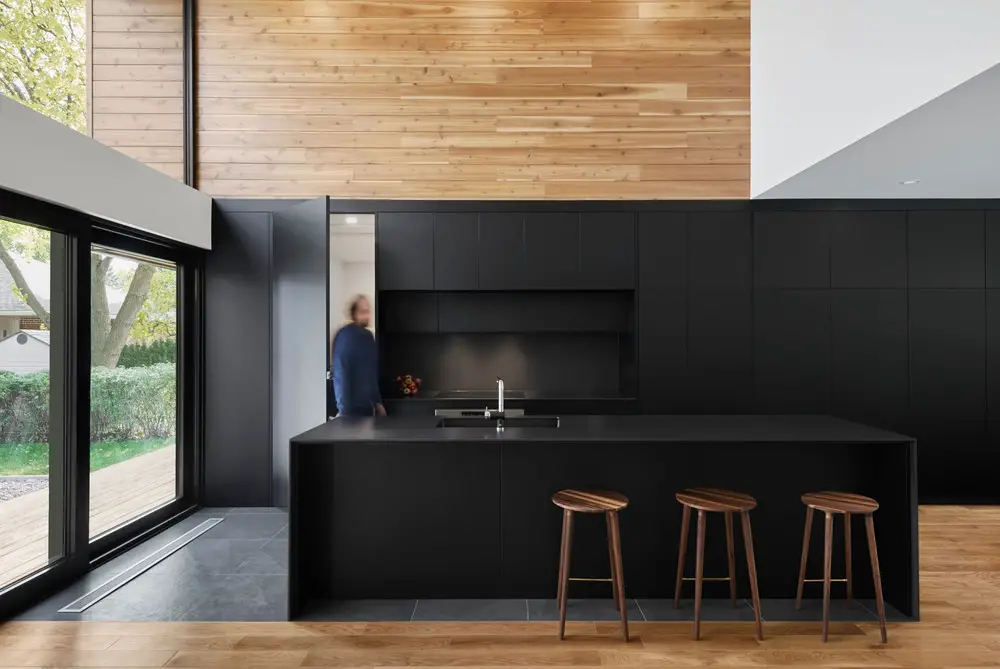
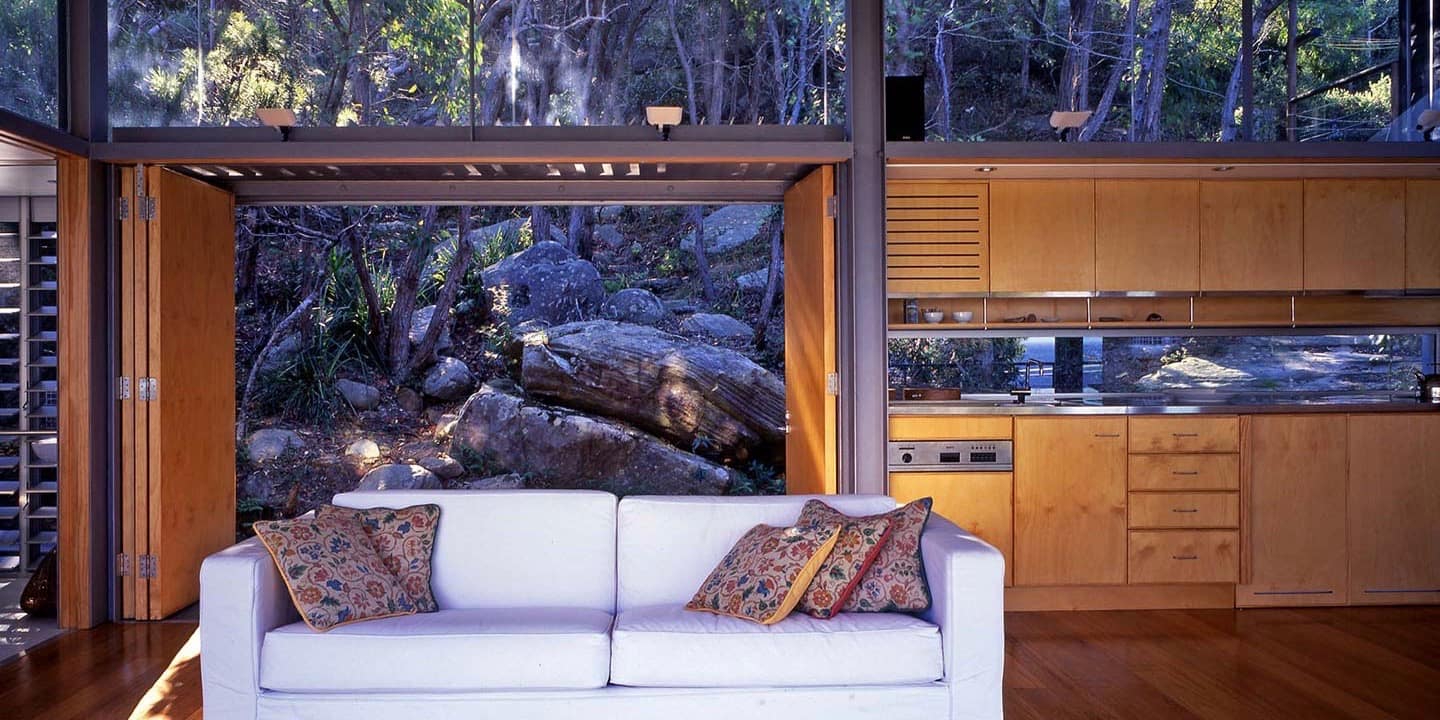
Wood plays a central role throughout the project. Used across walls, ceilings, and built-in elements, it gives the interiors warmth and continuity while reinforcing the calm atmosphere the family was seeking. Natural materials remain visible and tactile, allowing the house to feel grounded rather than overly refined.