
You can also listen to this interview on “The Pink Dot” through Spotify or Apple Podcasts.
In celebration of Pride Month 2025, Mid-Century Home joined forces with The Pink Dot, the podcast created by Nikos Gonidakis, aiming to highlight the experience of a queer voice living at the heart of Palm Springs — a city that has become both a happy boubble for the LGBTQ+ community and a capital of mid-century modern architecture. Together, we sat down with acclaimed interior designer Christopher Kennedy to explore the layers of identity, design, and community that define life in this unique place.
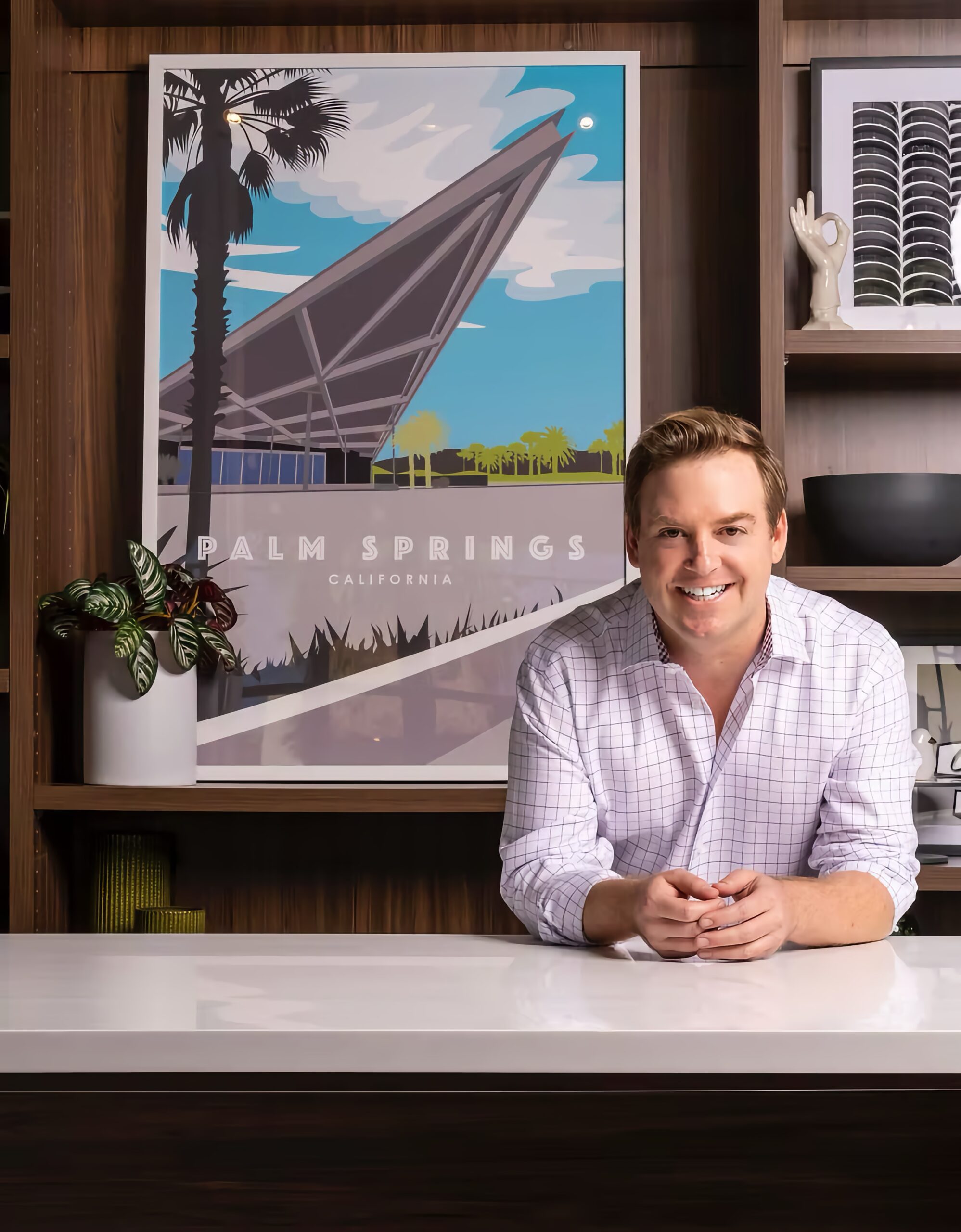
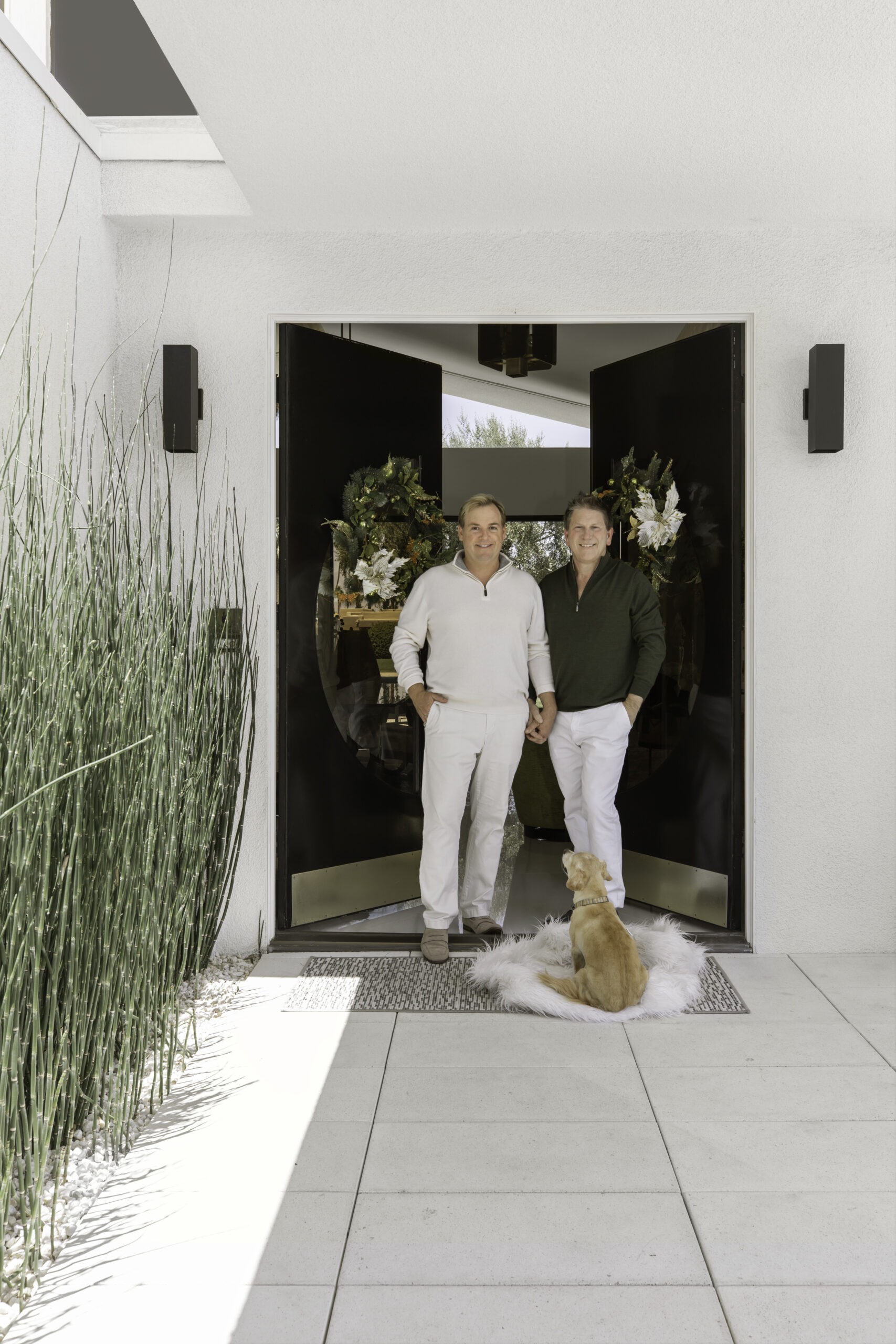
Christopher Kennedy moved to Palm Springs in 2003 at the age of 27. “To say I was the youngest person in Palm Springs at the time isn’t bragging,” he quipped. “It’s just mathematics.” Today, more than two decades later, he’s one of the city’s most recognisable design names, with a practice rooted in modernist principles and a deep connection to the culture of the city he calls home.
“Palm Springs is a fabulous place for queer expression,” Kennedy told us. “It’s not just a holiday destination — it’s a place where people can live their lives freely, with joy and authenticity.” That sense of freedom is deeply embedded in the city’s past. “Back in the studio system days, actors had to stay within two hours of Hollywood in case they were needed for a reshoot. Palm Springs was the perfect escape,” he explained. “And behind the gates of these homes, they could finally be themselves.”
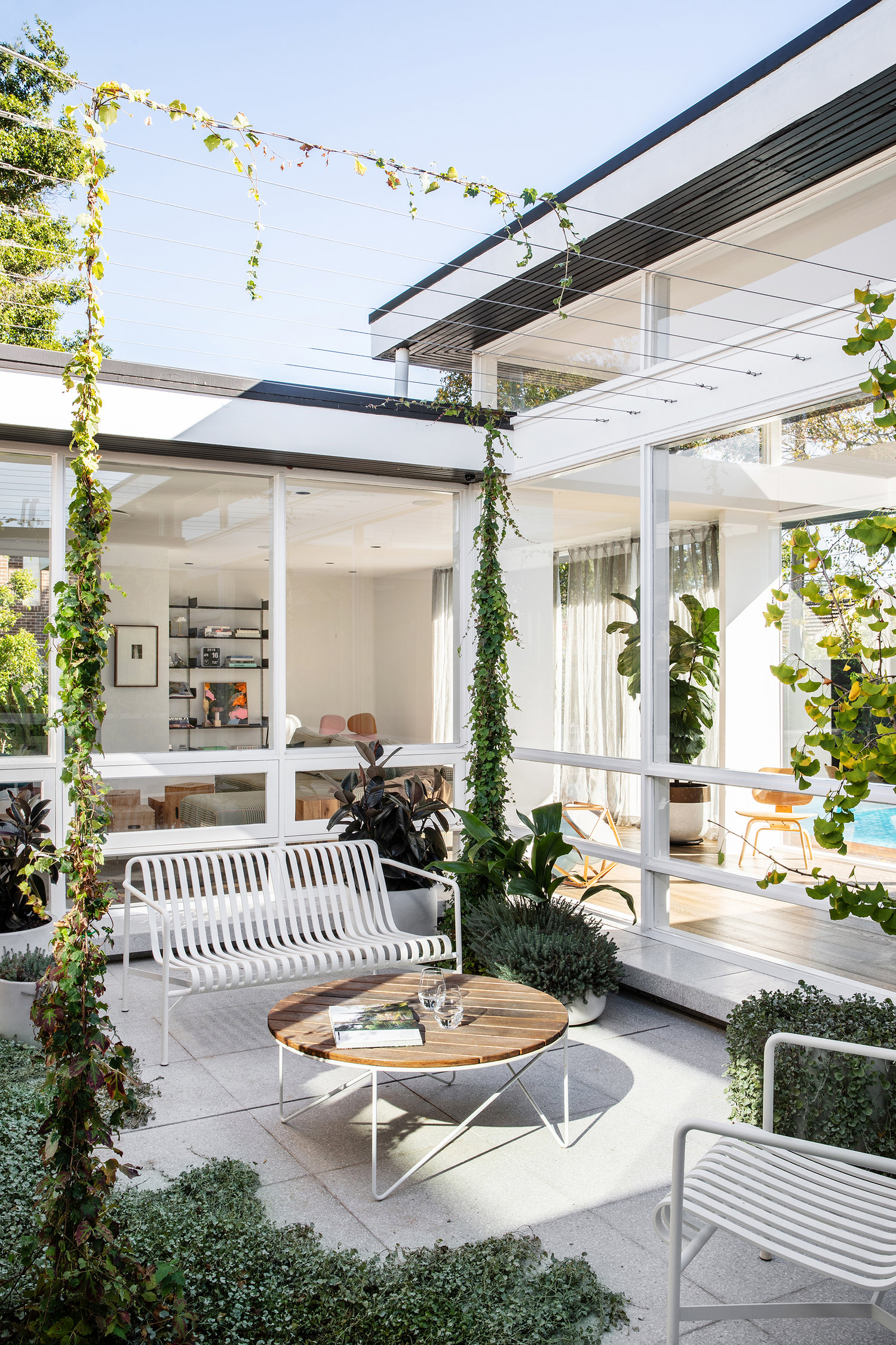
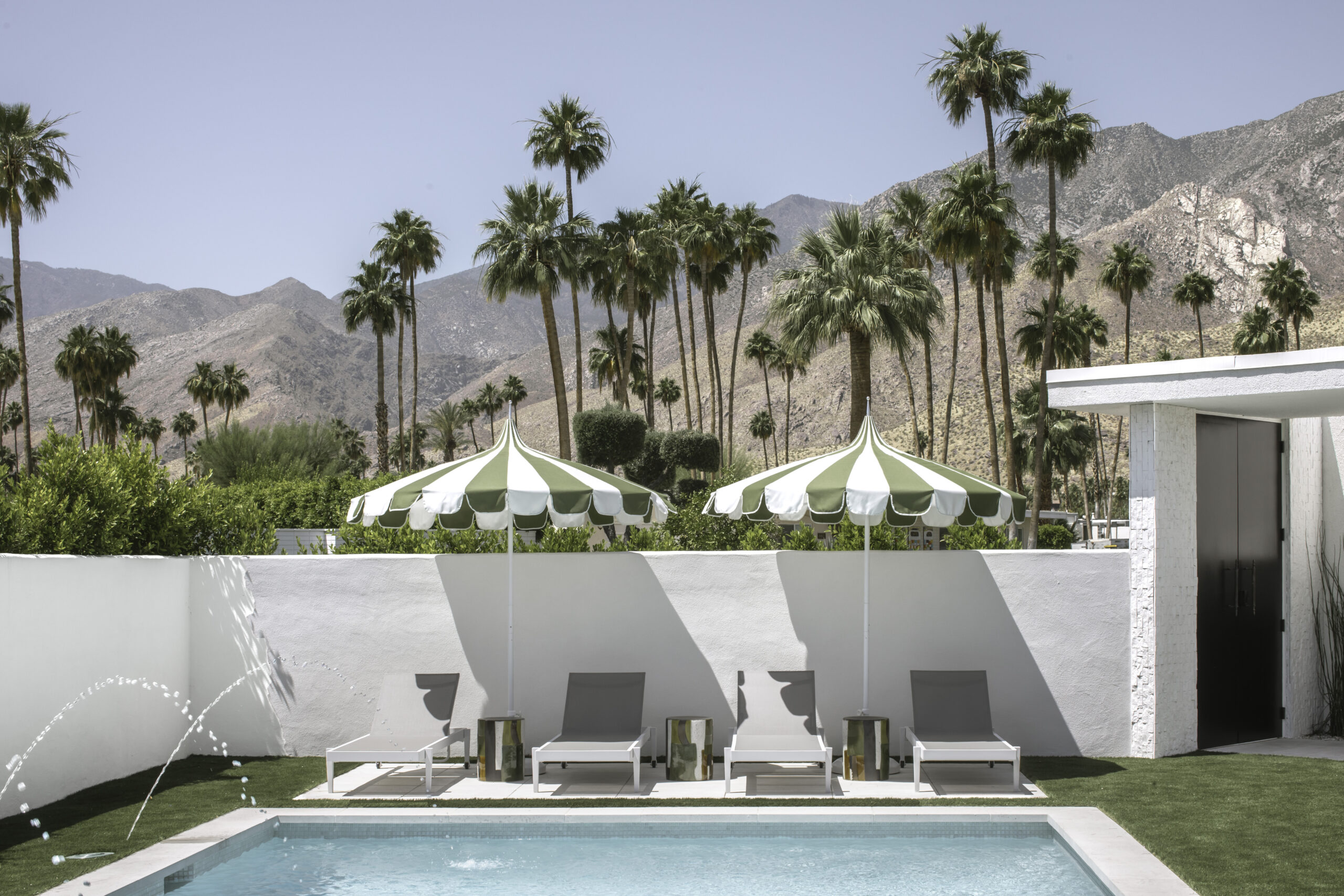
That early spirit of privacy and expression shaped the town’s character. “We often forget that the glamour of Palm Springs came from people escaping judgment. That includes closeted actors, creative types, queer people — all looking for a place to breathe,” Kennedy said. The architecture followed suit. Clean lines, open plans, walls of glass. Homes built not for status, but for living — and for gathering.

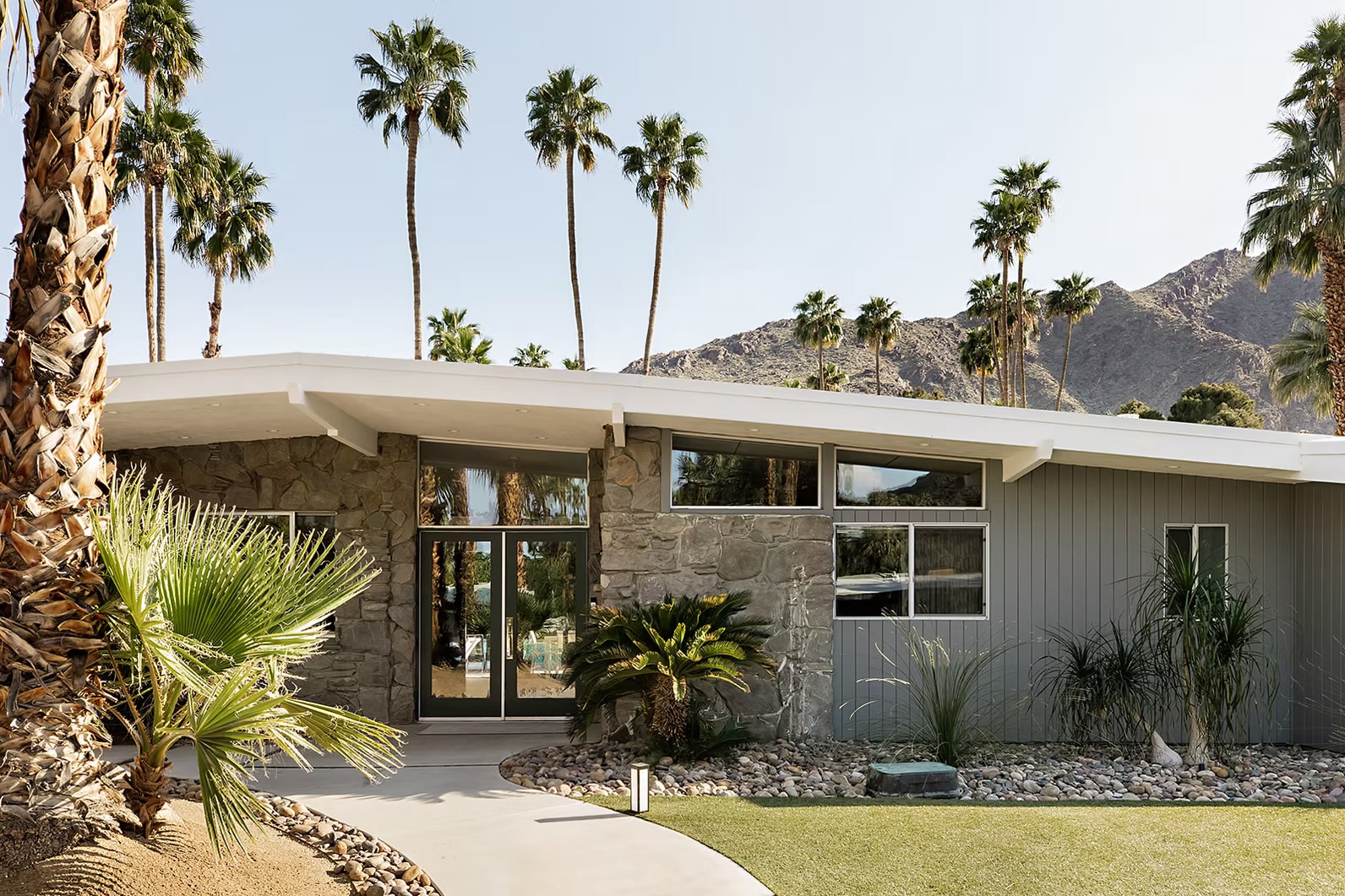
The mid-century homes that define Palm Springs today were not built as luxury real estate. “They were originally for middle-class families, for veterans coming back from the war,” Kennedy noted. “Built simply, affordably, and beautifully.” Over time, many of these homes fell out of favour. In the ‘80s and ‘90s, design trends shifted towards faux-European styles. “Tuscan was big. Spanish Mission style. You name it,” Kennedy said. “Modernism was not in fashion.”
But as cultural tides changed, so did design tastes — thanks in part to the gay community. Kennedy recalled a now-legendary story involving architect William Krisel, who designed some of the city’s most iconic homes. “In the late ‘90s, a gay couple from San Francisco bought one of his houses. They looked him up in the phone book — he was still alive — and asked him to help them restore it. Forty years later.” That moment, for Kennedy, captures something essential. “It was the queer community that helped bring these homes back. They saw the value. They protected it.”
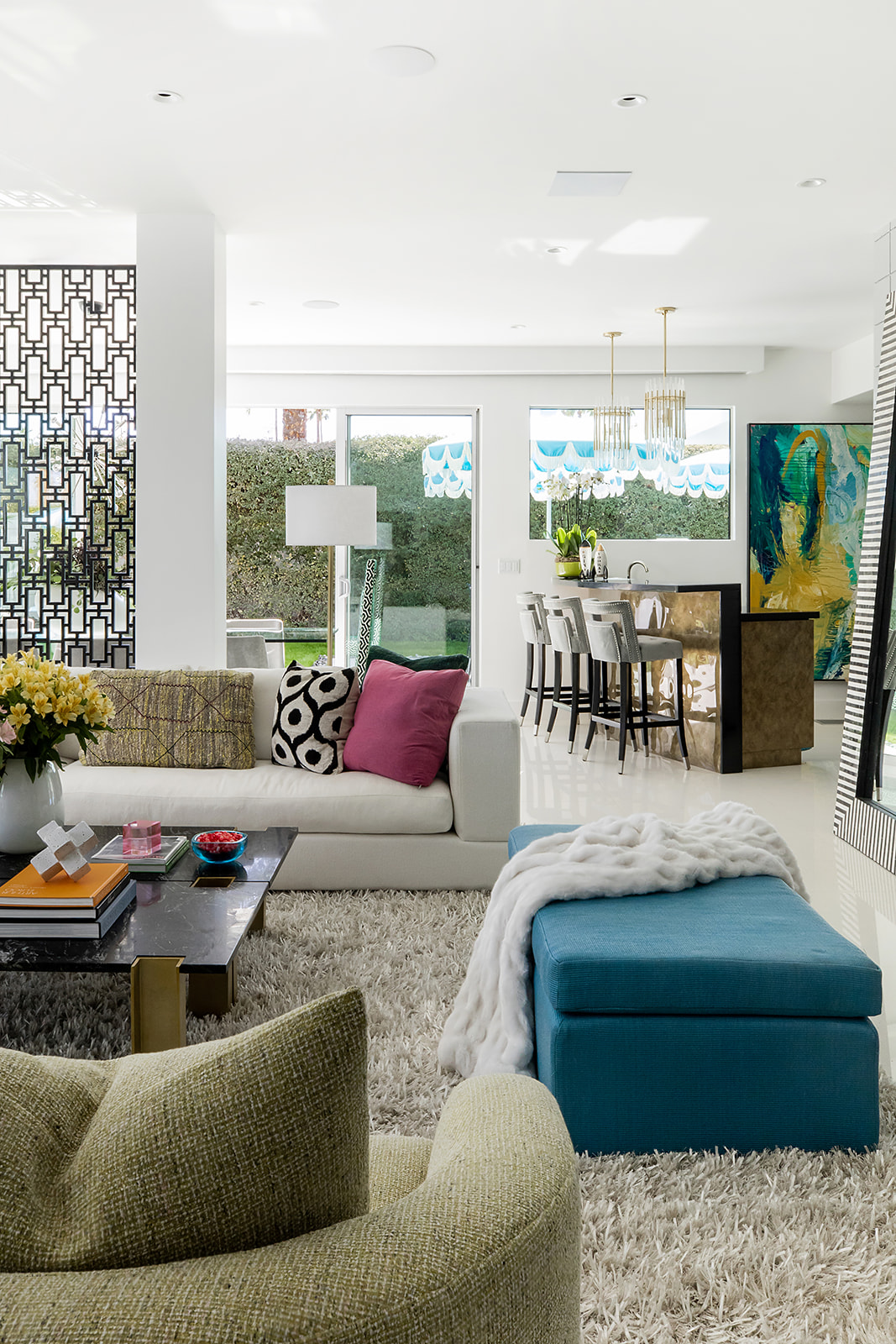
For Kennedy, his early years in Palm Springs meant carving out a design path when contemporary interiors were still on the fringes. “When I started my firm in 2005, modern wasn’t exactly in vogue,” he said. “I was using hospitality fabrics just to get the right look. But then Mad Men came out, and suddenly everyone wanted modernism again.”
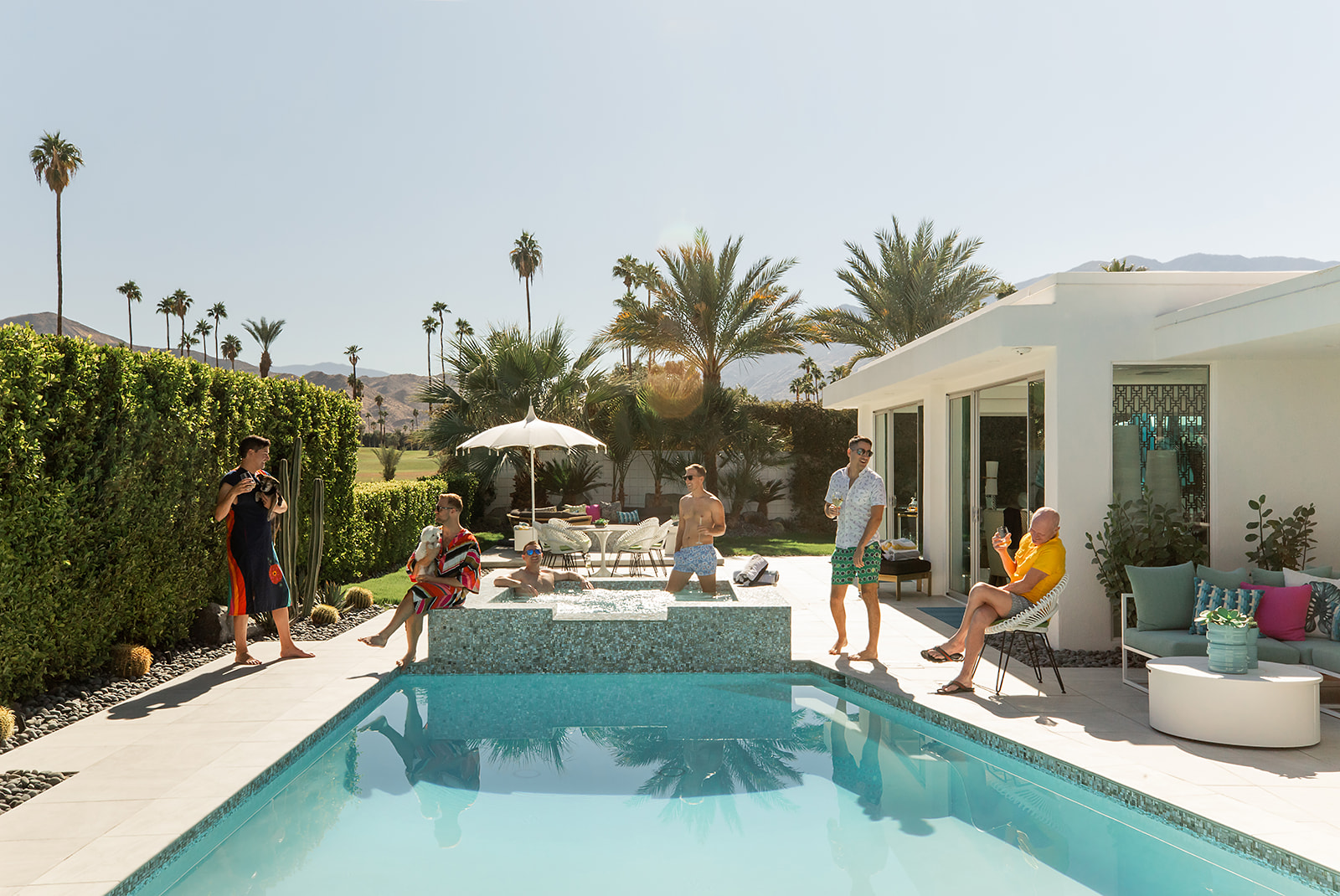
Design wasn’t the only thing being reborn. Palm Springs itself was going through a revival. “The city had gone through a bit of a downturn in the ‘80s and ‘90s,” Kennedy recalled. “Many of the new developments were happening in other desert cities like Palm Desert or Indian Wells.” But events like the White Party, and the increasing visibility of the queer community, brought renewed energy. “The LGBTQ+ community helped drive that revival. They invested, they moved in, and they brought life back to Palm Springs.”

Yet beyond the glamour and revival lies a more difficult chapter — one that Kennedy feels is too often left out of the story. “During the AIDS crisis, many gay men moved to Palm Springs to die. That’s the truth,” he said. “It was affordable, warm, and peaceful. People cashed out their life insurance and came here because they felt safe.” The city became a quiet refuge. “Some of those men are still alive today, thanks to treatment. But it’s important to remember that part of our history. It’s not glossy, but it’s real.”
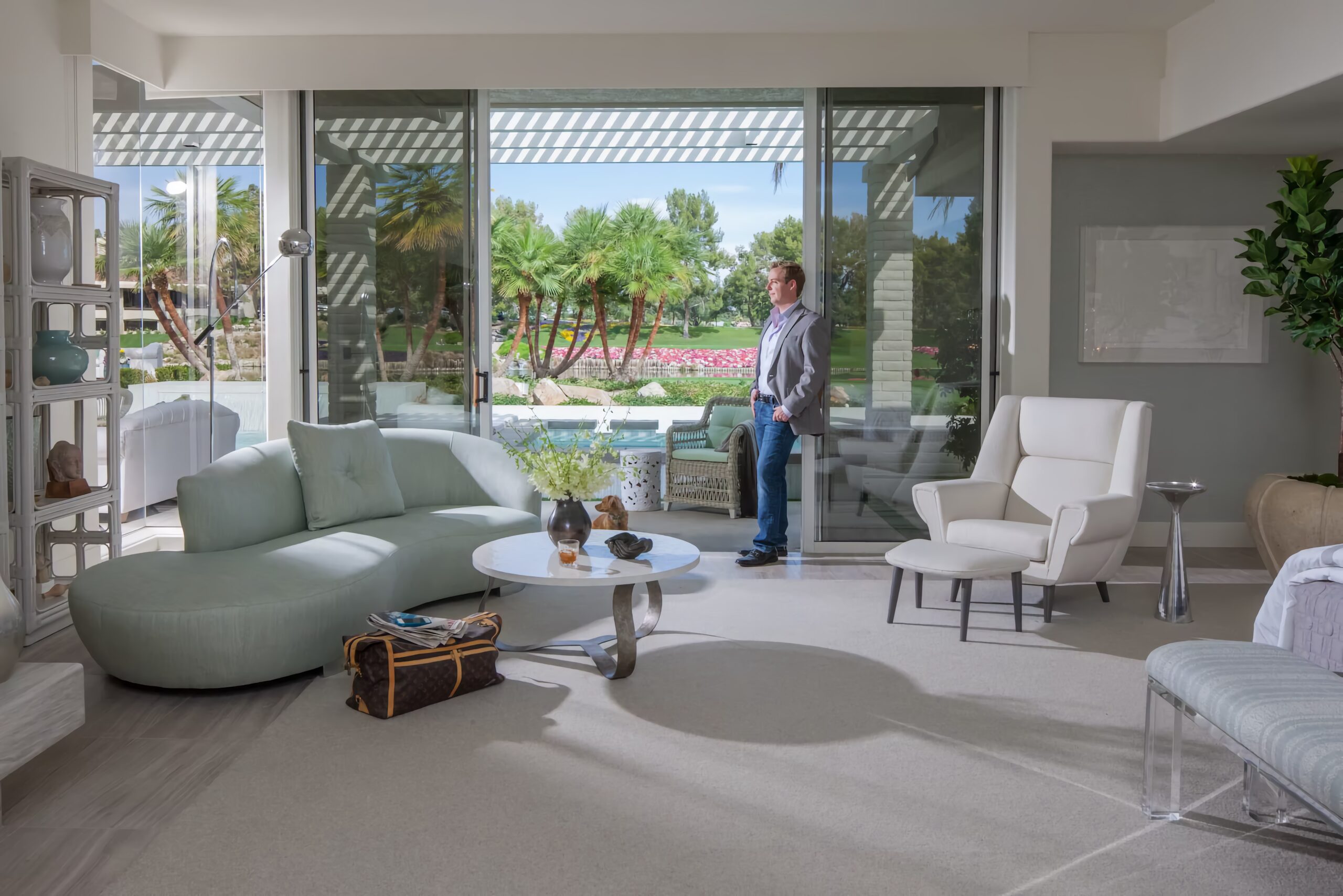
Today, Kennedy sees a new generation discovering the same sense of belonging he did. “People are giving up creature comforts to live in these homes. No walk-in closets, no laundry rooms. But what you gain is community, beauty, connection. You get to live in a piece of art.” He added: “Maybe real luxury isn’t about space or status. Maybe it’s about waking up in a home that brings you joy. About walking down the street and feeling seen.”
And in 2025, with growing political division and threats to LGBTQ+ rights across the United States, the sanctuary of Palm Springs feels more important than ever. “We live in a bit of a bubble here,” Kennedy admitted. “But it’s a bubble we protect fiercely. It takes work. It takes good leadership. It takes community.”
As our conversation came to a close, Kennedy reflected on the enduring power of place. “There’s something in the air here. In the mountain. In the light. You feel it,” he said. “Whether you believe in energy or not, it’s there. And that’s why people keep coming — for the healing, the beauty, and the freedom to be exactly who they are.”
A reminder, perhaps, that design is never just about form. It’s also about the people who live within it.