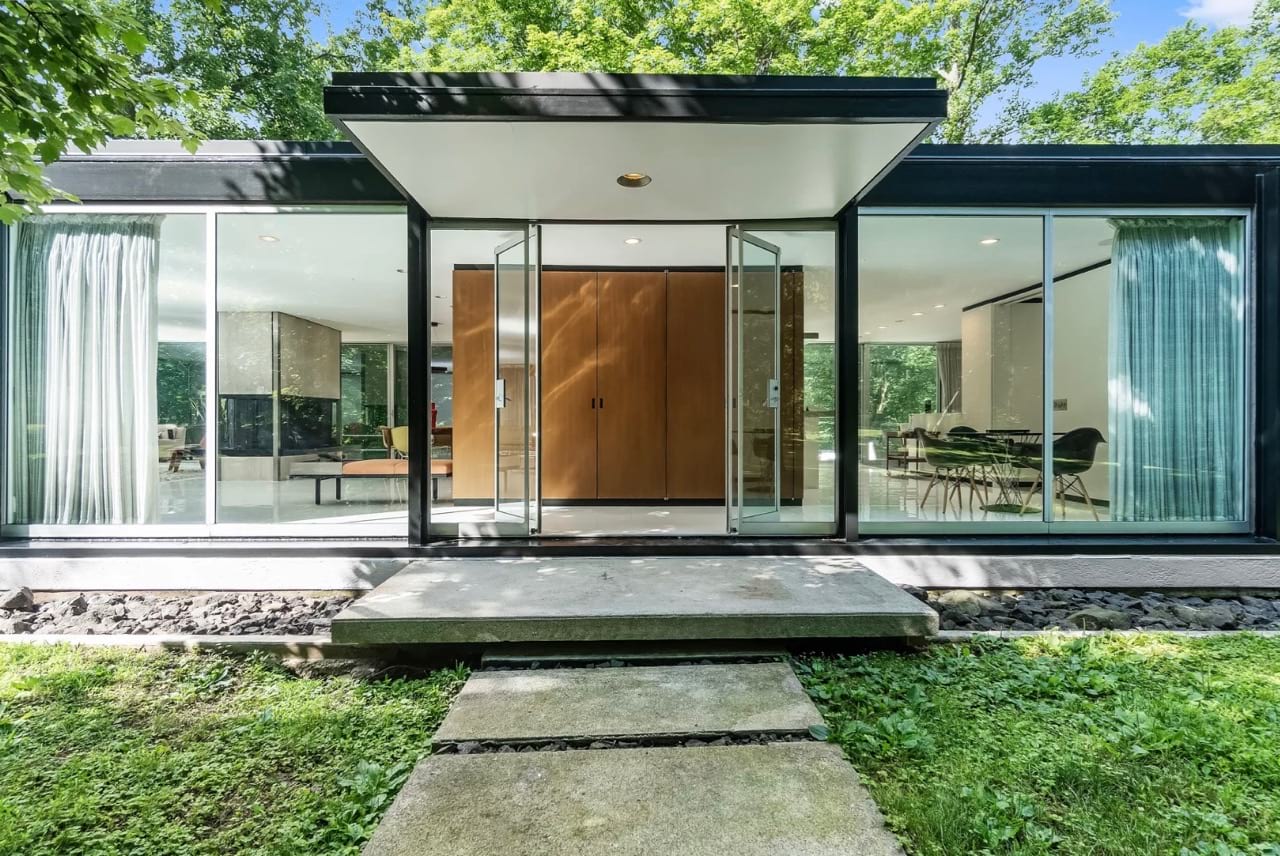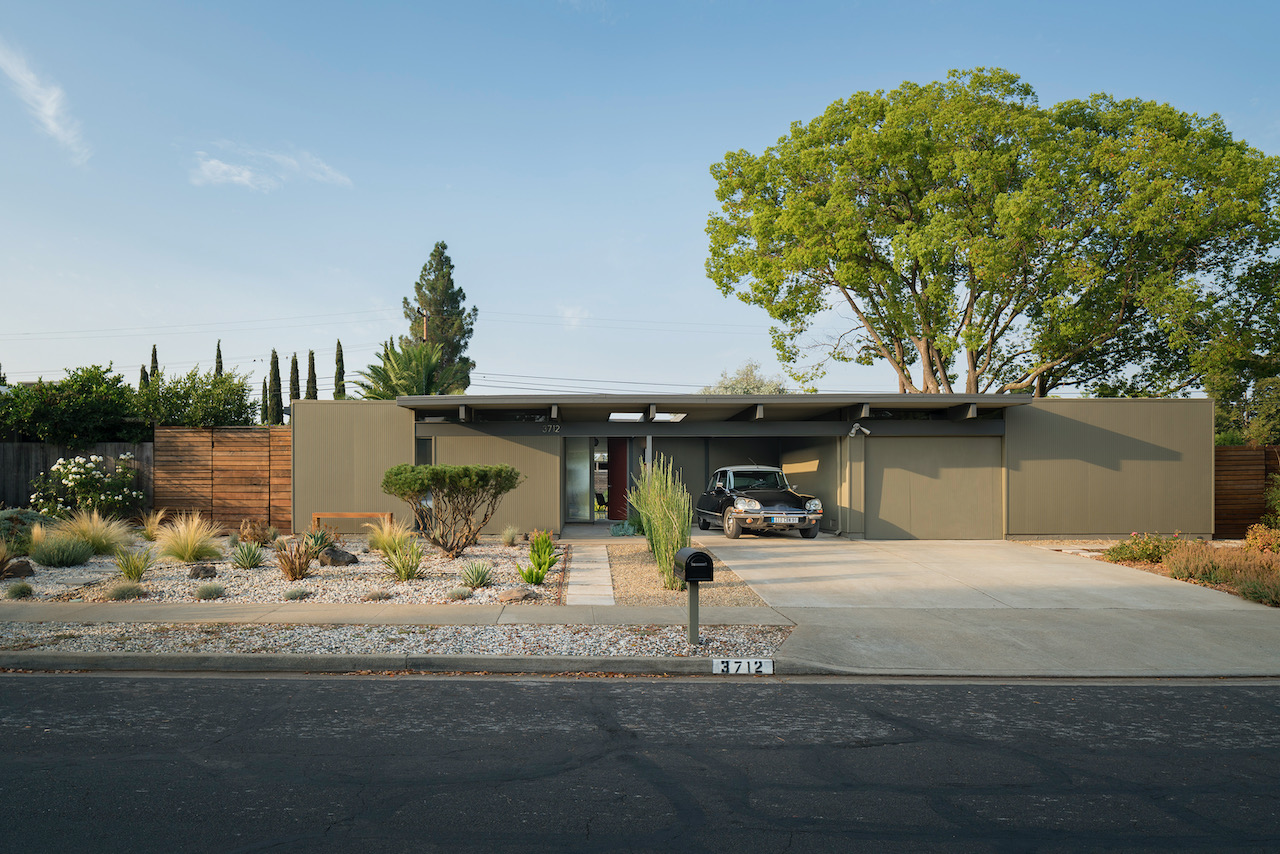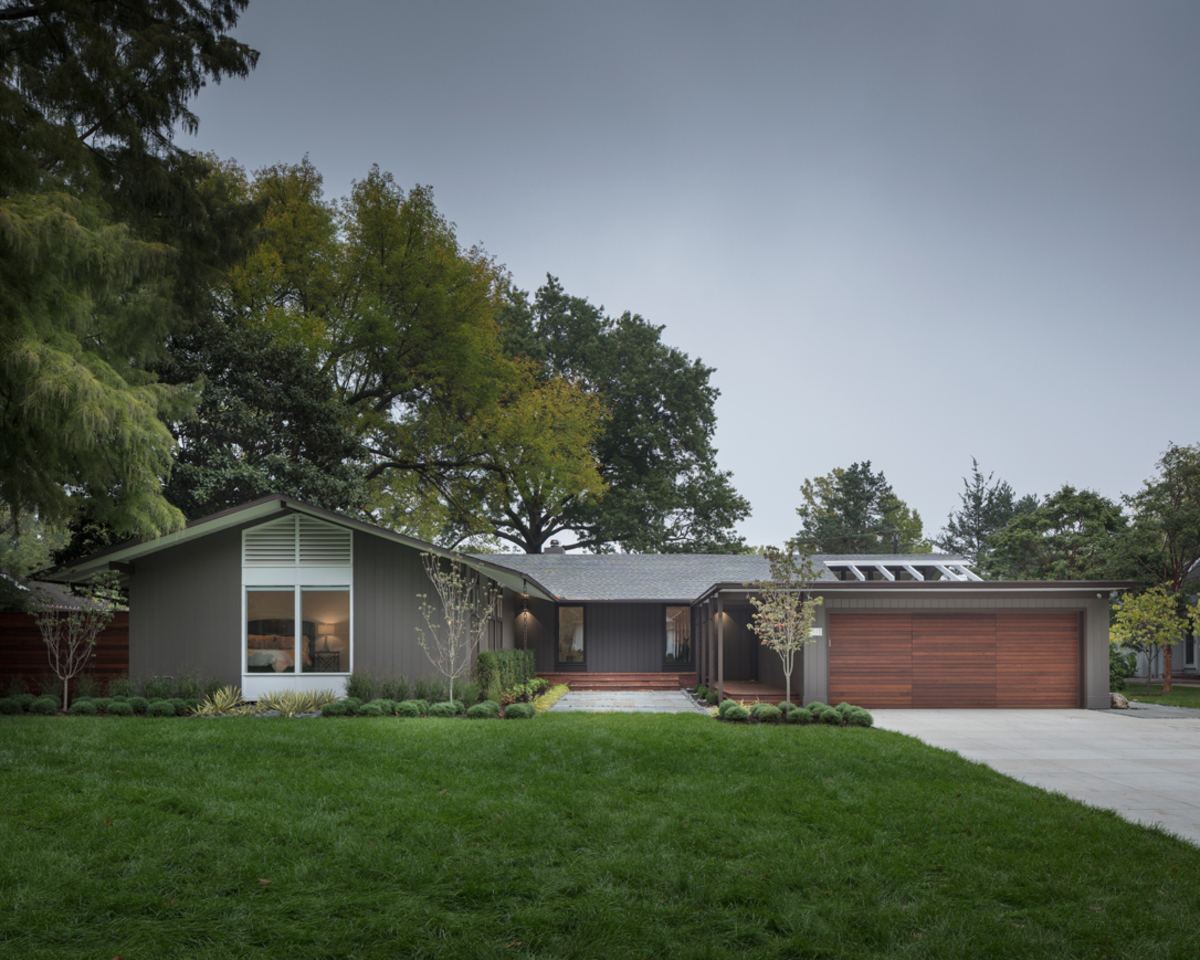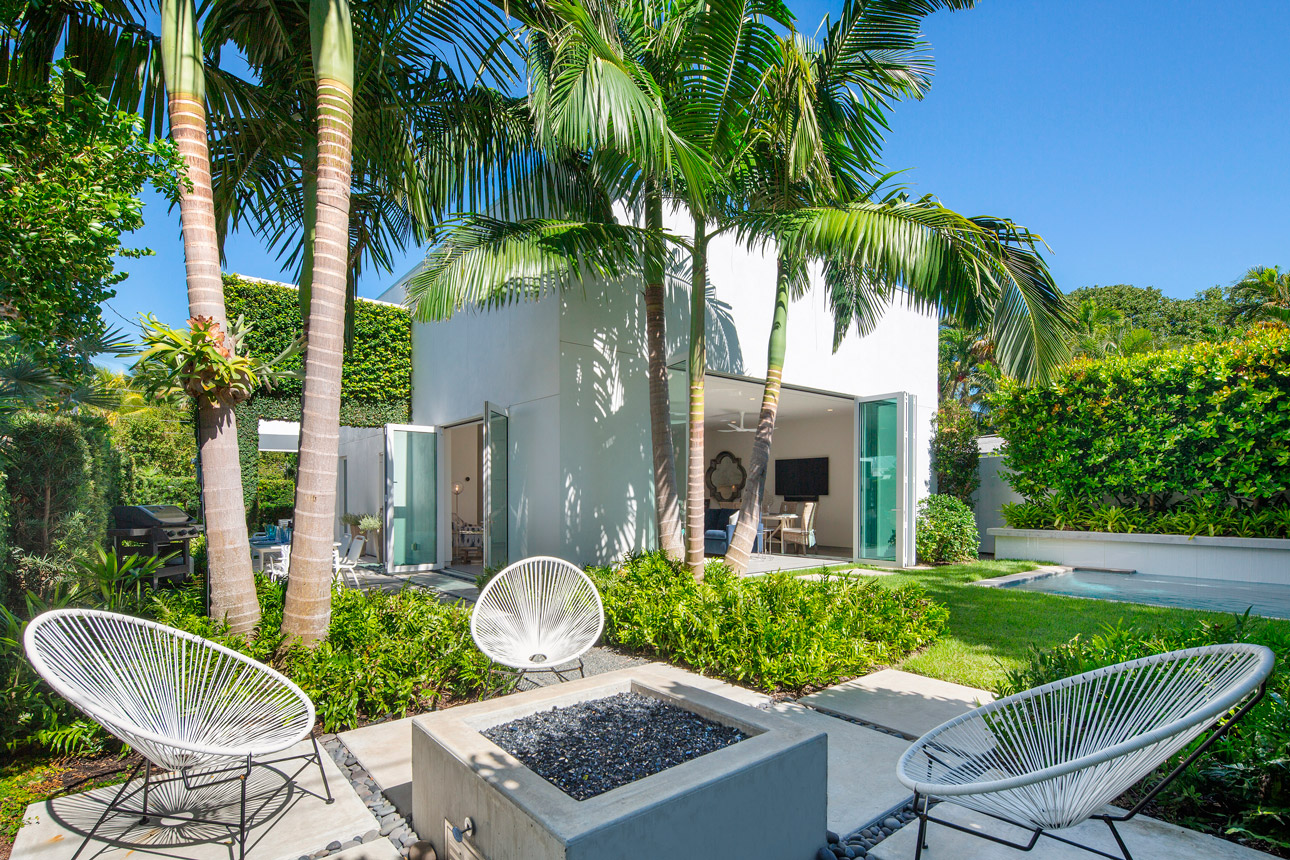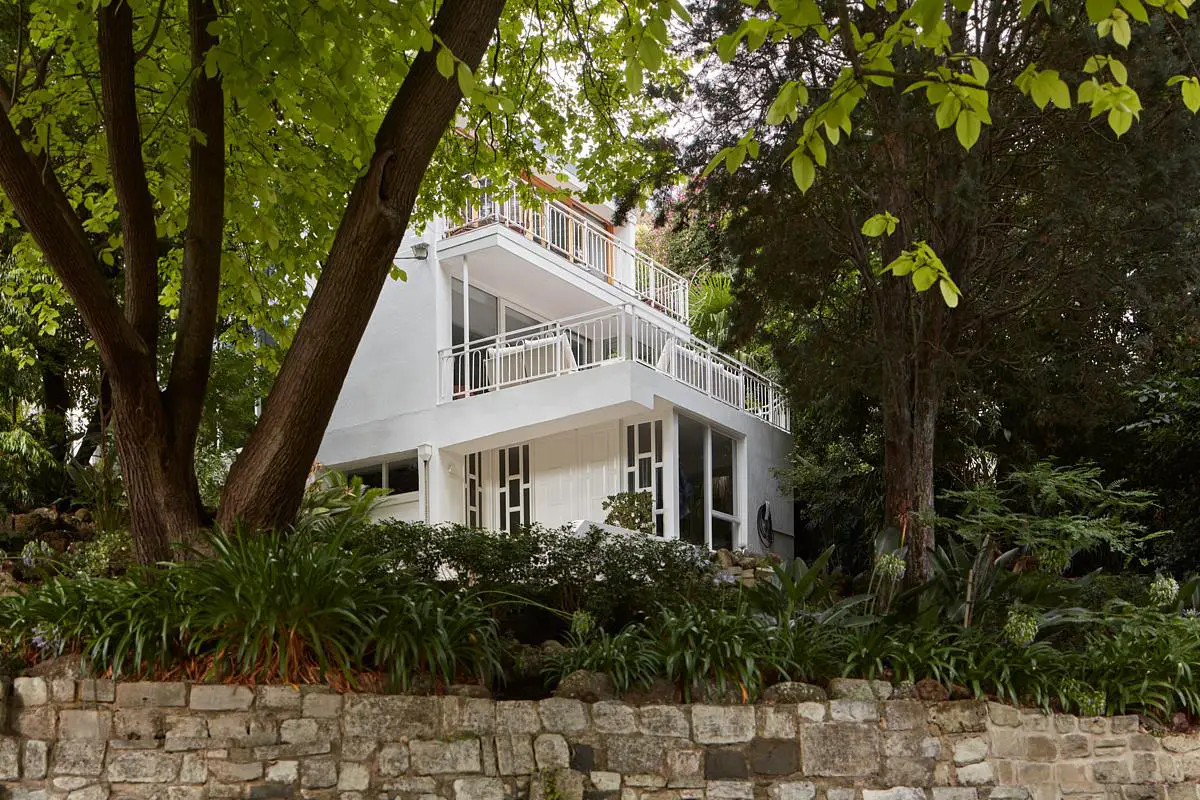

In Melbourne’s leafy suburbs, a 1950s modernist house by architect Geoffrey Danne has been brought back to life. Over the decades, successive renovations had slowly buried the home’s original character beneath layers of finishes and shifting layouts. What remained was a structure with strong bones but a muted voice. The recent renovation by Bryant Alsop set out to recover that voice by peeling back the layers and reconnecting the house with its mid-century spirit.
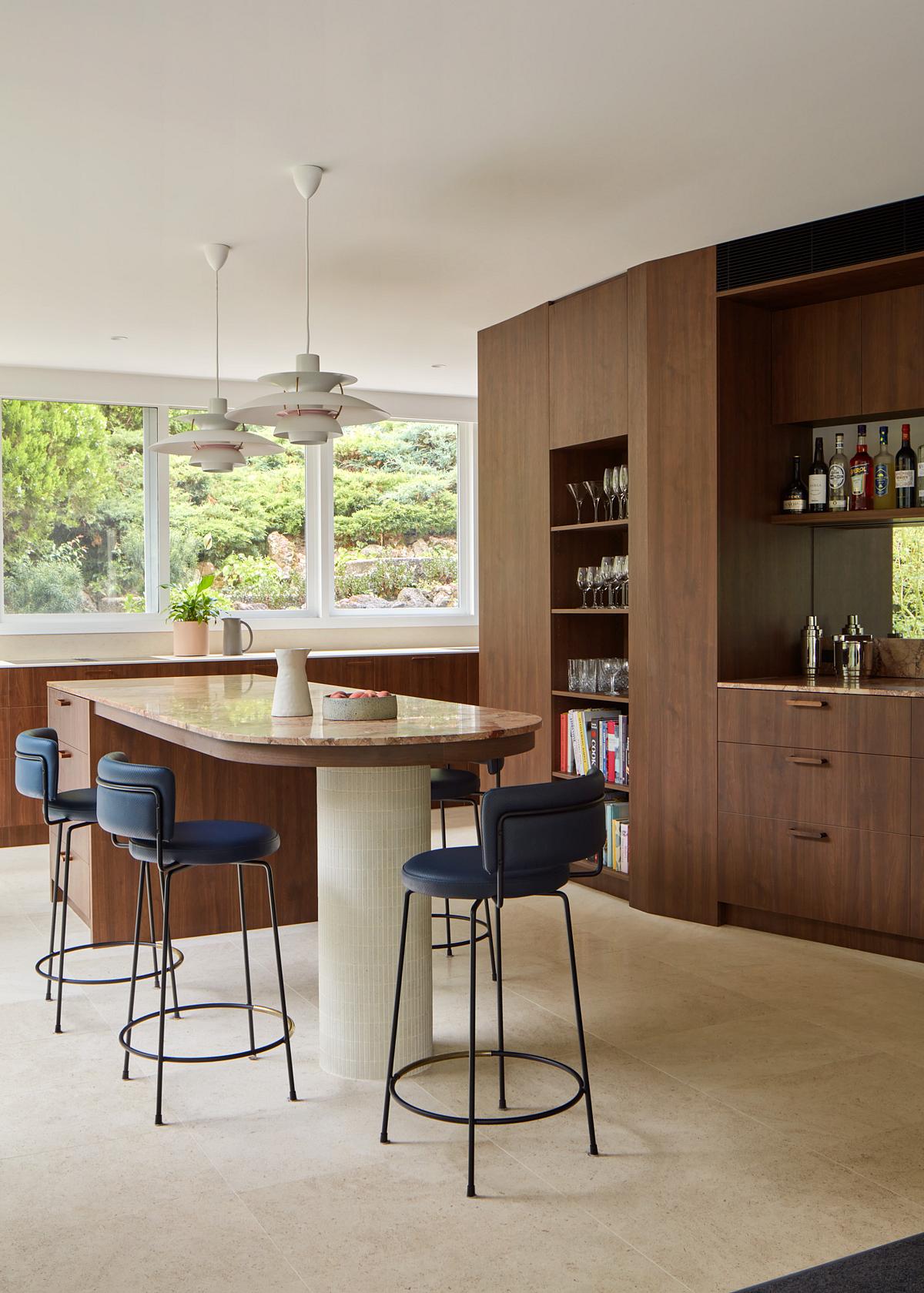
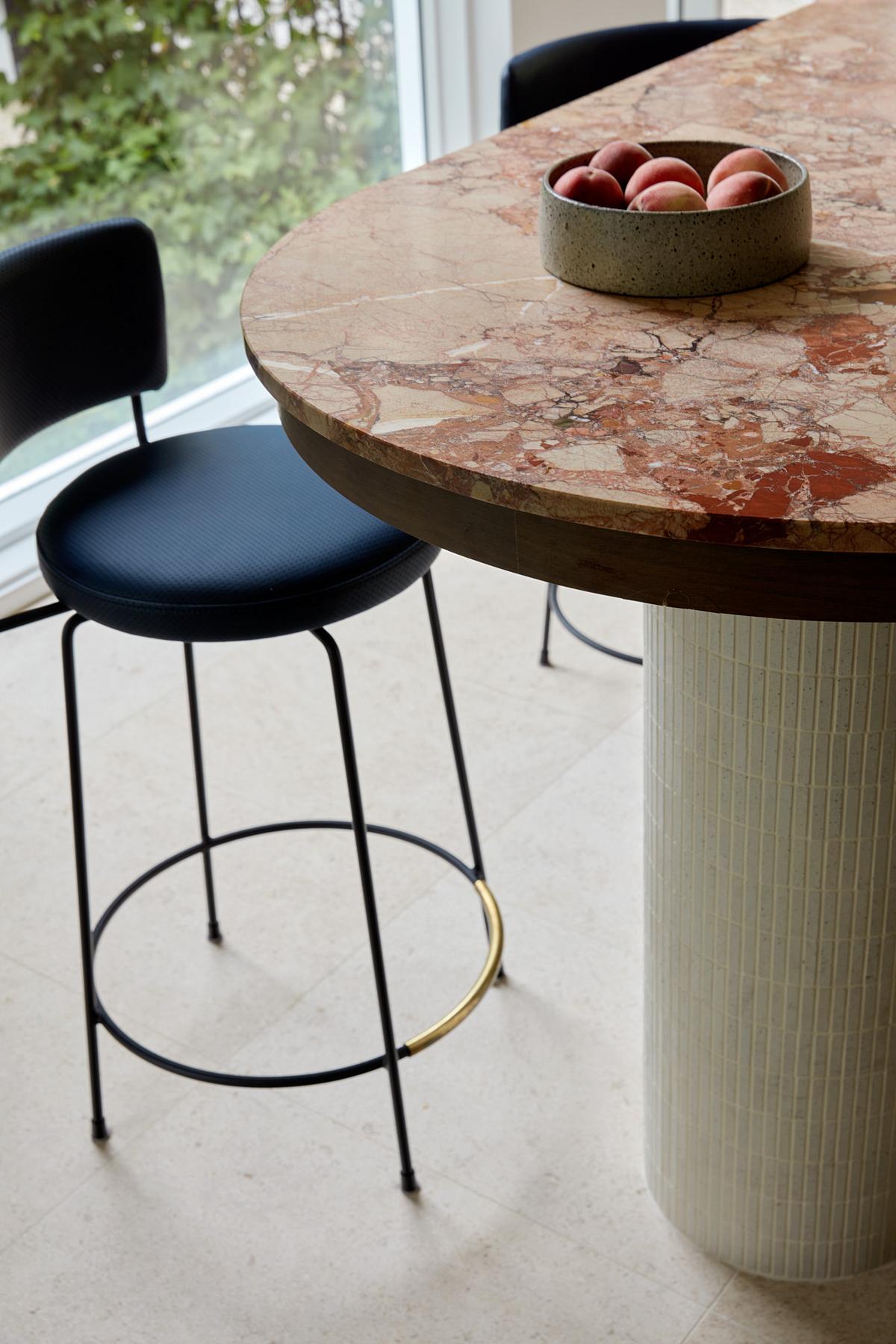
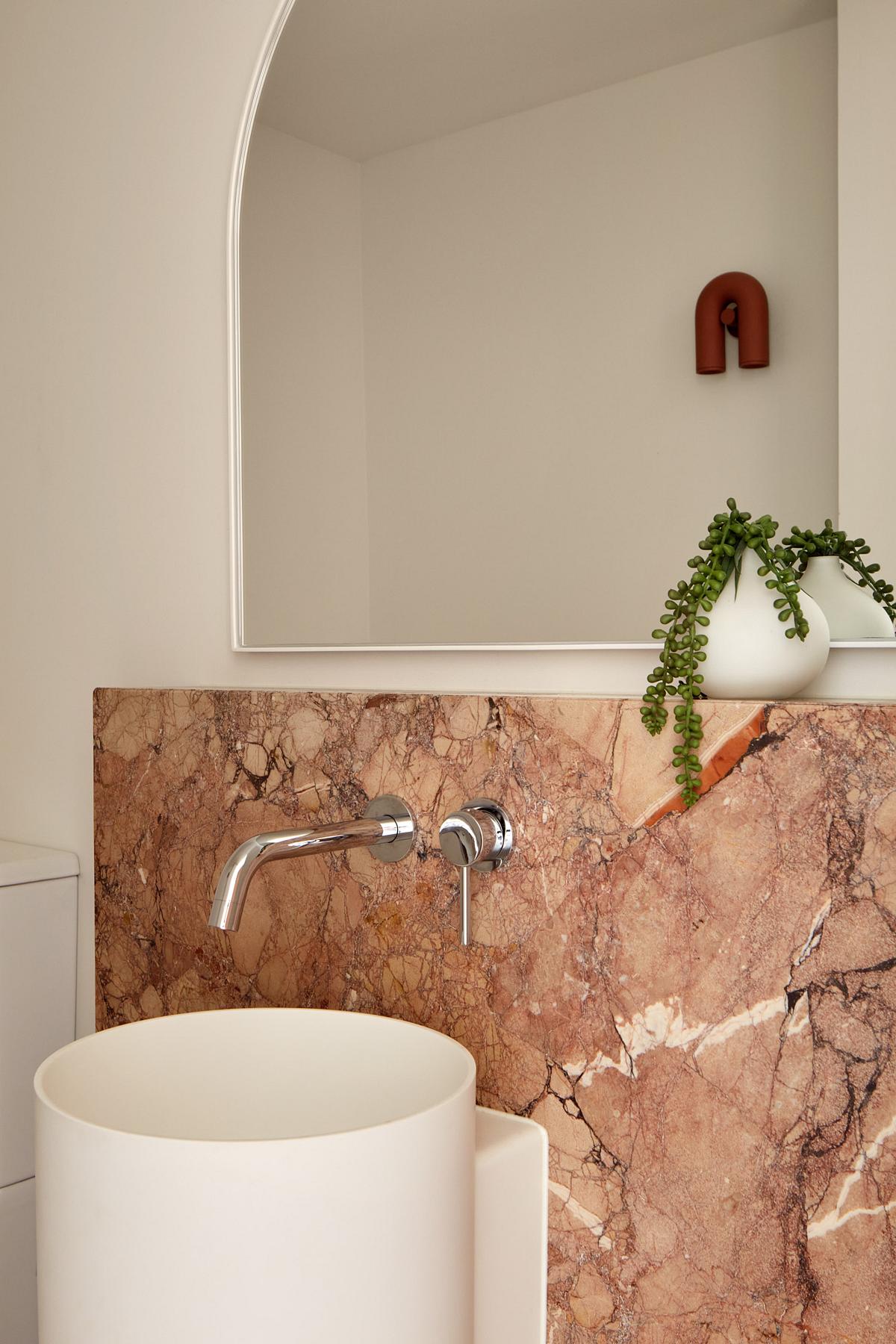
The design process began almost like an archaeological exercise. Demolition works revealed fragments of the original material palette, offering clues about the home’s past. Among the most interesting discoveries was pink marble dating back to the 1950s, a material that once played a central role in the house. The design team placed it at the heart of the new interiors. Paired with walnut cabinetry that references a later 1970s refurbishment, the marble helps bridge two moments in the home’s history.
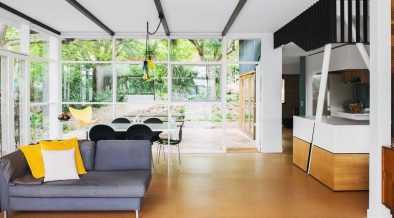
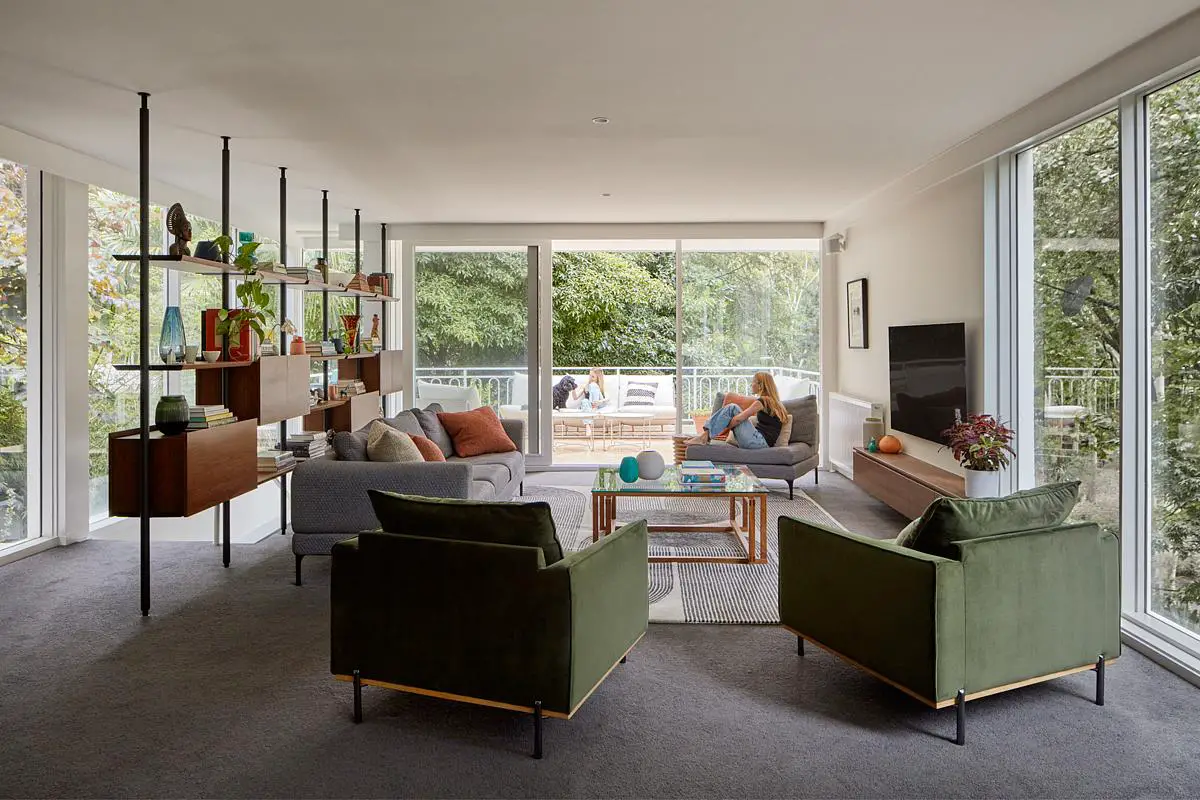
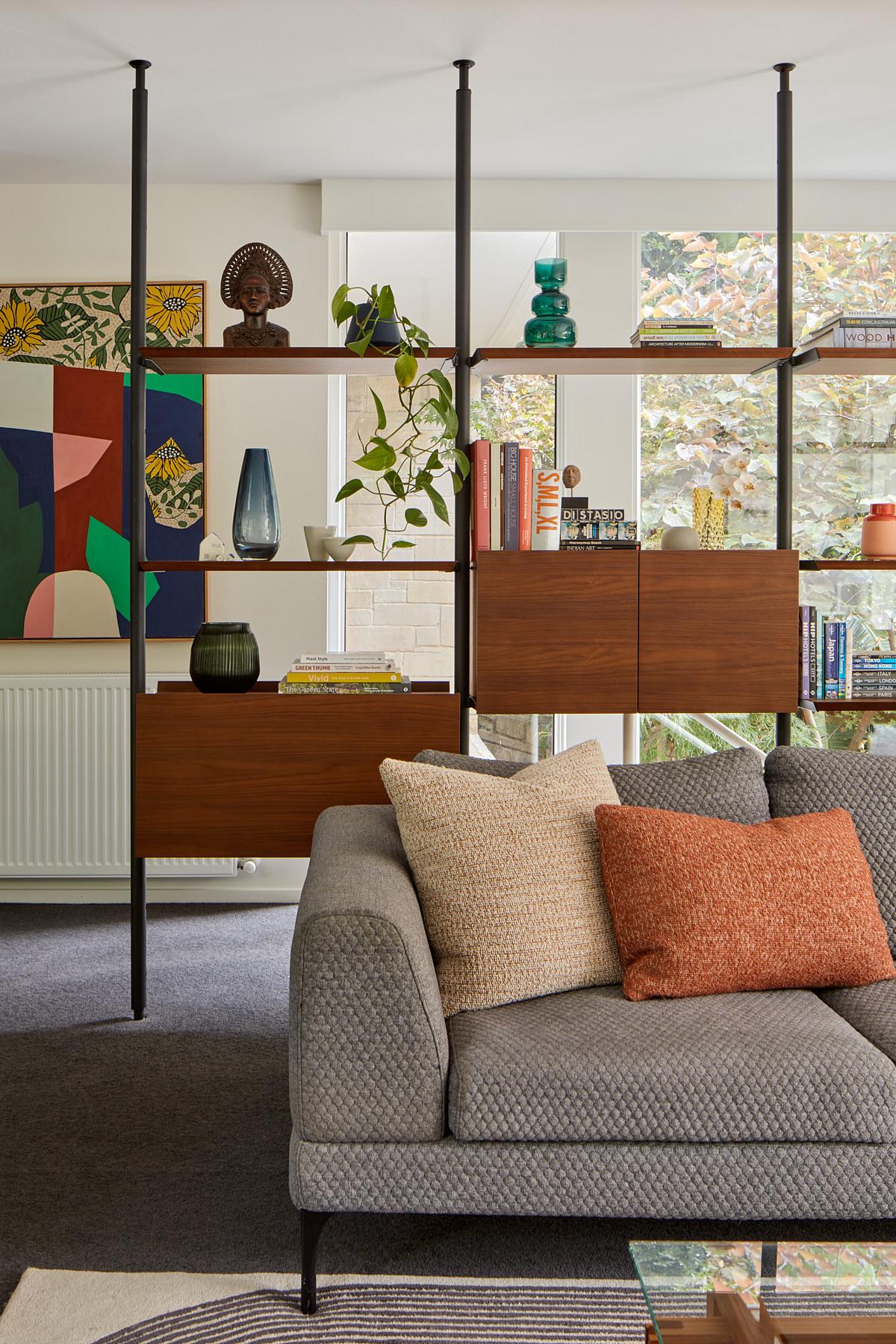
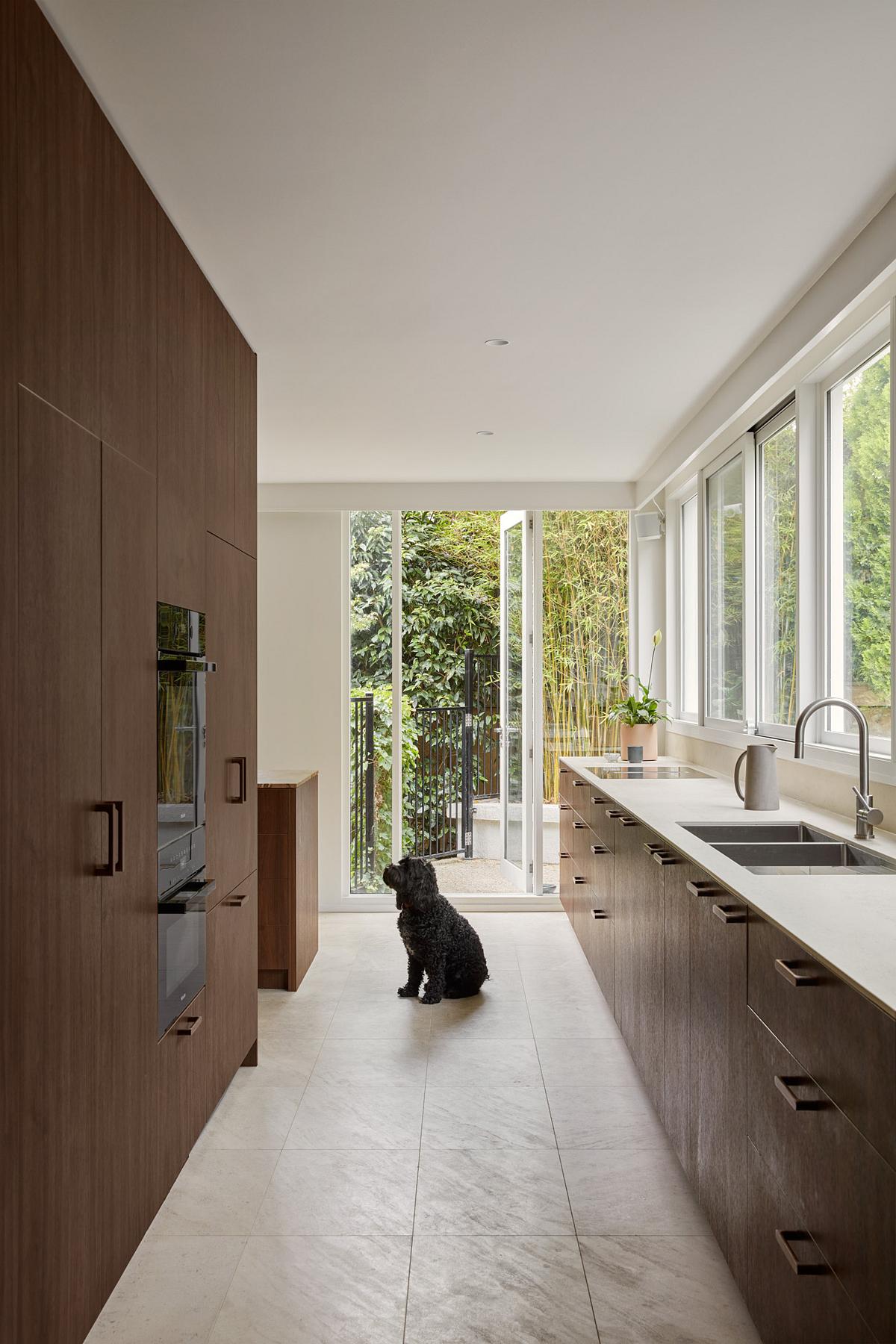
The ground floor became the focus of the transformation. Bryant Alsop reimagined the living spaces to better support contemporary family life while preserving the clarity of the original plan. A new kitchen and laundry were introduced and woven into the existing architecture so that they feel like natural extensions rather than additions. The palette remains restrained. White walls and ceilings allow light to move freely through the rooms and frame views of the surrounding garden, while also providing a backdrop for artwork and mid-century furniture.
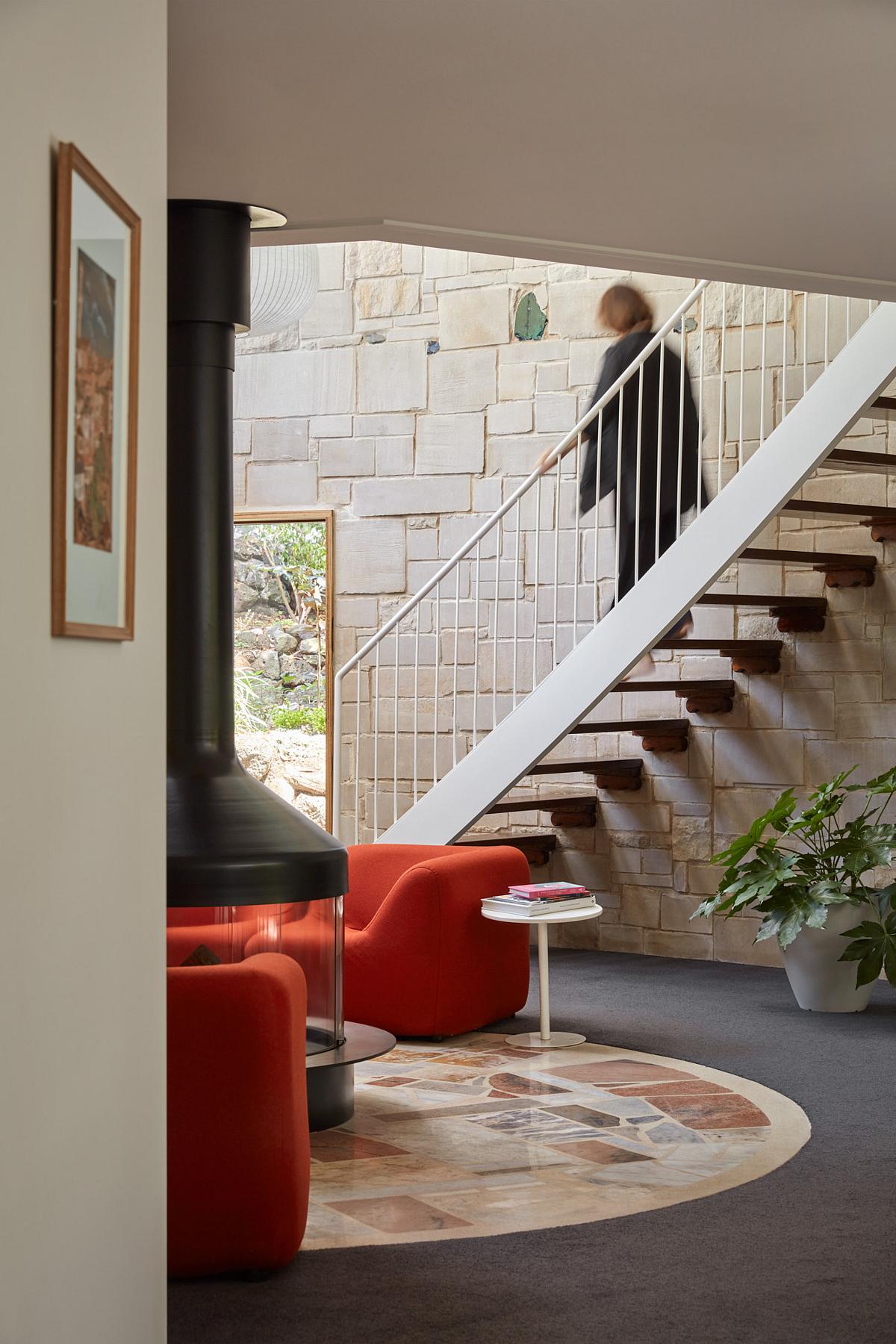
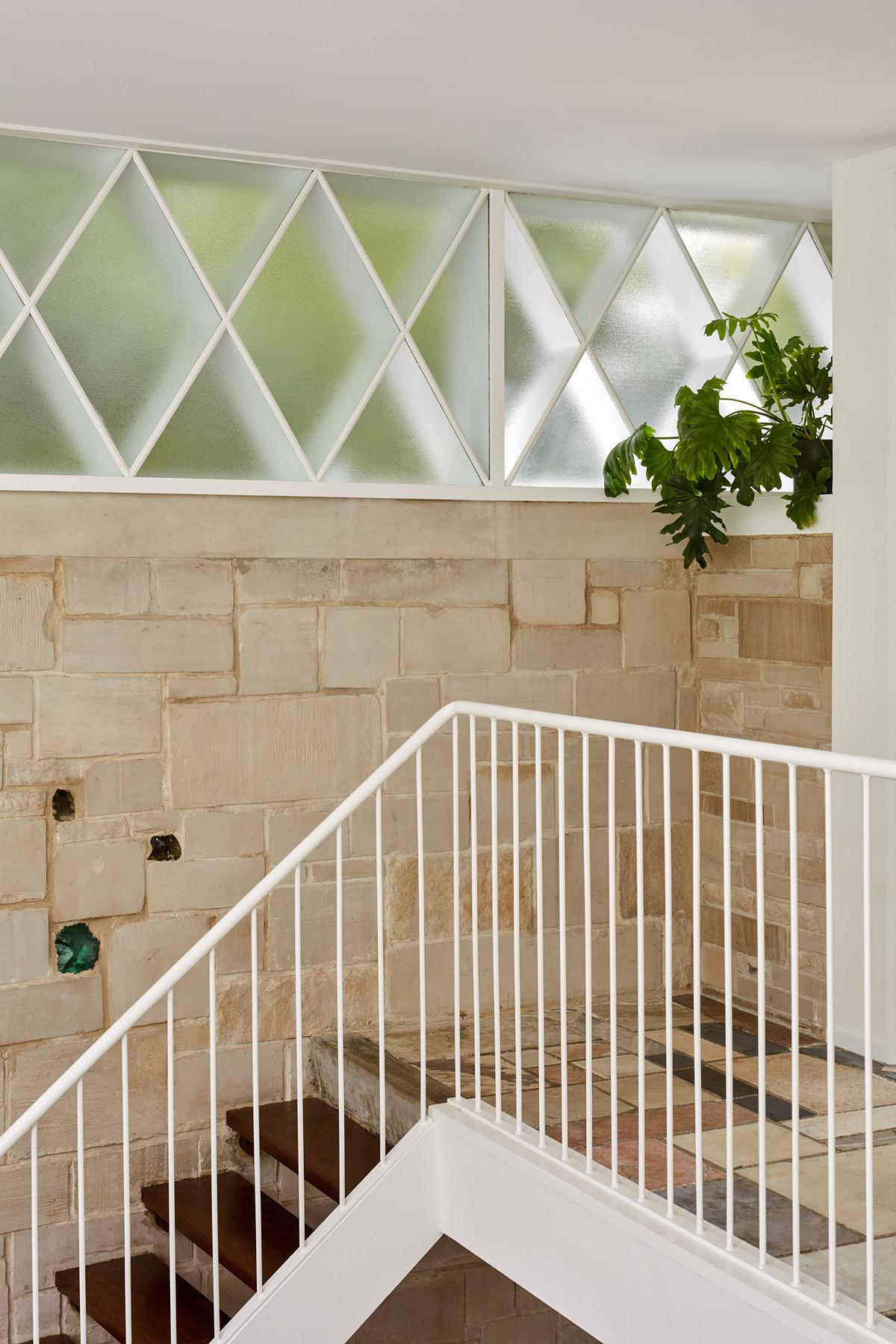
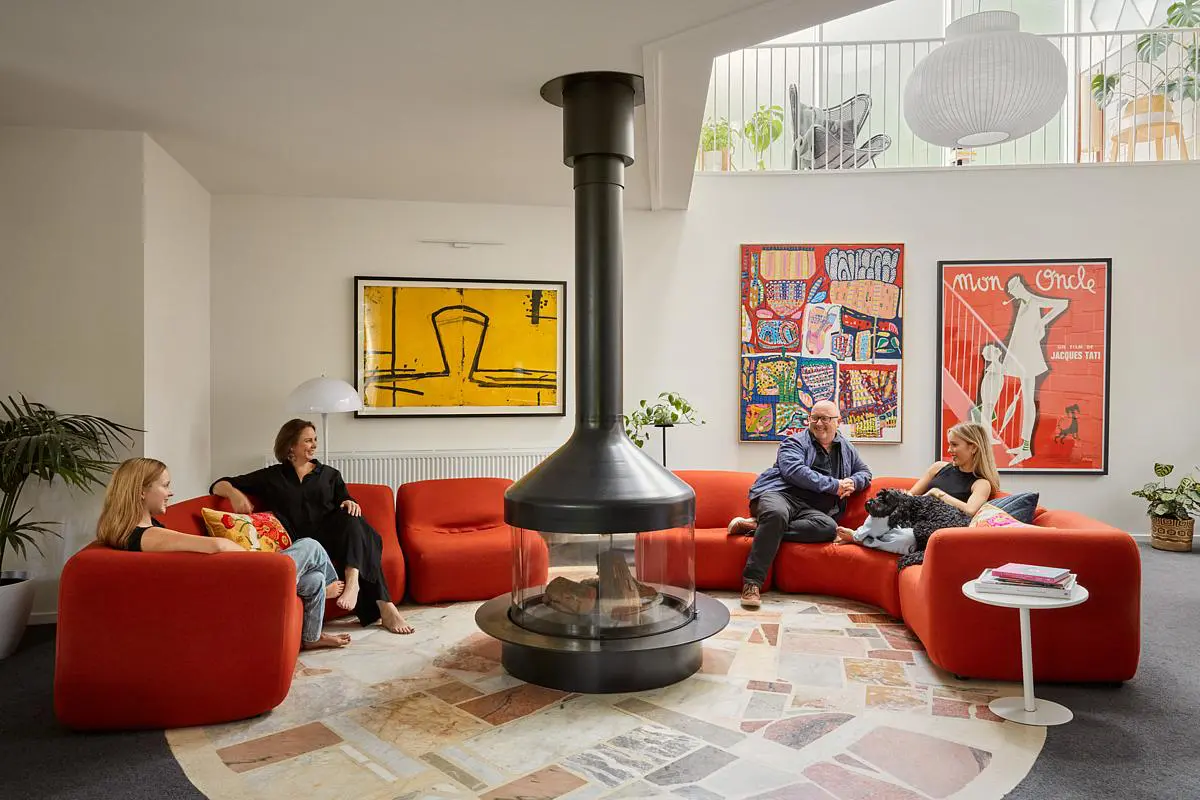
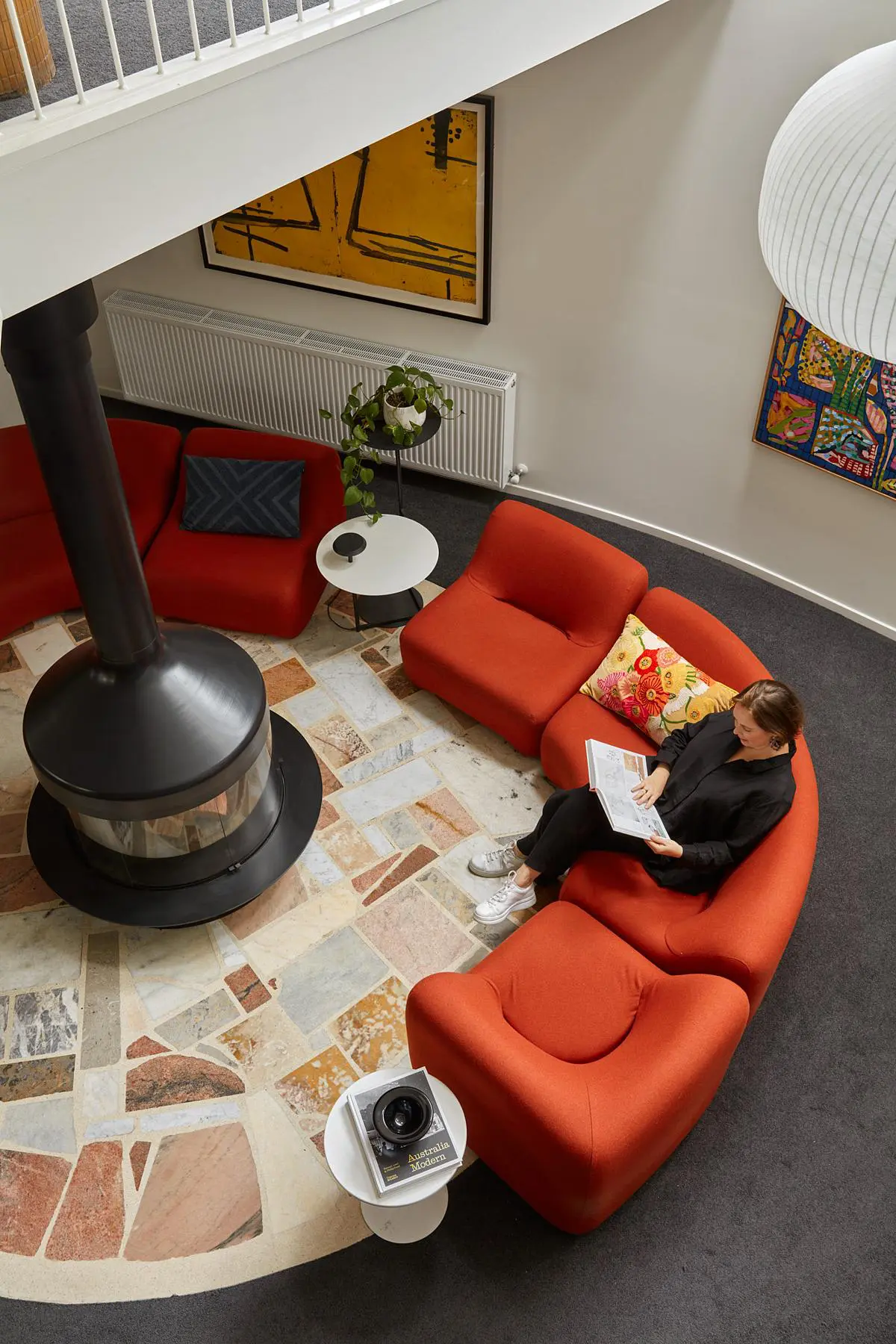
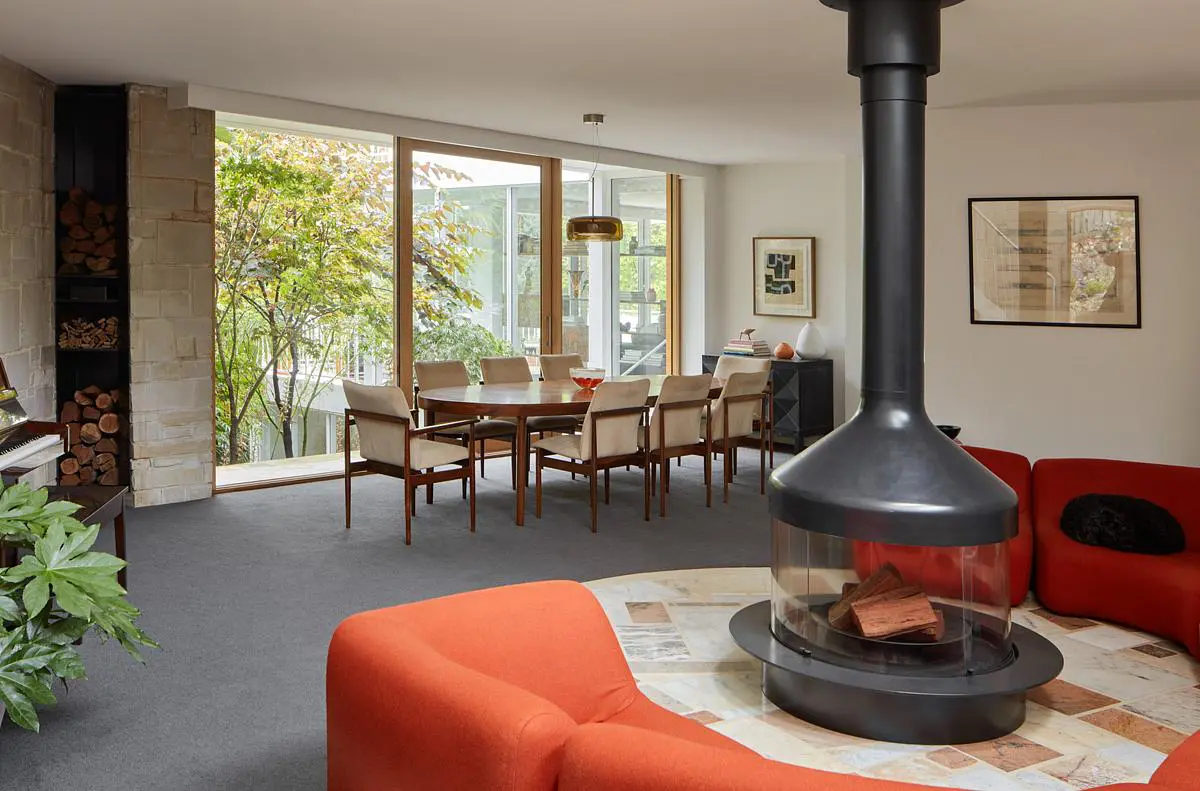
One of the most memorable moments of the renovation came from beneath the floor coverings. Hidden under decades of carpet and vinyl was the home’s original crazy pave tiling. The irregular stone surface, full of character and texture, pointed to the room’s earlier life as a sitting room. The design team restored this function, creating a warm gathering space organised around a sculptural “in-the-round” fireplace imported from overseas. The fireplace sits at the centre of the room, encouraging conversation and anchoring the space with quiet drama.

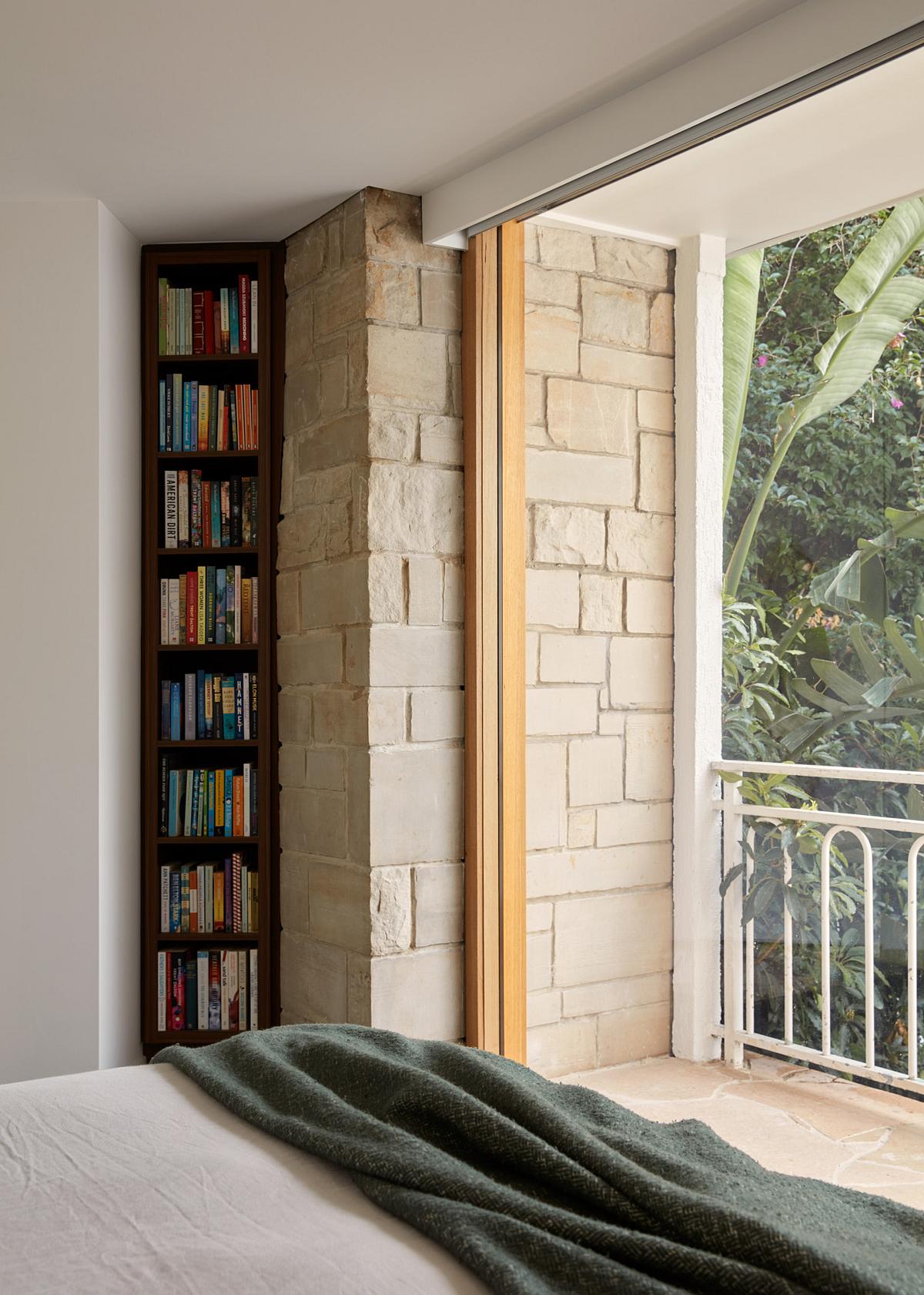
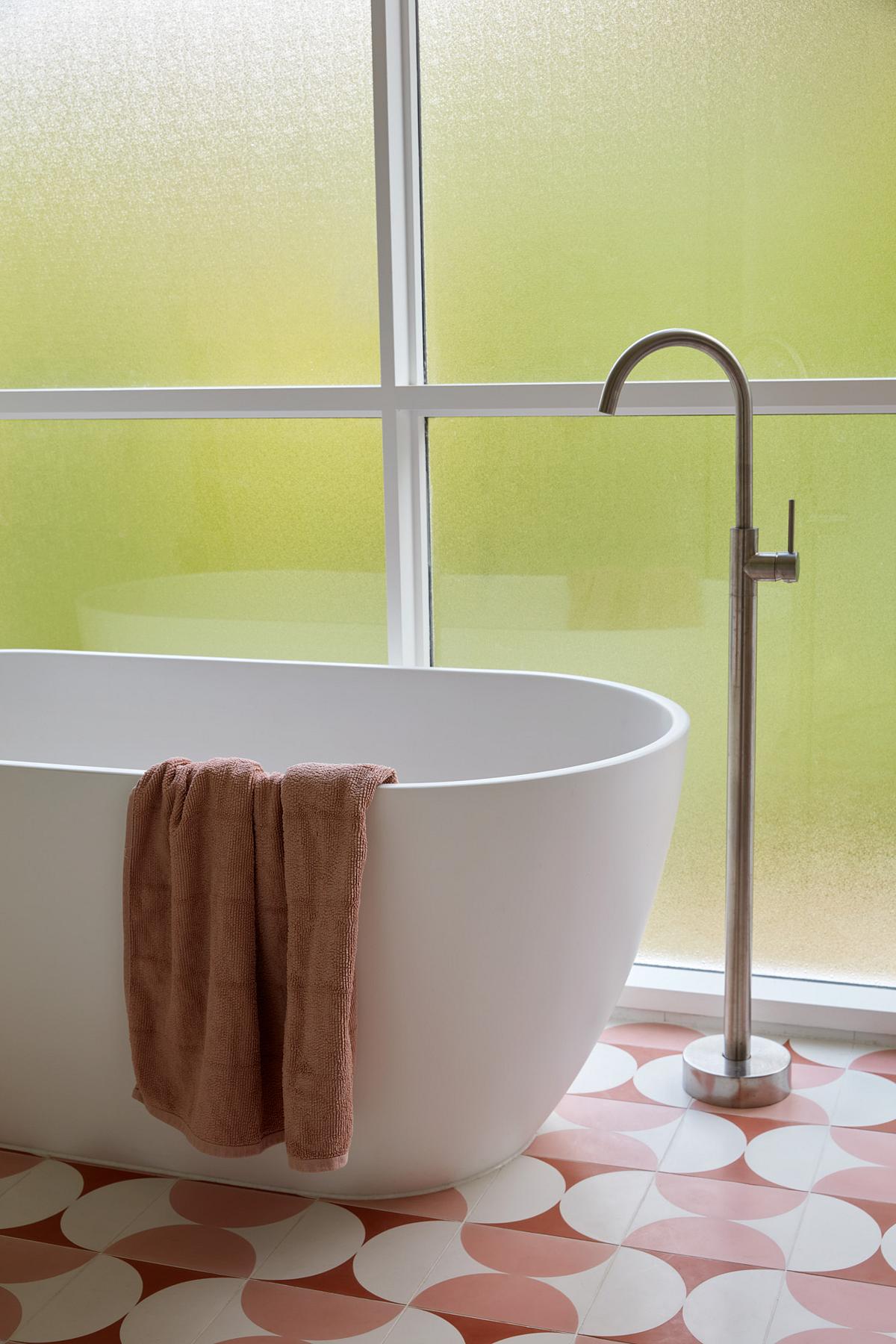
Upstairs, the challenges were different. A series of alterations during the 1970s had disrupted the logic of the floor plan, leaving behind a maze of small rooms. the architects approached the problem by removing internal partitions while preserving the original steel structure. The result is a more generous arrangement that includes a master suite with walk-in robe and ensuite, three additional bedrooms, a shared bathroom, and a separate toilet.
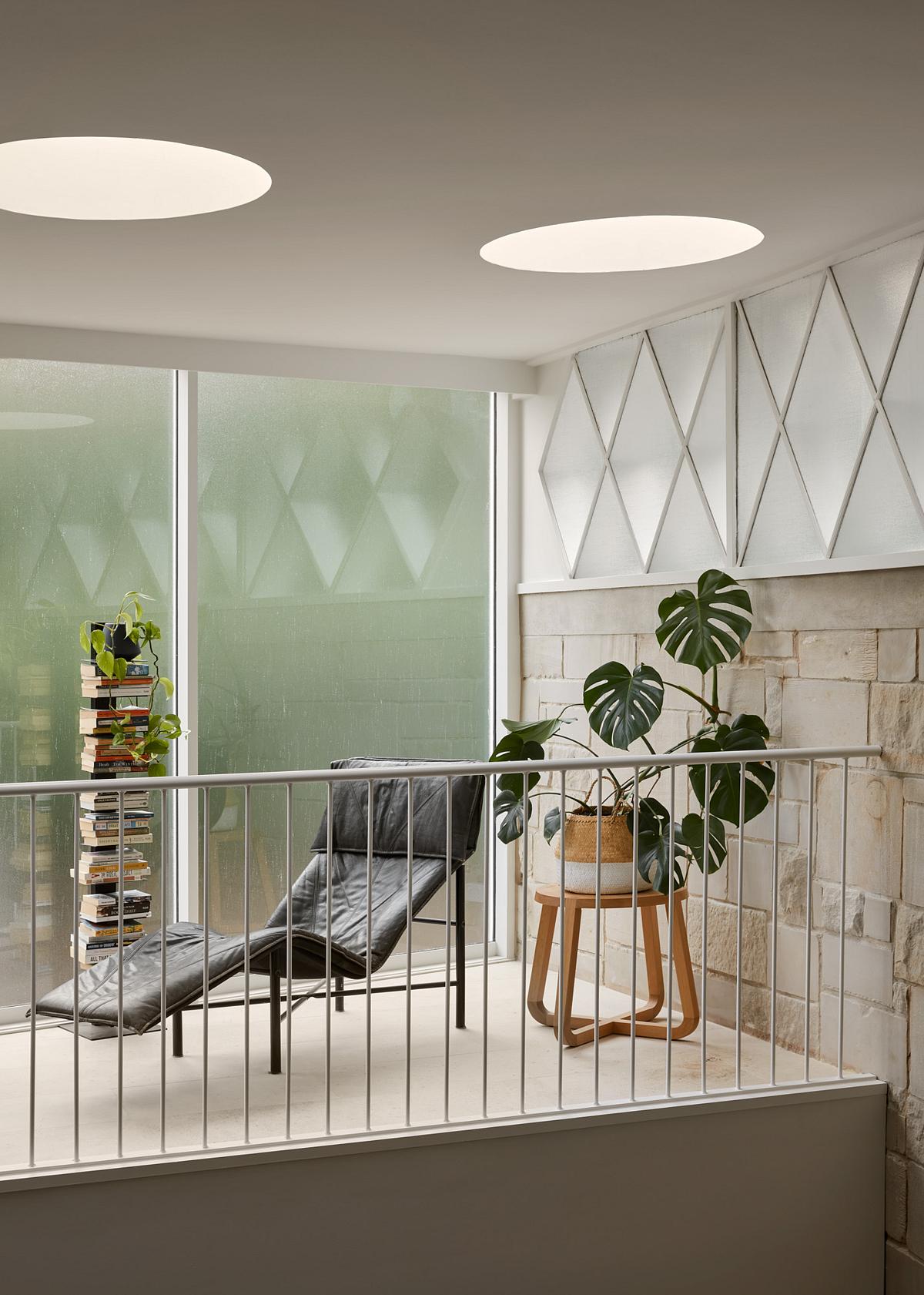
The renovation also highlights several of Danne’s signature architectural features. Nine circular skylights punctuate the first floor, drawing daylight deep into the plan. A single structural column and one downpipe servicing the entire roof system remain visible reminders of the building’s elegant engineering.
Danne’s design was forward-thinking even in the 1950s. Features such as double glazing for highlight windows and the skylight system anticipated a more energy-conscious approach to architecture.
This project demonstrates how careful restoration can allow a mid-century house to evolve respecting the original ideas while adapting the home for contemporary life.